
Caitlin Hicks's Blog: Book Reviews, page 2
January 8, 2024
GARDEN OF EVIL
Courtroom drama, small town Saskatchewan murder mystery, the David and Goliath of Big Ag versus a local anti-hero who makes his rural living at a fishing resort. The loading and unloading of enormous bushels of wheat, death by suffocation in a grain elevator, the childhood trauma of a son whose Dad was too busy to attend the important events of his life. A yellow vintage automobile at the murder site, a daughter whose wedding is planned chaos, a long-suffering wife, a lesbian couple, a leering protagonist whose sexist comments just tumble out effortlessly while he tries to solve murder after murder after murder.
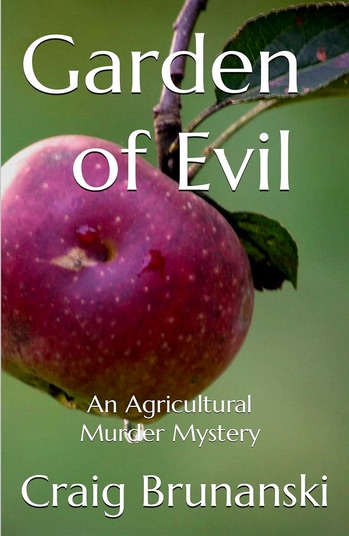
It’s all there in Craig Brunanski’s Garden of Evil, An Agricultural Murder Mystery. With this colourful town of quirky characters, Brunanski uses his origins in a similar town, his experience with local weekly newspaper (his parents ran a newspaper in the small town of Wakaw, Saskatchewan where he was raised) and his personal knowledge of Big Ag issues on The Prairies-and puts it all into his fiction.
Details tumble off his stream-of-consciousness narrative, making Garden of Evil rich in unexpected but not surprising cast of characters, conundrums, and the aspirations over beer of Everyman in a rural farm-fishing town, Canada.
The Exploitation Principle that has driven the economic engines of centuries of ‘progress’ is alive and well in Garden of Evil and represented by the company Ultra Wheat. Brunanski sets up the novel with a 1976 story in Kansas: Matt hurries to get to his son’s championship football game. Loading wheat into an elevator from five-ton trucks, Matt observes the load of grain jamming in the tunnel. Hurrying to get to his son’s game, he leaps into the wheat without his safety harness to unplug the obstruction (called ‘walking down the grain’) and is sucked into the vortex. His son, Bud Zimmer, drops the ball during the game, losing the championship and cursing his father’s absence, not realizing his demise. This series of events is the black mark on the childhood of the accused villain – and explains but doesn’t quite absolve Bud Zimmer of his nefarious schemes and his sociopathic behavior. So, he’s a human being, and although you get the feeling that he’s the ‘baddie’, you have to feel some sympathy.
The same for the novel’s protagonist. The rambling narrative of Joe Burkylo takes place in the present tense, as he goes from pillar to post trying first to absolve himself of suspicion and then to solve the murder of his long-time benefactor and friend, the CEO of the BigAg company, who propped up his fishing business for years. With this character, Edgar Dunning, who disappears down the shaft of another elevator in Saskatchewan at the second beginning of the story, and the protagonist’s loyalty to his friend, the author creates a blurred line between the two sides of the BigAg / Small Farmer debate by making the murdered CEO a ‘good guy’ you might invite over for dinner. In spite of the fact that his product poisons the land, and the food supply. In spite of the fact that his company puts hard working farmers out of business for genetically modified seeds that stray on the wind.
Fast-paced, always a step ahead of the reader, Burkylo is unreliable enough as a narrator to be interesting and entertaining. You may not approve of his off-the-cuff sexism and entitled white-guy homophobia, but maybe you consider forgiving him, because these sprinkled comments come off as oddly benign and humorous, and because he genuinely cared for his wife as well as his murdered CEO. Besides, you can’t control everybody; people think what they think, believe what they believe. That’s the reality of human nature. That’s small town thinking. Let that character be himself. The haphazard nature of Joe’s thoughts as he trails around town seeking the red herring/yellow automobile and being the first to happen upon the scene of another unbelievable murder adds up to a brisk, fast-paced novel that has you guessing all the way up to the unpredictable courtroom drama that ties it all together.
As with murder mysteries, solving it is the thing here; certainly not any kind of moral high ground, or exploration of the meaning of life. The stakes are high and it looks like a show down and yet, it feels like a romp. The ending, a clever legalistic bit of acrobatics that ties everything together and makes the confusion, suspicion and accusation seem perfectly logical. Everybody, all those characters, (except for the murdered bodies strewn along the path of the narrative), ends up relieved that justice has been served. Enjoyable! The puzzle nature of it. The characters. The haphazard unfolding of the plot. The uncensored voice of Joe Burkylo, pre-feminist dinosaur.
What ultimately comforted me: the David and Goliath resonance: Burklyo’s town resumed its pre-
murder sleepiness and order-of-the-universe after Joe split open the Conspiracy Theory it took him the novel to expose.
Somehow, Small Town Saskatchewan turned ‘progress’ on its head!
Review by Caitlin Hicks


December 22, 2023
A gift from L.A. Detwiler, USA Today Bestselling Author
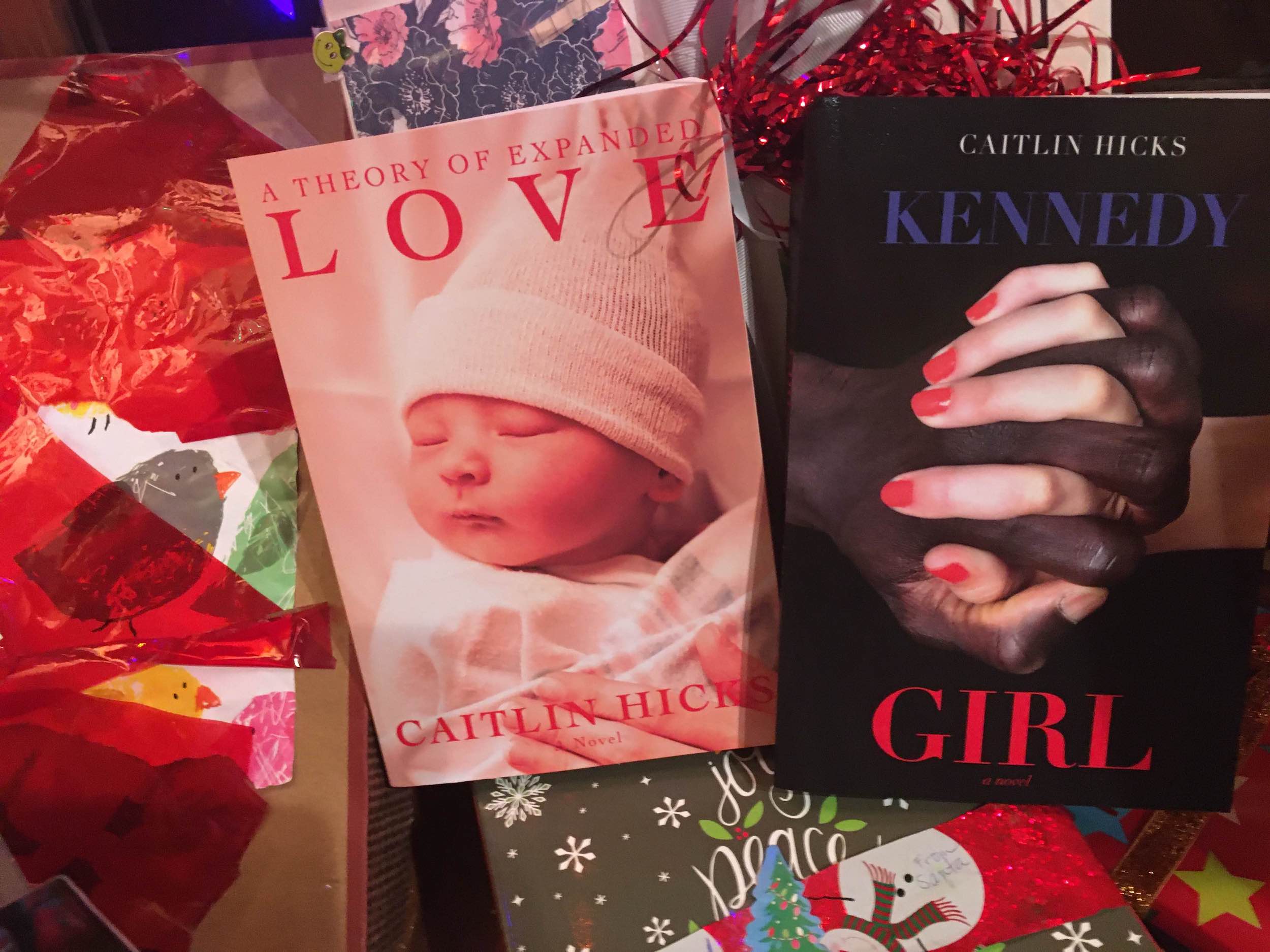 “The diary entries help add to the rich depth in this novel. The plot of the story and the highlighting of important issues of this era are done in an admirable way that does justice to the weight of the events. However, I appreciated how Hicks mixed in humor and quirkiness to add levity to the novel at points.“Hicks has a way with words, which shines through her expertly crafted dialogue that feels conversational and realistic. Furthermore, the descriptions are crafted in a way that the scenes are vivid, memorable, and really resonate with the reader. There were so many lines that I clung to because they were just so stunning.“This is a dramatic, amazing literary feat that fans of historical fiction and really all fiction (readers) will enjoy.”Author L.A. Detwiler, USA Today Bestselling author of The Widow Next Door
December 18, 2023
The joy of Andrew, #13
 Subject: belated birthday greetings
Sent: 15/9/20 12:43 AM
Received: 14/9/00 10:05 PM
From: Andrew Hicks
Dear,
How are you? HAPPY BIRTHDAY late. I am sorry I did not
communicate with you concerning the anniversary celebration of your birth.
Anyway, I hope you had a most excellent and triumphant day. How many
Earth years are you, exactly? Isn’t it amazing that all of us have lived as
long as we have? Have a wonderful day, even though today is your
Un-Birthday.
Love your Bro,
Rew
Every once in a while
I got an email with the name ANDREW in the subject line. And I knew it was urgent. He was admitted to hospital because he was not eating or drinking. Losing weight. Incoherent speech. MRI’s and CT’s revealing nothing. His balance, reflexes, and motor function have been declining over the years; It’s not ALS. It’s not Parkinsons. It’s not any kind of disease with a name, but he had it in spades.
I was never good at math, but it seemed that numbers had been falling out of the sky.
My ‘little’ brother Andrew.
Of 14, he’s the second-to-the-youngest
Of 8 brothers, he’s the second-to-the-last
He’s 7 children younger than me.
He was one of the 6 Little Kids.
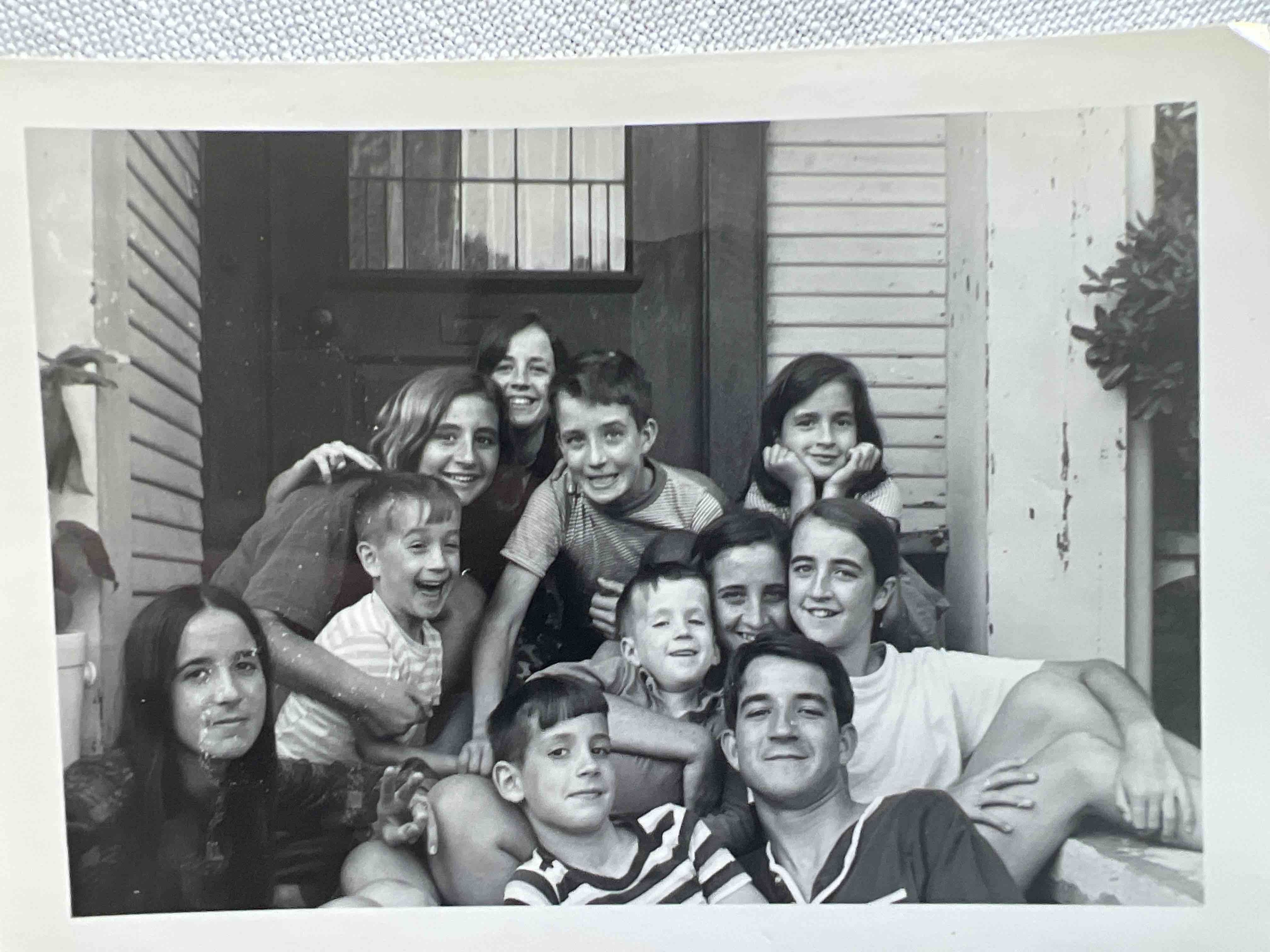
There were fourteen of us, and I was Number 6.
Andrew was Number 13.
He was born early in April, the fourth month of the year.
When Thomas (#14) came along, demoting Andrew to the used-to-be-the-cutest baby in the family, Andrew was not quite 2 years old. It was during that short time in his life and mine that I changed his diapers, dressed him and helped teach him how to walk. Every morning, as the family ate their Cheerios or their Cream of Wheat and my parents drank their morning coffee, Andrew grabbed a hold of two of my fingers to balance him as he tried to explore the world standing up.
What I loved about this was Andrew’s joy. He was always standing, holding onto the side of his crib, waiting for me to come in and rescue him. And when I peeked around the door and stuck my face into the room, he broke into an infectious smile, giggling and shrieking and running around the crib, as I chased him.
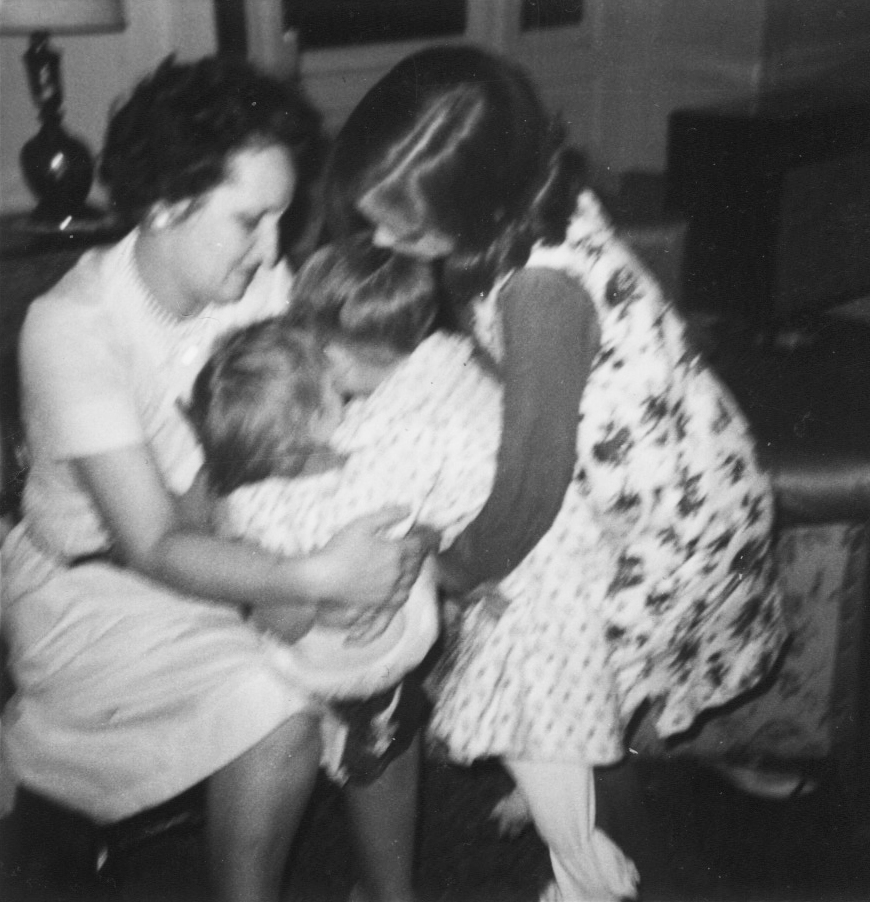
Below: Mother and I holding up the two youngest in their pjamas in a group hug.
In 2nd grade Andrew lined up for his First Communion, a small person in slacks and a white shirt, hands folded and marching in formation. We were used to lining up; when there are lots of kids, that’s what you do, you line up. If you ever wondered where we were, it would be safe to say that we were probably lining up for something. For inspection. For a spanking. For the rosary. For the bathroom.
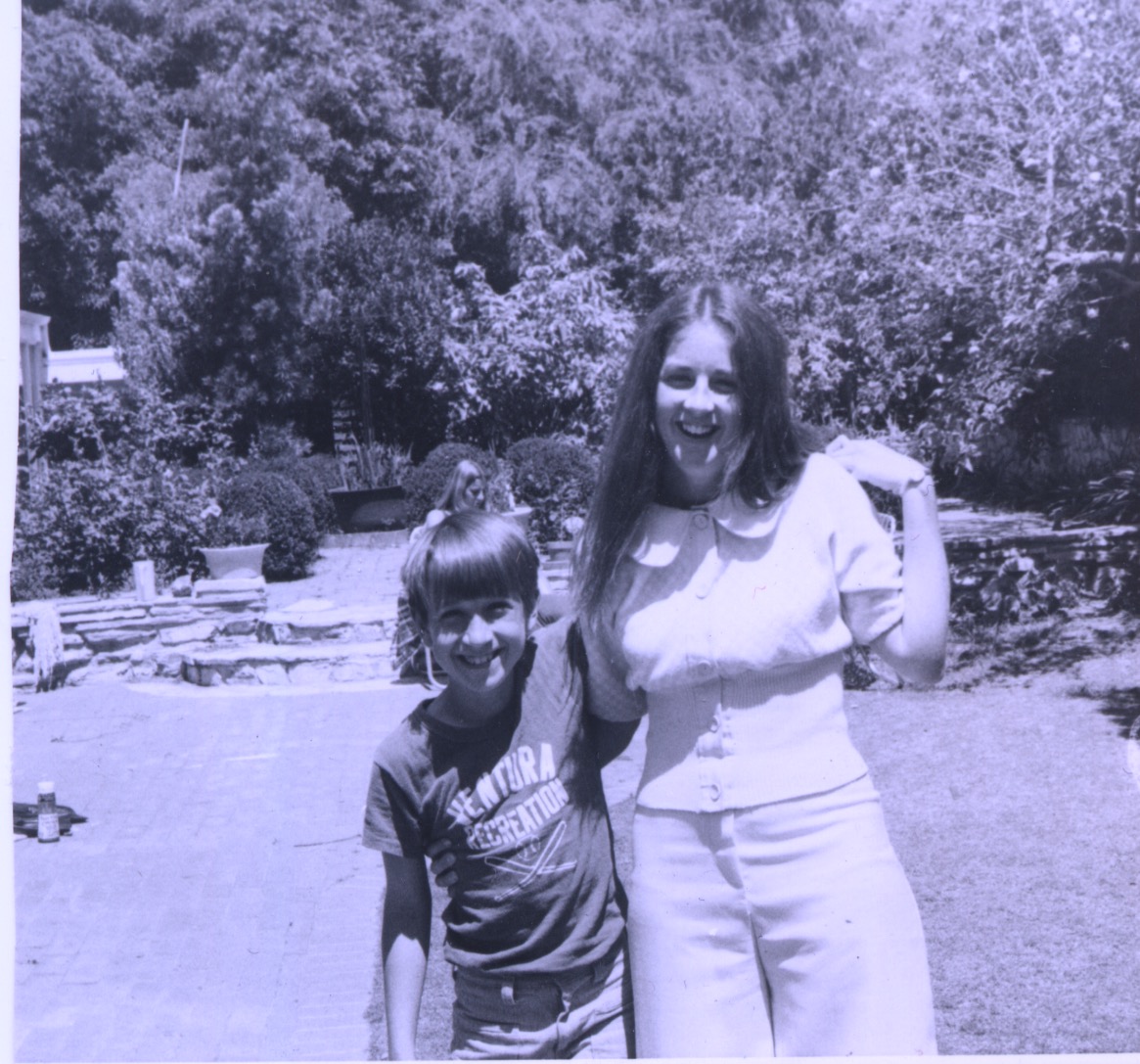
Even as each of us was just another child in a big group, part of a line, Andrew always saw me. And I saw him. I was always glad to see him. We liked each other.
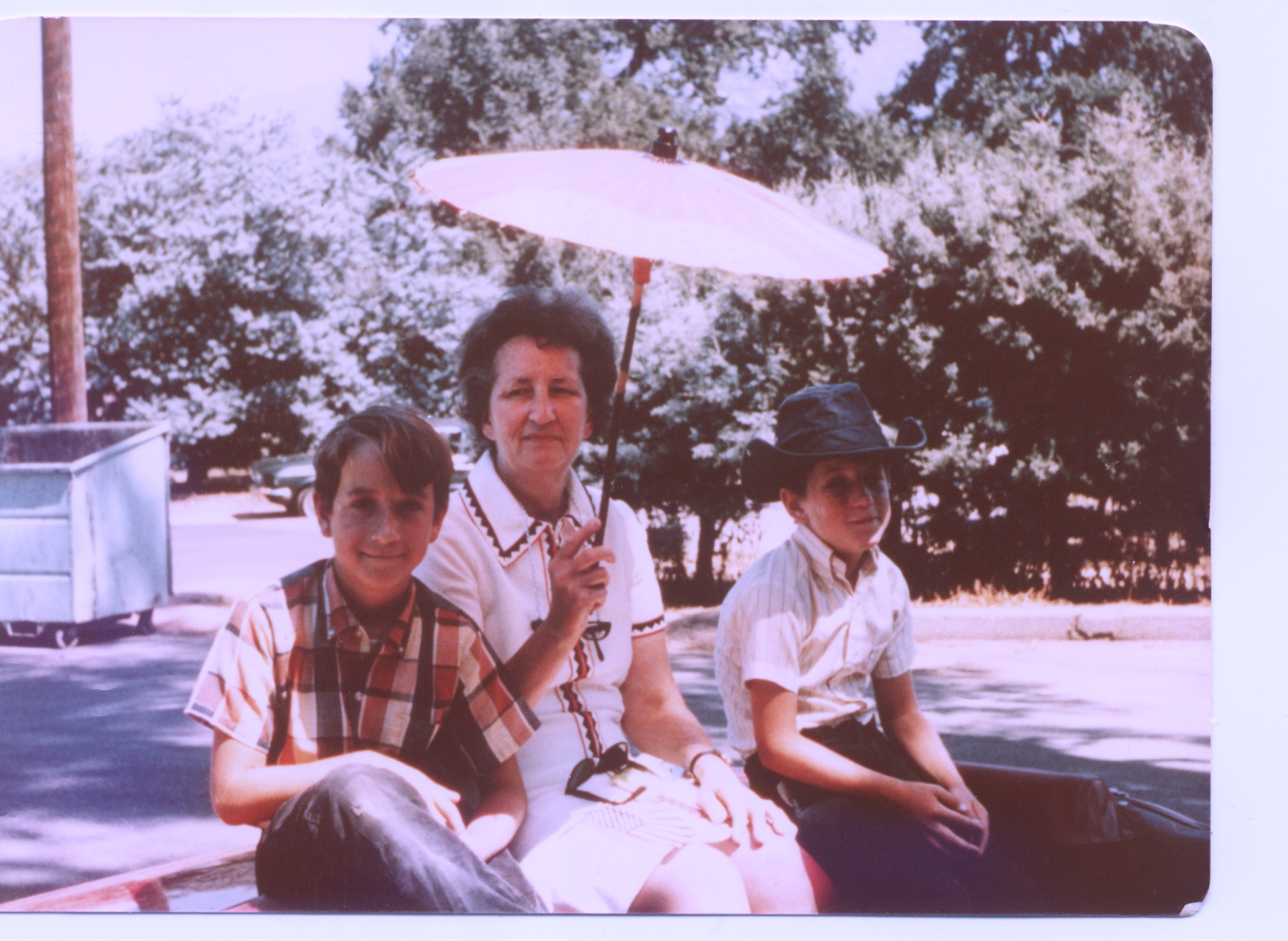
That’s a photo of our Mother when she was being paraded around with Andrew and Thomas as Ventura’s Mother of the Year. After giving birth to and raising fourteen children, it was ‘about time’ she was honored for her contribution to the human race, and the next generation. It was very soon after that photo was taken, she became ill and died. Look how young Thomas and Andrew were, to lose their Mother.
Sometime after we lost our mother, Andrew got a tumor in his skull. To make sure the tumor didn’t come back, they radiated him every week, according to a schedule. He kept getting zapped until someone was satisfied that he’d had enough. Radiation with an unfathomable half-life.
Finally. They stopped. Andrew had to re-learn to walk, talk and read all over again. But he was still alive, whereas our Mother was not. It looked like things would get back to ‘normal’. But when ‘normal’ is truly interrupted, ‘going back’ is a fantasy. There is always something not quite right.
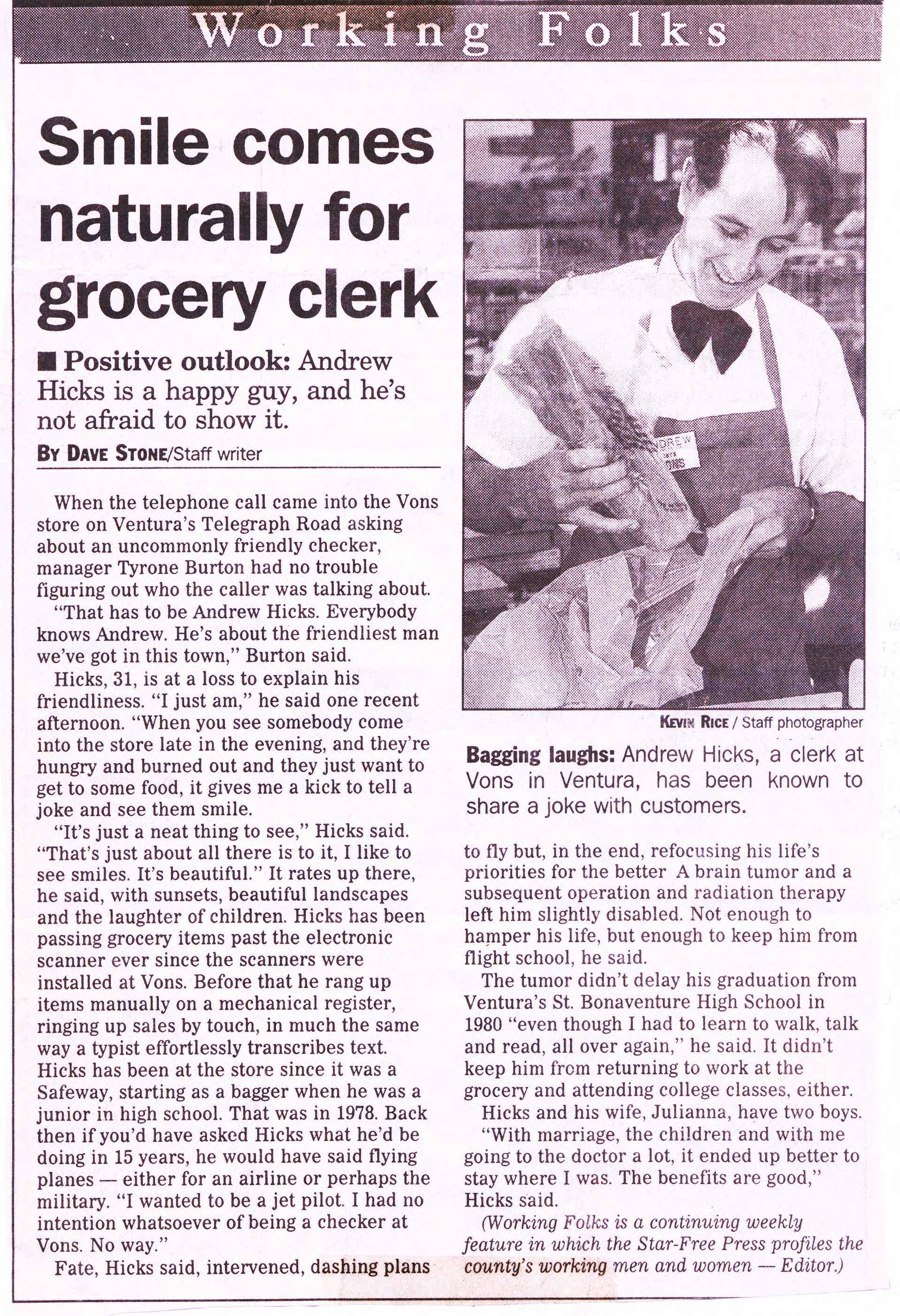
By the time Andrew was 31, his dreams, “to be a jet pilot” were replaced by his reality as a checker at Vons, the local grocery. In spite of his own sense of failure when comparing himself to his other brothers (one became a doctor; 3 became bankers), at VONS, Andrew was known for being the friendliest man in town.
When Andrew’s two boys were small, I happened to visit the home he shared with his wife and kids. And it was really messy; clothes everywhere, books, pillows, dishes, everything all mixed together in one visual chaotic, sloppy scene. Like the house we grew up in together. And in this mess, somewhere, was their pet rat, who did not live in a cage. It reminded me of our haphazard, shared childhood, full of strewn laundry and dirty dishes and the delight of miscellaneous pets.
After his divorce
Hello All, I hope you are all doing splendidly! This is to be my last message for a while, as I am signing off from the internet. I was not too impressed with all it had to offer. If you want to write or call me feel free to do so.
I hope you all have a splendid existence and work towards God.
Later on,
Dudes and Dudettes
Love to you, Andrew
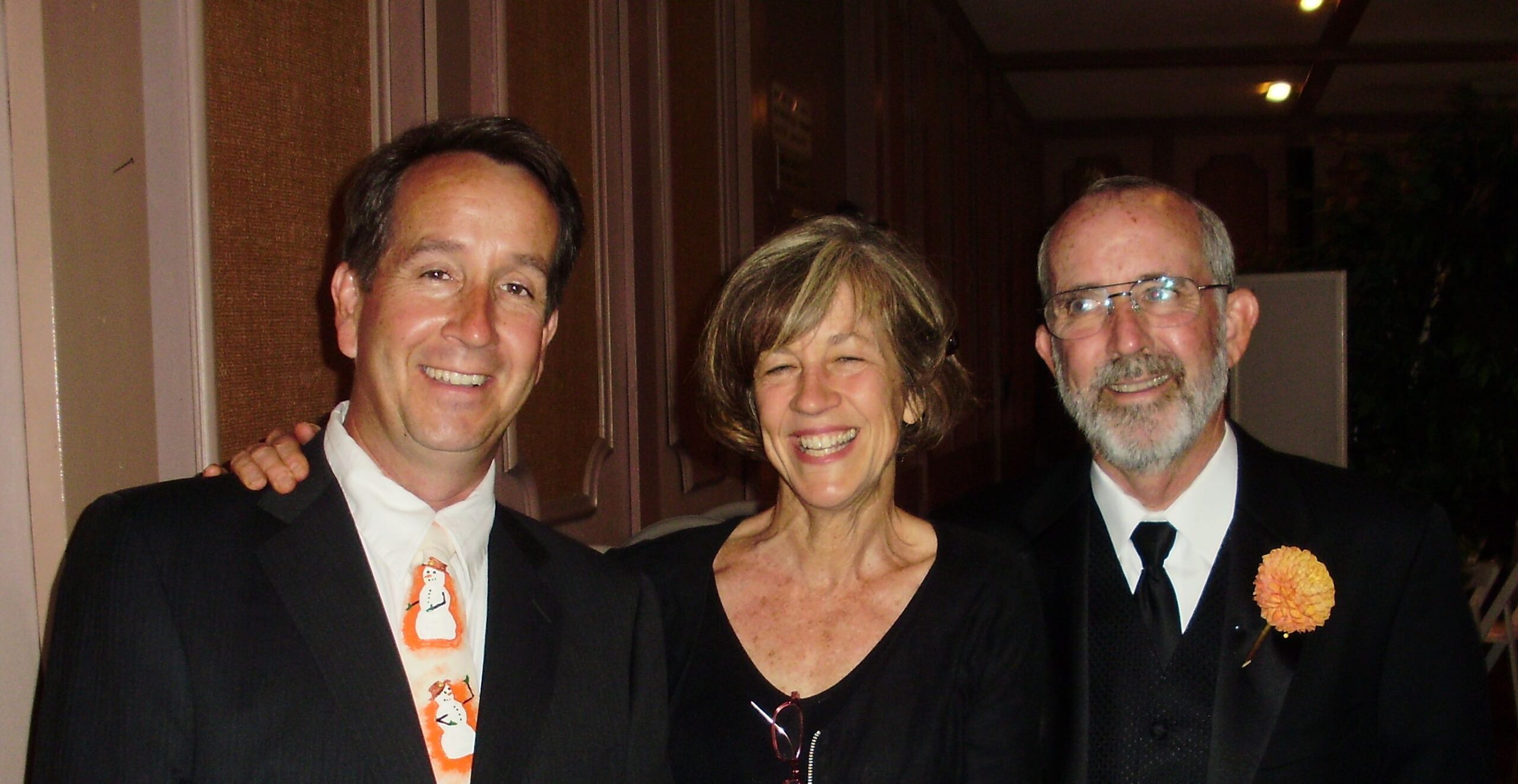
Andrew lived with my father in the family home in Ventura. He used to turn up the music to the max which annoyed my step-mother. Between Mitch Miller, Strauss Waltzes, The Andrew’s Sisters, and The Beatles, Andrew and Daddy re-played so much old music at top notch, it gave a new meaning to the word ‘deaf’.
Once my father diedAndrew inherited a 1/12th share of the proceeds from the sale of the family home. More than a million dollars in payouts and two children were disinherited. I was one of them. It was my punishment for speaking out against the cultural family narrative. It’s bad enough being disobedient; what’s worse is speaking out about it, especially when surrounded by the converted. But I digress.
With his inheritance, Andrew traveled and produced his own original songs. He shared his albums with me, always thinking he was going to someday make it big. There was one song I really loved, Happy to Be. Here’s the refrain:
Once I wasn’t
then I was
now I am
and I’m just happy to be.”
But Andrew’s limp became more pronounced; his hands trembled; he blurted inappropriately and randomly, as if he had Turret’s Syndrome.
At the time, a woman happened to go through his grocery till wearing the flag of Japan on her t-shirt. “The Japs bombed Pearl Harbor and started World War Two,” Andrew shouted at her. And for that, he got fired.Even the union wouldn’t go to bat for him on that one. So his life changed again.
Before he couldn’t walk anymore.Before he gave up the internet altogether, Rew spent a good chunk of his time finding, reading and forwarding emails. Here’s one, at least as worthy as a good cat video.
The riddle to end all riddles.
It’s just one word
Only 5% of Stanford University grads figured it out
Can you answer all seven of the following with the same word?
The word has 7 letters
Preceded God
Greater than God
More Evil than the devil
All poor people have it
Wealthy people need it
If you eat it, you die
Did you figure it out? scroll scroll scroll down down down
Try hard before looking at the answers
did you get it yet?
Give up?
Brace yourself for the answer:
The answer is:
Nothing!
Nothing has 7 letters
Nothing preceded God
Nothing is greater than God
Nothing is more Evil than the devil
All poor people have nothing
Wealthy people need nothing
If you eat nothing, you will die
Send this brain-teaser to your smart friends and see if they can answer it.
We call him Rew.Because I live in another country far away, Rew and I, we had this technological relationship which consisted of me imagining what he looks like and how much space he takes up during the time his voice is in my ear once a month on the receiver of the telephone. He’d taken it on to call everyone in the family every thirty days or so, once our eldest brother Gregory died. I used to have that kind of relationship with Gregory before he died, punctuated by the odd visit so I could update my imaginings.
This essay with photos is a tribute to my brother, Andrew. Of course it can’t be comprehensive, a person is so elusive in their complexity. But I’m sharing my recent journey with him in an effort to remember him and to honour his presence in the lives of our huge family. I also honor my mother and my father who brought him, their thirteenth child, into the world.
August 24, 2023
Creating a Sell Sheet for your novel
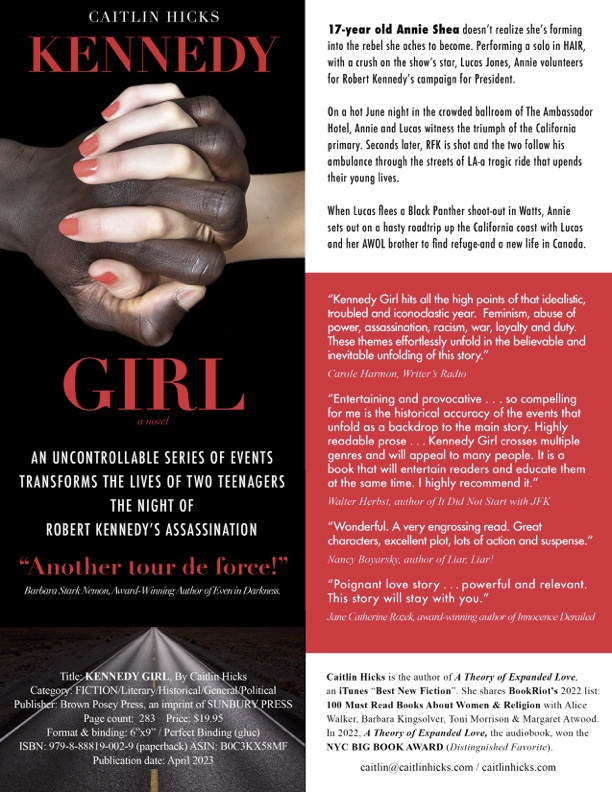
Although my novel was published by a mid-size trade publisher, I had little way of knowing what their publicity arm was sending out about the novel. And I know my novel best; the stories it has, the issues it brings up, the talking points.
After discussing with the publisher, who encouraged me, I put together a sell sheet for the books to use and to share with Sunbury Press & their publicist company, CISION. I had lots of early reviews, some of which I included. Because we were short of space for this, (it is a one-sheet!) I tried to get important reviews that also included some info on the plot & characters in the story. Luckily my partner is an accomplished visual artist who has been co-creating visual publicity pieces with Photo Shop throughout our creative lives together. He gets the design credit for these two covers! And these painstaking ‘sell sheets’, full of copy, plentiful with words.
In terms of Sunbury Press, now we are working together: as a Canadian author, whose books are published by a traditional trade publisher from the US and distributed in both the US and Canada, I am not supported by Canadian and provincial programmes, contests, subsidies in place to bolster British Columbia and Canadian publishers. The publisher himself, Lawrence Knorr, is an accomplished, smart man who wants to get it right and I am confident he sees my two books (THEORY and KENNEDY GIRL) as assets to his bottom line.
As an author, I need publisher support when interfacing with news outlets, literary festivals, libraries and contest/prizes. It’s just a fact that an author is taken more seriously when represented by her publisher.

A sell sheet provides the basic information about your book on one page, including the ISBN# and the literary genre of your novel, and a flash-synopsis. Send this to libraries, bookstores, writer’s festivals and book clubs to keep the buzz going about your new release.
August 23, 2023
Vietnam war: front page of The Pasadena Star News
“January 7, 1968. Dear Diary, Today the Beatles’ Magical Mystery Tour hit number 1 on the charts, a duck hunter accidentally shot a whooping crane already going extinct, and Bing LaBelle finally made it to the front page of the Pasadena Star News: Bing LaBelle (St. Francis Class of’66) home from Vietnam in a coffin.” – Kennedy Girl, p 1.
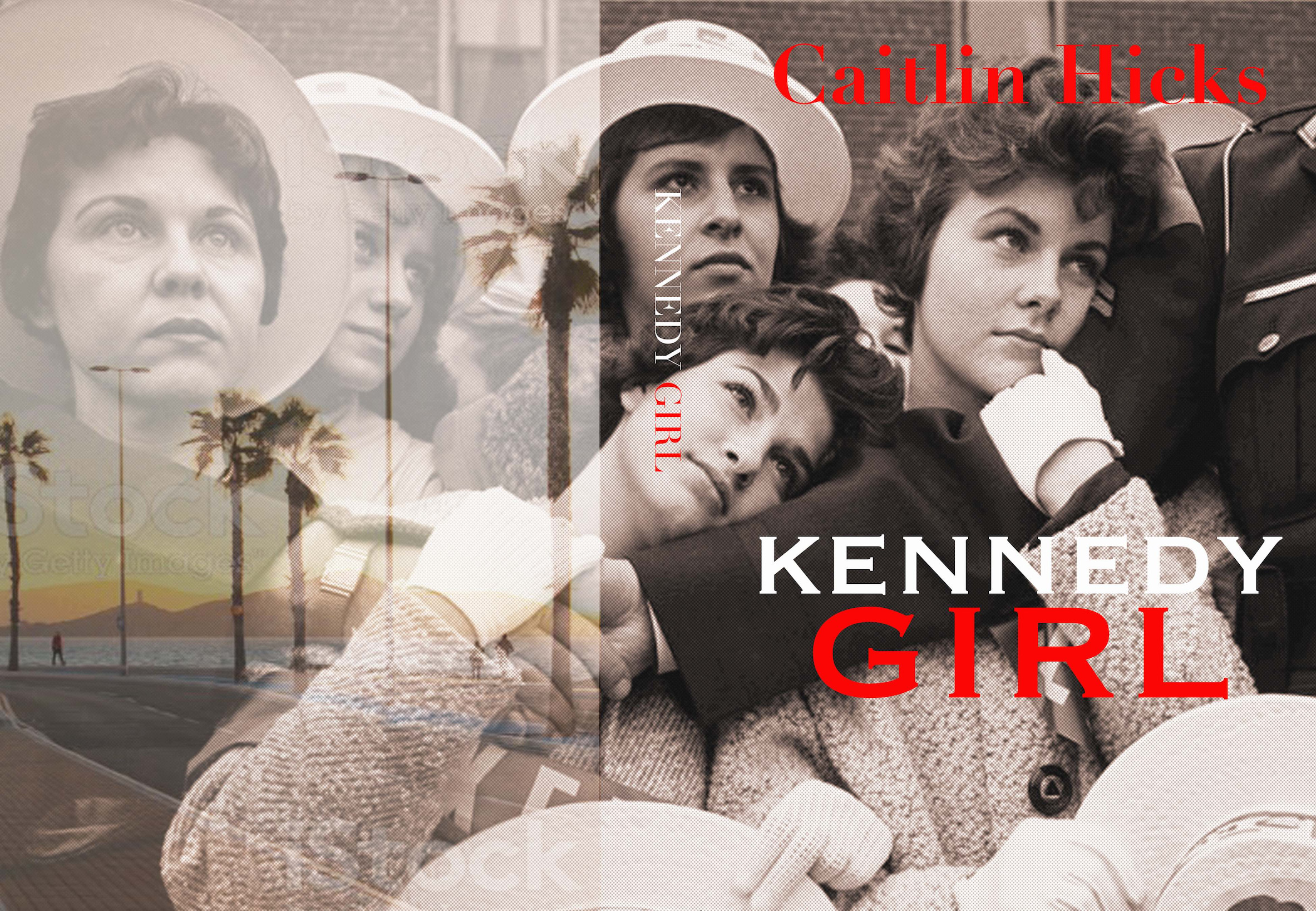
With KENNEDY GIRL, Caitlin Hicks draws us back to 1968 in America. Deftly painting the era of sex, drugs and war in Vietnam, she introduces us to her hero Annie Shea, a teenager on her right of passage to adulthood. Annie chooses to be a Kennedy Girl, a supporter of Robert Kennedy as he campaigns for the presidency. With Kennedy’s idealistic campaign dreams as her guide, she faces the childhood truths learned from her large and traditional Catholic family and their middle America community.
When reality collides with youthful innocenceWe witness with fingers crossed as she questions religious morality and community mores, even the laws of the land. We cheer as she chooses to act, attempting to right the social and legal wrongs in her way. We weep when reality collides with youthful innocence.
With KENNEDY GIRL, we remember the joys of youthful discovery and the contradictory expectations modern society demands of each of us as we reach adulthood.
I read this tale in just two days. It’s that kind of book!I highly recommend you add KENNEDY GIRL, to your reading list. –Jane Callen, Vancouver author
August 16, 2023
The fiction of KENNEDY GIRL: “Your own life is within it”
What is both fascinating, and disturbing, is that we are still wrestling with the issues of that 1960’s era–in fact, the present widespread denial of racism in our society is a step backward.. And the hypocrisy of the Catholic church, its obsession with sexual behavior and its unwillingness to abandon its ludicrous garments and symbols of power (which have little to do with the ways of Jesus) are still around.
I know you do not write for fame or fortune but to express the churnings which have always stirred within you. That they stir within others is obvious from your success. Keep sharing your gift, Caitlin.
P.S. I was studying at the U. of Muenster, Germany, when MLK and Bobby Kennedy were killed. Also when the Watts riots broke out. I returned to U.S. in late December of 1969.
With affection,DonAugust 15, 2023
A vicious beating just for having a white girl in his truck with him
I enjoyed reliving American history of the tumultuous 60’s through the eyes and emotions of Annie Shea in Caitlin Hicks’ new novel Kennedy Girl. Annie is the compelling protagonist in Caitlin’s first best-selling novel A Theory of Expanded Love.
In this sequel novel Annie is getting ready to go off to college, although she and her Conservative Catholic father don’t see eye to eye on where she should go.
Annie begins to keep secrets from her family. She has a great singing role in the production of Hair. Her parents don’t really know what that’s about, or that Annie’s fallen in love with the charismatic Lucas, a talented black boy in the production.
This is a time when race relations are simmering dangerously, ready to explode. Annie is volunteering for Bobby Kennedy’s campaign to become president; she becomes a Kennedy Girl, one of the young women who support him for president, another secret Annie is keeping from her Republican parents.
There are many twists and turns in the narrative: hope for the future of social justice is shattered with the assassination of Bobby Kennedy; Lucas endures a vicious beating at the hands of the police just for having a white girl in his truck with him; one of Annie’s brothers goes AWOL from the army and she helps him get to the safety of Canada.
All these events and more are tied together in a fascinating story that will keep you wondering about the outcome until the very end.
–Kay McCracken is a poet, novelist, writer, book lover and organizer extraordinaire. She was one of the early founders of the writer’s festival Word on the Lake in Salmon Arm.
August 4, 2023
Metamorphosis in the Turbulent Year of 1968
Kennedy Girl is an entertaining and provocative book that takes place in the turbulent year of 1968. Having written two books on the JFK assassination myself, what made the book so compelling for me is the historical accuracy of the events that unfold as a backdrop to the main story.
The main characters of the book are two teenagers, Annie Shea and Lucas Jones. Annie is white and comes from a strict Catholic family with an overbearing father and disinterested mother. Lucas is a talented African American with a bright future who knows he will have to navigate obstacles in the racially charged times in which he lives.
Annie and Lucas develop a relationship, which would be a wonderful and interesting story by itself. However, what sets this work apart from others is the way author Caitlin Hicks navigates the couple through historical events that provide an insight in how difficult those times were. It is highly readable prose, and Ms. Hicks is a gifted writer to be able to present a complex story so effectively.
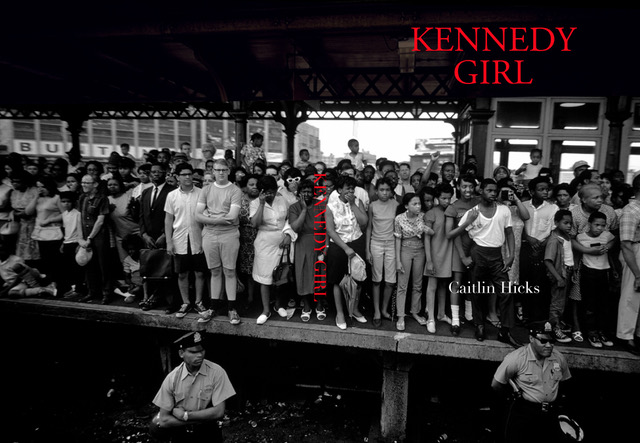
There are the assassinations of Martin Luther King and Robert Kennedy, the riots in Watts, the Vietnam War protests, a draft dodger trying to escape it, the generational gap that defined the times, race relations and police brutality, Catholic values vs. abortion and interracial relations, and so much more.
Not to mention the metamorphosis of Annie Shea, who changes from an innocent Catholic girl who did what she was told, to a young woman forced to mature quickly due to what she had to endure.
Kennedy Girl crosses multiple genres and will appeal to many people. It is a book that will entertain readers and educate them at the same time. I highly recommend it.
– Walter Herbst, author of It Did Not Start with JFK
The metamorphosis of Annie Shea
Kennedy Girl is an entertaining and provocative book that takes place in the turbulent year of 1968. Having written two books on the JFK assassination myself, what made the book so compelling for me is the historical accuracy of the events that unfold as a backdrop to the main story.
The main characters of the book are two teenagers, Annie Shea and Lucas Jones. Annie is white and comes from a strict Catholic family with an overbearing father and disinterested mother. Lucas is a talented African American with a bright future who knows he will have to navigate obstacles in the racially charged times in which he lives.
Annie and Lucas develop a relationship, which would be a wonderful and interesting story by itself. However, what sets this work apart from others is the way author Caitlin Hicks navigates the couple through historical events that provide an insight in how difficult those times were. It is highly readable prose, and Ms. Hicks is a gifted writer to be able to present a complex story so effectively.
There are the assassinations of Martin Luther King and Robert Kennedy, the riots in Watts, the Vietnam War protests, a draft dodger trying to escape it, the generational gap that defined the times, race relations and police brutality, Catholic values vs. abortion and interracial relations, and so much more.
Not to mention the metamorphosis of Annie Shea, who changes from an innocent Catholic girl who did what she was told, to a young woman forced to mature quickly due to what she had to endure.
Kennedy Girl crosses multiple genres and will appeal to many people. It is a book that will entertain readers and educate them at the same time. I highly recommend it.
– Walter Herbst, author of It Did Not Start with JFK
July 31, 2023
Of life, of death, of growing up through an inflection point in the history of America
a review of Kennedy Girl
by Craig Brunanski
My grandson Lex is a fan of all things Halloween. His collection of animatronics ranges in size from hand puppets to giant monoliths that brush the ceiling; our rec room is nearly impassable.
Today, just as I’d finished reading Caitlin Hicks’ novel, Kennedy Girl, Lex presented me with his latest addition. This one, the size of a five-year-old, was dressed in a tuxedo, its hands up to the sides of its face, which was half white and half black.
Activated, the apparition threatened to frighten us with his horrific mask, which he followed up by tearing apart the two sides of his face to reveal a hideously grinning skull.
I couldn’t help thinking that as blemished as we are, underneath we are all the same, a theme which is borne out in Caitlin Hicks’ story—of life, of death, and of growing up through an inflection point in the history of America.
Set in 1968, during the height of the Vietnam War and the Civil Rights movement, the story is ear-marked by the assassination of a second Kennedy, and by the death of MLK’s peaceful crusade and its aftermath–the violent era of the Black Panthers.
While the author recounts these pivotal events, the singular voice of her narrator remains paramount. Seventeen-year-old Annie Shea is a nice Catholic girl, whose journal entries introduce many chapters of the book, beginning with her skittish entry into adult sexuality, and ending with her admission to Berkeley UC, on the strength of her writing skills.
In between, Annie falls in love with a black boy when they are both cast in a high school production of the musical HAIR, directed by a priest, who impregnates a cast member. Annie, one of fourteen children, must accompany her erstwhile friend to the care of a backroom abortionist.
As in this near-fatal instance, Annie seems to confront the jagged edge of reality where ever she turns. The black boy, Lucas, with whom she falls in love, is arrested for being with a white girl, and later beaten by the cops; her favourite brother Buddy is a deserter; and it falls to Annie to chauffeur the fugitives from their Pasadena home, Lucas to a rendezvous with the Black Panthers in Oakland, and Buddy to asylum in Canada.
When Annie’s older sister, her role model, the feminist Madcap, joins RFK’s run for the White House, little sister soon learns that her values lie far to the left of their father, a staunch Republican. Wearing the uniform of a Kennedy girl—blue skirt and white blouse—Annie opens herself up to the wisdom of the world. She is on hand at the Ambassador Hotel when Bobby announces his doomed next victory in Chicago, shortly before being murdered and ending America’s hope for a second chance.
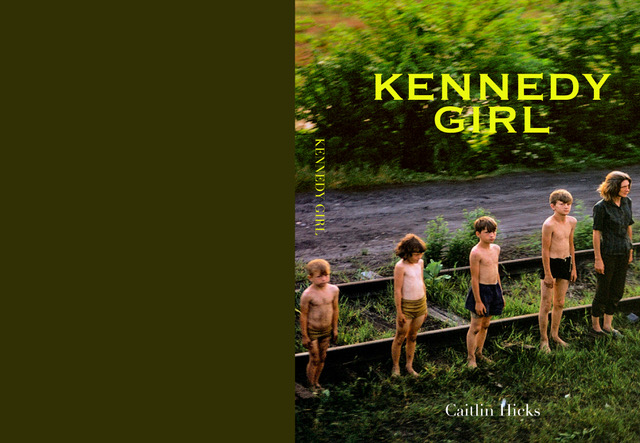
Caitlin Hicks’ unrelenting descriptive prowess immerses us in Annie’s world. As Bobby’s funeral train passes, we grieve with “people on rooftops, young men in uniform, saluting and standing stock still, old people with hats over their hearts…RIP, RFK their handmade signs said…Nuns and baseball players side-by-side…summer goers in orange shorts and dirty t-shirts…Farewell, Kennedy painted on the side of a barn…girls holding cats…A woman in the middle of a field, her white gossamer dress twirling as she ran, holding a flowing banner above her head Goodbye Bobby, Goodbye…” And so pass on all who wish “there was anything that could bring a man back.”
In her final dash for freedom with the boys in Lucas’s old truck, the story builds to a climax and closes as it had begun, with the ‘seasoned’ journalist admitted to Berkeley on the strength of her stories, invested with the author’s power and becoming a fable of American life.
As with my grandson’s two-faced animatronic, we live in a duality—the mask thrust upon us, and our inner selves, which we share in common with all of humanity.
Craig Brunanski is a writer, actor and author.
Gord Halloran, who created the graphic illustration for this post, is a public artist
____________________________________________________________________________
PENNY SANSIViERI, Author Marketing Expert on REVIEWS:
88% of online shoppers incorporate at least one review into their purchase decision and with over 4 million new books last year, reviews are not just important for the success of your book, they are vital!46% of consumers are likely to trust an online review as much as a personal recommendation.Consumers read an average of 7 online reviews before making a purchase decision92% of consumers hesitate to make a purchase when there are no customer reviewsOn average, reviews produce an 18% uplift in sales.According to one study, there is an 88% positive correlation between the number of Amazon reviews and a book’s total salesBook Reviews

From the main page, click on 'Reviews' ...more
- Caitlin Hicks's profile
- 39 followers

