
John H. Carroll's Blog, page 12
February 5, 2012
World building and tense situations - A guest post by D Kai Wilson-Viola
Introduction
World building is a subject I'm extremely interested in. When writing series of books, it becomes vital to get the details right. It's also one of the hardest things to do, especially when things get tense in the story. That's when having your facts straight matters the most.
I've invited fellow Indie Author D Kai Wilson-Viola to write a guest blog and she presented me with an exceptional piece.
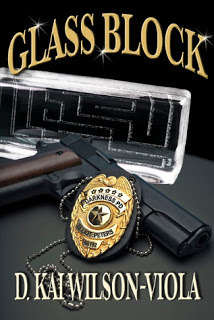
World building and tense situations My stories always start with some sort of major problem. Whether that's where they actually start once they've been edited and put together is a different story, but that's where everything starts for me.
Which, to be honest, makes world building both a bit difficult, and a lot liberating.My first novel is out on the 12th of February, and is the first in upwards of 50 novels set in the universe I've built around my detective and his two friends. So, John asked me to come talk 'world building' and give some tips on how I manage it all. And I've got three absolutely amazing tips to share. World building so you're not changing canon Though, before I go there, I'd better explain canon. I don't mean the things firing balls of lead at castles or pirate ships – I mean canon. That sacred bible of what is – and isn't – in your world. It is, as far as I can tell, something I picked up in my fan fiction days – the idea that something could be canon or non-canon. And the idea that if you screw up your own canon, your most obsessive fans (and we all get them) can call you on it, and complain. So, having your own world building straight is a must. It's also essential for other reasons – if you're not sure of your own world, others will struggle, especially when consistency will give you the chance to really use the world around the characters, for or against them. Basically, your world could almost be its own character, if you use it right. With that in mind though, I've got three tips.1) Keep your own bible – I use software to track mine, but before I discovered the items that I use (there's two – a wiki/database based piece and Liquid Story Binder, which is a kind of folio system for writers), I had folders and key sheets. It might feel like hard work, but if you're building a world that has persistence, you need to track scars, and dates and where everything goes. Elliot Peters, my main character goes from being pretty much unscarred to picking up several over the course of four books, and I have to remember whether he's got them or not by (x) point. The easiest way to do so is to keep a timeline, with a master sheet that documents scars. I've found the front/back images that are http://www.docstoc.com/docs/72398109/Injury-Chart here work well - but you might have other ideas. Every three books, I update that, especially if I've stopped writing in the period beforehand, and ensure that anything I've finalised is included.2) Update regularly – It's easy to get wrapped up in the tiny details of keeping the 'bible' updated for your world, but if you don't do maintenance, it's kinda like tax receipts – it'll take forever, and you'll hate it. I update mine once a week when doing 'other paperwork' like billing, so it's kind of part of my maintenance tasks. If your world is consistent, you'll need to do it less, and eventually, you'll only need to keep track of the changes.3) Little things matter too – even in tense situations, if you can give a 'call back' to something that was mentioned in another book, you show not only mastery but immersion in your own universe, which, in turn leads readers to trust you. And reader trust is what invests them in books more than the most skilful writing ever can. If there's no trust there, no matter how beautiful your writing, readers will resist and you'll be stuck with a perfectly crafted book that no one cares about enough to engage with.Once you've got the basics of world building down, you'll find it much easier to do it again and again – so even if you finish up one series, you can use what you've learned to build your next world and your next. And then, when you toss them in at the deep end, you know how deep and where the escape hatch is.
D Kai Wilson-Viola's debut novel, Glass Block (http://glassblock.darknesspd.com) is due out February 12th. A copywriter and editor by trade, she's been serving the indie community as an advisor for years. You can follow Kai on Facebook (http://facebook.com/Dkaiwilsonviola), Twitter (http://twitter.com/Kaiberie), at her own blog (http://authorinterrupted.com) or at Author Central after February 12th.

World building is a subject I'm extremely interested in. When writing series of books, it becomes vital to get the details right. It's also one of the hardest things to do, especially when things get tense in the story. That's when having your facts straight matters the most.
I've invited fellow Indie Author D Kai Wilson-Viola to write a guest blog and she presented me with an exceptional piece.
World building and tense situations My stories always start with some sort of major problem. Whether that's where they actually start once they've been edited and put together is a different story, but that's where everything starts for me.
Which, to be honest, makes world building both a bit difficult, and a lot liberating.My first novel is out on the 12th of February, and is the first in upwards of 50 novels set in the universe I've built around my detective and his two friends. So, John asked me to come talk 'world building' and give some tips on how I manage it all. And I've got three absolutely amazing tips to share. World building so you're not changing canon Though, before I go there, I'd better explain canon. I don't mean the things firing balls of lead at castles or pirate ships – I mean canon. That sacred bible of what is – and isn't – in your world. It is, as far as I can tell, something I picked up in my fan fiction days – the idea that something could be canon or non-canon. And the idea that if you screw up your own canon, your most obsessive fans (and we all get them) can call you on it, and complain. So, having your own world building straight is a must. It's also essential for other reasons – if you're not sure of your own world, others will struggle, especially when consistency will give you the chance to really use the world around the characters, for or against them. Basically, your world could almost be its own character, if you use it right. With that in mind though, I've got three tips.1) Keep your own bible – I use software to track mine, but before I discovered the items that I use (there's two – a wiki/database based piece and Liquid Story Binder, which is a kind of folio system for writers), I had folders and key sheets. It might feel like hard work, but if you're building a world that has persistence, you need to track scars, and dates and where everything goes. Elliot Peters, my main character goes from being pretty much unscarred to picking up several over the course of four books, and I have to remember whether he's got them or not by (x) point. The easiest way to do so is to keep a timeline, with a master sheet that documents scars. I've found the front/back images that are http://www.docstoc.com/docs/72398109/Injury-Chart here work well - but you might have other ideas. Every three books, I update that, especially if I've stopped writing in the period beforehand, and ensure that anything I've finalised is included.2) Update regularly – It's easy to get wrapped up in the tiny details of keeping the 'bible' updated for your world, but if you don't do maintenance, it's kinda like tax receipts – it'll take forever, and you'll hate it. I update mine once a week when doing 'other paperwork' like billing, so it's kind of part of my maintenance tasks. If your world is consistent, you'll need to do it less, and eventually, you'll only need to keep track of the changes.3) Little things matter too – even in tense situations, if you can give a 'call back' to something that was mentioned in another book, you show not only mastery but immersion in your own universe, which, in turn leads readers to trust you. And reader trust is what invests them in books more than the most skilful writing ever can. If there's no trust there, no matter how beautiful your writing, readers will resist and you'll be stuck with a perfectly crafted book that no one cares about enough to engage with.Once you've got the basics of world building down, you'll find it much easier to do it again and again – so even if you finish up one series, you can use what you've learned to build your next world and your next. And then, when you toss them in at the deep end, you know how deep and where the escape hatch is.
D Kai Wilson-Viola's debut novel, Glass Block (http://glassblock.darknesspd.com) is due out February 12th. A copywriter and editor by trade, she's been serving the indie community as an advisor for years. You can follow Kai on Facebook (http://facebook.com/Dkaiwilsonviola), Twitter (http://twitter.com/Kaiberie), at her own blog (http://authorinterrupted.com) or at Author Central after February 12th.


February 2, 2012
Blogger lets me keep track of the countries that visit me.
AustraliaAustriaBrazilCanadaCroatiaDenmarkEgyptFranceGermanyGreeceHungaryIndiaIndonesiaIrelandMalaysiaMaltaMexicoNetherlandsNew ZealandNorwayPakistanPhilippinesPolandRomaniaRussiaSaudi ArabiaSingaporeSlovakiaSouth AfricaSwedenTaiwanThailandTrinidad and TobagoU.S. Virgin IslandsUkraineUnited KingdomUnited StatesVenezuela
January 30, 2012
World building: what ingredients do you add?
World Building
I mostly write fantasy and sci-fi books. One of the things I have to pay attention to is what things do I newly create and what things do I leave the same as people know them in this world? At the time of this blog post I'm writing in the world of Ryallon, where I base my fantasy series. Every once in a while, I'll share a little bit about the world building I do in the process.
When a person writes about something that happened in the past, it's wise to look at history books to get facts correct. When someone writes about a completely fictional world, all of the details need to be built from scratch.
World building can be fun. I'm certain there are a few would-be writers who have spent years building worlds of fantasy and magic, but have never gotten around to writing an actual book in the world. It's also very popular among D&D players.
Describing a scene
One of the things I have to pay attention to is what things do I newly create and what things do I leave the same as people know them in this world?
I just gave one of the characters a mug of cool cider with a stick of cinnamon. It helps the reader understand what the character is sensing at that moment. But remember that this is a fantasy word, different from Planet Earth. It brings to mind the question of whether or not that world would have cinnamon, cider or even mugs!

So I have to decide whether or not to make a new kind of drink or import something from Earth. In this instance, I use the Earth descriptions because I would waste paragraphs explaining all the details of a newly imagined drink and spice to put in it. By the time I was done, the reader would have realized that it was the equivalent of cider with cinnamon. The point of that scene is to describe the character's environment, which is sitting in the kitchen of an inn. Creating a new drink would not advance the story or future stories, so I used the Earth norm in that case.
Areas where I've decided to create new things
There are many areas in the world where I've added a new item not found on Earth. This helps add to the flavor of things and lets the reader know they're in a new, fantastic land. The key is to balance what's new and what's normal and it's hard to do.
In the second book of the Willden Trilogy, I created a whole new underground ecosystem that ended up being a couple of chapters of information dumping that I think detracted from the story-telling. However, I'm a new writer and much of this is a learning experience. It's also really neat to come up with some of these ideas.
Some of the things I've created or changed from Earth normal are:
Rojuun. This is not only the title of the first book, it's a race of four-armed, two-voiced sentient beings that live in the vast tunnels of the world.
The vast tunnels of the world. I've made it so that the crust of Ryallon is honeycombed with caverns, tunnels and underground bodies of water. I also added an entire ecosystem of plants and animals to live in it. Most things are luminescent to create light to see by. This was done partially because it was cool and largely because I wanted my characters to be able to see without carrying torches everywhere.
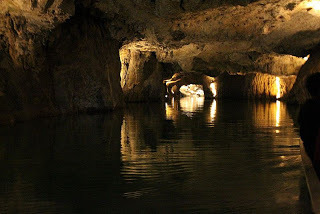
I've made the world bigger to compensate for dragons and numerous ancient civilizations.
A system of magic. There are aspects that are borrowed from other things I've read and aspects that are new. An arcane wind affects only the caster of a spell. Runes are used in magical items to store the magic on it. Casting spells takes energy, which requires a mage to sleep for long periods of time and eat large quantities of food. One of my favorites is that magic leaves behind pollution, much like science does.
Eye color. This is one of my favorites. Humans can have pink or grey eyes as standard colors. It adds to the fantasy atmosphere of the world in a cool way that excites the reader (it excites me anyway!)
Dragonflies are dragon's tears. They start out silver and gain color from the first thing they touch after hitting the ground.
There are numerous other little touches that let the reader know that they're in a fantasy world, but I try to make them as unobtrusive as possible.
Areas where I've kept things the same
There have been numerous instances where I've used Earth items for description because it would have distracted from the story to replace them. It's a little disconcerting as a writer to create this entire alien planet and have pine trees, tea and cinnamon in it when everything would probably be vastly different in reality, but it has to be done.
I also draw on earth mythology and history to create some of the aspects of the world. Dragons and Druids are a big thing. I avoid going completely D&D by leaving out elves, dwarves, orcs and many of the other denizens of role-playing games.
Things I've left the same that many people may not consider while reading are:
Animals such as wolves, butterflies, most species of trees, grass, flowers (including types of flowers like roses), birds above ground, deer, rats (a must for any city).
Materials like wood, brick, glass, leather, cotton, wool, silk, steel, iron, brass, gold, silver and copper. This includes the processes to refine them, such as smithing, tailoring and tanning.
Monetary values. Gems and jewelry are very valuable as is land. Gold, silver and copper are standard currency and rural areas use barter systems for the most part.
Weather is the same. Most readers never consider this, but it's something that's often changed in sci-fi worlds where everything can be alien.
Dragons and magic exist, but they have unique traits that make them distinctive to Ryallon.
Time is . . . similar. I use days, minutes, hours and seconds. Most readers never even consider this subject. I have never defined how long the days, weeks, months and years are though. I haven't decided! It seems like an odd oversight, but I simply don't know and I'm not willing to commit to it. I honestly don't think any reader has ever noticed this fact without me pointing it out.
In conclusion
It's difficult at times to decide what ingredients to add to a world of fantasy. The key is for the reader to be fascinated by the new things without being jolted out of the story.

I mostly write fantasy and sci-fi books. One of the things I have to pay attention to is what things do I newly create and what things do I leave the same as people know them in this world? At the time of this blog post I'm writing in the world of Ryallon, where I base my fantasy series. Every once in a while, I'll share a little bit about the world building I do in the process.
When a person writes about something that happened in the past, it's wise to look at history books to get facts correct. When someone writes about a completely fictional world, all of the details need to be built from scratch.
World building can be fun. I'm certain there are a few would-be writers who have spent years building worlds of fantasy and magic, but have never gotten around to writing an actual book in the world. It's also very popular among D&D players.
Describing a scene
One of the things I have to pay attention to is what things do I newly create and what things do I leave the same as people know them in this world?
I just gave one of the characters a mug of cool cider with a stick of cinnamon. It helps the reader understand what the character is sensing at that moment. But remember that this is a fantasy word, different from Planet Earth. It brings to mind the question of whether or not that world would have cinnamon, cider or even mugs!

So I have to decide whether or not to make a new kind of drink or import something from Earth. In this instance, I use the Earth descriptions because I would waste paragraphs explaining all the details of a newly imagined drink and spice to put in it. By the time I was done, the reader would have realized that it was the equivalent of cider with cinnamon. The point of that scene is to describe the character's environment, which is sitting in the kitchen of an inn. Creating a new drink would not advance the story or future stories, so I used the Earth norm in that case.
Areas where I've decided to create new things
There are many areas in the world where I've added a new item not found on Earth. This helps add to the flavor of things and lets the reader know they're in a new, fantastic land. The key is to balance what's new and what's normal and it's hard to do.
In the second book of the Willden Trilogy, I created a whole new underground ecosystem that ended up being a couple of chapters of information dumping that I think detracted from the story-telling. However, I'm a new writer and much of this is a learning experience. It's also really neat to come up with some of these ideas.
Some of the things I've created or changed from Earth normal are:
Rojuun. This is not only the title of the first book, it's a race of four-armed, two-voiced sentient beings that live in the vast tunnels of the world.
The vast tunnels of the world. I've made it so that the crust of Ryallon is honeycombed with caverns, tunnels and underground bodies of water. I also added an entire ecosystem of plants and animals to live in it. Most things are luminescent to create light to see by. This was done partially because it was cool and largely because I wanted my characters to be able to see without carrying torches everywhere.

I've made the world bigger to compensate for dragons and numerous ancient civilizations.
A system of magic. There are aspects that are borrowed from other things I've read and aspects that are new. An arcane wind affects only the caster of a spell. Runes are used in magical items to store the magic on it. Casting spells takes energy, which requires a mage to sleep for long periods of time and eat large quantities of food. One of my favorites is that magic leaves behind pollution, much like science does.
Eye color. This is one of my favorites. Humans can have pink or grey eyes as standard colors. It adds to the fantasy atmosphere of the world in a cool way that excites the reader (it excites me anyway!)
Dragonflies are dragon's tears. They start out silver and gain color from the first thing they touch after hitting the ground.
There are numerous other little touches that let the reader know that they're in a fantasy world, but I try to make them as unobtrusive as possible.
Areas where I've kept things the same
There have been numerous instances where I've used Earth items for description because it would have distracted from the story to replace them. It's a little disconcerting as a writer to create this entire alien planet and have pine trees, tea and cinnamon in it when everything would probably be vastly different in reality, but it has to be done.
I also draw on earth mythology and history to create some of the aspects of the world. Dragons and Druids are a big thing. I avoid going completely D&D by leaving out elves, dwarves, orcs and many of the other denizens of role-playing games.
Things I've left the same that many people may not consider while reading are:
Animals such as wolves, butterflies, most species of trees, grass, flowers (including types of flowers like roses), birds above ground, deer, rats (a must for any city).
Materials like wood, brick, glass, leather, cotton, wool, silk, steel, iron, brass, gold, silver and copper. This includes the processes to refine them, such as smithing, tailoring and tanning.
Monetary values. Gems and jewelry are very valuable as is land. Gold, silver and copper are standard currency and rural areas use barter systems for the most part.

Weather is the same. Most readers never consider this, but it's something that's often changed in sci-fi worlds where everything can be alien.
Dragons and magic exist, but they have unique traits that make them distinctive to Ryallon.
Time is . . . similar. I use days, minutes, hours and seconds. Most readers never even consider this subject. I have never defined how long the days, weeks, months and years are though. I haven't decided! It seems like an odd oversight, but I simply don't know and I'm not willing to commit to it. I honestly don't think any reader has ever noticed this fact without me pointing it out.
In conclusion
It's difficult at times to decide what ingredients to add to a world of fantasy. The key is for the reader to be fascinated by the new things without being jolted out of the story.
January 25, 2012
How I edit a book
The editing process
I have a long editing process to make my books as good as they can be. It takes four to five months after the first draft before my books are ready to publish. I'm going to share the steps I take.
First I'd like to say that a professional editor is vital for any author. Two is even better, one for content and one for copy editing. However, that costs thousands of dollars for a full length novel and I simply don't have that kind of money. I've heard that I should make it happen anyway, but I'm busy making food and shelter happen for my family, so I do my very best to wear the hat of an editor. If I am able to earn enough income off my books, I'll begin contracting the job.
Editing is a long, difficult process that requires intense focus. The one thing I have going for me is an excellent work ethic and the ability to focus to the exclusion of everything else, which is wonderful up to the point where my wife and children want my attention.
Here is the step by step process I take to edit my novels.
Step 1: Color editing
In color editing, I go through the story and look at each scene. I make certain that the five senses are represented: sight, sound, smell, touch and taste in that order of importance. I also look to see if there's any place I can add a gesture or make the scene more vivid. Another thing I keep my eye open for is opportunities to insert a touch of humor.
I want the reader to be able to see the people their reading about. I want them to feel the location and hear the noise around them. It takes small clues and then the reader fills in the rest. Adding the weather and seasons is a vital key to creating the atmosphere as well.
This step takes me about 60-80 hours to complete for a 100,000 word novel.
Step 2: Copy editing - round one
This is where I thoroughly comb through every word of the manuscript to ensure it is correct. Not only do I try to make certain the words and punctuation are correct, I analyze it within the sentence and then analyze how that sentence fits with the ones before and after it and then how each sentence fits within the paragraph and how the paragraphs fit with each other.
In a 100,000 word novel there will be many thousands of corrections in this round and it takes about 80-100 hours of work.
Step 3: Beta readers and two month break
I haven't had beta readers through every book, but I do have one dedicated one now. I give the book to her and she makes numerous suggestions. She's wonderful. :)
I also set aside the book and refuse to look at it for those two months. It gives the manuscript time to fade from my mind enough that I'm able to look at it again with new eyes. I usually try to make the cover at this point too.
Step 4: Add the corrections the beta reader makes.
This usually takes about 20-30 hours of work and there are hundreds or even thousands of corrections to make.
Step 5: Copy editing - round two
This is exactly the same as the edit in round one. Even with all that's come before, there will still be around a thousand corrections. It will become slightly more refined to make certain the words flow smoothly too. Due to the need to focus on every word, including the ones that aren't there, it takes around 60-80 hours.
Step 6: Final read-through
I print the manuscript out and read the entire story to be certain that everything makes sense and that it reads well. Here, I'll find a couple of inconsistencies or instances where I say the same things twice. There will be a couple of typos and missing or extra words that I find too. I have a bad habit of missing quotations on dialogue at the end of a paragraph and try to catch that here.
This takes about 20 hours to read and make the corrections.
The finished product
It is difficult for a writer to wear an editor's hat, so I work very hard to separate the jobs. There will still be a few typos that have escaped my diligence at this point, but I hope that if anyone finds them that they'll tell me so I can correct them. Even if they don't, I'm still happy with what I've accomplished. By this point, I'm confident that I'm putting out a quality, valuable product.
All my best,
John

I have a long editing process to make my books as good as they can be. It takes four to five months after the first draft before my books are ready to publish. I'm going to share the steps I take.
First I'd like to say that a professional editor is vital for any author. Two is even better, one for content and one for copy editing. However, that costs thousands of dollars for a full length novel and I simply don't have that kind of money. I've heard that I should make it happen anyway, but I'm busy making food and shelter happen for my family, so I do my very best to wear the hat of an editor. If I am able to earn enough income off my books, I'll begin contracting the job.
Editing is a long, difficult process that requires intense focus. The one thing I have going for me is an excellent work ethic and the ability to focus to the exclusion of everything else, which is wonderful up to the point where my wife and children want my attention.

Here is the step by step process I take to edit my novels.
Step 1: Color editing
In color editing, I go through the story and look at each scene. I make certain that the five senses are represented: sight, sound, smell, touch and taste in that order of importance. I also look to see if there's any place I can add a gesture or make the scene more vivid. Another thing I keep my eye open for is opportunities to insert a touch of humor.
I want the reader to be able to see the people their reading about. I want them to feel the location and hear the noise around them. It takes small clues and then the reader fills in the rest. Adding the weather and seasons is a vital key to creating the atmosphere as well.
This step takes me about 60-80 hours to complete for a 100,000 word novel.
Step 2: Copy editing - round one
This is where I thoroughly comb through every word of the manuscript to ensure it is correct. Not only do I try to make certain the words and punctuation are correct, I analyze it within the sentence and then analyze how that sentence fits with the ones before and after it and then how each sentence fits within the paragraph and how the paragraphs fit with each other.
In a 100,000 word novel there will be many thousands of corrections in this round and it takes about 80-100 hours of work.
Step 3: Beta readers and two month break
I haven't had beta readers through every book, but I do have one dedicated one now. I give the book to her and she makes numerous suggestions. She's wonderful. :)
I also set aside the book and refuse to look at it for those two months. It gives the manuscript time to fade from my mind enough that I'm able to look at it again with new eyes. I usually try to make the cover at this point too.
Step 4: Add the corrections the beta reader makes.
This usually takes about 20-30 hours of work and there are hundreds or even thousands of corrections to make.
Step 5: Copy editing - round two
This is exactly the same as the edit in round one. Even with all that's come before, there will still be around a thousand corrections. It will become slightly more refined to make certain the words flow smoothly too. Due to the need to focus on every word, including the ones that aren't there, it takes around 60-80 hours.
Step 6: Final read-through
I print the manuscript out and read the entire story to be certain that everything makes sense and that it reads well. Here, I'll find a couple of inconsistencies or instances where I say the same things twice. There will be a couple of typos and missing or extra words that I find too. I have a bad habit of missing quotations on dialogue at the end of a paragraph and try to catch that here.
This takes about 20 hours to read and make the corrections.
The finished product
It is difficult for a writer to wear an editor's hat, so I work very hard to separate the jobs. There will still be a few typos that have escaped my diligence at this point, but I hope that if anyone finds them that they'll tell me so I can correct them. Even if they don't, I'm still happy with what I've accomplished. By this point, I'm confident that I'm putting out a quality, valuable product.
All my best,
John
January 17, 2012
The Aesthetic Desert - A Poem
Standard disclaimer
I have been writing (mostly bad) poetry since I was 21. This is very odd considering I absolutely hate poetry. Poetry drives me up a wall. As a form of writing, it tends to be overly impressed with itself. If someone wishes to say something, it's best just to come out and say it instead of tying it up in uselessly colorful words that confuse the entire situation.
So . . . now that I've gone on a rant about how much I dislike poetry . . . Let's get back to the fact that I write it. *sigh* The fact of the matter is, poetry is a very useful tool for writers. It's a way to get concepts, images and ideas onto paper and experiment with words. It's also awesome for saying lovey-dovey-gushy stuff.
Please understand that this was written before I was writing consistently. The technical merits of the writing are . . . non-existent. It could be written much better, but I'm not going to edit it. I figure this will keep me from becoming too impressed with myself if I hit it big. ;)
[image error]
Explanation of this poem
This is the first poem I wrote. I decided to give writing a shot and based upon what I did here, I thought I was pretty good. In spite of that delusion, I continued to write and now almost have delusions of success.
I was raised in the Mojave Desert. It truly is a beautiful place when one spends some time and accepts it. I found myself just sitting and staring for hours. The desert revealed itself to me. One of these days I'm going to have to try writing a poem about it that's actually decent, so that perhaps you will be able to see what I once did.
[image error]
The poem (cue coffee shop atmosphere where everyone wears black turtlenecks and snaps their fingers when it's done)
The Aesthetic Desert
Looking out over the desertI can see for miles and milesI'm standing on top of a butteThe desert surrounds me
In the day, the sky is so clear and cleanWonderful blue, streaked with thin creamAt night, there are trillions upon trillions of starDarkest black, sparked with brilliant white
I am in love with the desertIt is one of the most beautiful works of artMy words can't come close enoughThe desert lives in me
So much life, animals that call it homeAlive and moving, creatures that know no fearExtraordinary life, brush and cactus making it homeStrong plants, providing shelter for the animals
This aesthetic desert is harshGusty winds that attempt to blow away lifeFreezing nights stopping all movementThe glaring sun ruthlessly ruling the sky and land
Survival, this is the testThe hardiest, only they may survive itThe losers, they leave it as lesser beingsThe survivors, they know true strength and beauty
I walk at one with the desertI am at peace with myself and the desertI revel in the life and in the survivalThe aesthetic desert surrounds me
Copyright 8 August 1991 John H. Carroll
[image error]

I have been writing (mostly bad) poetry since I was 21. This is very odd considering I absolutely hate poetry. Poetry drives me up a wall. As a form of writing, it tends to be overly impressed with itself. If someone wishes to say something, it's best just to come out and say it instead of tying it up in uselessly colorful words that confuse the entire situation.
So . . . now that I've gone on a rant about how much I dislike poetry . . . Let's get back to the fact that I write it. *sigh* The fact of the matter is, poetry is a very useful tool for writers. It's a way to get concepts, images and ideas onto paper and experiment with words. It's also awesome for saying lovey-dovey-gushy stuff.
Please understand that this was written before I was writing consistently. The technical merits of the writing are . . . non-existent. It could be written much better, but I'm not going to edit it. I figure this will keep me from becoming too impressed with myself if I hit it big. ;)
[image error]
Explanation of this poem
This is the first poem I wrote. I decided to give writing a shot and based upon what I did here, I thought I was pretty good. In spite of that delusion, I continued to write and now almost have delusions of success.
I was raised in the Mojave Desert. It truly is a beautiful place when one spends some time and accepts it. I found myself just sitting and staring for hours. The desert revealed itself to me. One of these days I'm going to have to try writing a poem about it that's actually decent, so that perhaps you will be able to see what I once did.
[image error]
The poem (cue coffee shop atmosphere where everyone wears black turtlenecks and snaps their fingers when it's done)
The Aesthetic Desert
Looking out over the desertI can see for miles and milesI'm standing on top of a butteThe desert surrounds me
In the day, the sky is so clear and cleanWonderful blue, streaked with thin creamAt night, there are trillions upon trillions of starDarkest black, sparked with brilliant white
I am in love with the desertIt is one of the most beautiful works of artMy words can't come close enoughThe desert lives in me
So much life, animals that call it homeAlive and moving, creatures that know no fearExtraordinary life, brush and cactus making it homeStrong plants, providing shelter for the animals
This aesthetic desert is harshGusty winds that attempt to blow away lifeFreezing nights stopping all movementThe glaring sun ruthlessly ruling the sky and land
Survival, this is the testThe hardiest, only they may survive itThe losers, they leave it as lesser beingsThe survivors, they know true strength and beauty
I walk at one with the desertI am at peace with myself and the desertI revel in the life and in the survivalThe aesthetic desert surrounds me
Copyright 8 August 1991 John H. Carroll
[image error]
January 13, 2012
Who would I be in the world of Ryallon?
Living in an alternate world
Every once in a while I think about how wonderful it would be to live in the world that I have created for the characters in my book. I would be able to see amazing cities, vast forests, impenetrable mountain ranges and fascinating people. Magic exists as do dragons and other fallacies such as honor and nobility. *grin*
Life is dangerous and everything is adventure wherever you turn in fantasy worlds. Everyone has the opportunity to be a hero or a wicked villain. People who read books tend to imagine themselves as the characters in the book, or perhaps they think of themselves as someone traveling with the characters. The more I think about it, the more I get excited and want to find a way to live in the world of Ryallon.
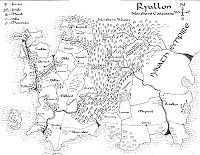
The world of Ryallon
Ryallon is the setting for my fantasy novels. It's twice the size of Earth and has vast areas of ancient runes and wilderness to explore. I've written four books in the setting and have many more plotted out.
The books occur on a large continent with many populated cities and probably a hundred million people or more. Because of the size of the world, I can add large mystical creatures and vast wilderness as well. The Caaldith Mountains and the Willden Forest are two of the largest unexplored areas as are the Palthoon Deserts. "The Willden Trilogy" takes place largely in the Willden forest and surrounding areas.
Dragons exist as do fairies, dryads, druids, emo bunnies and other creatures of magic. There are knights, wizards, rogues and priests in addition to merchants, innkeepers and other standard fantasy supporting characters.
There is also a race called Rojuun. Originally, I was going to add elves, dwarves and other standard D&D type creatures, but I wanted to step away from that and realized that most of my favorite fantasy books were predominantly human based. The Rojuun came about when I was coming up with a plot for my first book. I did my best to make them different from any traditional fantasy races.
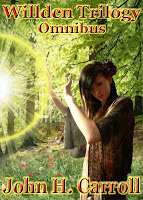
What would it really be like?
Then I started thinking about what I would do. Reality and fantasy collided in a big mess. Would I really be the hero of a book? Would I even meet the heroes that I've written about?
Looking at my current life, I'm a 41 year old husband and father of 3 kids. I've been at my current purchasing job for 15 years and live a mostly quiet (boring) life and I like it that way. So does that mean I would be a money counter at a small business in the would of Ryallon?
Another thing to consider is that people tend to apprentice under their fathers in fantasy worlds. My dad worked on airplanes, spaceships and skycycles as well as being a volunteer fireman. Perhaps I would have apprenticed as a blacksmith when young. However, I'm the youngest of seven kids with two older brothers. Perhaps they would have shipped me off to work in another craft. It's hard to tell.
There are simply too many variables, so to try to answer the question, I have to think of who I am and have been throughout my life.
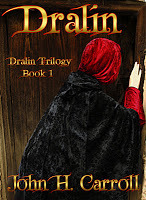
So who am I really?
I've been considering who I've been throughout my life, but mostly when I was a teenager, because I feel that's when I would have made the most life affecting decisions as to who I would be. In most fantasy worlds, 41 years old is the high end of life expectancy.
When I was a kid and a teen, I kept to myself for the most part and spent a lot of time daydreaming. When I was 18, I went to work right away. I've always been a good worker. So in Ryallon, I probably would have spent most of my time by myself as a kid, hiding from any trouble. Then I would have found a job or trade as soon as possible and then worked hard at it.
However, in my late teens and early twenties, I became tired of working all the time and took off. I drove for hundreds of miles to get away from my life and explored the world. I even ended up in Alaska at one point. So I don't think I would have stayed in that job.
Who would I be?
All of this assumes I'm not in a war ravaged country and conscripted into a military.
Doing my best to look at it honestly, I think I would have learned a trade for a while and then taken off to explore the world. I didn't get married in this lifetime until I was 25 and I don't think I would marry in the world of Ryallon until later either. There was a restlessness in me when I was younger that wouldn't have let me stay still. If I did get married at a young age in the world of Ryallon, I'm afraid I may have left my family early on, though it's hard to believe that of myself.
In Ryallon, I think I would have travelled to whatever the nearest big city was, unless I was escaping marriage, in which case I would have gone to a different country. Once there, I would have tried to find a place to live. Out of experience, the best way to do this is to join a group. A group could be a thieves guild or mercenary group. Joining a religion, monastery or cult are common ways for impressionable young men and women to end up too.
In a world of magic and adventure, I might have ended up in an adventuring group that goes to explore old ruins like in D&D. The nice thing about fantasy worlds is that it's an option. Also, there's magic in the world, so I might have apprenticed as a wizard, so perhaps I would have found a lonely tower in the wilderness and set up shop.
I honestly believe that with my personality, I may have ended up as an adventurer in the world of Ryallon. However, I don't think I would have been the hero in any of them, or even the villian. I may have joined the hero's group as a supporting member though, an end result that I like very much as long as I wasn't wearing a red shirt. :)
Every once in a while I think about how wonderful it would be to live in the world that I have created for the characters in my book. I would be able to see amazing cities, vast forests, impenetrable mountain ranges and fascinating people. Magic exists as do dragons and other fallacies such as honor and nobility. *grin*
Life is dangerous and everything is adventure wherever you turn in fantasy worlds. Everyone has the opportunity to be a hero or a wicked villain. People who read books tend to imagine themselves as the characters in the book, or perhaps they think of themselves as someone traveling with the characters. The more I think about it, the more I get excited and want to find a way to live in the world of Ryallon.

The world of Ryallon
Ryallon is the setting for my fantasy novels. It's twice the size of Earth and has vast areas of ancient runes and wilderness to explore. I've written four books in the setting and have many more plotted out.
The books occur on a large continent with many populated cities and probably a hundred million people or more. Because of the size of the world, I can add large mystical creatures and vast wilderness as well. The Caaldith Mountains and the Willden Forest are two of the largest unexplored areas as are the Palthoon Deserts. "The Willden Trilogy" takes place largely in the Willden forest and surrounding areas.
Dragons exist as do fairies, dryads, druids, emo bunnies and other creatures of magic. There are knights, wizards, rogues and priests in addition to merchants, innkeepers and other standard fantasy supporting characters.
There is also a race called Rojuun. Originally, I was going to add elves, dwarves and other standard D&D type creatures, but I wanted to step away from that and realized that most of my favorite fantasy books were predominantly human based. The Rojuun came about when I was coming up with a plot for my first book. I did my best to make them different from any traditional fantasy races.
What would it really be like?
Then I started thinking about what I would do. Reality and fantasy collided in a big mess. Would I really be the hero of a book? Would I even meet the heroes that I've written about?
Looking at my current life, I'm a 41 year old husband and father of 3 kids. I've been at my current purchasing job for 15 years and live a mostly quiet (boring) life and I like it that way. So does that mean I would be a money counter at a small business in the would of Ryallon?
Another thing to consider is that people tend to apprentice under their fathers in fantasy worlds. My dad worked on airplanes, spaceships and skycycles as well as being a volunteer fireman. Perhaps I would have apprenticed as a blacksmith when young. However, I'm the youngest of seven kids with two older brothers. Perhaps they would have shipped me off to work in another craft. It's hard to tell.
There are simply too many variables, so to try to answer the question, I have to think of who I am and have been throughout my life.
So who am I really?
I've been considering who I've been throughout my life, but mostly when I was a teenager, because I feel that's when I would have made the most life affecting decisions as to who I would be. In most fantasy worlds, 41 years old is the high end of life expectancy.
When I was a kid and a teen, I kept to myself for the most part and spent a lot of time daydreaming. When I was 18, I went to work right away. I've always been a good worker. So in Ryallon, I probably would have spent most of my time by myself as a kid, hiding from any trouble. Then I would have found a job or trade as soon as possible and then worked hard at it.
However, in my late teens and early twenties, I became tired of working all the time and took off. I drove for hundreds of miles to get away from my life and explored the world. I even ended up in Alaska at one point. So I don't think I would have stayed in that job.
Who would I be?
All of this assumes I'm not in a war ravaged country and conscripted into a military.
Doing my best to look at it honestly, I think I would have learned a trade for a while and then taken off to explore the world. I didn't get married in this lifetime until I was 25 and I don't think I would marry in the world of Ryallon until later either. There was a restlessness in me when I was younger that wouldn't have let me stay still. If I did get married at a young age in the world of Ryallon, I'm afraid I may have left my family early on, though it's hard to believe that of myself.
In Ryallon, I think I would have travelled to whatever the nearest big city was, unless I was escaping marriage, in which case I would have gone to a different country. Once there, I would have tried to find a place to live. Out of experience, the best way to do this is to join a group. A group could be a thieves guild or mercenary group. Joining a religion, monastery or cult are common ways for impressionable young men and women to end up too.
In a world of magic and adventure, I might have ended up in an adventuring group that goes to explore old ruins like in D&D. The nice thing about fantasy worlds is that it's an option. Also, there's magic in the world, so I might have apprenticed as a wizard, so perhaps I would have found a lonely tower in the wilderness and set up shop.
I honestly believe that with my personality, I may have ended up as an adventurer in the world of Ryallon. However, I don't think I would have been the hero in any of them, or even the villian. I may have joined the hero's group as a supporting member though, an end result that I like very much as long as I wasn't wearing a red shirt. :)
January 3, 2012
Where does my inspiration come from?
It starts with an email
I recently received an email from a fan asking what my inspiration is for my stories. As I wrote the answer, I thought to myself, "Hey! This would make a great blog post." I also thought to myself, "Hey! I'm totally out of coffee and should get some more." . . . but that has nothing to do with this, so I won't talk about it anymore.
My Response
Hello,
You're not prying at all, I don't mind answering questions. As far as general inspiration goes, I've been a daydreamer all my life. I used to live in the desert and I'd spend my days as a kid walking around or riding my bike while imagining I was in other worlds.
Fantasy is my favorite genre. I love the idea of saving beautiful maidens, using magic and swords and saving beautiful maidens. I figure the part about the maidens bears repeating. ;) I've read a lot of fantasy novels, especially when I was in my teens and twenties. The Willden Trilogy is the kind of epic adventure that I love reading. It was even more fun to write.
[image error]
Sci-fi is my second favorite genre. I like the idea of different worlds, different people and different life philosophies. There's the potential for danger and true adventure in space exploration. All of my writing comes with the question of 'how would this character react if this situation were placed in front of them'. My books are primarily about people living in fantastic worlds, dealing with extraordinary situations. It's also one of the best genres to add humor into, like in "Alien Coffee".
[image error]
The primary genre I read as a kid was mystery. I've read most of the Hardy Boys and Nancy Drew series as well as hundreds of other books. The common theme in them was solving puzzles and persisting until something was finished regardless of the odds. I still have this mindset even as an adult. I think I add touches of it in the books along with clues as to what may happen in later stories.
With my Demented Children series, I take the question: 'how would this character react if this situation were placed in front of them' and twist it in some way. Like, 'how would a depressed emo bunny handle a normal day and what if the Easter Bunny were a factory boss?' or 'what if a rainbow lost a leg and used a tree as a peg-leg?' I got that inspiration from seeing a partial rainbow one day.
[image error]
The Demented Children series is largely an attempt to amuse myself. I really like stories and have read them my entire life, but I would always think, "What would I do if I were in that situation?" As a writer, I can live the stories while they occur. There's a sense of childish amazement I find within myself as I write. Although a side effect of that childness in my writing is that many readers find my stories and style of writing immature. I mentally stick my tongue out at them, stomp my feet, take my ball and go home, so nyah. ;)
Now that I've rambled a bit, I guess the simplest answer to what is my main inspiration for writing what I do is; I love living in fantasy worlds where I get to make up what happens next. :)
All my best,
John
(Now to go get that coffee I was talking about)

I recently received an email from a fan asking what my inspiration is for my stories. As I wrote the answer, I thought to myself, "Hey! This would make a great blog post." I also thought to myself, "Hey! I'm totally out of coffee and should get some more." . . . but that has nothing to do with this, so I won't talk about it anymore.
My Response
Hello,
You're not prying at all, I don't mind answering questions. As far as general inspiration goes, I've been a daydreamer all my life. I used to live in the desert and I'd spend my days as a kid walking around or riding my bike while imagining I was in other worlds.
Fantasy is my favorite genre. I love the idea of saving beautiful maidens, using magic and swords and saving beautiful maidens. I figure the part about the maidens bears repeating. ;) I've read a lot of fantasy novels, especially when I was in my teens and twenties. The Willden Trilogy is the kind of epic adventure that I love reading. It was even more fun to write.
[image error]
Sci-fi is my second favorite genre. I like the idea of different worlds, different people and different life philosophies. There's the potential for danger and true adventure in space exploration. All of my writing comes with the question of 'how would this character react if this situation were placed in front of them'. My books are primarily about people living in fantastic worlds, dealing with extraordinary situations. It's also one of the best genres to add humor into, like in "Alien Coffee".
[image error]
The primary genre I read as a kid was mystery. I've read most of the Hardy Boys and Nancy Drew series as well as hundreds of other books. The common theme in them was solving puzzles and persisting until something was finished regardless of the odds. I still have this mindset even as an adult. I think I add touches of it in the books along with clues as to what may happen in later stories.
With my Demented Children series, I take the question: 'how would this character react if this situation were placed in front of them' and twist it in some way. Like, 'how would a depressed emo bunny handle a normal day and what if the Easter Bunny were a factory boss?' or 'what if a rainbow lost a leg and used a tree as a peg-leg?' I got that inspiration from seeing a partial rainbow one day.
[image error]
The Demented Children series is largely an attempt to amuse myself. I really like stories and have read them my entire life, but I would always think, "What would I do if I were in that situation?" As a writer, I can live the stories while they occur. There's a sense of childish amazement I find within myself as I write. Although a side effect of that childness in my writing is that many readers find my stories and style of writing immature. I mentally stick my tongue out at them, stomp my feet, take my ball and go home, so nyah. ;)
Now that I've rambled a bit, I guess the simplest answer to what is my main inspiration for writing what I do is; I love living in fantasy worlds where I get to make up what happens next. :)
All my best,
John
(Now to go get that coffee I was talking about)
December 19, 2011
Attack of the Sugar Plum Fairies
Attack of the Sugar Plum Fairies
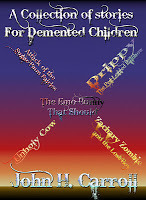
Just in time for Christmas, I wrote "Attack of the Sugar Plum Fairies, A Story for Demented Children", the fifth installment of the Stories for Demented Children. It's a humorous adventure story featuring three pretty little sugar plum fairies and their quest for equal rights . . .
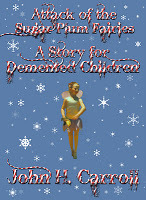
Stories for Demented Children
My first story for Demented Children, "The Emo Bunny that Should" has been wildly popular. I then wrote Zachary Zombie and the Lost Boy, which is rated and reviewed higher than any other story I've written. The series is becoming popular and probably creates the best chance of getting me noticed.
When I write these stories, I try to think of something or someone that wouldn't normally be a hero. A common term is anti-hero. Emo bunnies, rainbows, cows and zombies are definitely not the standard hero. Then I put them in an odd situation and try to figure out what they would do. Throw in a dash of humor and there you have it.
 The snowflakes were added to the cover using a brushes pack for GIMP
The story
I decided a few months earlier that I wanted to do a Christmas story. Various ideas came to mind, but some of them had been done and others just didn't really catch my imagination. I honestly don't remember how I came up with this one, but it started with the title, "Attack of the Sugar Plum Fairies".
Next was figuring out the plot. I had to have attacking Sugar Plum Fairies. Why were they attacking? How many of them? It's not always easy to come up with something odd. One of the biggest issues was that I had to limit how many characters I actually showcased. In a short story, there is very little time to develop characters or a plot. The key is to keep the characters to a minimum and the timeline of the plot to a single event.
I remembered in "The Emo Bunny that Should", I wrote about labor issues with the Easter Bunny and woodland creatures. In it, I commented that elves had organized a labor union. I decided to latch onto that idea and have it so that the Sugar Plum Fairies weren't treated fairly in the original contracts. Then I came up with the concept that they always had to wear skimpy outfits and were being exploited.
At this point, I'd like to remind you that they are stories for "Demented Children", not normal children. I gear them towards older kids too. Plus, I think I have more adults reading these things than kids, so . . .
When I went to write it, I made up the three fairies that were the main characters. Araedae is the leader of the group. She's brave and smart as any leader should be. Sydae is the wise-cracking fairy and Zannae is an MIT graduate . . . because I needed a computer hacker . . . Remember, the title says "A Story for Demented Children".
I generally have little favorite parts of a story. A lot of people may not notice them, or think they're all that great, but I find them enjoyable and fascinating to write. In this book it was the descriptions of the fairies and how each had their own color.
An excerpt: Her brilliant violet eyes sparkled in the light from the nearby streetlamp. Every Sugar Plum Fairy in the world had different color eyes with wings and hair to match.
 The tutorial I used to make the candy cane text. It isn't the best tutorial, so I spent a lot of extra hours trying to get it right.
Description
The Sugar Plum Fairies are tired of dancing for nothing. To make matters worse, the North Pole is freezing, they have to wear skimpy outfits and their poor little legs get worn out quickly. When the Elvin Labor Union was formed, the poor little fairies were left out of any sort of fair bargaining agreement.
The time has come for all of that to change.
Everyone knows Christmas Eve is the best time to attack the North Pole. Santa's getting ready to deliver toys, the elves are partying and the reindeer have finished playing their reindeer games. Can the legendary North Pole withstand yet another attack? Will Christmas come to a screeching halt?
Join three stealthy fairies: Sydae, Araedae and Zannae, as they try to make life easier for all Sugar Plum Fairies. Will they be able to succeed in their mission? What's happened to Santa? Will the elves stop the fairies from their task? And what secret is Mrs. Claus hiding from the world?
This is a short story approximately 4600 words long, which translates to about 20-25 printed pages.
SmashwordsAmazon, Amazon UK, Amazon Germany, Amazon France Amazon Italy Amazon SpainApple
B&N Sony Kobo Diesel
"Attack of the Sugar Plum Fairies" is also included in "A Collection of Stories for Demented Children", a compilation of all five of the Demented Children stories. Each story can be had individually for free and I encourage you to download them. I charge a token price of 99 cents for the collection in hopes of increasing my chances of becoming a self-supporting writer. :)

Just in time for Christmas, I wrote "Attack of the Sugar Plum Fairies, A Story for Demented Children", the fifth installment of the Stories for Demented Children. It's a humorous adventure story featuring three pretty little sugar plum fairies and their quest for equal rights . . .
Stories for Demented Children
My first story for Demented Children, "The Emo Bunny that Should" has been wildly popular. I then wrote Zachary Zombie and the Lost Boy, which is rated and reviewed higher than any other story I've written. The series is becoming popular and probably creates the best chance of getting me noticed.
When I write these stories, I try to think of something or someone that wouldn't normally be a hero. A common term is anti-hero. Emo bunnies, rainbows, cows and zombies are definitely not the standard hero. Then I put them in an odd situation and try to figure out what they would do. Throw in a dash of humor and there you have it.
The snowflakes were added to the cover using a brushes pack for GIMPThe story
I decided a few months earlier that I wanted to do a Christmas story. Various ideas came to mind, but some of them had been done and others just didn't really catch my imagination. I honestly don't remember how I came up with this one, but it started with the title, "Attack of the Sugar Plum Fairies".
Next was figuring out the plot. I had to have attacking Sugar Plum Fairies. Why were they attacking? How many of them? It's not always easy to come up with something odd. One of the biggest issues was that I had to limit how many characters I actually showcased. In a short story, there is very little time to develop characters or a plot. The key is to keep the characters to a minimum and the timeline of the plot to a single event.
I remembered in "The Emo Bunny that Should", I wrote about labor issues with the Easter Bunny and woodland creatures. In it, I commented that elves had organized a labor union. I decided to latch onto that idea and have it so that the Sugar Plum Fairies weren't treated fairly in the original contracts. Then I came up with the concept that they always had to wear skimpy outfits and were being exploited.
At this point, I'd like to remind you that they are stories for "Demented Children", not normal children. I gear them towards older kids too. Plus, I think I have more adults reading these things than kids, so . . .
When I went to write it, I made up the three fairies that were the main characters. Araedae is the leader of the group. She's brave and smart as any leader should be. Sydae is the wise-cracking fairy and Zannae is an MIT graduate . . . because I needed a computer hacker . . . Remember, the title says "A Story for Demented Children".
I generally have little favorite parts of a story. A lot of people may not notice them, or think they're all that great, but I find them enjoyable and fascinating to write. In this book it was the descriptions of the fairies and how each had their own color.
An excerpt: Her brilliant violet eyes sparkled in the light from the nearby streetlamp. Every Sugar Plum Fairy in the world had different color eyes with wings and hair to match.
The tutorial I used to make the candy cane text. It isn't the best tutorial, so I spent a lot of extra hours trying to get it right.Description
The Sugar Plum Fairies are tired of dancing for nothing. To make matters worse, the North Pole is freezing, they have to wear skimpy outfits and their poor little legs get worn out quickly. When the Elvin Labor Union was formed, the poor little fairies were left out of any sort of fair bargaining agreement.
The time has come for all of that to change.
Everyone knows Christmas Eve is the best time to attack the North Pole. Santa's getting ready to deliver toys, the elves are partying and the reindeer have finished playing their reindeer games. Can the legendary North Pole withstand yet another attack? Will Christmas come to a screeching halt?
Join three stealthy fairies: Sydae, Araedae and Zannae, as they try to make life easier for all Sugar Plum Fairies. Will they be able to succeed in their mission? What's happened to Santa? Will the elves stop the fairies from their task? And what secret is Mrs. Claus hiding from the world?
This is a short story approximately 4600 words long, which translates to about 20-25 printed pages.
SmashwordsAmazon, Amazon UK, Amazon Germany, Amazon France Amazon Italy Amazon SpainApple
B&N Sony Kobo Diesel
"Attack of the Sugar Plum Fairies" is also included in "A Collection of Stories for Demented Children", a compilation of all five of the Demented Children stories. Each story can be had individually for free and I encourage you to download them. I charge a token price of 99 cents for the collection in hopes of increasing my chances of becoming a self-supporting writer. :)
December 16, 2011
Introducing "Nature Abhors a Vacuum" Book 1 of the Aielund Saga
Introduction
I have met a number of fellow authors on my journey as an Indie. It surprised me when I discovered a person I had become acquainted with in passing in a gaming community.
Neverwinter Nights is a Dungeons and Dragons rpg (roleplaying game) I got into back in 2005. It enables the player to use its toolset to create game modules. I think it surprised a lot of people when the modules being put out were even better than the original campaign of the game.
One of those builders is Stephen L. Nowland. His Aielund Saga is one of the most highly acclaimed series of modules in Neverwinter Nights and has won awards and achieved the Hall of Fame.
He is turning that excellent saga into a brilliant series of books, the first of which I am introducing to you now.
Nature Abhors a Vacuum
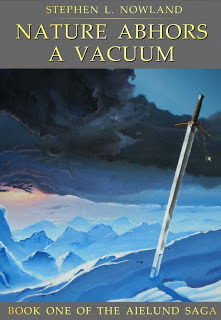
For Aiden Wainwright, a short trip to the nearby town of Bracksfordshire was supposed to be an opportunity for continuing his research into the arcane. But unfortunate circumstances see the town gates closed for weeks, and with supplies running low, Aiden finds himself thrust into the role of town saviour. Together with an old friend of dubious character, a drunken ranger on the edge, and a church acolyte out of her depth, he sets out to fill the vacuum of power left by the absent King's army, and deal with a rapidly escalating situation that threatens the security of the entire land, while uncovering the mysteries behind his own past.
From Stephen
Embarking upon a task to write a novel is a dream I've had since the early 90's, but despite my above average efforts at creative writing in high school, my first attempts were not met with enthusiasm from those unfortunate enough to be my test readers. I recall reading somewhere that most writers have to do it for 10 years before their work gets to a professional level, but I had hoped to circumvent this restriction and become awesome within a few months.
This, of course, didn't pan out either, and by the mid 90's I'd just about given up on the whole thing. In 1999, I decided to try again with an interesting story idea I had based on a D&D campaign I'd run a few years earlier. It took me three years to get it done, but the end result was something that most people were pretty impressed with.
I felt there was still room for growth, however, but further efforts were sidelined when I was sucked into the world of Neverwinter Nights, and set about creating stories for that instead. I finished up my epic saga for that in 2009, and the results were pretty spectacular – many players said that my characters and story were brilliant, and so when it came time to try my hand at novel writing once more, I decided to do a novelization of my NWN story, so that people who hadn't (and wouldn't) play the game could enjoy it.
And so, the first novel was completed in August 2011, and the feedback has been incredibly positive. As I continue to write the 2nd novel in the saga, I feel that my style is continuing to mature, along with my character building, world building, and story expanding endeavors. I weave the creative fabric of my universe in more complex ways, with far more gratifying results. The 2nd book is going to be my finest work yet, and there is much more to come.
My web page covers a lot of related work, and one can follow my progress on facebook too, if one is so inclined (all the cool kids are doing it!)
http://www.aielundsaga.com/Stephen's Smashwords author pageStephen's Amazon author page

You can find it in eBook form at these locations:
Smashwords
Amazon
Apple
Barnes and Noble
Kobo
Sony
Diesel

For those of you who have Neverwinter Nights and are looking for an excellent module to play:
http://nwvault.ign.com/View.php?view=Modules.Detail&id=3920

December 13, 2011
Writing without profanity
A Decision
I debated early on whether or not to use profanity in my writing. After thinking about it for quite a while, I realized that stories could be told perfectly well without it. Many of my favorite books had absolutely no swear words in them. Recently, I've noticed that many books do have profanity, especially with Indie Authors who don't have anyone to discourage them from doing so.
My first two stories, "Blue Haired Alien Girlfriend" and "Test Pilot" have some light profanity in them, but it fit at the time. They were written before I made the decision not to use swearing. In writing my first novel, "Rojuun", I came to a point where it would make sense for a character to cuss, but I was uncomfortable writing it. (I can be a total prude in some ways, oddly enough)
Would writing without profanity work?
In this day and age, swearing has become prevalent throughout American society. Finding someone who doesn't cuss is rarer than finding someone who does. Would it even be possible for me to write without it? At first, it started out as an experiment. Halfway through "Rojuun" I realized that it was pretty easy to do.
There have been two or three times when it's been really hard not to put swearing in a section where it would really fit. I've been able to cover it by saying: "He said things that weren't polite in any language" or something like that. It's worked pretty well.
The results
All of my novels and all but the two short stories mentioned previously have no profanity in them, a fact that I'm rather proud of at this point. The mean characters haven't lost any of their toughness in the process. The stories read better in my opinion. It's also been fun putting the challenge before myself and meeting it. The other advantage is that it makes my books palatable to a wider variety of audience.
The flaw in my plan is that I tend to add graphic violence with details of heads flying through the air and blood splattering against walls. *sigh* I don't really market my novels to younger children for this reason. Another issue is that I tend to get somewhat descriptive with the beginning of sex scenes, although I fade out before it becomes erotica. I've been accused of having too much kissing. I'll let you decide if that's a bad thing.
So, to sum it all up: my books have gratuitous violence, mild sex and absolutely no profanity. There's probably some sort of flaw in that logic, but it's working for me. ;)
I debated early on whether or not to use profanity in my writing. After thinking about it for quite a while, I realized that stories could be told perfectly well without it. Many of my favorite books had absolutely no swear words in them. Recently, I've noticed that many books do have profanity, especially with Indie Authors who don't have anyone to discourage them from doing so.
My first two stories, "Blue Haired Alien Girlfriend" and "Test Pilot" have some light profanity in them, but it fit at the time. They were written before I made the decision not to use swearing. In writing my first novel, "Rojuun", I came to a point where it would make sense for a character to cuss, but I was uncomfortable writing it. (I can be a total prude in some ways, oddly enough)

Would writing without profanity work?
In this day and age, swearing has become prevalent throughout American society. Finding someone who doesn't cuss is rarer than finding someone who does. Would it even be possible for me to write without it? At first, it started out as an experiment. Halfway through "Rojuun" I realized that it was pretty easy to do.
There have been two or three times when it's been really hard not to put swearing in a section where it would really fit. I've been able to cover it by saying: "He said things that weren't polite in any language" or something like that. It's worked pretty well.

The results
All of my novels and all but the two short stories mentioned previously have no profanity in them, a fact that I'm rather proud of at this point. The mean characters haven't lost any of their toughness in the process. The stories read better in my opinion. It's also been fun putting the challenge before myself and meeting it. The other advantage is that it makes my books palatable to a wider variety of audience.
The flaw in my plan is that I tend to add graphic violence with details of heads flying through the air and blood splattering against walls. *sigh* I don't really market my novels to younger children for this reason. Another issue is that I tend to get somewhat descriptive with the beginning of sex scenes, although I fade out before it becomes erotica. I've been accused of having too much kissing. I'll let you decide if that's a bad thing.
So, to sum it all up: my books have gratuitous violence, mild sex and absolutely no profanity. There's probably some sort of flaw in that logic, but it's working for me. ;)



![[image error]](http://4.bp.blogspot.com/-s9LkJXNXEVY/TxZU5yKVAHI/AAAAAAAAAGQ/8BURVDgQjLU/s1600/SandDunes_m.jpg)
![[image error]](http://3.bp.blogspot.com/-W2WYhC9Laxs/TxZUuY5ianI/AAAAAAAAAGA/uxPRjzx6Wzs/s1600/CDPA_2010_WSA_mod.jpg)
![[image error]](http://1.bp.blogspot.com/-pNY4347Ctng/TxZUz2W4GnI/AAAAAAAAAGI/Nio0JKJ1Kg0/s1600/800px-Joshua_Tree_NP_Contact_zone.jpg)