Rob Blackwell's Blog, page 9
January 26, 2012
Free Book Madness: The Results of My Amazon Select Experiment
The decision to give away my bookwas not an easy one. My fears were divided into two contradictory concerns: 1)that no one would download it and 2) that so many people would download it, therewould be no one left to buy it when the promotion was over. I needn't have worried on eithercount. If you want the short version of myKDP Select (or Amazon Select, if you prefer) experiment, and whether you shouldjump in yourself if you are an indie author, I will say this: Run, don't walk,to join this program and try it for yourself. I gave away more books than Icould have possibly imagined, and still sold more in the following week than Idid in the entire month of December. For me, this program has already been aphenomenal success. If you want to know the longversion, read on:
Day 1 – The Free Give AwayI gave away the book for free onTuesday, Jan. 17. I picked it because it was the beginning of the week (givenMLK day on Monday), and weekends and holidays had never been particularly kindto me in terms of book sales. As I mentioned, I was nervous about how manydownloads I would get. I was hoping for 1,000 or maybe, if I was really lucky,1,500. I figured this was a big enough haul that it would give me some momentumfor the rest of the week. I was unprepared for the delugethat resulted. By the time I woke up at 6 a.m. E.S.T., I already had given away75 books. It was an auspicious start, considering that the give away hadn'tbegun until 3 a.m. my time and the data I received was delayed by roughly anhour and a half.Throughout the morning, the numbersteadily rose, often enough that I could check it every two minutes or so andsee it increase by 20 books. For a guy whose best sales day was 34 books, thiswas amazing. Around lunchtime, I noticed the rate had started to slow. I had alreadygiven away 600 books and I felt certain I would now reach my 1000 goal.I wrote my wife a note telling heras much—already viewing the day as a success—and stopped watching theblow-by-blow sales figures. About an hour later, I checked the number, hopingit had reached 700 books. Instead, the book had exploded while I wasn'twatching. I had now given away 1300 books, or "sold" more than 700 in a singlehour. I got up to fix myself tea. When I came back, that number had jumped 200more.By this time, I was giddy. I couldkeep refreshing the sales figures every second and watch them jump by two dozenevery time. By dinnertime, I had given away 2500 books, far outside my wildestdreams. By the time I went to bed, I was past 4500 books and seemed likely toget to 5,000. When I got up the nextmorning, I had given away a total of 6,486 books (estimated). I reached #40 inthe entire Kindle free store. I'll admit it—I tried to sleep, buthad trouble. I was excited. It took me four months to sell 1,100 books. I hadjust "sold" almost six times as many in a single day. Secretly, I felt surethat the next day was going to be just as amazing. I had dropped the book's priceto $0.99 and hoped to build enough momentum to shoot up the bestseller charts.
Day 2 – Reality Pays a VisitI sold—for actual money—73 books on Wednesday, Jan. 18. It was mybest single sales day ever and pushed "A Soul to Steal" into the Top 100 Horrorbooks on the Kindle charts, and near the top of two subcategories: Ghost andOccult. You might think I felt pretty goodabout all this. But to be honest, I felt like someone coming off a great high,which I suppose I was. It's tough to watch your book "sales" jump by 100 or 200in a five minute period one day and then slowly watch them increase the next.Also, I had hoped that my 99 cent approach would goose the figures even more. I couldn't help but wonder if I hadmade a massive mistake. Sure, my book was now in the hands of 6,500 morepeople, but would they even read it? And what if I had just saturated mymarket? Still, I was happy that the bookwas in the Horror bestseller chart, which was totally new for me. I had evenbeaten "The Shining" on that day. Even if only for a moment, that was afantastic feeling.
Day 3 – Reality Kicks My ButtIf I was wary on Wednesday, I waseven more concerned by Thursday that I had made a big mistake. Instead ofrising at a slow but steady rate, I had sold only seven books by 7 p.m. This wasat 99 cents. My novel had fallen off the Horror bestseller list and dropped downthe subcategories to boot.With the numbers so low and feelingI was back to where I had started before my free give away, I raised the priceback to its original $2.99. Strangely, this seemed to boost sales a bit. In all, I sold 24 books on Thursday.
Day 4 – I Wake UpAt some point on Friday I realizedI was thinking about this all wrong. I used Facebook ads—and spent a lot ofmoney—to sell those initial 1100 books. The book had turned a profit, butbarely. On average, I spent $15 to get $16 or $18 worth of sales, almostbreaking even.In a matter of days, however, KDPSelect had changed all that. I had sold nearly 100 books in two days. Yes, muchof that was at 99 cents, but still… It took me four weeks to sell my first 100books. So no, I wasn't in the Horror bestseller list anymore, but people werefinding my book on their own. I wasn't advertising anywhere or even posting onvarious Facebook pages. I decided to stop focusing on thesales figures, except for the purposes of this blog post. Ironically, this newattitude seemed to produce good kharma for the novel. It sold 31 copies (at the regular $2.99 price) on Friday.
Days 5 and 6 – When You Least Expect It…On Saturday, I had my secondbiggest sales day of all time. I sold 57books and the novel rocketed back into the Top 100 Horror bestseller list. OnSunday, I sold 41 books. This time I didn't take it forgranted. I knew from other blogs that my sales figures were likely to dropafter a few days. Instead, I focused on the fact that I had just sold another100 books in two days. Even if sales dropped to zero, KDP Select had been asuccessful experiment.
Days 7 and 8 – Back to NormalI sold 9 books on Monday and 11 on Tuesday. In total, in my weeksince making the book free, I had sold 246 books. Considering I had sold only211 in the entire month of December—and spent $345 on Facebook ads at the time—thiswas a remarkable feat.No, my novel isn't in the Horrorbestseller category (honestly, it's more mystery than horror, but never mindthat for right now). No, it's not selling dozens of copies a day.But importantly, it's still sellingevery day, with no help from me. As I said, I've spent a lot of money and timedesigning and redesigning Facebook ads. If you want to know how to sell yourbook using FB ads, I can give you advice (and will in a later post). But it'san exhausting process trying to micromanage your marketing. For me to be ableto sit back and sell 10 books a day without lifting a finger is exhilarating. I don't know how long it will last.It may be that sales drop off to zero again soon. But I will tell you this: I'mdamn happy I tried Amazon Select. In the past week, the book has earned threemore 5-star reviews, two of them clearly from people who picked up the book forfree. I've significantly expanded the number of people who have heard about mybook—and might buy the eventual sequel. My total (paid) sales have jumped to morethan 1350 books. All in all, not bad for a week's work. Even better, I have four morepromotional days to use before April. Will they be as successful? I have noidea. It may be that with so many authors using KDP Select now, the impact willbe less. Or it could be that so many people have already downloaded my book forfree that fewer will be interested this time around. But you know what? That sounds alot like my initial fears (no one will download it and no one will buy itlater). They proved unfounded the last time. The only way to see what happensis to take another shot—and see what happens. What about you? Have you tried KDPSelect? What was your experience? Please let me and others know in the commentsbelow.


January 16, 2012
Why I Joined KDP Select
Since its introduction last month,Amazon's KDP Select program has caused a fair bit of controversy. On its face,it sounded good: a program that would let Amazon Prime members borrow your bookfor free, in exchange for a cut of a $500,000 fund. Select members also get fivepromotional days, courtesy of Amazon, in which their book is available forfree, but the company helps get the word out about it.
 But there was a catch: If youwanted to join KDP Select, the novel had to be available exclusively in digitalform to Amazon. So if you've gone to the trouble to get it published elsewhere,such as Nook, iBook and Smashwords, you had to depublish the book from thoseoutlets. This, to me, was a deal breaker. Myobjections were twofold. One, I worked hard to make the novel available toeveryone—even in print—that wanted to buy it. True, my Amazon purchases vastlyoutnumbered my Nook ones, but I felt it was important to sell in multiplemarkets. Secondly, I worried the benefits would be relatively minor. Yes, I'dget a cut of 500k, but how many Prime member were going to borrow my book whenthey could buy it for $2.99? Since Prime members can only borrow one book amonth, it seemed more likely they would favor more expensive novels than mine.As for the free promotion, I would be giving away my book for nothing. How wasthat going to help me? Boy, was I wrong. Joe Konrathsuccessfully used his free promotions on KDP Select to make more than $100,000in three weeks(http://jakonrath.blogspot.com/2012/01/100000.html).Jeff Bennington, meanwhile, the author of Reunion and Twisted Vengeance, has used his freepromotional days to get three of his novels onto bestseller lists. How doesthis happen? Well, for starters, Amazon'salgorithms help promote your book, so instead of relying on ads or word ofmouth, it gets a much wider audience than it normally would. While in theory,interest in your book should wane the day after your promotion, that's not whathappens. Because so many people download it—and do so in a short period oftime—Amazon's algorithms indirectly continue to help promote the novel. As aresult, you could find yourself selling a lot more books the day after a freepromotion than you did before. That's the theory, at any rate. Once I saw what kind of successthis was spurring for others, the lure of KDP Select was too much. I decided Ineeded to take the plunge.
 To be honest, I'm a little scared.My first "free" promotion will be tomorrow, Jan. 17, and I worry that a) no onewill download it for free or b) everyone will download it and the book willthen stop selling afterward. While there are plenty of success stories outthere, there are many private failures as well. Some authors say they'venoticed no uptick after a free promotion, or that actual sales of the book havedeclined. As for the other concern—aboutexclusivity—it still bothers me. I was happy to publish on Nook and Smashwordsand have been pleased with every sale there. But realistically, those salespale in comparison to what I see on Amazon. I've sold more than 1000 books, andonly 40 of those were on Nook. For iBook, I've sold a grand total of 7 books.So while the idea of making the book available everywhere is appealing, it'sclear that most of my readers are buying it on Kindle. Why not take advantageof KDP Select? So I made the jump. As I said, thebook will be available for free on Jan. 17. If you haven't taken the plungealready, it's a good day to buy it. If you have and you liked the book, feelfree to buy copies for your friends. It won't cost you a dime. As for this experiment with KDP,let's see where it goes. No guts, no glory, right?
January 15, 2012
The Masquerade Crew is giving away copies of Dan DeWitt's novels.
Book Details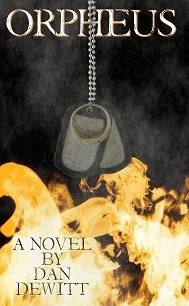 Title: Orpheus
Author: Dan DeWitt
Find him online:
Facebook Twitter SmashwordsHis Personal Blog
Genre: Horror (Zombies)
Synopsis: Cameron Holt is fortunate enough to survive the initial outbreak that turns his New England island community into a hive of the undead. So is his son, Ethan. Now, the only thing keeping Holt going is the determination to rescue his son from the undead...or remove him permanently from their ranks. Unfortunately, zombies aren't the only thing getting in his way.
ReviewsOrpheus received two five-star reviews from The Masquerade Crew. Sharon's ReviewBec's Review
An Interview With The Author—Dan DeWitt
What's your writing background?
 Nothing too exciting. I have a Bachelor's degree in English, which means next to nothing when it comes to writing fiction. Still, I took a bunch of creative writing classes and really enjoyed them. Before that, I dabbled in short stories here and there, but wasn't ready to try and make a career out of it. I wrote one screenplay in 2001 that advanced to the second round at Austin (and I'm about ¼ of the way into its novelization). I've always been a voracious reader, and I got really serious after participating in NaNoWriMo in 2006. Since then, I've published a couple of short stories in e-zines and one non-fiction profile in a local magazine. But I'm really just a guy who loves to read fiction and tell a story from time to time.
To read more of this interview, click here.
Win a copy of Orpheus
You need javascript enabled to see this giveaway.

Title: OrpheusAuthor: Dan DeWitt
Find him online:
Facebook Twitter SmashwordsHis Personal Blog
Genre: Horror (Zombies)
Synopsis: Cameron Holt is fortunate enough to survive the initial outbreak that turns his New England island community into a hive of the undead. So is his son, Ethan. Now, the only thing keeping Holt going is the determination to rescue his son from the undead...or remove him permanently from their ranks. Unfortunately, zombies aren't the only thing getting in his way.
ReviewsOrpheus received two five-star reviews from The Masquerade Crew. Sharon's ReviewBec's Review
An Interview With The Author—Dan DeWitt
What's your writing background?
Nothing too exciting. I have a Bachelor's degree in English, which means next to nothing when it comes to writing fiction. Still, I took a bunch of creative writing classes and really enjoyed them. Before that, I dabbled in short stories here and there, but wasn't ready to try and make a career out of it. I wrote one screenplay in 2001 that advanced to the second round at Austin (and I'm about ¼ of the way into its novelization). I've always been a voracious reader, and I got really serious after participating in NaNoWriMo in 2006. Since then, I've published a couple of short stories in e-zines and one non-fiction profile in a local magazine. But I'm really just a guy who loves to read fiction and tell a story from time to time.To read more of this interview, click here.
Win a copy of Orpheus
You need javascript enabled to see this giveaway.
January 5, 2012
The Best of What's to Come: A Time Traveler's View of 2012
I know—you are still busy readingabout the best of 2011. But due to an unexplained rip in the space-timecontinuum, I was able to jump ahead in time one year and find out what the bestof the new year is going to bring us. And folks, hold on to your hats. Because2012 is going to be awesome!
Movies:
There are a lot of good movies thatwill come out in 2012. For Twilight fans, there is the last half of Breaking Dawn. For superhero fanatics,there is Joss Whedon's The Avengers,a movie that brings together a slew of famous names: Ironman, The IncredibleHulk, Thor, Captain America,and Samuel Jackson (he's called something else in the movie, but he reallydoesn't need to be. He's pretty much playing himself with an eyepatch.)
 But having watched those and othermovies during my jaunt to the future, I can honestly tell you that the winnerof Best Movie goes to… The Hobbit. Seriously, you don't need a timetraveler to tell you why. Martin Freeman as Bilbo Baggins? Check. Ian McKellanback as Gandalf? Check. Andy Serkis as Gollum? Dwarves? Check. Smaug theDragon? Check. Directed by Peter Jackson? Yes. It just doesn't get any betterthan that. Most prequels face an uphill climbbecause it's hard to make something exciting when you already know the ending.But in the case of The Hobbit, thefinding of the One Ring is largely ancillary to the plot. The exciting bitsdon't come from that, but instead from the battles against giant spiders and amassive dragon. Trust me, this movie will blow you away.
 Books:
We thought we had bid RolandDeschain goodbye when Stephen King published his final novel in The Dark Tower series in 2004(appropriately titled The Dark Tower.)Since then there have been prequel comics and rumblings of a movie andtelevision adaptation (both by Ron Howard), but I never thought I would seeanother book in the series from the King himself.
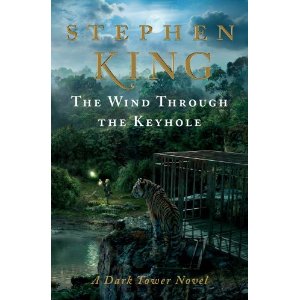 So I was surprised to see The Dark Tower: The Wind Through The Keyholetop the bestseller lists for 2012. Released in April, I had a chance to read itquickly in my jaunt to the future and it may be the best Dark Towerbook yet. Ostensibly set between books four and five of the series, the novelfills in a gap of what happened to Roland's ka-tet on their way from Emerald City to Calla Sturgis. It also revealsmore of Roland's past and his ridings with Cuthbert.More intriguingly, is this bookreally a prequel? Those who read the final volume of The Dark Tower know that in King's world, things aren't always whatthey seem.
 Video Games:
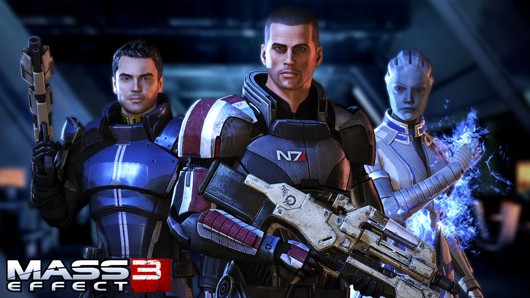
If you follow game news, you knowthat 2012 is due to be a banner year. In addition to the annual Call of Dutyofferings, several major releases are due, including Halo 4 and Bioshock:Infinite. Yet it will come as no surprise toBioware fans to discover that Mass Effect 3 was the best game of 2012. From itsfantastic plotlines to its well-drawn characters, the Mass Effect series hasbeen top-notch. Until ME3 was released, Mass Effect 2 was considered the bestXbox 360 game of all time. But Mass Effect 3 raised even thathigh bar by going out on an explosive note. What made the conclusion so amazingwas how it built on the choices you made in Mass Effect 1 and Mass Effect 2.Did you save the Rachni from extinction? Did your entire squad survive yourtrip to destroy the Collectors? Far from incidental, these decisions proved tohave a significant impact on how Mass Effect 3 played. A lot of games havetried to make the role of choice important—but Mass Effect 3 beats them all. The controversial decision to includemultiplayer in the game, meanwhile, turned out to be an ace move by Bioware.No, you didn't need to play it to enjoy the single-player finale, but it turnedout that playing Mass Effect with friends was the blast you always knew itcould be. Mass Effect 3 will go down inhistory not only as one of the best games of 2012, but likely the best game ofthis console's generation.

December 21, 2011
The Top Seven Modern Christmas Songs
(Want a free $10 Amazon gift card? Just become a follower of this blog and you'll have a chance. Join tonight!)
Let's face it: By Dec. 1, many ofus are already sick of Christmas carols. The shops start playing them rightafter Halloween, and year after year of the same songs over and over, it's hardnot to feel weary of them by the time Christmas Eve actually rolls around. But amid the clutter of the usual Yuletidecarols are some songs that stand out. I present my top seven non-traditionalChristmas tunes. Why seven? Because 10 was too many and five was just too few.
7. Blue Christmas
 This 1948 song is the oldest onthis list, made popular decades ago by Elvis Presley. It's been sung countlesstimes since then by nearly every country and rock star in the book. I leantoward Sheryl Crow's version (though I like John Denver's as well). But no matter who sings it, the reasons tolike it are the same: Amid the happy Christmas songs, this one is almostgleefully the opposite.It's a downbeat lament for a loverlong gone, a recognition that not every Christmas season is hugs and kisses,and a smooth response to the sometimes annoying "White Christmas"—all rolledinto one. "You'll be doing all right,with your Christmas of white, but I'll have a blue, blue, blue, blueChristmas." Amen. http://www.youtube.com/watch?v=UpuExfbr1Pc
6. Christmas at Ground Zero
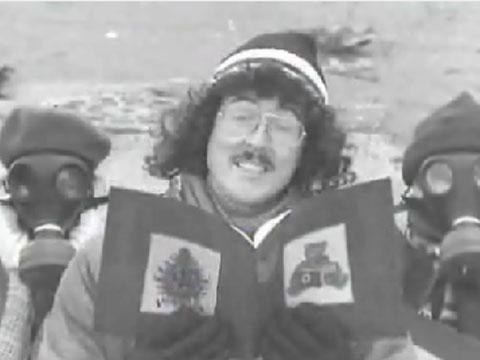 Weird Al Yankovic is a genius.Mostly known for his parodies, he released his own Christmas carol two decadesago and I haven't stopped laughing since. Set to aggressively cheery Christmasmusic, Al imagines the Yuletide season amid the start of a nuclear war—and heremains darn happy about it. His lyrics, sung with unremitting glee, include: "Everywherethe atom bombs are dropping, it's the end of all humanity. No more time forlast-minute shopping, it's time to face your final destiny." It's easily thefunniest Christmas song ever.It's hard not to love a Christmassong that ends with the line "What a crazy fluke, we're gonna get nuked, onthis jolly holiday."http://www.youtube.com/watch?v=t039p6xqutU&ob=av3e
5. Christmas Lights
 These days, Coldplay is known foruplifting rock anthems that exude optimism. So it's a bit strange that theirChristmas single, released last year, starts on a downer: "Christmas night,another fight; tears, we cried a flood. Got all kinds of poison in; of poisonin my blood." Yet like any good Christmasspecial, the song is all about finding hope—sometimes in the unlikeliest ofplaces. For the Coldplay crew, it's a sea of bright, blinking Christmas lights."Those Christmas lights, light up the street; Maybe they'll bring her back tome. Then all my troubles will soon be gone; Oh Christmas lights, keep shiningon."Schmaltzy? A little. But themelodic chorus and uplifting tone make it hard to resist. http://www.youtube.com/watch?v=z1rYmzQ8C9Q
4. Song For A Winter's Night
 While technically not a Christmas tune,Sarah McLaughlin's beautiful cover of Gordon Lightfoot's song fits perfectlywith the season. With only minimal music, the song is driven by her voice,which is displayed to lovely effect. The lyrics are pretty enough, but the wayMcLaughlin sings them turns it into real poetry: "The fire is dying now, mylamp is growing dim, the shades of night are lifting. The morning light stealsacross my windowpane where webs of snow are drifting."The song is sad without feelingmorose, a simple hymn wishing for someone who isn't there: "If I could onlyhave you near to breathe a sigh or two, I would be happy just to hold the handsI love and to be once again with you."http://www.youtube.com/watch?v=UV4F2yfEt9o&feature=related
3. Boots
 The Killers are known forreleasing a new Christmas song every year and they've had several good ones.From the ridiculous "Don't Shoot Me, Santa" to the Mexican-themed, "HappyBirthday, Guadalupe," it's clear they know how to rock for the season. Lastyear's "Boots," however, is something different. It starts with an audio clipof Jimmy Stewart in "It's a Wonderful Life" where he prays to God to show himthe way. From there it tells its own storyof a loner who is not exactly looking forward to the New Year. "Brand new year,coming up ahead. You know it's been so long, since I rang one in." But he findshope—and potential salvation—in the reminiscences of the Christmases of hisyouth. "I can see my mother in the kitchen; my father on the floor. Watchingtelevision, It's a Wonderful Life. Cinnamon candles burning, snowball fightsoutside, Smile below each nose and above each chin. Stomp my boots before Icome back in." What starts as just nostalgia, however, ends on a note ofredemption. "So happy they found me. Love was all around me. Stomp my bootsbefore I go back in." http://www.youtube.com/watch?v=UymN_kjYeFk&ob=av2e
2. Happy Xmas (War is Over)
 More than 25 years after itsdebut, John Lennon's ode to Christmas still carries significance. His versionis marred a bit by Yoko Ono's backing vocals, and the song can feel somewhatcheesy, especially when the children's choir appears. But the lyrics and tunemore than make up for it. Appropriate to Lennon, the song is hopeful, wishingeveryone not just a Merry Christmas, but a world without war. It also offers aslight challenge to justify what good one has achieved during the past year:"So this is Christmas, and what have you done?"http://www.youtube.com/watch?v=yN4Uu0OlmTg
1. Christmas
 There is no song that bettercaptures both the ambivalence and the joy of Christmas than this BluesTraveler's 1997 original song. It embraces the mixed feelings the holidays canbring when everyone seems happy, but you don't feel it: "Comes the time forChristmas, and I really have to ask: If this is feeling merry, how much longermust it last?" The lyrics are superb, the harmonies are beautiful: the song is oneof the best Christmas carols written in years.It builds as the singer focusesfirst on his doubts about the meaning of Christmas, but he comes to terms withthem by embracing the joys of the season as well. "As you raise your yuletideflask, There's like this feeling that you carry, As if from every Christmaspast. It's as if each year it grows, It's like you feel it in your toes, And onand on your carol goes, Harvesting love among your woes."The song climaxes with the versessung in rounds—each verse beginning over again, only to be interrupted by thestart of another, culminating in a chorus of "Hark the Herald Angels Sing" overtop. It's a rousing crescendo and the only Christmas song worth listening to allyear.http://www.youtube.com/watch?v=T3HNklYvejk
December 18, 2011
Creating a New Halloween Myth
Warning: Minor spoilers ahead!!!
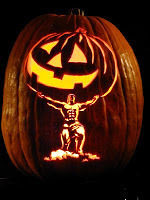 Probably the question I've receivedmost often about A Soul to Steal iswhether its central mythology, a legend called "The Prince of Sanheim," isbased on something real. I've had friends admit that they Googled the term afterfinishing the book, and others who suggested they had heard of it before.There is very little as gratifyingfor a writer, since the truth is that I made up the entire story. What makes mehappy is that it doesn't feel fake. A good mythology should seem real orvaguely familiar, the kind of thing you heard once but have since forgotten.I'm not sure exactly when the ideacame to me. I know a lot about Halloween, and much of what we think we know isnot actually true. Occult fanatics and religious zealots in the 19thcentury invented a past for All Hallow's Eve which has very little to do withactual history.Instead of rejecting that, however,I wanted to embrace it. I wanted a legend that drew from those old myths—real andfictional—and created something new. And I needed something that would go to mycentral theme: the nature of fear.What I wanted to know was this: doyour fears define you as a person? What would it be like if your worstfear—whatever that is—suddenly took shape? Would you have the strength andcourage to face it?I also wanted something that drewfrom a dark place. Fear is a powerful thing. We tend to view it negatively, butit's also a great motivator, among other advantages. Still, it cuts both ways.It can either save you or paralyze you, depending on the person and circumstances.So I needed a legend that drew onold Halloween myths, explored the nature of fear, but also was somethingunique.
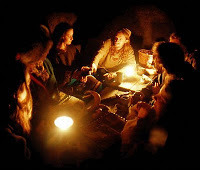 Here's what I came up with. Do youwant to hear a new Halloween legend -- even if it is right around Christmas? Pull up your chair and I'll tell you astory: Centuries ago, a Celtic tribe was on the verge of annihilation, facingthe increasing incursions of a rival. In desperation, they made a deal withSanheim, the Celtic god of the dead. Despite the fact that most of their youngpeople were killed as a result of the neighboring tribe's attacks, they agreedto sacrifice one man and one woman to Sanheim. They tied them to a post, boundtheir wrists together and left them there to die.But they didn't die. A few dayslater, they returned to the village and the young man—who had seemed like justa boy before—was now a powerful warrior. The woman was his priestess. The townelders were frightened, but pleased. The two left the next day to wreakvengeance on the rival tribe. Except when they returned, instead of takingorders from the town elders, they took control.The two had immense powers—and wereintimately bound together. When there was a battle to be fought, the man ledthe charge. But it was the woman guiding the tribe, making most of thedecisions. Apart they were nothing. Together they were what became known as the"Prince of Sanheim."But there was a weakness. Theirpowers waxed and waned with the changing of the seasons. They were strongest atSamhain, the harvest festival we now call Halloween. They were weakest the nextday, what Christians call All Soul's Day. And the power they wielded tended tocorrupt them.Every generation, a man and a womanhad the chance to become the Prince of Sanheim, but there was a catch. The manmust first face his Cennad—a Celtic word for ambassador—that embodied his worstnightmare. If the man could defeat his Cennad, he and the woman would haveaccess to great powers. The woman, too, would have to face her own test, but ofa different nature.That was the basic legend, but Icouldn't really stop there. I didn't want to just have an old myth with noechoes through history. So I invented stories for several Princes of Sanheimthrough the ages. In the original version of the novel, there were flashbacksto many of them so that the reader got a greater sense of their powers andvulnerabilities.In the end, however, I cut most ofthat, simply because my novel already has a lot going on. The entire backdropof the Prince of Sanheim unfolds while on the hunt for a serial killer with hisown twisted history and I was wary of throwing too much at the reader.The story I did tell was that ofthe most famous Prince of Sanheim: a Romantic-era poet named Robert Crowley. OnHalloween night in 1873, he hosted a party at his estate in Scotland. Over50 men showed up and history does not record the number of women who alsoattended. What is important, however, is that all but one disappeared. Only aman named Horace Camden survived and he shouted to anyone who would listen thatCrowley hadfound his bride and become the Prince of Sanheim.
 I've been to this castle. It's awesome.The event was so mysterious it gavebirth to a creepy rhyme: "Fifty men went up a hill, none of them came down.Fifty men went to see him, but none of them were found." Camden went on to become a priest of themovement, talking about the coming of the next Prince of Sanheim. The final step was to set up anenvironment where this new legend was born again. Quinn O'Brion and KateTassel, the main characters of the novel, don't know anything about the "Princeof Sanheim" when the book starts. Instead, they are more worried about catchingthe killer named Lord Halloween before he strikes again. But as the novel goeson, they eventually realize that the key to finding the killer may lie in uncoveringthe mystery of the ancient Celtic myth.They also have to learn somethingelse: you are what you fear.
For more on A Soul to Steal, please "like" the Facebook page at: www.facebook.com/asoultosteal.
The novel can be bought for Kindle and print here: http://www.amazon.com/A-Soul-To-Steal-ebook/dp/B005JVEXX0/ref=sr_1_1?ie=UTF8&qid=1319678520&sr=8-1
It can be bought for Nook here: http://www.barnesandnoble.com/w/a-soul-to-steal-rob-blackwell/1105546995?ean=2940013024366&itm=1&usri=a%2bsoul%2bto%2bsteal
 Probably the question I've receivedmost often about A Soul to Steal iswhether its central mythology, a legend called "The Prince of Sanheim," isbased on something real. I've had friends admit that they Googled the term afterfinishing the book, and others who suggested they had heard of it before.There is very little as gratifyingfor a writer, since the truth is that I made up the entire story. What makes mehappy is that it doesn't feel fake. A good mythology should seem real orvaguely familiar, the kind of thing you heard once but have since forgotten.I'm not sure exactly when the ideacame to me. I know a lot about Halloween, and much of what we think we know isnot actually true. Occult fanatics and religious zealots in the 19thcentury invented a past for All Hallow's Eve which has very little to do withactual history.Instead of rejecting that, however,I wanted to embrace it. I wanted a legend that drew from those old myths—real andfictional—and created something new. And I needed something that would go to mycentral theme: the nature of fear.What I wanted to know was this: doyour fears define you as a person? What would it be like if your worstfear—whatever that is—suddenly took shape? Would you have the strength andcourage to face it?I also wanted something that drewfrom a dark place. Fear is a powerful thing. We tend to view it negatively, butit's also a great motivator, among other advantages. Still, it cuts both ways.It can either save you or paralyze you, depending on the person and circumstances.So I needed a legend that drew onold Halloween myths, explored the nature of fear, but also was somethingunique.
 Here's what I came up with. Do youwant to hear a new Halloween legend -- even if it is right around Christmas? Pull up your chair and I'll tell you astory: Centuries ago, a Celtic tribe was on the verge of annihilation, facingthe increasing incursions of a rival. In desperation, they made a deal withSanheim, the Celtic god of the dead. Despite the fact that most of their youngpeople were killed as a result of the neighboring tribe's attacks, they agreedto sacrifice one man and one woman to Sanheim. They tied them to a post, boundtheir wrists together and left them there to die.But they didn't die. A few dayslater, they returned to the village and the young man—who had seemed like justa boy before—was now a powerful warrior. The woman was his priestess. The townelders were frightened, but pleased. The two left the next day to wreakvengeance on the rival tribe. Except when they returned, instead of takingorders from the town elders, they took control.The two had immense powers—and wereintimately bound together. When there was a battle to be fought, the man ledthe charge. But it was the woman guiding the tribe, making most of thedecisions. Apart they were nothing. Together they were what became known as the"Prince of Sanheim."But there was a weakness. Theirpowers waxed and waned with the changing of the seasons. They were strongest atSamhain, the harvest festival we now call Halloween. They were weakest the nextday, what Christians call All Soul's Day. And the power they wielded tended tocorrupt them.Every generation, a man and a womanhad the chance to become the Prince of Sanheim, but there was a catch. The manmust first face his Cennad—a Celtic word for ambassador—that embodied his worstnightmare. If the man could defeat his Cennad, he and the woman would haveaccess to great powers. The woman, too, would have to face her own test, but ofa different nature.That was the basic legend, but Icouldn't really stop there. I didn't want to just have an old myth with noechoes through history. So I invented stories for several Princes of Sanheimthrough the ages. In the original version of the novel, there were flashbacksto many of them so that the reader got a greater sense of their powers andvulnerabilities.In the end, however, I cut most ofthat, simply because my novel already has a lot going on. The entire backdropof the Prince of Sanheim unfolds while on the hunt for a serial killer with hisown twisted history and I was wary of throwing too much at the reader.The story I did tell was that ofthe most famous Prince of Sanheim: a Romantic-era poet named Robert Crowley. OnHalloween night in 1873, he hosted a party at his estate in Scotland. Over50 men showed up and history does not record the number of women who alsoattended. What is important, however, is that all but one disappeared. Only aman named Horace Camden survived and he shouted to anyone who would listen thatCrowley hadfound his bride and become the Prince of Sanheim.
 I've been to this castle. It's awesome.The event was so mysterious it gavebirth to a creepy rhyme: "Fifty men went up a hill, none of them came down.Fifty men went to see him, but none of them were found." Camden went on to become a priest of themovement, talking about the coming of the next Prince of Sanheim. The final step was to set up anenvironment where this new legend was born again. Quinn O'Brion and KateTassel, the main characters of the novel, don't know anything about the "Princeof Sanheim" when the book starts. Instead, they are more worried about catchingthe killer named Lord Halloween before he strikes again. But as the novel goeson, they eventually realize that the key to finding the killer may lie in uncoveringthe mystery of the ancient Celtic myth.They also have to learn somethingelse: you are what you fear.
For more on A Soul to Steal, please "like" the Facebook page at: www.facebook.com/asoultosteal.
The novel can be bought for Kindle and print here: http://www.amazon.com/A-Soul-To-Steal-ebook/dp/B005JVEXX0/ref=sr_1_1?ie=UTF8&qid=1319678520&sr=8-1
It can be bought for Nook here: http://www.barnesandnoble.com/w/a-soul-to-steal-rob-blackwell/1105546995?ean=2940013024366&itm=1&usri=a%2bsoul%2bto%2bsteal
December 17, 2011
How to Anger Friends and Alienate People
Let's face it: it's hard to promoteyour own book. When I decided to publish "A Soul to Steal," I knew I'd have todo some marketing, but I really believed that given the right set ofcircumstances, my book would be discovered on it's own.But that isn't how it works. Withthe flood of indie books out there, it's hard to get attention for your novel.So what's a budding author to do? Well, you can query book bloggersand start a blog, and maybe buy some advertisements. But that sounds like a lotof work. So I thought about it long and hard—at least two minutes—and came upwith a few options that I decided to test out. I'm sure one of these will putme on the road to bestseller any minute.
1) Fake my own deathA couple of weeks ago, a Facebook bookblogger decided that the best way to get attention for her new page was topretend she had been in a life-threatening car accident. The details were gruesome:her brother, 5-year old Duncan, was dead, and the blogger herself supposedlyslipped into a coma.The stunt resulted in a wave ofattention as good, normal people—who had no reason to think the blogger wasmaking this up—offered their heartfelt best wishes, prayers and assistance.Eventually, however, the truth was uncovered. Apparently she had made up thestory to a) earn "likes" for her page on Facebook, and b) receive free booksfrom authors looking to promote themselves on her page. Which was totallybizarre. For one, what happened when the truth was uncovered? Virtuallyeveryone who had liked her page immediately "unliked" it and she ended updeleting the page. For another, who sends books to a blogger in a coma?Lesson: Faking my own death wouldundoubtedly win the book more attention, but it's hard to see much upsidebeyond that. Since I'm dead, I can't write sequels, promote my novel or, ohyeah, ever see my friends again. Also, it violates one of my basic codes of conduct: Don't be an asshole.
2) Steal From Other BooksQuentin Rowan caused quite a stir when it was revealed that his much praised debut novel, "Assassin of Secrets," was mostly plagiarized. And when I say mostly, I mean all of it except thewords "the," "but" and "bootylicious."Seriously, Rowan—whose own nom deplume, Q.R. Markham, was also stolen—is like the Olympic gold medal winnerfor lifting from other books. He stole virtually every line from somewhere: oldJames Bond novels, assorted spy thrillers, Ladies Home Journal, etc.
 When the truth came out, Rowandidn't even have the good sense to slink away in shame. No, this guy actuallypublished an article in The Fix, a magazine about addiction, claiming thatplagiarism was like an addiction. He was young, under pressure and when hescored a valuable book contract, felt strangely compelled to steal from other,better writers rather than making up his own book. His "confession" is hilarious in its absolute narcissism. He admits he was a liar and athief, but wants us to give him credit that he fessed up so readily after he wascaught. Also, his parents cried when they found out and his "beautiful"girlfriend left him—and now don't we feel bad for saying all this mean stuffabout him? No, I don't feel bad, Quentin—if that is even your real name. The onlything I want to know is where you stole your "confession" from. Lesson: Stealing from other booksa) will be discovered and b) is not a form of flattery. Sure, Rowan's book soldreally well in the aftermath of the accusations—even as his publisher tried toyank it from shelves—but it's hard to build much success off that.
3) Marry a Kardashian
 Seriously, I don't know who this isSeriously, I think this is my bestbet. Apparently, marrying a celebrity instantly makes you a celebrity too. Soall I need to do is find a Kardashian and marry one—I don't even need to staymarried to her for very long—and boom: I'm famous and the book is a hit. There's just one problem: I have noidea who the Kardashians are. I'm being totally serious. The funny thing aboutpop culture is that I usually absorb it unconsciously even when I don't careabout it. I can tell you about the recent plot twists on "Two and a Half Men," andI've never once watched the show. I don't know how I know this: it's themost useless psychic power there is. But with the Kardashians, I'mtotally lost. I don't know who they are, where they came from or why they'refamous.Lesson: It turns out I'm alreadymarried and my wife was not pleased with this suggestion.
 4. Write a good book
Here's another idea. Rather thanlooking for a short-cut, I could just take a long time to write and polish abook, release it into the wild, and ask people to buy it. If it's good, maybe,just maybe, it will sell some on its own via word of mouth. If not, I can write another book, and hope that eventually, I'll gain a following. It's hard work, but it doesn't involve lying to friends and family, stealing from authors I love, or figuring out who the Kardashians are. Lesson: We may be onto somethinghere. I will have to give this more thought.
So, what do you think I should do? Marry a Kardashian? Steal from Stephen King? Leave a comment below! Please note that I am giving away a $10 Amazon gift card to a random follower! Contest ends Wed, Dec. 21, 2011.

December 16, 2011
An Interview With Paranormal Book Club
Following is an interview with the Paranormal Book Club Facebook page, where I'm the spotlight author this week.
Did this book's inspiration come from part of your life?
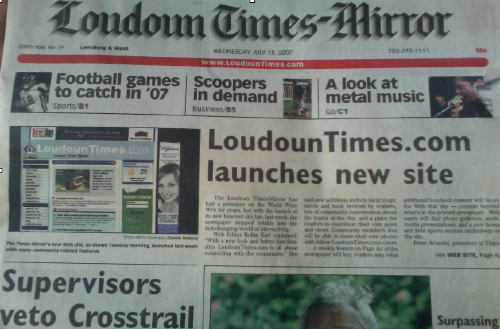 The book came from a lot of different places. For starters, I love the Headless Horseman and have been trying to write a story about him since the 7th Grade. Secondly, I love Halloween and wanted to write a story about its origins. Lastly, I live near Washington, D.C. At the time I wrote the first draft of this book (October 2001), we were being terrorized by a sniper, who struck without warning and killed innocents randomly. We were afraid to go outside, go to the grocery store, etc. In fact, a woman was killed at my local Home Depot. That sense of feeling stalked was the inspiration for the serial killer in my novel. The majority of the book also takes place at a small community newspaper in Loudoun County, Va. For three years, I worked for the Loudoun Times-Mirror in Leesburg, and a lot of that experience drifted into the novel. Ultimately, I put all those elements together: the Headless Horseman, Celtic myths, a serial killer, and a small-town newspaper and made "A Soul to Steal."
 How are your characters built?
The main characters I just envision in my head as the story plays out. The side characters sometimes start out as people I know and then morph as the story goes along. In both cases, the plot usually gives me a sense of the character, instead of vice versa. I watch how they respond to what's going on and go with what feels right. That might sound odd, since I created them, but you have moments where you realize, "Kate would never say this." And you realize something about the character you didn't know before. I guess I would say it's an organic process. I create a plot and give the characters an outline and they flesh out as the story proceeds (and in subsequent rewrites).
How has your life changed since writing the series?
It's been a unique experience. On the one hand, it's fantastic to have a book out there that people you don't know can read. When someone you don't know reviews the book on Amazon – as happened today – it's an amazing experience. I lived with this story in my head for so long, it's wonderful to know other people are now enjoying it. On the other hand, there is a certain amount of stress that comes with this. Since the book's publication, I've spent what's left of my free time soliciting reviews from book bloggers, planning ad campaigns and generally trying to promote the novel. It's a little exhausting.
Where are you from?
 Virginia. I grew up in Great Falls, went to college in Williamsburg and – except for two years in the United Kingdom – have lived entirely in Virginia. I love it here. We have it all: hot summers, cool winters, fantastic falls and beautiful thick old forests, which is one of the reasons I set the book there. When I was a kid, I always imagined something terrifying – like the Headless Horseman – was out there in the forest.
 Is there any type of music you like to listen to while you write?
I'm a big music fan, but I often turn it off when I write now. If I don't, the song is liable to have an undue influence on what I write. That said, when I do write with music, I will turn on film scores and classical music. Some music from movies (instrumental, I mean) is just perfect for writing fiction. It's emotionally evocative without being distracting.
If there was one author you could meet who would it be?
 Stephen King. There are plenty of others I'd also like to meet – J.K. Rowling, for one – but King has always been my literary hero. I've read every one of his novels (except for his latest, but I plan to start it soon. I'm saving it up!). I just love his writing style. He can write about the most unpleasant thing (a man who convinces his son to help him kill his wife, for example) and I can't stop reading even if I want to. There's a reason his books seldom work as movies. Without his words, you lose that spell that makes you suspend disbelief. I'd love to sit and chat with him for an afternoon. I think it would be fascinating.
 Which of your characters in your book do you relate to the most?
It's been said by my friends that Quinn, the protagonist, is a lot like me, at least in terms of personality. I find him very easy to relate to. It should be noted, though, that Kate, his love interest, has a lot of my darker qualities. She's somewhat paranoid, very black and white in her view of the world, and quick to anger. I find her rather frighteningly easy to relate to as well.
Where does the title "A Soul to Steal" come from?
I actually had trouble with the title for a long time. With my wife's help, I finally decided it would be called "Fear's Rider," but I was never really satisfied with that. Then one night I had a dream. I don't remember what happened, but I do know that in the dream the book was called, "A Soul to Steal," after the line from the song, "Devil Went Down to Georgia." When I woke up, I knew that was the title I wanted.
What's your next project?
I am working on the sequel to "A Soul to Steal." It's slow going at the moment, but I'm hoping I'll have more time to work on it in the New Year and release it in mid- to late- 2012. After that, I will write the third, and presumably last, in the trilogy about Quinn and Kate. I have several other book ideas after that, including a novel I started on this past summer, but I had to put it aside to focus on publishing my novel.
What authors do you enjoy?
I read pretty much anything. I'm an English major, so I've read a lot of classics. I'm a huge fan of Charles Dickens and Jane Austen. But I also love Stephen King, George R.R. Martin, Jim Butcher, Stephenie Meyer, Milan Kundera, David Mitchell, Isabel Allende, and many others.
Any advice for aspiring writers?
a) Write something that you would want to read. In other words, don't write something because it's the popular genre and you think it would sell well. Write what interests you. That makes things a lot easier. b)Don't give up. Ever. Persistence pays off.

December 14, 2011
What's My Genre, Again?
 When I started writing "A Soul toSteal," I didn't think very hard about how I was going to market it. It crossedmy mind, sure, and I even went so far as to picture the cover in my mind—the HeadlessHorseman racing down a moonlit path.But I didn't really consider whothe audience was, and at the time, I didn't even know book bloggers existed,much less that they generally divided themselves into certain categories. I wasjust trying to finish a novel, which felt like a feat in and of itself. As a result, I now have a novel Ihave trouble describing to people because it doesn't break down into anyconventional format. It is part mystery, part suspense-thriller, partparanormal romance, and a little bit of horror—with an underlying subplot aboutthe nature of community journalism.This has become quite a problem forme. When I published the novel, friends would ask, "What kind of novel is it?"At first I answered "horror," because the book has the Headless Horseman on thecover and I thought that was the right answer. Some friends were happy withthat, but others cringed. "Oh," they said. "I don't really like horror. I can'tstand gore." I would then rush to explain thatthe novel is just a tiny bit horror and contains no gore of any sort. I hategore: I don't find it interesting as a reader or a writer. Somehow, it feelscheap. Still, my overall point was this: my novel isn't really horror.
 Then I tried calling it a"paranormal romance," because it has a heavy romantic and paranormal element toit. The novel is about two characters that must learn to trust each other todestroy the fears haunting both of them. But it didn't feel quite right to callit a paranormal romance, given that a lot of books technically in that genreare fundamentally different than mine. There are no vampires, werewolves orangels, and my novel doesn't feel like the next "Twilight."Adding to my difficulty is that thebook has a huge mystery element to it. A notorious serial killer named LordHalloween has returned to Leesburg, Virginia, and the police aredesperately trying to find his identity. Local journalists Quinn and Kate arealso investigating the trail and the answer isn't revealed until the final fewchapters.
 But could I call the book amystery? I tend to think of mysteries as Agatha Christie novels or the NevadaBarr books starring Anna Pigeon. Importantly, none of those books have elementsof the supernatural in them—and mine definitely does.When I queried book bloggers, thesituation got even worse. Some wanted paranormal romances but hatedmystery-thrillers. Others liked urban fantasy but not horror, something Ididn't even think was possible. All this had me wondering: what thehell is my book? Is it a mystery-paranormal romance, a supernatural thriller,or a horror-lite with a side of suspense and a bit of bacon? It wasn't until the first reviewsstarted rolling in that I finally figured it out. What kind of novel did Iwrite? The one consistent thing I heard from my friends and others who read thenovel was this: "I couldn't put it down." One told me she had no time to readmy novel, but then proceeded to start it at 3 p.m. and read it straight throughuntil the next day. Once she started, she was hooked.I ran into similar reactions frommany others. "A Soul to Steal" clocks in at around 450 pages—and took me yearsto write—but readers started blowing through the novel within a few days.Once readers got over anypreconceptions they had about whether it was a horror, suspense or paranormalromance, they found it didn't matter. They just wanted to see how things turnedout.Now that's the answer I give to thequestion, "What kind of book is it?""It's a page-turner," I say with asmile.
Buy the book on Amazon here: http://www.amazon.com/A-Soul-To-Steal-ebook/dp/B005JVEXX0/ref=sr_1_2?ie=UTF8&qid=1323911921&sr=8-2
Buy it on Barnes and Noble here: http://www.barnesandnoble.com/w/a-soul-to-steal-rob-blackwell/1105546995?ean=2940013024366&itm=1&usri=a+soul+to+steal

December 13, 2011
The Scariest Figure in American Fiction
I first met the Headless Horseman when I was in the third grade. I have never fully recovered.
I think it was designed as a treat for the kids on Halloween, but the decision to show the Disney adaptation of The Legend of Sleepy Hollow in class proved fateful to me. I lasted until the specter started chasing poor Ichabod Crane before I burst into tears and had to be escorted from the room. I spent the rest of the movie hanging around the door in the hallway, fearful to look inside but desperate to know what was happening.

In a way, I'm still hanging around that doorway. Since that day, the Headless Horseman has held a strange fascination for me. Every year in October, I re-read The Legend of Sleepy Hollow, and I've seen most every adaptation made of the story, even the really awful one starring former Chicago Bear Dick Butkus.
So it's no surprise that when I wrote my first novel, "A Soul to Steal," the Headless Horseman played a starring role. My protagonist, Quinn, has been haunted since childhood by visions of the specter. Sound familiar?
While Quinn eventually has to deal with the very real appearance of the Headless Horseman, I've been left wondering why the ghost of Sleepy Hollow continues to enjoy such popularity today. It's clearly not just me that loves The Legend of Sleepy Hollow.
 The Headless Horseman has starred in a couple good movies, several bad ones, two musicals, an opera and even a ballet. That's in addition to numerous television specials and audiobooks.
While Dracula and Frankenstein undoubtedly trump him world-wide, the Horseman is easily the most popular and recognizable gothic figure in American fiction. It's been 191 years since Washington Irving released his story, and yet its popularity seems unlikely to abate anytime soon. Why is that? There are a lot of ghost stories out there, but most don't have nearly the same kind of staying power.
I have a few theories.
 1) The story draws on the mythic. Irving didn't really invent the Headless Horseman—he was based on German folklore (hence why Irving makes his version a former Hessian soldier from the Revolutionary War.) The story of a phantom roaming the land preying on the living is probably as old as civilization and speaks to something primal in all of us.
2) The story is ambiguous. Irving implies that the Headless Horseman isn't real—Bromm Bones, Ichabod's rival, has a "knowing look" whenever Ichabod's story is told—but he leaves the door open to other interpretations (the Disney cartoon version, for example, strongly implies the supernatural was involved.) This is the best kind of ghost story. The reader can believe whatever he or she wants and can debate it among friends. Irving even leaves it unclear if Ichabod died or simply fled, inviting further discussion.
 3) The story features classic characters and vivid descriptions. The world may have changed a lot in two centuries, but human nature hasn't. The characters in the story still seem recognizable today. It's easy to see people today like Ichabod, the know-it-all school teacher, Katrina, the coquettish flirt and Bromm, the town jock and bully.
But all that doesn't get down to the most obvious reason for his enduring popularity—the Headless Horseman is scary as hell. Why? For one, he has no head, which is unnerving in and of itself. It's the most basic attribute of a living creature and usually a prime weak spot, even for monsters. Vampires and zombies can both be killed by beheading them. But how do you kill the Headless Horseman? (Side note: I actually struggled in my novel to come up with an answer to this, but I did finally do so.)
Making things even more terrifying, the Headless Horseman runs "like a midnight blast." This isn't some shambling creature of the undead blindly trying to find you in the woods. This is a demon with lightning speed running you to ground. You can't kill him and you can't escape him. I can't think of anything scarier.
That's what makes the Headless Horseman so unforgettable—and irresistible.
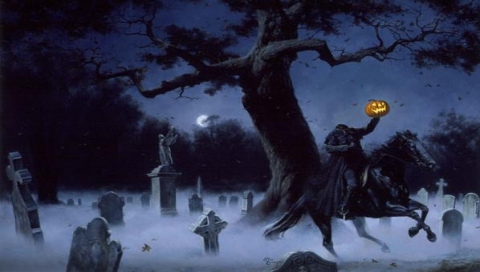
Rob Blackwell is the author of A Soul To Steal
 , now available as an e-book and print book on Amazon, Barnes and Noble, iTunes and Smashwords. You can find him on Goodreads, Twitter (@hobbinb), and Facebook.
Links: A Soul To Steal
at Amazon.comSoul to Steal at Barnes and Noble
Note: This post originally appeared as a guest post on "Alive on the Shelves" on Halloween, 2011