Eoin Stephens's Blog
May 5, 2024
Oscar Wilde
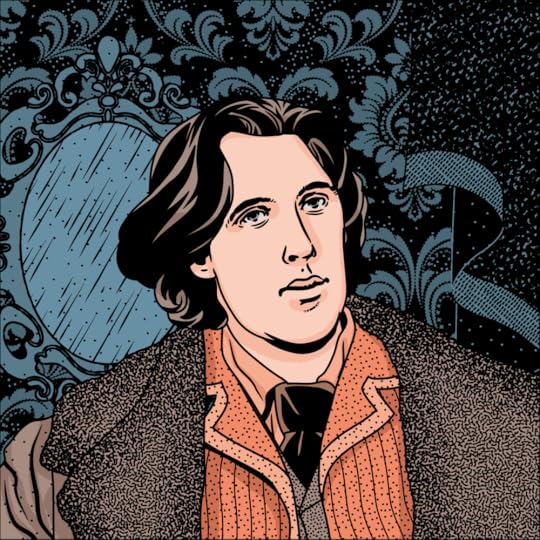
Oscar Wilde, born on October 16, 1854, in Dublin, Ireland, left an indelible mark on literature and culture with his wit, poetry, and plays. His legacy rests on timeless works such as “The Picture of Dorian Gray” (1891), “Lady Windermere’s Fan” (1892), and “The Importance of Being Earnest” (1895). Beyond his literary achievements, Wilde was a leading figure in the late 19th-century Aesthetic movement, advocating art for art’s sake. However, his life was marked by controversy, particularly concerning his homosexuality, which ultimately led to his imprisonment from 1895 to 1897.
Wilde was born into a family of professional and literary backgrounds. His father, Sir William Wilde, was a prominent ear and eye surgeon in Ireland, as well as a published author on archaeology and folklore. His mother, known by her pen name Speranza, was a revolutionary poet and an authority on Celtic myth and folklore.
Educated at Portora Royal School in Enniskillen from 1864 to 1871, Wilde then received scholarships to attend Trinity College, Dublin (1871–74), and later Magdalen College, Oxford (1874–78), where he distinguished himself academically. During his time at Oxford, Wilde not only excelled as a Classical scholar but also gained recognition as a poet, winning the esteemed Newdigate Prize in 1878 with his poem “Ravenna.”
In the early 1880s, Wilde emerged as a prominent figure in the social and artistic circles of literary London, captivating audiences with his wit and flamboyance. However, his flamboyant persona also made him a target for satire, notably by the periodical Punch, which lampooned the Aesthetes for their devotion to art. Despite the mockery, Wilde’s lectures in the United States and Canada in 1882 further solidified his reputation as a proponent of beauty and art.
In 1884, Wilde married Constance Lloyd, with whom he had two children. During this period, he pursued a career in writing, serving as a reviewer for the Pall Mall Gazette and later as the editor of Woman’s World (1887–89). It was during this time that he published “The Happy Prince and Other Tales” (1888), showcasing his talent for romantic allegory in the form of fairy tales.
The final decade of Wilde’s life marked the peak of his literary career. In 1890, his only novel, “The Picture of Dorian Gray,” was published, combining elements of Gothic fiction with themes of decadence. Despite criticism of its perceived immorality, Wilde defended the amoral nature of art. The same year saw the publication of “Intentions,” a collection of essays that reiterated his aesthetic philosophy. Additionally, Wilde produced volumes of stories and fairy tales, including “Lord Arthur Savile’s Crime, and Other Stories” and “A House of Pomegranates.”
Wilde’s greatest successes, however, came with his society comedies. “Lady Windermere’s Fan,” “A Woman of No Importance,” and “An Ideal Husband,” produced in rapid succession, showcased his wit and satirical prowess. Yet, it was “The Importance of Being Earnest” that solidified his reputation as a master of comedy. With its clever wordplay and biting social commentary, the play remains a classic of English literature.
Despite his literary achievements, Wilde’s personal life would lead to disaster. His love affair with Lord Alfred Douglas, whom he met in 1891, led to public scandal and legal trouble. In 1895, Wilde sued Douglas’s father for criminal libel, but the case backfired, resulting in Wilde’s arrest and subsequent imprisonment on charges of homosexuality.
During his two years of hard labour at Reading Gaol, Wilde composed a poignant letter to Douglas, later published as “De Profundis,” reflecting on his downfall and spiritual journey. Upon his release in 1897, Wilde fled to France, where he lived in exile until his death in 1900.
Are you enjoying Stair Wars? If so, you might like some of my other products. Visit the shop here.


Samuel Beckett

Samuel Beckett was an author, critic, and playwright, and winner of the Nobel Prize for Literature in 1969. He wrote in both French and English and is perhaps best known for his plays, especially En attendant Godot (1952; Waiting for Godot).
Beckett was born in Foxrock, Co. Dublin and, as a teenager went to the Portora Royal School in Enniskillen. From 1923 to 1927, he studied Romance languages at Trinity College, Dublin, where he received his bachelor’s degree. After a brief spell of teaching in Belfast, he became a reader in English at the École Normale Supérieure in Paris in 1928. There he met the self-exiled Irish writer James Joyce, the author of the controversial and seminally modern novel Ulysses, and joined his circle.
He returned to Ireland in 1930 to take up a post as lecturer in French at Trinity College, but after only four terms he resigned, in December 1931, and embarked upon a period of restless travel in London, France, Germany, and Italy. In 1937 Beckett decided to settle in Paris. As a citizen of a country that was neutral in World War II, he was able to remain there even after the occupation of Paris by the Germans, but he joined an underground resistance group in 1941. When, in 1942, he received news that members of his group had been arrested by the Gestapo, he immediately went into hiding and eventually moved to the unoccupied zone of France. Until the liberation of the country, he supported himself as an agricultural labourer.
Before the war, Beckett’s works included essays on Joyce and Proust, along with More Pricks Than Kicks (1934), chronicling Belacqua Shuah’s Dublin adventures, and Murphy (1938), exploring an Irishman’s London escapades. He penned poetry in Whoroscope (1930) and Echo’s Bones (1935), with scattered short stories. Dream of Fair to Middling Women remained unfinished until 1992. During wartime in unoccupied France, he completed Watt, published in 1953.
In 1945 he returned to Ireland but volunteered for the Irish Red Cross and went back to France as an interpreter in a military hospital in Saint-Lô, Normandy. In the winter of 1945, he finally returned to Paris and was awarded the Croix de Guerre for his resistance work.
There followed a period of intense creativity, the most fruitful period of Beckett’s life. Between 1946 and 1949, Beckett produced a number of stories, the major prose narratives Molloy (1951), Malone meurt (1951; Malone Dies), and L’Innommable (1953; The Unnamable), and two plays, the unpublished three-act Eleutheria, and Waiting for Godot. It was not until 1951, however, that these works saw the light of day. After many refusals, Suzanne Deschevaux-Dumesnil Beckett’s lifelong companion, finally succeeded in finding a publisher for Molloy. When this book not only proved a modest commercial success but also was received with enthusiasm by the French critics, the same publisher brought out the two other novels and Waiting for Godot.
It was with the amazing success of Waiting for Godot at the small Théâtre de Babylone in Paris, in January 1953, that Beckett’s rise to world fame began. Beckett continued writing, but more slowly than in the immediate postwar years. Plays for the stage and radio and a number of prose works occupied much of his attention.
Beckett continued to live in Paris, but most of his writing was done in a small house secluded in the Marne valley, a short drive from Paris. His total dedication to his art extended to his complete avoidance of all personal publicity, of appearances on radio or television, and of all journalistic interviews. When, in 1969, he received the Nobel Prize for Literature, he accepted the award but declined the trip to Stockholm to avoid the public speech at the ceremonies.
Suzanne died on 17 July 1989. Beckett died on 22 December 1989. The two were interred together in the cimetière du Montparnasse in Paris and share a simple granite gravestone that follows Beckett’s directive that it should be “any colour, so long as it’s grey”.
Are you enjoying Stair Wars? If so, you might like some of my other products. Visit the shop here.
Edmund Burke
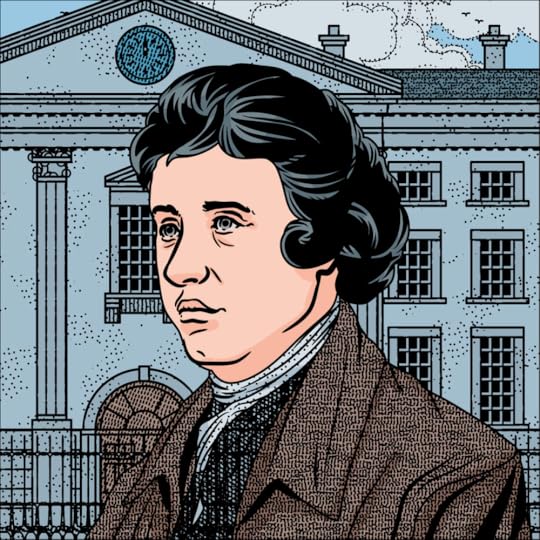
Edmund Burke was an Anglo-Irish statesman, parliamentary orator, and influential political thinker during the late 18th century. His impact on political theory, particularly his advocacy for conservatism in contrast to the radicalism of Jacobinism, remains significant.
Burke’s journey began at Trinity College, Dublin, in 1744, followed by studies at the Middle Temple in London in 1750. He initially pursued legal studies but eventually drifted away, spending time in England and France. In 1756, he anonymously published “A Vindication of Natural Society,” a satirical critique of revealed religion’s criticism and the trend of returning to nature. His work “A Philosophical Enquiry into the Origin of Our Ideas of the Sublime and Beautiful” gained him recognition and admiration from intellectuals across Europe. Burke also initiated The Annual Register, a yearly survey of world affairs, establishing his presence in both literary and political circles.
Burke entered politics in 1765 as the secretary to the Marquess of Rockingham, a prominent Whig leader. He played a crucial role in unifying the Whig faction under Rockingham’s leadership. Burke’s notable contributions to political thought include his pamphlet “Thoughts on the Cause of the Present Discontents” (1770), advocating for ministerial selection based on public approval through Parliament rather than personal favouritism. Elected as a member of Parliament for Bristol in 1774, Burke emphasized the representative role of MPs, asserting their obligation to serve the nation’s best interests rather than merely following constituents’ demands.
Burke supported limited parliamentary reform, aiming to reduce the crown’s influence, and actively engaged in debates concerning Britain’s policies toward its American colonies. He opposed coercive measures and advocated for conciliation and pragmatic solutions to the colonial crisis, emphasizing understanding and accommodation rather than rigid enforcement.
Burke’s concern extended beyond Britain to Ireland and India. He advocated for easing economic and penal regulations in Ireland, despite facing opposition from his constituents in Bristol and accusations of partiality. In India, Burke opposed the East India Company’s unchecked power, proposing reforms to curb corruption and promote good governance.
The outbreak of the French Revolution in 1789 provoked Burke’s strong opposition, leading to his seminal work “Reflections on the Revolution in France” (1790). He criticized the revolution’s radical ideals, emphasizing the importance of tradition, hierarchy, and gradual change over sudden upheaval. Burke’s writings influenced counterrevolutionary thought in Europe and left a lasting impact on English political discourse, advocating for constitutional conventions, the role of political parties, and the independence of parliamentary representatives.
Edmund Burke’s legacy lies in his defence of established institutions, respect for tradition, and scepticism toward radical change. Despite occasional political missteps, his writings continue to resonate, offering insights into the complexities of governance and the enduring value of stability amidst societal transformation.
Are you enjoying Stair Wars? If so, you might like some of my other products. Visit the shop here.
Edward Bruce
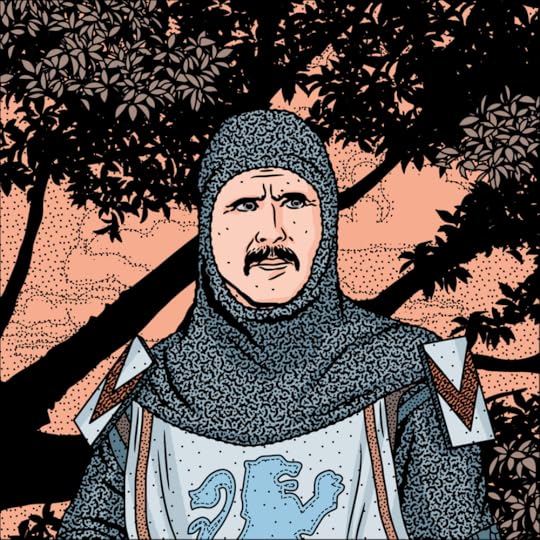
Edward Bruce played a pivotal role in the Scottish struggle for independence and ventured into Ireland to assert his own claims to power. As the younger brother of Robert the Bruce, King of Scots, Edward’s life was ultimately defined by a failed military campaign that would seal his fate.
Born into the noble Bruce family, Edward grew up alongside his renowned elder brother Robert. While the exact order of birth among their siblings remains uncertain, Edward’s upbringing was undoubtedly influenced by his family’s noble status and their ambitions for Scotland’s sovereignty.
Edward’s military prowess emerged early as he joined Robert in the fight for the Scottish crown against English rule. Despite the capture and execution of his younger brothers, Edward survived the period, demonstrating resilience and strategic acumen on the battlefield.
In 1315, Edward set his sights on Ireland, embarking on a mission to establish himself as the High King. Backed by Irish allies and motivated by the desire to create a Celtic alliance against English domination, Edward’s invasion heralded a new chapter in his quest for power.
The invasion of Ireland presented both opportunities and obstacles for Edward. While he garnered support from Irish kings and lords, including Domhnall mac Briain Ó Néill, he faced staunch resistance from Anglo-Irish forces and English loyalists. Nevertheless, Edward’s forces made significant gains, capturing strategic locations and rallying some local support.
However, the tide turned against Edward as famine ravaged the land, undermining his ability to sustain his troops. Despite promises of reinforcements from Scotland, Edward found himself increasingly isolated, facing mounting opposition from both Anglo-Irish and Gaelic factions.
In 1318, Edward met his downfall at the Battle of Faughart, where he was defeated and killed by the forces of Sir John de Bermingham. His demise marked the end of his ambitions in Ireland, as his body was quartered, his head sent to King Edward II, and his legacy tarnished by the devastation wrought during his campaign.
Edward Bruce’s foray into Ireland, while ultimately unsuccessful, underscores the complex interplay of politics, warfare, and identity in medieval Europe. His legacy endures as a testament to the enduring quest for independence and the perils of ambition in the political landscape of medieval Europe.
Are you enjoying Stair Wars? If so, you might like some of my other products. Visit the shop here.
Speranza (Jane Wilde)
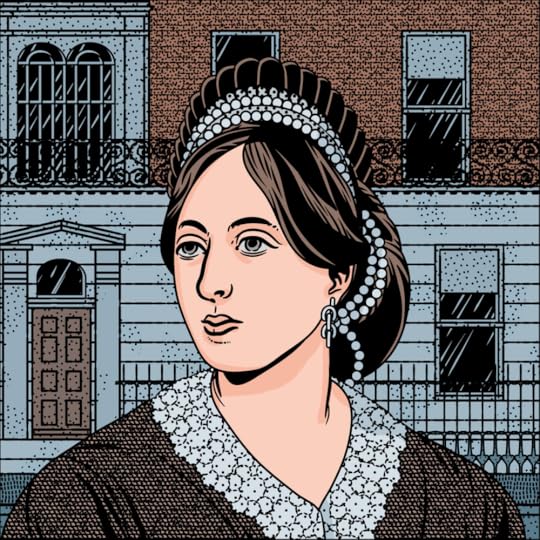
Jane Wilde was an Irish poet known by the pen name Speranza and a fervent supporter of the nationalist movement. Lady Wilde’s life was a tapestry of literary achievement, social activism, and personal trials, woven against the backdrop of Ireland’s tumultuous history.
Born into a family touched by tragedy, Jane was the youngest of four children. Her father’s untimely death when she was just three left her largely self-educated, yet she displayed a remarkable intellect, reportedly mastering ten languages by the age of eighteen. Despite her father’s passing, her upbringing was not devoid of privilege, with family connections and her marriage to Sir William Wilde providing entry into Dublin’s intellectual circles.
Lady Wilde’s poetry, published under the pseudonym Speranza, was imbued with nationalist fervour, earning her recognition as a prominent voice in the Young Ireland movement of the 1840s. Her contributions to hugely influential 'The Nation' newspaper, advocating for Irish independence and decrying British rule, stirred controversy and earned her the moniker “Speranza of the Nation.” Despite facing censorship and legal challenges, she remained steadfast in her convictions. In a failed attempt to save her editor, Charles Gavan Duffy from jail, she once claimed authorship of an incendiary article in court. In July 1848 she and Margaret Callan assumed editorial control of The Nation during Gavan Duffy’s imprisonment in Newgate.
Beyond her literary pursuits, Lady Wilde was a staunch advocate for women’s rights, campaigning for better education and legal protections for women. She welcomed suffragist Millicent Fawcett into her home and celebrated legislative victories, such as the Married Women’s Property Act of 1883, which granted women greater autonomy in marriage.
Her marriage to Sir William Wilde in 1851 marked the beginning of a life entwined with both scholarly pursuits and personal challenges. The couple bore three children: William, Oscar, and Isola. While Sir William’s work as an eye and ear surgeon gained him prominence, it also led to scandal, tarnishing the family’s reputation and leaving them financially strained. A sensational court case involving allegations of rape brought against Sir William cast a shadow over the family, resulting in financial and reputational damage. The emotional toll was significant, compounded by the loss of their daughter Isola and Sir William’s subsequent death.
Facing hardship, Lady Wilde joined her sons in London, where they lived in reduced circumstances. Yet, she remained undaunted, turning to her literary talents to support her family. Her keen interest in Irish folklore led her to compile and publish works based on her late husband’s research, cementing her reputation as a formidable literary figure in her own right.
In her final years, Lady Wilde’s health declined, culminating in her death from bronchitis in 1896. On her deathbed, she was denied the opportunity to bid farewell to her imprisoned son Oscar.
Are you enjoying Stair Wars? If so, you might like some of my other products. Visit the shop here.
Rosie Hackett
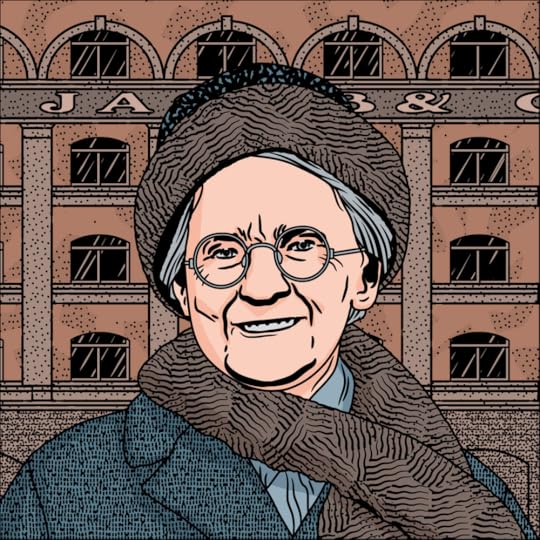
Rosanna “Rosie” Hackett was a pioneering figure in Ireland’s labour movement and a key participant in the struggle for workers’ rights. Born into a working-class family in Dublin, Hackett’s early life was marked by her involvement in trade unionism, joining the Irish Transport and General Workers’ Union (ITGWU) at its inception in 1909.
Her career as a labour activist began in earnest when, at just eighteen, she co-founded the Irish Women Workers’ Union (IWWU) with Delia Larkin. During the tumultuous 1913 Dublin Lockout, Hackett played a crucial role, mobilising workers and organising support for striking colleagues at Jacobs’ factory. Despite facing dismissal from her job at Jacobs, she remained steadfast in her commitment to workers’ rights.
Hackett’s involvement in the Irish Citizen Army further solidified her dedication to the cause of Irish independence and workers’ empowerment. In the lead-up to the 1916 Easter Rising, she contributed to preparations by providing logistical support, aiding in the printing of the Proclamation of the Irish Republic, and participating in drills and first aid training.
During the Rising itself, Hackett fought alongside her comrades in the Irish Citizen Army, notably in the area of St. Stephen’s Green and the Royal College of Surgeons. Despite facing heavy gunfire and dire conditions, she remained resolute in her commitment to the cause.
Following the Rising, Hackett continued her advocacy for workers’ rights, returning to the IWWU and remaining an active participant in the labour movement. Over the ensuing decades, she played a pivotal role in organising strikes and negotiating better conditions for workers. Her contributions were recognised in 1970 when she was awarded a gold medal for fifty years of service to the ITGWU.
Hackett’s legacy extends beyond her lifetime, with her name immortalised in the Rosie Hackett Bridge, which was opened in Dublin in 2014. This bridge stands as a testament to her tireless efforts in the pursuit of social justice and workers’ rights. Additionally, a plaque unveiled on Foley Street commemorates her role in the Irish Citizen Army during the Easter Rising, ensuring that her contributions to Irish history are never forgotten.
Throughout her life, Hackett remained dedicated to the cause of workers’ empowerment and social change. Her commitment to justice and equality serves as an inspiration to future generations, highlighting the power of grassroots activism in effecting meaningful societal change.
Are you enjoying Stair Wars? If so, you might like some of my other products. Visit the shop here.
Seam Lemass
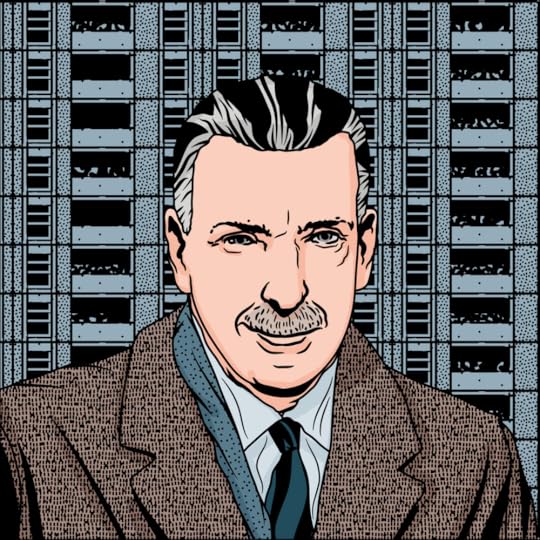
Seán Lemass was a prominent figure in Irish politics, serving as Taoiseach and Leader of Fianna Fáil from 1959 to 1966. His political career, spanning from 1924 to 1969, was marked by significant contributions to industry, commerce, and economic development.
Lemass’s early life was shaped by his involvement in the Irish Volunteers during the Easter Rising of 1916, where he participated in fighting at the General Post Office and Moore Street. Despite being arrested and interned, he remained active in the Irish Republican Army (IRA) during the War of Independence and the subsequent Civil War.
In 1924, Lemass was elected as a Sinn Féin Teachta Dála (TD), later joining the founding members of Fianna Fáil in 1926. Throughout his tenure as a TD, he held various ministerial positions, including Minister for Industry and Commerce and Minister for Supplies, playing key roles in economic policy and development.
He became Taoiseach on June 23, 1959, following de Valera’s departure. At fifty-nine, he represented a younger generation of leadership compared to his predecessor. Lemass swiftly consolidated control over Fianna Fáil, fostering a transition from the old guard to a new cadre of politicians, including Brian Lenihan and Charles Haughey. Concurrent personnel changes in Fine Gael and Labour leadership ushered in a new era, with Lemass standing as a bridge between generations.
The Lemass era, spanning 1959 to 1966, oversaw remarkable economic reforms, earning Lemass credit for steering Ireland’s economy toward modernization. His pragmatic approach, rooted in his business background, laid the groundwork for an economic turnaround. The Lemass government embraced policies fostering free trade and attracting foreign investment, notably through tax incentives and grants.
The First Programme for Economic Expansion, crafted by Lemass’s government, aimed at reviving Ireland’s economy by dismantling protectionist measures. The programme’s success was underscored by Ireland’s accession to the GATT in 1960, despite earlier resistance. However, challenges such as a 1963 turnover tax briefly marred progress, though by 1964, Ireland saw a substantial reduction in unemployment and emigration. Such swift change was not without cost. Slum clearances in Dublin resulted in the destruction of much of the city’s Georgian heritage, while new, cheap social housing programmes such as Ballymun quickly deteriorated into ghettos.
The Lemass era witnessed significant social change. A surge in industrialization and urbanization, coupled with the establishment of RTE, reshaped Irish society. The relaxation of insularity, marked by the rise of televised debates on previously taboo subjects, signaled a new era of openness.
Internationally, Lemass navigated Ireland’s foreign policy adeptly, advocating for UN membership for China and contributing troops to peacekeeping missions. His government’s pursuit of EEC membership underscored a broader shift toward European integration, though challenges like neutrality persisted.
After his retirement in 1966, Lemass’s health deteriorated, culminating in his passing on May 11, 1971. His legacy endures as a transformative figure in Irish politics, credited with modernizing the economy and steering Ireland toward a more open, globally engaged future.
Are you enjoying Stair Wars? If so, you might like some of my other products. Visit the shop here.
Bernadette Devlin
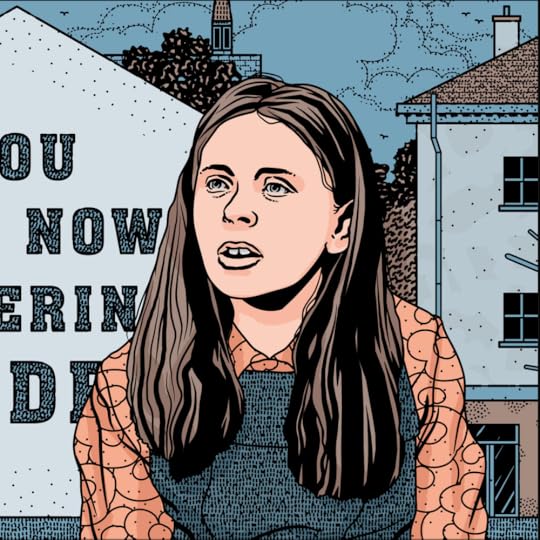
Bernadette Devlin, also known as Bernadette Devlin McAliskey, born on April 23, 1947, is an influential figure in Irish civil rights and politics. Rising from humble beginnings in Cookstown, County Tyrone, she was deeply influenced by her father’s Irish Republican ideals. After his death when she was nine, the family struggled, relying on welfare to survive. Despite adversity, Bernadette pursued education, attending St Patrick’s Girls Academy in Dungannon and later studying psychology at Queen’s University Belfast.
Her political journey began in earnest during her university years in 1968 when she became involved in the student-led civil rights organization, People’s Democracy. However, her activism led to her expulsion from Queen’s University Belfast. Undeterred, she entered the political arena, contesting the 1969 Northern Ireland general election unsuccessfully before winning the subsequent by-election for the Mid Ulster seat in the Westminster Parliament. At just 21, she became the youngest MP at the time, advocating for civil rights and rejecting the traditional Irish republican principle of abstentionism.
Devlin’s tenure in Parliament was marked by significant events, including her involvement in the Battle of the Bogside and subsequent conviction for incitement to riot. She continued to champion civil rights, making waves internationally with her tour of the United States in 1969, where she met with the Black Panther Party and drew parallels between the struggles of African-Americans and Catholics in Northern Ireland.
Her most iconic moment came during the aftermath of Bloody Sunday in 1972, where she famously slapped Conservative Home Secretary Reginald Maudling in the House of Commons in response to his defence of the Parachute Regiment’s actions. Despite facing obstacles, including being consistently denied the floor in Parliament to address the massacre, Devlin remained resolute in her pursuit of justice.
In 1974, she played a role in forming the Irish Republican Socialist Party (IRSP) but distanced herself from the associated Irish National Liberation Army (INLA). Her support extended to various causes, including advocating for prisoners and participating in hunger strikes.
Tragedy struck in 1981 when Devlin and her husband were attacked by members of the Ulster Freedom Fighters, resulting in her being shot nine times. Allegations of collusion between the attackers and elements of the security forces surfaced, raising questions about the incident’s circumstances.
Despite setbacks, Devlin persisted in her activism, twice running for election to the Irish parliament, Dáil Éireann, and continuing her advocacy work through organizations like the South Tyrone Empowerment Programme (STEP).
Bernadette Devlin’s legacy is one of resilience and unwavering commitment to social justice and civil rights, inspiring generations with her courage and determination in the face of adversity.
Are you enjoying Stair Wars? If so, you might like some of my other products. Visit the shop here.
May 2, 2024
Augusta Gregory
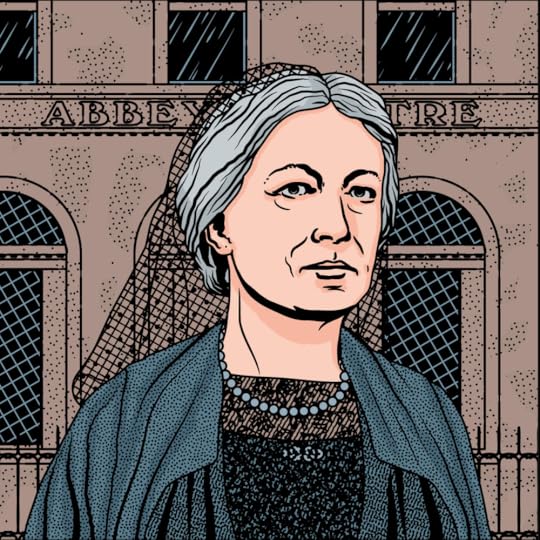
Lady Augusta Gregory was a prominent figure in the Irish Literary Revival. This Anglo-Irish dramatist, folklorist, and theatre manager made significant contributions to Irish literature and cultural identity. Alongside William Butler Yeats and Edward Martyn, Lady Gregory co-founded both the Irish Literary Theatre and the Abbey Theatre, two pivotal institutions in the revival of Irish theatre.
Lady Gregory’s early life was spent in Roxborough, County Galway, as the youngest daughter of the Persse family. Raised in the Anglo-Irish gentry, her upbringing initially aligned with British rule. However, her perspective shifted as she delved into Irish culture, folklore, and history, thanks in part to the influence of her family nurse, Mary Sheridan, who introduced her to the rich heritage of the local area.
In 1880, Lady Gregory married Sir William Henry Gregory, a man significantly older than herself, who had served as Governor of Ceylon and as a Member of Parliament for County Galway. Their union provided her with access to a world of literary and artistic influences, particularly during their time spent in London, where they hosted renowned figures like Robert Browning, Lord Tennyson, and Henry James.
Travels to exotic locales such as Ceylon, India, Spain, Italy, and Egypt broadened Lady Gregory’s horizons and inspired her early writings. Notably, during her time in Egypt, she engaged in an affair with the English poet Wilfrid Scawen Blunt and produced a series of love poems titled “A Woman’s Sonnets.” However, her literary pursuits extended beyond romance, as evidenced by her political pamphlets like “Arabi and His Household” and “A Phantom’s Pilgrimage,” which reflected her shifting views on nationalism and British rule.
Lady Gregory’s interest in Irish language and folklore was reignited during a trip to the Aran Islands in 1893. This newfound passion led her to organize Irish language lessons and collect folk tales from the residents of Gort workhouse. Subsequently, she published numerous volumes of folk material and retellings of Irish myths, including “Cuchulain of Muirthemne” and “Gods and Fighting Men,” which received praise from literary figures like Yeats and James Joyce.
In 1899, Lady Gregory, along with Yeats and Martyn, founded the Irish Literary Theatre, which later evolved into the Abbey Theatre. Her fundraising efforts and creative contributions played a vital role in establishing these institutions as hubs for Irish cultural expression. Lady Gregory’s play, “Spreading the News,” debuted on the opening night of the Abbey Theatre in 1904, marking a significant milestone in Irish theatrical history.
Despite her success, Lady Gregory faced challenges in maintaining the popularity of her later works. While she continued to write plays inspired by the dialect spoken around Coole Park, her creative output waned, and the Abbey’s focus shifted away from her productions. Nevertheless, she remained active in the literary community, publishing studies of Irish folklore and participating in cultural gatherings at her Galway home.
Lady Gregory’s retirement from the Abbey board in 1928 marked the end of an era, but her influence on Irish literature and cultural nationalism endured. She passed away in 1932, leaving behind a legacy of artistic innovation and dedication to Ireland’s cultural renaissance. Through her pioneering efforts, Lady Gregory helped shape the trajectory of Irish literature and identity for generations to come.
Are you enjoying Stair Wars? If so, you might like some of my other products. Visit the shop here.
Mary Robinson
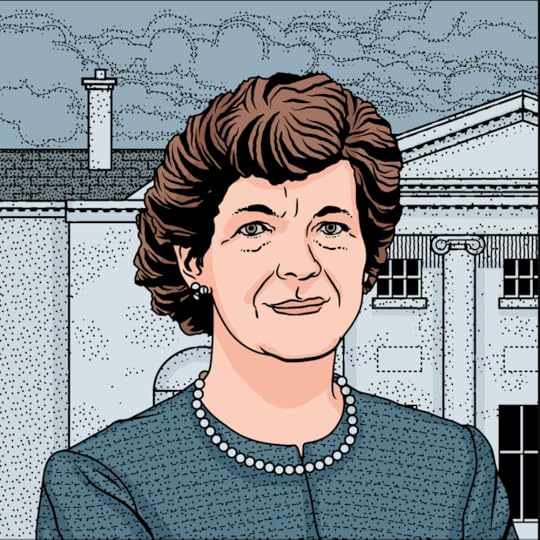
Mary Robinson is an Irish politician who served as the seventh president of Ireland from December 1990 to September 1997. She was the country’s first female president and had previously served as a senator in Seanad Éireann from 1969 to 1989 and as a councillor on Dublin Corporation from 1979 to 1983. Although briefly affiliated with the Labour Party during her time as a senator, she became the first independent candidate to win the presidency, not having the support of Fianna Fáil. Following her presidency, Robinson became the United Nations High Commissioner for Human Rights from 1997 to 2002.
Robinson is widely regarded as having had a transformative effect on Ireland, campaigning successfully on several liberalizing issues as a senator and lawyer. She was involved in the decriminalisation of homosexuality, the legalisation of contraception, the legalisation of divorce, enabling women to sit on juries, and securing the right to legal aid in civil legal cases in Ireland. She was Ireland’s most popular president, at one point having a 93% approval rating among the electorate.
During her tenure as High Commissioner, she visited Tibet, criticized Ireland’s immigration policy, and criticized the use of capital punishment in the United States. She extended her intended single four-year term as High Commissioner by one year to preside over the World Conference against Racism 2001 in Durban, South Africa. Robinson resigned her post in September 2002. After leaving the United Nations in 2002, Robinson formed Realizing Rights: the Ethical Globalization Initiative, which came to a planned end at the end of 2010.
Robinson served as Chancellor of the University of Dublin from 1998 until 2019 and as Oxfam’s honorary president from 2002 until she stepped down in 2012. She returned to live in Ireland at the end of 2010 and has since founded The Mary Robinson Foundation – Climate Justice. Robinson remains active in campaigning globally on issues of civil rights. She has been the honorary president of the European Inter-University Centre for Human Rights and Democratisation since 2005. She is a former Chair of the International Institute for Environment and Development and is also a founding member and chair of the Council of Women World Leaders. She was a member of the European members of the Trilateral Commission.
Are you enjoying Stair Wars? If so, you might like some of my other products. Visit the shop here.