John Paul Davis's Blog: JPD's History Substack, page 3
December 16, 2014
NEW RELEASE! THE CROMWELL DECEPTION!
I am delighted to announce the release of my latest thriller. The Cromwell Deception is out now!
Check out the blurb for more:
February 1649: As the dust settles on the English Civil War, only one objective remains unfulfilled before Oliver Cromwell’s total victory over the monarchy is complete. For over four hundred years the Crown jewels of England have been held safely in the Tower of London, yet in the coming days they are removed, never to be seen in public again. Government receipts confirm the jewels have been sold and melted down for mint value.
Only one man knows the truth…
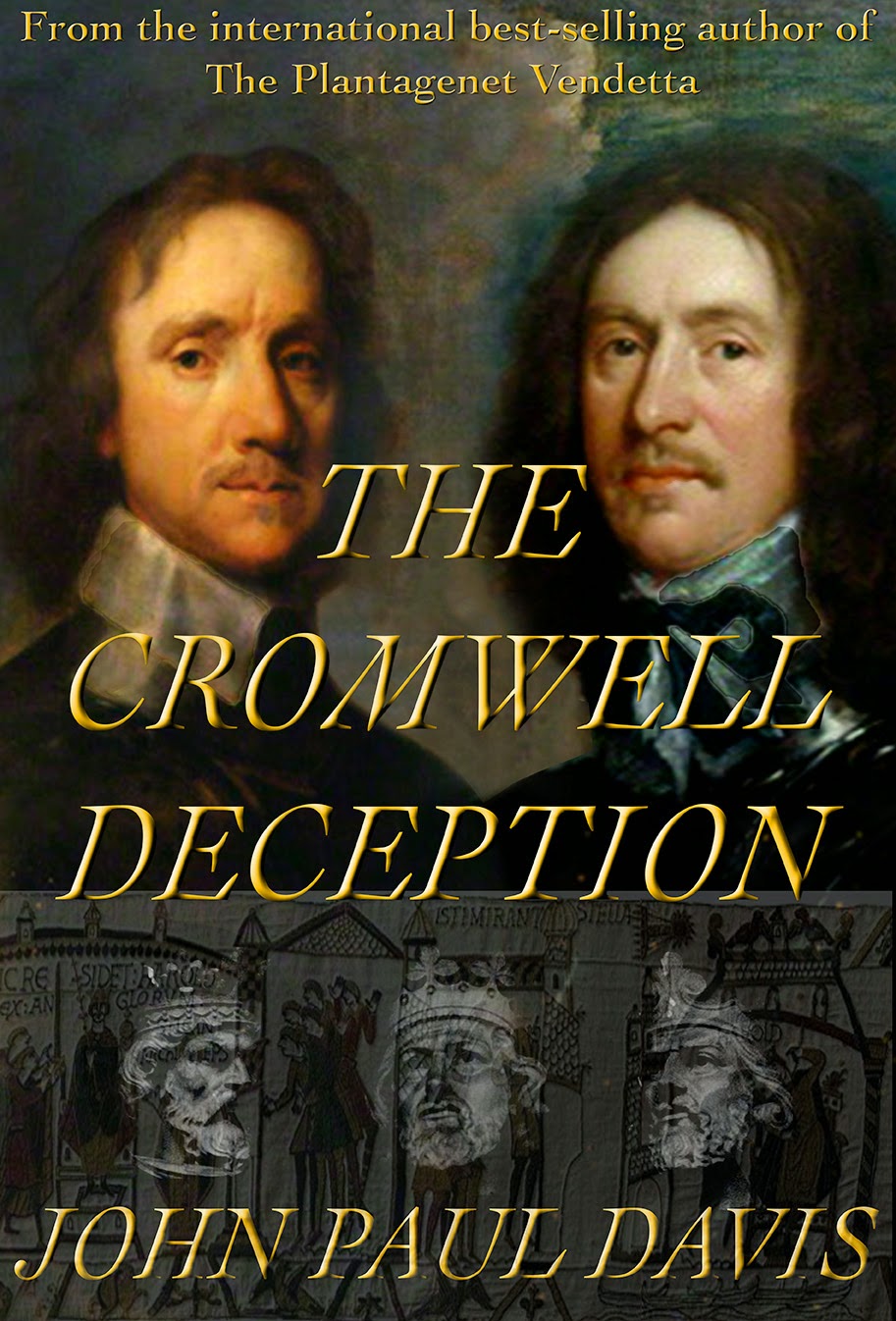 Present day: In the heart of London, a famous art gallery is robbed in the dead of night. Two paintings are taken: a newly purchased £10million self-portrait of a famous 17th-century artist and a portrait of a Roundhead soldier of moderate fame. For gallery director Gillian McKevitt, news of the theft is an absolute nightmare. Aside from the theft occurring less than two days before the self-portrait’s unveiling, CCTV footage suggests the theft was an inside job.
As the news sinks in, a surprise revelation from Gillian’s predecessor confirms she is dealing with no ordinary theft. One of the portraits contains an unimaginable secret, one with the potential to reveal the whereabouts of a long-lost treasure. With time running out before the grand unveiling, Gillian realises she has no choice but to take matters into her own hands. Following the clues revealed by earlier x-ray and infrared examination of the painting, Gillian finds herself in a frantic, and dangerous, race across England and through history as she attempts to track down the thieves before they reach their goal. To succeed, she must not only uncover their identity, but also unearth one of England’s best-kept secrets…
The Cromwell Deception is available exclusively from Amazon. UK customers can download the book for £0.99 here. US customers please click here.


November 4, 2014
Guy Fawkes - 10 facts you never knew about the man behind the mask!
 Guy Fawkes, Guy Fawkes, ‘twas his intent, To blow up the king and parliament...By God’s providence he was catch’dWith a dark lantern and a burning match
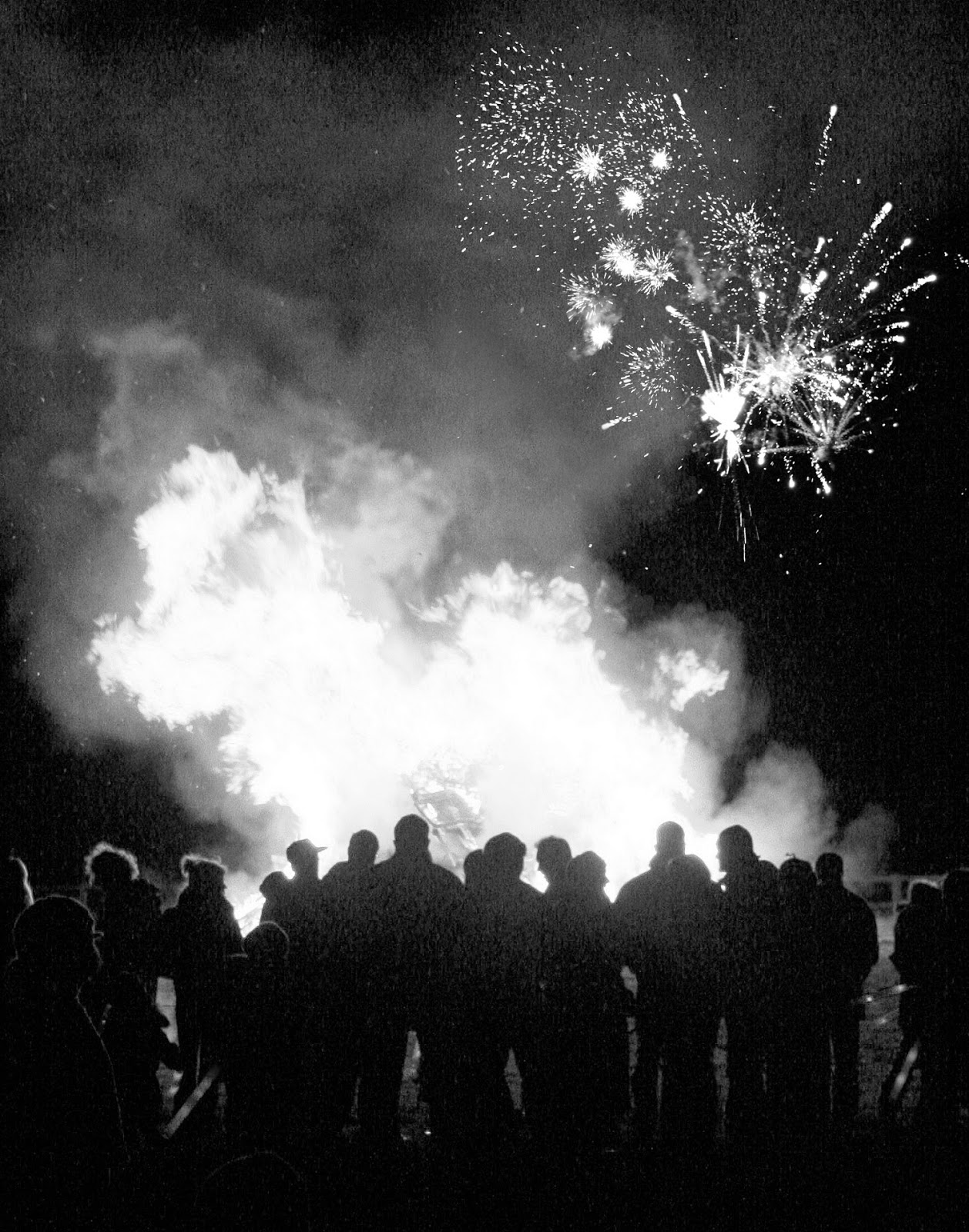
As night fell over the City of London on that cold November night in 1605 the people gathered in the streets to celebrate the delivery of their King from certain death with the lighting of bonfires. In the days that followed, knowledge of the plot in the minds of the common folk was vague. A man had been apprehended, lurking in the vaults beneath parliament guarding 36 barrels of gunpowder.For over four hundred years the people of England have celebrated the failure of the man, now infamous for his attempts to destroy the House of Lords as part of a Catholic plot against the Protestant state. As time has passed the focus has shifted away from the political complexities of the age, focusing instead on celebration. In Britain the 5th November has become an evening of carefree entertainment: people gather in gardens and parks to witness the night sky explode with fireworks, children play with sparklers while straw ‘guys’ burn atop bonfires.
But who really was the man behind the guys? Though his name is legendary his story remains largely untold. Here are ten surprising facts behind the man who ‘has never been forgot.’
 1. Despite his celebrated zeal, Guy Fawkes was initially raised Protestant. His father had been a notary or proctor working for the Ecclesiastical Court. According to Guy’s interrogation on November 6 he converted to the Catholic faith around the age of 15 or 16.
2. When Guy was 4 years old his school was subject of an unwanted scandal when the headmaster was dismissed for converting to Catholicism. Under his successor the school still saw the rise of several future prominent Catholics, including Guy’s co-conspirators John and Christopher Wright.
3. At the age of 22, Guy left York to take up employment at Cowdray House in Sussex as a footman. His masters were the Montague family, famous Catholic Lords.
 4. After leaving England, Guy spent over eight years working as a soldier in the ‘English Regiment’ of the Spanish Army fighting Protestant forces in the Low Countries. It was there he became an expert in the art of Gunpowder.
5. In 1596 Guy was present at the siege of Calais where he was commended for his gallantry. In recognition he was made an officer. Of his promotion a contemporary said ‘he was a man every way deserving it...both for devotion more than is ordinarily found in soldiers, and especially for his skill in martial affairs and great valour’.
6. Guy was fluent in at least three foreign languages, and was a skilled writer – very rare for a man of gentleman status at the time.
7. In later years Guy changed his name to Guido, the Spanish equivalent of Guy.
8. In 1603 Guy was sent to the Court of Phillip III of Spain as an envoy on behalf of English exiles unhappy with the ascension of the Protestant King of Scotland, James Stuart. Their fears that James would act harshly against England’s Catholics soon came true.
9. The Gunpowder Plot was discovered when the vaults beneath the House of Lords were searched following an anonymous tipoff. Guy was the only conspirator found and was subsequently tortured. His resolve was praised by those who questioned him. He refused to name his conspirators for four days.
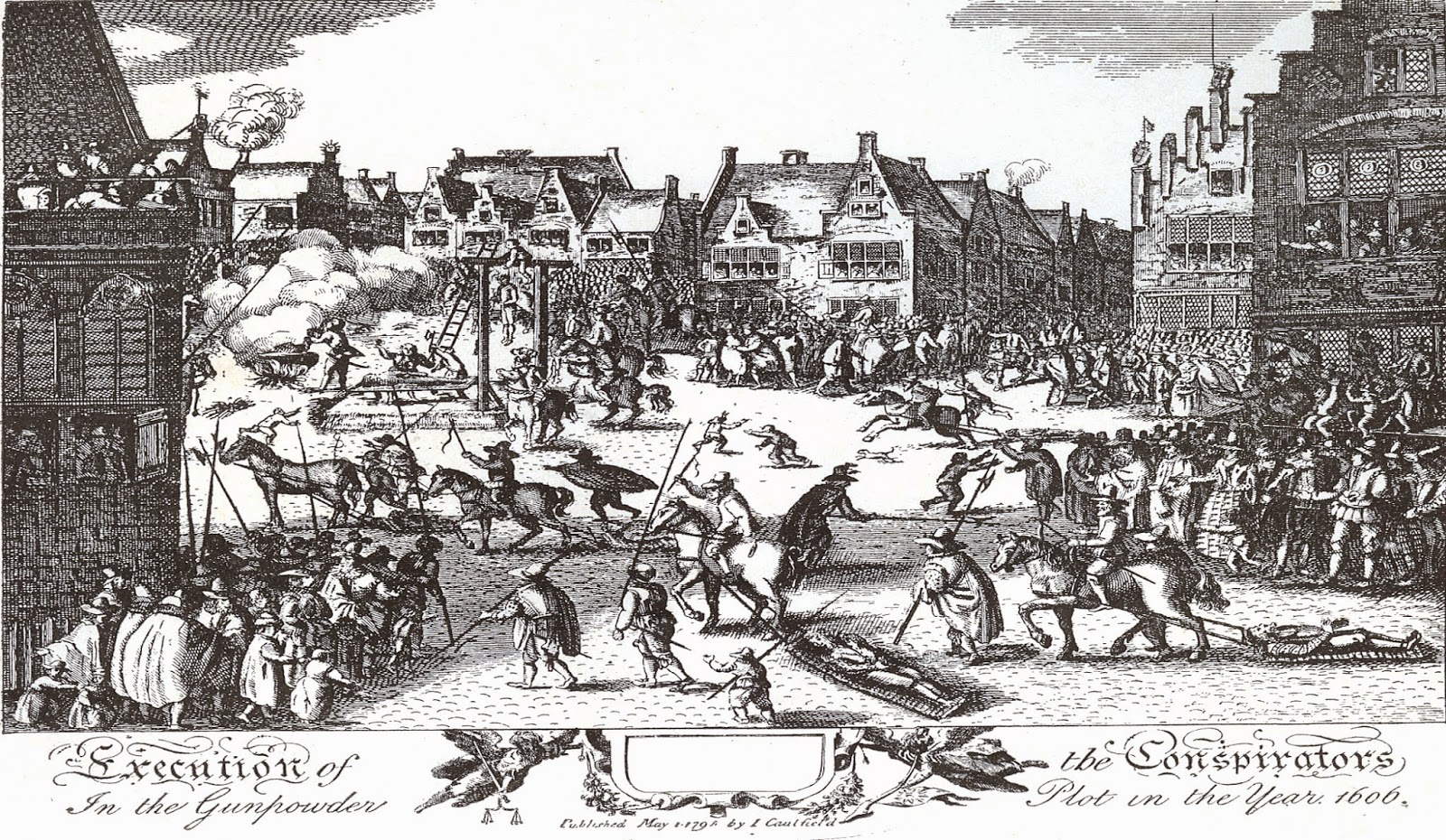 10. On hearing that their King had narrowly escaped death the people of London celebrated through the lighting of bonfires. In January 1606 an act of Parliament was put forward to make the 5th November a day of annual celebration.
For more on the original Guy and the Plot for which he has never been forgot, check out Pity For The Guy - a Biography of Guy Fawkes, Peter Owen 2010, the only full length biography in print. UK customers click Here and the US Here
August 22, 2014
Interview with Author Karen Perkins
 It's been a little while since I've done one of these, but after so long in the making I'm delighted to welcome my good friend and fellow author (and fellow Hot Boxer) Karen Perkins to the Unknown Templar blog spot.
JPD: So first of all, every writer experiences that moment in their life when they make that decision to become a writer. How did it come about for you?
KP: For me it happened naturally. I used to do a lot of sailing and had a very active life, regularly travelling round the country and even into Europe to compete. Then an injury put paid to that and I was stuck at home. My way of coping was to read – a lot – then one day I picked up a pen and started to write. When I filled one notebook, I bought another, then another, and only then realised I was writing a book – Dead Reckoning. If I’d have thought about it beforehand I’d probably have never reached the end – and it took a number of rewrites and a great deal of editing before it was ready to be published, but it was the start of my new life – especially when it was long-listed in the prestigious Mslexianovel competition – and I haven’t looked back since.
JPD: What was the first book you ever wrote? And how young were you?
KP: I can vaguely remember writing a book about horses when I was at primary school. I probably still have it somewhere, I should dig it out really – or maybe not . . .
JPD: You definitely should! Speaking of which, you’ve released several books, both in eBook and in paperback, in recent years. What can you tell us about your books?
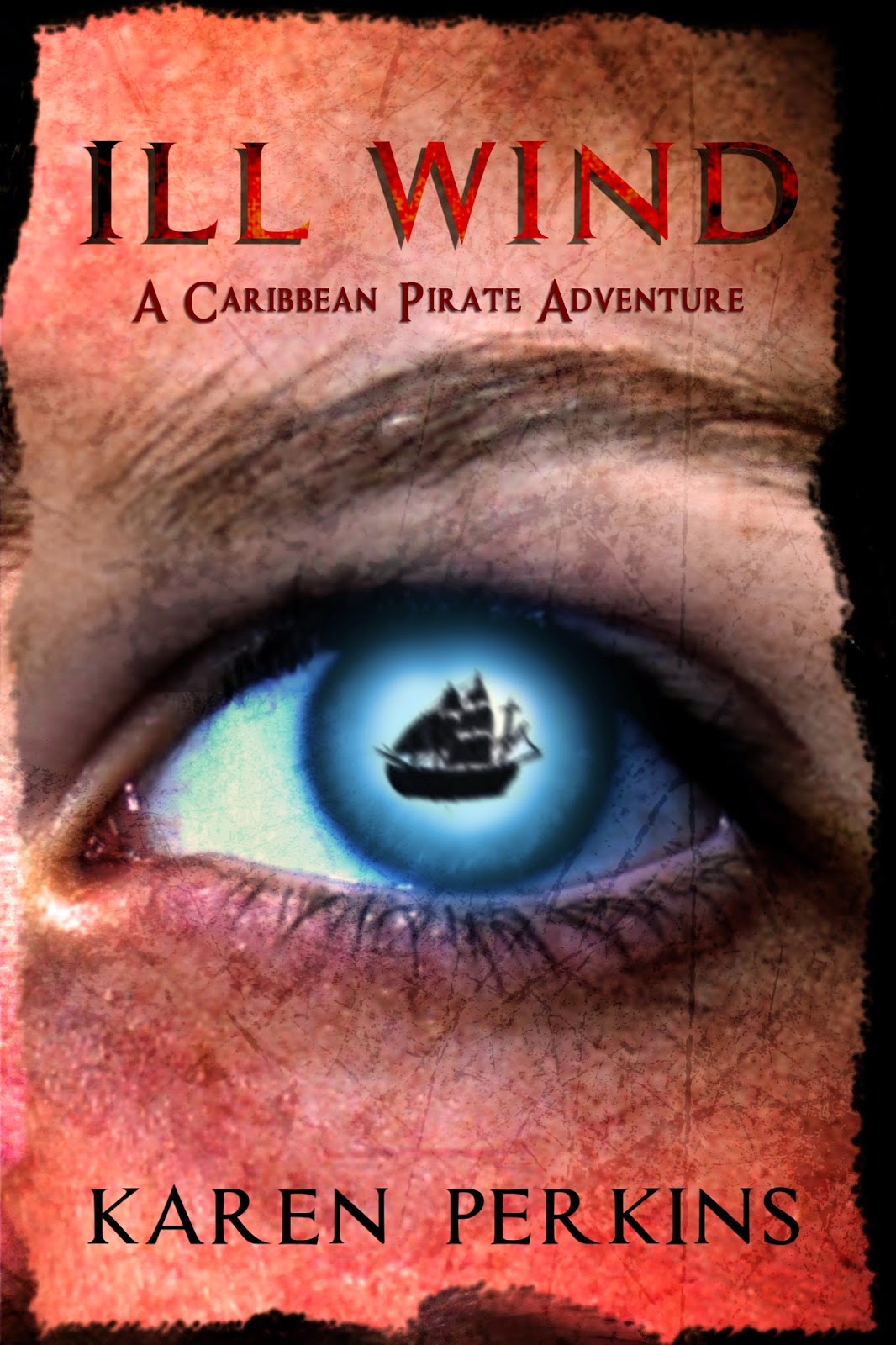
 KP: Dead Reckoning was my first book, although it’s the second book in the Valkyrie Series of Caribbean pirate adventures, with a bit of romance, suspense and plenty of action thrown in. The Valkyrie Series is very much character-orientated and after I wrote Dead Reckoning, one of the main characters, Gabriella, stayed in my head and insisted that I wrote her backstory, which became the novella Ill Wind, and is a good introduction to the series.
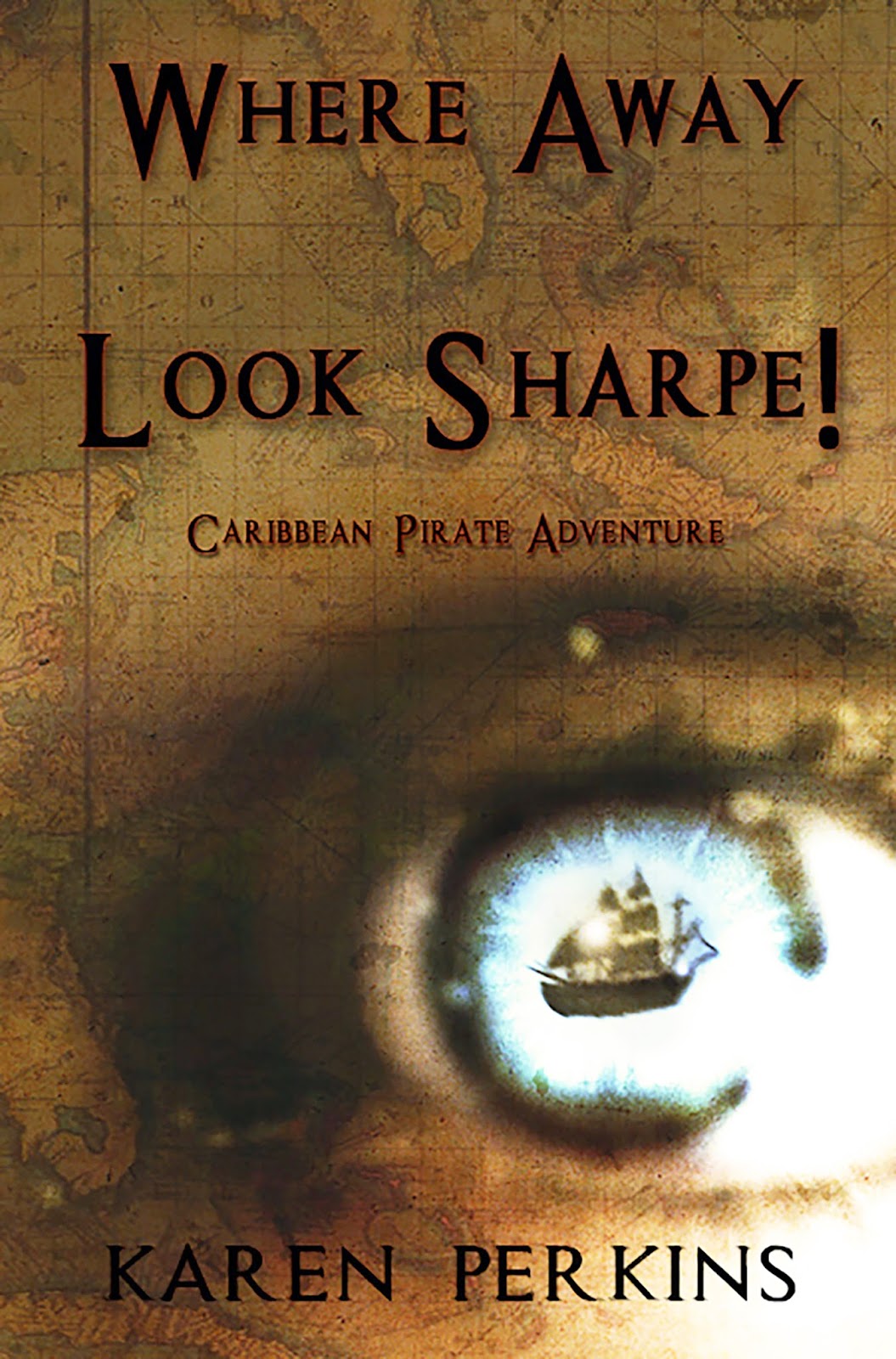
Settling down to write Ready About, which will be another full-size novel continuing on from Dead Reckoning and is narrated by Gabriella and Henry Sharpe (who also appears in Dead Reckoning and Ill Wind), Sharpe insisted on telling me how he became a pirate before he would let me move Ready About forward. I think he’s satisfied with Look Sharpe! (book 3) as Ready About is now flowing smoothly and should be ready early in 2015.
I took a break from my pirates after Dead Reckoning and Ill Wind were published to try my hand at something else (I do like a challenge . . .), and wrote Thores-Cross– a Yorkshire Ghost Story. It’s set locally to me in Yorkshire, and at one of my favourite places in the world, where I spent an extremely happy childhood learning to sail. Why I set a horror story in a place so dear to me, I’m not quite sure, but I loved finding out about the history of the area, and thoroughly enjoyed writing the character of Jennet.
 JPD: The Valkyrie series, in particular, seems to have captured the imagination of readers and has even been a bestseller in its category. How have you enjoyed the experience of being an indie author and achieving such good results?
KP: It’s been simply amazing. Because of the injury I sustained sailing, travelling has been a problem for me and I knew I would find it difficult to pursue a traditional publishing deal – who would want to take on a new, unknown author who couldn’t even get to London to meet them? So after a lot of consideration I decided to self-publish to show that my physical limitations did not limit me as a writer. My aim was to build a good sales record with positive independent reviews and then approach agents. However, I’m a bit of a control freak (as I suspect most writers are – after all, we create our own worlds and characters, then tell them what to do) and I very much appreciate having the final say over every aspect of my book – although I would not manage without Cecelia, my cover designer, and Louise who bravely edits for me. I enjoy self-publishing so much, I haven’t submitted to a single agent since I started and have no intention of doing so.
JPD: One thing that has always fascinated me is pirates. In fact, t he first book I ever wrote was about pirates - I was seven years old and a little rebellious :-). What inspired you to write about them ?
KP: It was natural for me – aged 11 I was sailing around Thruscross Reservoir in a Mirror dinghy flying a skull and crossbones at the top of my mast! Also, the seventeenth-century Caribbean fascinates me – all those nationalities descending on one small area in the search of freedom; and enslaving two continents in the process. Added to that, pirate ships were the most democratic societies on the planet in those days – as well as one of the most brutal (slavers take that ‘crown’) – and that dichotomy intrigues me.
Although I can’t sail anymore, writing about pirates allows me to indulge my passion for those stunning and incredibly complicated ships, and I have a deep admiration for all the men – and women – who took to the sea and entrusted their lives to their crewmates and wooden, wind-driven vessels.
JPD: On top of that, you’ve also released a book called Thores-Cross, a paranormal/historical novel. What can you tell us about that?
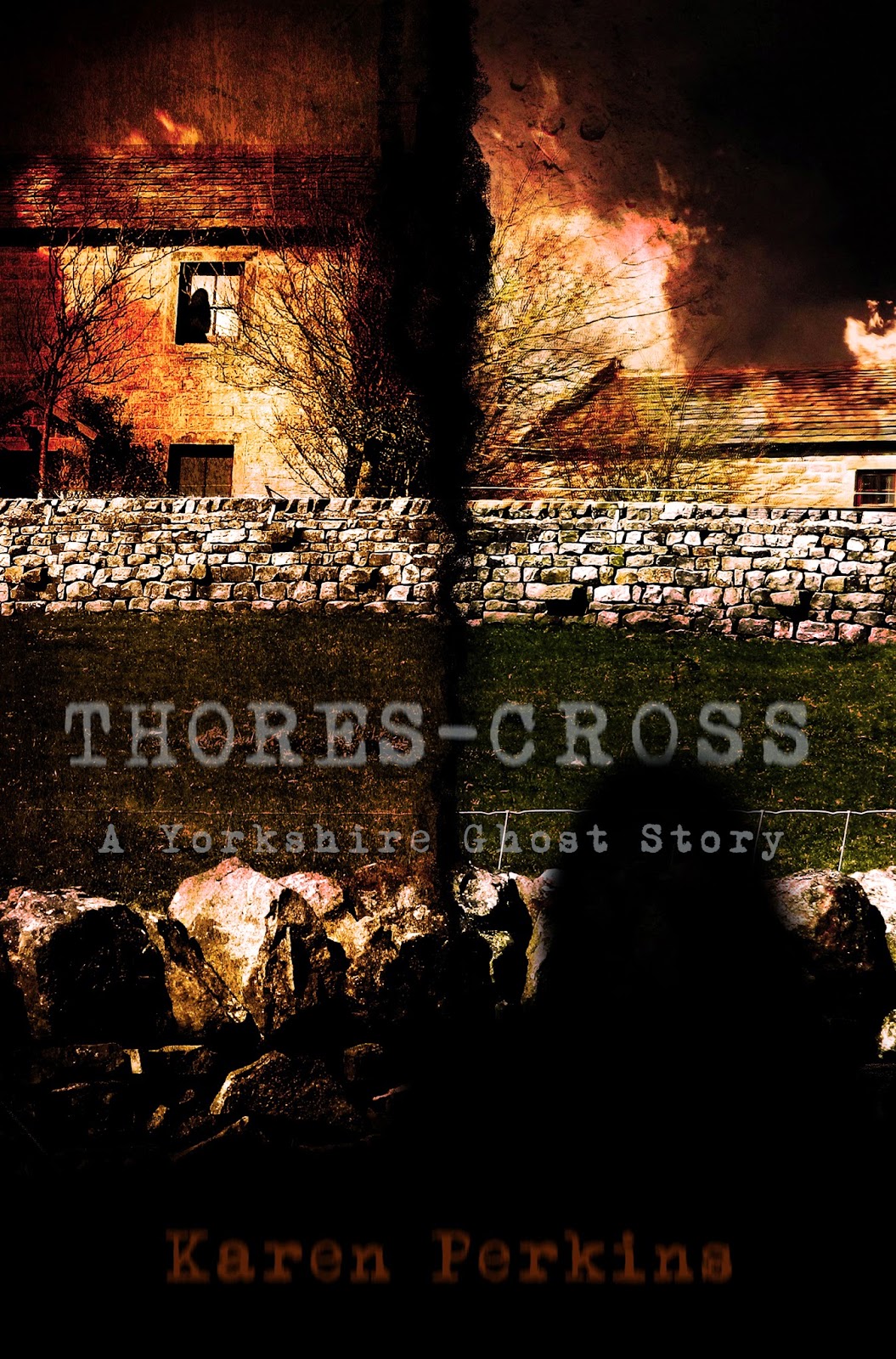 KP: One result of the injury I sustained was isolation – from having an extremely physical hobby and a promising career as a financial advisor, regularly driving around the country, I was suddenly stuck at home. Yet I had telephones, computers, books and the TV, and I started to think about how isolation would affect somebody who was truly cut off. What if somebody who lived in a small, remote village in the Yorkshire Moors became isolated within the community she lived? How would she deal with that? How would it change her, embitter her?
The resultant character was Jennet, a fifteen-year-old orphaned girl, living in a tiny community in the middle of nowhere. She’s seduced by an older, married and influential man, yet she’s the one who is ostracised when the affair becomes known – after all, nothing happens in a Yorkshire village without everybody knowing about it eventually, even now.
It seems to me the past is never wholly in the past and continues to affect our present and the decisions we make. I took this a little further with a haunting; Jennet’s hatred and desire for revenge existing after her brutal death, and the ancestors of the man who wronged her paying the price for centuries.
JPD: Any plans for a series? Or at least any more books in the paranormal/history genre?
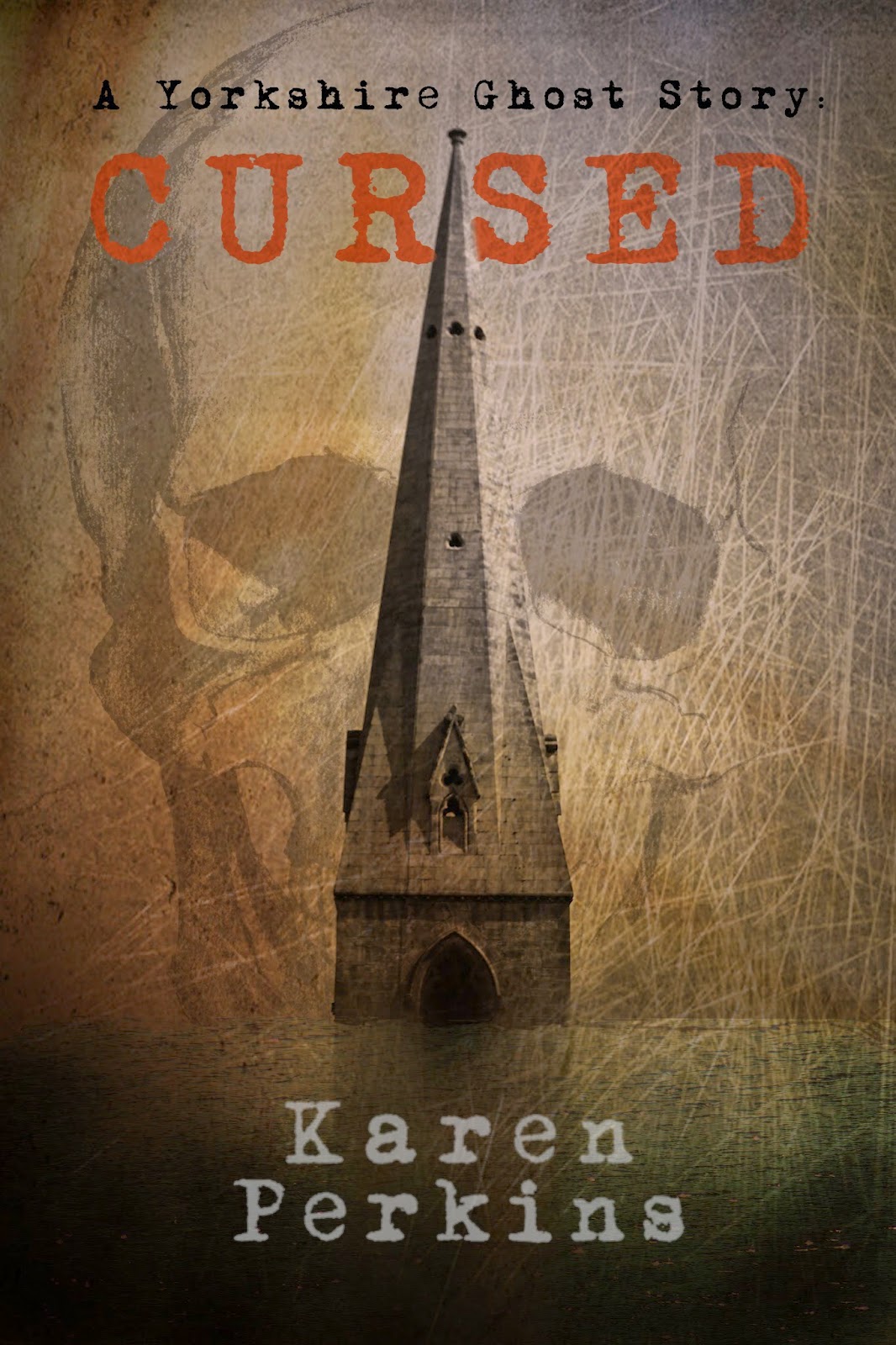
KP: Yes, I’ve also written an associated short story, Cursed – Jennet’s still haunting me! – and it’s quite possible there will be more if she insists.
 Apart from the short stories, the further books in the Yorkshire Ghost Series will be stand-alone novels. I’m currently researching and plotting Knight of Betrayal, which focuses on the four knights - Hugh de Morville, Reginald fitz Urse, William de Tracey and Richard le Bret - who broke the sanctuary of Canterbury Cathedral to murder the Archbishop, Thomas Becket in 1170. They fled to Knaresborough Castle – just down the road from me – yet very little is written about them after the murder, and what has been set down contradicts every other account. In Knight of Betrayal I want to examine the extreme level of their medieval sense of guilt and dishonour, which has horrific repercussions nearly a millennium later.
There are a number of other books planned for the series as well, all focusing on local places, people and legends, exploring the way Yorkshire men and women lived through the ages and the major historical events, industries and traditions that have shaped today’s Yorkshire – with a few nightmares thrown in . . .
JPD: The Becket one in particular sounds fantastic! You’re clearly interested in more than one genre. How easy is it for you to switch from one to the other?
KP: I wouldn’t say ‘easy’, writing any book is not an easy undertaking, but it is something I very much enjoy. When I take on a project, I completely immerse myself in it – some would say too much – and I need to take a break from my characters, their world – and their horrors. Yet I can’t take a break from writing – it’s part of me now, and I’m never more than an arm’s length away from paper and pen. So my way of taking a break from writing about pirates is by writing about ghosts. Then I take a break from writing about Yorkshire by writing about the Caribbean. I have some ideas for books in other genres too – a contemporary political thriller and a mystery/crime series, as well as some children’s books.
JPD: What authors inspire you?
KP: Wide and varied. I’ve always been a booklover – apparently I was a very easy child, if my mother couldn’t find me, she could be pretty sure I’d be sitting in a corner somewhere with my nose in a book. Some of my favourite authors are Stephen King, Barbara Erskine, CJ Sansom, Ken Follett, Robert Harris, Philippa Gregory, Conn Iggulden and Phil Rickman, but this is by no means an exhaustive list and I am also enjoying finding many new self-published authors, and have found some wonderful and original books, in particular J.K. Accinni’s Species Intervention #6609 Series and M.A. McRae’s Shuki Series, which are both extremely profound and shocking in the way they reflect some of the depths to which human nature can plunge. My only regret is that I’m now struggling to find enough time to read for pleasure, something I certainly did not anticipate when I started writing!
JPD: How about movies?
KP: Again, a wide range – mainly thriller, action & adventure and well-done historicals, but my guilty pleasure is really bad disaster movies – the more ridiculous and implausible the better.
JPD: Great taste! One thing that fascinates me about you, Karen, is that you’re also an editor and run a very respectable company, LionheART Publishing House. How long have you been an editor?
 KP: I started LionheART Publishing House two years ago with my then partner, Peter Mutanda, a poet and theatre director, and it has grown tremendously in that time. It’s now a full publishing services company, offering editing, formatting, book covers and trailers, and promotion services, and is still expanding. I’ve been joined by Cecelia Morgan, who is a very talented graphic designer and creates amazing book covers as well as videos and promotional images; Louise Burke, who is a close friend and helps me with the editing; and Elisabeth Storrs, a bestselling author and Amazon expert who can greatly increase a book’s visibility on Amazon, which is key to us as Indie authors. All three have helped me enormously in my own writing career and I’m very grateful that they’re able to help my clients too. Helping a new book into the world is a great privilege and I’m very lucky to have found others who feel the same, and very grateful to my clients who trust me with their books.
 JPD: Personally, I’m far better at making editorial comments on the work of other people than I am my own. How difficult is it trying to write creatively when you’re so used to concentrating on grammar et cetera?
KP: Extremely difficult. I have to completely remove my ‘editing hat’ to write – if I get too caught up in the grammar and punctuation, the story just would not get written. It helps me that I write in longhand, and I pen the complete first draft first before typing it up so that I’m not tempted to start editing before it’s finished.
JPD: Similarly, how do you go about editing a book you’ve written? Or do you prefer to take more of a back step and let others concentrate on that?
KP: When I type up my manuscript, I get a sense of the flow of the book – if I’m engrossed, that chapter’s good, if I’m not it needs rewriting. Then I edit it as I would anybody else’s book – with plenty of detailed notes and checklists.
 The biggest problem with self-editing, though, is that however hard I try, I just can’t be 100 per cent objective about my own books – they’re far too dear to me, as are the characters. It’s also very easy to edit the intent – I know what I meant when I wrote it, and that’s often what I read rather than the actual words. As the author, I’ve done a great deal of research that isn’t included within the final manuscript, and also know a lot more about the characters than is pertinent to the story, and I need somebody to edit for me to make sure everything is clear and nothing is omitted – as well as pick up on my little quirks as a writer (as an editor I hate too many exclamation marks, but as a writer I love them!). Louise Burke has very bravely stepped up – it isn’t easy to edit another editor’s work – and she keeps me honest as well as saving me embarrassment.
JPD: How does the writing process work for you? Do you like to plan things out before you begin or do you like to let things evolve?
KP: A bit of both. I start out by researching the time, place and way of life of my characters, then set out a plan. It’s very general at this stage, and covers the main points of the plot as well as notes on motivation and progression of the characters’ journeys. I also sketch out my main characters – both in notes and an image. When I start writing, I expand on each section of the plan as I go, then make detailed chapter notes (usually only two or three chapters in advance). It’s a compromise really, I do need to have the plan in place to make sure I keep the plot and subplots tight, but if I plan in too much detail too far ahead, my characters can rebel and do things I wasn’t expecting. Frustratingly, they’re usually right.
 JPD: You’ve recently become a participant in a brand new project called the Hot Box, a box set of eight thriller novels by eight best-selling authors that also includes yours truly. How excited are you to be part of such a project?
KP: Very much so. It’s a great honour for Dead Reckoning to be included in a set with such great books and authors (and I’m not just saying that as it’s you J) and I’m over the moon to have been asked to join you. It’s done my confidence a power of good and I’ve learned a great deal from you all. It’s also extremely exciting to see it do so well and to be at that #1 spot in Historical Thrillers for so long. It’s definitely whetted my appetite for more . . .
JPD: Thanks! Given the evolving success of the Valkyrie Series and your own experiences as an indie author, what can we expect from you in the future?
KP: More, of everything – I’m only just getting started . . .
JPD: Karen, it's been great getting to know you over the past few months and a real pleasure talking to you.
For more on Karen, check out her website at http://www.lionheartgalleries.co.uk/Publishing-Services.html and her Amazon pages in the UK and US
June 17, 2014
NEW RELEASE - 8 SIZZLING SUMMER READS. THE HOX BOX IS HERE
I'm delighted to announce that my fourth thriller, The Cortes Enigma, has been selected as part of the exciting new Hot Box box set. This is a limited time offer, that includes 8 thrillers by 8 best-selling authors.
 THE HOT BOX - OUT NOW FOR THIS SUMMER ONLY!Steven Bannister - Fade to Black
John Paul Davis - The Cortes Enigma
C R Hiatt - Sanctioned Kill
David Leadbeater - The Razor's Edge
Andy Lucas - Race Amazon
Karen Perkins - Dead Reckoning
C K Raggio - Heron Park
Mike Wells - Wild Child
The Hot Box is available from all good eBook retailers, including Amazon for the special price of £1.29/£1.99
Customers from the UK can download their copy HERE and US customers HERE
1581: It appeared in the west as the sun was setting, a distant silhouette like a fire on the water. Twelve hours later it appeared again, this time much closer to the mainland…Who was on board or where they came from remained a mystery…No trace of the vessel was ever found…
1904: In an old graveyard in a remote part of the Isles of Scilly, a distinguished academic makes a surprising discovery. The inscriptions on the gravestones are unlike any he has ever seen, at least in that part of the world. The clues point to an astounding possibility: a maritime legend and a priceless treasure. And a four-hundred-year-old cover-up!
Present Day: History Lecturer Dr Ben Maloney is sitting in his office when the phone rings. A call from his cousin is rarely anything out of the ordinary, but today what he has to say is anything but normal. His great-great-grandfather’s ship has been discovered near a deserted island in the Isles of Scilly. Along with his murdered corpse!
Dropping everything, Maloney’s decision to visit the site of his ancestor’s demise soon proves to be one fraught with danger. With nothing but a hundred-year-old diary and legends from the island’s past to guide him, Maloney’s only chance to solve the riddle of his ancestor’s death is to unravel the pieces of an altogether greater mystery. An unimaginable treasure remains unfound. And some will stop at nothing to find it…
February 18, 2014
Did the Princes survive? – the Holbein conspiracy
England’s long history has been plagued by many tragedies. From the Black Death to the Great Fire of London, for over two thousand years misery and bloodshed have left a palpable presence on the English landscape. From north to south, east to west, within its fine castles, abbeys, cathedrals, churches, stately homes and historic coaching inns, their ancient walls and ornate furnishings pay testament to legendary and long forgotten stories of ambition, greed, love and betrayal.
No story is more famous in England’s past than that of the sons of Edward IV, more famously remembered as the Princes in the Tower. Everyone knows the story. According to the most popular version of the tale, the boys’ legitimate succession to the throne of England and the Dukedom of York as the heirs to the late King Edward IV – victor at Tewkesbury, first upholder of the House of York and King of England since 1461 – came to a silent and sinister conclusion at the hands of their bloodthirsty uncle, history’s favourite villain, Shakespeare’s hunchback. King Richard III.
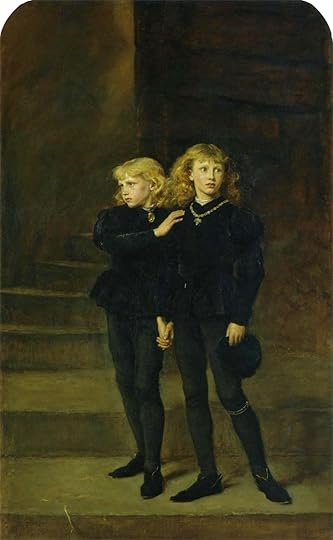 But despite their deaths over four hundred years ago, the question of when and how they met their end has never been agreed upon. Tainted by centuries of imperfect knowledge and misconception and heaped in the immortality of England’s dark history, the true story of what became of the Princes in the Tower still remains something of an enigma. Following the death of their father, it was the right of his eldest son and heir to succeed him as king. The eldest of the boys was Edward, aged 12, who was proclaimed Edward V merely two days after his father’s death. Over the coming weeks, the boy was recorded as having come to London at which point he came under the protection of his uncle, a hero of the recent wars, the late king’s brother and loyal ally, known at the time as Richard, Duke of Gloucester. In time, the king in waiting was joined by his young brother, Richard, Duke of York, and together they took up residence in England’s great fortress, the Tower of London. As the days passed, plans for Edward’s coronation continued until, one day, without warning, Richard had the princes declared illegitimate and banned from succeeding to the throne.
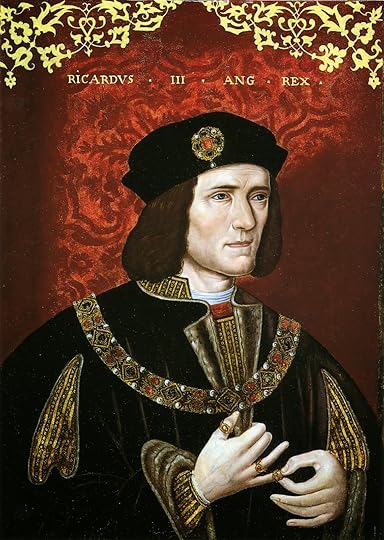 The story of the two boys from this moment onwards is fraught with controversy. In the early days, the princes were often seen playing and shooting on the battlements or in the Tower garden. But, as the weeks passed, they were seen less and less. A dark shadow had emerged over the Tower. The people of London were said to have been overcome with grief as rumour began to spread of evil actions or intent; citizens were said to weep freely and suddenly, even to the point that people refused to talk of them.
The chroniclers of the time were not slow to point their fingers, and not only in England. Rumour abounded that the boys had been murdered, be it by the sword, the stone or even drowned in a barrel of Malmsey Wine, a tactic already used on their other uncle, George, the Duke of Clarence. Despite the persistent rumours, it was not until many years later that the story finally acquired a degree of clarity. In the early years of Henry VIII’s eventful reign, a most compelling version was written by the chancellor of England at the time, the great Sir Thomas More, later saint. However, due to the circumstances that led to his untimely death, More’s tale remained incomplete, and, for many years, unpublished.
Of all the chronicles, it is More’s that provides us with the greatest detail. According to More, the Princes’ end came on the orders of Richard III and his closest schemers. Their bodies were smothered in their beds and buried at the foot of the Tower stair where, in the reign of Charles II, two skeletons were found. Their ages were estimated to be 12 and 9 and later identified as those of the Princes. They were buried in a room off the great Lady Chapel in Westminster Abbey. An elegant urn stands close to the tomb of Elizabeth and Mary, its words written in Latin, its creation the work of Sir Christopher Wren.
While the story recounted by More is striking, original in narrative and precise in detail, the mystery of the Princes in the Tower remains to this day ‘unsolved’. Perhaps this can be explained away by the time delay between the writing of More’s chronicle and its publication. Alternatively, the gap of nearly 200 years between disappearance and discovery of the bodies at the foot of the Tower stair, i.e. the absence of hard proof, was equally so strong a cause.
Yet, maybe, there is another even easier explanation. Perhaps More was simply incorrect. Perhaps the Princes were never murdered at all.
Of all the theories that have been put forward over the years, the most compelling and elaborate is surely that of Holbein, originally credited to a retired English jeweler, Jack Leslau. Should the theory be correct, the fate of the princes belongs not to any urn or sarcophagus in Westminster Abbey, but the legacies of two other prominent historical gentlemen from Tudor London.
According to Leslau, instead of being smothered in their beds or by any other means as the chroniclers suggested, the Princes were moved out of the Tower and placed in the protection of their loved ones: either an agreement between the boys’ mother, Elizabeth Woodville, and Richard III, or, alternatively, an agreement between the family and Richard’s successor, Henry Tudor. Supporters of the former claim that Richard had the blessing of the family, whereas, according to others, Henry reigned with a guarantee the princes no longer desired the throne. Should Leslau be correct, the former king returned to civilization, not as a prince or lord, but as an apparent son of a man once Comptroller of the Royal Household. Walking in the same circle, his brother had arguably an even finer pedigree: returning to the limelight as President of the Royal College of Physicians and husband of Thomas More’s own foster daughter.
Such tales, be they wild or based merely on rumour, are easily dismissed without full understanding of the facts. But what of the evidence? Can proof of the pudding be found simply in testing the relevant bodies for DNA? In 1995 Leslau made what seemed life-changing progress. The graves of both men were to be excavated, their bodies subjected to academic scrutiny. Yet, up until now, the tests remain undone.
But an even more incredible piece of evidence might possibly be found within the brushwork of a late 16thcentury copy of an early 16th century masterpiece. In the 1520s, the great artist Hans Holbein the Younger was staying in England; among his patrons was Sir Thomas More. Holbein completed at least two works in around 1527, sadly later lost in a great fire. Fortunately the originals were seen by the English artist, Rowland Lockey, who made copies of them. The copies are now hanging in both the National Portrait Gallery and a large estate in Yorkshire named Nostell Priory.
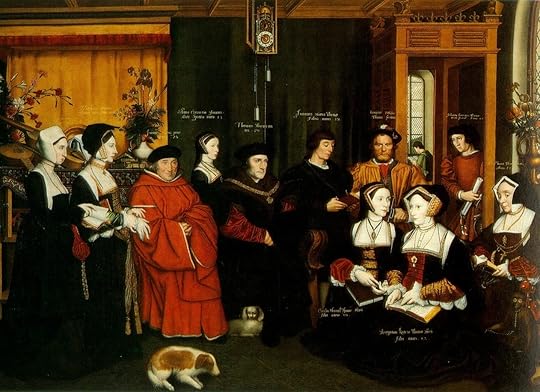 Though the quality of the Lockey copies may rival the works of the great artists of the time, the subject matter, when viewed in the modern day, is certainly intriguing, but also, perhaps, largely forgettable, so similar is the scene to many others that hang on the walls of England’s galleries. In the portrait we see 12 members of the More family, the most famous being Thomas More himself. Most members have Latin writing above or below, confirming their identities. Two, however, are less easy to explain. The first is the figure of a teenage boy, seen reading in the top right corner, for whom there is no writing at all. Of more interest still is the young man standing at the far right. According to the Latin, his name is John, his title, The Rightful Heir. John is standing beneath a fleur-de-lis – one of several. Equally intriguing, he is standing at the highest point of the painting, a station commonly used to symbolize positions of importance.
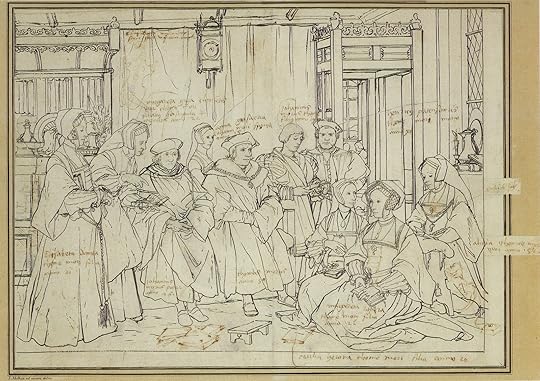
Look at the painting, particularly the men in question. Then compare it to the sketch to the right, Holbein's original prototype. Notice the differences. Who is this John?
What is the artist trying to tell us? What secrets are hidden within this great scene?
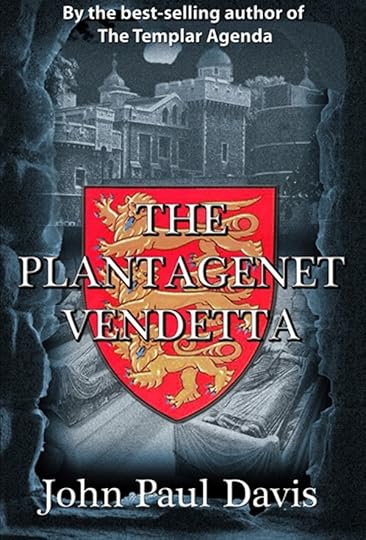 The Holbein connection is a central feature of The Plantagenet Vendetta, the latest bestselling thriller by John Paul Davis, currently available on Amazon in both the UK and US.
No story is more famous in England’s past than that of the sons of Edward IV, more famously remembered as the Princes in the Tower. Everyone knows the story. According to the most popular version of the tale, the boys’ legitimate succession to the throne of England and the Dukedom of York as the heirs to the late King Edward IV – victor at Tewkesbury, first upholder of the House of York and King of England since 1461 – came to a silent and sinister conclusion at the hands of their bloodthirsty uncle, history’s favourite villain, Shakespeare’s hunchback. King Richard III.
 But despite their deaths over four hundred years ago, the question of when and how they met their end has never been agreed upon. Tainted by centuries of imperfect knowledge and misconception and heaped in the immortality of England’s dark history, the true story of what became of the Princes in the Tower still remains something of an enigma. Following the death of their father, it was the right of his eldest son and heir to succeed him as king. The eldest of the boys was Edward, aged 12, who was proclaimed Edward V merely two days after his father’s death. Over the coming weeks, the boy was recorded as having come to London at which point he came under the protection of his uncle, a hero of the recent wars, the late king’s brother and loyal ally, known at the time as Richard, Duke of Gloucester. In time, the king in waiting was joined by his young brother, Richard, Duke of York, and together they took up residence in England’s great fortress, the Tower of London. As the days passed, plans for Edward’s coronation continued until, one day, without warning, Richard had the princes declared illegitimate and banned from succeeding to the throne.
 The story of the two boys from this moment onwards is fraught with controversy. In the early days, the princes were often seen playing and shooting on the battlements or in the Tower garden. But, as the weeks passed, they were seen less and less. A dark shadow had emerged over the Tower. The people of London were said to have been overcome with grief as rumour began to spread of evil actions or intent; citizens were said to weep freely and suddenly, even to the point that people refused to talk of them.
The chroniclers of the time were not slow to point their fingers, and not only in England. Rumour abounded that the boys had been murdered, be it by the sword, the stone or even drowned in a barrel of Malmsey Wine, a tactic already used on their other uncle, George, the Duke of Clarence. Despite the persistent rumours, it was not until many years later that the story finally acquired a degree of clarity. In the early years of Henry VIII’s eventful reign, a most compelling version was written by the chancellor of England at the time, the great Sir Thomas More, later saint. However, due to the circumstances that led to his untimely death, More’s tale remained incomplete, and, for many years, unpublished.
Of all the chronicles, it is More’s that provides us with the greatest detail. According to More, the Princes’ end came on the orders of Richard III and his closest schemers. Their bodies were smothered in their beds and buried at the foot of the Tower stair where, in the reign of Charles II, two skeletons were found. Their ages were estimated to be 12 and 9 and later identified as those of the Princes. They were buried in a room off the great Lady Chapel in Westminster Abbey. An elegant urn stands close to the tomb of Elizabeth and Mary, its words written in Latin, its creation the work of Sir Christopher Wren.
While the story recounted by More is striking, original in narrative and precise in detail, the mystery of the Princes in the Tower remains to this day ‘unsolved’. Perhaps this can be explained away by the time delay between the writing of More’s chronicle and its publication. Alternatively, the gap of nearly 200 years between disappearance and discovery of the bodies at the foot of the Tower stair, i.e. the absence of hard proof, was equally so strong a cause.
Yet, maybe, there is another even easier explanation. Perhaps More was simply incorrect. Perhaps the Princes were never murdered at all.
Of all the theories that have been put forward over the years, the most compelling and elaborate is surely that of Holbein, originally credited to a retired English jeweler, Jack Leslau. Should the theory be correct, the fate of the princes belongs not to any urn or sarcophagus in Westminster Abbey, but the legacies of two other prominent historical gentlemen from Tudor London.
According to Leslau, instead of being smothered in their beds or by any other means as the chroniclers suggested, the Princes were moved out of the Tower and placed in the protection of their loved ones: either an agreement between the boys’ mother, Elizabeth Woodville, and Richard III, or, alternatively, an agreement between the family and Richard’s successor, Henry Tudor. Supporters of the former claim that Richard had the blessing of the family, whereas, according to others, Henry reigned with a guarantee the princes no longer desired the throne. Should Leslau be correct, the former king returned to civilization, not as a prince or lord, but as an apparent son of a man once Comptroller of the Royal Household. Walking in the same circle, his brother had arguably an even finer pedigree: returning to the limelight as President of the Royal College of Physicians and husband of Thomas More’s own foster daughter.
Such tales, be they wild or based merely on rumour, are easily dismissed without full understanding of the facts. But what of the evidence? Can proof of the pudding be found simply in testing the relevant bodies for DNA? In 1995 Leslau made what seemed life-changing progress. The graves of both men were to be excavated, their bodies subjected to academic scrutiny. Yet, up until now, the tests remain undone.
But an even more incredible piece of evidence might possibly be found within the brushwork of a late 16thcentury copy of an early 16th century masterpiece. In the 1520s, the great artist Hans Holbein the Younger was staying in England; among his patrons was Sir Thomas More. Holbein completed at least two works in around 1527, sadly later lost in a great fire. Fortunately the originals were seen by the English artist, Rowland Lockey, who made copies of them. The copies are now hanging in both the National Portrait Gallery and a large estate in Yorkshire named Nostell Priory.
 Though the quality of the Lockey copies may rival the works of the great artists of the time, the subject matter, when viewed in the modern day, is certainly intriguing, but also, perhaps, largely forgettable, so similar is the scene to many others that hang on the walls of England’s galleries. In the portrait we see 12 members of the More family, the most famous being Thomas More himself. Most members have Latin writing above or below, confirming their identities. Two, however, are less easy to explain. The first is the figure of a teenage boy, seen reading in the top right corner, for whom there is no writing at all. Of more interest still is the young man standing at the far right. According to the Latin, his name is John, his title, The Rightful Heir. John is standing beneath a fleur-de-lis – one of several. Equally intriguing, he is standing at the highest point of the painting, a station commonly used to symbolize positions of importance.

Look at the painting, particularly the men in question. Then compare it to the sketch to the right, Holbein's original prototype. Notice the differences. Who is this John?
What is the artist trying to tell us? What secrets are hidden within this great scene?
 The Holbein connection is a central feature of The Plantagenet Vendetta, the latest bestselling thriller by John Paul Davis, currently available on Amazon in both the UK and US.
January 19, 2014
NEW RELEASE - THE PLANTAGENET VENDETTA - OUT NOW!
It's been a long time in the making, but The Plantagenet Vendetta is finally here. Check out the blurb below for more.
England 1485: They were called the Sons of York. They were secretly created during the final hours of the reign of Richard III. Their sole purpose to hunt down and eliminate the descendents of his murderer.
By any means necessary.
Over five hundred years laterthe long reign of King James III of England comes to an unexpected end. Less than a week later, the bodies of two cabinet ministers are discovered in a burning car. Though the deaths of all three are initially assumed to be unconnected, a chance arrest in London yields a bizarre confession. And a sinister warning…
Thomas Winchester has been waging war on the enemies of his family ever since graduating from Sandhurst. Youngest nephew of the King, he is celebrated as one of Special Branch’s finest agents – the only man capable of taking on the Royal Family’s biggest crisis in recent memory.
Meanwhile, a quiet village in the North York Moors mourns a tragic loss. A young girl has vanished, allegedly the victim of a deranged boy who later committed suicide. A year on, television researcher Jennifer Farrelly is sent to follow up the story. The body was never found, and the girl’s parents have not given up hope of finding her alive.
A locked door in the medieval vaults of a remote Yorkshire church hides something strange: something with the potential to expose a previously untold chapter of England’s darkest history. As Farrelly’s search for the truth causes her to unwittingly cross paths with that of the royals, she and Winchester have no choice but to form a unique alliance to uncover a secret many have died to protect – a secret that still threatens the very foundation of the monarchy…
The Plantagenet Vendetta is available exclusively from Amazon. UK customers can download the book for £0.99 here or here for the US.