Randy Susan Meyers's Blog, page 19
January 21, 2017
Smart is Beautiful: Boston Women’s March 2017

Boston Women’s March—one of those in every state in the union.

Filled with family

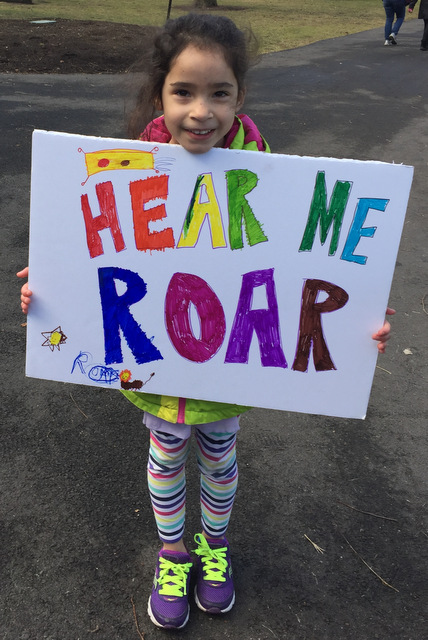
Beautiful children
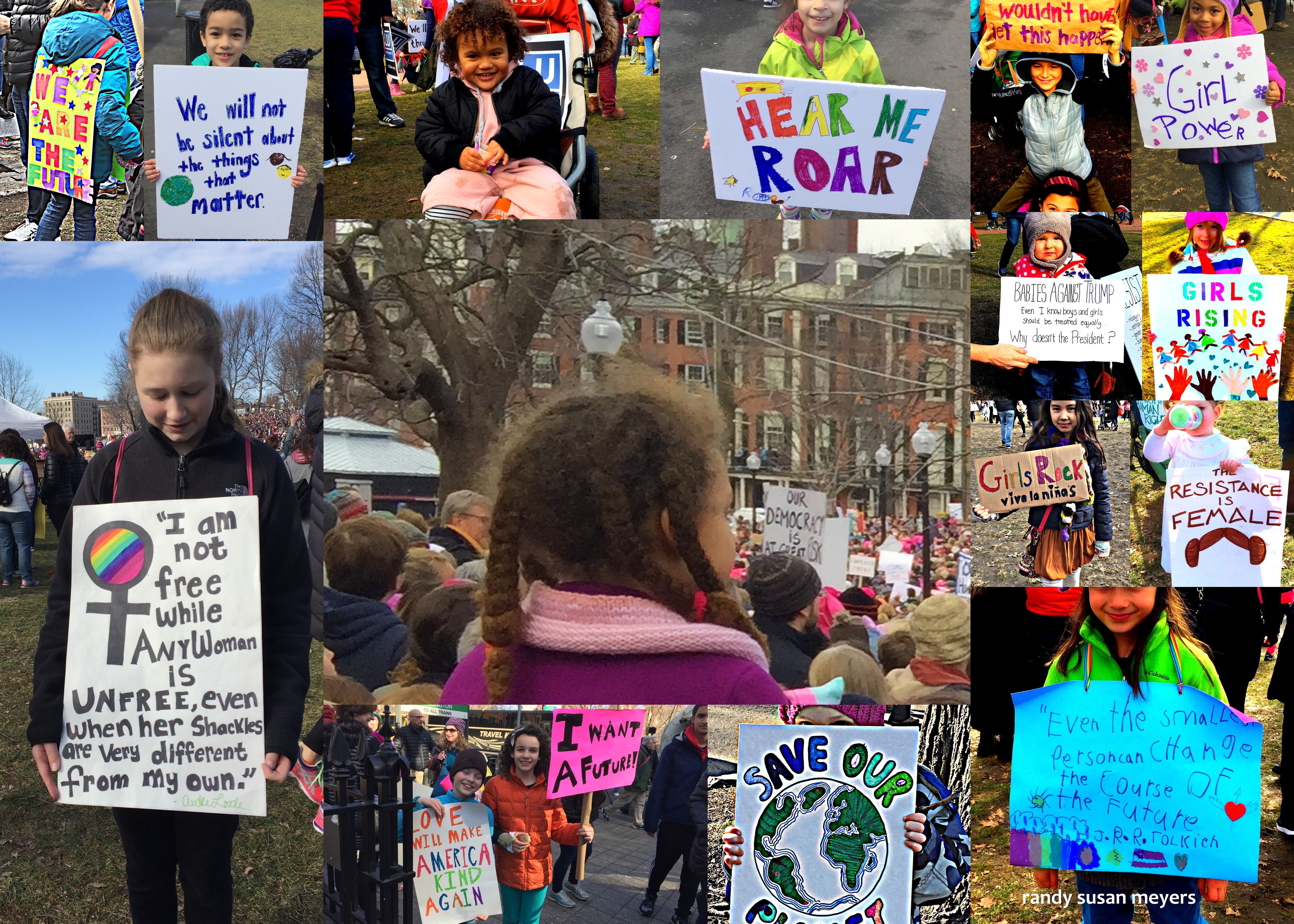
Extraordinary Signs

Dogs in Pink

Brilliant Girls & Boys

Dogs Wearing Scarves

And A Wonderful Sea of People

Women in Fur


Shades of Harry Potter

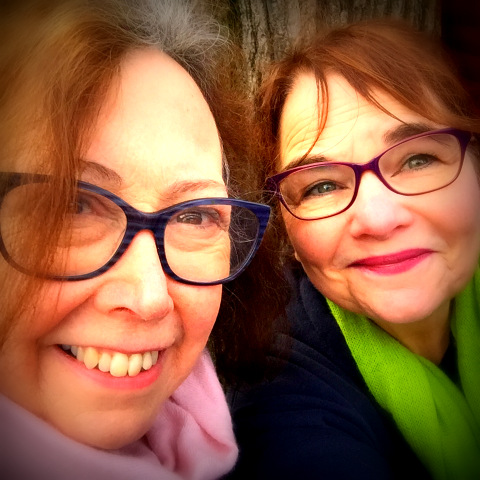
And I got to be with my BFF since forever




Boston Women’s March 2017
Boston Women’s March—one of those in every state in the union.
Filled with family
Beautiful children
Extraordinary Signs
Dogs in Pink
Brilliant Girls & Boys
Dogs Wearing Scarves
And A Wonderful Sea of People
Women in Fur
Shades of Harry Potter
And I got to be with my BFF since forever
January 16, 2017
Goodreads ARC (huh?) Giveaway: THE WIDOW OF WALL STREET
Giveaway Ends January 28
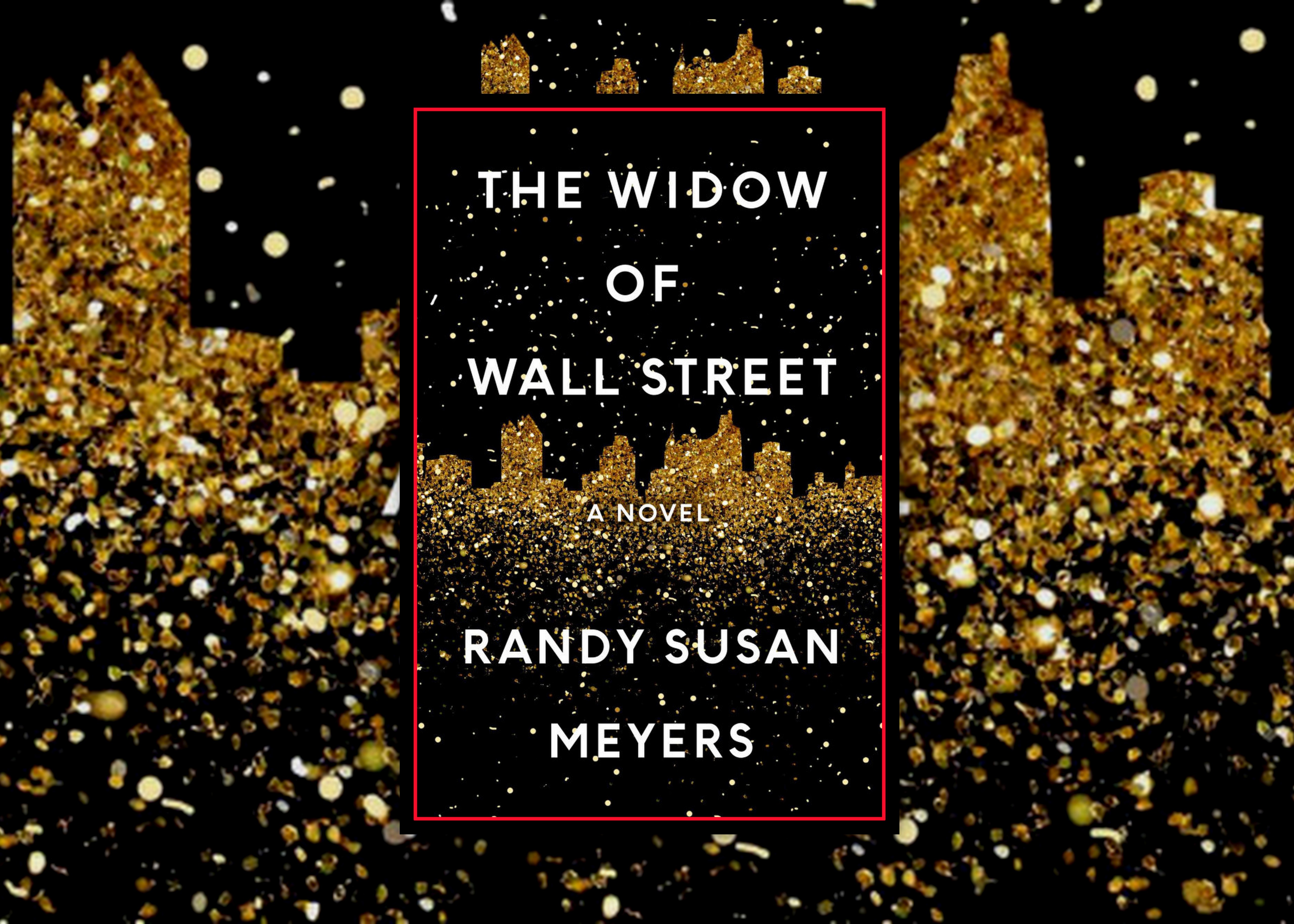
Oft asked question: “What is an ARC?”
An ARC is almost-complete version of a not-yet-published book that is released to “advanced readers.” Who these advanced readers are may vary, but for the most part they’re book stores, book reviewers and media reviewers who are allowed to read the book before its publish date so that reviews may coincide with the book’s debut and stores can make ordering decisions.
Sites like Goodreads, together with publishers, make these advance copies available to a few—very few—readers as a way to ‘get the word out.’
For writers, it’s the best and worst of times. We love seeing these early copies in the hands of some readers, and, of course, reviewers and bookstores. And we cringe, knowing these uncorrected books are going out in the world.
So, I invite you—urge you!— to register for this giveaway.
And if you win? I beg you to be kind when you see the typos, the missed words and instances of cringe-worthy errors (which I’ve corrected! I promise! Especially the one about the population numbers!)
January 5, 2017
Writing & Reading Those Special’ Romantic Scenes: The Good, The Bad, The Ugly

I tried to think of a, um, sexier title for this post, but they all sounded, um, icky, and the last thing I want when I’m writing about sex is an ick factor. Writing about icky sex? Terrific. Writing icky about sex? Terrible.
When my first novel released in 2010, Pia Lindstrom, an interviewer from Sirius Radio, shocked me out of my I-can-handle-any-question mood when she asked something to the effect of:
So, I was surprised by how much sex is in your book. You did it so well. People say it’s hard to write about sex. How did you do it?
Um. Um. Um. Now there was a question I hadn’t been asked before. Sex is included in my work. When my mother-in-law read one of my earlier works—an in-the-drawer-book—she told my husband that I wrote ‘sex novels.’)
Wait! Before you run to the bookstore in hopes of getting a fun sex novel, save your money. Buy something by Jackie Collins. The sex I wanted to convey in The Murderer’s Daughters was the gritty emotional side of the bedroom; the stuff we hate to admit is true.
I had to answer Pia (and fast.) How did I write about sex?
By praying no one would ask me about it.
By telling myself that my husband knows I am not writing about him (except for the good parts, of course.)
By realizing that writing about sex isn’t about insert Tab A into Slot B—it’s about the emotion behind the writhing.

By remembering what Elizabeth Benedict said in her wonderful book, The Joy of Writing Sex:
Benedict: A good sex scene is not always about good sex, but it is always an example of good writing.
It’s easier to write about sex when it’s ‘bad,’ when the character is damaging herself through the act, or using sex as panacea or cover-up, than it is to write about good sex. Perhaps it’s a variation on Tolstoy’s famous aphorism about happy families vs. unhappy families. All fantastic sex is remarkably similar in how it lights up the brain, while “I gotta get through this somehow” sex is a textured way to reveal the problems in a relationship, which leads to Benedict’s next point:
Benedict: A good sex scene should always connect to the larger concerns of the work.
When writing about my main characters, sisters Lulu and Merry, I wanted to show them reacting in wildly divergent ways to the same trauma (the murder of their mother by their father.) Naturally, their experiences of sexuality were defined by that horrendous act. If I wanted to reveal the ways they were affected by witnessing their mother’s death, I needed to go into their bedrooms, and not in a polite manner.
Benedict: The needs, impulses and histories of your characters should drive a sex scene.
Most readers can tell when in a sex scene, the writer has stepped away from the character and inserted a boilerplate moment. It’s easy to understand why a writer might avoid writing deeply about sex. Nobody’s comfortable with the idea that readers who know them might think they are reading a page from the writer’s life.
Which means, if you want to be true to your reader, you have two choices. 1) Take the readers off your shoulder and be willing to go all the way (sorry about that—couldn’t resist) in revealing the good, the bad, and the ugly, or, 2) Skip the sex and use the f a d e – o u t.
Benedict: The relationship your characters have to one another—whether they are adulters or strangers on a train—should exert more influence on how you write about their sexual encounters than should any anatomical detail.
Can I just say how much I hate clinical words in novels? I want writers to capture the inner monologue so well that there is only a very small space between character and reader. Thus, for me, the clinical terms leap out from a page as though the writer is shouting. It becomes a ‘look at me’ moment, rather than a ‘be in the character’ moment. Unless, of course, the character is a sex-ed teacher.
What goes on in a character’s mind as Tab A meets Slot B? Are they actually describing their partner’s body? In The House on Fortune Street by Margot Livesey, the following passage of a couple embarking on their first sexual encounter reveals the emotional and physical relationship of this particular couple without a single clinical detail:
From then on it was all haste and confusion. He undid a few buttons on her blouse and left her to manage the rest while he wrestled with his own clothes. She undressed quickly, eager to be hidden between the sheets. Edward, clumsy with his underwear, took a few seconds longer. Then he was beside her, the whole shocking length of him, and they were clinging to each other. It seemed to Dara that they were struggling to surmount some huge barrier—the barrier between not being and being lovers—and they must do whatever necessary to get over it.
From this passage, the reader immediately knows that Dara is not chasing an orgasm and that she is bringing to this encounter a truckload of emotional baggage.
One of the most difficult sex scenes I wrote in The Murderer’s Daughters was one where Merry, one of my two main characters, finally realized that her married lover is one more punishing mistake in her life, a scene which ended with these words:
“Quinn wrenched from me a sad orgasm born of friction and time, and then he came.”
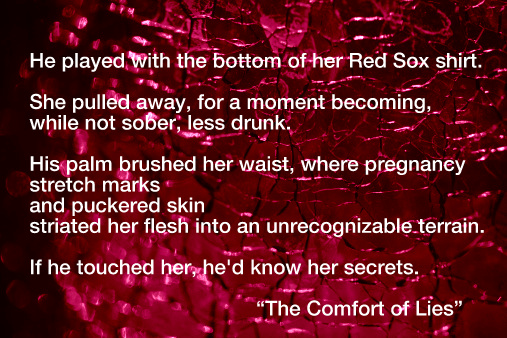
Writing great sex is sort of like having great sex, I suppose—losing yourself in the truth of the moment, sometimes awful moments. Except when you’re writing, you get to go back and edit it until the moments are just exactly what you want.Writing The Comfort of Lies, I was challenged with writing desperate sex, good sex in a troubled marriage and then, in another marriage, bad sex as a harbinger of relationship troubles—all of it without getting weirdly clinical. In all cases, a very close third person helps, as in this scene from the supposed good marriage, as the problems the wife is trying to deny, break through.
The Xanax kicked in as Peter worked his way from Caroline’s lips to her neck. Making love could now move ahead with her body participating while her mind drifted.
Caroline made soft sounds of pleasure, trying to convey excitement that would hurry him over the edge. “Now,” she murmured. She wondered in whispering dirty words would hasten the act. Thinking about it, her throat closed as though she’d been inhaling dust.
She’d never been the dirty words sort.
Peter tightened his grip.
She’d once found him electrifying.
His breath warmed her neck.
Back then, she’d barely been able to survive two days without making love.
He tensed.
She squeezed her eyes against tears.
What I want from sex scenes—ones I write, ones that I read—are secret glimpses into the soul, which are possible only at our most vulnerable moments: when we break apart and when we come together. Sex is often a time when those moments collapse into one.
Writing (and Reading) Sex Scenes: Good, Bad, & Ugly

I tried to think of a, um, sexier title for this post, but they all sounded, um, icky, and the last thing I want when I’m writing about sex is an ick factor. Writing about icky sex: terrific. Writing icky about sex: terrible.
When my first novel released in 2010, Pia Lindstrom, an interviewer from Sirius Radio, shocked me out of my I-can-handle-any-question mood when she asked something to the effect of:
So, I was surprised by how much sex is in your book. You did it so well. People say it’s hard to write about sex. How did you do it?
Um. Um. Um. Now there was a question I hadn’t been asked before. Sex is included in my work. When my mother-in-law read one of my earlier works—an in-the-drawer-book—she told my husband that I wrote ‘sex novels.’)
Wait! Before you run to the bookstore in hopes of getting a fun sex novel, save your money. Buy something by Jackie Collins. The sex I wanted to convey in The Murderer’s Daughters was the gritty emotional side of the bedroom; the stuff we hate to admit is true.
I had to answer Pia (and fast.) How did I write about sex?
By praying no one would ask me about it.
By telling myself that my husband knows I am not writing about him (except for the good parts, of course.)
By realizing that writing about sex isn’t about insert Tab A into Slot B—it’s about the emotion behind the writhing.

By remembering what Elizabeth Benedict said in her wonderful book, The Joy of Writing Sex:
Benedict: A good sex scene is not always about good sex, but it is always an example of good writing.
It’s easier to write about sex when it’s ‘bad,’ when the character is damaging herself through the act, or using sex as panacea or cover-up, than it is to write about good sex. Perhaps it’s a variation on Tolstoy’s famous aphorism about happy families vs. unhappy families. All fantastic sex is remarkably similar in how it lights up the brain, while “I gotta get through this somehow” sex is a textured way to reveal the problems in a relationship, which leads to Benedict’s next point:
Benedict: A good sex scene should always connect to the larger concerns of the work.
When writing about my main characters, sisters Lulu and Merry, I wanted to show them reacting in wildly divergent ways to the same trauma (the murder of their mother by their father.) Naturally, their experiences of sexuality were defined by that horrendous act. If I wanted to reveal the ways they were affected by witnessing their mother’s death, I needed to go into their bedrooms, and not in a polite manner.
Benedict: The needs, impulses and histories of your characters should drive a sex scene.
Most readers can tell when in a sex scene, the writer has stepped away from the character and inserted a boilerplate moment. It’s easy to understand why a writer might avoid writing deeply about sex. Nobody’s comfortable with the idea that readers who know them might think they are reading a page from the writer’s life.
Which means, if you want to be true to your reader, you have two choices. 1) Take the readers off your shoulder and be willing to go all the way (sorry about that—couldn’t resist) in revealing the good, the bad, and the ugly, or, 2) Skip the sex and use the f a d e – o u t.
Benedict: The relationship your characters have to one another—whether they are adulters or strangers on a train—should exert more influence on how you write about their sexual encounters than should any anatomical detail.
Can I just say how much I hate clinical words in novels? I want writers to capture the inner monologue so well that there is only a very small space between character and reader. Thus, for me, the clinical terms leap out from a page as though the writer is shouting. It becomes a ‘look at me’ moment, rather than a ‘be in the character’ moment. Unless, of course, the character is a sex-ed teacher.
What goes on in a character’s mind as Tab A meets Slot B? Are they actually describing their partner’s body? In The House on Fortune Street by Margot Livesey, the following passage of a couple embarking on their first sexual encounter reveals the emotional and physical relationship of this particular couple without a single clinical detail:
From then on it was all haste and confusion. He undid a few buttons on her blouse and left her to manage the rest while he wrestled with his own clothes. She undressed quickly, eager to be hidden between the sheets. Edward, clumsy with his underwear, took a few seconds longer. Then he was beside her, the whole shocking length of him, and they were clinging to each other. It seemed to Dara that they were struggling to surmount some huge barrier—the barrier between not being and being lovers—and they must do whatever necessary to get over it.
From this passage, the reader immediately knows that Dara is not chasing an orgasm and that she is bringing to this encounter a truckload of emotional baggage.
One of the most difficult sex scenes I wrote in The Murderer’s Daughters was one where Merry, one of my two main characters, finally realized that her married lover is one more punishing mistake in her life, a scene which ended with these words:
“Quinn wrenched from me a sad orgasm born of friction and time, and then he came.”
Writing great sex is sort of like having great sex, I suppose—losing yourself in the truth of the moment, sometimes awful moments. Except when you’re writing, you get to go back and edit it until the moments are just exactly what you want.Writing The Comfort of Lies, I was challenged with writing desperate sex, good sex in a troubled marriage and then, in another marriage, bad sex as a harbinger of relationship troubles—all of it without getting weirdly clinical. In all cases, a very close third person helps, as in this scene from the supposed good marriage, as the problems the wife is trying to deny, break through.
The Xanax kicked in as Peter worked his way from Caroline’s lips to her neck. Making love could now move ahead with her body participating while her mind drifted.
Caroline made soft sounds of pleasure, trying to convey excitement that would hurry him over the edge. “Now,” she murmured. She wondered in whispering dirty words would hasten the act. Thinking about it, her throat closed as though she’d been inhaling dust.
She’d never been the dirty words sort.
Peter tightened his grip.
She’d once found him electrifying.
His breath warmed her neck.
Back then, she’d barely been able to survive two days without making love.
He tensed.
She squeezed her eyes against tears.
What I want from sex scenes—ones I write, ones that I read—are secret glimpses into the soul, which are possible only at our most vulnerable moments: when we break apart and when we come together. Sex is often a time when those moments collapse into one.
December 29, 2016
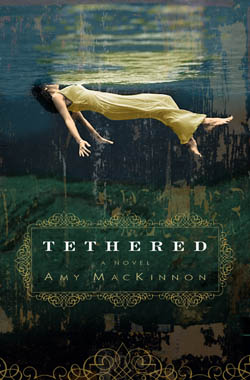
Tethered: A novel by Amy Mackinnon
Death is the last frontier in so many ways. In my circles, even friends who talk about sex, politics, and that most forbidden of topics, paychecks, rarely talk about the nitty gritty of death. That’s something we save for our own private hells or heavens.
“I plunge my finger between the folds of the incision, then hook my forefinger deep into her neck. Unlike most of the bloodlines, which offer perfunctory resistance, the carotid artery doesn’t surrender itself willingly. Tethered between the heart and the head, the sinewy tube is often weighted with years of plaque, thickening its resolve to stay. More so now that rigor mortis has settled deep within the old woman.”
This is the opening to MacKinnon’s novel.
Probably, even those who, because of culture or religion, are comfortable with the notion of death, thinking it a walk into a better place, still, I think, avoid the actual physical notions of our bodies after we take our last breath. What happens to our soulless bodies? These secrets are reserved for those who work in this secret landscape.
A walk into that room where death goes, that’s just a portion of what Amy Mackinnon offers in Tethered, but oh, what a gift that is. Clear cool writing and a gripping story, which forced me to turn the pages perhaps faster than I should, because there is nothing one should miss in this book took me on a captivating ride. There was not an instance of MEGO (my eyes glaze over.)
Clara Marsh prepares the dead with respect and love while living a life so quiet that she might as well be one of them. Her (slowly revealed) traumatic past leads her to live a frozen life, until a neglected at-risk little girl forces her to choose between the living and the dead.
MacKinnon’s story pulled me along, her writing enchanted me on the journey, and then, her skillfully braided research into the world of the basement of a funeral home made that most fearful of visits, in some miraculous feat of literature, less forbidding.
One would wish to have a Clara for their last appointment with the living. Reading Tethered allows you to think that perhaps, just perhaps, this grace will be offered.
December 23, 2016
Hanukkah Brisket Turned Christmas Dish

One of my favorite twice -a-year dishes is apricot brisket. It’s an old family recipe passed down from a cousin long ago. I make it every year for our Passover Seder, and often for Hanukkah, and it’s so good that my decades-long vegetarian daughter sometimes makes an exception and takes a few bites each year and she always spreads the sauce on her kugel.
Many non-Jewish families have joined us over the years. Often it was a friend (who is a caterer, thus exciting me when she asked for the recipe) and her sons. Kris started serving it for Christmas, giving it a second identity, when her son’s crowned it with a new name, and it went from being The Passover Brisket at our house, to being The Christmas Meat, at theirs.
I love knowing that my family’s special brisket has an alias, as though my family recipe has joined the CIA.
It’s a rich slow-cooked recipe, simple to make, using dowdy ingredients that turn into a beautiful to the eye, incredible to the mouth dish that fills the home with good smells. It’s also forgiving and open to change.
Passover/Christmas/Hanukah Brisket
3-5 lbs brisket
1 -2 cloves minced garlic
3 onions
Olive oil
12 oz ketchup
4 apricot rolls
6 oz water
1/2 cup brown sugar
Sauté the onions in garlic and oil. Mix ketchup, water & sugar. Season themeat with salt. Pour the soft-cooked onions, and then the gravy, over the meat. Cover the meat with 2 apricot rolls.
Cover the pan (with foil or other cover) and bake for 1.5 hours at 350 degrees.
Turn the meat and cover with the 2 remaining apricot rolls. Cover the pan and bake for 45 minutes.
Remove the cover and bake for an additional 45 minutes. When done, the meat should be soft and break apart easily. Let it sit before slicing.
(You can easily substitute apricot jam, when it’s difficult to find the apricot rolls (usually found in Middle Eastern specialty stores) though the rolls provide a richer brisket. Sometimes I use dried apricots along with the jam.
Happy Holidays to all!

December 20, 2016
Post-Therapy: The Year of No-Tears With Santa, Baby

Oh, Santa. Baby. How many years have I been writing about our tortured love?
In 2009 I shamelessly pled for you, staying together, once again, until finally breaking up in 2012.
In 2013 we acted like friends with benefits.
In 2014 we pretended everything from Thanksgiving to Hanukah to Christmas was one big bacchanal for us.
In 2015 we finally went to therapy and supposedly dealt with our issues. Remember?
_____________________________________________________
Yes, 2015, the year of having a little Santa on the side (wondering if I should have married a member outside the tribe for the sake of the tree.)
_____________________________________________________
Oh, Santa, sweetheart—you’ve tortured me since childhood. You took the place of my BFF Kathy Murphy (hissing at me when I was 9 years old, “You’ll never get into Heaven, no matter what you do.”
Year in, year out, there I was again, knocking on the pearly gates. (Because that’s what Christmas can look like when you’re child’s nose is pressed up against those gleaming Macy’s windows. Heaven on earth.)

Last year, my therapist had enough. He told me I’d been whining about my unrequited love for too long. “It’s not him; it’s you,” said Dr. Dreidel. “Enough. Get over it. You want him so bad? Go after him.”
So I celebrated. I wriggled back into your fuzzy red arms. But really, were you there for me anymore than Redford was truly there for Streisand?

I know, baby. There are many (maybe most) Jewish people who grow up warm and secure in their faith, those for whom the eight days of Hanukah don’t have to compete with Christmas: Jewish nurses and firefighters who take Christmas Eve shifts to ensure that their Christian brethren are home for the holidays. These are the lucky Jews with long standing traditions of Chinese food and a movie on Christmas.
But darlin’, I’ve never been one of them.
There were no Hanukkah (I can’t even figure out how to spell it right) traditions in my house, nothing to fall back on, so I longed for that Rockefeller Center sparkle. My sister and I even hung stockings one year. (What were we thinking? That the keys to the kingdom lay in our old limp socks?) Mom was out on a date; we stayed up as late as possible, until, exhausted, we went to bed giddy with the prospect of what would be spilling out the tops of those socks.
Mom must have thought we’d once again left our dirty clothes around the house, because when we woke, those damn socks were in the hamper.

As a teen, I went out with a similarly disposed Jewish friend and bought a pathetic Charlie Brown tree on Christmas Eve and smuggled it up to her room, decorating it with God knows what. The dangly earrings we’d buy with our baby sitting money? Her mother was not happy.
Other years I spent a Christmas with my best friend’s family, trying to be as adorably Christian as possible, praying they’d invite me back.

Finally, I left home and gave you up, big guy, for a few blessed too-hip-for-holidays years.
Then I became a mother. Christmas reared its head. I was determined that my children would have a big old piece of the American pie. Why shouldn’t you love us, Santa? We lived with a non-Jewish couple in a rambling Victorian House and I fell into Christmas as though I were Jesus’ sister.
Religion played no role for any of us: it was simply an orgy of food, presents, lights, good will, and Christmas stockings so full we needed overflow bags. You were there, Santa baby. (Though there was always a fly in my Christmas pie. Friends, who hadn’t stepped in a church since they were baptized, exclaimed as though I were crashing their personal kingdom: “you celebrate Christmas?”) But I went all out.

The kids got older. Christmas became firmly entrenched, including building our own family heirlooms straight from the Crate & Barrel collection. Still, I felt as though I were crashing Jesus’ birthday party. At a certain point I admitted that my Barbra Streisand “The Way We Were” feeling with you was accurate, Santa.
You were my goyishe Robert Redford who I’d never truly possess. You’d hang out with me, for years even, but you’d never really make a commitment.

I’d never get your ring.

The kids got even older. I shrunk Christmas. I got a little standoffish with you. A miniature rosemary tree replaced the light-crusted evergreen. Orgy of presents stayed, but some years I’d name them presents.
But it wasn’t enough, Santa baby. I just couldn’t quit you. I didn’t have the will to spend the entire day at the movies. Chinese food is never enough after years of licking peppermint sticks.
I got those old Santa Blues. I put that weird aluminum tree up again—the one I tell my husband is hung with Stars of David. (Does he sense you hiding in the corner?)
Finally, this year, we reach Valhalla. Christmas and Chanakuh will come the same weekend. We’ll spend the time with both sides of the family—the Danish, the Jewish. We can have the the brisket, the kugel, AND the baffling Christmas stockings, AND the menorah, rolling it all into one ecumenical round of eating and lights.

We’ll put up the Crate and Barrel tree. I’ll be keeping the faith with confused pagan windows honoring King David, Raggedy Ann, menorahs and orchids.

And in the corner? My personal Secret Santa.And in my family, we’ll celebrate every way we’re the same and every way we’re different. Cause this year we need that more than ever.
Post-Therapy Santa Baby: The Year of No-Tear Santa
Oh, Santa. Baby. How many years have I been writing about our tortured love?
In 2009 I shamelessly pled for you, staying together, once again, until finally breaking up in 2012.
In 2013 we acted like friends with benefits.
In 2014 we pretended everything from Thanksgiving to Hanukah to Christmas was one big bacchanal for us.
In 2015 we finally went to therapy and supposedly dealt with our issues. Remember?
_____________________________________________________
Yes, 2015, the year of having a little Santa on the side (wondering if I should have married a member outside the tribe for the sake of the tree.)
_____________________________________________________
Oh, Santa, sweetheart—you’ve tortured me since childhood. You took the place of my BFF Kathy Murphy (hissing at me when I was 9 years old, “You’ll never get into Heaven, no matter what you do.”
Year in, year out, there I was again, knocking on the pearly gates. (Because that’s what Christmas can look like when you’re child’s nose is pressed up against those gleaming Macy’s windows. Heaven on earth.)
Last year, my therapist had enough. He told me I’d been whining about my unrequited love for too long. “It’s not him; it’s you,” said Dr. Dreidel. “Enough. Get over it. You want him so bad? Go after him.”
So I celebrated. I wriggled back into your fuzzy red arms. But really, were you there for me anymore than Redford was truly there for Streisand?
I know, baby. There are many (maybe most) Jewish people who grow up warm and secure in their faith, those for whom the eight days of Hanukah don’t have to compete with Christmas: Jewish nurses and firefighters who take Christmas Eve shifts to ensure that their Christian brethren are home for the holidays. These are the lucky Jews with long standing traditions of Chinese food and a movie on Christmas.
But darlin’, I’ve never been one of them.
There were no Hanukkah (I can’t even figure out how to spell it right) traditions in my house, nothing to fall back on, so I longed for that Rockefeller Center sparkle. My sister and I even hung stockings one year. (What were we thinking? That the keys to the kingdom lay in our old limp socks?) Mom was out on a date; we stayed up as late as possible, until, exhausted, we went to bed giddy with the prospect of what would be spilling out the tops of those socks.
Mom must have thought we’d once again left our dirty clothes around the house, because when we woke, those damn socks were in the hamper.
As a teen, I went out with a similarly disposed Jewish friend and bought a pathetic Charlie Brown tree on Christmas Eve and smuggled it up to her room, decorating it with God knows what. The dangly earrings we’d buy with our baby sitting money? Her mother was not happy.
Other years I spent a Christmas with my best friend’s family, trying to be as adorably Christian as possible, praying they’d invite me back.
Finally, I left home and gave you up, big guy, for a few blessed too-hip-for-holidays years.
Then I became a mother. Christmas reared its head. I was determined that my children would have a big old piece of the American pie. Why shouldn’t you love us, Santa? We lived with a non-Jewish couple in a rambling Victorian House and I fell into Christmas as though I were Jesus’ sister.
Religion played no role for any of us: it was simply an orgy of food, presents, lights, good will, and Christmas stockings so full we needed overflow bags. You were there, Santa baby. (Though there was always a fly in my Christmas pie. Friends, who hadn’t stepped in a church since they were baptized, exclaimed as though I were crashing their personal kingdom: “you celebrate Christmas?”) But I went all out.
The kids got older. Christmas became firmly entrenched, including building our own family heirlooms straight from the Crate & Barrel collection. Still, I felt as though I were crashing Jesus’ birthday party. At a certain point I admitted that my Barbra Streisand “The Way We Were” feeling with you was accurate, Santa.
You were my goyishe Robert Redford who I’d never truly possess. You’d hang out with me, for years even, but you’d never really make a commitment.
I’d never get your ring.
The kids got even older. I shrunk Christmas. I got a little standoffish with you. A miniature rosemary tree replaced the light-crusted evergreen. Orgy of presents stayed, but some years I’d name them presents.
But it wasn’t enough, Santa baby. I just couldn’t quit you. I didn’t have the will to spend the entire day at the movies. Chinese food is never enough after years of licking peppermint sticks.
I got those old Santa Blues. I put that weird aluminum tree up again—the one I tell my husband is hung with Stars of David. (Does he sense you hiding in the corner?)
Finally, this year, we reach Valhalla. Christmas and Chanakuh will come the same weekend. We’ll spend the time with both sides of the family—the Danish, the Jewish. We can have the the brisket, the kugel, AND the baffling Christmas stockings, AND the menorah, rolling it all into one ecumenical round of eating and lights.
We’ll put up the Crate and Barrel tree. I’ll be keeping the faith with confused pagan windows honoring King David, Raggedy Ann, menorahs and orchids.
And in the corner? My personal Secret Santa.And in my family, we’ll celebrate every way we’re the same and every way we’re different. Cause this year we need that more than ever.