Bernadette Simpson's Blog, page 18
June 1, 2009
L: Lanterns
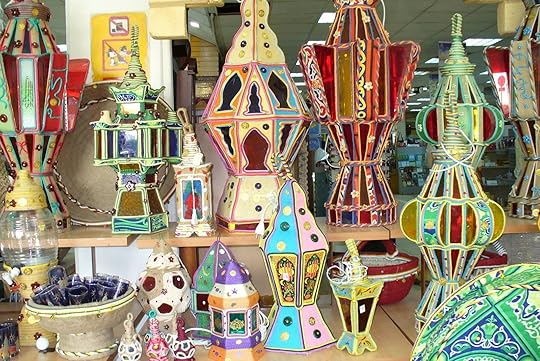
L is for Lanterns
Although these Ramadan lanterns are typical in size and shape, the colored cording and buttons are a unique addition. These were on sale in a well-known department store in Cairo. You can learn more about lanterns by reading my book, An ABC Escapade through Egypt, or by visiting http://www.bernadettesimpson.com/lant...



May 25, 2009
P: Pelican

P is for Pelican
Flocks of White Pelicans pass through the Nile Valley and Sinai during their spring and autumn migration, although this photo was taken at the Giza Zoo. The birds like to soar high in the warm-air thermals, similar to the White Storks who also migrate through Sinai. (photo coming soon!)


May 16, 2009
W: Women
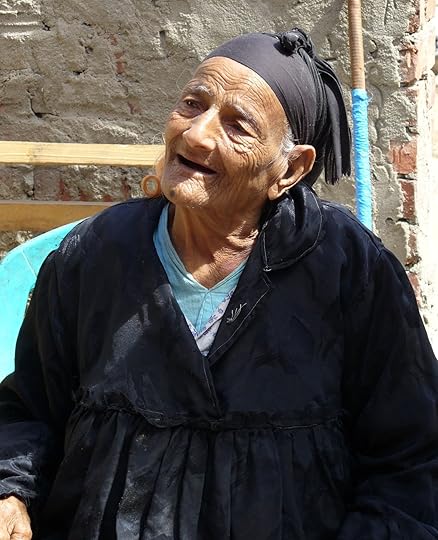
W is for Women
On a visit to the City of the Dead, my mother and I met and visited with a group of women. My mother entertained them by dancing to their Egyptian music – and I snapped this photo as she watched.



May 13, 2009
G: Galabeyya
Instead of a photo of galabeyyas, today I’m just sharing a BBC news article about them:
“The galabeyya, a traditional ankle-length gown worn by Egyptian men, may be about to get official status if an Egyptian MP gets his way. Mustapha al-Gindy wants the simple galabeyya, until now more associated with men in rural areas or manual labourers, to be promoted as the national costume of Egypt.
‘Everywhere, except Egypt that is, people have their national dress,’ Mr Gindy protests.
‘In Egypt, if you wear
May 9, 2009
B: Bread

B is for Bread, Baladi Bread
Baladi, or local, bread is a staple here in Egypt – and one of my favorite types of bread! You can learn more about baladi bread by reading An ABC Escapade through Egypt or by visiting http://www.bernadettesimpson.com/bread.html


May 6, 2009
G: Galabeyya
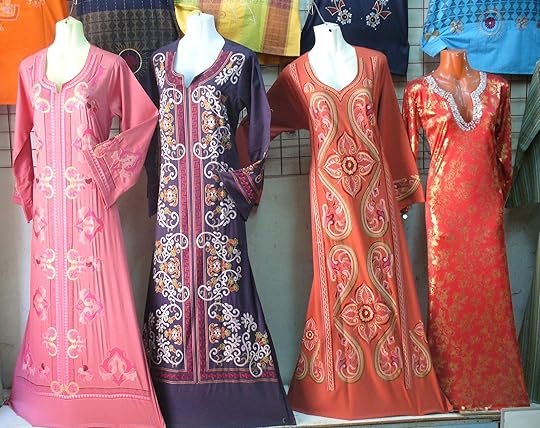
G is for Galabeyya
Galabeyyas are traditional clothes worn by Egyptians and other Arabs - the designs and shape varying by different groups/regions. These were on display in Kerdassa, Cairo - a place well-known for its galabeyyas and weavings.


April 28, 2009
J: Jacaranda
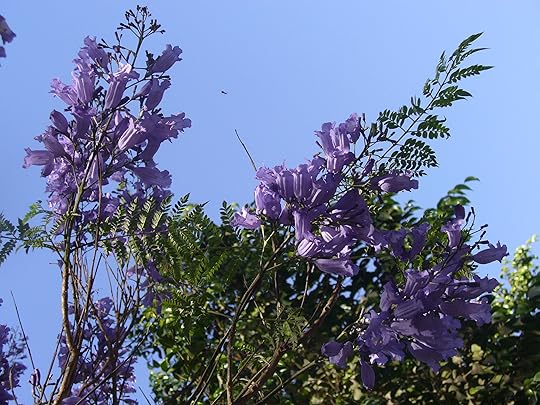
J is for Jacaranda
Jacaranda trees are not native to Egypt but a very popular decorative plant…and one of my favorite things about springtime in Ma’adi.


April 16, 2009
B: Bedouin
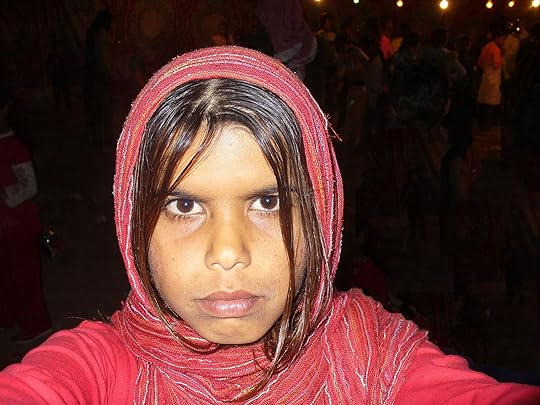
B is for Bedouin
I can’t actually take credit for this shot…my young Bedouin friend took the photo of herself (as she often likes to do) at a wedding in our village neighborhood (Asalah) in Dahab, South Sinai. Raeda is a member of the Muziena tribe, the largest tribe in Sinai. They live mostly in South Sinai from Sharm el Sheikh to Nuweiba on the east coast.



April 9, 2009
H: Hibiscus
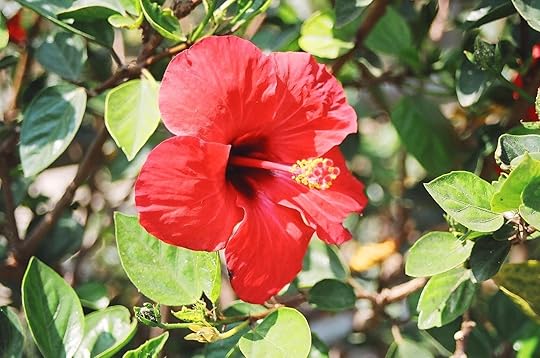
H is for Hibiscus
Hibiscus sabdariffa is a common flowering plant in Egypt. The petals of this flower are used to make karkade, a popular - and delicious! - infusion sweetened with sugar and consumed either hot or cold. This particular flower was growing in Azhar Park, Cairo.


April 3, 2009
B: Bee-eaters

B is for Bee-eaters
A European Bee-eater (Merops apiaster), to be exact -my absolute favorite bird! These colorful birds pass through Egypt during their spring migration and I wait all of April for their unmistakable calls. I took literally hundreds of shots of these birds a few years ago but ended up with a only a few clear images. Maybe I’ll get some new shots in the next few weeks while I am in Cairo! Although last year I actually did see a few bee-eaters here in South Sinai. Perhaps they wer