
S. Kay Murphy's Blog, page 9
February 10, 2021
By Any Other Name
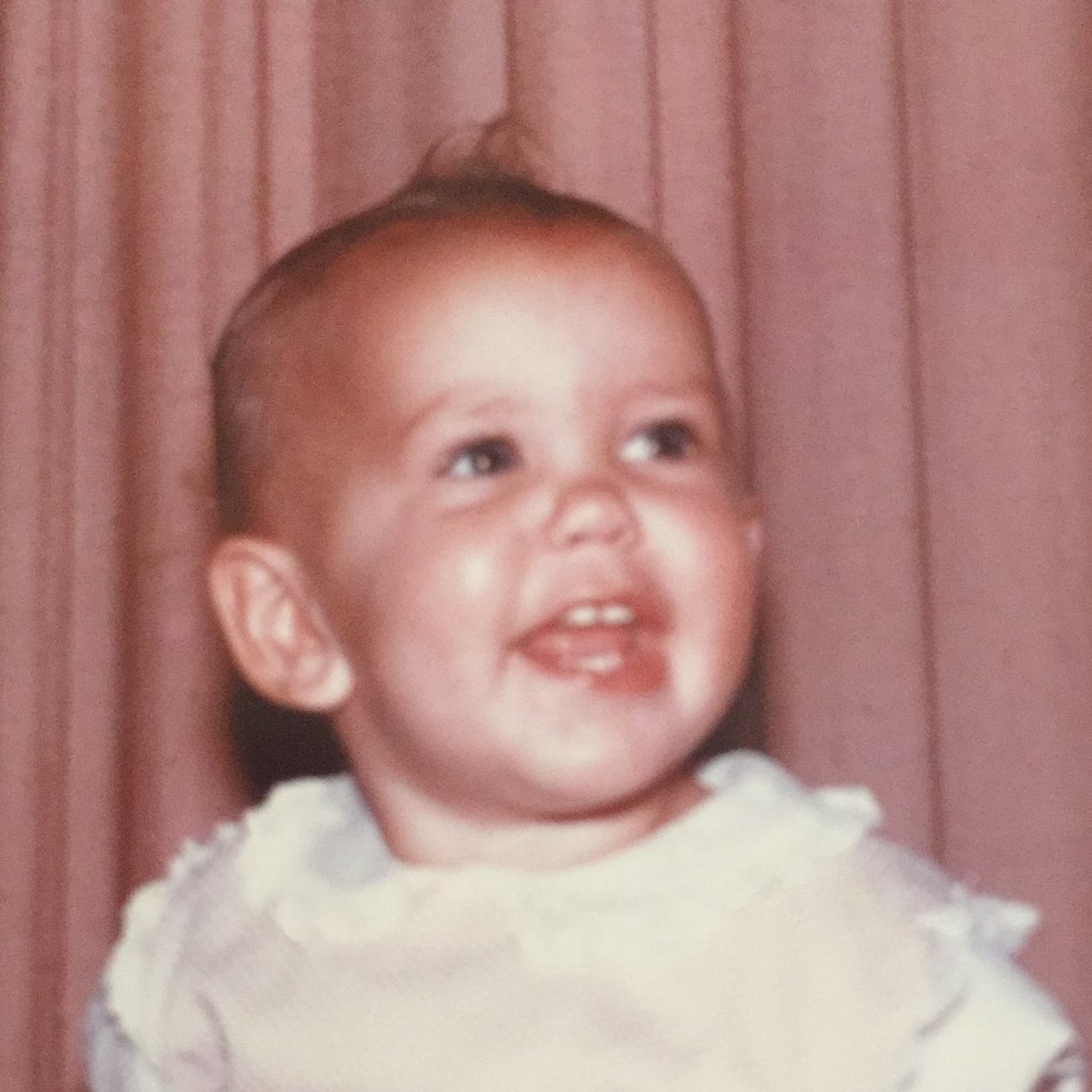
While my legal name is S. Kay Murphy (yes, “legal,” as in “court order legal”), my brother and sister, my nieces and nephews, and a couple of guys from my long ago past call me “Cher.” That’s not really my name; it’s a diminutive of my original first name—the name I no longer use.
I made the shift over to using my middle name when I went to college. I didn’t want to hear my professors use my original first name, and the registrar insisted that I couldn’t use my nickname. “Fine,” I told her, “I’ll be Kay from now on.” And so it has been.
I never asked anyone who called me “Cher” to make the switch. I simply started introducing myself to new people as Kay. It’s a good name, a solid single syllable with a strong hard consonant beginning. It’s also not gender specific, as it was originally a male name. (I learned this from my daughter when she gave my first grandchild “Kay” as his middle name. “Mom, Sir Kay was one of the first knights of the Round Table.”) And Kay can be spelled with one letter. (If we’re in email contact, and I love you, you’ve probably read a missive from me that’s signed thusly: Love, K. Conversely, once while I was getting a pizza, the young woman taking my order asked for my name. When I replied, she said, “How do you spell it?” “However you like,” I told her. “I just use the letter,” which only confused the poor thing.)
My parents had no reason to name me what they named me, as my mother explained when I was very young. I wasn’t given an old family name nor was I named after some famous person or beloved friend. “We just needed a girl’s name,” she told me. “I think it’s a saint’s name.” It’s not. I checked. It’s just…random.
I changed my original name because hearing it spoken makes me deeply sad. No one ever called me that except my father. My mother and my siblings called me Cher. But my father called me that name, and never with fondness or affection. Even as a very small child, I could hear the disdain in his voice. His resentment and outright dislike of me were evident whenever he spoke to me, and he generally only spoke to me in order to issue some command or reprimand. That’s what I associate that name with, someone speaking to me with hostility. Someone who should have been using terms of endearment. He might as well have been saying, “Hey, ugly!” or “Hey, stupid!”
I didn’t change my name because I thought S. Kay Murphy was a cool pen name (my first book, Total Preparation for Childbirth, was published under “Cher Randall,” the latter name being my married name at the time) or because I am pretentious or to be mysterious when people ask, “What does the S stand for?” And boy howdy, do people ask. I’ve been known to prevaricate in answer.
Solstice
Savannah
Serendipity
Searlait (Pronounced “sheer-lit,” this is actually an old Irish name comparable to “Charlotte” in English.)
What fascinates me is that some people can’t let it go. I’ve had colleagues attempt to look up my personnel file in order to get satisfaction, so that they could be the only person on campus with the knowledge of what the S stands for. Of course, had they been successful, all they would have found was my legal name, S. Kay Murphy.
Decades ago, when I first changed it, I would reveal the name if someone asked. What I learned the hard way was that if I told them what the S stood for, some folks felt compelled to call me that repeatedly, saying the dreaded name over and over again, insisting that it’s a fine name and that “there’s nothing wrong with it.”
No, there’s nothing wrong with the name. I’ve had friends with that name, and I have no trouble saying it.
But I am not that name. I am not the person my father perceived. I am not the disappointment, the shame he foisted on me. I am my own person, with a strong sense of my own agency and independence, and because I am, I can discard what is harmful to my psyche, and I can replace that toxic thing with something that better represents my true authentic self.
Thus I have done so.
Just…so you know.


January 24, 2021
Sunday
The Pasture, by Robert Frost
I’m going out to clean the pasture spring
I’ll only stop to rake the leaves away
(And wait to watch the water clear, I may):
I’m going out to fetch the little calf
That’s standing by the mother. It’s so young,
It totters when she licks it with her tongue.
I sha’n’t be gone long.—You come too.
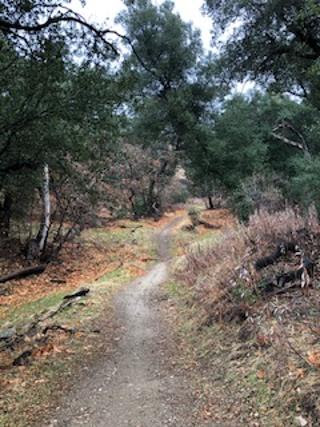
This path leads deep into the forest. Care to join me?
I chose this hike today for two reasons. The first—the best—is that it rained last night, and I love what happens to the woods when they are saturated, all the colors and contrasts, the rich scents and quiet drippings from the tall trees. The second reason isn’t nearly so nice; this is a hike I rarely do because Thomas, my favorite hiking buddy, doesn’t like it. No doubt he has gotten more than a whiff or two of the wild things that roam here, and he is always on high alert and anxious when we come. Alas, I resignedly accepted the news from the vet on Friday that Thom will no longer go on walk-abouts with me. He has severe arthritis in his shoulder, poor old man, so he has been placed in retirement, limited to short walks but not limited at all in the amount of love and affection (and treats) he will continue to receive.
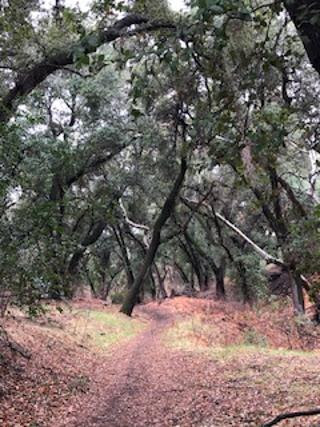
If it’s 40° when you set out, taking a photograph—even with your phone—requires removing hands from pockets, the glove from your right hand, and the phone from your left pocket. Take the shot, then repeat the process in reverse. We may do this a few dozen times on this walk. Never, though, get so caught up in getting the right shot that you cease to be vigilant. Your eyes must always keep scanning for movement, for the deer or the bobcat or the bear or the coyote… or the mountain lion you’ve heard tell lives here but have never seen.
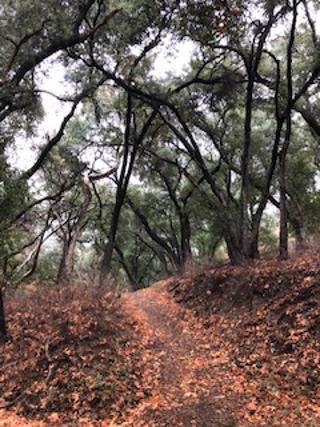
Have you noticed, as we walk deeper into the woods, that the rush of traffic on the freeway has died away? The soft crunch of our footfalls on the damp, leaf-strewn earth is all we hear. Wait—that quick, muted thudding we hear as we stop for another photo is… something. Deer? Probably. Let’s assume so, and keep walking.
Oh! Did you see that? If you looked up in time, you saw the redtail hawk gliding past directly over our heads. She carried nesting material in her beak. Is it time? Already? It’s time. This is what winter is for. Getting ready for spring.
A brightly colored male towhee hops around on a branch, eyeing us suspiciously without taking flight, flicking his tail dismissively. “I am not afraid of you, wingless creatures!”
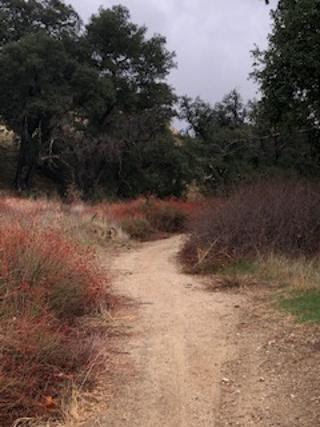
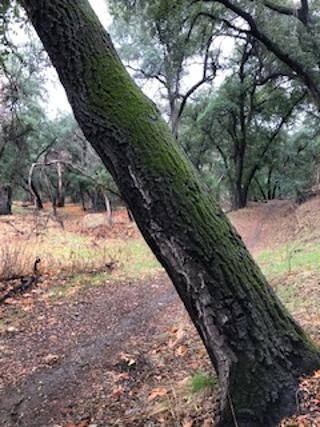
You can see now how the rust color of the wild buckwheat looks almost crimson with its saturation of rain water, and the moss on the side of that tree trunk is the best color of “forest” green.
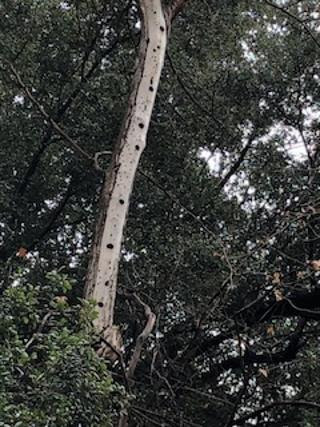
How do woodpeckers make such perfectly round holes in the trees? It's another one of those mysteries of Nature that makes us stop in our tracks in amazement.
My goodness—Have we walked a mile already? I have hot soup waiting at home. Let’s turn around now and walk back.
January 16, 2021
Gotcha Day #7
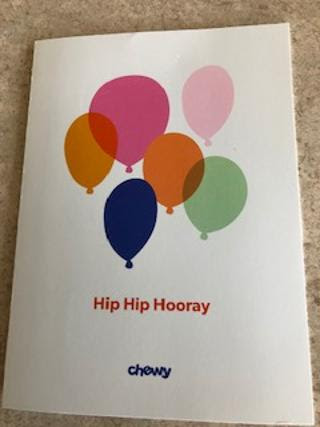
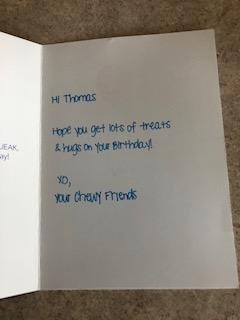
I used to love going into Petco or Petsmart, reading labels, talking to dog and cat rescue volunteers on the weekends, browsing the cat toy aisle. Then the pandemic happened, and at my daughter’s suggestion, I began using Chewy.com. Besides saving me money and allowing me to stay home and stay safe, the folks at Chewy actually sent Thomas a birthday card. How cool is that?
We count his “Gotcha Day” as his birthday. Sort of. I have no idea how old he is, but he’s definitely a senior boy now. Seven years ago my vet said, “Maaaaayyyybe six-ish…,” so that would make him at least thirteen. Wow. How those years have flown.
Seven years ago, I brought home a dog who wanted nothing to do with me. The first time I actually touched him was the day after I adopted him, after he’d been neutered and I had to pick him up from the vet. In those first moments, I wondered if I’d lost my mind. I couldn’t walk him. I had to corral him in the garage in order to get a leash on him. He was afraid of everything—people, cars, motorcycles (the sound of a motorcycle starting up blocks away would send him into a panic), cell phones. The cats.
The first five days were dicey. Then he adjusted to the routine, allowing me to catch him and walk him (though he kept his tail tucked the entire time). For months, he spent his days curled in a tight ball in a corner of the back yard, and he spent his nights restless and pacing. We walked every day, and I sat with him at night before bedtime, petting him and brushing him, but he would flinch every time I touched him.
Seven years later, he still flinches when I touch him. Every. single. time—except in the wee hours of the morning, when I lean over the side of the bed, reach my hand down and stroke his head if he’s having a bad dream. Then he sighs and settles, stretching his legs and drifting back to sleep.
About a year and a half ago, he decided he actually liked being petted and having his back rubbed at night (something I’ve been doing just about every night since bringing him home). He realized that my bedtime ritual meant he was going to “get love,” and he started his new habit of plunking himself down on the bedroom floor just outside the bathroom, wagging his tail and watching me brush my teeth. When I finish, he moves his head excitedly from side to side, sort of pointing to his back with his nose, if that makes sense. When I sit on the floor beside him, he immediately flops over on his side. As I rub his back and scratch his ears, his entire body relaxes. Sometimes he falls asleep there on the floor. Sometimes Purrl gets jealous and bites his toes, at which point he jumps up. But he never retaliates. Such a good boy.
Around the same time that he started that habit, he created a game called "come-and-get-me-because-I-would-much-rather-get-love-than-go-for-a-walk." At least that's how I think of it. Every single morning when I lift his collar and leash from the hook by the back door, he bounds away into the living room, wagging his tail, woofing quietly and doing dog bows. When I get within three or four feet of him, he takes off down the hallway to the bedroom. Once there, he flops on his side in "get love" mode, refusing to get up until I rub his back and his belly as he rolls from side to side, kicking me with his feet in a fit of playfulness that is amazing for a dog his age. It is the only time he is playful, so I take full advantage, and we sit on the floor like that for a good five minutes until I finally trick him into getting up by walking away down the hallway, at which point he will get up and acquiesce to going for a short walk.
Lately, we have been doing fewer walks out in the hills together. His joints are old and creaky, and he hates doing hills. (So do I, but they are necessary in order to maintain fitness. As a dog, he doesn’t care about all that.) I have a new supplement on order, and I’m hopeful it will help him with that, but even still, he’s not enjoying the walks out there, so I’ve had to go by myself.
We still walk, though, every morning after he’s eaten half his breakfast, usually around 5:30. Sometimes we leave the house late enough to see the first glimpse of the sunrise. We do a lap around the block, and then he finishes his food. In the evening, I take him ‘round again, just at sunset. He hates to walk when there are people still out and about, but he has learned that part of being a good boy is to tolerate what I ask of him.
After all these years, he never overtly shows me affection, and he’s still learning to trust me. His bout with pancreatitis a year ago and another day-long ordeal in the emergency room for stomach issues in December have drawn us closer, however. He is always so relieved to finally return home and feel safe again that it strengthens his bond with me. He knows that when he hurts, I will help him.
Seven years ago I went to my local shelter looking for a 30-40 pound friendly female dog. I came home with a 60 pound feral problem child with severe fear and anxiety issues. And I’m so, so glad I did.
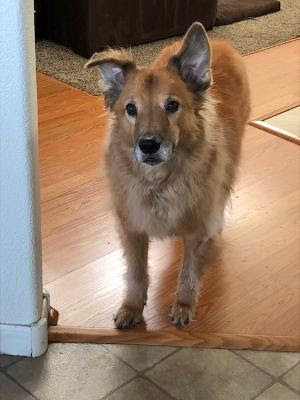 Thomas today, January 16, 2021.
January 15, 2021
In Harm's Way
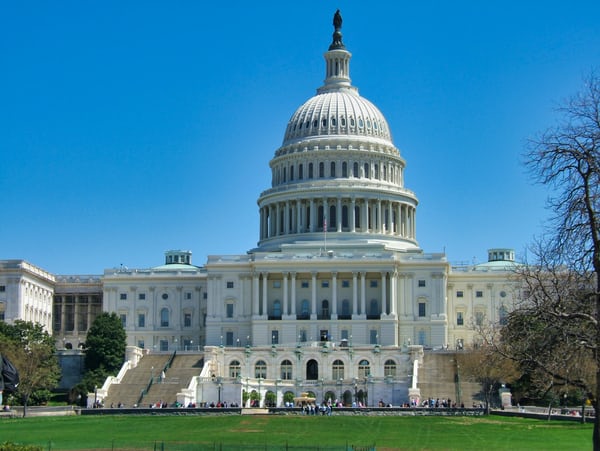
Friends, I have been trying to write this blog post for a week. It’s been in my head, but somehow, I couldn’t make my fingers dance across the keys and tap it out. In fact, with the exception of two rather lengthy journal entries, I haven’t been able to write at all this week. (Apologies to my beloved characters in the middle-grade novel I’m working on.)
No doubt we’ve all been processing what took place in Washington D.C. last Wednesday. There’s been a lot to discover, sort out, process, discuss… even, perhaps, argue over just a bit, as I have done with my neighbor.
I had thought about opting out, not writing about this event at all, just skipping over it. There’s another topic that’s been in my head for weeks, and I really need to divest myself of those thoughts… but it will have to wait. My reluctance has been mostly my reticence at sounding like a broken record. I’ve said these things before. Do I want to say them again? I guess… yes. Yes, I do. Maybe it’s true that if we keep saying the same thing over and over (“The election was rigged!”), people will begin to believe us.
When the chaos had cleared in the Capitol, I told someone close to me that I was sad about the death of Ashli Babbitt, the young woman who was shot while storming the building. His response was, “I’m not. She put herself in harm’s way. It’s her own fault.” And then I was doubly sad. Because, while what he is saying is correct, it is wholly lacking in empathy. I am sad for the loss of her life, for the grief this has imposed on her family members.
Am I sympathetic to the insurgents? Well… yes and no. This is where the repetition begins.
What made Ashli Babbitt react so strongly to the result of an election that she, an Air Force veteran, would use force to attack her own nation’s capitol in order to overturn that vote?
Fear.
I know, I know. You’re going to say she wasn’t frightened at all. She was “angry” or “radicalized” or “batshit crazy.” Of those three speculations, I believe anger comes closest. Because when we’re frightened, we often lash out in what looks like anger. (A quick scroll through Babbitt's Twitter feed, which is still active, may validate my point for you--if you can stomach it.)
Look, just let me say this again and get it off my chest. Then I’ll go on to post a nice blog about my dog, with lovely pictures attached.
Here it is: Trump’s base has followed him so loyally because he has unleashed the hounds of hell. He has acknowledged, legitimized, and promoted the worst racist factions in our country. There came a time, after the Civil Rights Movement, in which it was seen as ignorant or backward or rude to display a Confederate flag. Most nice folks just didn’t do that anymore. But Mr. Trump made doing so not only acceptable, he made it fashionable. And those who have kept a low profile, who previously only expressed their true feelings about non-white races to others who were like-minded, have now crept out of the darkness. Their rallying cries have been echoing across the country for four long, dreary years now.
I don’t know much, but I do know about racists. Truth is, I am far too familiar with them. They share one thing in common. Talk to any racist long enough and bluntly enough and eventually you’ll hear his story, the defining moment that made him begin to fear those who are different, some incident in which he was harmed in some way or cheated or stolen from. Believe me, I’ve heard far more stories than I care to remember.
Or in some cases, you’ll hear about their parents. “My Daddy always told me….”
Fear is often an unconscious response. After Trump was elected, and he instituted the Muslim ban by executive order, I heard many of my white conservative friends express relief at no longer having to fear terrorist attacks. (Little did they suspect, I’m sure, that they would watch a terrorist attack carried out by their own countrymen.)
Sadly, there has been too much fuel dumped on this fire of fear, this kindling of ‘what will happen if.’
Just before the election, my neighbor, a devout Christian and avid Trump supporter, told me, “I’m afraid of what will happen if the election doesn’t go the way the Democrats want. I’m afraid we’re going to see more rioting.” (The rioting he referred to was related to the protests against the public lynching of George Floyd—“public lynching” being my words, not his.) When I tried to reassure him that Democrats might be profoundly disappointed but certainly not violent, his response was, “I hope you’re right. But if you’re wrong, I will bring my guns and defend your home.”
Let me insert here, I don’t live anywhere near a major, diverse metropolis. I am blessed to live in Southern California, but Los Angeles is over 70 miles away, as the crow flies. My little, semi-rural town has a densely white demographic, the majority of whom follow conservative party lines. If left-wing individuals wanted to plan some sort of violence, they’d have to do some pretty serious recruiting from places far, far from where we live.
But my neighbor’s fear is very real to him. He feels it viscerally. He sees the violence on TV, and the news outlets he prefers amplify that sense of threat and menace and urgency.
This is not the first time we’ve experienced this in our country. I was 11 years old in August of 1965. We lived in Lakewood, a suburb of Los Angeles. I remember a neighbor coming over to warn my siblings and I as we worked on some project in the garage that we needed to go inside the house and lock all the doors because the “negroes” were rioting.
I was living with my children far from L.A. during the riots of April, 1992, but a neighbor stopped by with a similar warning even then, saying that “blacks” were “getting on the freeway and driving this way.” That neighbor was a retired law enforcement officer. He was certain that he had “solid intel” from his sources in Los Angeles.
Psychologists long ago documented our innate fear or at least mistrust of anyone our brains characterize as “other,” anyone who looks or speaks or perhaps worships differently than we do. And we have known for countless generations that the most powerful weapon that can be used to control others is fear. Create terror in the hearts of the masses, then offer yourself as the one chosen to deliver them from that evil, and you will have their abject loyalty and devotion. Sadly, we have seen this play out in history over and over again, most recently with the president who told us we needed to close the borders and build a wall so that terrorists, murderers, drug lords, and rapists could no longer threaten us. Oh, and also those from “shit-hole countries” who might come here and take all the jobs.
I say all this to simply reiterate what I have said before: What happened at the Capitol was absolutely heartbreaking, yet no surprise at all. When you spend years fomenting violence by inundating the human psyche with warnings of unspeakable things to come, constantly stimulating that ‘fight or flight’ response, eventually, humans will explode.
We saw that mass explosion on January 6, 2021. Tragically, until we stop the hate speech, the lying and the threats, until we silence the fear-mongering, we will continue to witness similar events. Until we all work to find common ground, to be willing to lean in to hear the voices of others who may be far from us on the political spectrum but still close enough to reach out to if we stretch ourselves, we will continue to be profoundly polarized, and that is heartbreaking indeed.
December 14, 2020
Is it the season? Really?
 You'd have to see this one in person, but the hard work of my neighbors in Space 307 in Plantation on the Lake shows even in the picture.
This post is two weeks overdue, but life kind of went sideways on me right around the 1st of December. I'm back. I think. More on that in later posts. I think.
For now, let me just say that it has been hard to get into the "Christmas spirit." For me, Christmas is far less about giving or receiving gifts, and far more about seeing my kids and my grandkids. Due to the pandemic, we won't be seeing each other this year. We didn't see each other on Thanksgiving, either, and I haven't seen most of my grandkids since last December. So, yeah, a year ago.
I don't want to dwell on that. It just makes me sad.
So allow me to reminisce, if you would please.
In 1994, two months after my first grandchild was born, I bought my first home as a single person. It took nearly every cent I had, and it took months to close escrow, but there we were, my kids and I, loading up our vehicles in a light rain just a few days before Christmas.
On Christmas Eve day, I shopped for gifts, bought a Christmas tree for our new family room, and made lasagna for our Christmas Eve dinner. My daughter and her husband came over with tiny, eight-week-old Ben, and I started a fire in the fireplace--only to fill the house with smoke because I had forgotten to open the flue. We hustled the baby outside while my son-in-law valiantly stuck his head into the fireplace and pulled the flue open to rescue us all. Sometime later, after we'd enjoyed dinner and were opening presents, the Christmas tree, hastily thrown into the stand by yours truly, fell over on top of me. I don't think I've ever laughed so hard since. I fell asleep on the couch that night, my kids gathered around, my grandson asleep on my chest.
Best. Christmas. ever.
The next morning I walked early with my boon companion, Alex Haley--not the author, but my big Rottweiler, Chow Chow mix, Alex the pound puppy, who would have loved nothing more in life than to always be within three feet of me, wherever I went.
The following is an excerpt from my memoir, The Dogs Who Saved Me:
I woke early to light rain falling on Christmas morning. Throwing on some jeans and a hooded jacket, I took Alex out to explore our neighborhood for the first time. We walked around the housing tract, misty sprinkles accumulating on Alex's fur, looking for all the world like tiny diamonds displayed on black velvet. He didn't seem to notice as he trotted ahead, sniffing each yard to learn who lived there, then returning to me to check on my progress. As we turned a corner, I saw Christmas lights blinking in the gloomy, overcast dawn, the yard filled with glowing animated decorations. Christmas lights were a simple pleasure we had been unable to afford for years. I vowed that by next year, even if we had to start small, we would have a string or two of lights to celebrate the holiday season.
My point in posting this flashback is simply to say, while some of us may not feel like decorating this year (I have yet to hang my outside lights--even though it only takes me about a half hour), I am ever so grateful for those who have. My neighbors throughout the community where I live really brought it this year. I have been walking at night (without Thomas, who, unlike Alex, is fearful of every new twinkling light or inflated creature), enjoying every colorful display, every festive expression of peace on earth, good will toward humankind.
If you decorated the outside of your home, no matter the extent, or put a brightly lit tree in your window, thank you. I'm not going to go door-to-door and thank every one of you personally (which would not be prudent at all in this time of pandemic), so this is my way of saying thanks; your effort means more than you will ever know.
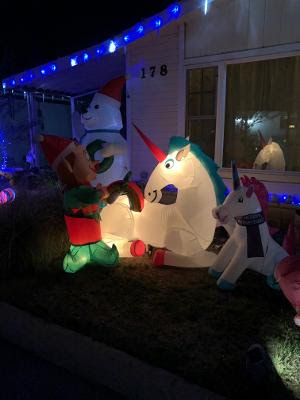
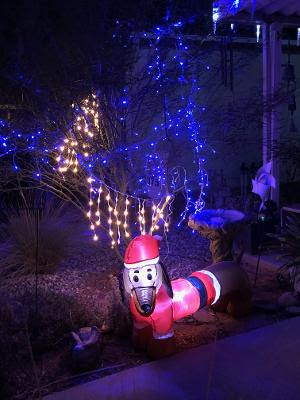 I love how my friends Chuck & Sonny decorate for Christmas because they include unicorns. Huge smile factor here!
November 14, 2020
Subconscious as Super-Hero (Revisited)
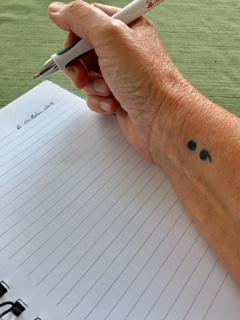
These are my notes for the Long Beach branch of the California Writers Club:
This discussion began as an email exchange between myself and M.L. Welker, author of Blockbuster Blueprint. (Click on his title to find the book on Amazon.) As creative people who love to write, we wondered why we didn't do more of it, why we went long periods of time in between projects. My excuse had always been that I needed "more time" or "blocks of time" to write. But once I retired from my day job, I realized that just wasn't true. So did he.
So we called upon his knowledge of neuroscience and my knowledge of psychology, and between the two of us, we came up with an answer:
We were "stopping" because of a defense mechanism, because our subconscious minds were diverting us in order to protect us.
Our subconscious minds work a lot like my dog, Sgt. Thomas Tibbs.
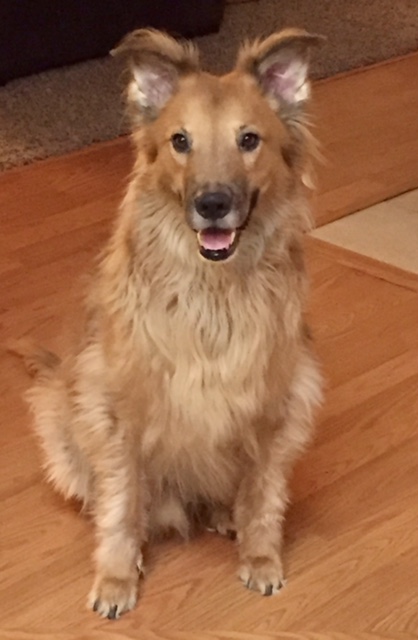
Because he is fearful of the outside world, when we begin our walks every morning (and I mean every. single. morning. for the past seven years), he turns in front of me, attempting to gently herd me back home. Why? To protect me from a potentially dangerous world.
Our subconscious minds do the same, steering us gently away from people or situations that it (we, subconsciously) may perceive as threatening. This is on a primal level, and we're often not even aware that it's happening--and that is the key in regard to writing.
While on a conscious level, you may be very excited about a new project or idea you've had, and you can't wait to begin writing it all down, your subconscious mind is sending out a threat alert: "Danger, Will Robinson!"
Why? Because writing is a big, scary thing.
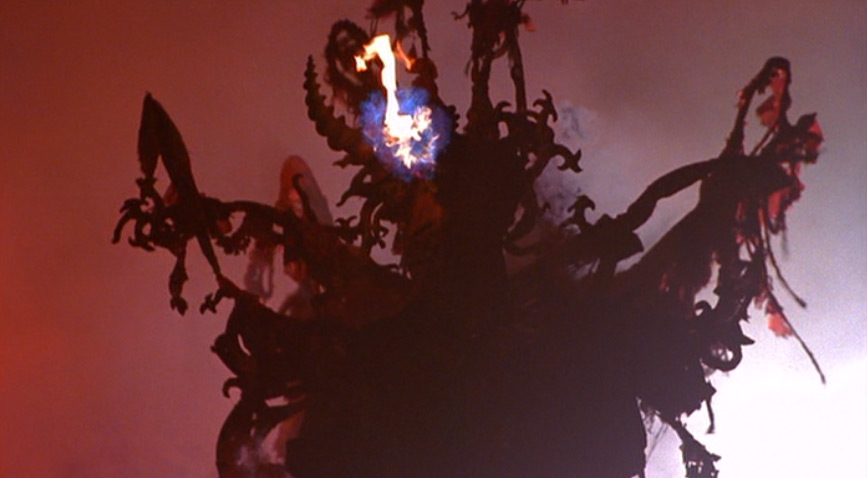 The "Red Knight" terrified "Parry," Robin Williams' character in The Fisher King.
 I don't mean this on a conscious level. On a conscious level, you have a great idea or ideas, and you are excited about getting to work on that story or essay or book.
Despite your enthusiasm, however, it's likely that your subconscious mind is experiencing fear and self-doubt, or is reviewing past negative messages, or is reluctant to allow your conscious mind to immerse itself in loneliness and isolation in order to complete the task. Let's face it, it's much more comfortable to immerse ourselves in the now available endless possibilities for successive Dopamine hits--social media, Youtube, Netflix, to say nothing of the good ol' TV and the hundreds of channels we can now surf through. For some of us, that Dopamine hit comes from a hike in the mountains or a bike ride. Your subconscious can use all of those choices to divert you from your writing project (just as Thomas attempts to divert me from our walk.)
How do we control these primal instincts and encourage our subconscious minds to work for us instead of contrary to our goals?
The answer is pretty simple, actually. Just be aware of what's going on, and give your subconscious credit for all the good stuff it does.
Keep in mind, your subconscious really does have your best interest in mind.
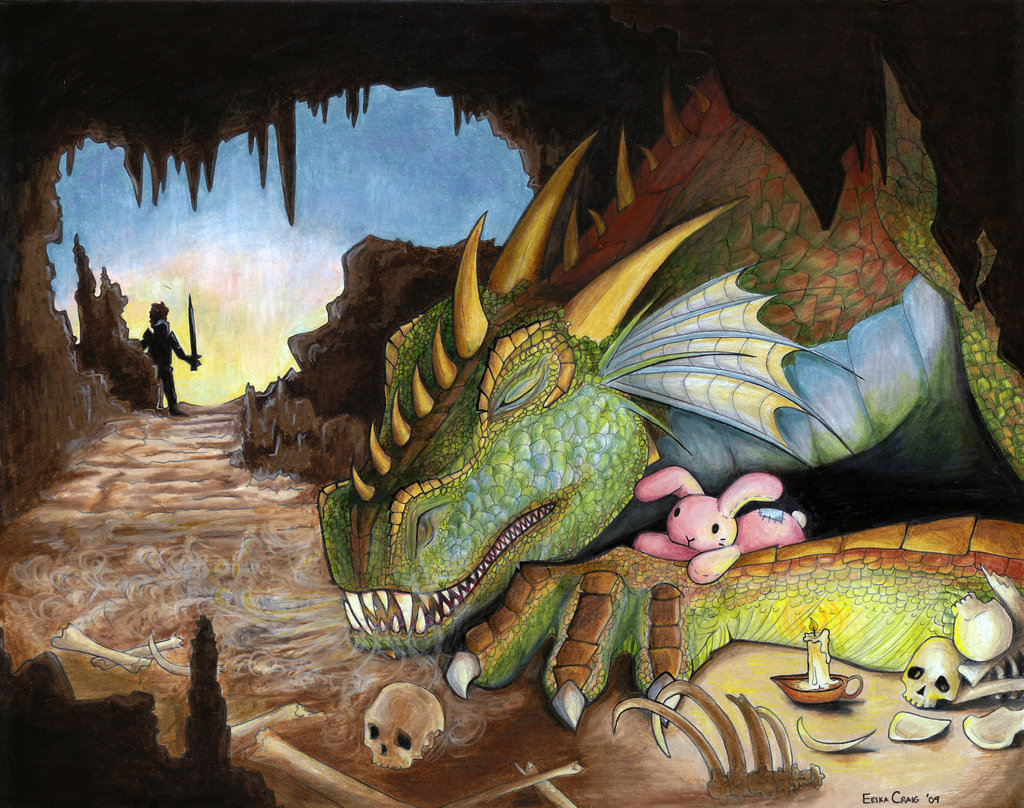
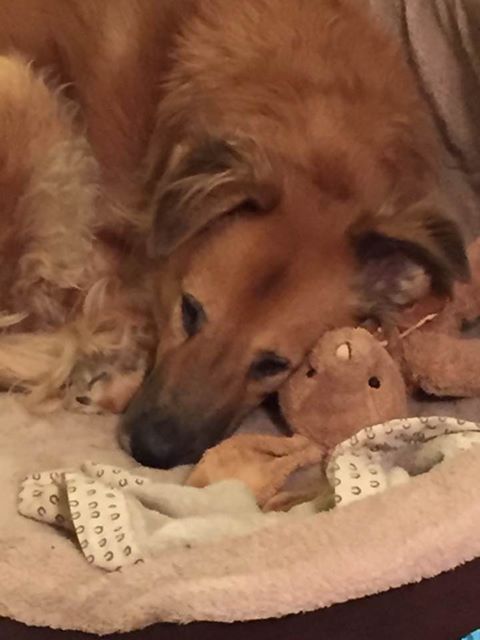
(Oh, sweet! Looks a bit like Thomas, doesn't it?)
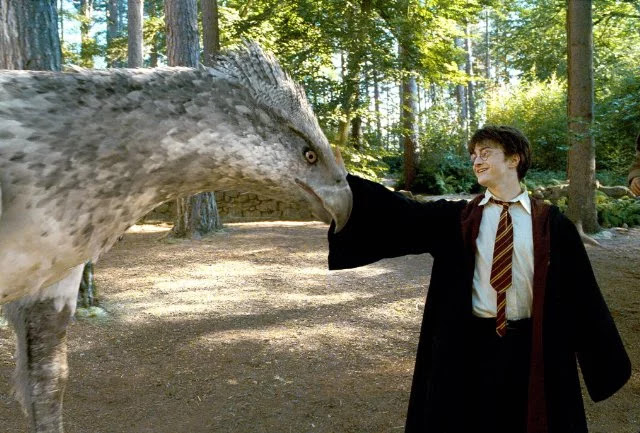
I like to think that my dragon subconscious is truly my buddy guarding the treasure in my head. I just have to calm him down (like Harry Potter did with Buckbeak) to get him to stop guarding and allow me access.
Here's how to do that:
1. Regimen: Determine your best time to write, make a space for that time period in your life, and show up to the appointment. Our suggestion is that your goals are time-based instead of word-count or page-based.
2. Recognize: The writing process is as much subconscious as it is conscious. It's important to shut off the clamor and chaos of your daily routine. We recommend a few minutes of meditation or yoga or music or walking in order to allow yourself to get "in the zone" (also known as "trancing"--no, really).
3. Reward: Dopamine hits (cute puppies or kittens or grandkids, funny videos, or dark chocolate peanut butter cups) should be held out as a carrot before the horse. Or dragon. Or hippogriff.
4. Remind/Rewind/Review: As soon as you become productive and perhaps even successful, your subconscious will begin working overtime again, trying to convince you that this is scary stuff. (It is scary!) Remind yourself often that this is your unique story, told with your unique voice, and there really is an audience out there waiting to hear from you. Honest.
October 29, 2020
Purple
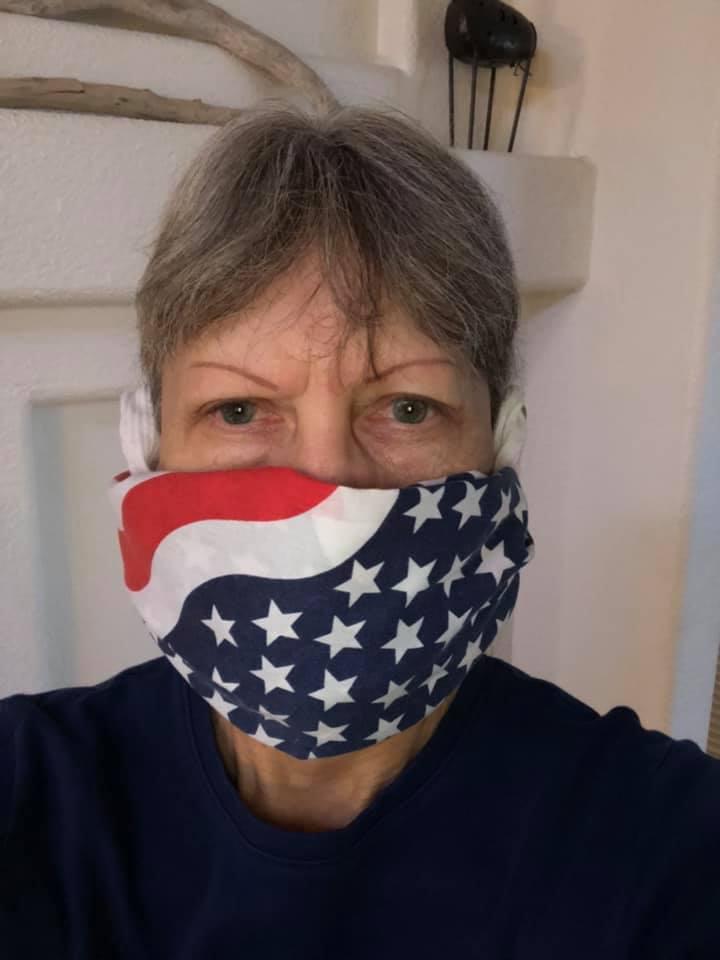
Even if you’ve been living on the moon for the past few months, you will still be aware that we are ramping up to one of the biggest (at the very least, in terms of voter turn-out) elections in decades. Because if you’ve been getting your mail forwarded to the moon, you can’t help but see all the campaign ads. If not, just look down here; you can probably see the giant flag my neighbor put up months ago in support of that one candidate.
I have a flag up, too, plus a yard sign, but mine is for the other guy.
If you’re questioning whether you should keep reading because you’ve absolutely had it up to your eyeballs with all the political vitriol and you don’t want to hear it from me, you won’t, so keep reading. Please.
You know if you’re a regular reader of this blog, four years ago I moved to a senior community in Calimesa, a little town (by California standards, population 8,937) 70 miles due east of Los Angeles. Where I live, that one guy has a lot of fans, and I’ll give them this respect: They are absolutely enthusiastic about their guy.
So flags and signs went up early on in the campaign all over the park (even though the rules of our lease state that they can’t be up until 90 days before the election, but whatever).
Eventually, signs, flags, magnets and stickers started showing up for the other guy, too. I won’t say there was a balance of the two sides, but both guys are well represented here.
Earlier in the year I spoke to several of my neighbors and friends in the park, and I was sad to hear some of them express a bit of intimidation; they said they wouldn’t put a sign in their yard (for that one guy or the other guy) because they feared retaliation.
Retaliation? Really? Here? Where a firetruck and/or ambulance doesn’t make it all the way to its destination before someone posts on Facebook that they’re in the park, followed by a long list of comments promising thoughts and prayers going out for whomever is in need of emergency response. Or where a friend suddenly found herself in need of insulin for her disabled, diabetic daughter and someone (again, via Facebook) provided that needed insulin within minutes. Where another resident, who doesn’t drive, asked for a ride to a convalescent center to visit her husband who has recently suffered a stroke. No one asked her to declare which candidate she supported. They only asked “What time?”
Several days ago while I was out for a walk, wearing headphones and immersed in a podcast, I noticed quite a bit of traffic around me—cars, golf carts, bicycles, other walkers—and some folks were calling out a name. The scenario was all too familiar to me. I stopped someone and asked if a dog had gone missing. One had, a small brown chihuahua named Isabella. In the high winds we’ve been having, a gate had blown open, and “Bella” had made a run for it. When the owner asked for help on Facebook, 50 people responded within the first two hours. I read all the comments. Not a one asked what her political affiliation is or who she’d be voting for. People just jumped outside and began driving/walking/riding through the park, calling for Bella as they searched everywhere.
This is why I love this community, and I like to think of it as a microcosm of our little town, which is a microcosm of our state, which is a microcosm of our country. For various reasons and due to various experiences in life, we all believe what we believe, but overall, our humanity remains the same; when there is a crisis, when someone calls out for help, most of us will respond without thinking. We are good that way, and I cherish that goodness.
To be honest, I’m looking forward to the day when we can all take our signs down. I know we’re a long way off from feeling “normal” in any way, but I would love to get back to seeing houses decorated just for the holidays, rather than promoting this guy or that guy.
When I was teaching high school, I loved showing my freshmen Franco Zeffirelli’s epic film, Romeo & Juliet after we’d read the play. It gave me a chance to point out to them how subtle a filmmaker can be in providing clues for his audience in regard to what we should be feeling or learning. A background score is one way. Another way is costuming. Have you seen the movie? Did you notice? For the first half of the film, Romeo is always in blue and Juliet is always in crimson. When they appear in the chapel to be wed by Friar Lawrence, however, both are dressed in subtle shades of purple. Why?
Because, as my artistic students used to immediately explain, mix red and blue together, and you get purple.
This is what I’m hoping for after election day. Maybe the red and the blue don’t have to diminish as much as I would love to see them combine to create a bit more purple.
We are more alike than we are different. Let’s champion that with a few signs.
September 26, 2020
Letting go
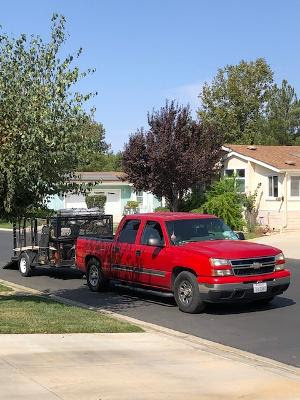
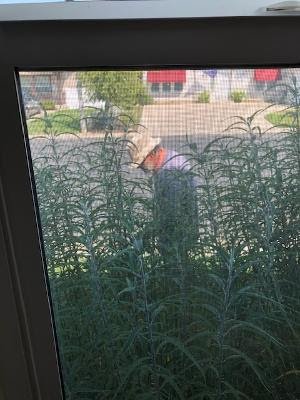
Fortino is mowing my lawn. For the past four years that I have lived in this house, I’ve watched Fortino every Friday mow the lawn of Jackie, the neighbor who lives behind me. He and his crew are quick and efficient, mowing, trimming, and cleaning up. Sometimes Jackie asks him to put in new flowers or take out old plants. He nods and complies. If I am out in the back yard, I wave, and he waves back. When he comes around to this side of the block to mow Gus’s lawn next door, I see him again or one of his crew, and we wave. Once, when I was about to sweep up after mowing my front lawn, one of his crew stepped over with the leaf blower and offered to do it. Took twenty seconds. All done.
I’m not mowing the lawn today. I’m writing. Someone else is pushing the mower, swinging the trimmer, and cleaning up the mess.
I started mowing my own lawn in 1980, when I was married and we lived in Chino and my then-husband was too busy pastoring a church to do it.
When we divorced, I took the mower and edger.
With the exception of the six blissful years I lived in a cabin in the wilderness, and a few years when I somehow hooked up with another husband who was often too busy to help with chores but would, on occasion, do yard work, I mowed my own lawns. For forty years.
My lawns here are small and, if I hustle, I can knock out the mowing, trimming, and clean up in under an hour. But that hustle has begun to evaporate as time has started to take its toll on my body. Sometimes, when my sciatic nerve is screaming at me, thinking about mowing the lawn can nearly reduce me to tears.
Some weeks ago, I had a conversation about this with my cousin Kathleen, who is my age. She’d had a conversation with her doctor, who’d told her, “Kathleen, listen to me, you can’t be doing that anymore.” By “that,” he meant sliding her major appliances out to clean behind them. Did I mention that she’s my age? Look, I saw my mom do a lot of chores when I was a kid, including stripping and waxing the kitchen floor on her hands and knees. I never witnessed her moving the stove out to clean behind it. And now I can’t unhear that, so for the rest of my life, I’m going to feel like my house hasn’t been thoroughly cleaned. Unless I do “that,” and I’ll be honest, I’m not about to, so if you happen to come for a visit, please overlook it.
Kathleen told me this: "We can’t keep doing the same things we’ve always done in our lives." Ironically, a week after my conversation with her, I found myself working on a short piece of writing for a story call-out about “elder care,” describing how difficult it was convincing my mother to give up driving. Of course, she was 86, not 66, but still. It brought to mind Mom’s fierce independence, how she kept insisting that she could get herself and her walker into the car and out again without my help. But she really couldn’t, not without risking injury. And I heard Kathleen’s truth ringing in my ears. “We can’t keep doing the same things we’ve always done.”
I can’t mow my lawns anymore. Not without risking injury. Last week, when Fortino mowed Jackie’s lawn, she told him I wanted him to start mowing mine. He came by after he finished Gus’s yard, and we stood on the porch and talked.
“I see you,” he said. “You work hard.”
“I see you,” I said. “You work very hard.”
He shrugged. “It’s my job. You need to take care of yourself.”
So I am. I’m doing all the exercises my physical therapist gave me, taking the walks my doctor told me to take (even though I was already walking at least 30 minutes a day when she said that, but okay), and right now, Fortino is mowing my lawn, and I’m doing this. It’s my job.
September 23, 2020
Coming Back
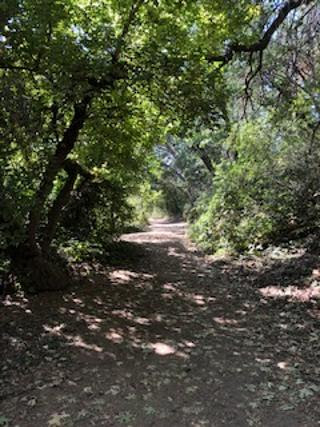
It beckons, doesn't it? An oak leaf strewn trail in early autumn, shaded from the still-warm sun by overhanging branches. The only sounds heard that of a scolding jay and an equally annoyed woodpecker.
As I step onto this trail in mid-morning, I immediately smell apple pie baking at the adjacent apple farm, and my stomach rumbles. I have an apple and a way-too-healthy protein bar (made from a paste of dates, raisins, bananas, cashews, etc) in my backpack, but dang. Who wouldn't want a huge slice of apple pie and a cup of coffee on this glorious morning? And what better place to get both than in Oak Glen, California? Thank you, Universe, that such blessings exist, such opportunities are available. But today I am hiking. And off I go.
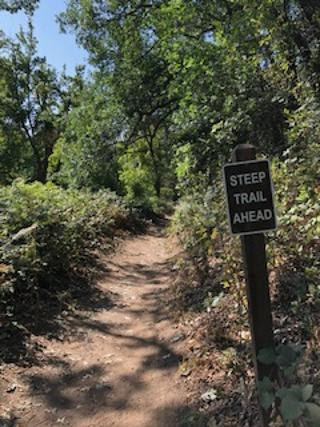
Here's the thing about that sign: Ever come across road signs that say, "Flagman ahead. Prepare to stop" but then you keep driving and see no one for like two miles? Yeah, so, this is like that. The truth is, the trail winds down a very pleasant downhill path. Very pleasant. Very...downhill. So it's easy to keep going, keep wondering what you'll see as you round the next bend. The "steep" part is in the last third of the loop, at which point you reach a set of steps carved into a steep hill and it's just up and up and up for a quarter of a mile. For those of us with holey lungs (and I mean that most literally--hole-y), much panting is required.
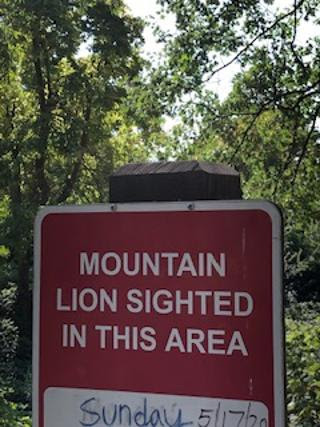
Dear Cousin (because I know you're reading this, looking at this sign, wondering if I'm safe, if I'm crazy), I will admit to pausing for a few minutes before continuing down the trail. Now, I've been down this same trail a time or two or three--but this time was the first time walking the entire trail without my son or my friends or my dog. (No, Thomas wasn't with me, sad to say.) So I stopped to ponder my fate, reflect upon my life, my odds of survival, my need to still take a few risks at this age (66, if you're keeping track), how I might defend myself (hiking stick)--or call for help (cell phone, yep, still got reception). As all this was zinging through my mind, I heard another hiker on the trail, coming from the opposite direction, talking loudly. I saw why when she came into view, saw me with my mask on and paused her conversation to pull hers up. I thanked her, at which point the beautiful gray and white pit bull she had on a leash lunged across the trail at me, wagging his tail furiously, dancing from foot to foot, telling me excitedly "We're doing walks! We're doing walks! I smelled stuff everywhere! I peed everywhere! We're doing good walks!!!!" I petted his head and he slobbered all over my hand, which I accepted as a Holy Dog Anointed Blessing, and I moved on down the trail in the direction they had come up. I mean, let's face it; had there been a mountain lion around, it would have slunk off when Loud Lady and Big Dog showed up.
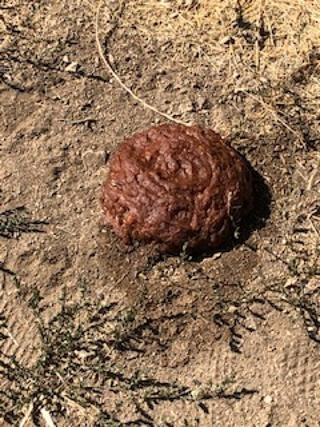
I assume this was true for the bear, too. Oh, there was definitely a bear. I followed his fresh (as in, still glistening) piles of scat down the trail, sighting four in a half-mile stretch (and yes, each one appearing more fresh as I went). What does a bear's poop look like if said bear is lucky enough to live near all the apple farms of Oak Glen? Why, it's sort of its own type of, er, apple pie:
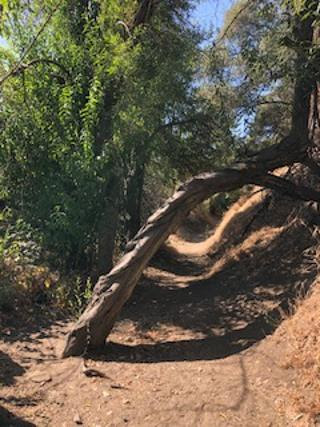
At this point in the trail, I stopped again. In the movies, this is where the mountain lion would be lurking, hanging off that tree trunk bent over the trail. In real life, of course, mountain lions behave like cats, hiding in tall grass and thick brush, blending in--until they pounce with incredible speed and force (unless you have a large dog with you and you're making a lot of noise, which I didn't and I wasn't, so I started singing instead).
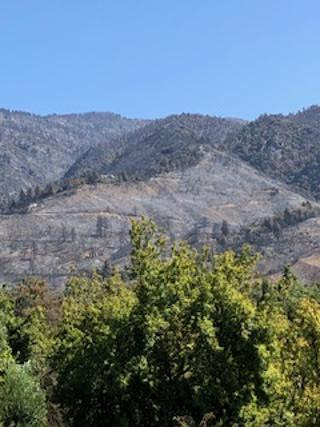
When you reach the top of the trail, this is what you see now: Ashes. The hills above Oak Glen, all the way around the town, from Cherry Valley to Yucaipa, are burned down to rubble from the El Dorado fire, which is still burning this morning and only 68% contained. How firefighters kept that fire from destroying the entire town, I have no idea. I just know that they're amazing.
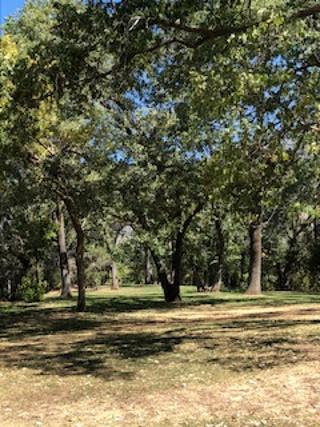
The trail tops out at Oak Knoll picnic area and, lest you think you've survived the trail unscathed, best mind your feet all the way across to the parking lot; rattlesnakes live here. The last time I walked through it, my son and I spotted a baby rattler (gasp!) coiled around a grassy tuft, with people sitting a few yards away, enjoying a picnic, kids running everywhere. We warned them and everyone else around, and a brave soul used a very long stick to encourage the baby snake to take a nap somewhere else.
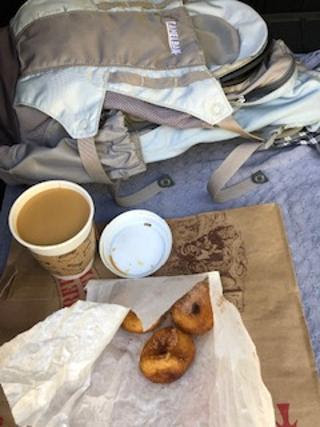
This is how I celebrated upon returning to my car: Apple cider mini-donuts and a cup of coffee. O, how joyous!
Just what was I celebrating? Being able to walk again. I have been struggling for many weeks with another bout of sciatica, unable to do the most basic chores around the house, unable to garden, just barely getting a short walk in with Thomas before needing to lie down on the living room floor and stretch my back. Slowly in the last two weeks, I've felt better. I was able to walk a bit farther every day. This was my first real hike in a long time, and I felt great. Thanks, Universe. I needed that.
September 19, 2020
Notorious
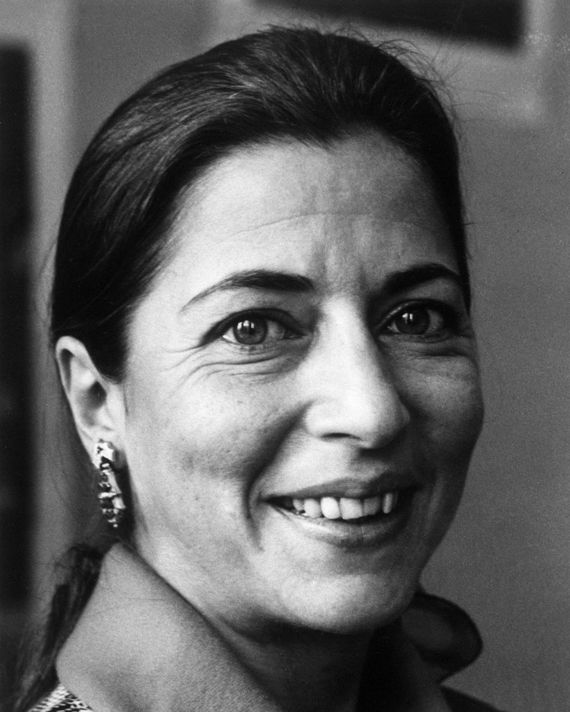 Ruth Bader Ginsburg, photo courtesy of New York Magazine
Why is the passing of Ruth Bader Ginsburg so monumentally heartbreaking for me at this time?
Because I don’t want her to be remembered as the Supreme Court justice who couldn’t quite hang on long enough, whose death ushered in a new era of life-altering decisions that no longer hold toward the middle but are now staked to a court with a far more restrictive agenda.
But I don’t want to talk about that. Her body has not yet been laid to rest. I don’t want the discussion of what might happen next to overshadow the enormous legacy of this woman’s valiant advocacy for other women and for those disenfranchised by the majority.
Why was her life, long before she became a Supreme Court justice, so meaningful to me?
Because I was the gender-fluid female who was told no repeatedly, from the time I was a small child, when I was told not to wish for certain Christmas and birthday gifts because they were for boys, through high school where I was not allowed to take wood shop or auto shop because those classes were for boys, and long into adulthood and even in my church, where I was told that even though I led the congregation in singing, I could not be considered the “Music Minister” because I wasn’t male.
Hard to believe, isn’t it, that this paragon of women’s rights began her professional career by teaching the law instead of practicing it, because despite graduating first in her class from Columbia Law School, no law firm in New York would hire her. Because they simply wouldn’t hire a woman.
Their loss.
Though she was known as liberal in her interpretation of the Constitution, Ginsburg was also highly respected for her sense of fairness and her acute knowledge of the law. She was also known for her sense of humor and her ability to get along with everyone—including Justice Anthony Scalia.
How she did is a mystery to me. In law school, I loved reading Supreme Court opinions—unless they were written by Scalia. I hated his world view, and seethed openly at his words. (Ask Mike, my law school study partner, who good-naturedly endured my rants against Scalia.) Yet Ginsburg, once she was on the court, not only found a way to engage with him civilly, she actually befriended him, proving herself a role model for me in yet another aspect.
When I began my writing career in 1975, I used my first and middle initials on by-lines when I submitted work for publication, as many other women writers did before me. We knew, as females, that our work would be taken less seriously by publishers if they knew our gender. As much as I would love to document our advance in this arena, make no mistake; this is largely still the case across the board, with women writers being paid less than men, and some women writers still opting out of revealing their gender to potential publishers until they have established contracts of equal value.
We still have a long way to go. But Ginsburg began to turn this ship around in 1971 when she argued and won her first gender discrimination case. (I was still in high school then. Had her success been on my radar, I would have quoted her arguments for my counselors; that was the same year I was denied entrance to the all-male industrial arts classes.) She went on to present the case against gender bias again and again, all the way to the Supreme Court, where she would one day sit as “a jurist of historic stature,” as Chief Justice John Roberts said of her.
May this be her legacy, not that she died too soon, but that she finally took her much deserved rest after devoting her entire life to the difficult and demanding task of bringing about substantial change in the quality of life for women and others. May her legacy be remembered always, and may she rest in peace—after she has a sweet and long-awaited reunion with her beloved Marty and perhaps a good laugh with Anthony Scalia about all of our shenanigans down here in the wake of her passing.


