James Maxey's Blog, page 5
January 13, 2019
Week Two: 11366 words
Worked a little on three different books this week, Dragonsgate, Squire, and Nobody Nowhere. I'm still a little nervous about not staying focused on one project alone until it's done, but so far I'm pretty happy with everything I'm doing and satisfied with my word count.
With Dragonsgate, I'm finally hammering down exactly why each character is in the novel. You think that's something I'd figure out before I started writing the book, but sometimes when I write characters just show up and stick around, volunteering to do more work. On the flip side, I also have legacy characters who wind up in the book just because they were in the previous books and I feel like I should do something with them. These are frequently more challenging because, if I did my job right in the previous book, they've already had a character arc that resolved their emotional conflict and brought them to whatever goal they were pursuing in the last book. Finding a new challenge and motivation that grows out of their previously stated goals can be tricky.
Two of my characters, Anza and Zeeky, have really just been along for the ride in this book. I'd given them surface reasons to be present, but hadn't really dug deeply into their emotions, and why the mission they are on is important to them. This week, I finally got my handle on Zeeky. Anza, though, is still shrugging off most to the emotional conflicts I keep offering her. I feel like if I can find her grand goal, the book is really going to come to life. But, who knows? It might be the second draft before she decides to play along. I might just have to write a draft where she does what she needs to do to advance the plot and figure out why she's doing it later. Step one of writing a good novel is to first write a bad novel. There are a hundred balls you have to keep in the air while you juggle all the elements of a book. Sometimes you just need to let a ball drop if you want to keep the other 99 in the air.
Squire is turning into an interesting project. I've made a decision to keep the chapters short, under 1500 words. This isn't completely arbitrary. I'm hoping to target some younger readers with this series, and writing short is forcing me to keep things simple and direct. I think my ordinary style is pretty readable, but I'm also aware that I can be somewhat wordy. A lot of my epic fantasy chapters get close to 6000 words. Part of this is because of the "epic" modifier. A have large casts and lots of plot threads and take time to describe exotic creatures and settings. Squire is going to have a single POV character and a much smaller cast than my previous fantasies. It will still be recognizably epic fantasy, but streamlined.
My last project, Nobody Nowhere, has been the most fun to write so far. It's still in the early stages of character introduction and plot initiation. My challenge with it will be deciding how many POV characters I want to use. I've already introduced three. I feel certain I need at least one more. But the book has so many interesting characters the temptation is to give them all a little POV time. There are artistic reasons to restrict the POV characters, but another part of me is wondering just how big a mess I'd create if I just went for it and crammed in a dozen POVs. Oh well. Well see. The best way to find out is just to keep writing!
Reading update: Didn't get to listen to more of Master and Margarita because I had a bunch of chapters of the audio version of Dragonseed to listen to this week. But, I'm close to a quarter of the way through Roots now. It's definitely a great book, but the pacing lags in parts. I can only assume there are some really big time jumps later in the book if this story is supposed to follow the family through to the present day.
With Dragonsgate, I'm finally hammering down exactly why each character is in the novel. You think that's something I'd figure out before I started writing the book, but sometimes when I write characters just show up and stick around, volunteering to do more work. On the flip side, I also have legacy characters who wind up in the book just because they were in the previous books and I feel like I should do something with them. These are frequently more challenging because, if I did my job right in the previous book, they've already had a character arc that resolved their emotional conflict and brought them to whatever goal they were pursuing in the last book. Finding a new challenge and motivation that grows out of their previously stated goals can be tricky.
Two of my characters, Anza and Zeeky, have really just been along for the ride in this book. I'd given them surface reasons to be present, but hadn't really dug deeply into their emotions, and why the mission they are on is important to them. This week, I finally got my handle on Zeeky. Anza, though, is still shrugging off most to the emotional conflicts I keep offering her. I feel like if I can find her grand goal, the book is really going to come to life. But, who knows? It might be the second draft before she decides to play along. I might just have to write a draft where she does what she needs to do to advance the plot and figure out why she's doing it later. Step one of writing a good novel is to first write a bad novel. There are a hundred balls you have to keep in the air while you juggle all the elements of a book. Sometimes you just need to let a ball drop if you want to keep the other 99 in the air.
Squire is turning into an interesting project. I've made a decision to keep the chapters short, under 1500 words. This isn't completely arbitrary. I'm hoping to target some younger readers with this series, and writing short is forcing me to keep things simple and direct. I think my ordinary style is pretty readable, but I'm also aware that I can be somewhat wordy. A lot of my epic fantasy chapters get close to 6000 words. Part of this is because of the "epic" modifier. A have large casts and lots of plot threads and take time to describe exotic creatures and settings. Squire is going to have a single POV character and a much smaller cast than my previous fantasies. It will still be recognizably epic fantasy, but streamlined.
My last project, Nobody Nowhere, has been the most fun to write so far. It's still in the early stages of character introduction and plot initiation. My challenge with it will be deciding how many POV characters I want to use. I've already introduced three. I feel certain I need at least one more. But the book has so many interesting characters the temptation is to give them all a little POV time. There are artistic reasons to restrict the POV characters, but another part of me is wondering just how big a mess I'd create if I just went for it and crammed in a dozen POVs. Oh well. Well see. The best way to find out is just to keep writing!
Reading update: Didn't get to listen to more of Master and Margarita because I had a bunch of chapters of the audio version of Dragonseed to listen to this week. But, I'm close to a quarter of the way through Roots now. It's definitely a great book, but the pacing lags in parts. I can only assume there are some really big time jumps later in the book if this story is supposed to follow the family through to the present day.


January 6, 2019
Week 1: 10,400
10,400 words for the first week of January. I've downloaded a tracking calendar that tracks Sunday through Saturday, so I'm cheating a bit on this first week by including writing numbers from last Sunday and Monday, Moving forward my weekly word counts should be cleaner.
This week I wrote two chapters of Nobody Nowhere and finished a chapter of Dragonsgate. The Dragonsgate chapter was pure infodump for the last 3000 words or so, and this informatuion will almost certainly will be chopped up and spread around in later drafts. But, it's a relief to have it behind me. "Show, don't tell," is on most people's list of good writing tips, but it's also probably the number one source of writer's block. You have something big and important to convey and you tie yourself into knots thinking of how to convey it without just having a character deliver a long monologue. But, sometimes, you just need to write the monologue. And at least my monologue is vital to the plot. It's not like Victor Hugo in Les Misérables veering off into a dozen extraneous chapters describing the sewers of Paris.
Goals for the next week: 10,000 words, duh. Very likely in a similar configuration of one Dragonsgate chapter and two Nobody chapters.
Also, along with my writing goals, I'll start posting reading goals. Right now, I'm reading Roots. It's about 900 pages and I'm only 30 pages in, but it's got a good, clean style and engaging characters. I'll try to read at least 200 pages this week. In audio, I'm listening to The Master and Margarita. I listen to audio less frequently since I don't have a commute any more, but hope to listen to at least two more chapters this week.
This week I wrote two chapters of Nobody Nowhere and finished a chapter of Dragonsgate. The Dragonsgate chapter was pure infodump for the last 3000 words or so, and this informatuion will almost certainly will be chopped up and spread around in later drafts. But, it's a relief to have it behind me. "Show, don't tell," is on most people's list of good writing tips, but it's also probably the number one source of writer's block. You have something big and important to convey and you tie yourself into knots thinking of how to convey it without just having a character deliver a long monologue. But, sometimes, you just need to write the monologue. And at least my monologue is vital to the plot. It's not like Victor Hugo in Les Misérables veering off into a dozen extraneous chapters describing the sewers of Paris.
Goals for the next week: 10,000 words, duh. Very likely in a similar configuration of one Dragonsgate chapter and two Nobody chapters.
Also, along with my writing goals, I'll start posting reading goals. Right now, I'm reading Roots. It's about 900 pages and I'm only 30 pages in, but it's got a good, clean style and engaging characters. I'll try to read at least 200 pages this week. In audio, I'm listening to The Master and Margarita. I listen to audio less frequently since I don't have a commute any more, but hope to listen to at least two more chapters this week.
December 31, 2018
2019 Goals
2018 wasn't a bad year for me as an author. I released three new novels (The Lawless Series, available here), a collection of novellas (Dragonsgate: Preludes & Omens), oversaw the release of five audio books (you can see all my titles here) and did eighteen conventions in four states. I also wrote three novellas and two short stories that went out free to readers of my newsletter. (See the header above for the sign up link.) Foolishly, I didn't write down anywhere how many newsletter subscribers I had at the beginning of the year, but I think I've added roughly 150 new subscribers. I've also released four of my titles in hardcover.
All and all, between the novels, the hardcovers, the audiobooks, and Dragonsgate, I've got twelve new products to sell. Again, not a bad year... except for one kind of important aspect of being a writer. I've got no idea how many words I wrote in 2018. Only one of the Lawless books, Victory, was started in 2018. Big Ape did go through rewrites, and the Dragonsgate collection went through multiple drafts. My best estimate based on final word counts is that I wrote, plus the chapters I've written on my latest dragon novel, amount to about 180k of first draft material. Which is an underwhelming number. Under 3500 words a week. I quit my day job for this?
Back when I had a day job, I told people I could produce 10,000 words a week. Which I could, but only for a few months at a time. Then I'd take a break, and switch into editing mode. It's hard to keep 10,000 words of first draft coming out each week because the imagination runs dry. On the other hand, I've got no shortage of ideas. I frequently find myself staring at a blank screen while I'm working on my latest project while ideas for other books prance around before me. I normally shoo these uninvited ideas away and try to focus on the project at hand.
It's time to shake up my habits. My goal in 2019 is to master the art of working on multiple projects during the same week or even the same day. If one set of characters doesn't show up that day, I'll write whoever does show up.
Second, it's embarrassing that I don't have a precise word count of what I've written this year. That changes moving forward. For the rest of the year I'll be posting a weekly update of my word count for the year. My goal is still relatively modest: 10,000 words a week, with two weeks of vacation, to produce 500,000 words of new first draft this year. This is a huge leap past anything I've done before, or event attempted. I did 366,000 words a few years ago, but there I had an elaborate system of crediting myself fractional rates for second draft and third draft, and gave myself bonus points for releasing books or selling short stories. This time, the 500,000 is a goal only for fresh writing, though I will count blog posts and other non-fiction.
Wish me luck!
All and all, between the novels, the hardcovers, the audiobooks, and Dragonsgate, I've got twelve new products to sell. Again, not a bad year... except for one kind of important aspect of being a writer. I've got no idea how many words I wrote in 2018. Only one of the Lawless books, Victory, was started in 2018. Big Ape did go through rewrites, and the Dragonsgate collection went through multiple drafts. My best estimate based on final word counts is that I wrote, plus the chapters I've written on my latest dragon novel, amount to about 180k of first draft material. Which is an underwhelming number. Under 3500 words a week. I quit my day job for this?
Back when I had a day job, I told people I could produce 10,000 words a week. Which I could, but only for a few months at a time. Then I'd take a break, and switch into editing mode. It's hard to keep 10,000 words of first draft coming out each week because the imagination runs dry. On the other hand, I've got no shortage of ideas. I frequently find myself staring at a blank screen while I'm working on my latest project while ideas for other books prance around before me. I normally shoo these uninvited ideas away and try to focus on the project at hand.
It's time to shake up my habits. My goal in 2019 is to master the art of working on multiple projects during the same week or even the same day. If one set of characters doesn't show up that day, I'll write whoever does show up.
Second, it's embarrassing that I don't have a precise word count of what I've written this year. That changes moving forward. For the rest of the year I'll be posting a weekly update of my word count for the year. My goal is still relatively modest: 10,000 words a week, with two weeks of vacation, to produce 500,000 words of new first draft this year. This is a huge leap past anything I've done before, or event attempted. I did 366,000 words a few years ago, but there I had an elaborate system of crediting myself fractional rates for second draft and third draft, and gave myself bonus points for releasing books or selling short stories. This time, the 500,000 is a goal only for fresh writing, though I will count blog posts and other non-fiction.
Wish me luck!
December 28, 2018
Best Photos of the Year: Up Close
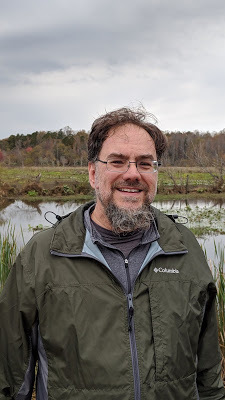
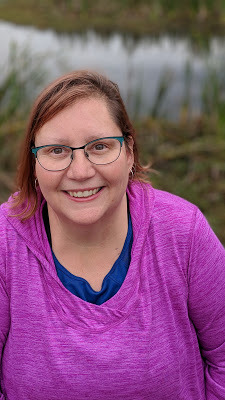
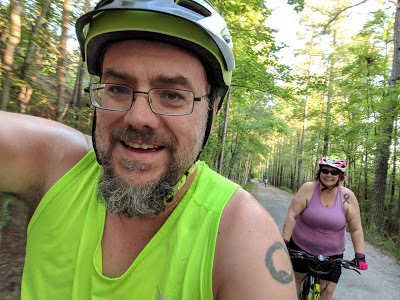
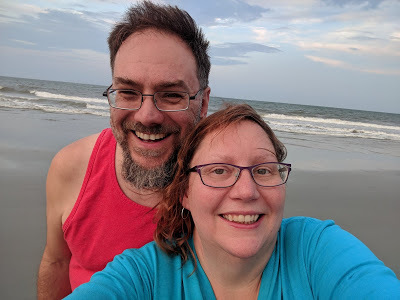
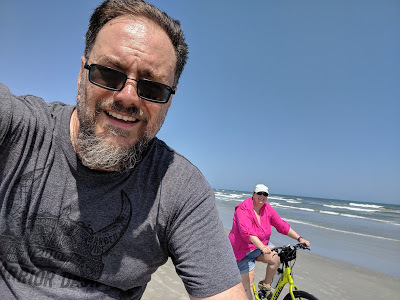
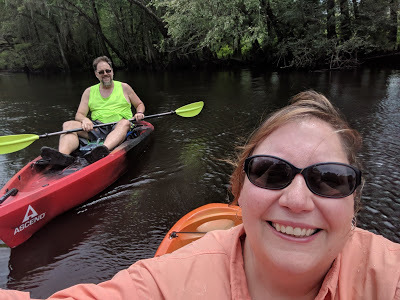
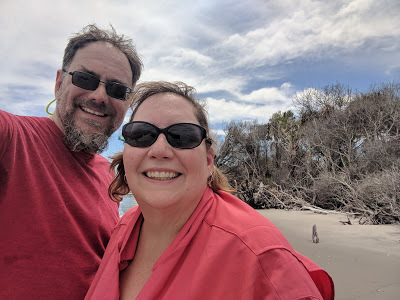
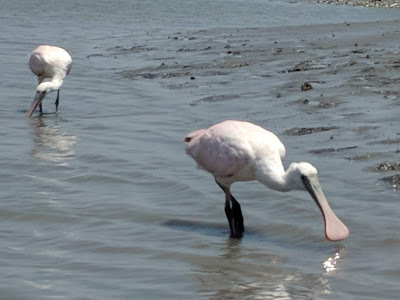
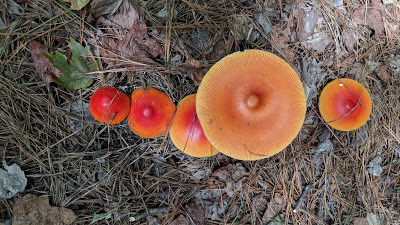
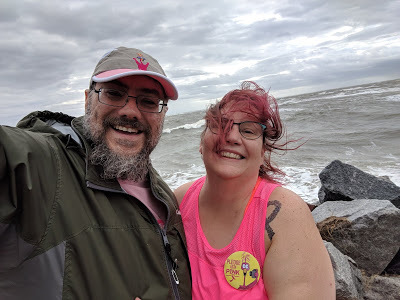
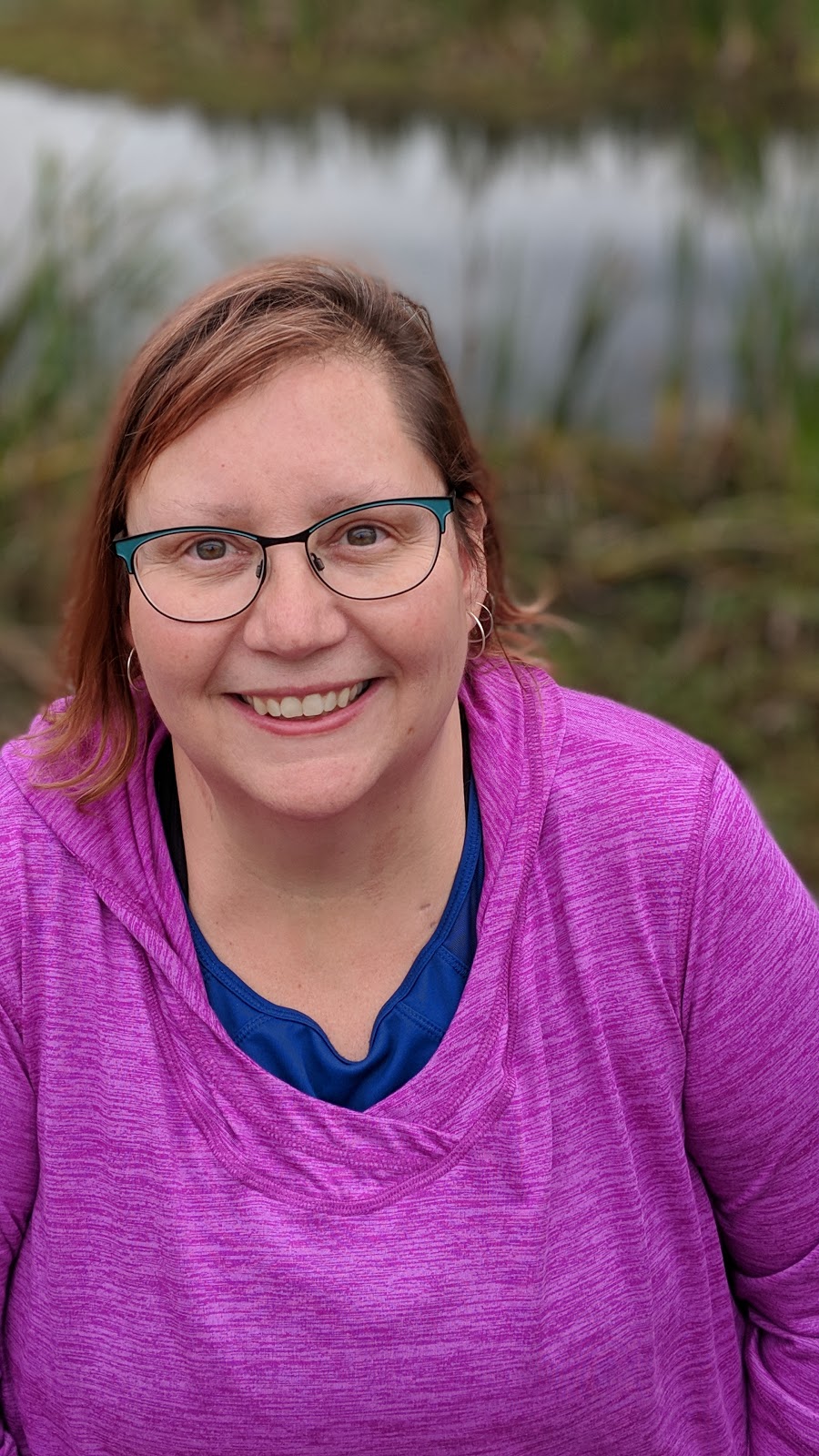
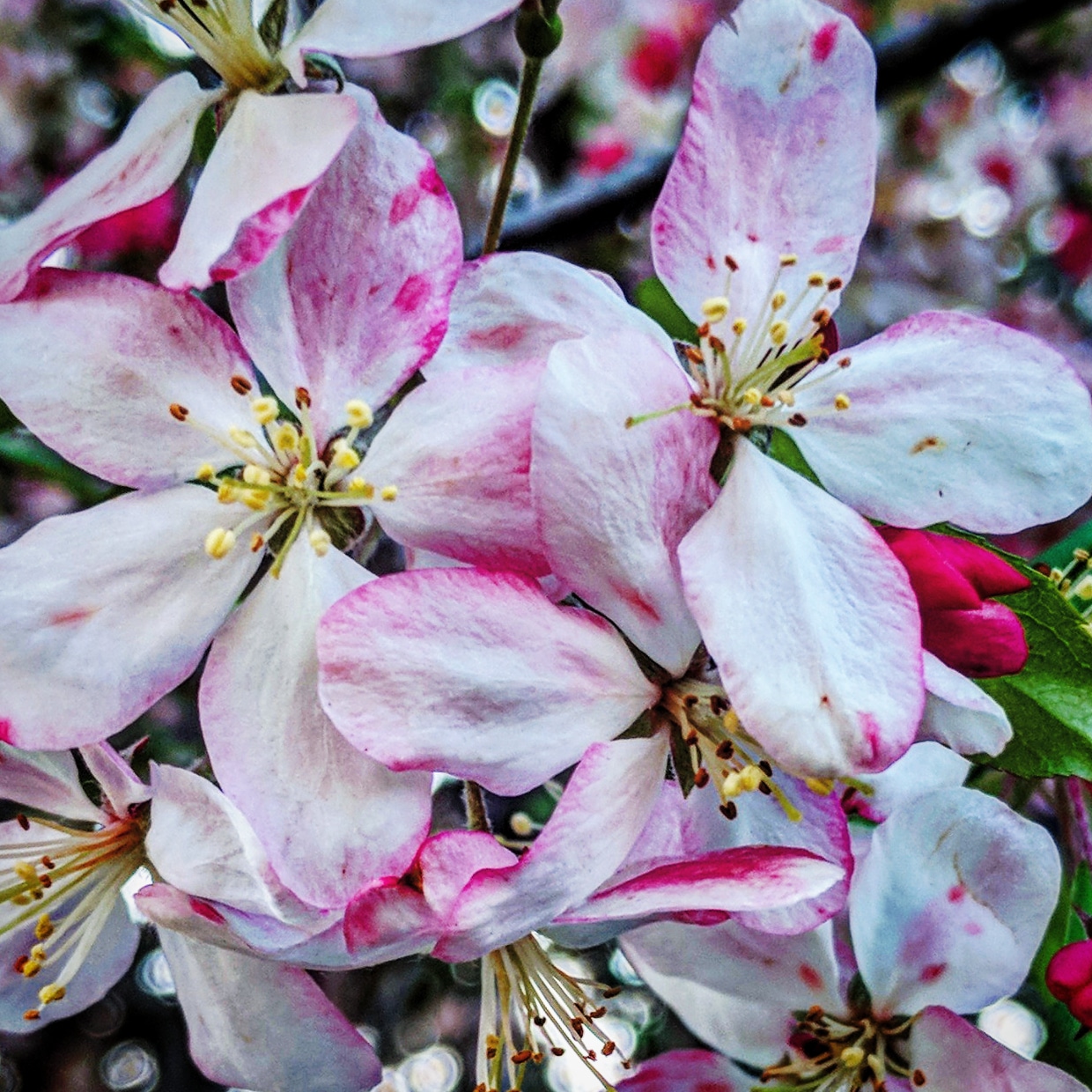
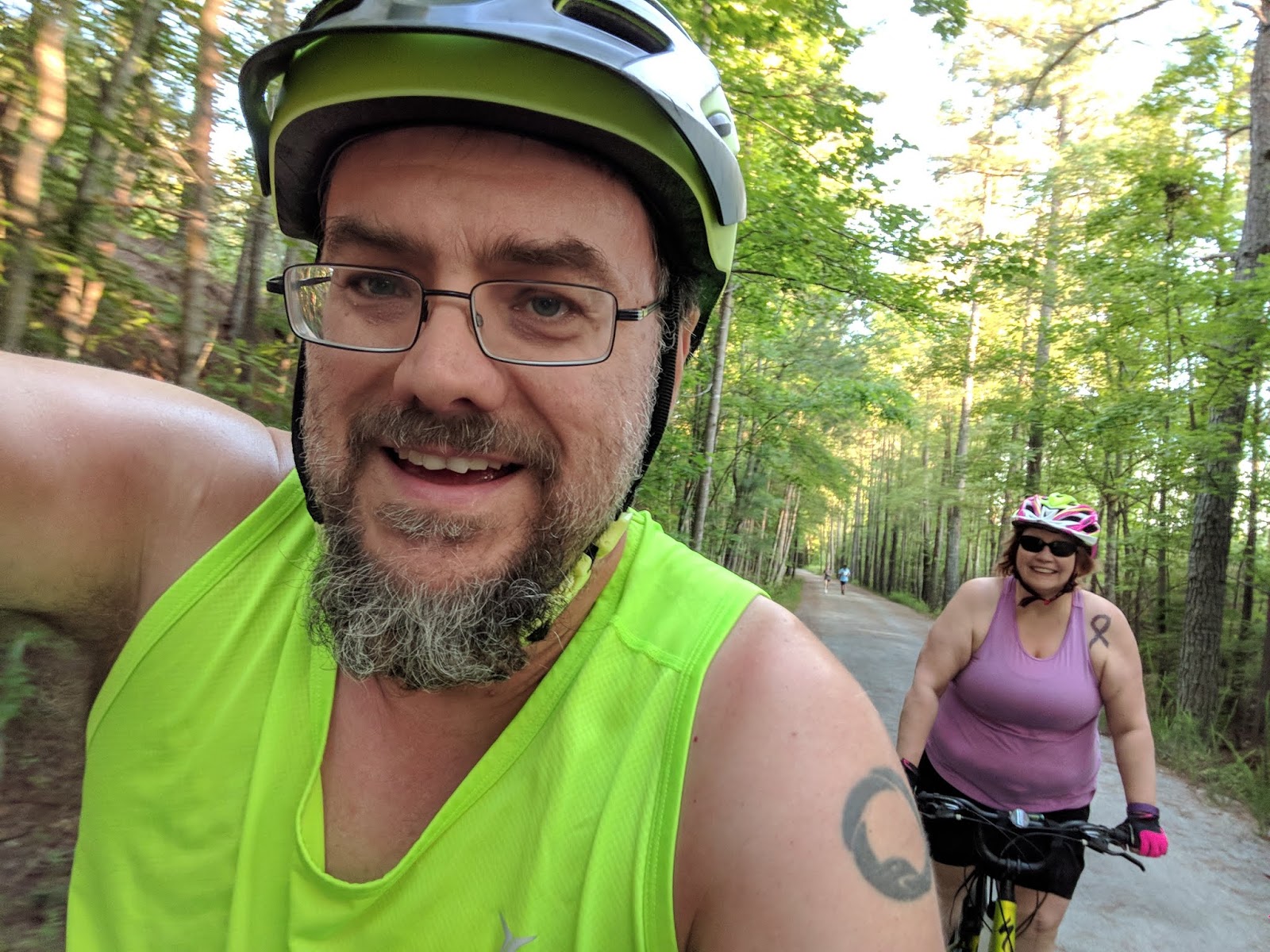
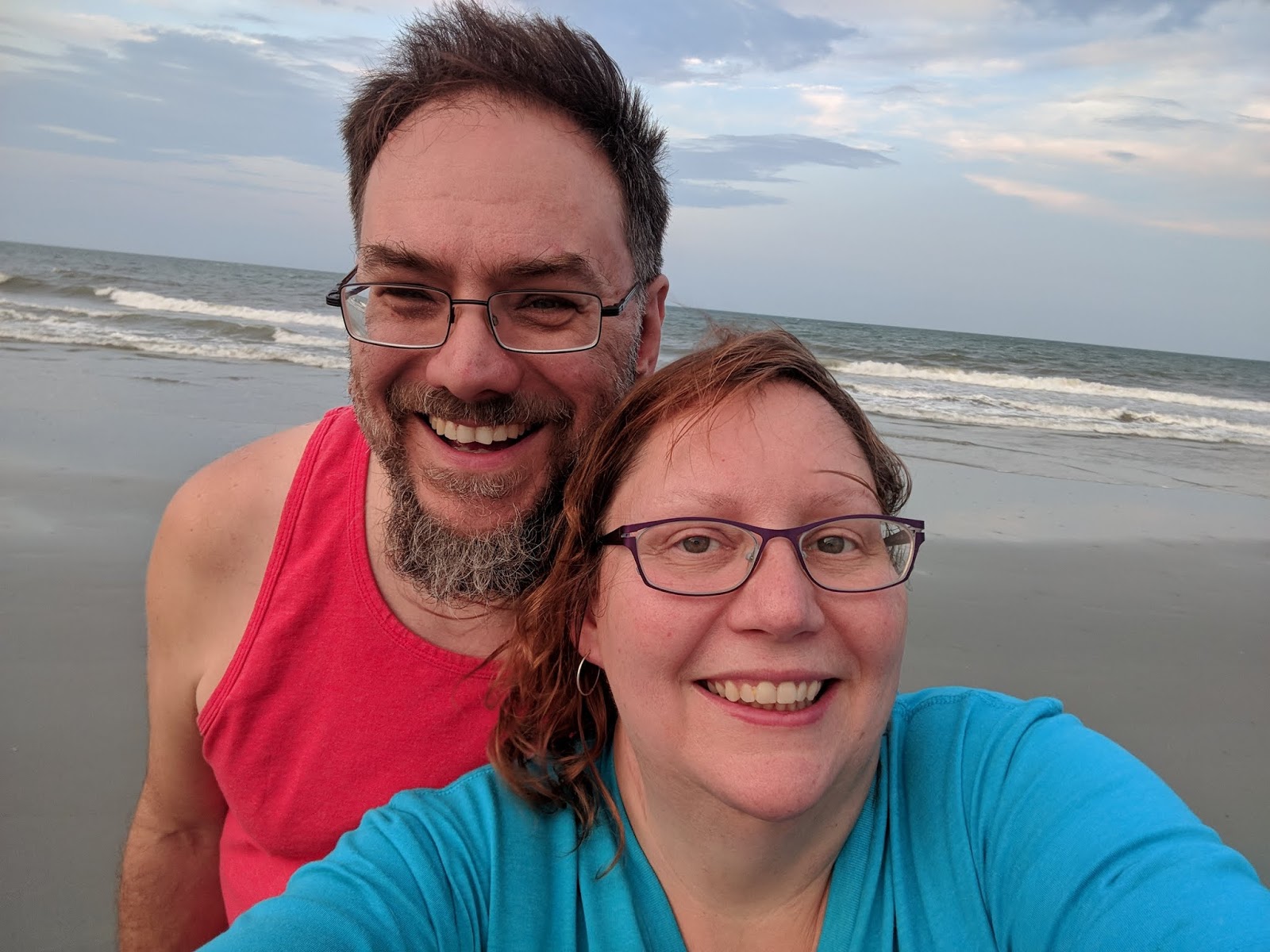
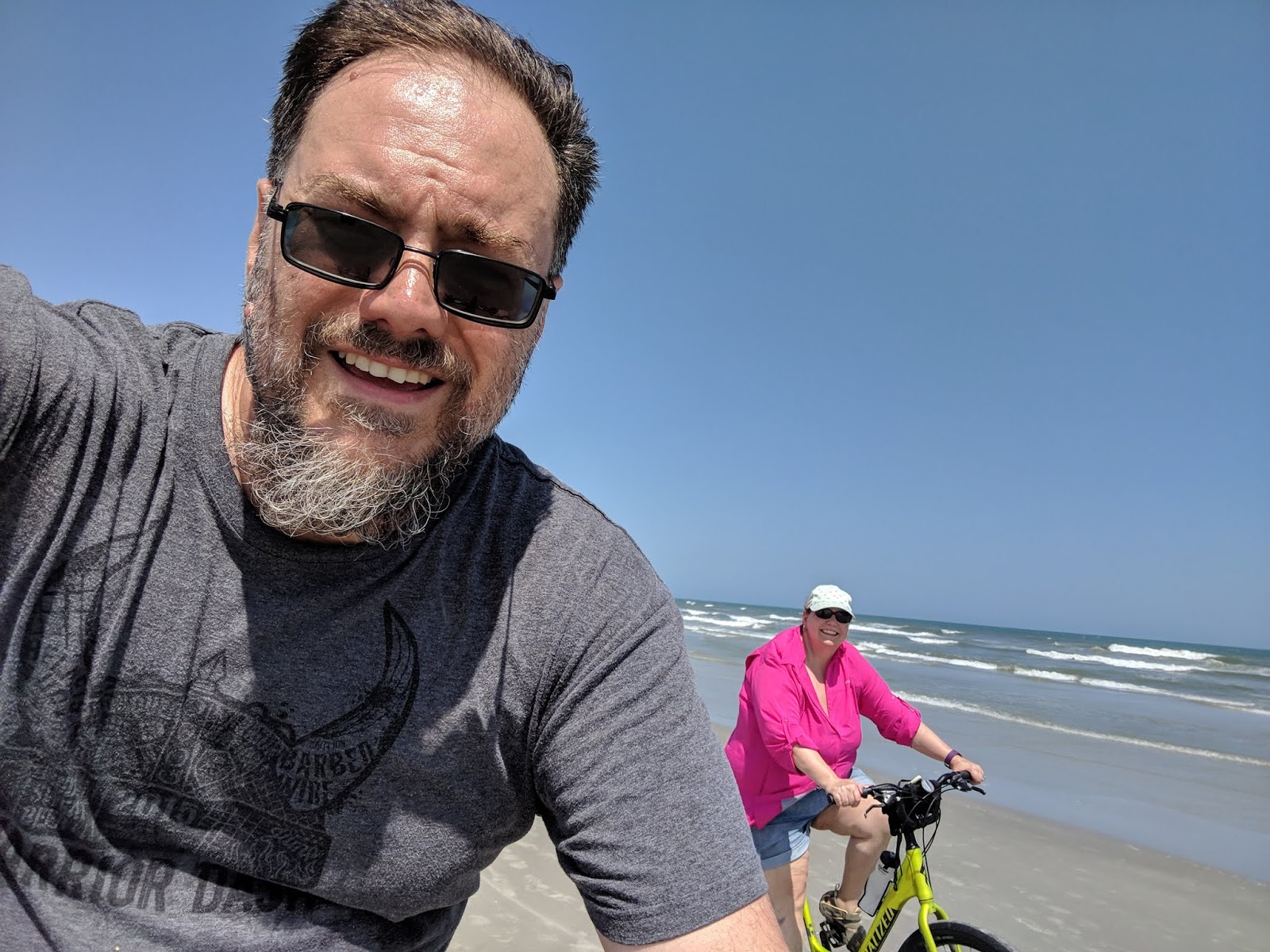
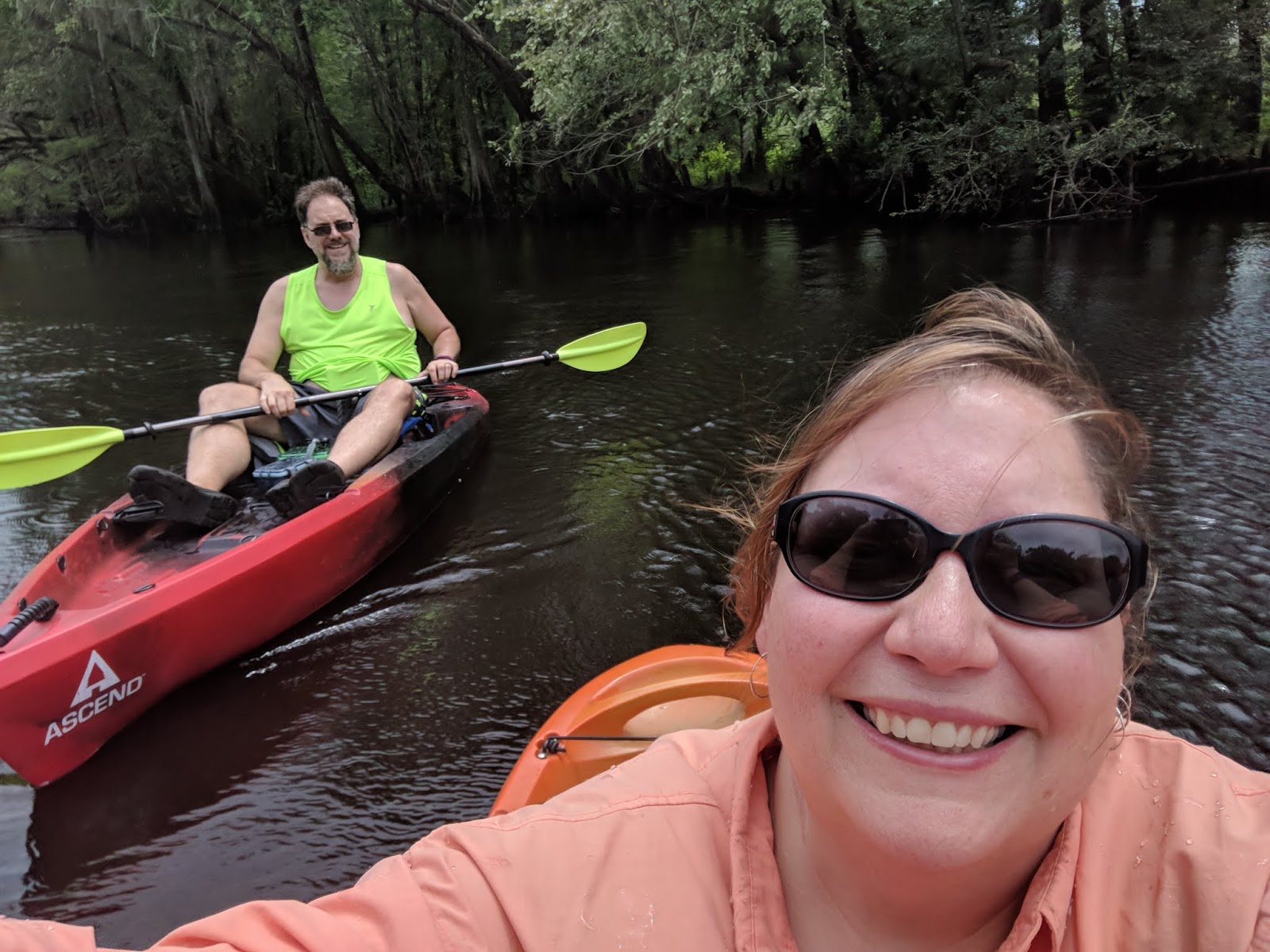
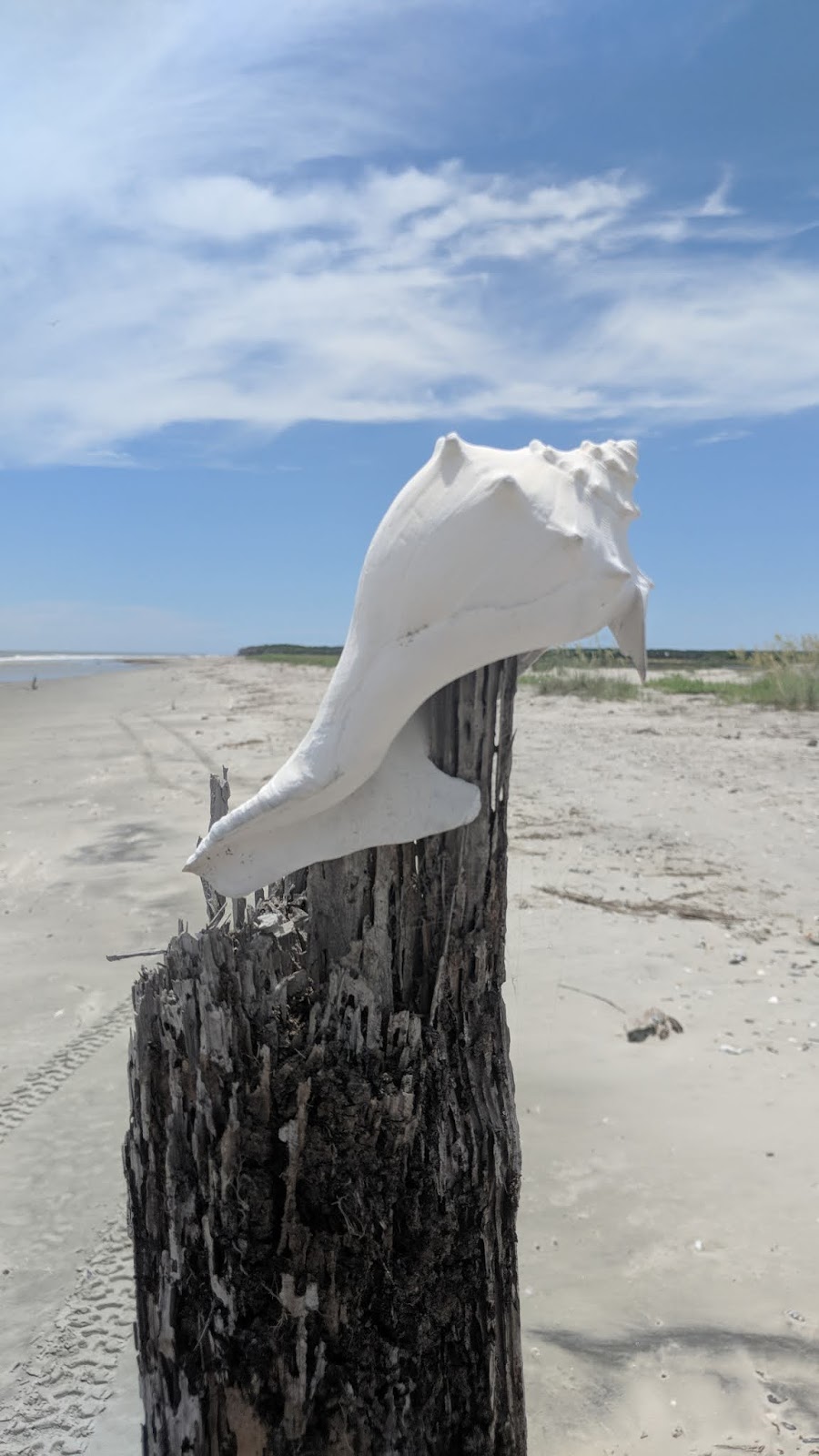
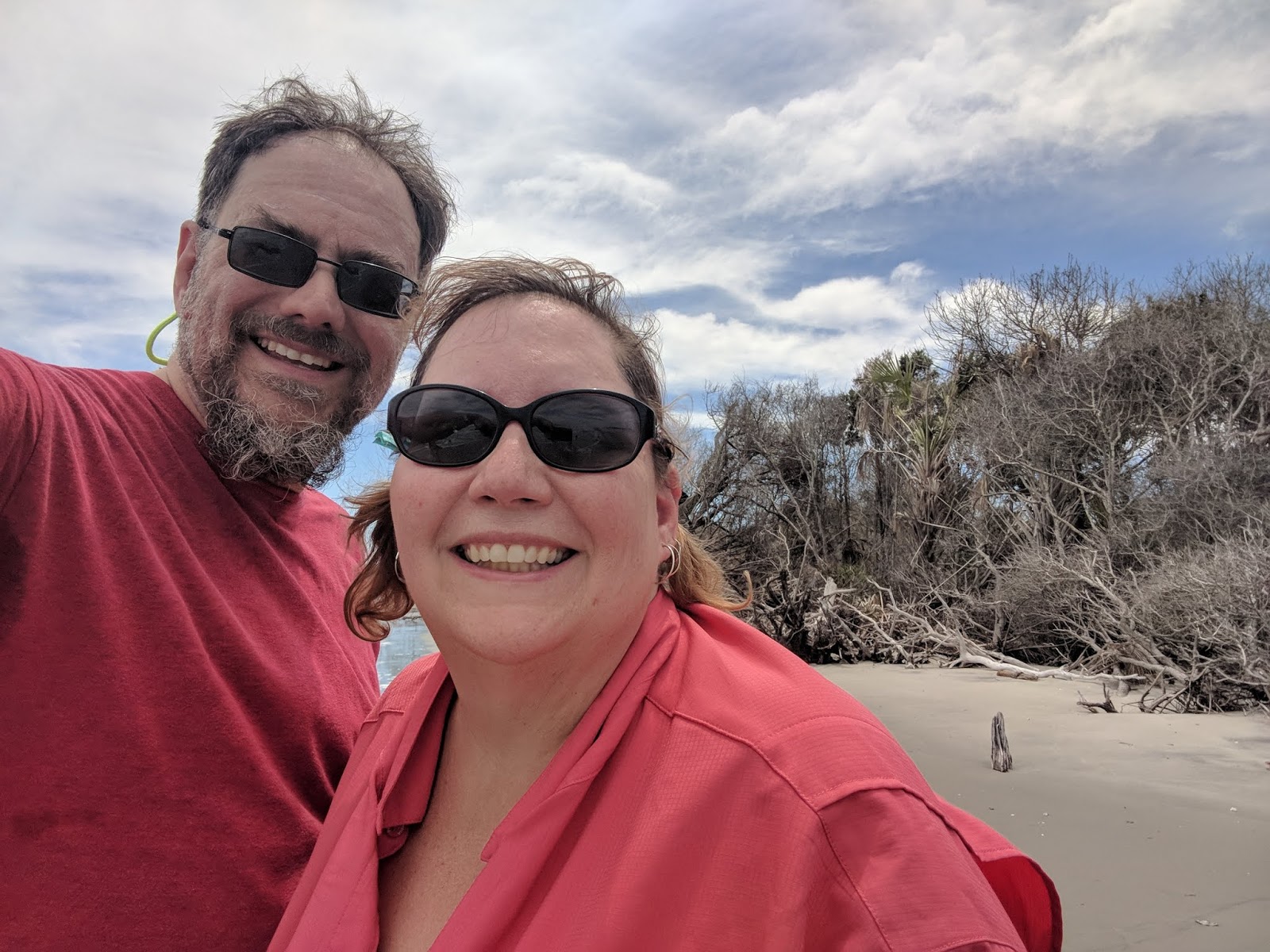
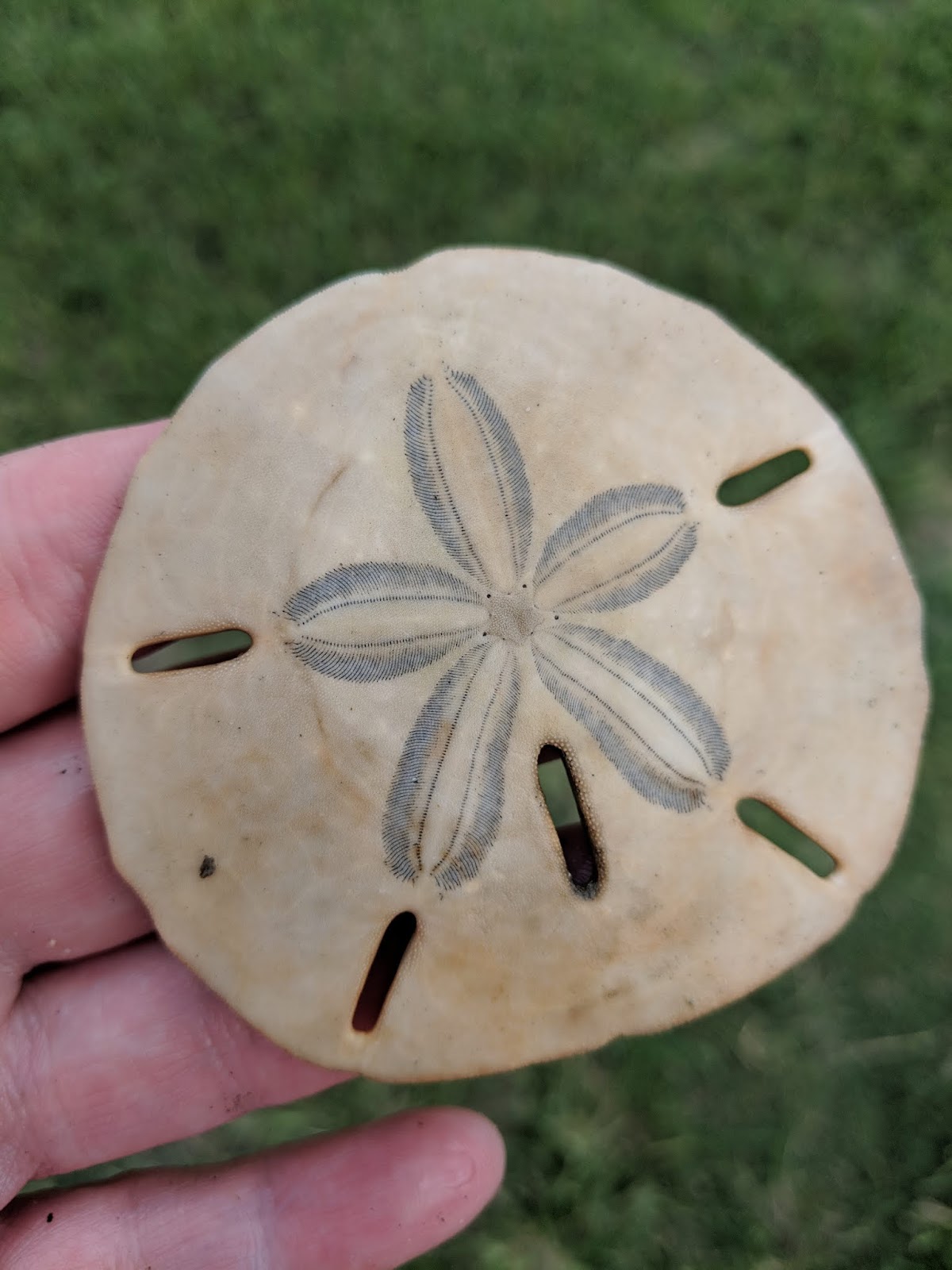
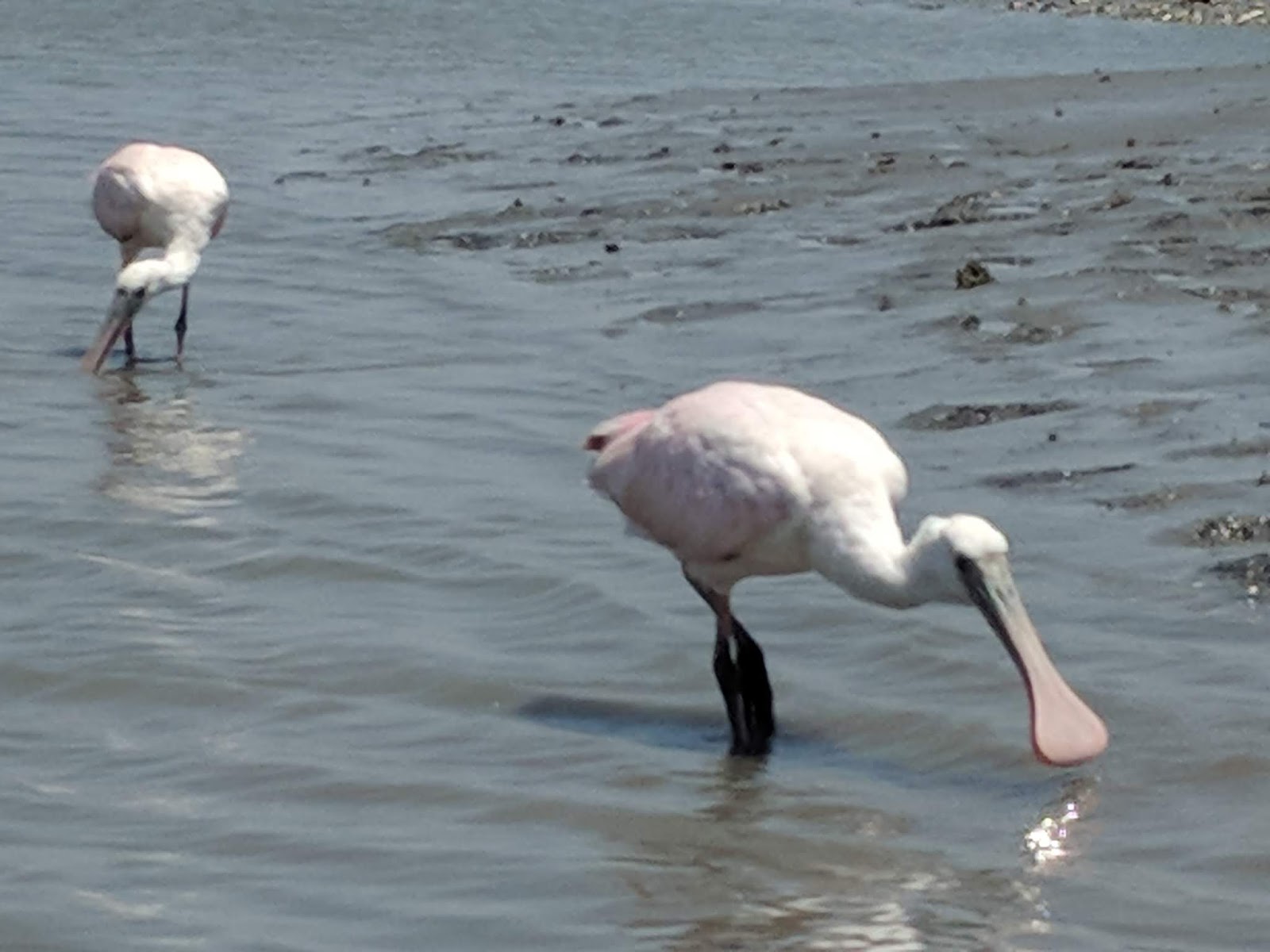
This year I logged over 1850 miles biking, hiking and kayaking, usually with Cheryl at my side, at least once she recovered from knee surgery at the beginning of the year. These are some of our favorite photos from the year. As befits the category title "Up Close," there are a fair number of selfies. The next post will be "Big Picture," and we won't look quite as obsessed with ourselves in those shots.

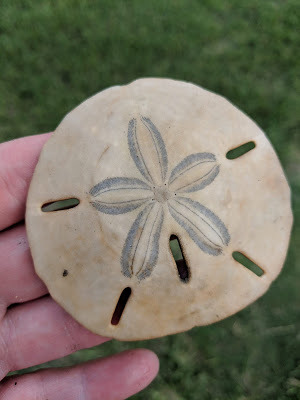
 I've been to "the Point" at Garden City a dozen times, but this was the first time I was there when the tide was low enough I saw all the sea urchins.
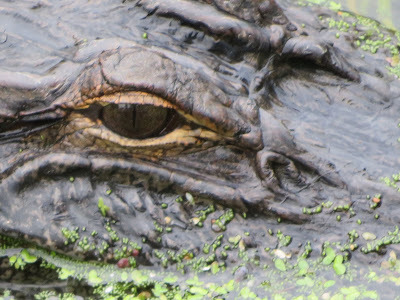 Yes, this is a zoom lens, but we were still very close to this gator. He lives in a pond near Myrtle Beach and people obviously feed him scraps despite signs saying not to. In any case, he doesn't mind being photographed.
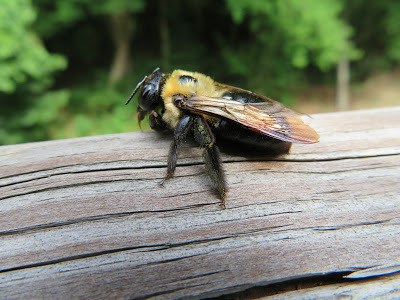
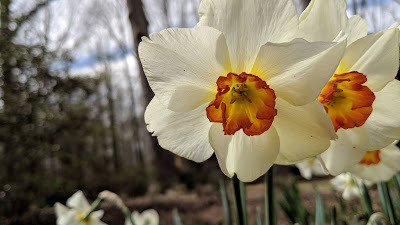
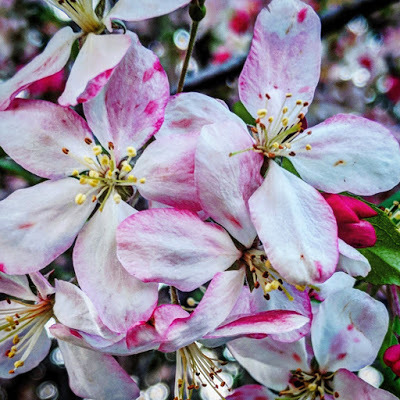
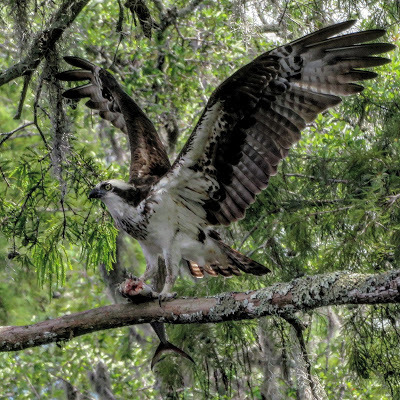 Technically, we didn't actually get close for this photo. Probably 200 feet away with a zoom lens. But we were in a kayak. Getting something to focus at maximum zoom while you're bobbing on moving water is a challenge.
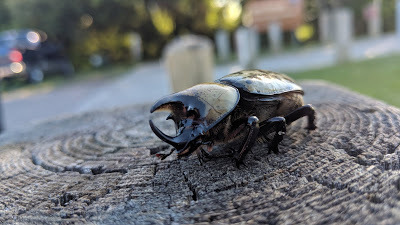
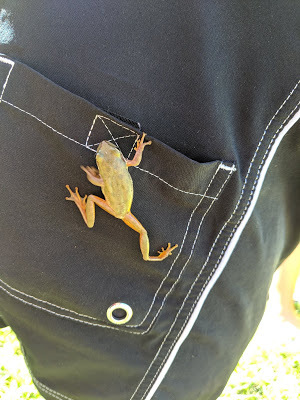
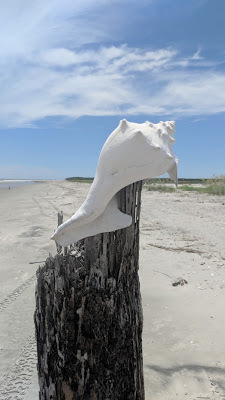
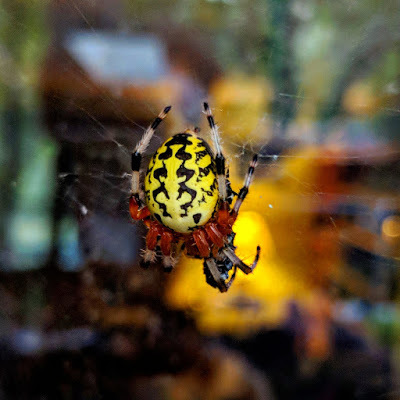
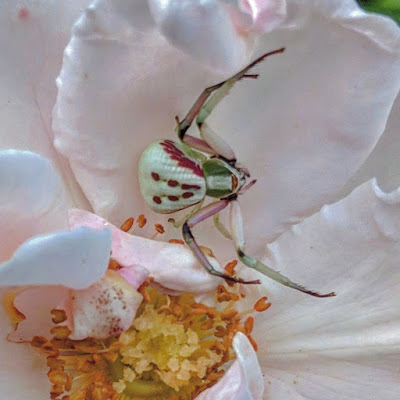 It was a good year for beautiful spiders.
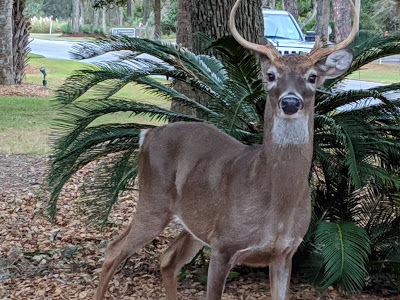 We didn't have to go out into the wild to find this buck. He was just munching on leaves in someone's front yard.

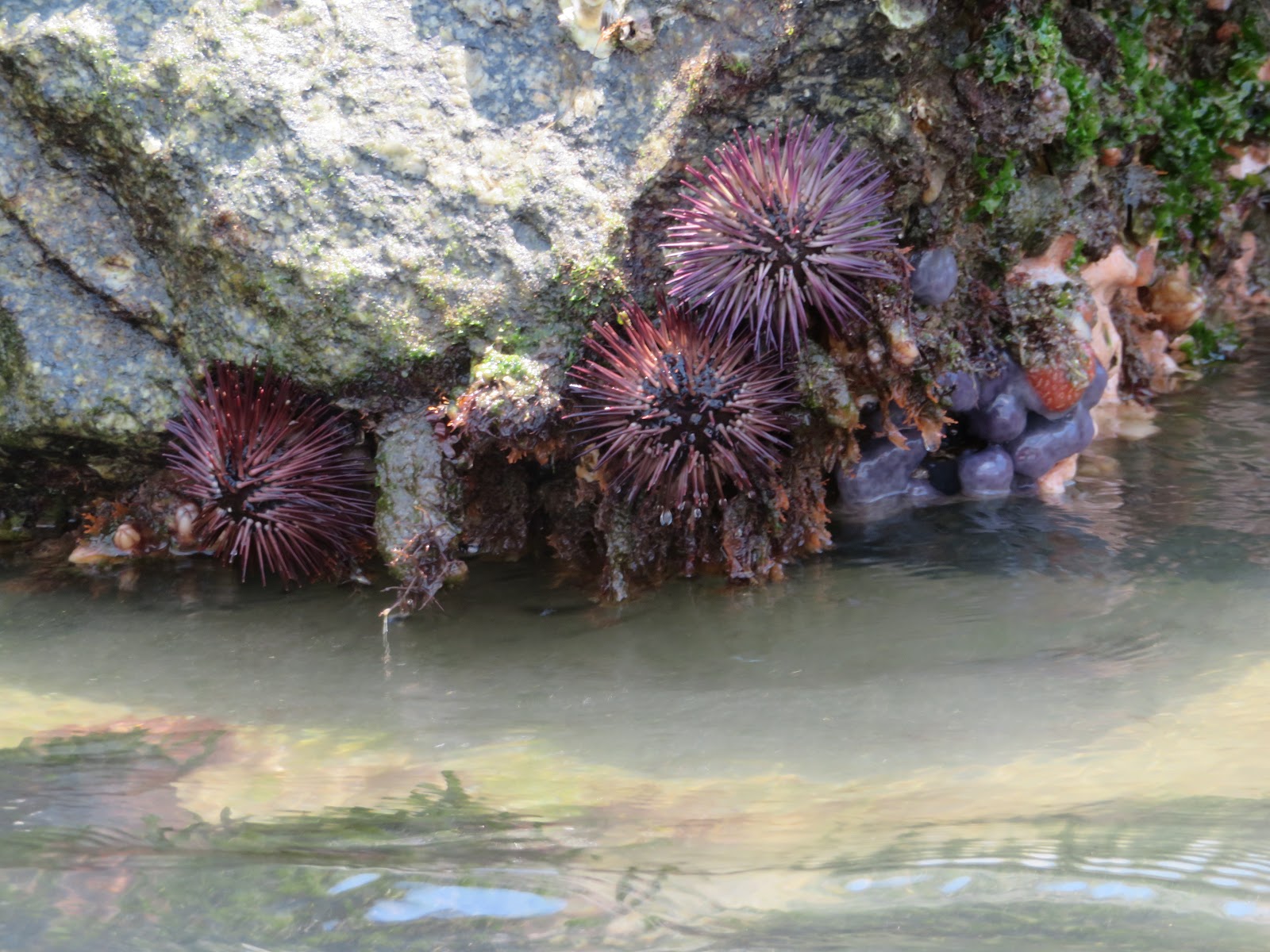 I've been to "the Point" at Garden City a dozen times, but this was the first time I was there when the tide was low enough I saw all the sea urchins.
 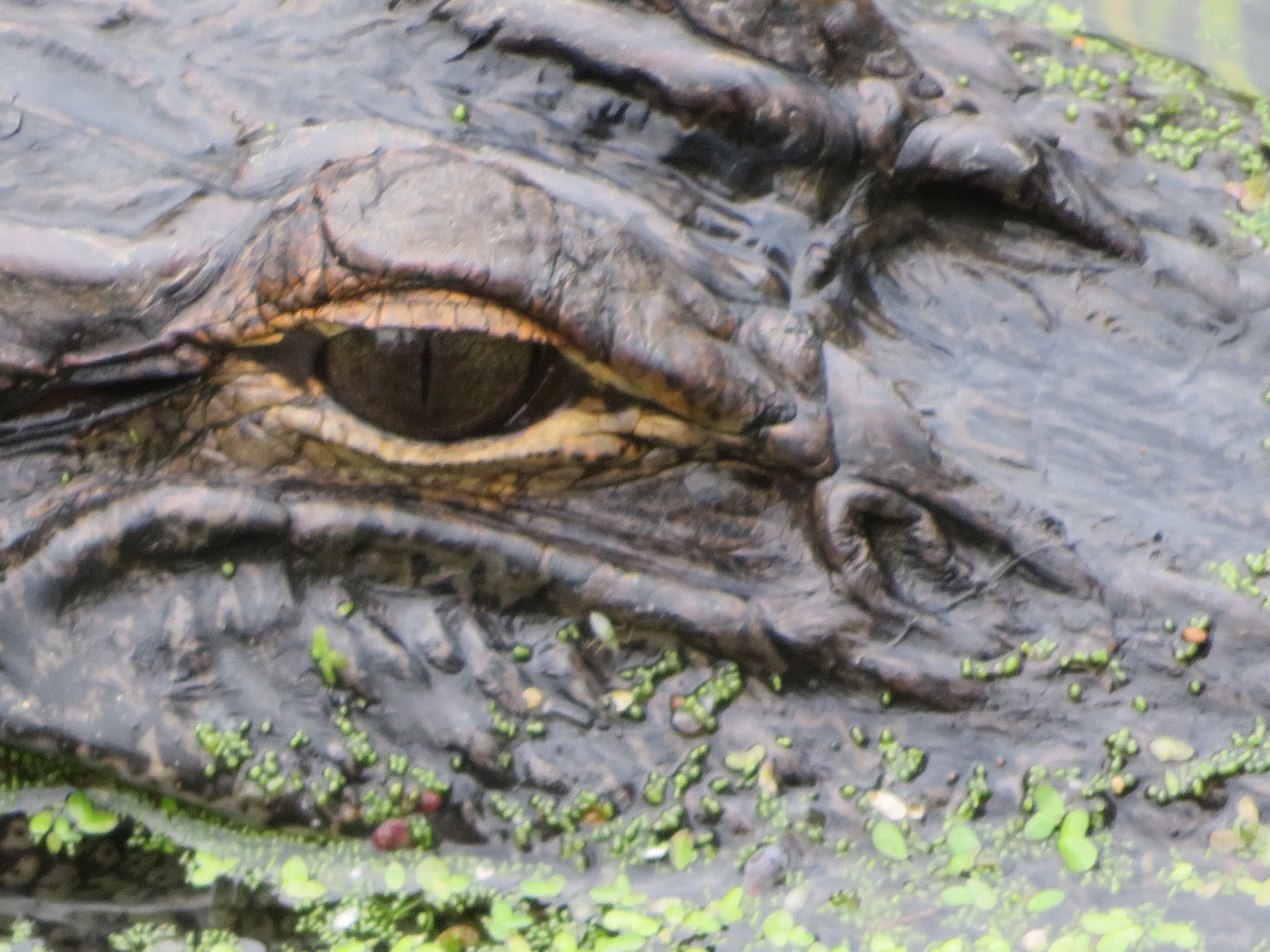 Yes, this is a zoom lens, but we were still very close to this gator. He lives in a pond near Myrtle Beach and people obviously feed him scraps despite signs saying not to. In any case, he doesn't mind being photographed.
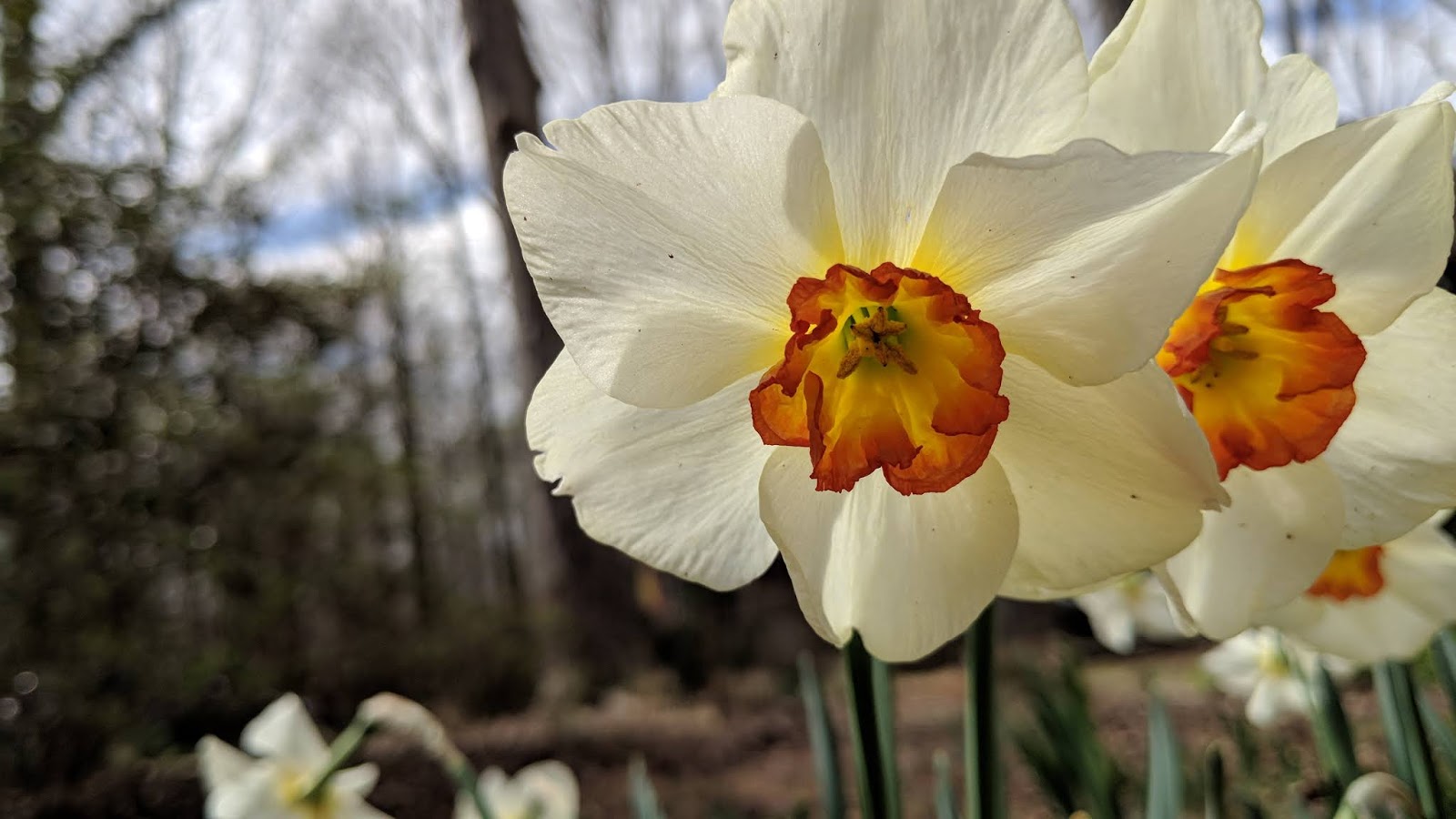
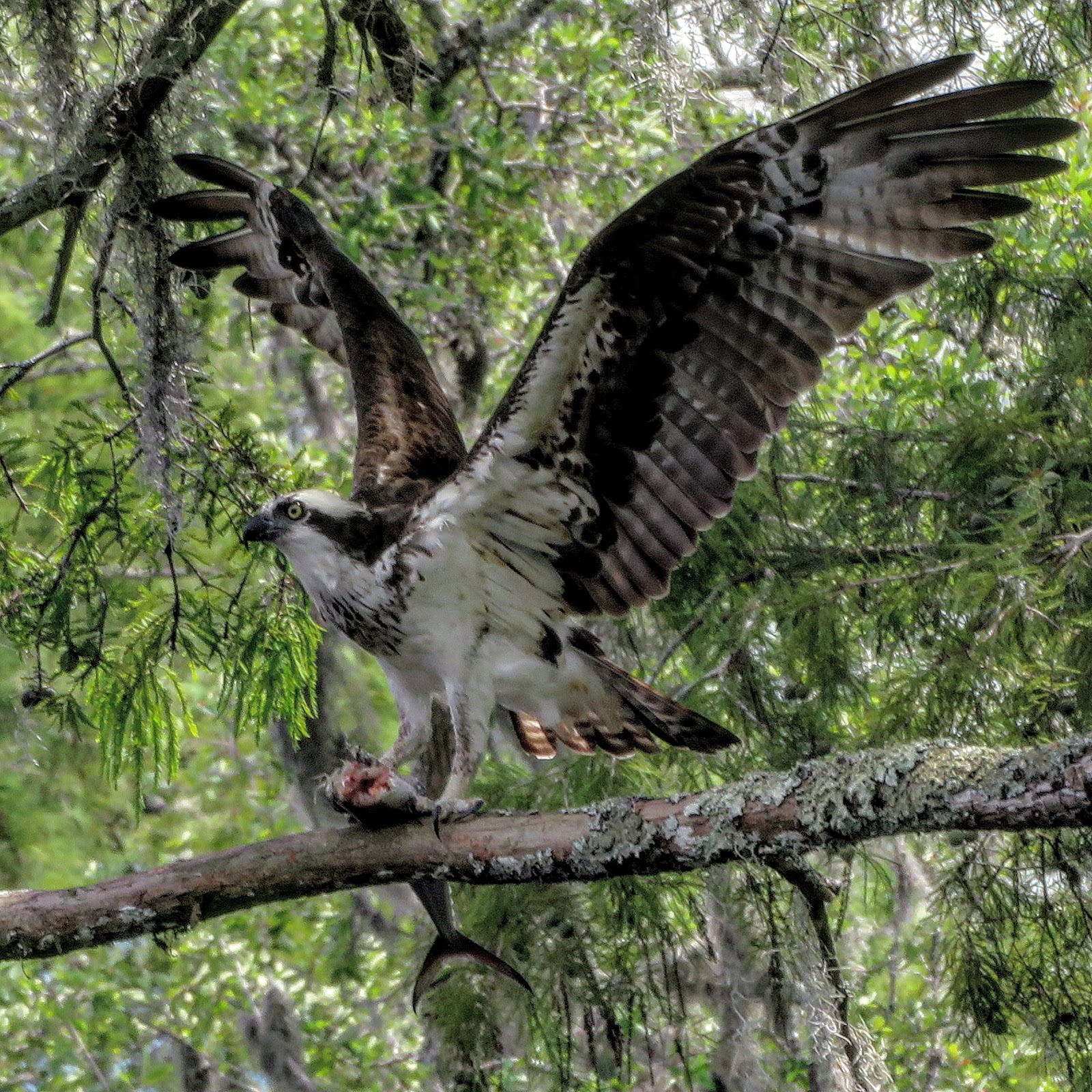 Technically, we didn't actually get close for this photo. Probably 200 feet away with a zoom lens. But we were in a kayak. Getting something to focus at maximum zoom while you're bobbing on moving water is a challenge.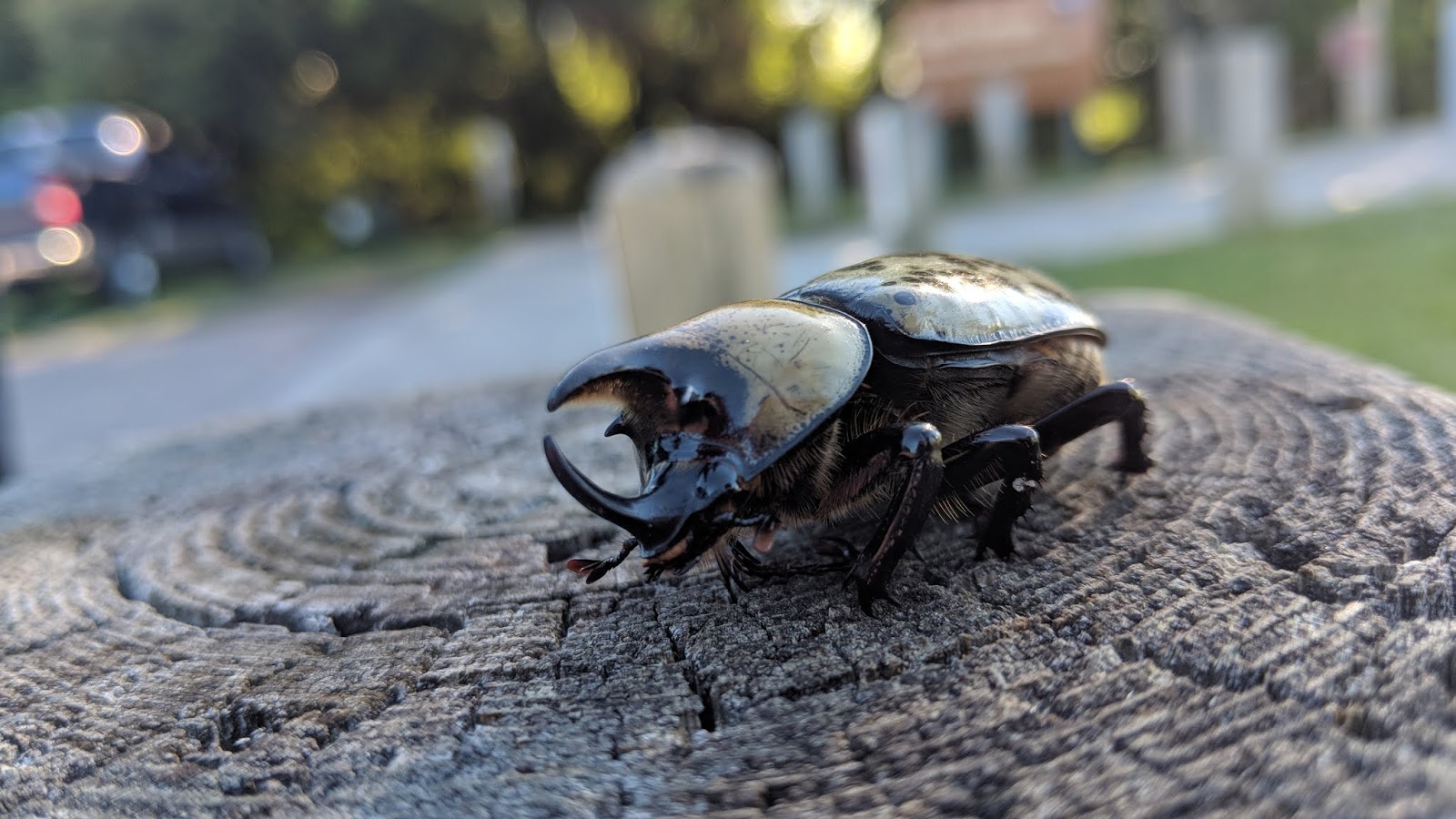
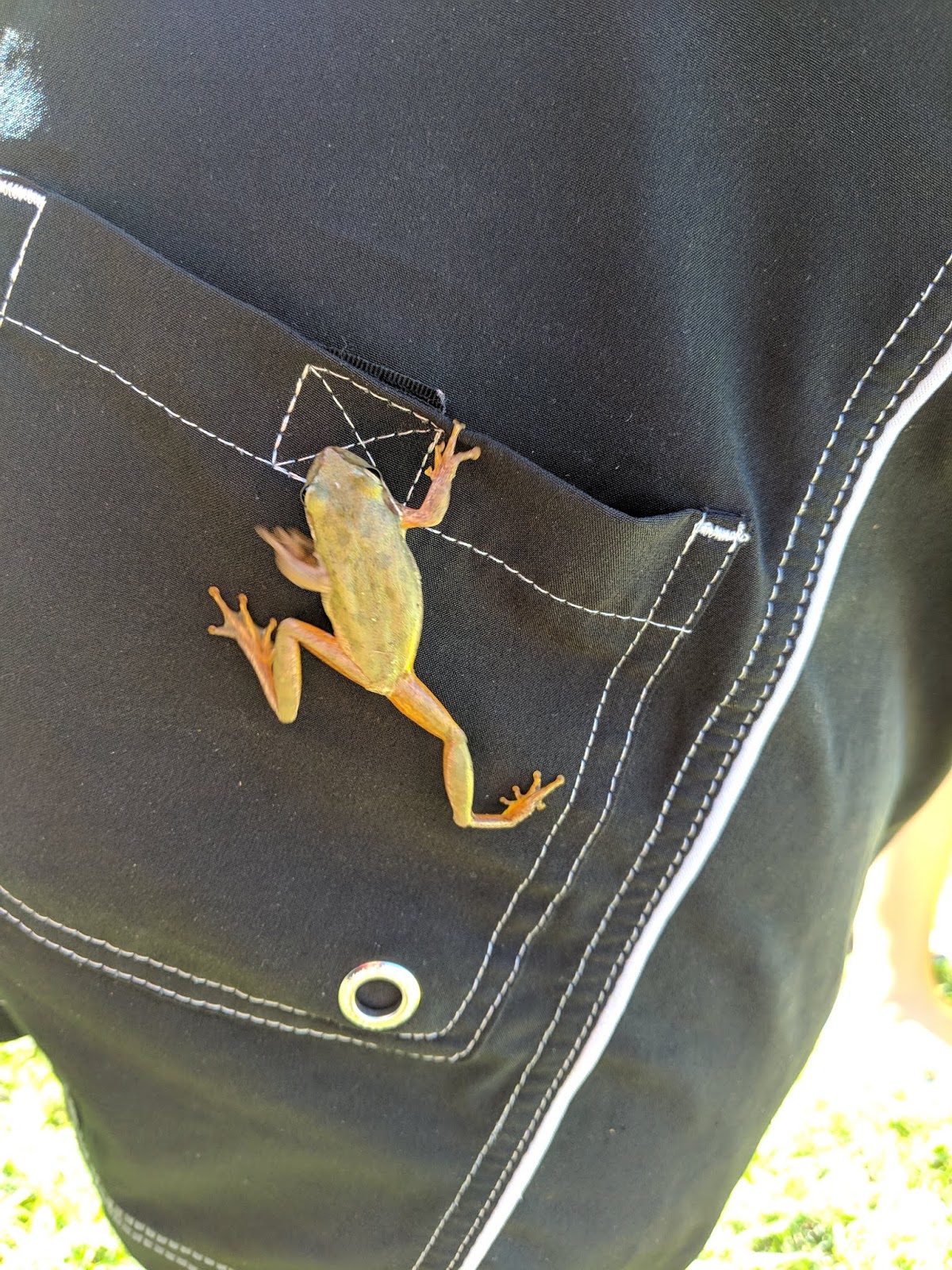
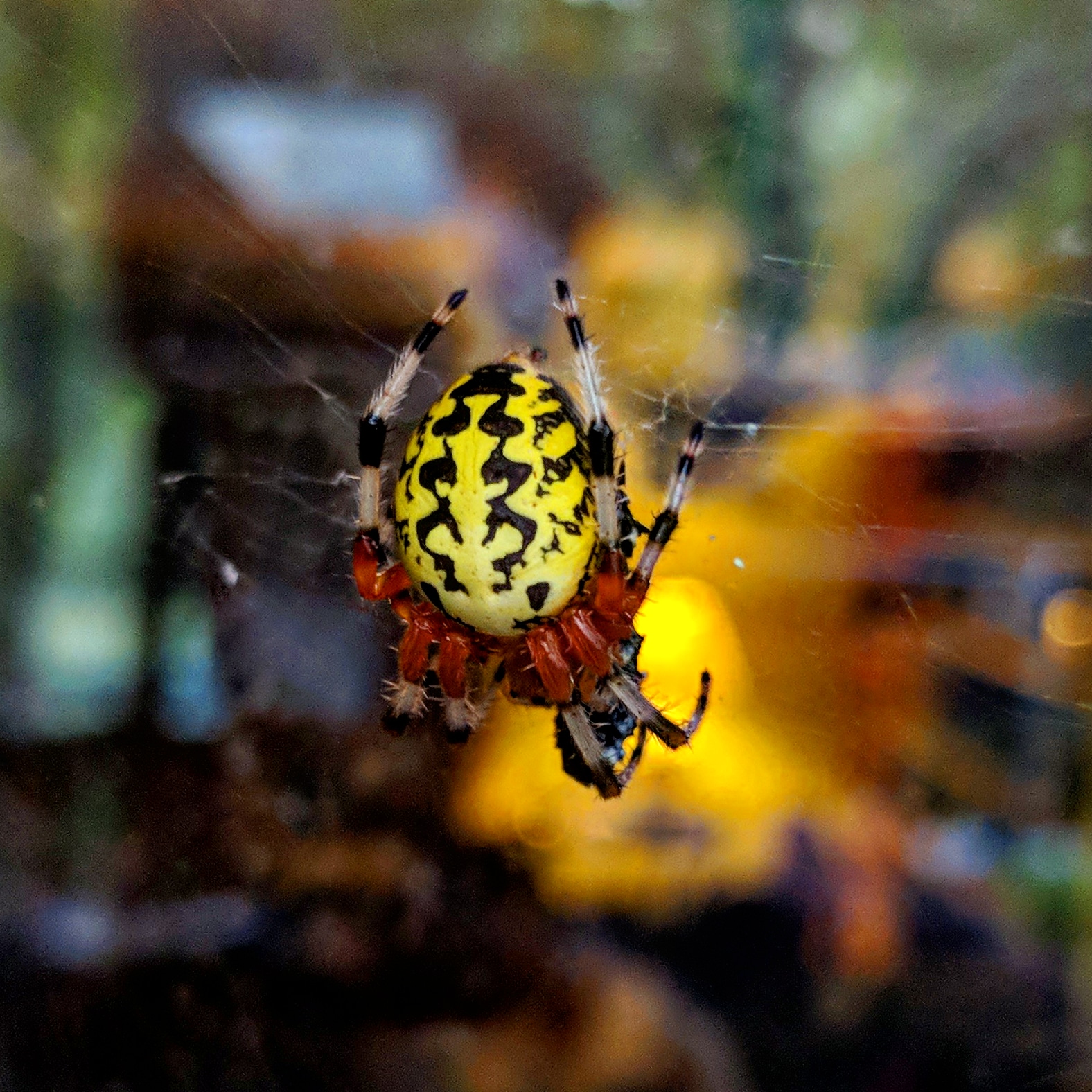
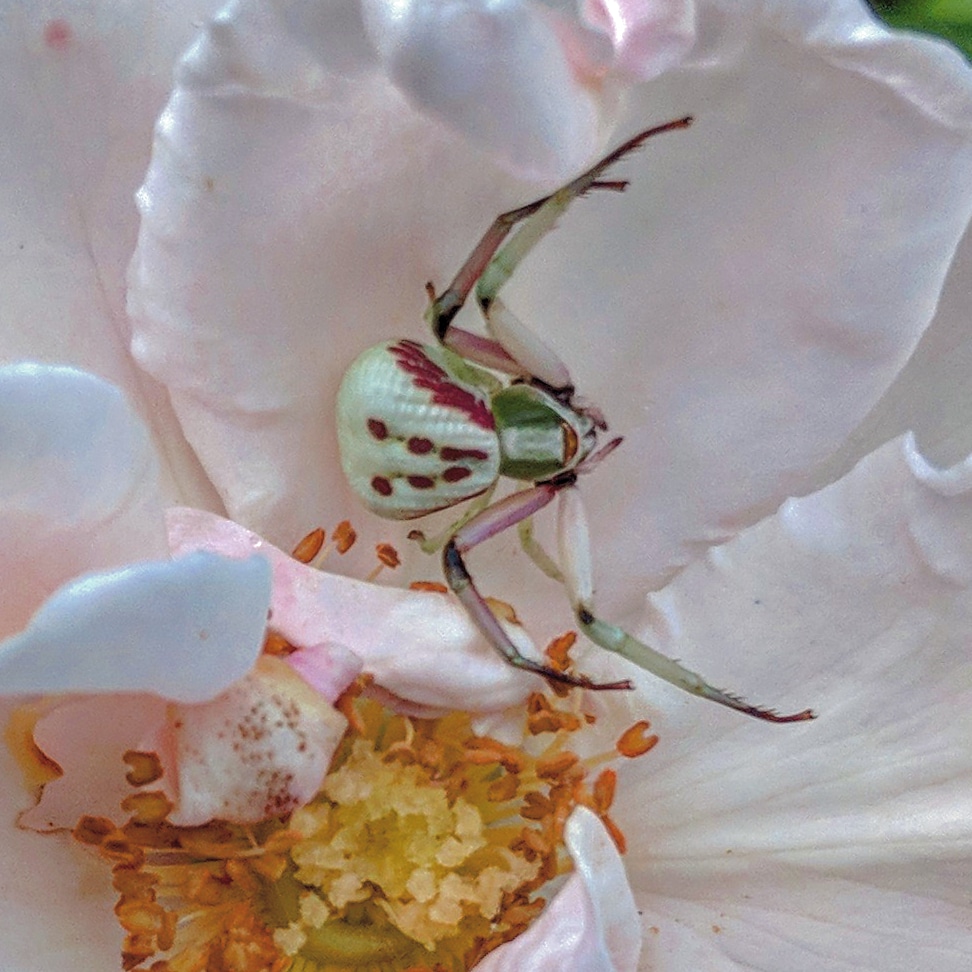 It was a good year for beautiful spiders.
 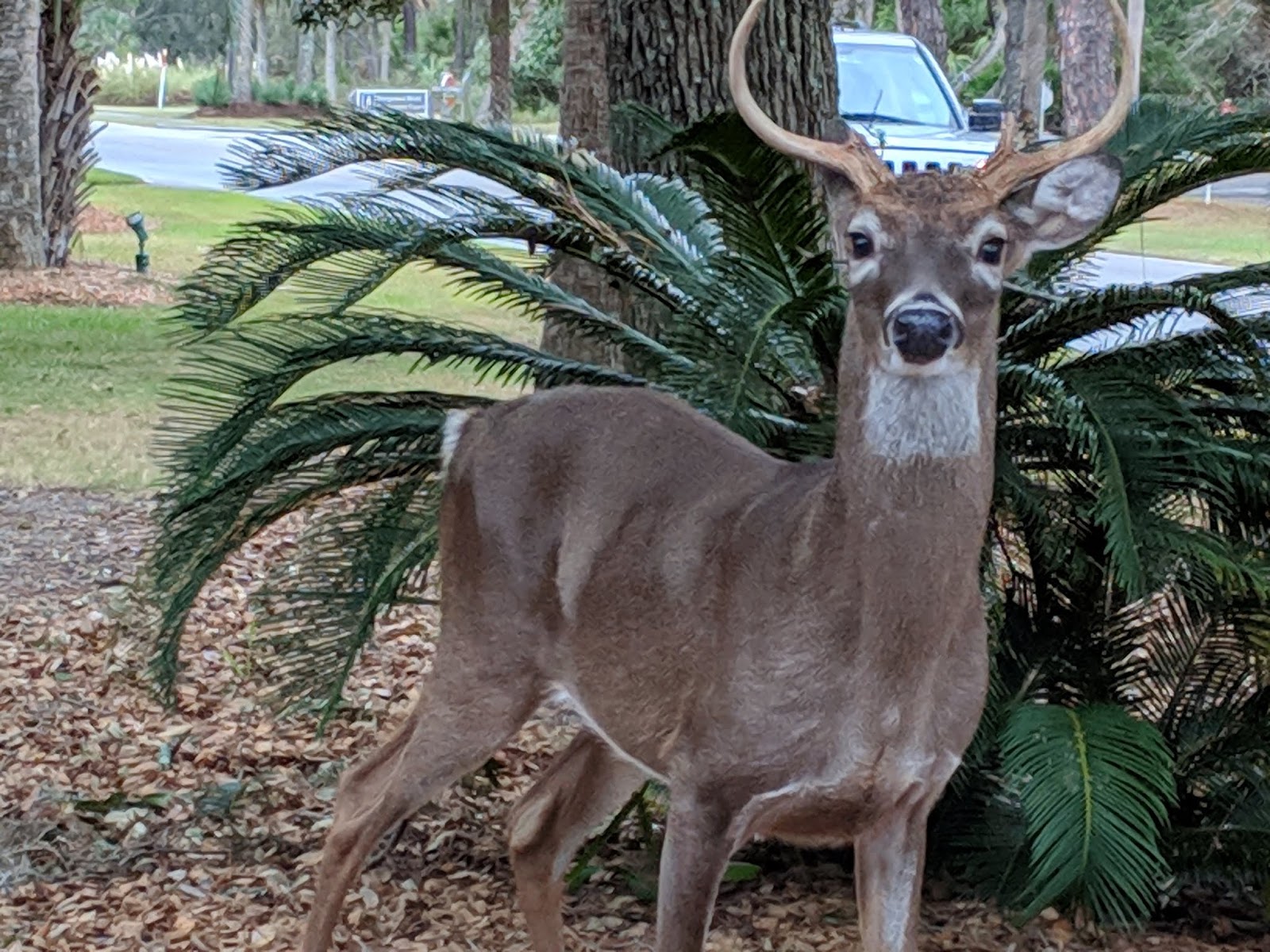 We didn't have to go out into the wild to find this buck. He was just munching on leaves in someone's front yard.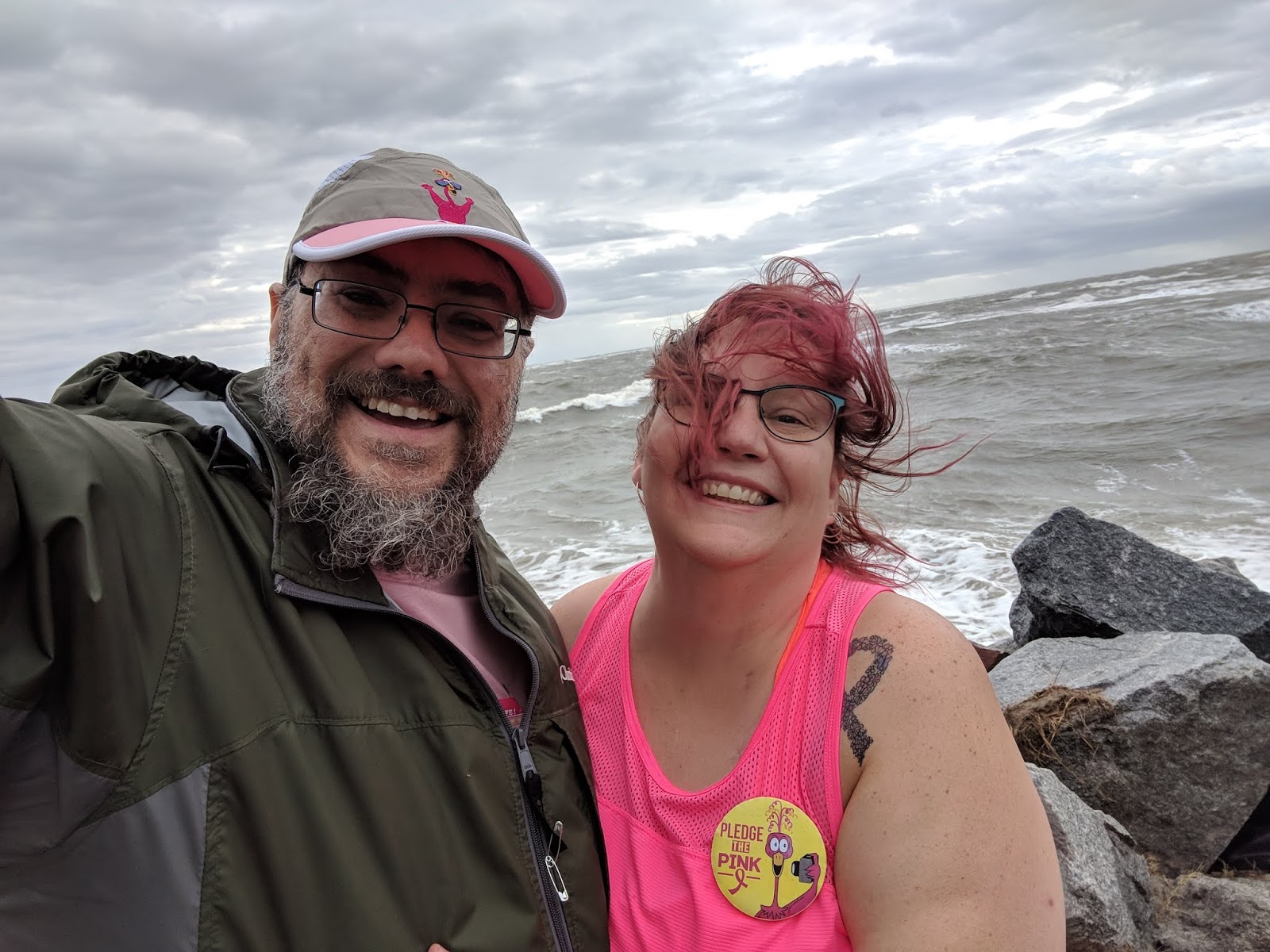
December 13, 2018
James Maxey Discovery Day 12-15-2018
I'm dismayed to report that there are still some people in the world who haven't read all my books. I sometimes wake in the night, covered in sweat, with the nagging feeling that I've failed humanity. We live in a troubled age. I can't help but think that if everyone was reading my books, many of the world's problems would seem less daunting. Yes, there's E coli in our salads, dysfunction at every level of government, and our oceans are filling up with plastic. On the bright side, unlike the characters in my novels, we're very unlikely to be eaten by a dragon today, or be crushed by a giant robot, or hunted by space-gorillas. Mine is an enduring message of hope! I feel compelled to share it with the world.
It's time to take action! Saturday, December 15, 2018, is hereby designated "James Maxey Discovery Day."
What is James Maxey Discover Day? That's the day I make it easy for you to download most of my ebooks for free or for drastically discounted prices. Some of the books will be free or discounted for a few days, but a few are for Saturday only, so get 'em fast! There's a little something here for everyone. Action! Humor! Romance! Mystery! Monkeys! Dragons! Robots! Pirates! Singing cowboys... oh, wait, sorry, no singing cowboys. Look, you can't have everything. But you can still have a lot of things. For free!
Here's the full list of free and discounted books for the promo:
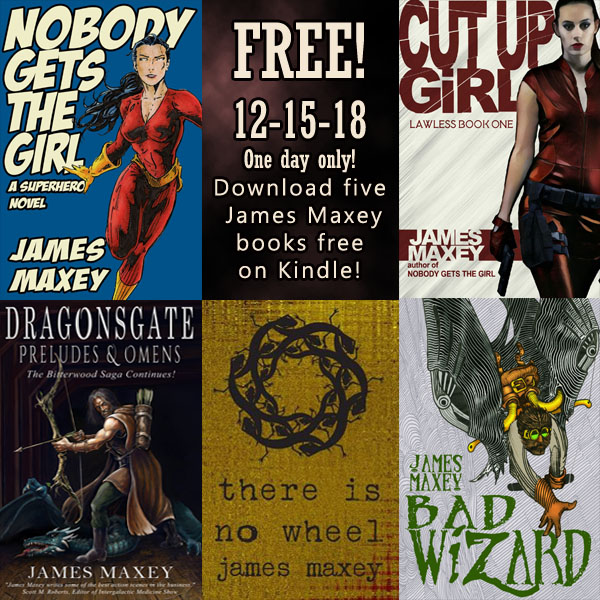
FREE BOOKS for December 15, 2018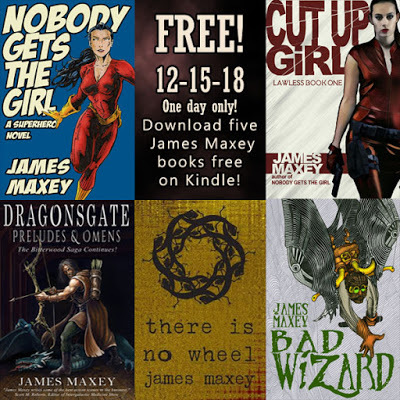
Nobody Gets the Girl: A Superhero Novel Who can save us? Nobody!
Cut Up Girl: Lawless Book One Exploding clones to the rescue!
There is No Wheel Dark, funny, twisted short fiction!
Bad Wizard War Zeppelins versus winged monkeys!
Dragonsgate: Preludes & Omens Bitterwood confronts his greatest enemy!
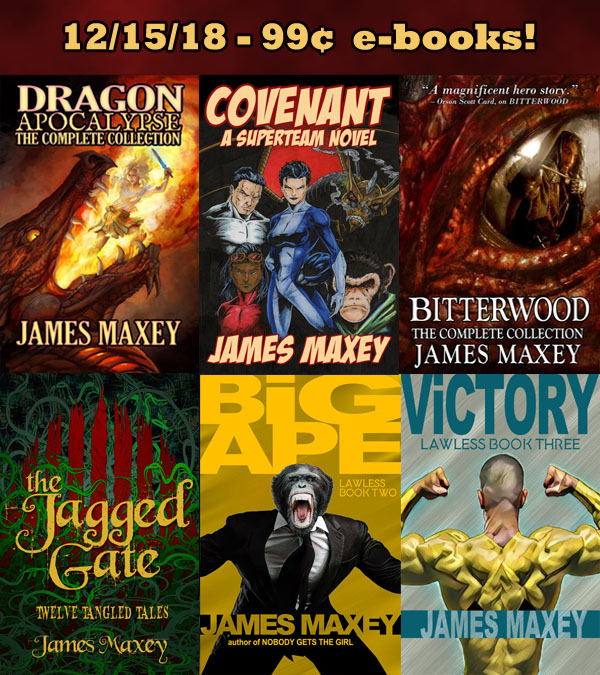
Available at 99 cents on December 15: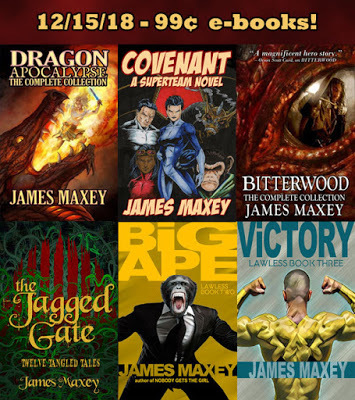
Bitterwood: the Complete Collection Post-apocalyptic science fiction dragon war!
Dragon Apocalypse: the Complete Collection Dungeon-crawling, monster-stabbing, treasure-grabbing high adventure!
Big Ape: Lawless Book Two Man-ape battles robots and dinosaurs!
Victory: Lawless Book Three Aliens have stolen the moon!
Covenant: A Superteam Novel Superheroes hounded by dark secrets!
The Jagged Gate Twelve tangled tales of suspense!
Since the dragon collections each contain four novels, if you download everything on this page you'll wind up with 17 novels for less than you'd pay for a footlong sub. Grab 'em while they're hot! And, if you decide to buy the sub instead, tell them to hold the lettuce.
It's time to take action! Saturday, December 15, 2018, is hereby designated "James Maxey Discovery Day."
What is James Maxey Discover Day? That's the day I make it easy for you to download most of my ebooks for free or for drastically discounted prices. Some of the books will be free or discounted for a few days, but a few are for Saturday only, so get 'em fast! There's a little something here for everyone. Action! Humor! Romance! Mystery! Monkeys! Dragons! Robots! Pirates! Singing cowboys... oh, wait, sorry, no singing cowboys. Look, you can't have everything. But you can still have a lot of things. For free!
Here's the full list of free and discounted books for the promo:
FREE BOOKS for December 15, 2018
Nobody Gets the Girl: A Superhero Novel Who can save us? Nobody!
Cut Up Girl: Lawless Book One Exploding clones to the rescue!
There is No Wheel Dark, funny, twisted short fiction!
Bad Wizard War Zeppelins versus winged monkeys!
Dragonsgate: Preludes & Omens Bitterwood confronts his greatest enemy!
Available at 99 cents on December 15:
Bitterwood: the Complete Collection Post-apocalyptic science fiction dragon war!
Dragon Apocalypse: the Complete Collection Dungeon-crawling, monster-stabbing, treasure-grabbing high adventure!
Big Ape: Lawless Book Two Man-ape battles robots and dinosaurs!
Victory: Lawless Book Three Aliens have stolen the moon!
Covenant: A Superteam Novel Superheroes hounded by dark secrets!
The Jagged Gate Twelve tangled tales of suspense!
Since the dragon collections each contain four novels, if you download everything on this page you'll wind up with 17 novels for less than you'd pay for a footlong sub. Grab 'em while they're hot! And, if you decide to buy the sub instead, tell them to hold the lettuce.
December 11, 2018
A Year of Conventions, Hardcovers
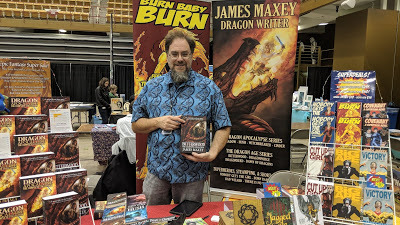
2018 was my busiest year ever for conventions. I did more events in 2018 as Piedmont Laureate, but those were mostly workshops, readings, and panels. While the workshops required a lot of advance work, for the most part the actual events only lasted an hour or two, and all events were confined to within an hour of my house. This year, I travelled as far away as Kentucky and many of the events were multi-day affairs like the Louisville Supercon, three days of sales, plus two days of travel. With 18 events under my belt for the year, I'm in a strange space between completely burned out and extremely invigorated.
The burn out is obvious. I essentially run a travelling book store. Every event requires a lot of set up and breakdown, plus there's the accounting hassles of trying to keep up with sales taxes in different jurisdictions, keeping up with mileage and receipts, and the headache of keeping up with stock. As great as it would be to just order several hundred copies of each title I sell in one big order at the beginning of the year, the reality is that I only have so much space available for storage. Our spare bedroom is already stuffed with cases of books. I also can never be quite certain what's going to sell at a convention. At most events, my big dragon books are my best sellers, so I normally keep a stock level of at least two cases of each title. But, I've also done events where my dragon books get ignored while I sell out of superhero titles. If I had some crystal ball to know how much of each title to bring to an event, it would make my life a lot easier. It's depressing to cart home full cases of titles, and a little stressful wondering if I might have sold more if I hadn't run out of a title.
While there's a lot of work and planning going into the events, I'm also invigorated by them. Today, online, I've sold about twenty books. This isn't bad, but it's happening in the background and doesn't carry a lot of emotional weight. But, at a convention if I sell twenty books in a day,it's a rush! My last sales day of the year, December 2 at Louisville Supercon, I sold 32 books, and probably interacted with close to a hundred people in order to make these sales. This much socializing really helps keep an introvert like me from withdrawing completely into my own head.
Some of my favorite encounters at a con are with people who don't even buy my books. I keep little toy dragons at my table, plastic, about two inches long, and I give them free to little kids drawn to my booth by the colorful images. I gave one to a little girl maybe six years old at my last con and saw her walk back down the aisle an hour later holding the dragon in front of her swooping it up and down like it was flying. That made my day. I've also had very geeky conversations about obscure superheroes, gotten to talk with readers about books we had in common, and heard some terrible, terrible jokes. I was giving my pitch to a guy about Bad Wizard, my steampunk Oz novel that involves that essential steampunk mode of transport, the rigid airship. The guy asked, very deadpan, if I knew why Zeppelins were no longer economical to fly. I said I didn't know, and he said, still deadpan, "They're prone to inflation."
This year has come with something of a learning curve. I've spent a lot of time tweaking marketing material like banners and business cards, and refreshed covers on a couple of books. I've also started adding hardcovers to my line up, and have definitely sold enough to make it worth the effort I put into getting them set up.
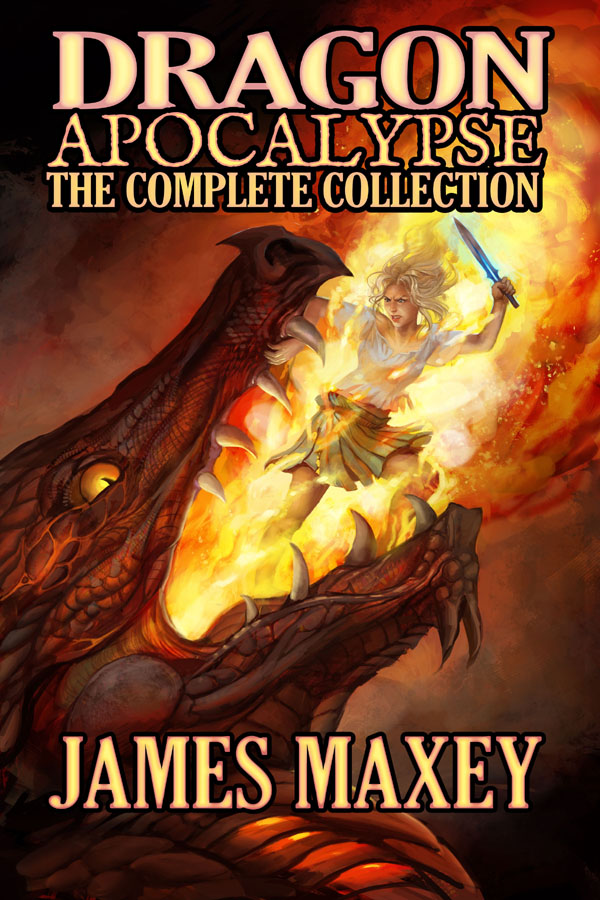
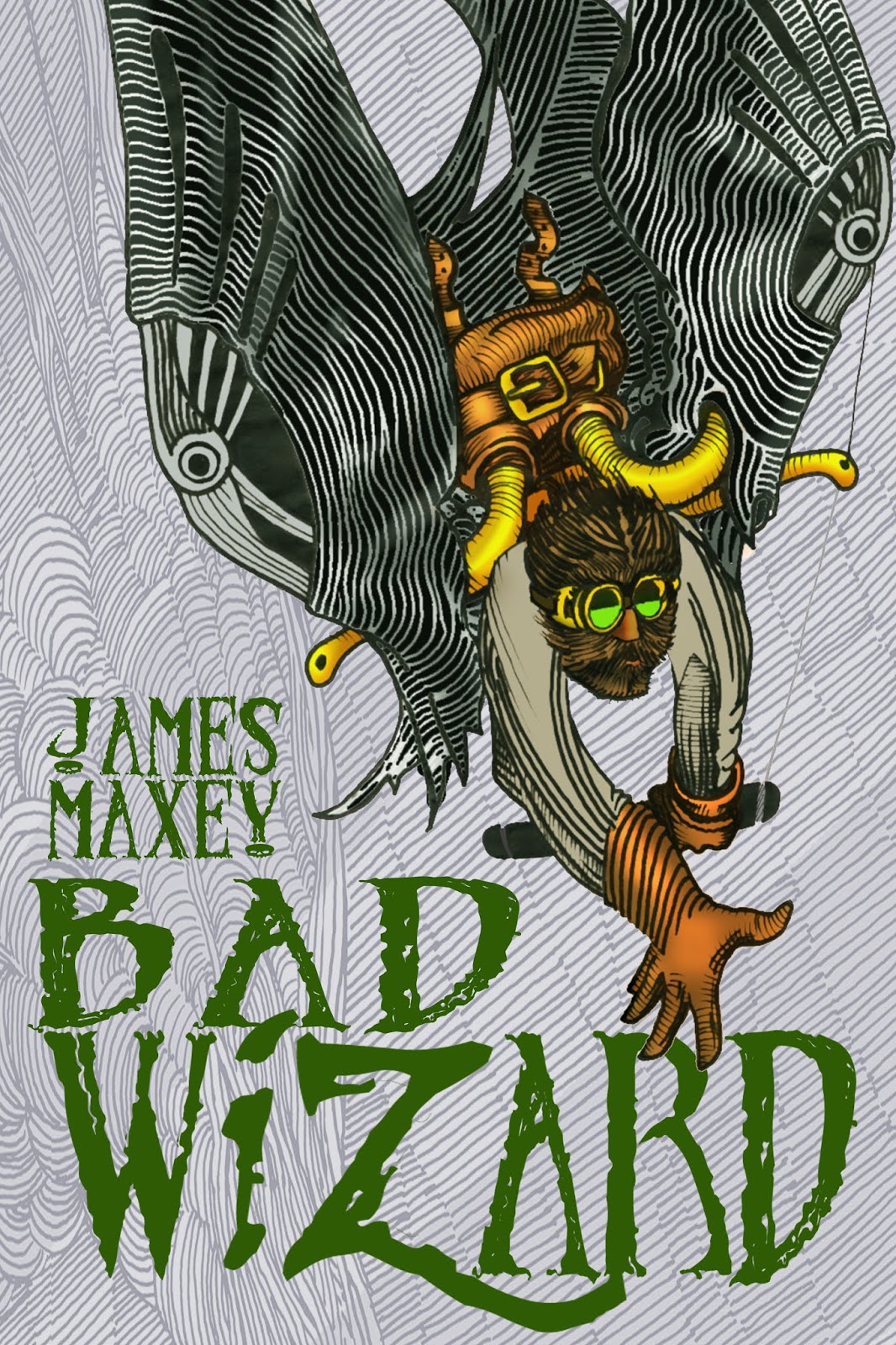
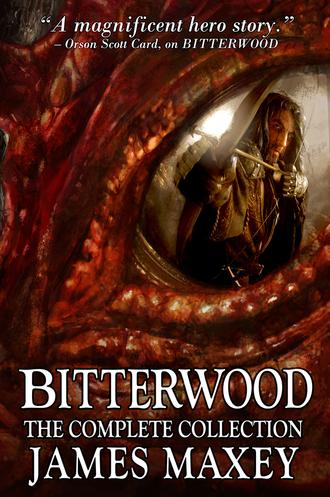
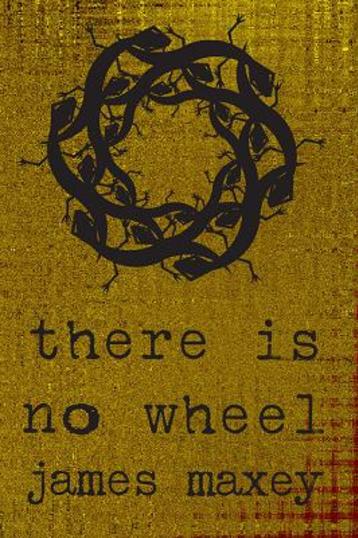
Right now, I've got the four titles above available in hardcover. The two dragon books were obvious choices to put out in this premium format. There is No Wheel is the least obvious choice here, since it's a slow seller online, but it actually sells quite well at conventions. Bad Wizard also does well at conventions, and it captures a lot of readers who are only marginally interested in science fiction and fantasy. Many of these readers like the hardcover format.
Long term, I plan to do a superhero collection called The Complete Nobody, and another collecting my Lawless series. But, first, I need to write a fourth book for each series. I'll also probably do a Dragonsgate collection once I finish that series, and already have in mind a deluxe short story collection that would combine all the stories in There is No Wheel, the Jagged Gate, and new stories I've written since those were published. Some of these are likely to see life in 2019, some probably won't become reality until 2020.
For now, though, if you want a great gift for the holidays, it's not too late to get your hands on these books! Just click on these links: There is No Wheel, Bad Wizard, Dragon Apocalypse: the Complete Collection, Bitterwood: The Complete Collection.
Or, come buy them from me personally next year! I've already got close to a dozen events lined up, most in North Carolina, but with Virginia and South Carolina getting visits as well, and I'll probably do at least one Tennessee event again as well. Want to know where I'll be and when I'll be there? Sign up for my newsletter!
October 8, 2018
Dragonsgate Update: 9 chapters, 45014 words
Just finished chapter nine of Dragonsgate, bringing me to 45014 words on the first draft.
At this point, the two major plots are well under way, though the biggest, most difficult problem the characters are going to face still hasn't been introduced or even hinted at. Structurally this is a problem I'll need to address in the second draft by writing some scenes that are going on outside the awareness of my core POV characters of Bitterwood and Burke. So far, only one chapter has been told from a dragon's POV, which is a very different from the previous Bitterwood books. Of course, in the previous Bitterwood books, I had humans and dragons with close bonds. Jandra's relationship with Vendevorex and Hex was an important part of her character. Shandrazel negotiating with Pet in Dragonforge also gave me a lot of character scenes where dragons and humans had reasons to be together. This time, I'm missing a human/dragon friendship or partnership to work around--so far. The dragons have a lot more to do in the second half of the book.
I feel pretty good about the pace I'm writing the book. Finishing the first draft by the end of the month is still vaguely possible, though I suspect mid-November is a more realistic goal.
Right now, the thing I'm least satisfied with are the emotional plot lines. In the previous books, Jandra really provided the emotional heart of the books, and a lot of the other characters were mostly static as she changed and grew. The great thing about Jandra was that she could make mistakes and have doubts. The problem with using Bitterwood as the actual protagonist of a Bitterwood novel is that he's competent and certain. He's haunted by his past, yes, but I've established him as someone who doesn't agonize over his options before he takes action, and as someone who doesn't waste a lot of time second guessing what he could or should have done. I've got a slowly building subplot for him that will lead him to an emotional revelation, but it's tricky. If I bring it to the forefront, readers will likely guess my plans for him. If I leave it slowly building in the background, his later epiphany might look forced. Oh well. That's why there's first drafts.
At this point, the two major plots are well under way, though the biggest, most difficult problem the characters are going to face still hasn't been introduced or even hinted at. Structurally this is a problem I'll need to address in the second draft by writing some scenes that are going on outside the awareness of my core POV characters of Bitterwood and Burke. So far, only one chapter has been told from a dragon's POV, which is a very different from the previous Bitterwood books. Of course, in the previous Bitterwood books, I had humans and dragons with close bonds. Jandra's relationship with Vendevorex and Hex was an important part of her character. Shandrazel negotiating with Pet in Dragonforge also gave me a lot of character scenes where dragons and humans had reasons to be together. This time, I'm missing a human/dragon friendship or partnership to work around--so far. The dragons have a lot more to do in the second half of the book.
I feel pretty good about the pace I'm writing the book. Finishing the first draft by the end of the month is still vaguely possible, though I suspect mid-November is a more realistic goal.
Right now, the thing I'm least satisfied with are the emotional plot lines. In the previous books, Jandra really provided the emotional heart of the books, and a lot of the other characters were mostly static as she changed and grew. The great thing about Jandra was that she could make mistakes and have doubts. The problem with using Bitterwood as the actual protagonist of a Bitterwood novel is that he's competent and certain. He's haunted by his past, yes, but I've established him as someone who doesn't agonize over his options before he takes action, and as someone who doesn't waste a lot of time second guessing what he could or should have done. I've got a slowly building subplot for him that will lead him to an emotional revelation, but it's tricky. If I bring it to the forefront, readers will likely guess my plans for him. If I leave it slowly building in the background, his later epiphany might look forced. Oh well. That's why there's first drafts.
September 18, 2018
Slow Burn
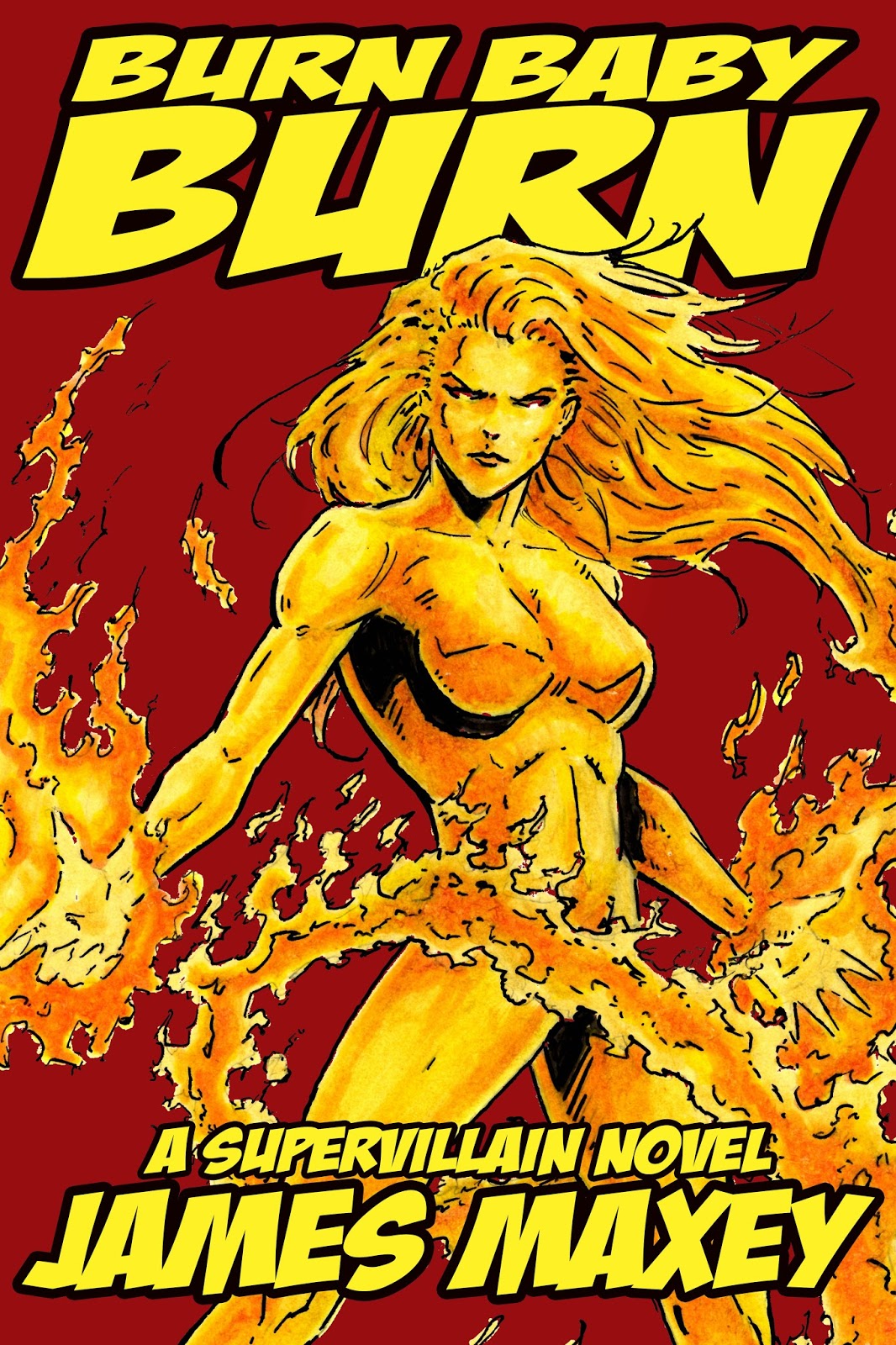 The current Mike "MEZ" Phillips cover.
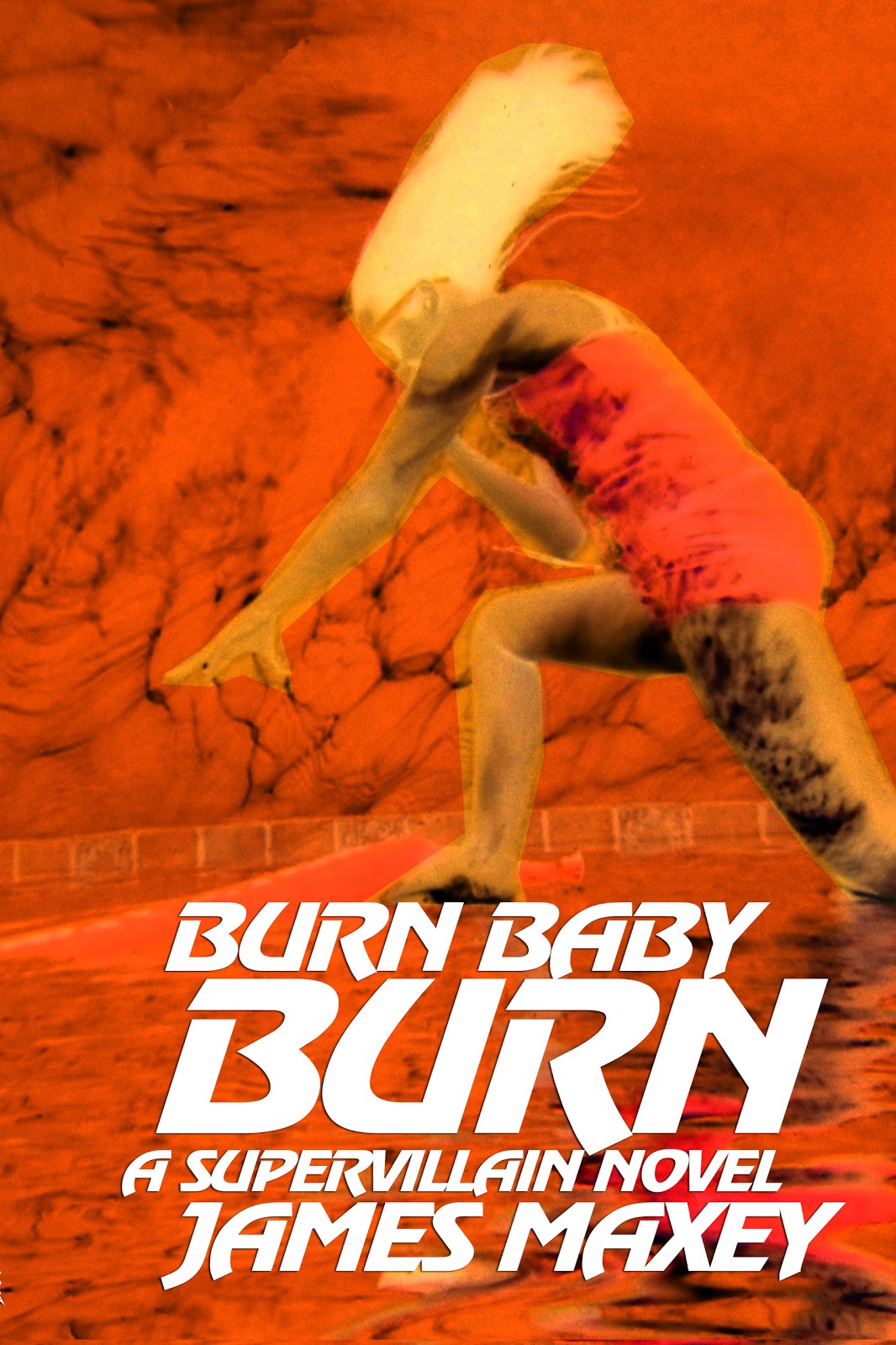 The original cover
Most of my titles have been available for the last few years via a company called CreateSpace. They were already owned by Amazon by the time I started doing business with them. Amazon is now phasing them out and will be handling all printing through Kindle Direct Publishing. Today, I transferred all my titles from the old website to the KDP dashboard, a relatively pain free process. Afterwards, I went back to CreateSpace and printed off five years of sales and purchase data in case it suddenly disappears one CreateSpace is completely gone.
I'm always looking at my sales data, of course. Maybe a little too obsessively. I mean, in traditional publishing, you go six months without seeing sales data. Now, I look at sales maybe six times a day. Which is crazy. But that's another essay.
This essay is about something surprising I discovered when I pulled all my CreateSpace sales data. In ebooks, my dragon stuff is far and away outsells my superhero titles. But it turns out that as far as what people order online in print editions, my supervillain novel Burn Baby Burn has had the best cumulative total of any of my print on demand books, beating out Bitterwood: the Complete Collection by forty total sales over it's lifetime, not a giant win, but, still, I was surprised. Burn Baby Burn has never been a best seller. It usually only logs single digit sales in the paperback version every month, but the every month part is important. Over the long haul, it's earned more than I got as an advance for either of the first two novels I sold to traditional publishers.
This is important to me because Burn Baby Burn was the first title I didn't even try to shop to a publisher or agent. It was too quirky to pitch, and had too much personal meaning for me not to write it. A traditional publisher would likely have taken the book out of print years ago. But the fact that it keeps selling is rewarding. Some books just need time to find their readers. I'm glad I came into publishing at a time when a quirky title like this had a chance at life. I'm also glad it opened a career path to me I didn't even dream of fifteen years ago when I first saw one of my books in a bookstore.
If you've never read it or even heard of it, you're missing out on a pretty special book. It's a Bonnie and Clyde love story between two supervillains on a crime spree. Neither Pit Geek nor Sundancer are particularly lovable. They kill a lot of people during the book, and Sundancer feels like a bit of an underachiever for not killing even more. Anyone can write a love story about lovable people. The fact that Pit Geek and Sundancer are so damaged and dangerous makes the way that love changes them during the book particularly meaningful. And Sundancer is dying of cancer, facing her mortality. Pit Geek is trying to come to terms with her looming death. It's sometimes hard for me to reread. I put a lot of my own emotional journey into these pages.
Also talking chimps. It's not all gloomy. In fact, it's pretty funny from end to end. It has possibly my favorite opening line of any of my novels: "Sunday Jiminez was fifteen when she killed her first nun." Also my favorite closing line: "He'd gotten out alive." The stuff in between is pretty swell as well. Seriously. Check it out. Wait, don't check it out. Buy it!
September 12, 2018
A Bitterwood Bestiary
With a new Bitterwood book coming soon, I thought this would be a good time to post a bestiary of the various races you encounter in the novels:
DRAGON RACES
SUN-DRAGONS
Sun-dragons are the lords of the realm, possessing forty-foot wingspans and long, toothy jaws that can bite a man in half. Sun-dragons are adorned with crimson scales tipped with highlights of orange and yellow that give them a fiery appearance. Wispy feathers around their snouts give the illusion that they breathe smoke. Though gifted with natural weaponry and a tough, scaly hide, sun-dragons are intelligent tool-users who recognize the value of using spears and armor to enhance their already formidable combat skills. Politically, sun-dragons are traditionally organized under an all-powerful king, who, by rights, owns all property within the kingdom. A close network of other sun-dragons, often related to the king, manage individual abodes within the kingdom. The current “king” is Hex, the only surviving son of the old king Albekizan. Hex is a political radical with anarchist leanings, and as a result of his refusal to perform the duties of a king, the sun-dragon political structures are currently in great disarray.
SKY-DRAGONS
Half the size of sun-dragons, sky-dragons are a race devoted to scholarship. Most male sky-dragons dwell at colleges built around large libraries. Their leaders are known as biologians, a position that is part priest, part librarian, and part scientist. Most male sky-dragons distain combat, but a few are selected to either serve in the king’s elite aerial guard, or if they show a talent for brutality, become part of the ranks of slave-catchers than keep human slaves compliant. Sky-dragons practice strict segregation of the sexes. The females of the species dwell on an island fortress known as the Nest, defended by fierce warriors known as valkyries. The scholars among the females tend to focus on more practical disciplines than their male counterparts, and are particularly well known for their talents as engineers.
EARTH-DRAGONS
Wingless creatures, earth-dragons are humanoids with turtle-beaked faces and broad, muscular bodies. They are much stronger than men, but also much slower. As a race, they have few valuable skills beyond their enthusiasm for hitting things. This makes them excellent soldiers and decent blacksmiths. Except for the rare periods of time when earth-dragons are in heat, it’s nearly impossible to tell the difference between the two sexes of earth-dragon. They are the only dragon species to lay eggs instead of producing live birth. Very rarely, some earth-dragons are born with a chameleon mutation that allows them to blend into their surroundings. These mutant dragons are also smarter and faster than their brethren and are usually recruited to become assassins for the dragon king, serving in a greatly feared unit known as the Black Silence.
LESSER SPECIES
HUMANS
Humans live in the margins of dragon society as slaves, pets, and prey. The sun-dragons tolerate their existence primarily because of mankind’s natural talent for farming; the labor of humans keeps the bellies of dragons full. Humans are generally peaceful and harmless in small, isolated groups, but quick to war with other tribes. Recently, a prophet named Ragnar united many of the men in the kingdom into a rebel army. The rebellion successfully seized the town of Dragon Forge, and a man named Burke is using the town’s foundries to create new weapons that may forever alter the balance of power between man and dragon… assuming the humans can resist their natural urges to go to war with themselves.
LONG-WYRMS
Fifty-foot long copper colored serpents with fourteen pairs of legs, long-wyrms are ferocious carnivores, and, fortunately, exceedingly rare.
GREAT-LIZARDS
Often used as beasts of burden, great-lizards are twenty food long reptiles that closely resemble giant iguanas with a more upright stance.
OX-DOGS
The product of centuries of careful breeding, ox-dogs are the largest canine species ever to exist, standing nearly six feet high at the shoulder. Despite their fearsome build, most are docile in temperament, though earth-dragons often train them for hunting and have taught some to have an appetite for human flesh.
August 9, 2018
Bad News/Good News
Bad news: It’s more difficult than ever to make a living as a writer.
There aren’t many writers bringing home big wads of cash. As in many creative industries, there are a few big earners at the top, outnumbered a thousand to one by people at the bottom who earn very little. With so many writers at the bottom eager to see their book in a book store, publishers can pay relatively trivial amounts to new authors. Many give up on traditional publishing and try self-publishing. Unfortunately, so many are desperate to find readers that they often give away their work. The ease of self-publishing creates a huge pool of new books competing for the attention of a limited pool of readers, and we’ve trained many of those readers to think a fair price to pay for a book is nothing.
Good news: It’s easier than ever to make a living as a writer!
There are two key revolutions in the publishing world that make it easier to pursue either a traditional publishing path or a self-publishing career. Traditional publishers used to be concentrated in a few major cities, and New York is still home to many big name publishers. Meeting the editors for these publisher or the agents who worked with them meant travelling to conventions and hoping to schmooze at a party or introduce oneself on an elevator. Social media has changed all this. I’m acquainted online with dozens of professionals in the industry and we respond to each other’s posts all the time. If I send an editor I have a relationship with online something to take a look at, they’ll probably read it in a more positive light than something from a complete stranger. Also, social media has revolutionized the spread of publishing information. There was a time you had to subscribe to trade magazines to get news about new imprints at publishing houses, or get the names of newly hired editors, or learn what anthologies were open to submissions. Now, this information is freely available to anyone who cares to look for it.
But an even bigger transformation in the industry is the self-publishing revolution. It used to be that getting your book into print meant getting past the gatekeepers at the big publishing houses. Today, Amazon has thrown the gate wide open. As a self-publisher you have free access to the digital shelves of the largest bookstore that’s ever existed. And Amazon isn’t the only platform. Google, Apple, Nook, Kobo, and other stores are also open to your content. Ebooks have a low initial cost to take live, and even print books are easy to print and sell thanks to print on demand platforms like Createspace. Turning your book into an audio book isn’t terribly difficult and expands your potential audience. On many of these platforms, your audience isn’t limited to America. Each month, I see revenue from Canada, Australia, the United Kingdom, India, and even occasional sales from places where English isn’t the primary language, like Japan and Germany. A great thing about these online sales is that most of the platforms pay generous royalties, have easy to follow accounting that lets you see your sales data updated each day, and direct deposit the income you’ve earned on a monthly basis. With traditional publishing, you often go six months between paychecks, assuming you ever earn out your advances. Unless your electric bill only comes every six months, the monthly revenue stream is a welcome change from the traditional model.
Finally, with self-publishing, you never need to let a book go out of print. There’s a concept known as the long tail. For a newly released book, you make most of your money in the first few months it’s in print, then sales start to decline. With traditional publishers, once your book falls below a certain threshold of sales, they’ll remainder what books they have less and take the book out of print. Your revenue for that book comes to an end. With self-publishing, your books keep earning small amounts of money year after year. It adds up. It might not sound impressive that I have some old titles that only earn me ten or twenty dollars a month, but I can look at my sales data and see that some of these books have earned a thousand dollars or more long after the point where a traditional publisher would have taken it out of print. With enough titles in print, a self-published author can cobble together something approaching a steady income. Not a flamboyant, extravagant income, but long before I was earning enough to leave behind my day job I passed through years where I was earning at least a hundred bucks each month. If you’re in an economic class where an extra hundred bucks a month won’t make a difference in your life, congratulations! For many struggling writers, though, that hundred bucks a month makes them hungry for more.
Bad news: The world is full of far more talented writers than you can ever hope to be.
Wow. That’s a bummer. But it’s something you’ll need to learn to live with. I write epic fantasy, but I don’t have a lot of hope that one day I’ll be praised as better than Tolkien or George R.R. Martin. I also write humorous science fiction, but have yet to read a review saying how much funnier my stuff is than Hitchhiker’s Guide to the Galaxy. I don’t know that I’ll ever write a book as tight and disturbing as Jim Thomson’s The Grifters,or as full of madness and truth and poetry as Hunter S. Thompson’s Fear and Loathing in Las Vegas. I can list you a hundred classic novels that fill me both with admiration and despair. It’s not just classics. Every year, great books by new authors win awards and critical acclaim and turn their authors into legends in literary circles. I admire great books. I cherish them as the highest art form mankind has yet created. But that same love of literature often leaves me feeling like I’m coming up short. Maybe I’m never going to write a book that changes the world. Maybe I’m always going to be a pale shadow compared to these towering titans of literature. Maybe my chosen genres of dragons and superheroes keep me from my full potential, and make me more of an entertainer than a true author.
More bad news: The world is full of writers who are much worse than you. Many produce best-sellers, sign movie deals, and fill auditoriums with fans when they go on tour.
For me, this is even harder to deal with than seeing great writers getting the attention they deserve. Seeing hacks win acclaim and earn fortunes leaves me wondering if success isn’t all luck, or, if it’s not luck, if I’m just so isolated from my own culture that I’ll never understand what it takes to write a popular book.
Good News: You’re more than talented enough to write stories people will find important.
After my novel Bitterwoodwas released, I got a fan letter. It was from a twelve year old boy who loved my book but was wondering whether or not I believed in God. He could see all the religious imagery I was drawing into my work. Some of my characters quote the Bible outright, and others make allusions to Biblical tales. But, the book also features a prophet named Hezekiah who is something of a monster who preaches a very violent, dark, Old Testament ideology that allows him to kill in the name of the Lord. I could sense a subtext in his letter. Since he was young but familiar with the Bible, he was probably from a religious family. But the way he asked the question made me think he had doubt, and my book had likely contributed to those doubts. And that one fan letter to this day does more to keep me writing than anything else. I have no idea where that young fan arrived at philosophically, but it was plain that my book was something he’d actually thought about. I can point to books I read when I was young that changed my whole world view. Not all of these were classics. I had a taste for cheesy science fiction novels that would now be dismissed as pulp. I don’t even recall the many of the titles or the authors. But these books still changed me, opening up a love of science and a love of adventure, and not just the adventures you find on a page. Stories about people travelling to other planets inspired me to want to go out and explore my own planet. And many of these stories made heroes of smart, knowledgeable people. Engineers, chemists, historians, linguists… they all have their roles to play in the spread of human civilization among the stars and it made me admire such people. I can assure you, a lot of these books were dreadful. To take a well-known example, 20,000 Leagues Under the Sea is a beloved classic still widely read. I think it’s about as poorly written as a novel can get. The characters are wooden, the plot meandering, the pacing atrocious, the dialogue stiff and inhuman. But, despite my dislike of the book, I have many well-read, intelligent friends I respect who count it among their favorite novels.
Ultimately, believing in the worthiness of your fiction is going to take a little faith. Strive to write the best book you can. Brace yourself to the indifference of roughly seven billion fellow inhabitants of the planet. Trust that somewhere out there is your reader, the one person who is going to pick up your book at the right moment in her life and absolutely cherish every word.
Bad news: Learning to write well takes years of practice.
No one expects to sit down at a piano the first time and play a beautiful melody. Learning any musical instrument is going to require years of plinking and clunking and off-tempo faltering that will only in the most superficial way resemble a song.
The same is true of writing a novel. You’re going to have false starts. You’re going to write characters no one has any reason to like, pursuing goals no one understands, across pages filled with prose that not everyone will be able to untangle. Maybe a few geniuses escape this harsh reality, but the vast majority of mankind must write a lot of crap before they become merely competent at writing a book. And, like a musical instrument, you can’t learn just how to write that one book. A pianist can’t learn to press the keys for just one song. There are scales to learn, musical theory to absorb, and a whole separate written language of musical notation that must be mastered.
To write a novel well, you’ve got to learn to craft realistic characters. You’ve got to engineer a compelling plot. You’ll need to ground your characters in a specific setting. Your writing style needs to be comprehensible. And you’ll need something worth saying, some theme or moral that breathes life into the piece and elevates it above a rote reporting of the events of your character’s life. All of these things take work to master. Sometimes you’ll need years to finally figure out how to handle all of these elements.
Good News: You've already had years of practice. You started learning to write before you were born. There is strong evidence that during the last two months of gestation babies can hear their mother’s voice in the womb and learn to recognize the patterns of language. You mastered your native tongue at a very early age, and while you might not have understood all the subtleties and niceties of language, you knew it well enough to laugh at puns, understand riddles, and grasp metaphorical speech. If your mother ever told you your room looked like a pig sty, odds are you didn’t take her literally. It’s quite likely you had never even seen an actual pig sty, but still grasped her meaning.
You have a long term fluency with metaphorical and symbolic language. You also likely were learning stories before you could even read, and making up your own stories well before you went to school.
As far as characters go, well, you know people. And, you know yourself. While there are a few tips and tricks I’ll get to in a different essay about how to create interesting characters, the heart and soul of character creation is simply knowing yourself, understanding your own wants and desires, your strengths and weaknesses, and the origins of these traits. You also need empathy, the ability and desire to not just understand other people, but to feel like they feel. You likely mastered this at a very early age.
As for setting, you have never spent a moment of your life separated from one. You’re always somewhere. Even if you don’t want to set your story where you are at this moment, you’ll be surprised at how much fictional detail you can draw from your immediate surroundings and your own travels.
As for having something important to say, you’ve been on the planet for a while. You’ve learned stuff. If you’ve been paying attention, you’ve gotten angry at some injustice or other, and wonder why the rest of the world isn’t equally angry. And, if you’ve been paying attention, you’ve discovered beautiful things, and want to tell everyone about this beauty.
You’ve been training to be a writer from the day you were born. All those boring writing assignments you did in school… you were a pianist practicing your scales. You’ve got every skill you need to write a good book simply by virtue of having lived a life. What makes writing a novel hard is the difference between knowing how to catch a ball and knowing how to juggle chainsaws. You have to take simple skills and use them all at once, in a way that looks effortless. Sometimes, you’ll gaze at a chainsaw juggler and feel envious that he’s only keeping three chainsaws in the air, while you’re trying to juggle ten major characters, three plot thread, and five different settings. It’s not the easiest thing in the world. On the positive side, there’s very little risk of having your fingers chopped off. You’ve chosen wisely in pursuing novel writing over chainsaw juggling, I think. That choice was first step toward greatness!
There aren’t many writers bringing home big wads of cash. As in many creative industries, there are a few big earners at the top, outnumbered a thousand to one by people at the bottom who earn very little. With so many writers at the bottom eager to see their book in a book store, publishers can pay relatively trivial amounts to new authors. Many give up on traditional publishing and try self-publishing. Unfortunately, so many are desperate to find readers that they often give away their work. The ease of self-publishing creates a huge pool of new books competing for the attention of a limited pool of readers, and we’ve trained many of those readers to think a fair price to pay for a book is nothing.
Good news: It’s easier than ever to make a living as a writer!
There are two key revolutions in the publishing world that make it easier to pursue either a traditional publishing path or a self-publishing career. Traditional publishers used to be concentrated in a few major cities, and New York is still home to many big name publishers. Meeting the editors for these publisher or the agents who worked with them meant travelling to conventions and hoping to schmooze at a party or introduce oneself on an elevator. Social media has changed all this. I’m acquainted online with dozens of professionals in the industry and we respond to each other’s posts all the time. If I send an editor I have a relationship with online something to take a look at, they’ll probably read it in a more positive light than something from a complete stranger. Also, social media has revolutionized the spread of publishing information. There was a time you had to subscribe to trade magazines to get news about new imprints at publishing houses, or get the names of newly hired editors, or learn what anthologies were open to submissions. Now, this information is freely available to anyone who cares to look for it.
But an even bigger transformation in the industry is the self-publishing revolution. It used to be that getting your book into print meant getting past the gatekeepers at the big publishing houses. Today, Amazon has thrown the gate wide open. As a self-publisher you have free access to the digital shelves of the largest bookstore that’s ever existed. And Amazon isn’t the only platform. Google, Apple, Nook, Kobo, and other stores are also open to your content. Ebooks have a low initial cost to take live, and even print books are easy to print and sell thanks to print on demand platforms like Createspace. Turning your book into an audio book isn’t terribly difficult and expands your potential audience. On many of these platforms, your audience isn’t limited to America. Each month, I see revenue from Canada, Australia, the United Kingdom, India, and even occasional sales from places where English isn’t the primary language, like Japan and Germany. A great thing about these online sales is that most of the platforms pay generous royalties, have easy to follow accounting that lets you see your sales data updated each day, and direct deposit the income you’ve earned on a monthly basis. With traditional publishing, you often go six months between paychecks, assuming you ever earn out your advances. Unless your electric bill only comes every six months, the monthly revenue stream is a welcome change from the traditional model.
Finally, with self-publishing, you never need to let a book go out of print. There’s a concept known as the long tail. For a newly released book, you make most of your money in the first few months it’s in print, then sales start to decline. With traditional publishers, once your book falls below a certain threshold of sales, they’ll remainder what books they have less and take the book out of print. Your revenue for that book comes to an end. With self-publishing, your books keep earning small amounts of money year after year. It adds up. It might not sound impressive that I have some old titles that only earn me ten or twenty dollars a month, but I can look at my sales data and see that some of these books have earned a thousand dollars or more long after the point where a traditional publisher would have taken it out of print. With enough titles in print, a self-published author can cobble together something approaching a steady income. Not a flamboyant, extravagant income, but long before I was earning enough to leave behind my day job I passed through years where I was earning at least a hundred bucks each month. If you’re in an economic class where an extra hundred bucks a month won’t make a difference in your life, congratulations! For many struggling writers, though, that hundred bucks a month makes them hungry for more.
Bad news: The world is full of far more talented writers than you can ever hope to be.
Wow. That’s a bummer. But it’s something you’ll need to learn to live with. I write epic fantasy, but I don’t have a lot of hope that one day I’ll be praised as better than Tolkien or George R.R. Martin. I also write humorous science fiction, but have yet to read a review saying how much funnier my stuff is than Hitchhiker’s Guide to the Galaxy. I don’t know that I’ll ever write a book as tight and disturbing as Jim Thomson’s The Grifters,or as full of madness and truth and poetry as Hunter S. Thompson’s Fear and Loathing in Las Vegas. I can list you a hundred classic novels that fill me both with admiration and despair. It’s not just classics. Every year, great books by new authors win awards and critical acclaim and turn their authors into legends in literary circles. I admire great books. I cherish them as the highest art form mankind has yet created. But that same love of literature often leaves me feeling like I’m coming up short. Maybe I’m never going to write a book that changes the world. Maybe I’m always going to be a pale shadow compared to these towering titans of literature. Maybe my chosen genres of dragons and superheroes keep me from my full potential, and make me more of an entertainer than a true author.
More bad news: The world is full of writers who are much worse than you. Many produce best-sellers, sign movie deals, and fill auditoriums with fans when they go on tour.
For me, this is even harder to deal with than seeing great writers getting the attention they deserve. Seeing hacks win acclaim and earn fortunes leaves me wondering if success isn’t all luck, or, if it’s not luck, if I’m just so isolated from my own culture that I’ll never understand what it takes to write a popular book.
Good News: You’re more than talented enough to write stories people will find important.
After my novel Bitterwoodwas released, I got a fan letter. It was from a twelve year old boy who loved my book but was wondering whether or not I believed in God. He could see all the religious imagery I was drawing into my work. Some of my characters quote the Bible outright, and others make allusions to Biblical tales. But, the book also features a prophet named Hezekiah who is something of a monster who preaches a very violent, dark, Old Testament ideology that allows him to kill in the name of the Lord. I could sense a subtext in his letter. Since he was young but familiar with the Bible, he was probably from a religious family. But the way he asked the question made me think he had doubt, and my book had likely contributed to those doubts. And that one fan letter to this day does more to keep me writing than anything else. I have no idea where that young fan arrived at philosophically, but it was plain that my book was something he’d actually thought about. I can point to books I read when I was young that changed my whole world view. Not all of these were classics. I had a taste for cheesy science fiction novels that would now be dismissed as pulp. I don’t even recall the many of the titles or the authors. But these books still changed me, opening up a love of science and a love of adventure, and not just the adventures you find on a page. Stories about people travelling to other planets inspired me to want to go out and explore my own planet. And many of these stories made heroes of smart, knowledgeable people. Engineers, chemists, historians, linguists… they all have their roles to play in the spread of human civilization among the stars and it made me admire such people. I can assure you, a lot of these books were dreadful. To take a well-known example, 20,000 Leagues Under the Sea is a beloved classic still widely read. I think it’s about as poorly written as a novel can get. The characters are wooden, the plot meandering, the pacing atrocious, the dialogue stiff and inhuman. But, despite my dislike of the book, I have many well-read, intelligent friends I respect who count it among their favorite novels.
Ultimately, believing in the worthiness of your fiction is going to take a little faith. Strive to write the best book you can. Brace yourself to the indifference of roughly seven billion fellow inhabitants of the planet. Trust that somewhere out there is your reader, the one person who is going to pick up your book at the right moment in her life and absolutely cherish every word.
Bad news: Learning to write well takes years of practice.
No one expects to sit down at a piano the first time and play a beautiful melody. Learning any musical instrument is going to require years of plinking and clunking and off-tempo faltering that will only in the most superficial way resemble a song.
The same is true of writing a novel. You’re going to have false starts. You’re going to write characters no one has any reason to like, pursuing goals no one understands, across pages filled with prose that not everyone will be able to untangle. Maybe a few geniuses escape this harsh reality, but the vast majority of mankind must write a lot of crap before they become merely competent at writing a book. And, like a musical instrument, you can’t learn just how to write that one book. A pianist can’t learn to press the keys for just one song. There are scales to learn, musical theory to absorb, and a whole separate written language of musical notation that must be mastered.
To write a novel well, you’ve got to learn to craft realistic characters. You’ve got to engineer a compelling plot. You’ll need to ground your characters in a specific setting. Your writing style needs to be comprehensible. And you’ll need something worth saying, some theme or moral that breathes life into the piece and elevates it above a rote reporting of the events of your character’s life. All of these things take work to master. Sometimes you’ll need years to finally figure out how to handle all of these elements.
Good News: You've already had years of practice. You started learning to write before you were born. There is strong evidence that during the last two months of gestation babies can hear their mother’s voice in the womb and learn to recognize the patterns of language. You mastered your native tongue at a very early age, and while you might not have understood all the subtleties and niceties of language, you knew it well enough to laugh at puns, understand riddles, and grasp metaphorical speech. If your mother ever told you your room looked like a pig sty, odds are you didn’t take her literally. It’s quite likely you had never even seen an actual pig sty, but still grasped her meaning.
You have a long term fluency with metaphorical and symbolic language. You also likely were learning stories before you could even read, and making up your own stories well before you went to school.
As far as characters go, well, you know people. And, you know yourself. While there are a few tips and tricks I’ll get to in a different essay about how to create interesting characters, the heart and soul of character creation is simply knowing yourself, understanding your own wants and desires, your strengths and weaknesses, and the origins of these traits. You also need empathy, the ability and desire to not just understand other people, but to feel like they feel. You likely mastered this at a very early age.
As for setting, you have never spent a moment of your life separated from one. You’re always somewhere. Even if you don’t want to set your story where you are at this moment, you’ll be surprised at how much fictional detail you can draw from your immediate surroundings and your own travels.
As for having something important to say, you’ve been on the planet for a while. You’ve learned stuff. If you’ve been paying attention, you’ve gotten angry at some injustice or other, and wonder why the rest of the world isn’t equally angry. And, if you’ve been paying attention, you’ve discovered beautiful things, and want to tell everyone about this beauty.
You’ve been training to be a writer from the day you were born. All those boring writing assignments you did in school… you were a pianist practicing your scales. You’ve got every skill you need to write a good book simply by virtue of having lived a life. What makes writing a novel hard is the difference between knowing how to catch a ball and knowing how to juggle chainsaws. You have to take simple skills and use them all at once, in a way that looks effortless. Sometimes, you’ll gaze at a chainsaw juggler and feel envious that he’s only keeping three chainsaws in the air, while you’re trying to juggle ten major characters, three plot thread, and five different settings. It’s not the easiest thing in the world. On the positive side, there’s very little risk of having your fingers chopped off. You’ve chosen wisely in pursuing novel writing over chainsaw juggling, I think. That choice was first step toward greatness!