Beth Tabler's Blog, page 220
August 11, 2021
I Know Science Fiction and Fantasy Can be Daunting
“You don’t forget the face of the person who was your last hope.”
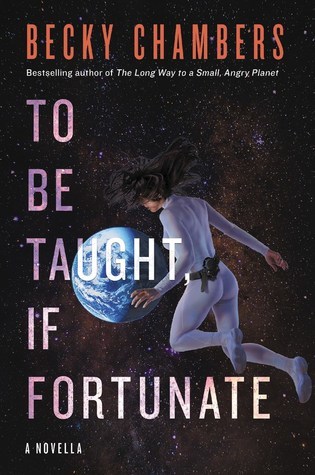
“We step out of our solar system into the universe seeking only peace and friendship – to teach, if we are called upon; to be taught, if we are fortunate.”
 types of conflict science fiction and fantasy are the "what if" genres like any other genres, they follow one of the seven conflicts
  Person Vs. Person
 A person finds that they are in opposition to another character. Hello, Luke vs Vader. If you have seen Star Wars and have related to it, you have seen (Person vs Person) conflict in science fiction/fantasy.
Examples Two competitors competing against each other.a battle between two countriestwo gangs fighting over territory Person VS. Fate
 A person vs Fate is so common now in fantasy literature is a trope. It is the classic hero’s tale. A person with a pre-ordained destiny that no matter the struggle will come to pass. A very important series for fantasy is the Robert Jordan Wheel of Time series that will soon be made into a new show on HBO. This is a classic example of (person vs. fate).
Examples A royal family member, denies their crown. There actually isn’t a lot of things fated in life. person vs. nature
 Person vs. Nature is a character against forces that are outside the limits of their control. Nature is the epitome of that. A force of nature. Lucifer’s Hammer is Man vs. Comet. Or, you could do The Moon is a Harsh Mistress by Heinlein which shows the effects of long term living on the moon.
examples Man trying to stay ahead of a major flood.Family trying to survive a hurricane.Killer birds attacking a small village.Hey lovely people. let’s talk about science fiction and fantasy genres. Science Fiction and Fantasy can be a daunting genres to get into. It is that wild genre that isn’t always based in reality, and that can be offputting and unrelatable to some readers. I mean what are you supposed to do with space battles, aliens, pirates, dragons. These are not relatable things. There is nothing to base it off on, in reality. All we have is a shared commonality of lore and stories. However, with these shared mythoi between cultures, we can relate to the plights of characters.
For example, when talking about dragons, cultures around the world have a general idea of what a dragon is like. The details differ from region to region. But, generally, they are the same. Thanks to Tolkien we have the shared commonality of Orcs. They have become pretty extensive in fantasy. Elves come from Germanic and Scandanavian lore. Their stories disseminated through the various cultures of northern Europe. Fantasy writing is essentially taking these cultural stories and mythos and making new tales with them. It is a loose definition because there are outliers in all genres where stories don’t quite fit into standard type.
Now take these stories and put them into the seven types of conflicts, you have relatable stories. Example of Person vs Person Star Wars Aftermath by Chuck Wendig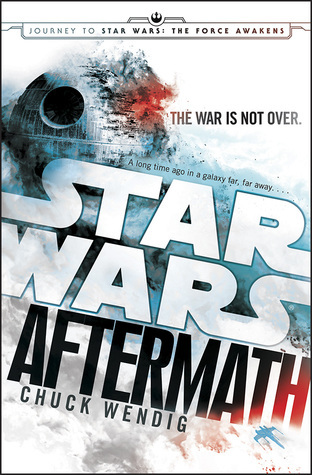
New York Times Bestseller • Journey to Star Wars: The Force Awakens
“Star Wars: Aftermath [reveals] what happened after the events of 1983’s Return of the Jedi. It turns out, there’s more than just the Empire for the good guys to worry about.”—The Hollywood Reporter
As the Empire reels from its critical defeats at the Battle of Endor, the Rebel Alliance—now a fledgling New Republic—presses its advantage by hunting down the enemy’s scattered forces before they can regroup and retaliate. But above the remote planet Akiva, an ominous show of the enemy’s strength is unfolding. Out on a lone reconnaissance mission, pilot Wedge Antilles watches Imperial Star Destroyers gather like birds of prey circling for a kill, but he’s taken captive before he can report back to the New Republic leaders.
Meanwhile, on the planet’s surface, former rebel fighter Norra Wexley has returned to her native world—war weary, ready to reunite with her estranged son, and eager to build a new life in some distant place. But when Norra intercepts Wedge Antilles’s urgent distress call, she realizes her time as a freedom fighter is not yet over. What she doesn’t know is just how close the enemy is—or how decisive and dangerous her new mission will be.
Determined to preserve the Empire’s power, the surviving Imperial elite are converging on Akiva for a top-secret emergency summit—to consolidate their forces and rally for a counterstrike. But they haven’t reckoned on Norra and her newfound allies—her technical-genius son, a Zabrak bounty hunter, and a reprobate Imperial defector—who are prepared to do whatever they must to end the Empire’s oppressive reign once and for all.
Example of Person vs fate The Eye of the World by Robert Jordan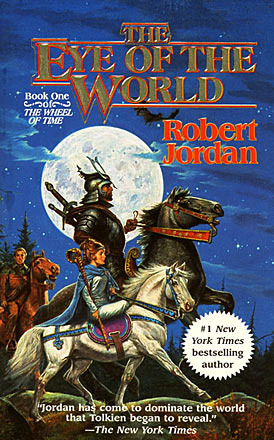
The Wheel of Time turns and Ages come and go, leaving memories that become legend. Legend fades to myth, and even myth is long forgotten when the Age that gave it birth returns again. In the Third Age, an Age of Prophecy, the World and Time themselves hang in the balance. What was, what will be, and what is, may yet fall under the Shadow.
Example of Person vs nature Lucifer's Hammer by Larry Niven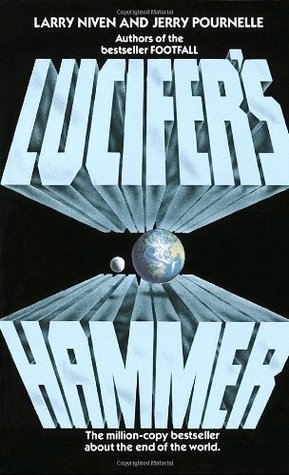
The gigantic comet had slammed into Earth, forging earthquakes a thousand times too powerful to measure on the Richter scale, tidal waves thousands of feet high. Cities were turned into oceans; oceans turned into steam. It was the beginning of a new Ice Age and the end of civilization. But for the terrified men and women chance had saved, it was also the dawn of a new struggle for survival–a struggle more dangerous and challenging than any they had ever known.
 Person Vs. Society
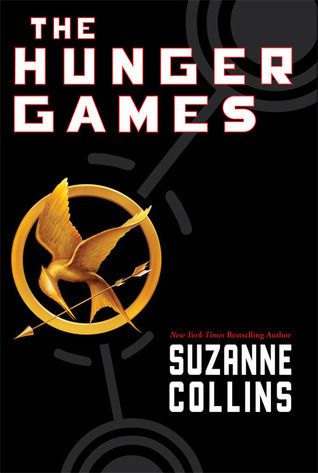
 Lately, the dystopian genre has exploded. For good reason. Many believe we are living in a weird dystopia. Not long ago I wrote an article on the rise of the feminist dystopia, and why it is important and relatable. Again, I will mention it. It is a type of conflict. It pits a person against society and social norms. It is relatable. Although dystopia falls more under speculative fiction than science fiction, the lines of all these genres get a bit murky. There are many examples of this: Hunger Games, Wool, Anthem, and The Handmaids Tale.
My favorite book from this genre is Farenheit 451. The opening line is probably the greatest opening line ever written in literature, “It was a pleasure to burn.” Fight me.
Examples Women fight for the right to votenon-violent protestingkids struggling in middle school Person VS.the unknown
 Person vs. The Unknown is pretty popular in science fiction and fantasy. War of the Worlds, The Shining, The Stand, and pretty much any horror novel you can think of. The protagonist vs. something they don’t understand, Animal, vegetable or mineral. My two favorite books from this are Childhood’s End and World War Z. Childhood’s End is about an alien culture that has come down to the world and gotten rid of all conflict. No war, disease, and famine. It causes great ennui. World War Z is about zombies, and so much more. Both are relatable if you look at them through the scope of humanity. Without a struggle in life, do humans become soft and complacent? in World War Z it is as much about Zombies is it is about the sociological effects on different cultures throughout the world when faced with something like zombies. That part fascinated me. Forget the stupid movie. It is like comparing apples and a fax machine.
Examples Ghost haunting a buildingOutbreak of influenzaSomeone goes missing on a deserted road person vs. Technology
 Science Fiction finds a lot of it’s home in this genre, but not always. Classic example Asimov’s Foundation or 2001 Space Odyssey. Especially 2001. Man versus sentient computer. This has become almost a trope. What happens when we turn over the reigns to automation. The entire Terminator franchise is built around this literary concept.
examples A sentient computerA world where data is kingCameras that spy on your every move.Science Fiction usually has to deal with technology in some way. I say usually because it is a broad genre with many subclasses. But for the sake of discussion, I am going to say it has to do with technology, the future, and space in some way. All of us deal with technology daily. If you are reading this you are utilizing technology. It is a part of our lives. Science fiction is taking the technology that is constantly changing and developing and taking it one step further.
So…How does a regular reader get into something like science fiction and fantasy?
It is the “what if” genre.
What if cell phones run amok? – Stephen King’s The Cell.
What if androids went rogue? – Phillip K. Dick’s Do Androids Dream of Electric Sheep?
What if in the Metaverse Hiro Protagonist is a Warrior Prince? – Snowcrash by Neal Stephenson
The important thing to remember about science fiction and fantasy is that it is based in the same sort of themes that any other type of fiction relies on. The human condition. It is how we as people relate to something.
For example, there are seven types of conflict in literature. This holds true for fantasy and science fiction as well. Here are some examples and how they pertain specifically to fantasy and science fiction.
Example of society Farenheit 451 by Ray Bradbury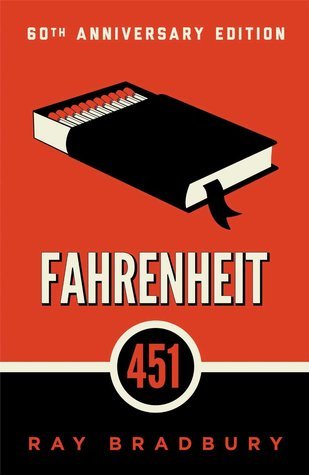
Guy Montag is a fireman. In his world, where television rules and literature is on the brink of extinction, firemen start fires rather than put them out. His job is to destroy the most illegal of commodities, the printed book, along with the houses in which they are hidden.
Montag never questions the destruction and ruin his actions produce, returning each day to his bland life and wife, Mildred, who spends all day with her television ‘family’. But then he meets an eccentric young neighbor, Clarisse, who introduces him to a past where people did not live in fear and to a present where one sees the world through the ideas in books instead of the mindless chatter of television.
When Mildred attempts suicide and Clarisse suddenly disappears, Montag begins to question everything he has ever known.
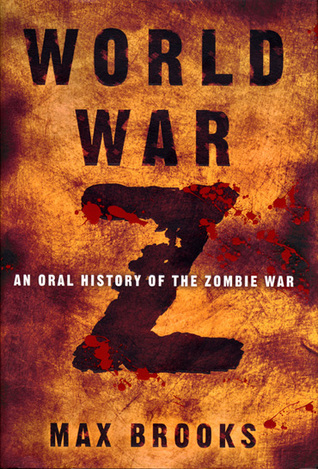
The Zombie War came unthinkably close to eradicating humanity. Max Brooks, driven by the urgency of preserving the acid-etched first-hand experiences of the survivors from those apocalyptic years, traveled across the United States of America and throughout the world, from decimated cities that once teemed with upwards of thirty million souls to the most remote and inhospitable areas of the planet. He recorded the testimony of men, women, and sometimes children who came face-to-face with the living, or at least the undead, hell of that dreadful time. World War Z is the result. Never before have we had access to a document that so powerfully conveys the depth of fear and horror, and also the ineradicable spirit of resistance, that gripped human society through the plague years.
Ranging from the now infamous village of New Dachang in the United Federation of China, where the epidemiological trail began with the twelve-year-old Patient Zero, to the unnamed northern forests where untold numbers sought a terrible and temporary refuge in the cold, to the United States of Southern Africa, where the Redeker Plan provided hope for humanity at an unspeakable price, to the west-of-the-Rockies redoubt where the North American tide finally started to turn, this invaluable chronicle reflects the full scope and duration of the Zombie War.
Most of all, the book captures with haunting immediacy the human dimension of this epochal event. Facing the often raw and vivid nature of these personal accounts requires a degree of courage on the part of the reader, but the effort is invaluable because, as Mr. Brooks says in his introduction, “By excluding the human factor, aren’t we risking the kind of personal detachment from history that may, heaven forbid, lead us one day to repeat it? And in the end, isn’t the human factor the only true difference between us and the enemy we now refer to as ‘the living dead’?”
Note: Some of the numerical and factual material contained in this edition was previously published under the auspices of the United Nations Postwar Commission.
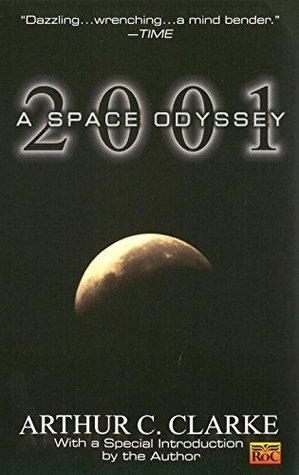
On the Moon, an enigma is uncovered.
So great are the implications of this discovery that for the first time men are sent out deep into our solar system.
But long before their destination is reached, things begin to go horribly, inexplicably wrong…
One of the greatest-selling science fiction novels of our time, this classic book will grip you to the very end.
Science fiction and fantasy can be relatable. It all goes back to what humanity is. That can be true for speculative fiction in general, the great “what if.” There is no magic dictionary of terms to know, or crib sheet needed. So really, just dive right in. It is full of amazing worlds and so much to discover. If you have questions on anything I am always here.
 Person Vs. self
 This is a classic example of a person against their darker nature or weaker nature. If you want a fantastic example of this to look no further than Harry Potter and the Sorcerer’s Stone. Harry must battle with who he is inside, is he a Griffindor or is he a Slytherin? Although Harry Potter can easily fall within a few of these genres due to the changing nature of the tale. Harry grows and develops and the conflict changes from more of a (person vs self) to (person vs person).
Examples A drug addict abstaining from drugsSomeone attempting to mourn the death of a family memberA person afraid of snakes, petting one. Example of person vs. self harry potter and the sorcerers stone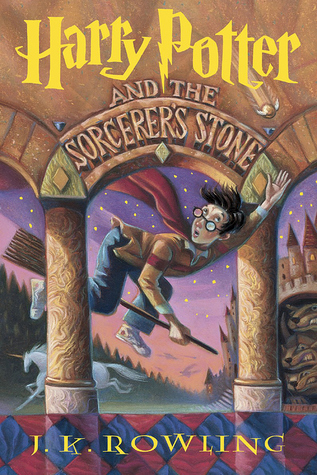
Harry Potter’s life is miserable. His parents are dead and he’s stuck with his heartless relatives, who force him to live in a tiny closet under the stairs. But his fortune changes when he receives a letter that tells him the truth about himself: he’s a wizard. A mysterious visitor rescues him from his relatives and takes him to his new home, Hogwarts School of Witchcraft and Wizardry.
After a lifetime of bottling up his magical powers, Harry finally feels like a normal kid. But even within the Wizarding community, he is special. He is the boy who lived: the only person to have ever survived a killing curse inflicted by the evil Lord Voldemort, who launched a brutal takeover of the Wizarding world, only to vanish after failing to kill Harry.
Though Harry’s first year at Hogwarts is the best of his life, not everything is perfect. There is a dangerous secret object hidden within the castle walls, and Harry believes it’s his responsibility to prevent it from falling into evil hands. But doing so will bring him into contact with forces more terrifying than he ever could have imagined.
Full of sympathetic characters, wildly imaginative situations, and countless exciting details, the first installment in the series assembles an unforgettable magical world and sets the stage for many high-stakes adventures to come.
Note: No link is included with this book. For obvious reasons.
Check Out Some of Our Articles

August 9, 2021
2nd Round Pick – Stranger Back Home by E.L Haines
 By G.M Nair
  "Strange Back Home might have a few bumps in the road, but it’s fun, funny fantasy, that I enjoyed reading and I’m giving it the push forward." stranger back home by e.l haines
 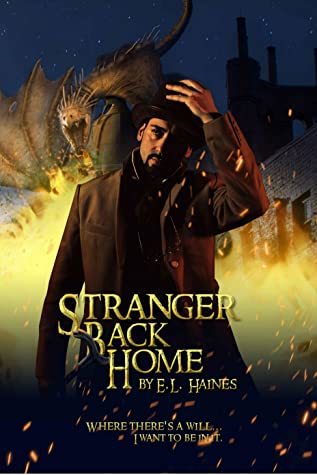 Stranger Back Home by E.L. Haines Buy A Copy Here What is it about?
 One day, your father is a renowned diplomat. The next day, he’s an infamous terrorist.
When Sparrow is summoned to the reading of his father’s last will and testament, the most he hoped for was a minor bequest. Instead, he inherited suspicion and accusations from the Empire that his father helped unite.
Locked away in a vault are the secrets that will reveal Xavier DuMont’s mysterious past and shine a light on Sparrow’s future. Perhaps even the future of the entire realm.
Of course, these secrets won’t be obtained easily. Especially when everyone in this magical world seems so casually racist.
Social dynamics in this world were already pretty strange. Somehow, Sparrow makes everything stranger.
Stranger Back Home by E.L. Haines is a comedic fantasy that follows a dwarf by the name of Sparrow on his continuing adventures as he returns to his fantastical homeworld following the death of his father.
Technically, Stranger Back Home is part of a series of novels about Sparrow, but works well enough as a standalone, since most of his real backstory is fleshed out here. There were occasional references to earlier books, but nothing too jarring to take me out of the moment or narrative.
And what a narrative it is. Sparrow is a well accomplished entrepreneur in the fantastical city of Dragonsmouth – filled to the brim with ghosts, vampires, goblins, dwarfs, and kobolds – and he’s got a lot of plates spinning at once.
Those plates include managing an all-girl rock band, dealing with the annoyances of the stage actors guild, managing his estate that he stole off some vampires, managing the power struggle between the various ruling groups in Dragonsmouth, leading a small group of mercenaries, and struggling to educate the fantasy populace on the injustices of blackface while simultaneously running a kobold day spa in kobold-face. And that’s just off the top of my head.
If you think that’s a lot, you’d be right. There’s a sort of loose feeling to the narrative that keeps Sparrow bouncing around, ping-ponging between different things that all ultimately tie back into the overarching plot of him being summoned due to his father’s death and his step-mother’s kidnapping.
Does it work seamlessly? Not always. Some threads seem more consequential than others while others only have the most tenuous of links to the main story.
But is it fun? You bet it is. There’s a lot of wild fantasy concepts thrown around in a bizarre mishmash that becomes a thing of beauty. The language is crisp and tight and has occasional glimmers of Pratchett (who, as everyone knows, is the only author to ever write humorous fantasy). When Haines ventures into social commentary, things get a bit clumsy, and I’m not sure some of his theses fully lands as the book believes it should, but it is a valiant attempt at best and the rest of the book is so enjoyable that it’s not that big a deal (to me, at least).
But how does Stranger stack up in terms of SPFBO?
The thing about humor is that it doesn’t tend to fare well in these sorts of competitions (yeah, yeah Orconomics), because judges either don’t like the jokes (humor is subjective), or they feel the humor takes away from the narrative, or they don’t think direct humor belongs in books of this nature. All are valid opinions. I, personally, have written copious amounts of humorous sci-fi/fantasy fiction and have encountered these views (and reviews) often. But this isn’t an advertisement for my books*. The point is that as an SPFBO judge, I’m now in a position to be the change I want to see in the world.
Strange Back Home might have a few bumps in the road, but it’s fun, funny fantasy, that I enjoyed reading and I’m giving it the push forward.
*This, on the other hand, is! Read the Duckett & Dyer: Dicks For Hire series today!
Check Out SOME OF OUR OTHER REVIEWS#SPFBO Review and Cut – The Deathless One by Niranjan K.
#SPFBO Review and Cut – The Hand of Fire by Roland O’Leary
If You Liked This - Please Share the Love G.M Nair
G.M. Nair is a crazy person who should never be taken seriously. Despite possessing both a Bachelor’s and Master’s Degree in Aerospace Engineering and a job as an Aviation and Aerospace Consultant, he writes comedy for the stage and screen, and maintains the blog MakeMomMarvel.Com. Now he is making the leap into the highly un-lucrative field of independent book publishing.
G.M. Nair lives in New York City and in a constant state of delusion.
August 8, 2021
#SPFBO Review and Cut – Old Cold Cannibal by Todd Maternowski
By GM Nair "Old Cold Cannibal is a unique book with an amazing voice." old cold cannibal by todd maternowski 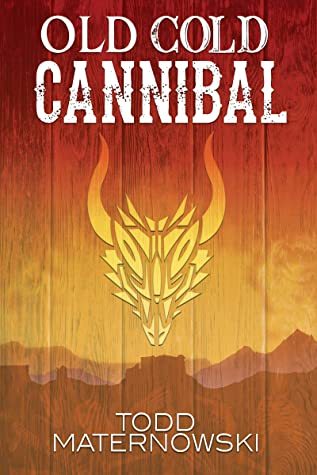 old cold cannibal by todd maternowski Buy A Copy Here What is it about?
 1849. Two men —professional con artists on the run— cross the dangerous deserts and plains of Texas and New Mexico, on a quest to find and slay a Dragon that has laid waste to the countryside.
G.M's ReviewOld Cold Cannibal is a unique book with an amazing voice. I have a soft spot for harsh 1800s white narrators whose doubling down on arrogance and (historically accurate) racism wrap around from being awful to weirdly and unsettlingly charming. Old Cold Cannibal delivers on that 100%, and allows it to infuse some humor into what is otherwise a very dark and disturbing narrative that follows a journey across the pre-Civil War U.S. to find and slay a dragon.
Maternowski’s story is incredibly detailed and feels true to the sort of wandering frontier life you would expect from mercenaries and fortune hunters on a ‘gold rush’ in the 1800s. At least, as ‘true’ as I can tell without any research. He touches on a lot of social, political, and philosophical issues of the time, that for better or worse are still relevant today. And our protagonists are rarely the heroes of the story, making unpleasant, disturbing decisions at several points in their journey. While that means this might not exactly be a joy to read, it was certainly gripping enough for me to want to see the story through.
And that’s where Old Cold Cannibal stumbles a bit in terms of SPFBO. The majority of the book is this twisted, intense dark journey through the badlands of American history, with several branches into period-appropriate ‘side quests’ that don’t fuel the main quest but add further color to it.
The fact is that this takes up a large swath of the book to the point where it could technically be labeled historical fiction with a dash of light fantasy. While I was still enthralled with the book, it does feel like a case of ‘When are they going to get to the fireworks factory?’, as the most interesting fantastical elements don’t come into play until 60%-70% of the way through.
Now, that’s not a bad thing. In fact, I thoroughly enjoyed it. I would (and will) give this book a 5/5 elsewhere. But it felt to me as too light on the fantasy to push forward in the competition, so I’ll, unfortunately, have to recommend for it to be cut.
Check Out SOME OF OUR OTHER REVIEWS#SPFBO Review and Cut – The Deathless One by Niranjan K.
#SPFBO Review and Cut – The Hand of Fire by Roland O’Leary
If You Liked This - Please Share the Love G.M Nair G.M. Nair is a crazy person who should never be taken seriously. Despite possessing both a Bachelor’s and Master’s Degree in Aerospace Engineering and a job as an Aviation and Aerospace Consultant, he writes comedy for the stage and screen, and maintains the blog MakeMomMarvel.Com. Now he is making the leap into the highly un-lucrative field of independent book publishing.
G.M. Nair lives in New York City and in a constant state of delusion.
August 7, 2021
#SPFBO Review and Cut – The Demons We See by Krista D. Ball
 By Adrian Collins "The Demons We See is worth a look if you’re a big SFF romance fan. The two key characters are engaging and enjoyable, the key supporting cast likewise a fun read" The Demons We See by Krista D. Ball
 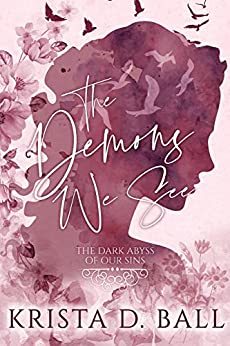 The Demons We See by Krista D. Ball Buy A Copy Here What is it about?
 Society was rocked when the Church asked Allegra, Contessa of Marsina, to negotiate the delicate peace talks between the rebelling mage slaves and the various city states. Not only was she a highborn mage, she was a nonbeliever and a vocal objector against the supposed demonic origins of witchcraft. Demons weren’t real, she’d argued, and therefore the subjection of mages was unlawful.
But that was all before the first assassination attempt. That was before Allegra began to hear the strange whispers in the corridors. That was before everything changed. Now, Allegra, and her personal guards race to stabilize the peace before the entire known world explodes into war with not just itself, but with the abyss from beyond.
So much for demons not being real.
#SPFBO Review and Cut – The Deathless One by Niranjan K.
#SPFBO Review and Cut – The Hand of Fire by Roland O’Leary
If You Liked This - Please Share the Love Adrian Collins Adrian Collins runs Grimdark Magazine and loves anything to do with telling darker stories. Doesn’t matter the format, or when it was published or produced–just give him a grim story told in a dark world by a morally grey protagonist and this bloke’s in his happy place. Add in a barrel aged stout to sip on after a cheeky body surf under the Australian sun, and that’s his heaven.
August 6, 2021
Review – Catch Me If You Can: The True Story of a Real Fake by Frank W. Abagnale
 By Ryan Howse
 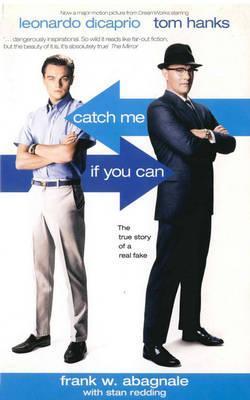 catch me if you can by Frank W. Abagnale Purchase Here
 frank w. abagnale, catch me if you can About ‘I stole every nickel and blew it on fine threads, luxurious lodgings, fantastic foxes and other sensual goodies. I partied in every capital in Europe and basked on all the world’s most famous beaches’.Frank W Abagnale, alias Frank Williams, Robert Conrad, Frank Adams and Ringo Monjo, was one of the most daring con men, forgers, imposters and escape artists in history. In his brief but notorious career, Abagnale donned a pilot’s uniform and co-piloted a Pan Am jet, masqueraded as a member of hospital management, practised law without a licence, passed himself off as a college sociology professor, and cashed over $2.5 million in forged checks all before he was twenty-one. Known by the police of twenty-six foreign countries and all fifty states as ‘The Skywayman’, Abagnale lived a sumptuous life on the run – until the law caught up with him. Now recognised as the nation’s leading authority on financial foul play, Abagnale is a charming rogue whose hilarious, stranger-than-fiction international escapades and ingenious escapes – including one from an aeroplane – make CATCH ME IF YOU CAN an irresistable tale of deceit My ThoughtsWhat bothered me most was their lack of style. I learned early that class is universally admired. Almost any fault, sin or crime is considered more leniently if there’s a touch of class involved.―
Catch Me If You Can is ostensibly a memoir about the con artistry of Frank Abagnale Junior as he invents numerous personae, cons corporations out of money, and evades the law. It was turned into a film by Steven Spielberg back in 2002, with Leonardo DiCaprio playing Frank Abagnale Jr, Tom Hanks playing the FBI agent (renamed in the film) trying to catch him, and Christopher Walken as Frank’s father. But the movie diverged quite a bit from the book, which is all from Frank’s point of view. After the opening, we never see his father again in the book (and Abagnale claims he never saw his father again in his life), unlike the film, and we never see things from the perspective of law enforcement.
Before we go any farther, let’s put the cards on the table. People have claimed that all of his tales are fabrications. Supposedly, Abagnale was in jail during most of his supposed escapades. That puts the story in an odd place; as a memoir it’s a fabrication, but a fabrication by someone who’s open about how much they lie to everyone. If it’s treated as fiction, it reverts to being entertaining.
The prose of the story is genuinely delightful, with all the strange patter of some over-the-top charming thief from an old film. Quotes like, “Slipperier than buttered eels,” or “Modesty is not one of my virtues. At the time, virtue was not one of my virtues,” feel like they’re coming right out a black and white film.
Frank starts by talking about his home life. His mother and father split up, and he chose to live with his father, unlike his other siblings. His father is the victim of his first con, as he begs him for a card he can use for gas and other automotive expenses to get to work, but then uses it to buy and re-sell tires, lights, batteries, and other cart parts to make money.
Through the book all of the cons are perpetrated against corporations and banks. He even makes a point of this late in the book. But that’s skipping over his own father.
The first part of the book is how he learned to fake being a pilot. Swindling the suit was the easy part. He never learned how to fly the planes, constantly claiming to be ‘deadheading’ or riding for free from one place to another so he could get to work in the latter place. The key, in his mind, was the suit and knowing the lingo. He’d call up captains and administrators posing as a high school student doing an article and get information that way, or eavesdrop on others talking with each other.
After a near-miss with the law about his fake piloting, he tried to live quietly. He rented a place in a singles resort. Needing a job on the application and trying to avoid piloting, he wrote ‘doctor’ with pediatrician as his specialty, thinking no one would need a pediatrician at a single’s resort. One of his neighbours was also a pediatrician, and kept inviting himself into Frank’s life. Frank was then put into contact with a nearby hospital that needed a supervising doctor for the night shift for a week that turned into two months.
His final escapade was pretending to be a public relations person with Pan-American Air, who hired eight stewardesses to travel with him, believing that having that many people along with him guaranteed that no one would look twice at the cheques he was cashing.
The details on how exactly he pulled off these cons was fascinating. His explanations on how cheque routing can be used to give swindlers a few more days before the cheque bounces, how he managed to get fake transcripts and how he made his own licenses were some of the best parts of the book.
Of course, such good times don’t last forever. He is caught, and imprisoned in a French cell that has no light, no bed or chair, just a bucket. He details his miserable conditions, and then explains that he uses his excellent imagination to keep from going mad while there—pretending to fly planes, perform surgery, and other important business.
Given that questions about the veracity of the book, this seemed the most truthful part out of all of it.
Review To Be or Not To Be: A Chooseable-Path Adventure by Ryan North
Ryan Howse I’m funnier without context.
Okay, you want context.
I’m a mid-30s nerd, married, with two kids. Also two cats–Cathulhu and Necronomicat.
I like, in no particular order, tabletop gaming, board games, arguing over books, ancient history and religion, and puns.
I’m unconundrum on reddit.
August 2, 2021
Read-A-Long for Joe Abercrombie’s A Little Hatred as Part of The Age of Madness Trilogy – Part 2
 Beth Tabler
 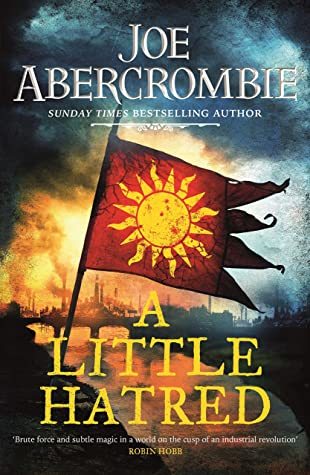 A Little hatred by joe abercrombie Purchase Here
 Joe Abercrombie, a little hatred About“When one man knowingly kills another, they call it murder! When society causes the deaths of thousands, they shrug and call it a fact of life”―
The chimneys of industry rise over Adua and the world seethes with new opportunities. But old scores run deep as ever.
On the blood-soaked borders of Angland, Leo dan Brock struggles to win fame on the battlefield, and defeat the marauding armies of Stour Nightfall. He hopes for help from the crown. But King Jezal’s son, the feckless Prince Orso, is a man who specialises in disappointments.
Savine dan Glokta – socialite, investor, and daughter of the most feared man in the Union – plans to claw her way to the top of the slag-heap of society by any means necessary. But the slums boil over with a rage that all the money in the world cannot control.
The age of the machine dawns, but the age of magic refuses to die. With the help of the mad hillwoman Isern-i-Phail, Rikke struggles to control the blessing, or the curse, of the Long Eye. Glimpsing the future is one thing, but with the guiding hand of the First of the Magi still pulling the strings, changing it will be quite another…
Again, as I am somewhat new to the books of Lord Ambercrombie, his style of storytelling is starting to feel comfortable. It is immersive, descriptive, but not so much that his books feel like one long adjective. He holds the line between character-forward stories and worldbuilding that allows you to paint a picture in your mind. It is why he is considered to be one of the best dark fantasy/grimdark writers living today.
In continuation of my previous entry into the A Little Hatred Read-A-Long that covered ‘Hopes and Hatreds’ to Like Rain you can find here. We will now be concluding this exciting novel with chapters ‘Drinks with Mother’ to the ending ‘Long Live the King.’
As with the first part of this read-a-long, there will be minor spoilers. I have hidden huge plot-changing moments as best I could because this is a story that aught be read.
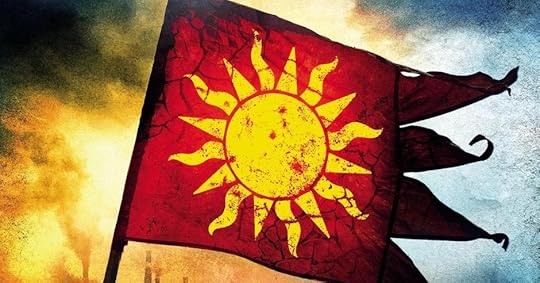 Read-A-long Chapters Drinks With Mother - Part 1
 This chapter has one of the best opening lines/paragraphs I have read in this story, and I think it sums up Savine’s plight and mindset most succinctly.
“Savine had hoped that once she was home with her things about her, bathed, perfumed and safe in her armour of corsetry, she would be herself again. Better, in fact, because adversity builds character. She would be the deep-rooted tree that bends in the storm but cannot be broken. She would be the sword that comes through fire tempered and blah, blah, fucking blah. Instead, she was a dead stick shattered. Pig iron, melted to a slurry.”
No one escapes the ravages of personal trauma. They do and will play out as part of a character’s psyche in one way or another. Often lesser writers overlook this part of humanity. That characters can be bent, humbled on the alter of pain and experience and still find the inner strength to unbend themself enough to move on and get the job done.
Futher into the chapter, Savine meets up with her mother for lunch. It is apparently very quickly the cavern of experience that now separates her mother and herself. They discuss Prince Orso and the coming nuptials between Savine and himself. Savine is told some very important information that changes her worldview forever. We are in heavy spoiler territory here, so I cam going to be very vague in this. But this is a pivotal chapter that will define which path Savine will take in future chapters.
Drinks With Mother - Part 2This chapter, much like the previous chapter is drinks with mother. But in this case, it is drinks with Orso’s mother instead of Savines. They speak a fight he had recently and how Orson has decided, finally on settling down and marrying. This time for love. In the middle of his explanation with his mother he receives a post from Savine with one sentence. “My Answer must be no. I would ask you not to contact me again. Ever.” To say that Orso is in stunned disbelief is an understatement. He realizes that it is not only her that he lost, but the future as a better man, a worthy man.
QuestionsThis is a chapter between Tallow and Vick. There is much grief here on the part of Tallow. Tallow is describing the fallout from the recent uprising. “The Hanging of two hundred souls.” Later in the chapter Vick speaks with Glotka. They speak of the future and future uprisings.
CivilisationRikke is standing on a salt-encrusted deck with sailcloth snapping in the wind above her. In the distance are the cream-colored and massive walls, bridges, and towers of Adua. Adua “The Center of the World.” She speaks to Bayaz, the First of the Magi, she is skeptical and unimpressed. She asks him his business. “What brings the first magi to Adua?” She asks. “I have been detained far to long in the ruined west world by the demands of some most unreasonable siblings.” Later in the chapter the ship lands and is met with a crowd of people. Small talk is exchanged. Glotka has a very intense conversation with the Young Lion about some of his diplomatic shortcomings.
A NaturalThis section starts with Broad wingin the carriage handle and opening it for Savine. Broad realizes that he is coachman now. Savine looks at some of her holdings, as the vultures circle to snap at her contracts while she is indisposed.
“I cannot afford the luxury of letting you and Selest dan Heugan fuck me on this occasion.’ And she glanced over at Broad, and caught his eye.”
Broad Leans forward, very aware of what Savines needs to do. Intimidate, break if necessary this man so that he is not easily up back together again.
“Broad stepped so close to Kort that their knees touched. He leaned down and put his hands on the arms of Kort’s chair, their noses just a few inches apart, close enough that the blur of his face resolved into an expression of extreme fear. ‘You displease me,’ said Savine. ‘And I am in a mood to see things which displease me broken. Broken in such a way that they will not go back together.’ Broad gripped the chair so hard that every joint in it groaned, breathing through his nostrils, like a bull. Bull Broad, they used to call him. He acted like he was only just keeping a grip on himself. Maybe he was.”
Good Times
This chapter starts with Leo feeling like an outsider at his own party. This is a party of political machinations. It is like tip-toeing around in a pool of vipers. This is not quite something Leo is good at. Rikke, also at the party feels out of place and uncomfortable. “Her own skin did not hit her.”
Later Savine sees Orso drunkenly slumped against a pillar. It brings a lot of emotional pain.
In general, this chapter is where are singular characters’ stories come together and start to cross with each other. It is important because it seems like a pivotal chapter where we can start to see the direction of many of the character’s futures, and what I would assume is leading us on to the next book in the series.
A Bit of CourageLeo is walking through the streets accompanied by Jurand. They are looking for a specific house. One of Savine Dan Glotka. This is scandalous, hence the chapter’s name “A Bit of Ciourage.”
This is a bit of a seduction scene where Leo starts to understand the strength and terror a woman like Savine can bring.
SubstituesThis chapter is set in juxtaposition to the previous in every way. This chapter is between Orso and Rikke. Like the previous chapter is concludes with a physical union between the two of them.
no Expense SparedThis chapter is friendly banter between Orso and Leo and how they met remarkable women last night. There is talk about the 200 “traitors” that were hung after speaking to Orso.
Savine publically has an outburst that cracks her cool and calm demeanor. Much of this chapter is in heavy spoiler territory and is the culmination of many of the story’s events. Heavy political machinations.
My Kind of BastardAnother chapter with heavy spoilers. But know that it involves Calder, Clover, Scale and some unfortunate things.
Long Live the KingOrso wakes up alone, both physically and emotionally. his mother, pale in face and countenance comes looking for him.
Check Out My Other Reviews“He felt a heavy hand on his shoulder, more grasping than comforting, and turned to see the First of the Magi standing beside him. He almost had the ghost of a smile at the corner of his mouth. ‘Long live the king,’ said Bayaz.”
Read-A-Long for Joe Abercrombie- Little Hatred as Part of The Age of Madness Trilogy
Beth Tabler
Elizabeth Tabler runs Beforewegoblog and is constantly immersed in fantasy stories. She was at one time an architect but divides her time now between her family in Portland, Oregon, and as many book worlds as she can get her hands on. She is also a huge fan of Self Published fantasy and is on Team Qwillery as a judge for SPFBO5. You will find her with a coffee in one hand and her iPad in the other. Find her on: Goodreads / Instagram / Pinterest / Twitter
#SPFBO Review and Cut – The Deathless One by Niranjan K.
By G.M. Nair "Complex political machinations across the continent, a society of magical Elementals, and the two immortals – the titular ‘deathless ones’ - who could be the death of them all, factor into a far reaching story that is clearly heading to an interesting climax. " the deathless ones by Niranjan K. 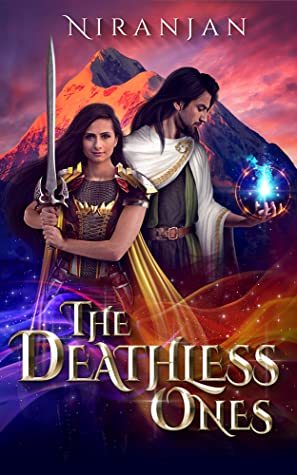 the deathless ones by niranjan k. Buy A Copy Here What is it about?
 In the world of Terrin, the Elementals are worshipped, but in the war torn continent of Atoth, in the ruins of an old Empire, the warlord Semil plots to imprison them. All that is missing for success is two people who cannot die.
Madh and Sadjah have hidden themselves for as long as they can remember. Their inability to die makes those with power hungry gazes want them. When Madh is discovered by the Elementals, everything changes. Truths have to be faced, and they cannot remain aloof from the world any longer.
Trapped in a besieged city with Semil’s armies at the gates, and the tentative alliance between the other three warlords the only thing protecting them, Madh and Sadjah realise that even the Elementals have their own agendas. Their only way out is an impossible choice, one that would change the world of Terrin for good and leave it more vulnerable than ever.
Sometimes, even a choice is a sacrifice.
Our ReviewNiranjan K’s The Deathless Ones is a sprawling work in the style of Game of Thrones-esque fantasy. Focusing on feuding warlords, political intrigue, and a set of powerful magical beings, this one does have it all, wrapped in strong, flowing prose that could certainly appeal to fans of GRRM.
However, the opening proceedings of the books felt quite dry to me, especially as I didn’t feel like I really connected with any of the characters on more than a base level. This is unfortunately compounded by the fact that there are quite a bit of them to keep track of, especially in the first few chapters. While this could easily be my own fault, I did find myself backtracking to keep them straight, as their voices tend to blend together, as well as their appearances (almost everyone is described as having grey eyes).
That does do the story a disservice, as there are quite a bit of moving parts to the narrative. Complex political machinations across the continent, a society of magical Elementals, and the two immortals – the titular ‘deathless ones’ – who could be the death of them all, factor into a far reaching story that is clearly heading to an interesting climax. But the cloudy characterizations as well as intermittent pauses to describe the settings and appearances – while well-written – slow down the pace of the story and prevented me from fully comprehending exactly how things were going.
I’m sure The Deathless Ones would appeal to most who lean toward complex, faction-based, magical fantasy war fiction (did I just make up a genre?), it just didn’t hit the mark for me. So if that sounds like your thing, please go out and grab a copy.
But while I think this has the makings of a great book, it falls a little short to my personal taste, so I’m afraid I’ll have to cut it from the running.
If You Liked This - Please Share the Love G.M Nair
G.M. Nair is a crazy person who should never be taken seriously. Despite possessing both a Bachelor’s and Master’s Degree in Aerospace Engineering and a job as an Aviation and Aerospace Consultant, he writes comedy for the stage and screen, and maintains the blog MakeMomMarvel.Com. Now he is making the leap into the highly un-lucrative field of independent book publishing.
Duckett & Dyer: Dicks For Hire is his first novel, and in a world with a fair and loving god, it would be his last. Alas, he tends to continue.
G.M. Nair lives in New York City and in a constant state of delusion
August 1, 2021
#SPFBO Review and Cut – The Hand of Fire by Roland O’Leary
 By Jodie Crump
  The Hand of Fire by royland o'leary "Roland O’Leary is crafting something with massive potential that I think is going to pay off in a big way."
 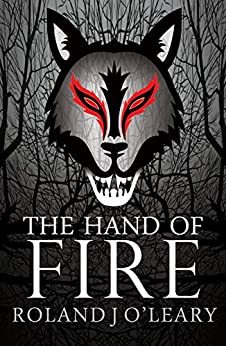 the hand of fire by royland J. O'leary Buy A Copy Here What is it about?
 The material world has a mystical reflection – the Essence.
If you have the power to manipulate the Essence, you can change the world of matter.
You can conjure a flame from nothing. You can make your dreams come true.
Or create nightmares of your worst imagining.
This is the world of The Hand of Fire, the first novel in a new epic fantasy series filled with gripping action and spectacular magic.
The Grand Alliance has failed, its armies destroyed by the monstrous Ulokan horde. But the Ulokans have been defeated in turn by the forces of the sorcerer-lord Skraka Gorn. As ancient evils rise once more and new threats emerge, Gorn proposes a new empire under his leadership.
Tamurac, lord of the Halyas, has disappeared with the Grand Alliance. Now his teenage son Danalar must accept responsibility and become the warrior and leader he has trained his whole life to be. Meanwhile, until he comes of age it falls to Charymylle, Lady Halyas, to lead the clan through this time of change – if the wardens and warband will follow a woman.
When a survivor returns with suspicions of Gorn’s treachery, the Halyas must make a fateful choice. They could choose safety and support Gorn’s imperial ambitions. Or dare to resist his expanding empire and face his devastating sorceries in a new kind of war.
Their decision leads to an adventure greater and more terrible than the Halyas ever imagined.
The Hand of Fire is an ambitious book, with a complex storyline and a vast world. The very beginning of the book started with a lone rider escaping a doomed battle. Based on that, I expected a fast-moving story. Such is not the case. The Hand of Fire is a book that takes its time, getting each detail correct and crafting a well-executed story. While it does pick up toward the end, I struggled to concentrate at the beginning. I think that stemmed in part from the memories that were described. They were there to explain Lady Charymylle’s relationship with her husband, and to highlight her involvement with how things were run. However, they did interrupt the pacing a bit. The last half of the book definitely moved faster, setting up the rest of the series wonderfully.
Danalar’s father, lord of the Halyas, is either dead or taken captive, a casualty of battle. His storyline is a bit of a coming-of-age tale, as he learns to cope with this loss and become a leader. He was very a very believable character and managed to never bore or annoy me. I really enjoyed watching his character grow. My very favorite character, though, was Lady Charymylle. While dealing with her own emotions regarding the disappearance of her husband, she was also the competent and clever leader the people needed. She was never on the sidelines and was a strong character, something I very much appreciated.
The Hand of Fire reminded me a bit of the Memory, Sorrow, and Thorn series by Tad Williams. Willliams’ first book, The Dragonbone Chair, also has a slower pace. In fact, I would argue that the entire book is just setup for the rest of the series. Because the series is so amazing, The Dragonbone Chair is great. But it has to be taken with the rest of the series. On its own, it doesn’t feel like a full story. The Hand of Fire seemed like that to me, which is why I am cutting it. If the rest of the series is as well written as the first book is (and I have no reason to think it won’t be), the payoff will be huge, and the series will be a must-read for fans of sweeping fantasy. However, I feel like I really can’t judge it on its own because there is so much setup for the rest of the series. To judge it as its own separate part without reading the entire series would be doing the book a disservice.
I truly hope that I made sense with my wandering explanation there. Roland O’Leary is crafting something with massive potential that I think is going to pay off in a big way. I wish him the very best of luck and look forward to reading the rest of the series.
If You Liked This - Please Share the Love Jodie Crump

Jodie Crump is the creator of the Witty and Sarcastic Bookclub blog. She either lives in Florida with her husband and sons, or in a fantasy book-she’ll never tell which.
When she’s not reading, Jodie balances her time between homeschooling her hooligans, playing Dungeons and Dragons, and lamenting her inability to pronounce “lozenge”. Find her online at Witty and Sarcastic Book Club or Twitter
July 30, 2021
Review – The Final Girl Support Group by Grady Hendrix
Beth Tabler 4/5 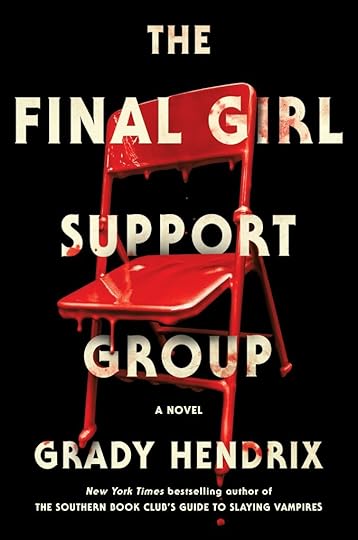 the final girl support group by grady hendrix Purchase Here
 grady hendrix, the final girl support group About“Men don’t have to pay attention the way we do. Men die because they make mistakes. Women? We die because we’re female”―
A fast-paced, thrilling horror novel that follows a group of heroines to die for, from the brilliant New York Times bestselling author of The Southern Book Club’s Guide to Slaying Vampires.
In horror movies, the final girl is the one who’s left standing when the credits roll. The one who fought back, defeated the killer, and avenged her friends. The one who emerges bloodied but victorious. But after the sirens fade and the audience moves on, what happens to her?
Lynnette Tarkington is a real-life final girl who survived a massacre twenty-two years ago, and it has defined every day of her life since. And she’s not alone. For more than a decade she’s been meeting with five other actual final girls and their therapist in a support group for those who survived the unthinkable, putting their lives back together, piece by piece. That is until one of the women misses a meeting and Lynnette’s worst fears are realized–someone knows about the group and is determined to take their lives apart again, piece by piece.
But the thing about these final girls is that they have each other now, and no matter how bad the odds, how dark the night, how sharp the knife, they will never, ever give up.
In thinking of the title of this book, The Final Girl Support Group, where a support group is by its nature a safe and comforting idea, instead, think about what it means to have been a final girl. The horror of it all.
Although the horror films of the 70s and 80s would have us believe that the last girls survive their ordeals unscarred, we know too often from life that survivors are bent if not broken. The Final Girl Support Group invites us to see what these heroines might endure as they struggle to unbend themselves decades after their trauma.
Those who are horror fans or grew up in the 70s and 80s are familiar with the final girl trope. The idea of a final girl has evolved as horror movies and audiences evolved. To understand and appreciate The Final Girl Support Group it helps to have a passing understanding of the final girl trope. The final girl was usually depicted as an innocent, virginal girl who stayed away from vices such as drinking and drugs. And is thus rewarded for her “good deads” with living through the horror. The narrative structure of the movie or book followed her vantage point, and we as an audience are engaged in her struggles and have a vested interest in her fight to survive. We want her to win, either by escape or rescue.
“We get subjected to sequels. That’s what makes our guys different, that’s what makes them monsters – they keep coming back.”
As the trope aged, the idea of what a final girl changed as well. Instead of being saved, they often save themselves. Either by being cunning and running. We began to expect more from our final girls. And, as an audience, we revisit the final girl multiple times. Over and over, they are thrust into chaos. Nancy Thompson of Nightmare on Elm Street suffered through three versions of battle with Freddy, starting at age 15 and ending at age 21. Had she survived the last movie, what would her mind be after facing the dream king three times?
I would think that Hendrix created The Final Girl Support Group as a way to exercise the idea that the girl is a person and surviving is only the first part of her struggle. Watching these bloodfests at a midnight show is all about the spectacle of gore. But, with a spectacle comes a certain amount of distancing from the characters as people. They are basically the objective focus of the protagonist’s determination.
“Sometimes you need the money more than you need to live with yourself”
The story starts with a group of middle-aged women sniping at each other. They are not friends, but people with shared experiences. They have known each other a long time and have seen each other through the enduring PTSD that comes from the horrors they have endured. In some ways, they are closer than family. What I immediately liked about the story was the idea that these women, no longer final girls, have reacted to their traumas differently. Although I am no expert in psychology, the reactions these women have to horrors like this have a certain authenticness.
For example, one is a drug addict, one is consumed with wealth and power, one is a shut-in driven by the protection of herself and trust of no one, and one channeled their pain into an organization to help others. These reactions seem like plausable reactions that one could have to PTSD like this. The story is from the vantage point of one of the final girls, Lynnette Tarkington, who survived the grizzly murders of her family around Christmas. She was impaled on an antler and set to watch the destruction of all she loved. Now she exists like a ghost, consumed with the idea that something horrible could happen because it already had, twice.
Seemingly out of nowhere, the final girl support group is targeted. Someone wants them to suffer, to be humiliated, and die as they should have originally. Lynette, who is not wholly stable and lives a life of quiet desperation, begins to understand that they are being chosen one by one to die. But trying to get people to believe her is something else entirely. There are conspiracies inside conspiracies and so much violence. Lynette is a survivor, although she doesn’t believe it. But will she survive all of this and save the people around her? That is the big “ask” of the story. Is Lynette strong enough?
The Final Girl Support Group is a mover of a story once you get past Hendrix setting the scene in the very beginning. As a lover of slasher movies from the 80s, I never thought about the characters as actual people until reading this book. They were just nameless gore and splashes of crimson across the page and screen. But now, Hendrix has me thinking more in-depth about these characters. It has added a new depth of experience to the slasher movies I watched and books I read as a kid. And in some ways, I respect the distance that those cheesy slasher movies achieved. You can enjoy the movie with jump scares, Karo Corn Syrup dyed blood red, and a rubber knife and know that that kind of thing only happens in the movies. When you drop the partition between life and art, the experience of those movies has an entirely different feel to them.
I believe that anyone who is a fan of horror novels and is familiar with the trope will love it. But more so, I think that if you are a fan of the horror genre in general including movies, this story will resonate with you because it straddles a very uncomfortable blood-splattered line bisecting the two mediums. A line that I had not seen explored before. Check it out.
Check Out My Other ReviewsReview: Horrorstör by Grady Hendrix – A Tale of Retail Hell
Review – Classix: Little Women by Grady Hendrix, Louisa May Alcott, and Ryan Dunlavey
If You Liked This - Please Share the Love Beth Tabler Elizabeth Tabler runs Beforewegoblog and is constantly immersed in fantasy stories. She was at one time an architect but divides her time now between her family in Portland, Oregon, and as many book worlds as she can get her hands on. She is also a huge fan of Self Published fantasy and is on Team Qwillery as a judge for SPFBO5. You will find her with a coffee in one hand and her iPad in the other. Find her on: Goodreads / Instagram / Pinterest / Twitter
July 28, 2021
#SPFBO Review and Cut – The Trials of the Core by Michael E. Thies
 By dylan marsh
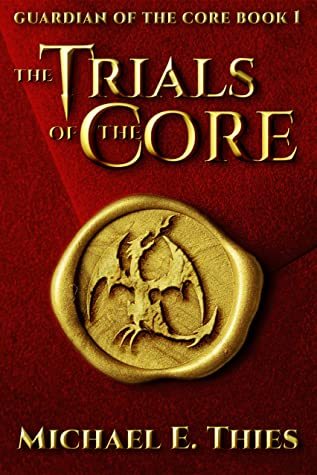
  Trials of the Core by Michael E. Thies "a lovingly crafted world and a unique synthesis of technology and magic"
  the trials of the core by michael e. thies Buy A Copy Here What is it about?
 As Edwyrd Eska approaches his two-hundredth year as Guardian of the Core, he must find an apprentice to train under him. His title and role compel him to safeguard and govern his universe, Gladonus, as each Guardian before him has done and those after him shall continue to do until relieved of such duties by will of the Ancients. Prince Hydro Paen, Eirek Mourse, and Zain Berrese—amongst other contestants—receive invitations to compete in a quest of Trials intended to determine who will become Eska’s apprentice. An old adage goes: “the toughest trials test you truest” – and these events challenge their fortitude through tenuous partnerships, intellectual rivalries, and battles of weapons’ mastery. Along the way, each contestant must attempt to overcome personal demons that haunt them. In this tale of ideal dreams and lucid aspirations, these competitors find theirs threatened by deceit, betrayal, sabotage—and even flesh—as all become vital to success…
My ThoughtsThere’s a lot to love about The Trials of the Core. It’s an eclectic mix of worldbuilding elements drawn from both Science Fiction and Fantasy genres. In this way, it feels most accurate to place the book in the “science fantasy” subgenre, which could have it appeal to fans of Mark Lawrence and Matthew Stover’s work. In the world of The Trials of the Core, elemental magic and mermaids coexist with hoverboards and electronic simulations. I think this would rightfully draw a lot of interest from and joy for many fans of the speculative fiction genre as a whole. You don’t need to settle for either Sci-fi or Fantasy here when you can have an amalgamation of both. You can tell that Thies cares deeply for his world and is seeking to have fun with how he constructs it, even if that means defying some of our typical “rules” for what distinguishes these two genres that typically share one bookshelf. I enjoyed the magic system and its clear ties to the society surrounding the characters, especially alongside these technological elements. The folks I would most recommend this novel to are those who are looking for seamless blend of all of these disparate worldbuilding factors.
I found the prose in this novel to be relatively straightforward and comprehensible. I had an easy time understanding what was happening. There are occasional interesting turns of phrases that can read as poetic. The writing style is quite descriptive, as Thies thoroughly sets scenes, taking us into things like color and shape of the room, descriptions of food, and other matters of that nature. I think this style can be either a bug or a feature, depending on what an individual reader’s preferences are in a novel. Those who like to really picture every aspect of a scene in their head would likely be at home with this way of writing. I did notice a couple typos or editing errors in the prose, but these were not distracting or frequent enough whereas I’d expect them to detract from a reader’s ability to follow and enjoy the story.
I could see that this novel was setting itself up for an interesting meeting between characters in this trial setting that could appeal to fans of battle royale style books like the Hunger Games. For me, I did have a few aspects that did not resonate for my personal tastes as a reader, which are why I decided to cut this novel, despite its aforementioned strengths. I am a very character-focused reader who has a difficult time getting into a book if I can’t latch on to any of the characters. There are three rotating point of view characters in this novel, and I was personally unable to get highly invested in any of their plights.
I felt the emphasis on worldbuilding, and description allowed for the characters to seem as though they were occasionally prioritizing providing exposition in conversation over expression of their own opinions, thoughts, and desires. This kept me from getting as acquainted with each character’s personality, individual arc, and inner conflict as I would have liked. Also, it made the dialogue, at times, read as somewhat stilted to me. I could tell Thies was building toward grounding us more in character arcs, and I did find one character, Zain, to have an intriguing beginning of an arc that would focus on his grief, loss, and desire for redemption regarding a deceased loved one; however, the quick rotations of POV may have precluded me from getting attached to him or the other characters at the rate I would have wanted.
At this stage in Before We Go Blog’s group in SPFBO, we typically read approximately 25% or of the book before determining first-round cuts. At 25% in, the book was still setting the stage for the Trial that was likely going to be the crux of action and character development of this story. I realize the slow burn is not an inherent issue; however, it may just be a bit too slow to be well-served by stopping around this point. I also do tend to prefer faster moving plots if I’m not feeling extremely invested in the characters. It’s possible that if I kept going with this novel and got to the point of the trial being truly underway that I would’ve come to be really excited by the events of the story.
As is, I will be cutting it, but I do feel this can be a strong recommendation for folks interested in a science fantasy book with a lovingly crafted world and a unique synthesis of technology and magic.
To Purchase This Series 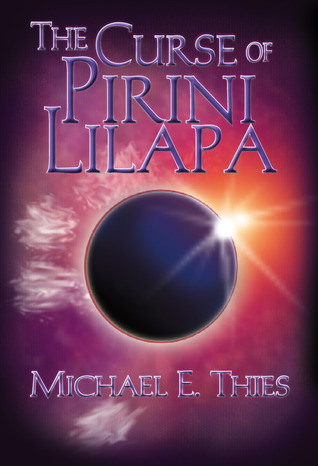 If You Liked This - Please Share the Love Dylan Marsh
 I like to talk, read, and write.
I talk with my lifelong friend, Charles, on the Friends Talking Fantasy Podcast. I discuss fantasy content on social media quite a bit too.
I read a lot of speculative fiction—mostly fantasy novels.
I write for Before We Go Blog. I’m also a graduate student in a Counseling Psychology Ph.D. Program. I write a lot for that as well. Most of that writing focuses on research I conduct on sense of calling and the experience of meaningfulness; I’m an author on several peer-reviewed scientific journal articles on these topics.
I also like playing tennis.
Where to find him
Personal Twitter: @DylanRMarsh
Friends Talking Fantasy Podcast Accounts
Twitter: @TheFTFPodcast1
Instagram: @TheFTFPodcast
Facebook: @TheFTFPodcast