
Mitali Perkins's Blog, page 23
July 27, 2012
Mitali of Mankato: All Things Maud Hart Lovelace
Some of you may remember how much I enjoyed visiting
Orchard House
, home of Louisa May Alcott, and
Prince Edward Island
, where L.M. Montgomery set her Avonlea novels. This past weekend I checked off another visit to a childhood home of a spiritual author-mother. I attended the "
Winding Hall of Fate: Betsy-Tacy Society Convention 2012
" in Mankato, Minnesota—or "Deep Valley," as it's known in Maud Hart Lovelace's beloved stories.
I was invited to speak on an author panel, but mainly went to see
if Mankato, like Concord, Ma, and Cavendish, PEI, felt like home thanks
to the rich sense of place created by my favorite authors. And yes, by golly, it did—despite some disturbing "urban renewal" (read: 1970s
uglification), I felt like I was wandering the streets of Deep
Valley with some of my favorite fictional friends.
Enjoy the photo tour below. I use fictional names in the captions; read the thoroughly-researched afterwords in the recent HarperPerennial reissues to discover more about the real people in Maud Hart Lovelace's life.
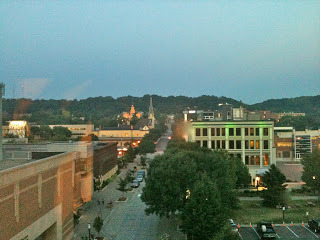
View from my hotel room of the hills bordering "Deep Valley," or Mankato.
The tall spire is the Presbyterian church where Bonnie's father was a pastor,
and the site of "Christian Endeavor" meetings in the novels.

I woke up early and strolled past Carney Sibley's house, where the crowd gathered.
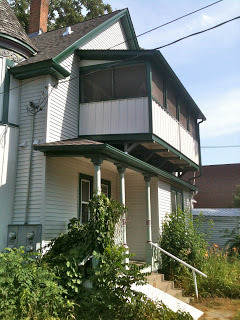
The sleeping porch, where Carney and her guests slept in Carney's House Party.

Next, my walk took me past Lincoln Park, the edge of Betsy's neighborhood.

Cab was one of the proud instigators of the infamous cannon escapade.
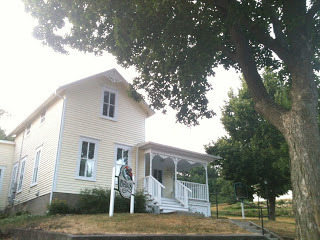
Finally, at the top of High Street, I spotted the Ray's house
(impeccably restored and maintained by the Betsy-Tacy Society ).
A 360 view in the morning quiet.
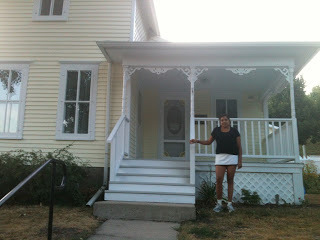
"Is Betsy home, Mrs. Ray?"

Tea on Betsy's porch.

Julia's piano.
Tour of Betsy's house.

List of books owned by the Ray family.

Where everything pudding was concocted.

One of the ornaments bought in the annual Christmas shopping spree.
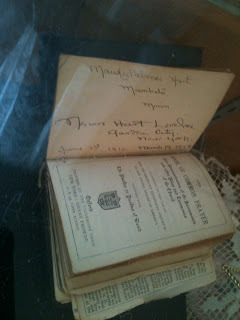
Maud Hart Lovelace's Book of Common Prayer.

Mrs. Ray's brass bowl.

Tacy's front porch (this house is also restored and
maintained by the Betsy-Tacy Society —join now!)

The bench where Betsy and Tacy shared picnics.

I walked up to the Big Hill, but it was jammed with homes (nice ones, but still).
Nonetheless, the stately trees were still as alluring as in the books.

Tib's chocolate-colored house.

The Muller's front entrance.

First Presbyterian Church, site of the Betsy-Bonnie-Tony triangle.

Carnegie Library, where Betsy and Joe prepared for the Essay Contests.

Miss Sparrow, Indian version, waits to meet Betsy.
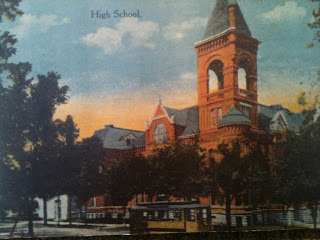
The high school no longer exists, but here's what it looked like back in the day.

Mineopa Falls, site of a Sibley picnic in Carney's House Party.

Was this the Beidwinkle's farm? We think so.

Murmuring Lake.

View from the old cabins at Murmuring Lake.
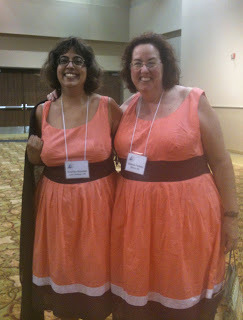
The beautiful co-conspirators who organized the Convention:
Radhika Breaden and Barb Fecteau, aka Bonnie and Carney.
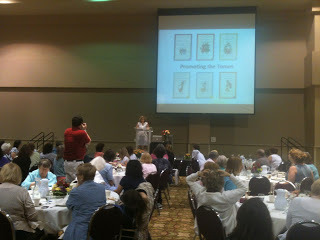
Jennifer Hart of HarperPerennial talks about how she brought the books
back into print and encourages us to share them with the
next generation of readers, which I plan to do. Won't you join us?
Note: I didn't take a photo of Emily's slough (from Emily of Deep Valley, my favorite Maud Hart Lovelace novel), but I did see it and we drove through what used to be known as "little Syria." Again, the slough looks just as I imagined it, even though what used to be the Webster's house is now the site of the high school. Here's a lovely photo of it taken by Francesca Russell.Come visit me on the Fire Escape!


I was invited to speak on an author panel, but mainly went to see
if Mankato, like Concord, Ma, and Cavendish, PEI, felt like home thanks
to the rich sense of place created by my favorite authors. And yes, by golly, it did—despite some disturbing "urban renewal" (read: 1970s
uglification), I felt like I was wandering the streets of Deep
Valley with some of my favorite fictional friends.
Enjoy the photo tour below. I use fictional names in the captions; read the thoroughly-researched afterwords in the recent HarperPerennial reissues to discover more about the real people in Maud Hart Lovelace's life.
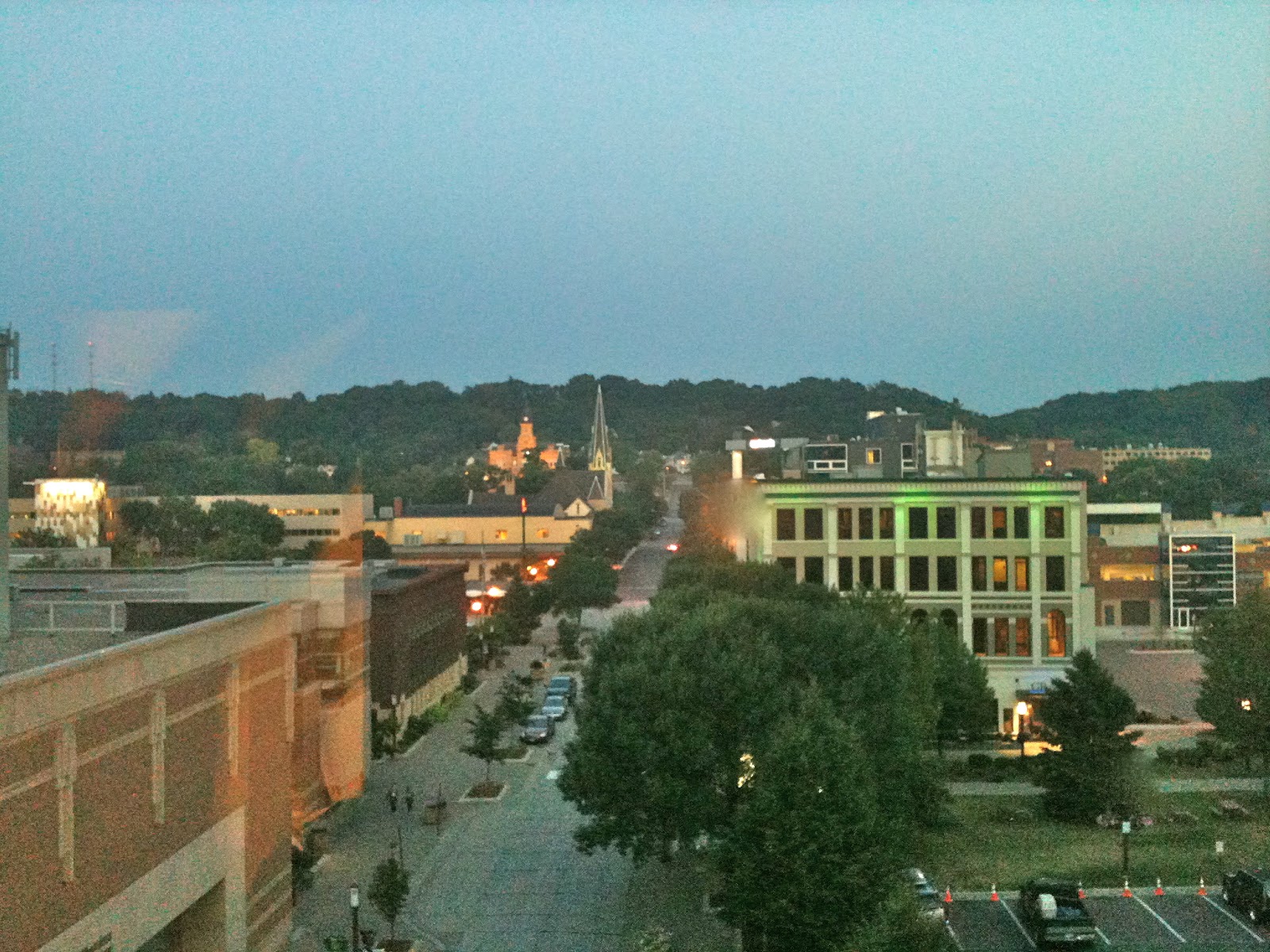
View from my hotel room of the hills bordering "Deep Valley," or Mankato.
The tall spire is the Presbyterian church where Bonnie's father was a pastor,
and the site of "Christian Endeavor" meetings in the novels.

I woke up early and strolled past Carney Sibley's house, where the crowd gathered.

The sleeping porch, where Carney and her guests slept in Carney's House Party.
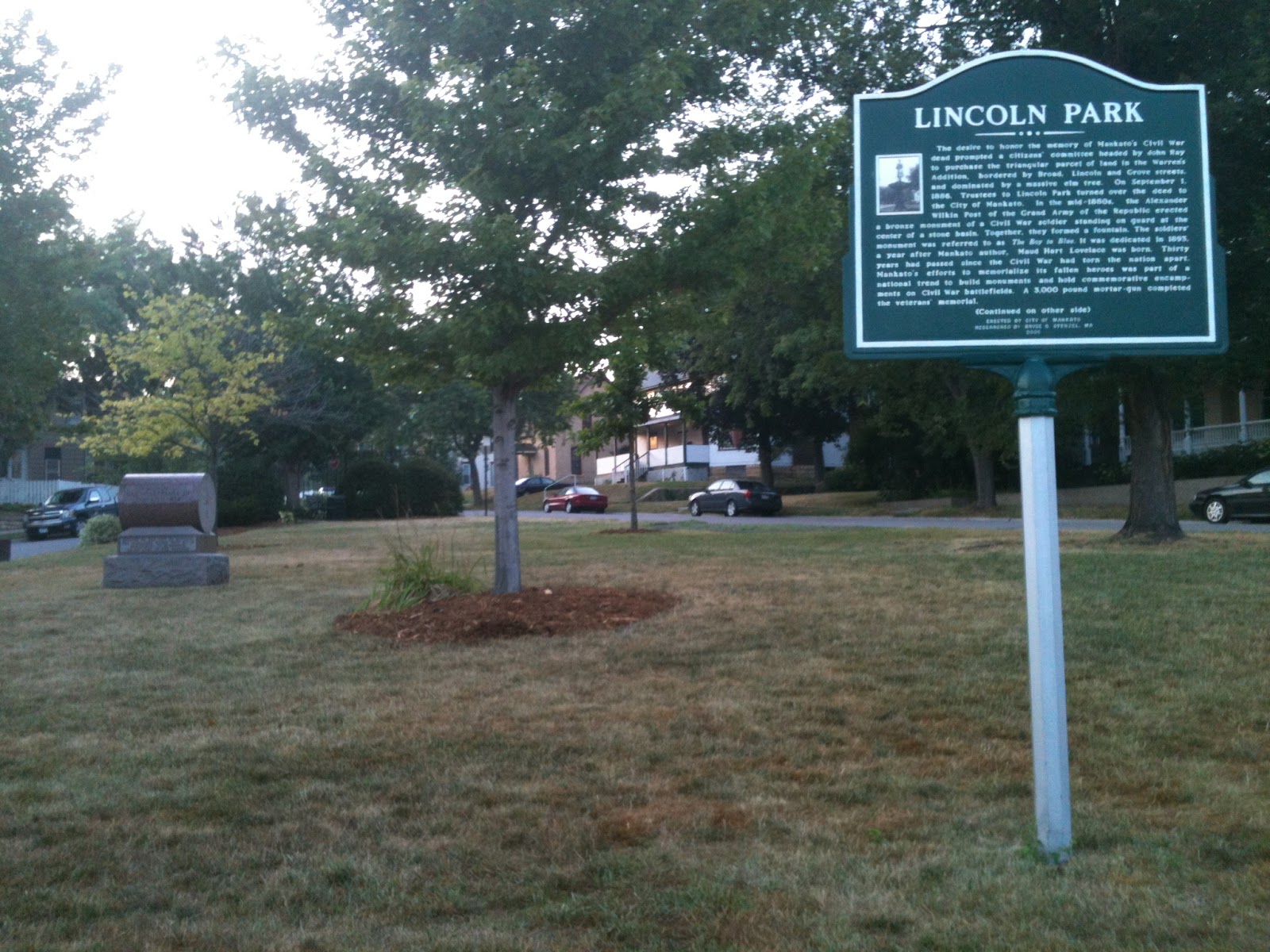
Next, my walk took me past Lincoln Park, the edge of Betsy's neighborhood.
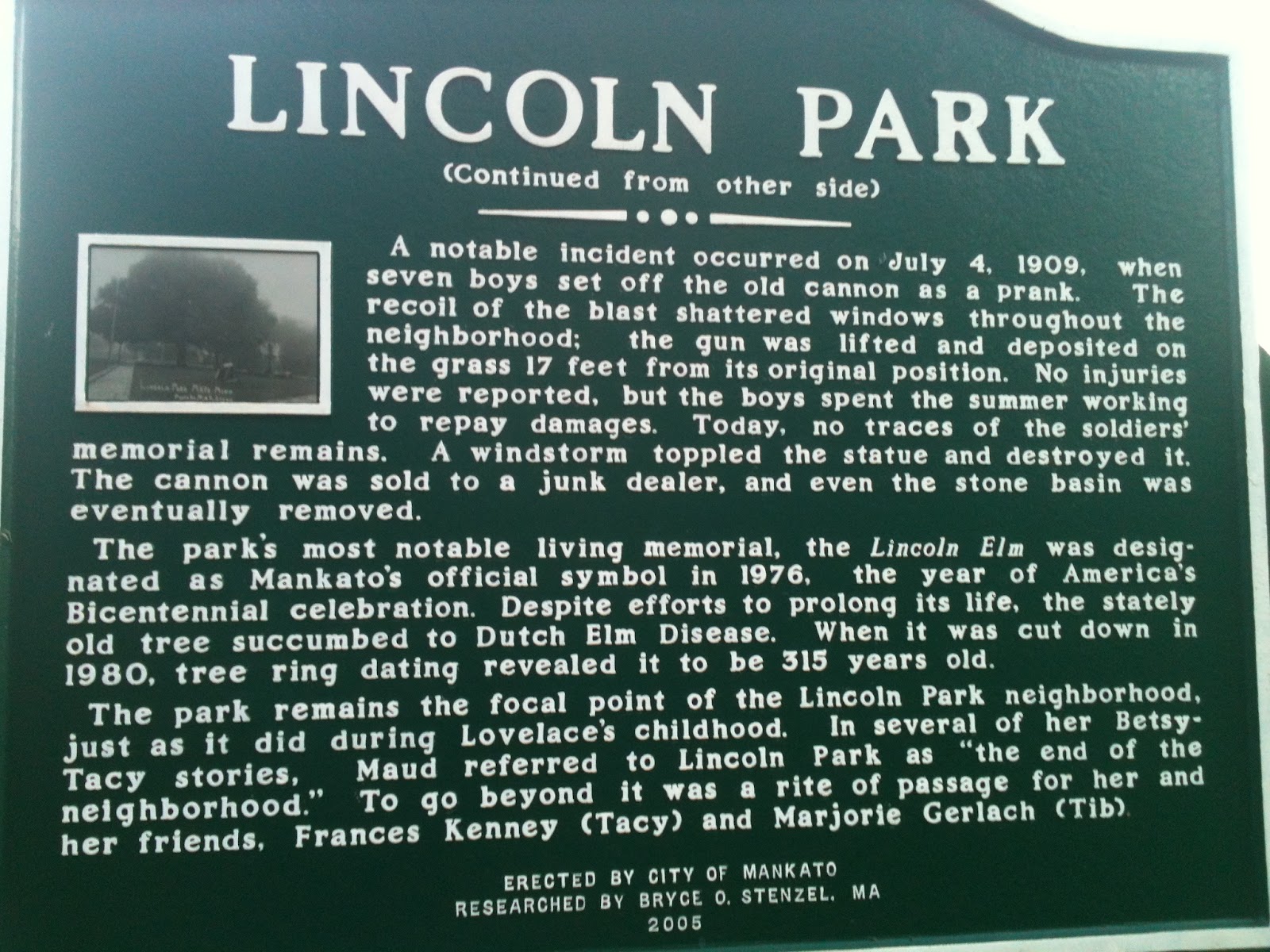
Cab was one of the proud instigators of the infamous cannon escapade.
Finally, at the top of High Street, I spotted the Ray's house
(impeccably restored and maintained by the Betsy-Tacy Society ).
A 360 view in the morning quiet.
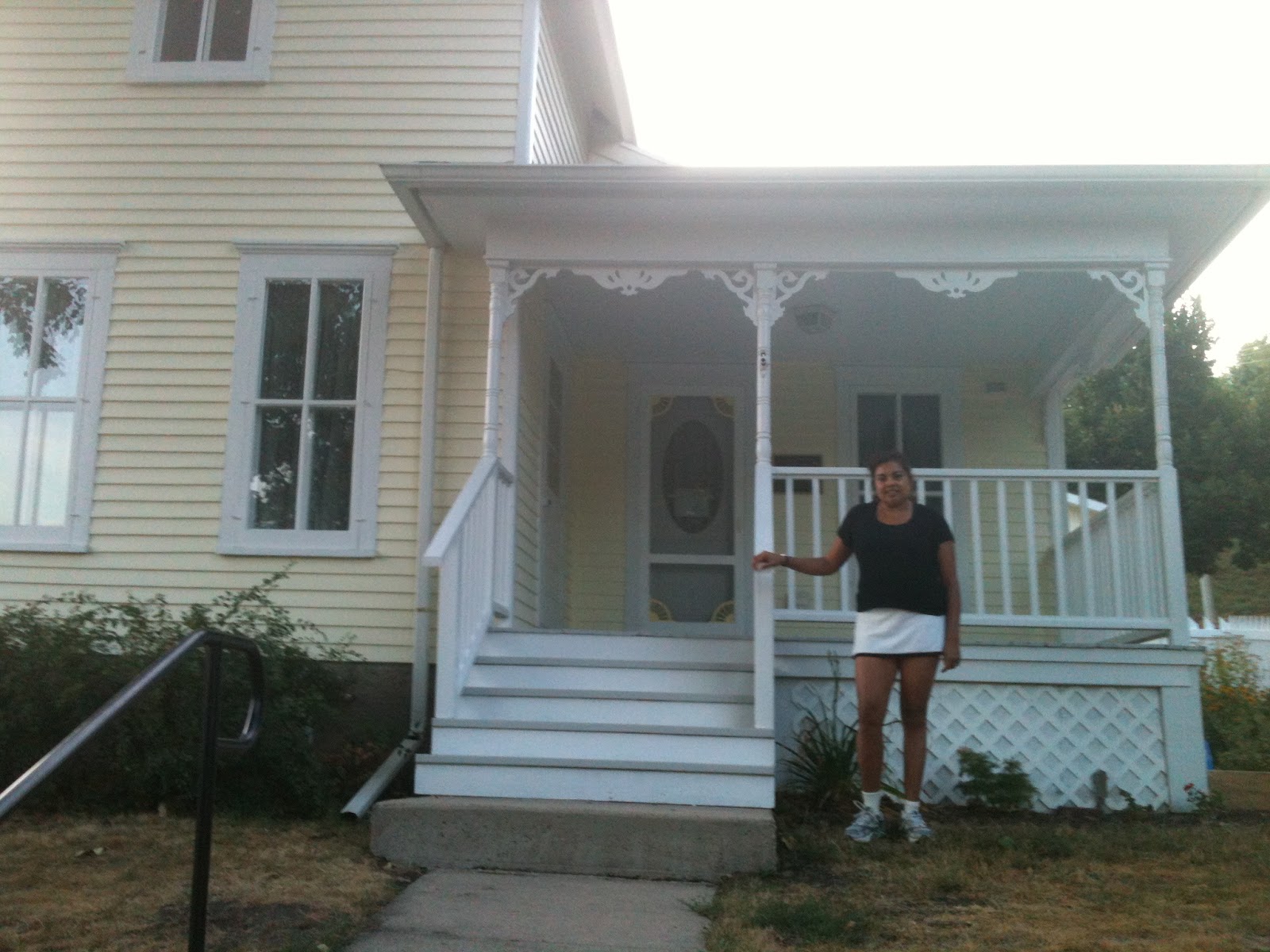
"Is Betsy home, Mrs. Ray?"

Tea on Betsy's porch.
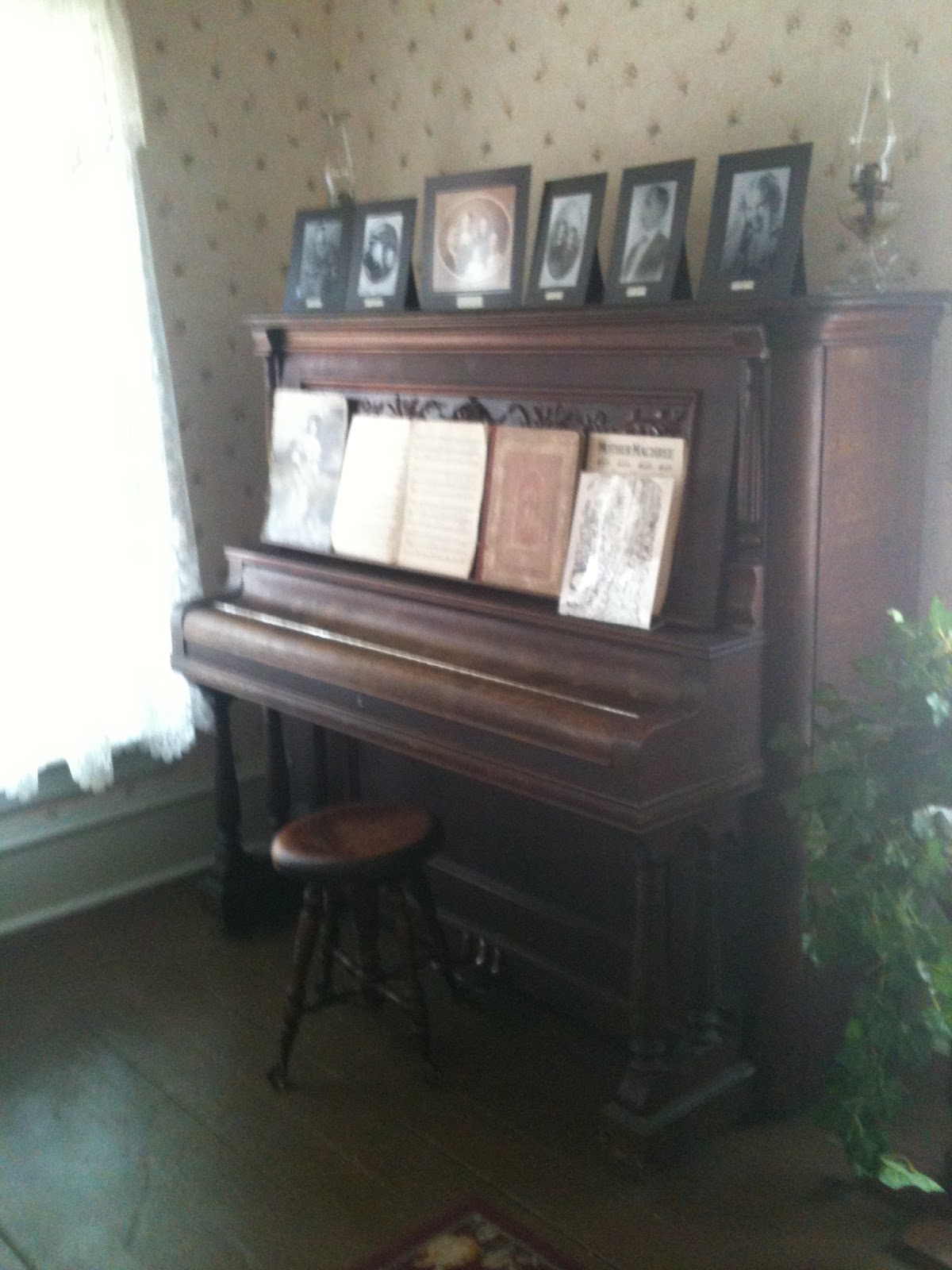
Julia's piano.
Tour of Betsy's house.
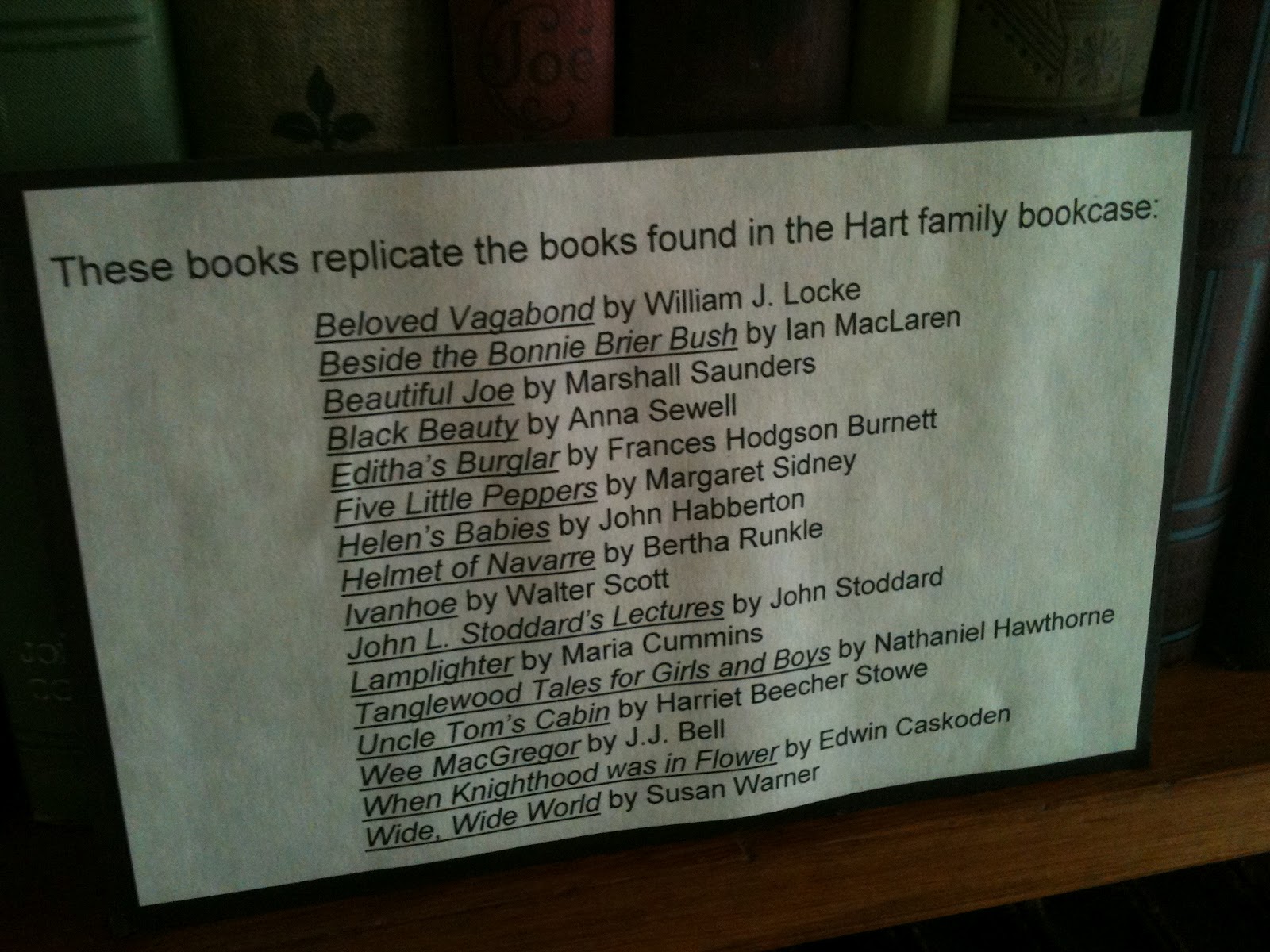
List of books owned by the Ray family.

Where everything pudding was concocted.
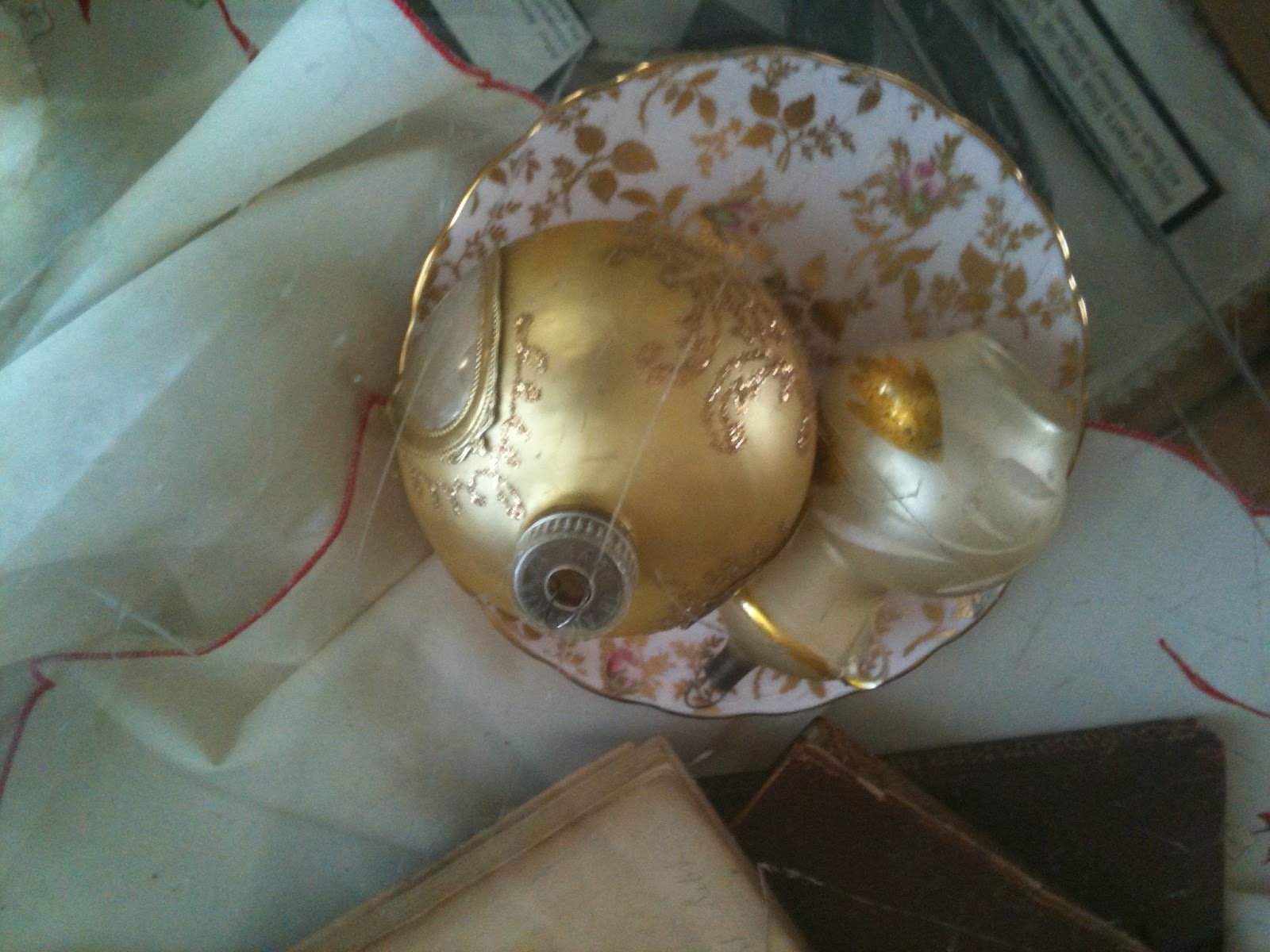
One of the ornaments bought in the annual Christmas shopping spree.
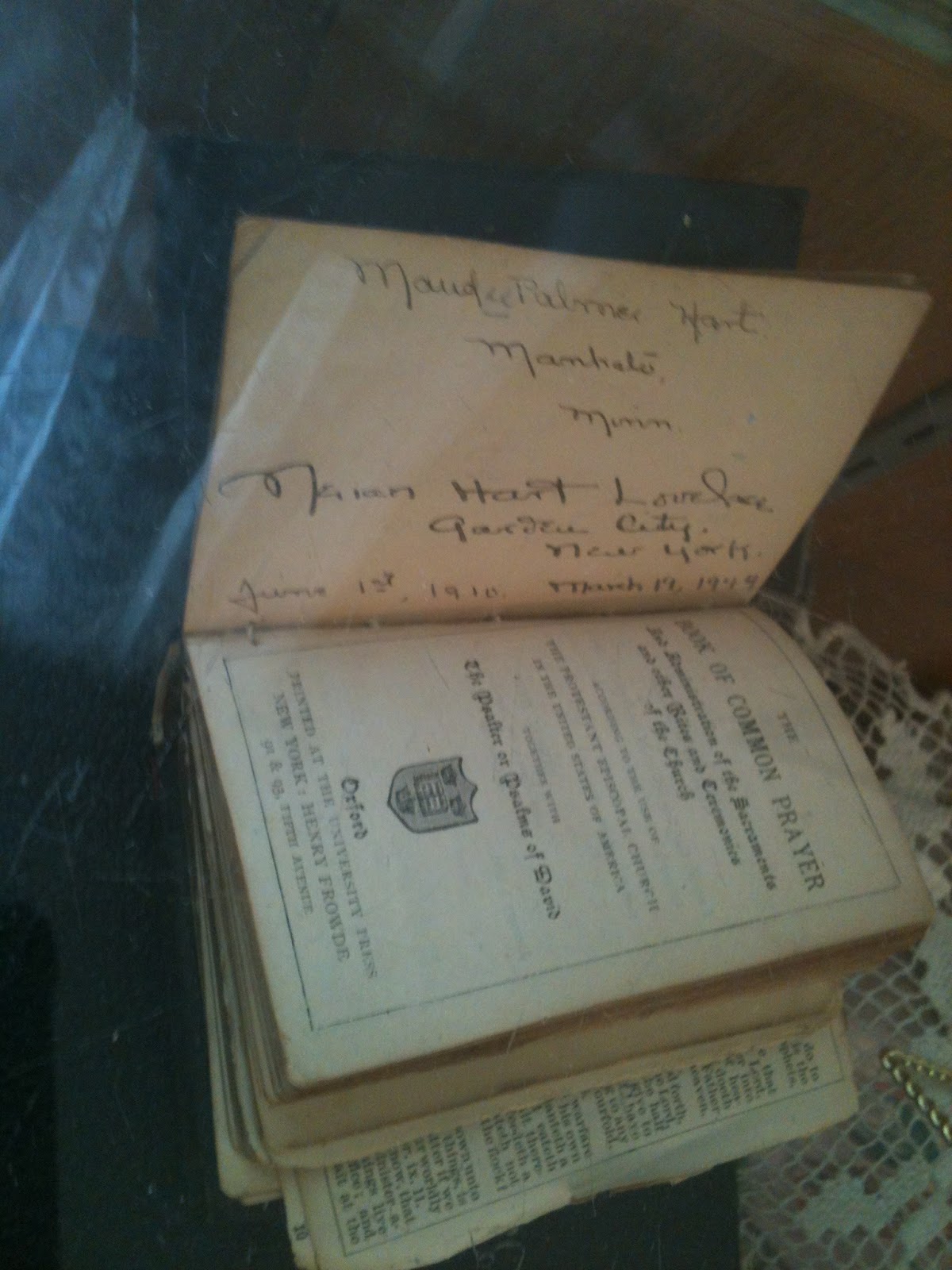
Maud Hart Lovelace's Book of Common Prayer.
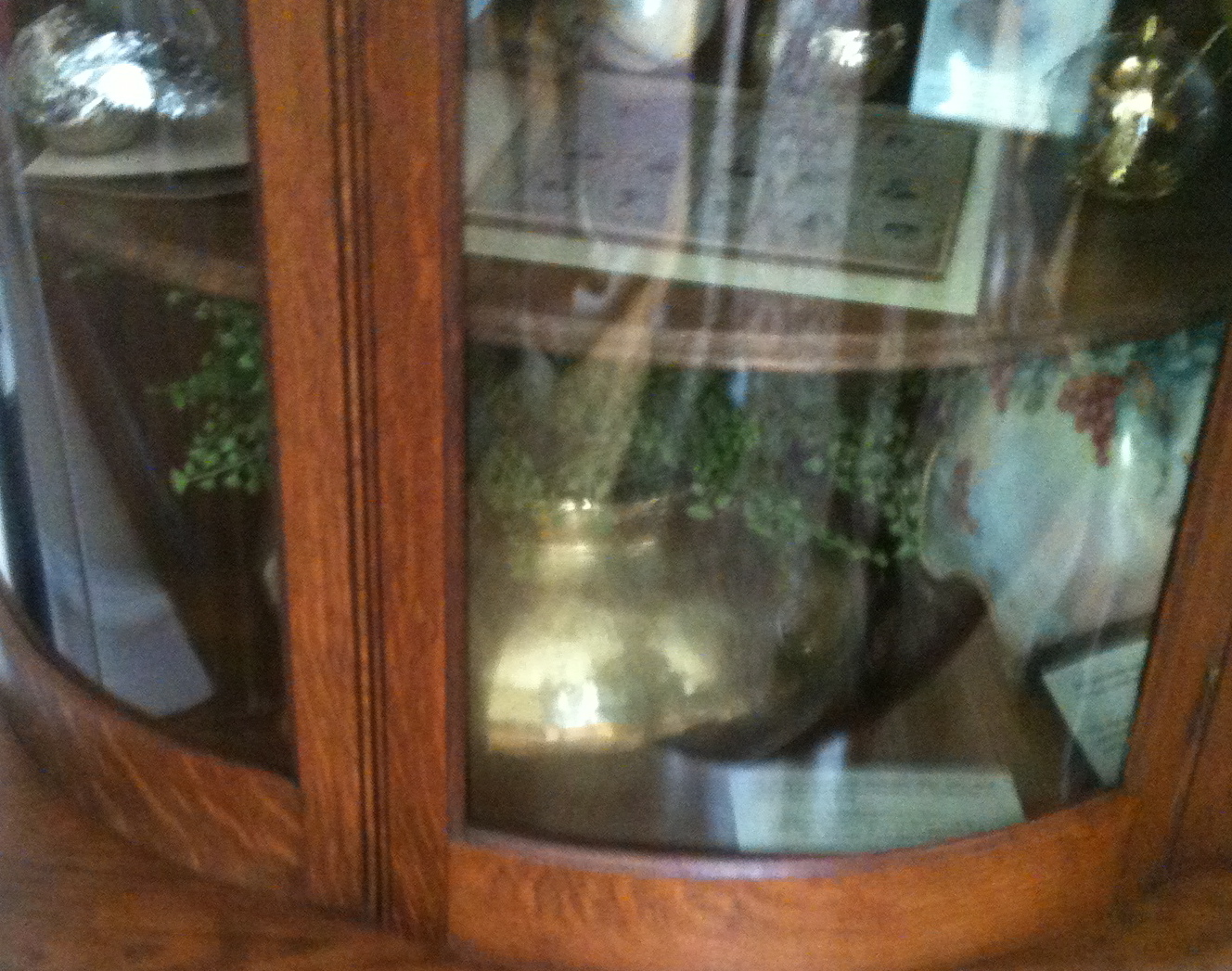
Mrs. Ray's brass bowl.

Tacy's front porch (this house is also restored and
maintained by the Betsy-Tacy Society —join now!)
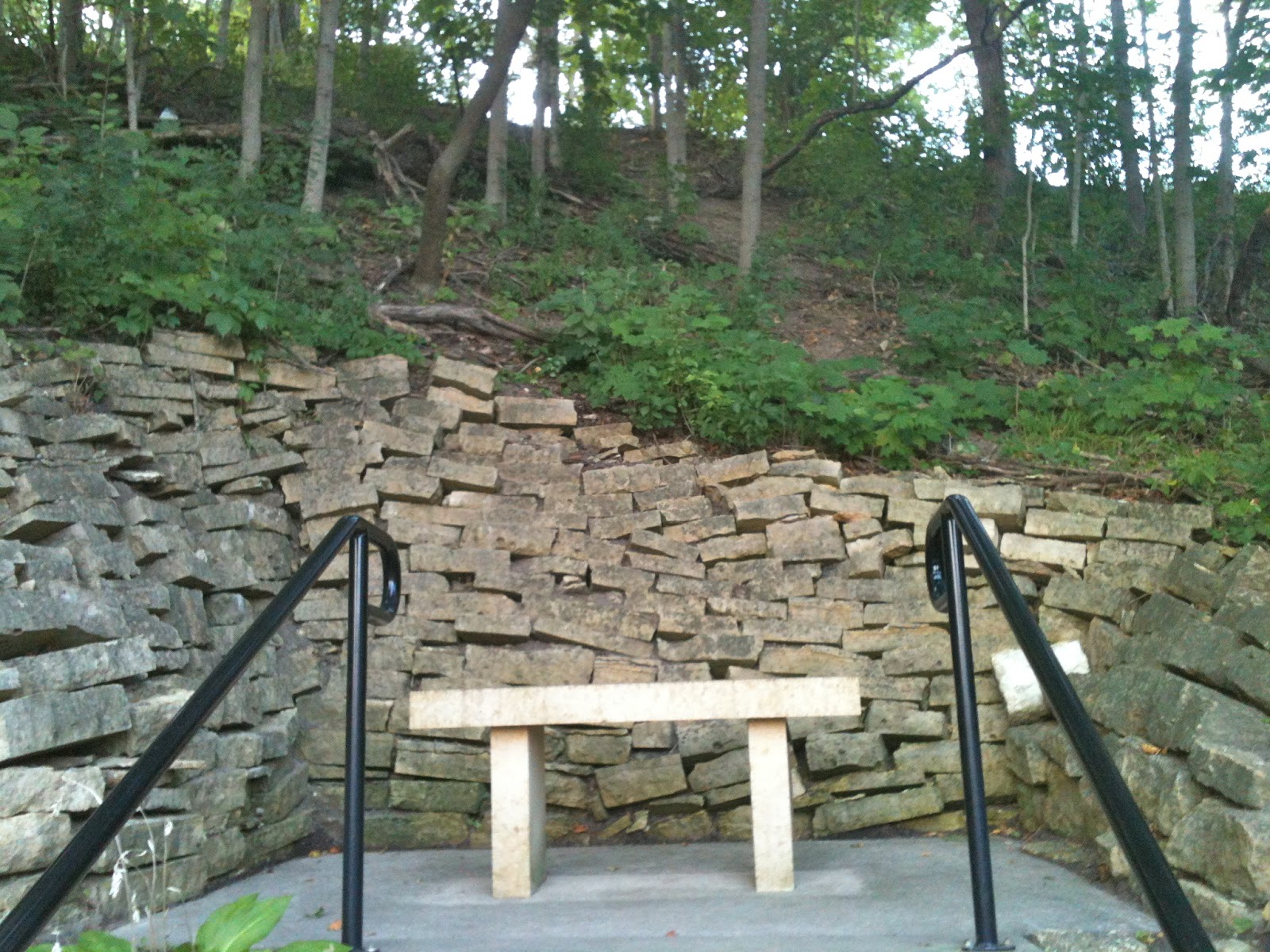
The bench where Betsy and Tacy shared picnics.

I walked up to the Big Hill, but it was jammed with homes (nice ones, but still).
Nonetheless, the stately trees were still as alluring as in the books.

Tib's chocolate-colored house.

The Muller's front entrance.
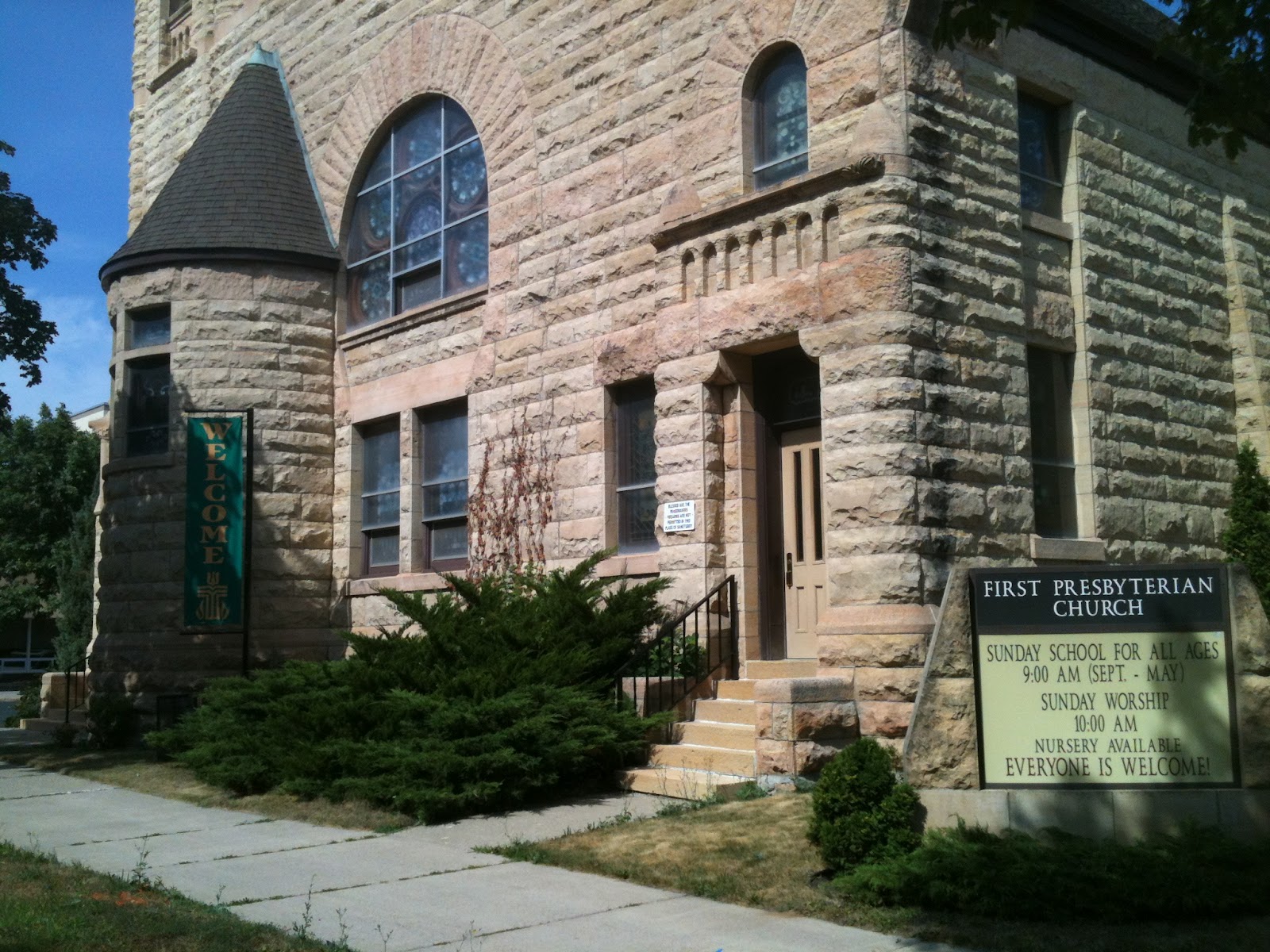
First Presbyterian Church, site of the Betsy-Bonnie-Tony triangle.

Carnegie Library, where Betsy and Joe prepared for the Essay Contests.

Miss Sparrow, Indian version, waits to meet Betsy.
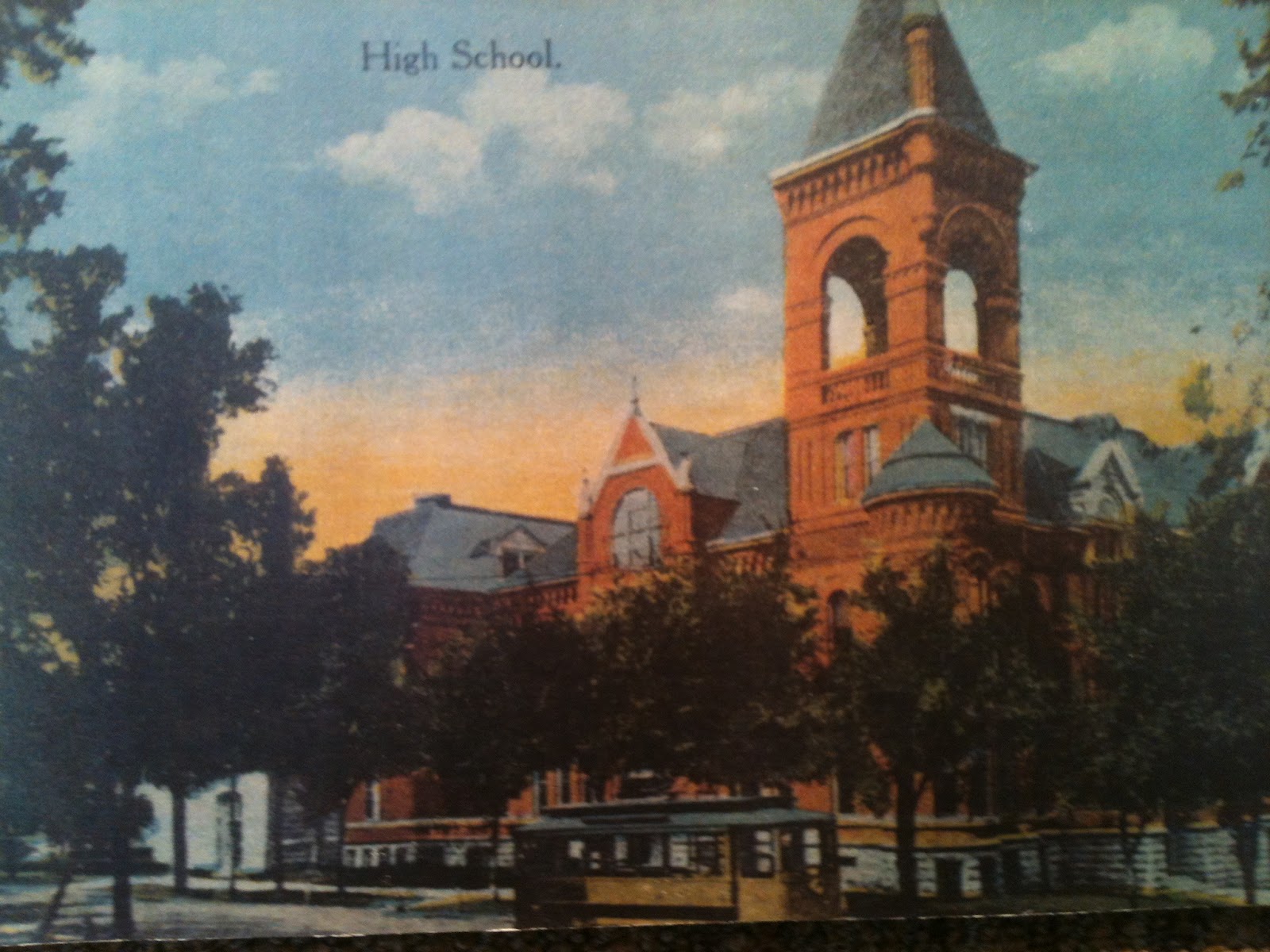
The high school no longer exists, but here's what it looked like back in the day.

Mineopa Falls, site of a Sibley picnic in Carney's House Party.

Was this the Beidwinkle's farm? We think so.

Murmuring Lake.

View from the old cabins at Murmuring Lake.

The beautiful co-conspirators who organized the Convention:
Radhika Breaden and Barb Fecteau, aka Bonnie and Carney.
Jennifer Hart of HarperPerennial talks about how she brought the books
back into print and encourages us to share them with the
next generation of readers, which I plan to do. Won't you join us?
Note: I didn't take a photo of Emily's slough (from Emily of Deep Valley, my favorite Maud Hart Lovelace novel), but I did see it and we drove through what used to be known as "little Syria." Again, the slough looks just as I imagined it, even though what used to be the Webster's house is now the site of the high school. Here's a lovely photo of it taken by Francesca Russell.Come visit me on the Fire Escape!


July 24, 2012
Four Young African Guys on Hollywood Stereotypes
Some of you may have already seen this, but this video is a classic example of how humor can be used effectively to discuss cultural stereotypes (as we're hoping to do in our forthcoming YA anthology from Candlewick, tentatively titled OPEN MIC).
Come visit me on the Fire Escape!

Come visit me on the Fire Escape!


July 18, 2012
Reflections On My Virtual Retreat
I took
time away from social media
this summer, and here's what I discovered:
(1) I was able to write, finishing a full draft of TIGER BOY (forthcoming from Charlesbridge in 2014). Good news: editor Yolanda Roy likes it!
(2) I relished the silence, not missing the loud opinions of people who abuse social media as propaganda. Twitter and Facebook simply aren't appropriate containers for the big issues of life. They are best for small talk, a perfectly valid, relaxing, entertaining form of communication. Blogs are better at serving up political and religious opinions, but still not as good as well-edited articles or excellent oral presentations, which both take more time to prepare and demand the accountability of vetted research. For big, deep thoughts and arguments, at least in my opinion, there's nothing to match the spacious, thoughtfully crafted vessel of a book.
(3) I read more, prayed more, and deliberately spent more time with people face to face.
(4) After this break, I've decided to put a stop to assessing my own and others' social media "influence," getting rid of my Klout account and doing my best to ignore the numbers. Every voice matters equally, despite the claims of our celebrity culture.
(5) I got lonely at times, and remembered anew that isolation is a hazard of self-employment. The chat, humor, entertainment, and buzz of social media is a gift to writers, as is the ability to stay aware of news and events in the lives of people we cherish.
In any case, I'm back now. I'll be tweeting from the Betsy-Tacy convention this weekend in Mankato, Minnesota, where I'll be sharing five writing tips I've gleaned from author Maud Hart Lovelace. Here's to detox, rehab, and a fresh start.Come visit me on the Fire Escape!

(1) I was able to write, finishing a full draft of TIGER BOY (forthcoming from Charlesbridge in 2014). Good news: editor Yolanda Roy likes it!
(2) I relished the silence, not missing the loud opinions of people who abuse social media as propaganda. Twitter and Facebook simply aren't appropriate containers for the big issues of life. They are best for small talk, a perfectly valid, relaxing, entertaining form of communication. Blogs are better at serving up political and religious opinions, but still not as good as well-edited articles or excellent oral presentations, which both take more time to prepare and demand the accountability of vetted research. For big, deep thoughts and arguments, at least in my opinion, there's nothing to match the spacious, thoughtfully crafted vessel of a book.
(3) I read more, prayed more, and deliberately spent more time with people face to face.
(4) After this break, I've decided to put a stop to assessing my own and others' social media "influence," getting rid of my Klout account and doing my best to ignore the numbers. Every voice matters equally, despite the claims of our celebrity culture.
(5) I got lonely at times, and remembered anew that isolation is a hazard of self-employment. The chat, humor, entertainment, and buzz of social media is a gift to writers, as is the ability to stay aware of news and events in the lives of people we cherish.
In any case, I'm back now. I'll be tweeting from the Betsy-Tacy convention this weekend in Mankato, Minnesota, where I'll be sharing five writing tips I've gleaned from author Maud Hart Lovelace. Here's to detox, rehab, and a fresh start.Come visit me on the Fire Escape!


May 31, 2012
Going Gridless in June

As promised , I'm retreating from social media (blog, facebook, twitter) for the month of June to think, read, and write. You may still reach me by email, which I will check occasionally. Be back in July, friends.Come visit me on the Fire Escape!


May 12, 2012
Betsy, Tacy, Tib, Mitali, and YOU?

I'm beyond excited to be visiting Mankato, Minnesota this summer to be part of an author panel at the Betsy-Tacy Convention . I remember the wonder of visiting Cavendish, Prince Edward Island , which felt like home thanks to the Montgomery addiction of my youth.
Won't you join us this summer to revel in all things Lovelace? The dates are July 19-21, and here's a brief description from the convention organizers to whet your appetite:
The Convention starts on Thursday, July 19, with events and tours in Minneapolis, the setting of Betsy’s Wedding. We then board Mr. Thumbler’s hack (okay, it’s a bus) to Mankato, also known as Deep Valley in the Betsy-Tacy books, for 2 days of activities, speakers, tours, friendship and fun.
Come on, friends, carpe diem, it's going to be SO MUCH FUN, and makes a great Mother's Day present, too.Come visit me on the Fire Escape!


May 9, 2012
Tips on Writing Race from a Teen Writer
I received a couple of great comments on my blog from a young writer named Micala, and I wanted to share them with you. In response to a post entitled, "
Hey, We Need Latino Books ... And More
," she had some interesting thoughts about the statistics on multicultural books:
In a post where I call for fresh descriptions of skin color , inviting writers to moving away from food clichés, Micala responds with a burst of creativity:
Now that's creative. Micala's comments lifted my spirits after several recent sessions with adults where the issue of writing race was discussed with some tension in the room. After reading her thoughtful comments and suggestions, I'm bullish on the next generation of writers, aren't you?
Come visit me on the Fire Escape!

I find the comment about a lack of color in sci-fi and fantasy interesting. I read a lot of sci-fi, and often write it too, and always felt sci-fi writers either A) don't specify race as much, so it's your own fault if you don't catch that, and B) often include mixes of races, sometimes alien ones as well, and often set in multiple countries/planets.
However, so glad you posted this! It's a really good point, and very startling. I never realized there was such a difference. I'm African American and the reason I've started looking into race in books is because once someone asked why I write all "white" (hate that word for people) books when I'm not "white." I replied, "I don't. When did I say even half of these people are of a tan, peachy, or buttery complexion?" They were like, "Well, you didn't say they weren't either..." I don't know, it just weirded me out. I'm sixteen, so maybe I'm just oblivious, and my parents were always good about having me read everything and anything. I'm glad I got the comment, but am disappointed that in so much of literature it is assumed everyone is American or of European decent. It's so silly.
I also wonder if this chart takes into account those people who's race is left unidentified. Are those books lumped into the "white/European" category? Left out?
In a post where I call for fresh descriptions of skin color , inviting writers to moving away from food clichés, Micala responds with a burst of creativity:
Mmm, you bring up interesting points, and I've been reading several
discussions on the issue lately. I have to say, I honestly don't
understand the problem with food descriptions. Yes, they CAN get boring
or be cliché, especially for African-Americans like me, but if you have a
reason, I think add it. Like if the girl is young, really sweet, has a
smooth skin complexion, has really fine, silky arm hair and is a
teenager that the protagonist boy has been dreaming about, then maybe,
just maybe, she really is "peachy" in his mind. Classy, sweet, and
fresh.
Another point is this: I would avoid race. Unless you've
got a reason, avoid race. Just describe your characters! Saying they
were half Scottish half Irish is lazy. Saying they were a tall, lanky
boy with tan skin, an ivory undertone, strawberry blonde hair and green
eyes and giving them a strong accent is much more effective, and much
more imaginative. Here are some words I've found for skin, by the way:
Color:
Rosy
Tan
Sun-kissed
Teak
Ebony
Rich Earth
Smoke
Rosy
Maple
Walnut
Oak
Coffee - more description required
Clay - add to this with more description
(Ornamental, Antique) Bronze
Caramel
Undertones:
Falu Red
(Chiffon) Lemon
Pear
Rose (Misty, French)
Papaya
Orchid - specify
Persimmon
Platinum
Puce
Saffron
Salmon
Xanthic
Blush Colors:
French Rose
Crimson
Maroon
Orchid - really qualify the word with extra description
Persimmon
Puce
Salmon
Sangria
Plum
Firebrick
Textures:
Smooth
Silky
Rough
Moist
Sticky
Lissome
Satin
Velvety
Quality:
Ruddy
Wrinkled
(Un)Wholesome
Dingy
Sickly
Pale
Oily
Ashy
Lush
Rich
That's
a very small selection of words compared to how many I have saved on
the Word Doc I've made for imaginative terms for skin, but there are a
few. I just got tired of clichés. Some of the ones I didn't mention are
words refering to minerals such as bronze or gold, trees such as oak or
maple, or other abiotic factors such as clay or rich soil. Even using
flower colors, really study the flower. Does it sparkle in the light? Is
it multi-toned because of its specs? Sand can be used to describe
someone with ivory and bronze mixed skin, with freckles of a seppia
color mixed in.
Race is almost always going to offend someone. Just
describe your characters and let their interests and dialect "speak" for
itself. Also, in a more racially diverse world, it's really hard to
tell races from one another. Rather than try, just let your character
be. Unless their lineage or social standing is affected by it, and
important enough to be mentioned, why qualify it?
Now that's creative. Micala's comments lifted my spirits after several recent sessions with adults where the issue of writing race was discussed with some tension in the room. After reading her thoughtful comments and suggestions, I'm bullish on the next generation of writers, aren't you?
Come visit me on the Fire Escape!


May 4, 2012
Why Ashton Kutcher's PopChips Ad Did Not Offend Me
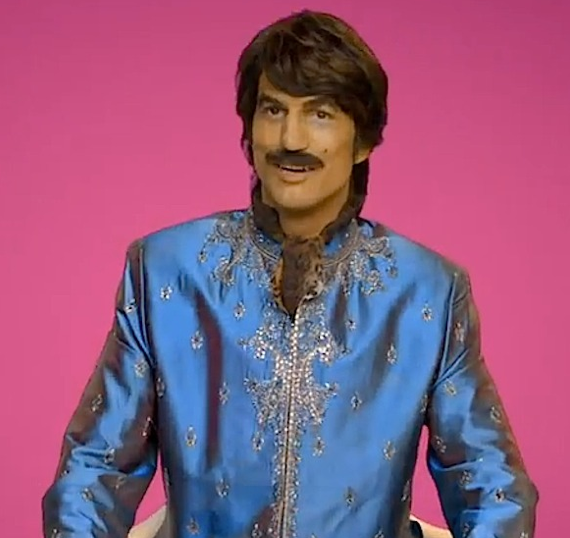
A recent ad featuring Ashton Kutcher was pulled by PopChips after it was labeled as "racist." Did it deserve the outcry? I don't think so. Could the writers of the ad have wielded the caricature with a bit more finesse? Definitely. Here are my three "ground rules" when it comes to the intersection of race and comedy (explored in the introduction to my forthcoming young adult humor anthology, OPEN MIC, published by Candlewick, Fall 2013):
1. Poke fun at the powerful, not the weak. The PopChips ad did this because Kutcher's character names himself as a Bollywood producer—representing an extremely powerful elite in India.
2. Build affection for the “other” instead of alienating us from somebody different. Basically, in the ad, the producer's a likeable guy—he's jolly and fun.
3. Be self-deprecatory. Here's how the commercial could have been improved: if Kutcher had poked fun at his real self at the end. For example, as he's sitting in his chair, he could have glimpsed an appropriately arrayed gorgeous girl strolling by with each of the characters (it might have been even funnier if they had mixed and matched styles, so the Indian girl was with the French guy, and the trucker girl was with the Bollywood guy, etc. ... he could have even played the girls.) Meanwhile, the real Kutcher is left alone, waiting for his cellphone to ring—implying that the other three are actually confidently expressing their true selves, while he's a celebrity, which is essentially a caricature.
Indians do have brown faces and recognizable accents when speaking
English, so why should caricaturing either of those traits evoke shame or outrage? Because the ad didn't break rules 1 and 2, it didn't offend me. The real reason it didn't work is because of rule 3. What do you think?Come visit me on the Fire Escape!


May 3, 2012
2012 Jane Addams Children's Book Awards
Since 1953, the
Jane Addams Children's Book Award
honors books published in the U.S. during the previous year that engage children in thinking about peace, justice, world community, and/or equality of the sexes and all races. The books also must meet
conventional standards of literary and artistic excellence.
Congratulations to the 59th Jane Addams Children's Book Awardees: Susan Roth, Cindy Trumbore, Winifred Conkling, Anna Grossnickle Hines, Calvin Alexander Ramsey, Bettye Stroud, John Holyfield, Kadir Nelson, and Thanhha Lai.
Winner of Books for Younger Children
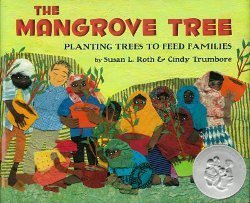
The Mangrove Tree: Planting Trees to Feed Families
by Susan L. Roth and Cindy Trumbore, Illustrated by Susan L. Roth
Lee and Low
Dr. Gordon Sato, a survivor of the Japanese internment camp Manzanar, is a biologist committed to ending hunger throughout the world. In the village of Hargigo in Eritria, local women provide the labor to plant mangrove trees which supply them with much needed income. The trees turn carbon dioxide to oxygen, attract fish, and feed goats, sheep, and children.
Winner of Books for Older Children
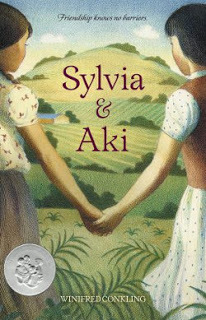
Sylvia and Aki
by Winifred Conkling
Tricycle Press | Random House Books for Children
Young Sylvia Mendez moved into Aki Munemitsu’s home when Aki’s family was relocated to a Japanese internment camp. Sylvia and her siblings weren't allowed to register at the same school Aki attended, but were sent to a “Mexican” school. Sylvia’s father challenged the separation of races in California’s schools by filing the suit that ultimately led to the desegregation of California schools and helped build the case that would end school segregation nationally.
Honors for Books for Younger Children
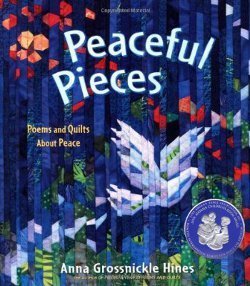
Peaceful Pieces: Poems and Quilts about Peace
by Anna Grossnickle Hines
Macmillan | Henry Holt
In her collection of poems illustrated with her handmade quilts, Anna Grossnickle Hines explores peace in familiar and unfamiliar forms, leading young readers to find their own way to peace, and then act upon it.
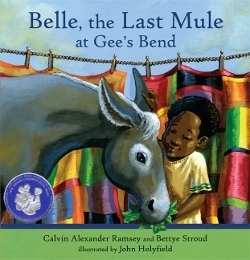
Belle, the Last Mule at Gee’s Bend
written by Calvin Alexander Ramsey and Bettye Stroud, illustrated by John Holyfield
Little, Brown Books for Young Readers | Hachette
Waiting for his mother in Gee’s Bend, young Alex spots a mule running loose and eating crops from someone’s garden. When he asks about the mule, Alex learns about the famous Belle and her connection to Dr. Martin Luther King, Jr.
Honors for Books for Older Children
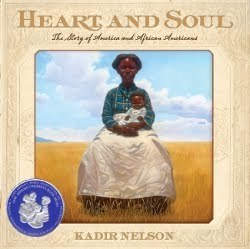
Heart and Soul: The Story of America and African Americans
written and illustrated by Kadir Nelson
Balzer and Bray | HarperCollins
The story of African and African American history from Colonial days to the day the aging narrator casts her vote for the first African American president.
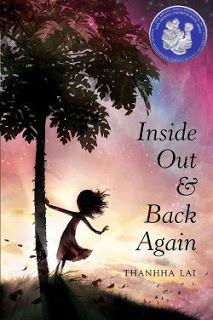
Inside Out and Back Again
by Thanhha Lai
Harper | HarperCollins
As the Vietnamese war reaches ten year-old Ha’s family in Saigon, she and her mother and brothers flee for America. Told as a series of free verse poems, Ha finds her footing through her first year as a refugee.
Come visit me on the Fire Escape!

conventional standards of literary and artistic excellence.
Congratulations to the 59th Jane Addams Children's Book Awardees: Susan Roth, Cindy Trumbore, Winifred Conkling, Anna Grossnickle Hines, Calvin Alexander Ramsey, Bettye Stroud, John Holyfield, Kadir Nelson, and Thanhha Lai.
Winner of Books for Younger Children
The Mangrove Tree: Planting Trees to Feed Families
by Susan L. Roth and Cindy Trumbore, Illustrated by Susan L. Roth
Lee and Low
Dr. Gordon Sato, a survivor of the Japanese internment camp Manzanar, is a biologist committed to ending hunger throughout the world. In the village of Hargigo in Eritria, local women provide the labor to plant mangrove trees which supply them with much needed income. The trees turn carbon dioxide to oxygen, attract fish, and feed goats, sheep, and children.
Winner of Books for Older Children
Sylvia and Aki
by Winifred Conkling
Tricycle Press | Random House Books for Children
Young Sylvia Mendez moved into Aki Munemitsu’s home when Aki’s family was relocated to a Japanese internment camp. Sylvia and her siblings weren't allowed to register at the same school Aki attended, but were sent to a “Mexican” school. Sylvia’s father challenged the separation of races in California’s schools by filing the suit that ultimately led to the desegregation of California schools and helped build the case that would end school segregation nationally.
Honors for Books for Younger Children
Peaceful Pieces: Poems and Quilts about Peace
by Anna Grossnickle Hines
Macmillan | Henry Holt
In her collection of poems illustrated with her handmade quilts, Anna Grossnickle Hines explores peace in familiar and unfamiliar forms, leading young readers to find their own way to peace, and then act upon it.

Belle, the Last Mule at Gee’s Bend
written by Calvin Alexander Ramsey and Bettye Stroud, illustrated by John Holyfield
Little, Brown Books for Young Readers | Hachette
Waiting for his mother in Gee’s Bend, young Alex spots a mule running loose and eating crops from someone’s garden. When he asks about the mule, Alex learns about the famous Belle and her connection to Dr. Martin Luther King, Jr.
Honors for Books for Older Children
Heart and Soul: The Story of America and African Americans
written and illustrated by Kadir Nelson
Balzer and Bray | HarperCollins
The story of African and African American history from Colonial days to the day the aging narrator casts her vote for the first African American president.
Inside Out and Back Again
by Thanhha Lai
Harper | HarperCollins
As the Vietnamese war reaches ten year-old Ha’s family in Saigon, she and her mother and brothers flee for America. Told as a series of free verse poems, Ha finds her footing through her first year as a refugee.
Come visit me on the Fire Escape!


April 24, 2012
Global Literature: Educating the Head While Touching the Heart
If you're attending the International Reading Association Conference in Chicago, join us in room CC11A, Hyatt Regency McCormick Place, on Tuesday, May 1 from 9:00 – 11:45 am for a panel discussion of "Global Literature: Educating the Head While Touching the Heart,"
Tuesday, May 1, from 9-11:45 a.m. Here's the event description:
I'll also be signing on the exhibit floor, so please top by and say hello:
1:00 – 2:00 pm Charlesbridge Booth #1544
2:00 – 3:00 pm Random House Booth #1420Come visit me on the Fire Escape!

Tuesday, May 1, from 9-11:45 a.m. Here's the event description:
This special interest group session seeks to celebrate the depth and breadth, the infinite and ever-growing variety of global literature. By highlighting 25 of the best recently published books for children and teens that explore issues of diversity, the panelists will raise audience awareness and offer teaching suggestions so the books may be used in the classroom. Author Mitali Perkins whose books Rickshaw Girl (2007), Secret Keeper (2009), and Bamboo People (2010) have all explored elements of culture in a moving fashion will share her thoughts about her storytelling process and the importance of making sure that everyone's story is told.
Co-Presenter(s):
Karen Hildebrand, Delaware City Schools,
Mitali Perkins, Charlesbridge Publishers,
Jennifer Sanders, Oklahoma State University, and
Deanna Day, Washington State University Vancouver.
I'll also be signing on the exhibit floor, so please top by and say hello:
1:00 – 2:00 pm Charlesbridge Booth #1544
2:00 – 3:00 pm Random House Booth #1420Come visit me on the Fire Escape!


Twitter Book Parties: A Reprise
It's hard to believe we're about to throw our 250th
book birthday party
on twitter, and even more amazing to realize that the first one took place almost three years ago. If you're an author with a children's or teen book releasing from a traditional publisher, feel free to sign up. Here are the details:
 The release of a new book is something to celebrate. Each story winging out into the world deserves a communal "HURRAH!" We're tapping into the power of Twitter, a social network, to spread the buzz about new books for kids, teens, and tweens.
Each author or illustrator who wants a party agrees to spread the news about the other books (do your best, no stress), and we welcome any and all bookies, booksellers, or bloggers to celebrate also. It's easy to set the party up to happen automatically in your twitter stream or you may hand-tweet your kudos as well. Join us on Twitter to get started -- you'll find us at @bookbday.
Photo courtesy of pasotraspaso via Creative Commons.Come visit me on the Fire Escape!

 The release of a new book is something to celebrate. Each story winging out into the world deserves a communal "HURRAH!" We're tapping into the power of Twitter, a social network, to spread the buzz about new books for kids, teens, and tweens.
Each author or illustrator who wants a party agrees to spread the news about the other books (do your best, no stress), and we welcome any and all bookies, booksellers, or bloggers to celebrate also. It's easy to set the party up to happen automatically in your twitter stream or you may hand-tweet your kudos as well. Join us on Twitter to get started -- you'll find us at @bookbday.
Photo courtesy of pasotraspaso via Creative Commons.Come visit me on the Fire Escape!


