Nancy F. Castaldo's Blog, page 18
March 26, 2014
Interview - Darcy Pattison Talks About Her Latest - Abayomi
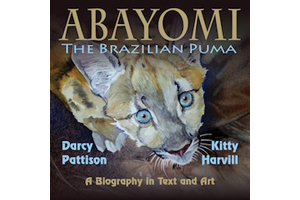

Darcy Pattison, author of Wisdom has a new book to share with us, Abayomi. This latest tells the tale of a Brazilian puma. It's equally captivating and a great addition to classroom bookshelves.
Thanks for chatting with us today, Darcy.
Wisdom was such an extraordinary story. What inspired you to write about this puma - Abayomi?
I learned about Wisdom, because she’s the oldest bird in the world and survived the Japanese tsunami―that made the national and international news. Abayomi is a story that was brought to my attention by the illustrator, Kitty Harvill. She lives in Brazil half the year and the US the other half. She and her husband Christoph Hrdina are vitally involved in conservation in Brazil and heard about the work of Sergio Ferreira and Marcia Rodriguez, Ph.D. Their expertise is puma (mountain lion or cougar) conservation, where they are working to create corridors for pumas to move from one wild place to another. Corridors are cutting edge environmental science, designed to give them ways to travel in a wider landscape, enlarge their range, and protect the genetic viability of a species.
In the midst of this work, came the story of an orphaned cub. As sad as the situation was, a story of an orphaned cub alone wasn’t enough. I had to dig deeper to find the story within the facts. For me, it was a combination the natural history of pumas, this particular moment in time when conservation corridors are crucial to many species, and the interaction of scientists and pumas. In particular, I was struck by one comment that came from my initial investigation. One plantation owner said that he had lived in the area for forty years and never seen a puma.
40 years! The puma were invisible. Nocturnal animals, they hunt, eat and play under the cover of darkness.
Then a scientist made the comment that the puma cub mustn’t get to know humans well or become dependent on humans for food. I realized that for the cub to return to the wild, the scientists must become invisible. That contrast sparked this story.
One of the things I love about writing nonfiction is the research portion. Tell us about the research journey for this book. Was it a straight path or did it have lots of twists and turns?
Research for this path started with an initial investigation of the events that orphaned the cub. The mother puma was caught in a trap set in a chicken coop and died. I had the actual coordinates for the chicken coop and looked it up on Google Earth. Yes! I could actually zoom down and see the chicken coop in the aerial photo. Then, I zoomed out to see the surrounding area. It was urban. On Google Earth, people often upload photos and you can click to see the surrounding area. One photo was taken quite close to the chicken coop, and showed a skyline of skyscrapers. These pumas were living within sight of skyscrapers.
I learned that around 2012, the world tipped: worldwide, we are now more urban than rural. Pumas living within sight of skyscrapers exemplified the problem. How can humans make room for wild creatures in an urban world? In this man-made landscape, where can wild animals live? Increasingly, I realized the importance of the corridor science.
Finally, I read and read about pumas and their natural history. One interesting thing that has allowed them to survive in the urban landscape is they are opportunistic eaters, that is, they will eat almost anything. Including capybaras, the largest rodent in the world and a common animal in Brazil. Capybaras are a host to a certain kind of tick, which carries Brazilian fever (comparable to the US Rocky Mountain spotted fever). Incidence of Brazilian fever has been rising dramatically the last 5-10 years. The complicated food chain―ticks, capybaras, pumas―meant that ticks were the puma’s friends. Conservation efforts got a boost because in order to reduce Brazilian fever, you must get rid of capybaras and for that, you need pumas. It was a round about research process and I spent time getting to know ticks and capybaras more than I wanted!
Finally, I Skyped with Sergio Ferreira to make sure I had details correct. He was generous with information and added details that I couldn’t get any other way. First-hand knowledge is always best for nonfiction.
Tell us about the teaching materials you have created for your books.
The back of the book includes a short discussion of our Urban World, facts about Corridor Projects and of course, information on Abayomi. Beyond that, I haven’t done a formal teacher’s guide for this book. For updated information on Abayomi, see www.icmbio.gov.br/corredordasoncas < http://www.icmbio.gov.br/corredordasoncas >
What’s next for your readers?
Kitty Harvill and I are vitally interested in doing more biographies of wild animals. But it’s hard. We need information on a specific animal, not a species in general, and how it has intersected with humans. Kitty uses original photography to create portraits of an individual. Scientists are amazed that she can capture the nuances that let them recognize a particular individual animal.
We are very interested in an American wild eagle or other endangered animals in the U.S. The key is that it must be one individual and there must be a compelling story. If anyone knows of an interesting eagle or other animal, please email me at darcy@darcypattison.com
Besides the animal biographies, I’m also working on a set of two books, I WANT A DOG: My Argument Essay and I WANT A CAT: My Argument Essay. Illustrated by Ewa O’Neill, they follow the reasoning of cousins Juan and Mellie as they consider what kind of animal they want. While it’s fiction, the science of dog and cat breeds forms the backbone of the story.
Thank you, Darcy! Find out more about Darcy Pattison and these titles: http://www.darcypattison.com


February 14, 2014
Love the Earth this Valentine's Day
It's Valentine's Day and what better way to show our love for the environment than to become inspired by someone who has dedicated their life to it?
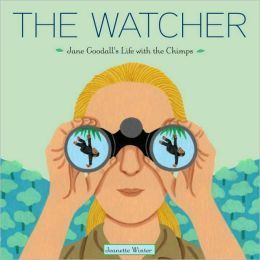
Jane Goodall, featured in many books, has inspired me and so many others. Check out this video.
It will bring tears to your eyes and put hope in your heart!
Bring Jane to your classroom with these wonderful titles.
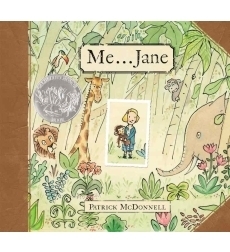
And this one.
"Only if we understand can we care. Only if we care will we help. Only if we help shall all be saved." ~Jane Goodall
Happy Valentine's Day!
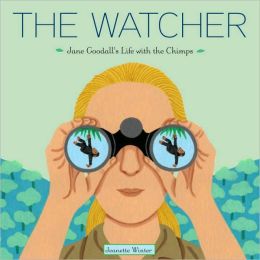
Jane Goodall, featured in many books, has inspired me and so many others. Check out this video.
It will bring tears to your eyes and put hope in your heart!
Bring Jane to your classroom with these wonderful titles.

And this one.
"Only if we understand can we care. Only if we care will we help. Only if we help shall all be saved." ~Jane Goodall
Happy Valentine's Day!
January 13, 2014
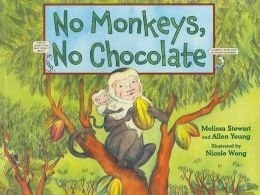
Interview: Melissa Stewart, Author of No Monkeys, No Chocolate
Melissa Stewart is the author of many fantastic nonfiction books on topics ranging from deadly predators to earthquakes. With her recent picture book, No Monkeys, No Chocolate, she takes readers to tropical rainforests, the very source of the chocolate we eat. If you like chocolate, you’ll love this book! It even has wise-cracking bookworms that comment on everything.
Thanks, Melissa, for speaking with us today about No Monkeys, No Chocolate.
Can you tell us about the process of writing this very kid-friendly text with a leading scientist? Thanks so much for your kind words about No Monkeys, No Chocolate, Nancy. This book was 10 years in the making. I thought kids, teachers, and aspiring authors might be interested in the story behind the book, so I created a fun Interactive Timeline .
Allen Young is the world’s leading expert cocoa growth and pollination. He didn’t actually do any of the writing, but he did provide key bits of information that I couldn’t get anywhere else. His knowledge was based on working with cocoa trees in the Costa Rican rain forest for more than 30 years.
The bookworm narration adds a wonderful dimension to the text. Was that fun to write? I had a blast writing the bookworm dialog. The trick was to keep the exchanges short while also making them funny and packing them with information that reinforced the main text.
No Monkeys, No Chocolate is chock-full of great information. Did anything surprise you in your research? There were so many surprises. Before I began working on this book, I had no idea that a tiny fly pollinates cocoa or that monkeys and a couple of other small mammals disperse their seeds.
I also learned lots of interesting information that didn’t make it into the book. There were many different candidates for the spots occupied by the anole lizard and the coffin flies. Each one had an interesting relationship to the tree responsible for our favorite dessert. In the end, I chose the coffin flies and their brain-eating maggots because they are just so gross and cool. I chose the lizard and aphids, as a tribute to the rose-slurping aphids that inspired me to write the book in the first place.
I’m sure teachers would love to add this to their library. Do you have any tips on how teachers can use No Monkeys, No Chocolate in their classroom? Yes, I have a Teacher’s Guide, Readers Theater, and several activity sheets that go with the book. You can find them here. Also, the book was featured on the ClassroomBookshelf blog , where three super-smart educators from Lesley University offer lots more ideas. They’ve even included some ideas for using the Interactive Timeline in the classroom.
What are you working on now?
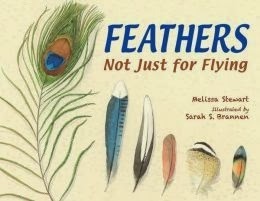
My newest picture book, Feathers: Not Just for Flying will be published in February, and I’m very excited about it. Illustrator Sarah S. Brannen did a fantastic job. Right now, I’m working on a video to go with the book. I’m also putting he final touches on the Teachers Guide and a Readers Theater that I think teachers will really like.
To learn more about Melissa and her books visit her website or her blog You may also want to follow her on Twitter, @msterwartscience, or on Pinterest.

Thanks, Melissa, for speaking with us today about No Monkeys, No Chocolate.
Can you tell us about the process of writing this very kid-friendly text with a leading scientist? Thanks so much for your kind words about No Monkeys, No Chocolate, Nancy. This book was 10 years in the making. I thought kids, teachers, and aspiring authors might be interested in the story behind the book, so I created a fun Interactive Timeline .
Allen Young is the world’s leading expert cocoa growth and pollination. He didn’t actually do any of the writing, but he did provide key bits of information that I couldn’t get anywhere else. His knowledge was based on working with cocoa trees in the Costa Rican rain forest for more than 30 years.
The bookworm narration adds a wonderful dimension to the text. Was that fun to write? I had a blast writing the bookworm dialog. The trick was to keep the exchanges short while also making them funny and packing them with information that reinforced the main text.
No Monkeys, No Chocolate is chock-full of great information. Did anything surprise you in your research? There were so many surprises. Before I began working on this book, I had no idea that a tiny fly pollinates cocoa or that monkeys and a couple of other small mammals disperse their seeds.
I also learned lots of interesting information that didn’t make it into the book. There were many different candidates for the spots occupied by the anole lizard and the coffin flies. Each one had an interesting relationship to the tree responsible for our favorite dessert. In the end, I chose the coffin flies and their brain-eating maggots because they are just so gross and cool. I chose the lizard and aphids, as a tribute to the rose-slurping aphids that inspired me to write the book in the first place.
I’m sure teachers would love to add this to their library. Do you have any tips on how teachers can use No Monkeys, No Chocolate in their classroom? Yes, I have a Teacher’s Guide, Readers Theater, and several activity sheets that go with the book. You can find them here. Also, the book was featured on the ClassroomBookshelf blog , where three super-smart educators from Lesley University offer lots more ideas. They’ve even included some ideas for using the Interactive Timeline in the classroom.
What are you working on now?
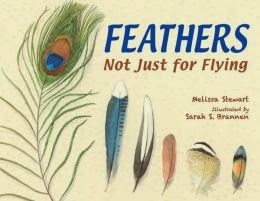
My newest picture book, Feathers: Not Just for Flying will be published in February, and I’m very excited about it. Illustrator Sarah S. Brannen did a fantastic job. Right now, I’m working on a video to go with the book. I’m also putting he final touches on the Teachers Guide and a Readers Theater that I think teachers will really like.
To learn more about Melissa and her books visit her website or her blog You may also want to follow her on Twitter, @msterwartscience, or on Pinterest.
January 2, 2014
Ookpik
My family took a ride yesterday near the Hudson River after our yummy New Year's lunch. There in a tree beside the water were two beautiful bald eagles. What a treat! The perfect way to start off 2014.
Have you ever gone birding? Well, if you have, you know that birders are a friendly bunch. We got chatting with some as we marveled at the birds perched near us. They shared the news that some snowy owls were spotted not far away. We jumped in the car and sped off to find them.
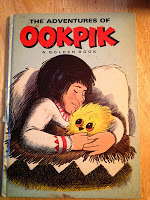
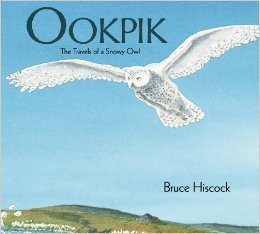
Now let me back up a bit. Owls have always been special to me. It started with this book.
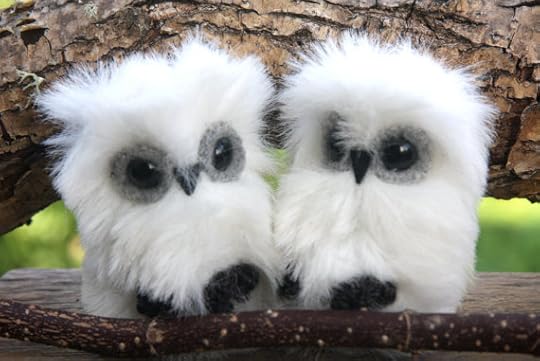
 I even had a small ookpik (Inuit for owl) stuffed toy that I kept until my dog ate it after I was married! It looked like this:
As an environmental educator I became friends with a live barred owl. Barred owls are locals. I can hear them outside when I walk my dog and can hoot the "who-cooks-for-you" back to them.
And then, thanks to Jane Yolen, there was Owl Moon. It quickly became a favorite book to read to my young daughter and a signed copy sits on my shelf!
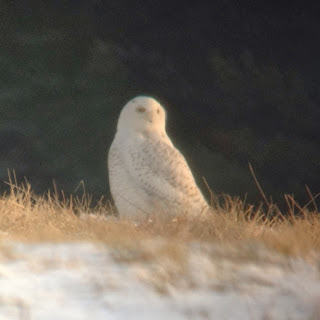
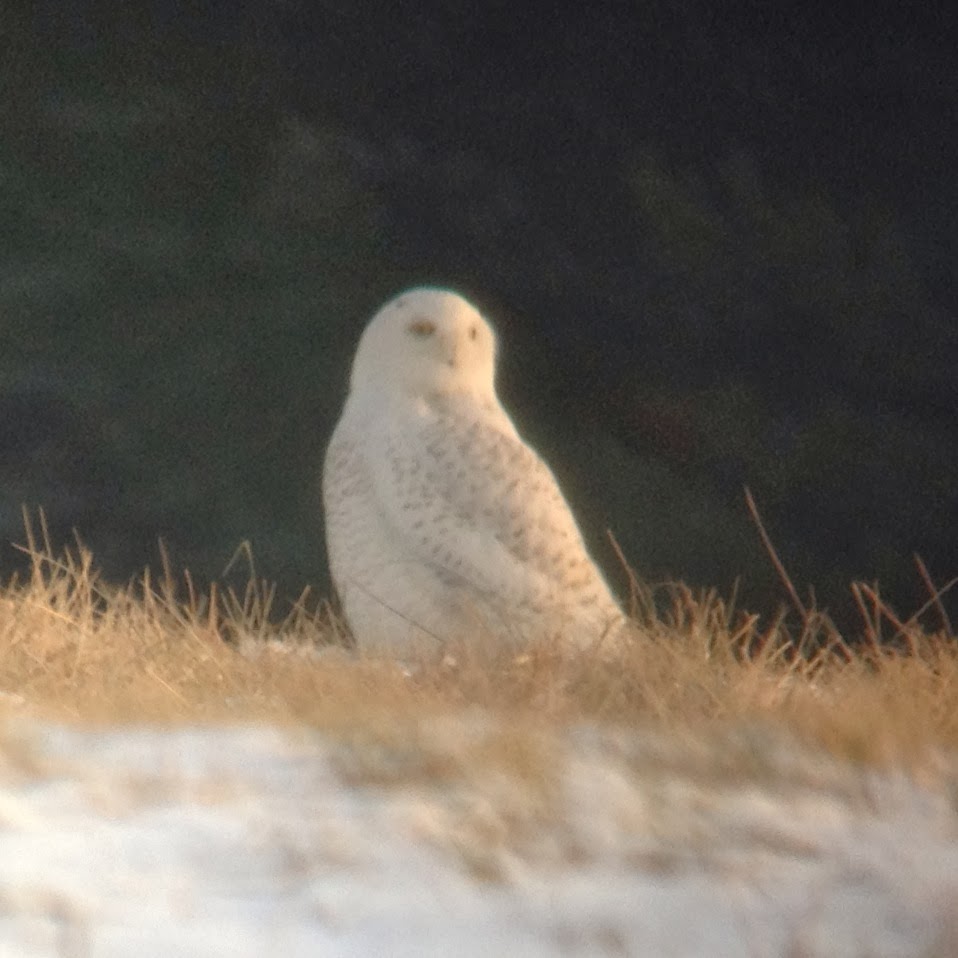
So, let's get back to yesterday. Snowy owls are not locals. They're birds to add to your life list. They're the ones you drive to find. But, we were just heading out after lunch…..without binoculars or a long camera lens. We took our chances and followed the directions. Lo and behold we weren't alone. Other birders had gathered and, as I said, they are a friendly bunch! Not only did we see a magnificent snowy, but we were able to get a closer look with a borrowed peek into a scope. And we snapped a few photos through the scope using our cell phones.
Here was Ookpik all grown up!
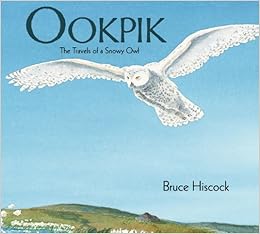
There have been other sightings of snowy owls in the northeast recently. I'm going to keep my eyes open and see if I can spot another before they head back to the frozen north. If you want to learn more about these magnificent birds check out author /illustrator Bruce Hiscock's wonderful picture book or take a look at this National Geographic link.
Have you ever gone birding? Well, if you have, you know that birders are a friendly bunch. We got chatting with some as we marveled at the birds perched near us. They shared the news that some snowy owls were spotted not far away. We jumped in the car and sped off to find them.
Now let me back up a bit. Owls have always been special to me. It started with this book.
 I even had a small ookpik (Inuit for owl) stuffed toy that I kept until my dog ate it after I was married! It looked like this: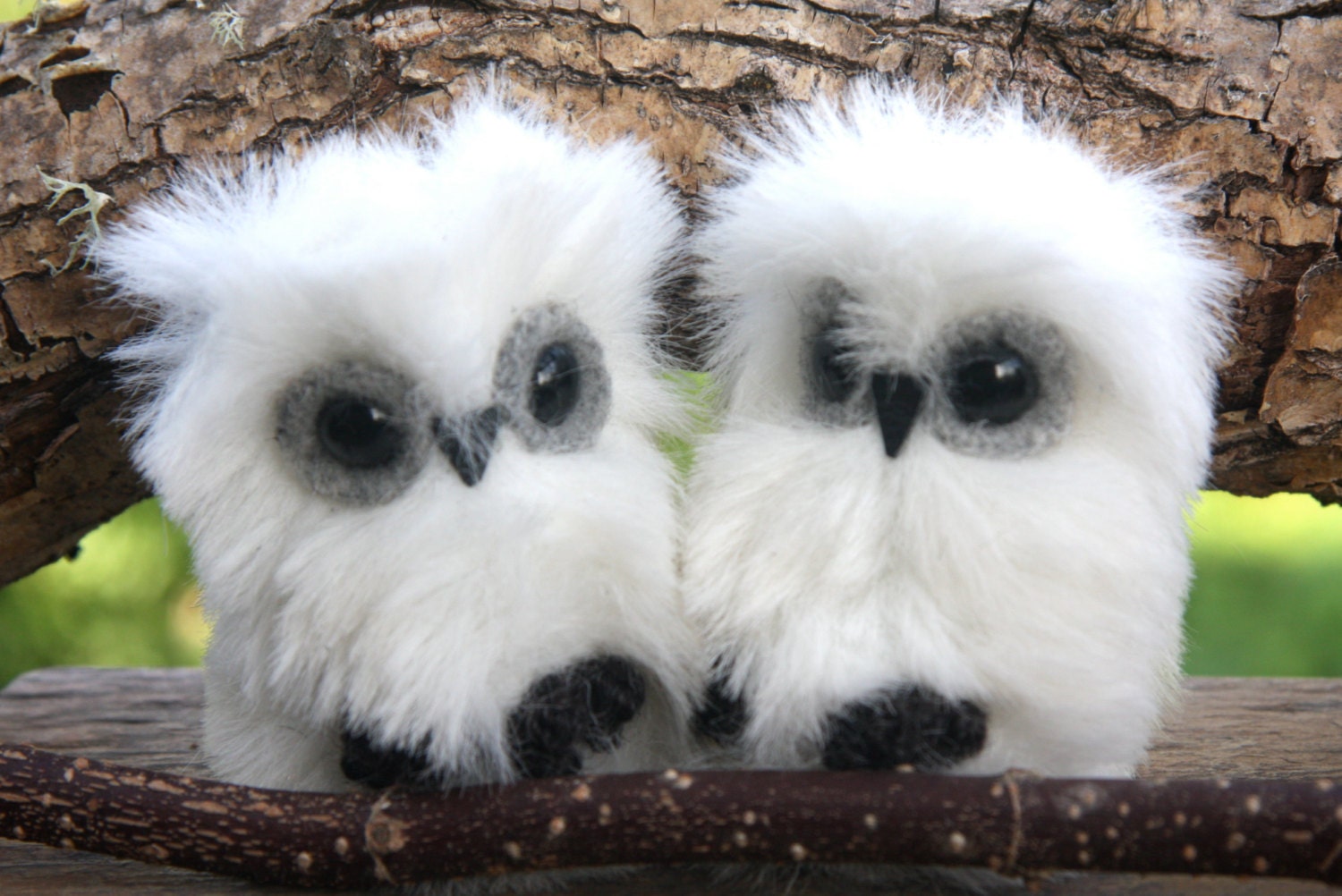
As an environmental educator I became friends with a live barred owl. Barred owls are locals. I can hear them outside when I walk my dog and can hoot the "who-cooks-for-you" back to them.
And then, thanks to Jane Yolen, there was Owl Moon. It quickly became a favorite book to read to my young daughter and a signed copy sits on my shelf!
So, let's get back to yesterday. Snowy owls are not locals. They're birds to add to your life list. They're the ones you drive to find. But, we were just heading out after lunch…..without binoculars or a long camera lens. We took our chances and followed the directions. Lo and behold we weren't alone. Other birders had gathered and, as I said, they are a friendly bunch! Not only did we see a magnificent snowy, but we were able to get a closer look with a borrowed peek into a scope. And we snapped a few photos through the scope using our cell phones.
Here was Ookpik all grown up!
There have been other sightings of snowy owls in the northeast recently. I'm going to keep my eyes open and see if I can spot another before they head back to the frozen north. If you want to learn more about these magnificent birds check out author /illustrator Bruce Hiscock's wonderful picture book or take a look at this National Geographic link.
December 19, 2013
More Connections
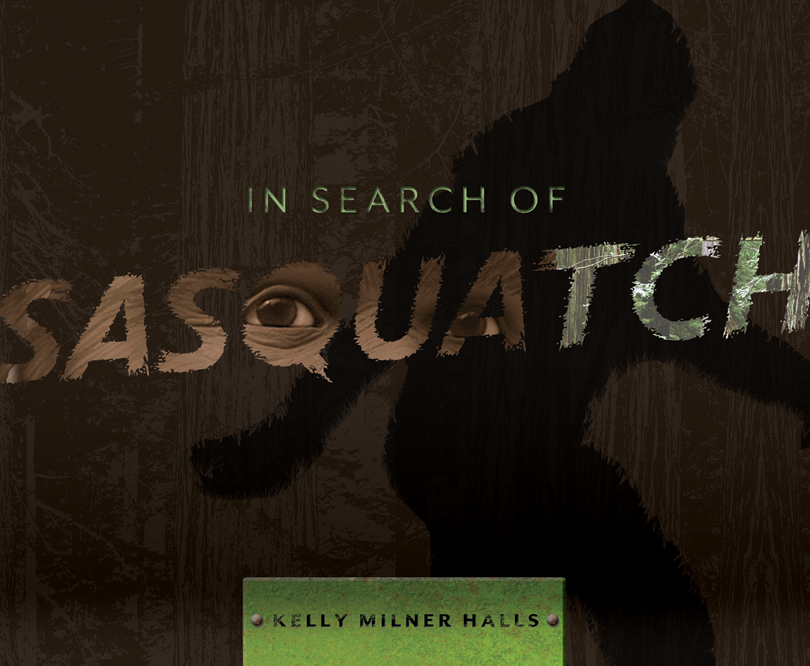
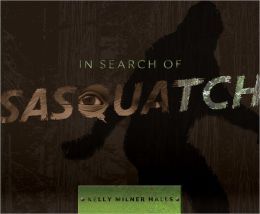
Back in March I wrote a review of Kelly Milner Hall's well-researched, informative
In Search of Sasquatch
.
Well, I came across a book that would be an excellent middle grade fictional companion - The Abominables by the late Eva Ibbotson.
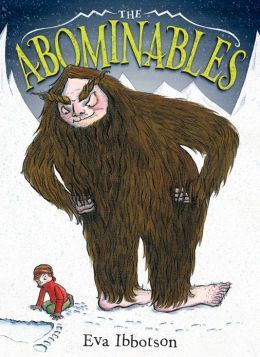
What a great way to tie in a wonderful read with science! Ibbotson's book transports five abominable snowmen to a stately home in England. These gentle Yetis have Mt. Helen's size personalities that kids will love!
A perfect pairing for gift giving or classrooms!
Well, I came across a book that would be an excellent middle grade fictional companion - The Abominables by the late Eva Ibbotson.

What a great way to tie in a wonderful read with science! Ibbotson's book transports five abominable snowmen to a stately home in England. These gentle Yetis have Mt. Helen's size personalities that kids will love!
A perfect pairing for gift giving or classrooms!
December 11, 2013
Connections for the Classroom
I just finished reading Melissa Stewart's great blog post on ways that authors can help educators and thought I'd take a moment to follow her advice and provide some connections for two of my books.
Keeping Our Earth Green provides readers with over 100 hands-on ways to help save the Earth. Readers will discover facts about pollution, global warming, biofuels, and much more. Try experiments at home or in a classroom. Read about the cool things being done to help our planet. Discover Earth Heroes – real people who have made a difference. Take action! A perfect pairing with this book is Loree Griffen Burns' Citizen Science.

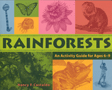
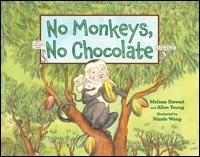
North America boasts a surprising number of rainforests, including El Yunque National Forest in Puerto Rico, Olympic National Forest in Washington State, Chugah and Tonga National Forests in Alaska, and the forests in Hawaii. Rainforests: An Activity Guide takes kids through the common layers of the rainforest, from the forest floor to above the enclosed canopy, and introduces them to plants, animals, and people around the world, including those from the temperate rainforests of North America to the tropical rainforests of Southeast Asia, Africa, and South America. Pair it with Melissa Stewart's No Monkeys, No Chocolate.
Another resource to pair with these books is Eric Carle's "Slowly, Slowly,"Said the Sloth. Watch Eric Carle speak about his inspiration for writing this book.
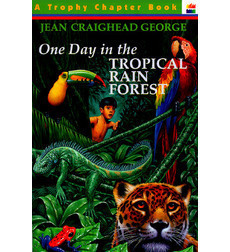
A great chapter book to accompany these titles is Jean Craighead George's One Day in the Tropical Rain Forest. This is a perfect title for grades 2-5.
Looking for an activity for your classroom? There are plenty of activities in Rainforests, but here is another for you to try:
Henri Rousseau Green Rainforest Watercolor Paintings
Procedure: Introduce students to the art of Henri Rousseau. Show artwork and if time permits read The Fantastic Jungles of Henri Rousseau or Welcome to the Greenhouse by Jane Yolen. Draw attention to the different layers of rainforest plants in the paintings and the different leaf shapes. Look at photos of tropical rain forests. Ask students to think about the trees outside and how many different leaf shapes they see.
Instruct students to begin drawing different shapes of leaves on their watercolor paper lightly with pencil. Add spikes, rounded leaves, etc. Draw plants at different levels, filling the entire paper.
Paint the leaves using as many different shades of green possible. Instruct students on how to mix colors and make different shades of green.
Limit the use of watercolor to yellow, blue, green – show the color wheel and discuss how many different colors of green you can obtain from mixing colors.
Discuss why a brightly colored parrot or orchid flower would stand out in a rainforest. Why is that an advantage? Add one or two small pieces of brightly colored tissue paper to represent a parrot or flower among all the rainforest green.
Materials: pencils, watercolor paper, green, yellow, blue watercolors. Water and brushes.
Bright colored tissue paper, glue stick
Keeping Our Earth Green provides readers with over 100 hands-on ways to help save the Earth. Readers will discover facts about pollution, global warming, biofuels, and much more. Try experiments at home or in a classroom. Read about the cool things being done to help our planet. Discover Earth Heroes – real people who have made a difference. Take action! A perfect pairing with this book is Loree Griffen Burns' Citizen Science.

North America boasts a surprising number of rainforests, including El Yunque National Forest in Puerto Rico, Olympic National Forest in Washington State, Chugah and Tonga National Forests in Alaska, and the forests in Hawaii. Rainforests: An Activity Guide takes kids through the common layers of the rainforest, from the forest floor to above the enclosed canopy, and introduces them to plants, animals, and people around the world, including those from the temperate rainforests of North America to the tropical rainforests of Southeast Asia, Africa, and South America. Pair it with Melissa Stewart's No Monkeys, No Chocolate.


Another resource to pair with these books is Eric Carle's "Slowly, Slowly,"Said the Sloth. Watch Eric Carle speak about his inspiration for writing this book.
A great chapter book to accompany these titles is Jean Craighead George's One Day in the Tropical Rain Forest. This is a perfect title for grades 2-5.

Looking for an activity for your classroom? There are plenty of activities in Rainforests, but here is another for you to try:
Henri Rousseau Green Rainforest Watercolor Paintings
Procedure: Introduce students to the art of Henri Rousseau. Show artwork and if time permits read The Fantastic Jungles of Henri Rousseau or Welcome to the Greenhouse by Jane Yolen. Draw attention to the different layers of rainforest plants in the paintings and the different leaf shapes. Look at photos of tropical rain forests. Ask students to think about the trees outside and how many different leaf shapes they see.
Instruct students to begin drawing different shapes of leaves on their watercolor paper lightly with pencil. Add spikes, rounded leaves, etc. Draw plants at different levels, filling the entire paper.
Paint the leaves using as many different shades of green possible. Instruct students on how to mix colors and make different shades of green.
Limit the use of watercolor to yellow, blue, green – show the color wheel and discuss how many different colors of green you can obtain from mixing colors.
Discuss why a brightly colored parrot or orchid flower would stand out in a rainforest. Why is that an advantage? Add one or two small pieces of brightly colored tissue paper to represent a parrot or flower among all the rainforest green.
Materials: pencils, watercolor paper, green, yellow, blue watercolors. Water and brushes.
Bright colored tissue paper, glue stick
December 9, 2013
Naturally Speaking: The True Blue Scouts of Sugar Man Swamp by Kathi A...
Naturally Speaking: The True Blue Scouts of Sugar Man Swamp by Kathi A...: Raccoons, gators, rattlesnakes, and the Sugar Man -- what more could you want in a Texas swamp? Maybe a greedy developer and some cr...
The True Blue Scouts of Sugar Man Swamp by Kathi Appelt
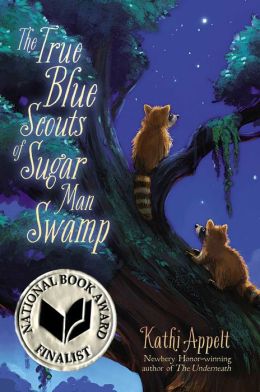
Raccoons, gators, rattlesnakes, and the Sugar Man -- what more could you want in a Texas swamp? Maybe a greedy developer and some crazy, wild hogs? Got them. Maybe a cafe serving up the sweetest sugar pies around? Got it! And maybe a kid who just wants to keep the story, the swamp and the cafe alive? Got it!
Kathi Appelt has created a rip-roaring, glorious eco-tale reminiscent of a true American folktale. The True Blue Scouts of Sugar Man Swamp is swampalicious!
The theme of ecologist/conservationists/preservationist vs. developer is pretty common, but Appelt's story is fresh and woven as intricately as the swamp ecosystem itself.
Teachers can use this along with a lesson on wetlands. Check out the EPA's Wetlands Reading List for Pre-K through Grade 12.
May 16, 2013
Nonfiction Constellations
Marc Aronson's May 14th article in School Library Journal describes the idea of constellations in relation to Common Core standards. No, he doesn't mean we'll all be focusing our attention on the starry skies, but rather connecting excerpts, passages and writings as if shining stars in the sky to form complete pictures for students.
It reminds of the whole language approach that buzzed around years ago. The thought of connecting art, literature and other subjects together has always resonated with me. His examples of passages on the Dust Bowl combined with the investigation of Dorothea Lange's famous photo, Migrant Mother, would appeal to any nonfiction author who approaches research in a very similar manner. Perhaps Aronson's constellations will inspire teachers to look at nonfiction in a fresh way. Exciting stuff!
It reminds of the whole language approach that buzzed around years ago. The thought of connecting art, literature and other subjects together has always resonated with me. His examples of passages on the Dust Bowl combined with the investigation of Dorothea Lange's famous photo, Migrant Mother, would appeal to any nonfiction author who approaches research in a very similar manner. Perhaps Aronson's constellations will inspire teachers to look at nonfiction in a fresh way. Exciting stuff!
March 19, 2013
Real or Imagined?
I just finished reading Kelly Milner Hall's In Search of Sasquatch. I must confess, I don't spend a lot of time thinking about unknown, mythic creatures like Bigfoot. The only aliens I spend time thinking about are on The Neighbors. And I've never desired to go to Scotland to search for the Loch Ness Monster. That said, Kelly's book was fascinating. Who knew there was such a thing as cryptozoology to study creatures not recognized by traditional science? The more I read, the more intrigued I became. I started to remember my fascination with giant squids when I worked on my book Oceans. At one point they also fell under the cryptid category. Now we know they are real. Perhaps some day we'll know Sasquatch is also real.
In Search of Sasquatch is well-researched, as are all of Hall's nonfiction tittles. Readers are not guaranteed to become believers in the Sasquatch theory, but they certainly will look at the "myth" with the eyes of a scientist in the future. Well presented and a great book for discussion!
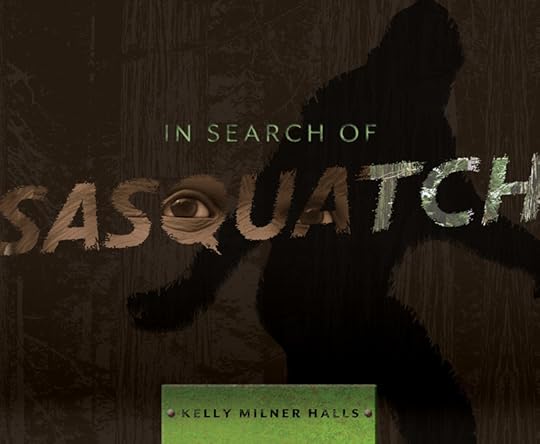
In Search of Sasquatch is well-researched, as are all of Hall's nonfiction tittles. Readers are not guaranteed to become believers in the Sasquatch theory, but they certainly will look at the "myth" with the eyes of a scientist in the future. Well presented and a great book for discussion!