Nancy F. Castaldo's Blog, page 15
June 16, 2017
Happy World Sea Turtle Day
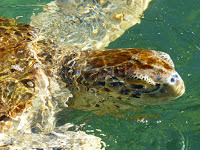
Last year I spent time with sea turtles in the Galapagos, Florida Keyes, and Australia. What a treat!
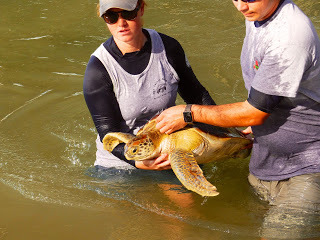
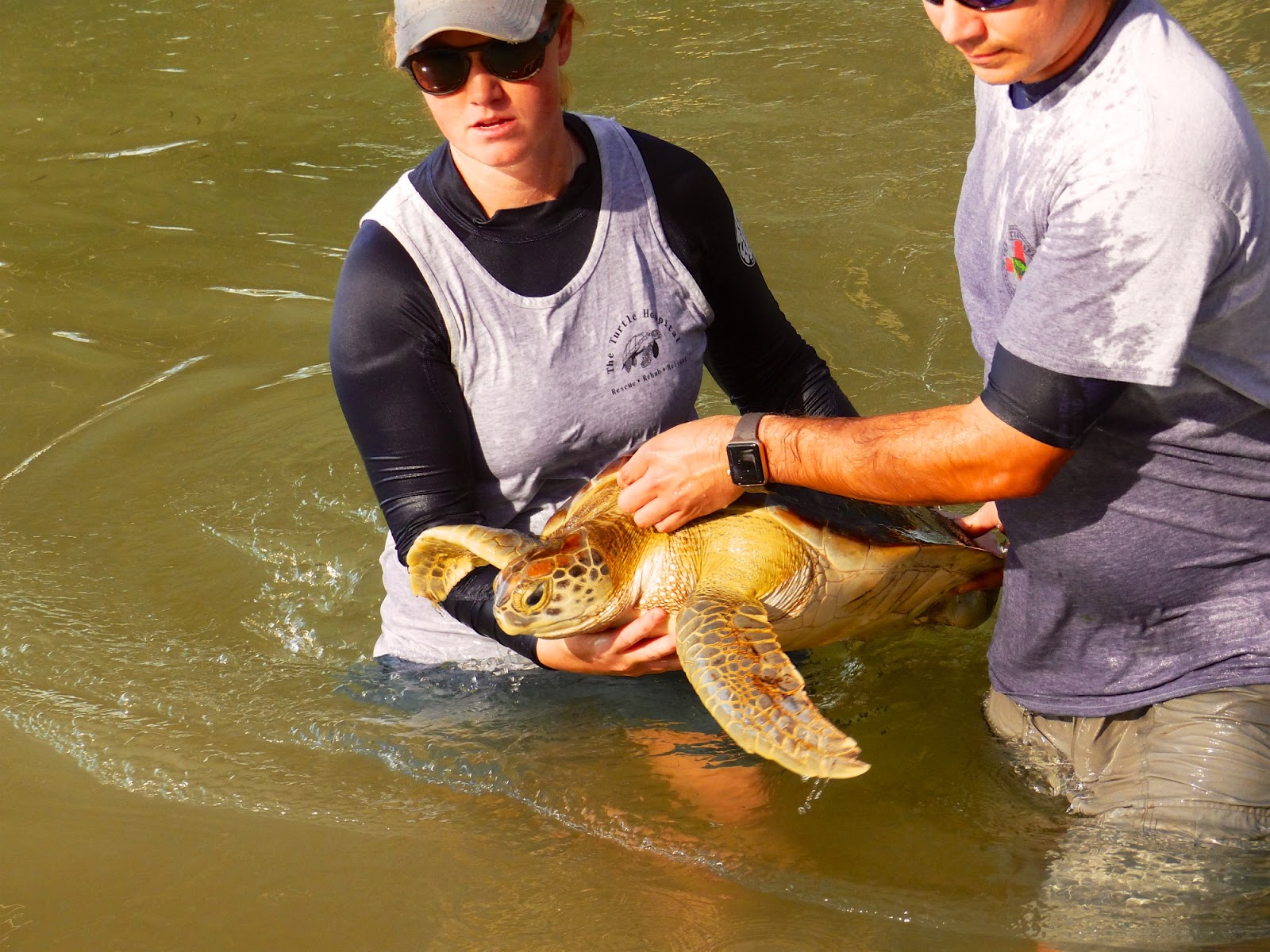
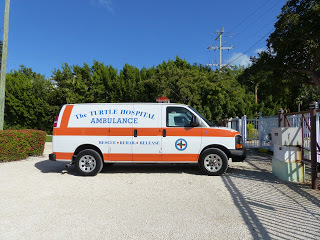 One of the most amazing places I visited was the
Turtle Hospital in the Florida Keys. This nonprofit organization rescues turtles that suffer from impactions, caused from eating things like balloons, boat strikes, and illnesses. I was so impressed with this organization that I donated a portion of my Authors for Earth Day April school visit proceeds to The Turtle Hospital to further their efforts.
Even though there are conservationists, veterinarians, marine biologists, and volunteers working at this place and others on behalf of the world's sea turtles, they are still under threat.
One major threat is gill net fishing. The long, near-invisible nets used with this method of fishing threaten many marine animals. They are used to catch swordfish, but they also trap whales, dolphins, and sea turtles. These creatures become by-catch and most often die without being released.
Proposed regulations would ban these nets for a period of up to two years, but the current administration is tossing out these regulations. That marks a serious blow for sea turtles and other marine life.
On this World Sea Turtle Day let's do something to help protect sea turtles around the world. Donate to sea turtle conservation, contact your officials, or learn about their species and plight.
Here are three favorite sea turtle reads to inform and enjoy on this World Sea Turtle Day!
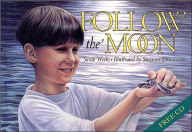
Follow the Moon book and song by Sarah Weeks
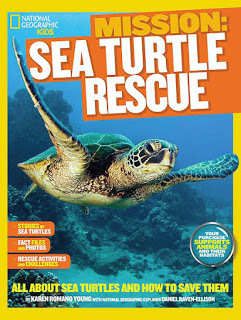
Mission: Sea Turtle Rescue by Karen Romano Young & Daniel Raven-Ellison
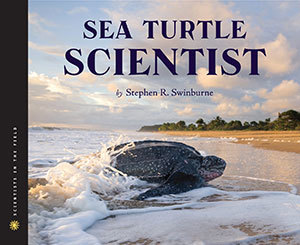
Sea Turtle Scientist by Stephen R. Swinburne
SaveSaveSaveSave
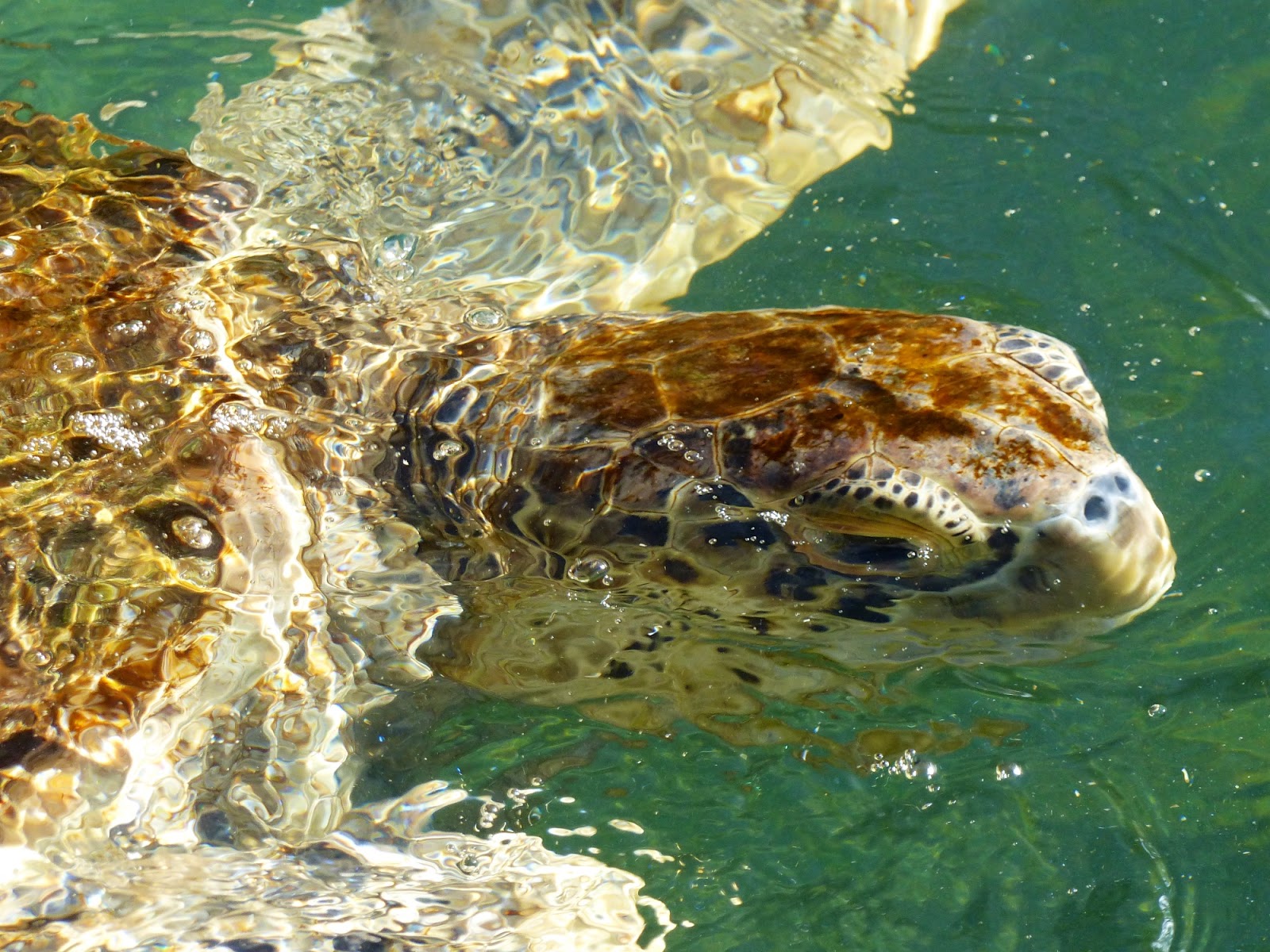
 One of the most amazing places I visited was the
Turtle Hospital in the Florida Keys. This nonprofit organization rescues turtles that suffer from impactions, caused from eating things like balloons, boat strikes, and illnesses. I was so impressed with this organization that I donated a portion of my Authors for Earth Day April school visit proceeds to The Turtle Hospital to further their efforts.
Even though there are conservationists, veterinarians, marine biologists, and volunteers working at this place and others on behalf of the world's sea turtles, they are still under threat.
One major threat is gill net fishing. The long, near-invisible nets used with this method of fishing threaten many marine animals. They are used to catch swordfish, but they also trap whales, dolphins, and sea turtles. These creatures become by-catch and most often die without being released.
Proposed regulations would ban these nets for a period of up to two years, but the current administration is tossing out these regulations. That marks a serious blow for sea turtles and other marine life.
On this World Sea Turtle Day let's do something to help protect sea turtles around the world. Donate to sea turtle conservation, contact your officials, or learn about their species and plight.
Here are three favorite sea turtle reads to inform and enjoy on this World Sea Turtle Day!
Follow the Moon book and song by Sarah Weeks
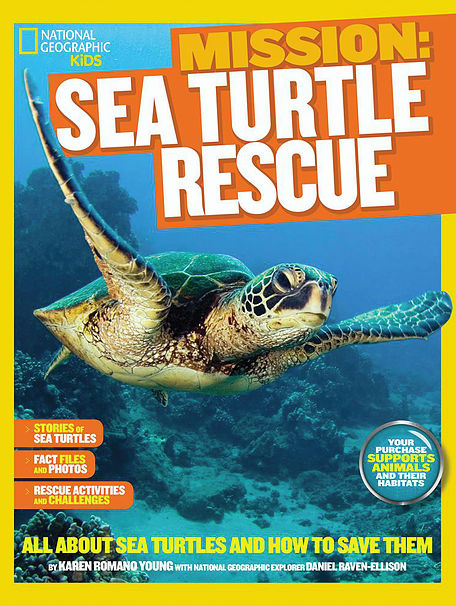
Mission: Sea Turtle Rescue by Karen Romano Young & Daniel Raven-Ellison
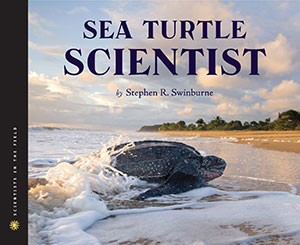
Sea Turtle Scientist by Stephen R. Swinburne
SaveSaveSaveSave


June 8, 2017
World Ocean Day!
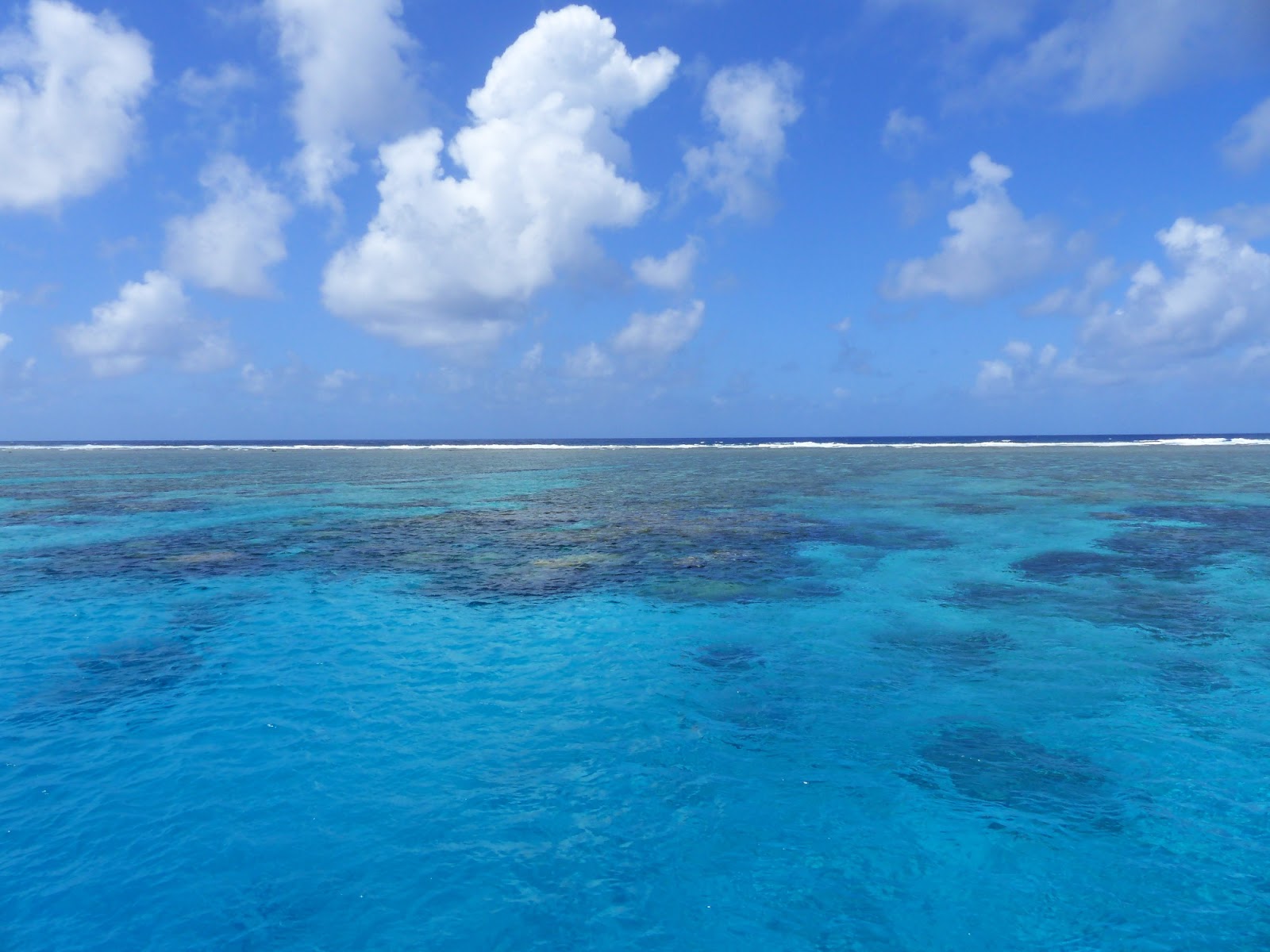
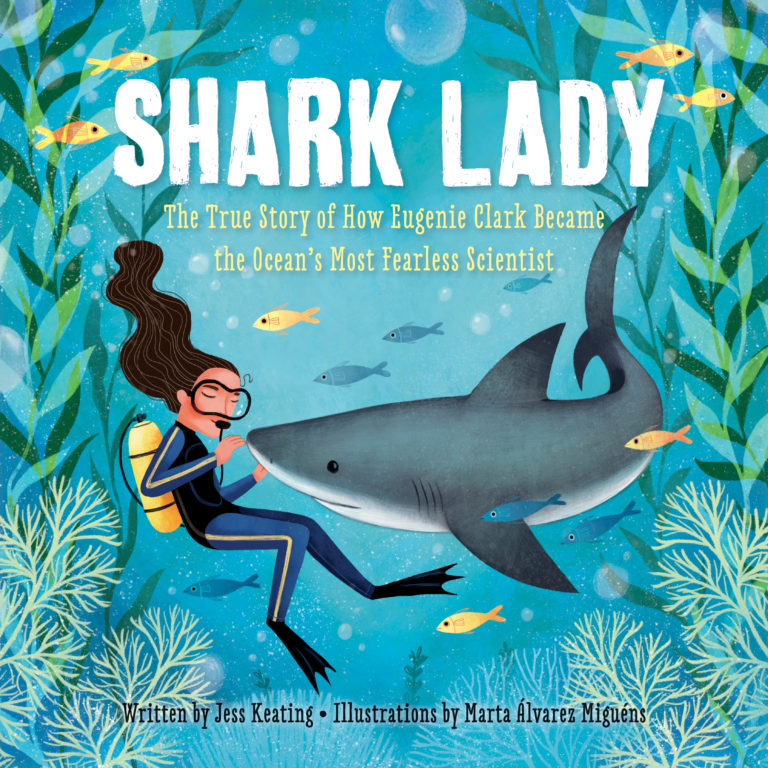
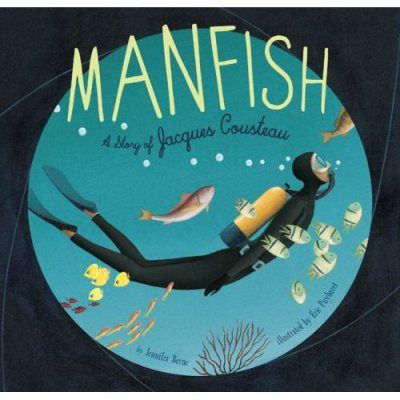
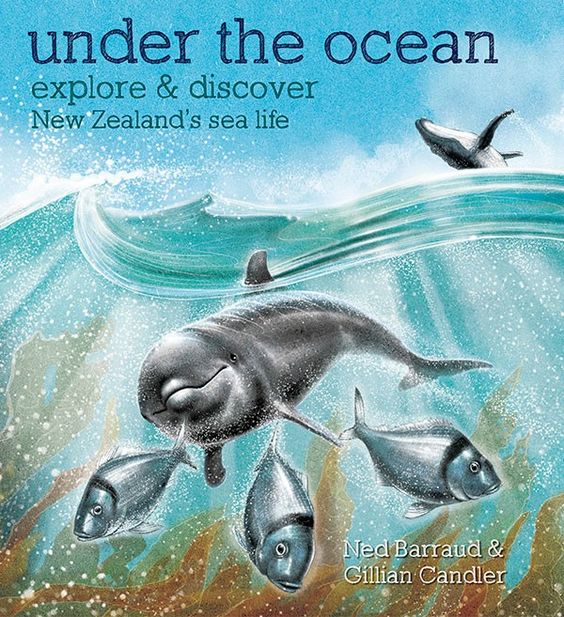
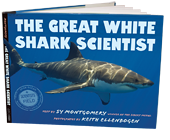
Happy World Ocean Day! Here are some titles to add to your ocean bookshelf!
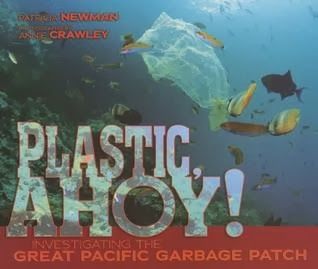
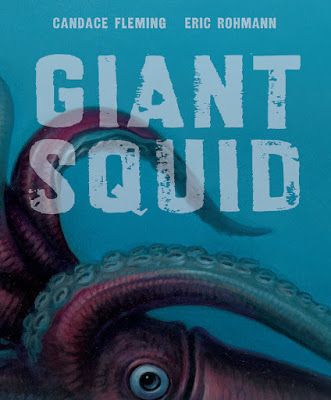
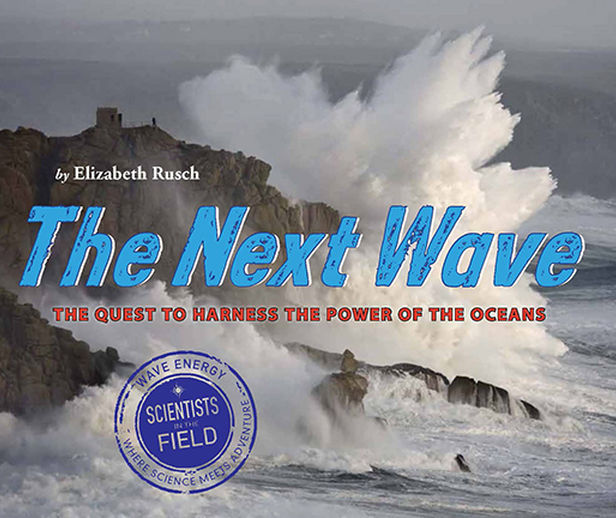
June 1, 2017
Book Shopping - Over and Under, Up and Down, Above and Below
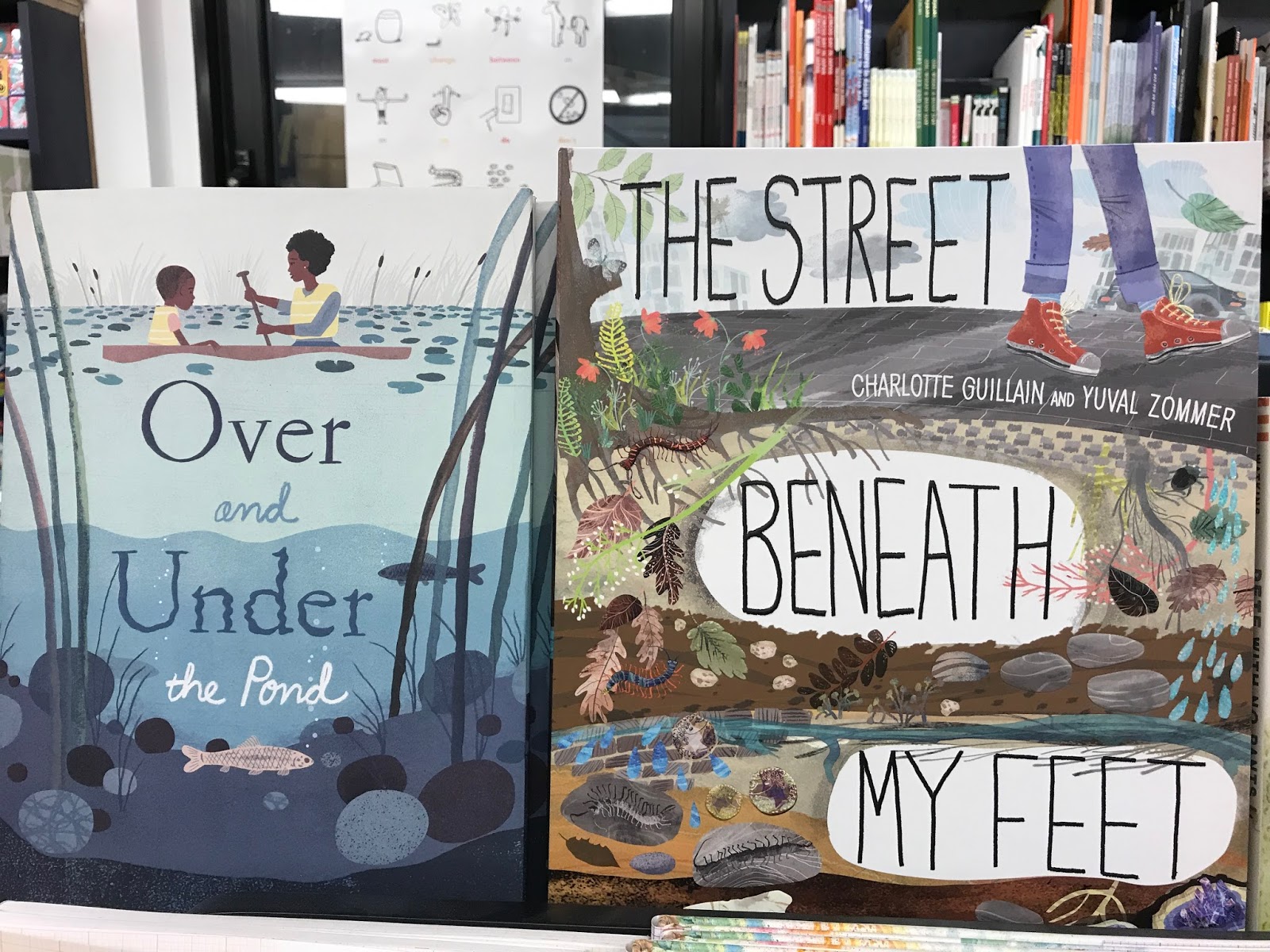
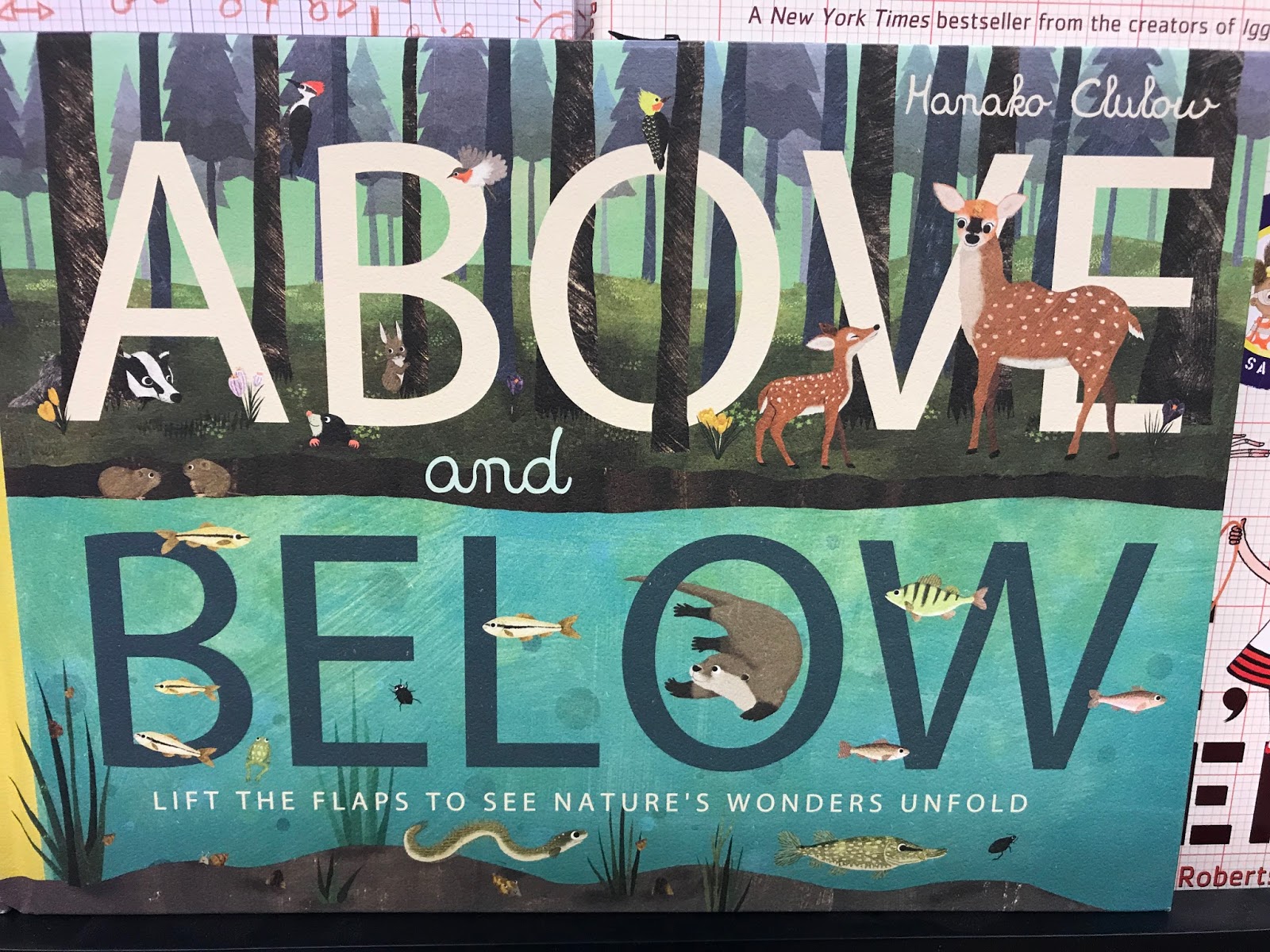
I had a great day in New York City yesterday meeting with kid lit publishing folks and visiting one of my favorite bookstores right next to Bryant Park. I came home and couldn't wait to share some of the books I found!
If you're a fan of Kate Messner's Over and Under books (I know you are!), then check out these other two books that also give a look at worlds we don't often see in the natural world.
The Street Beneath My Feet by Charlotte Guillain and illustrated by Yuval Zommer is designed as fold-out concertina book and takes us below street level to the very core of the Earth! The art is wonderful and readers will joyfully explore this like an I Spy title! It's perfect for rock-collecting future geologists.
Above and Below by Hanako Clulow and Patricia Hegarty is a lift-the-flap title that allows readers to explore different natural habitats. Lovely illustrations and great information!
Both of these books are English imports, which explains why I haven't seen them before. That is the advantage of shopping IN PERSON. You might find a treasure you didn't even know existed!
All of these titles inspire readers to think about life outside of their own world and what they are accustomed to seeing everyday. They can be used in the environmental ed classroom as well as in traditional settings to encourage observation.
As well as terrific book shopping, this store also has an incredible selection of Japanese products. I left with a new Midori journal to use to record my own observations. (Ask any writer and they'll tell you that you can never have too many journals, pens, or pencils!)
Happy shopping!
May 21, 2017
Book Shopping -- Food, Seeds, and Biodiversity
It's spring! Not only am I in the garden, I'm shopping! And I just had to include some of my latest seedy finds with you!
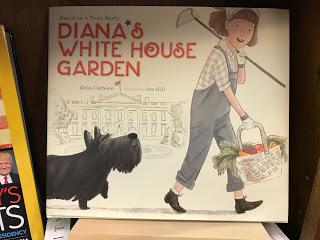
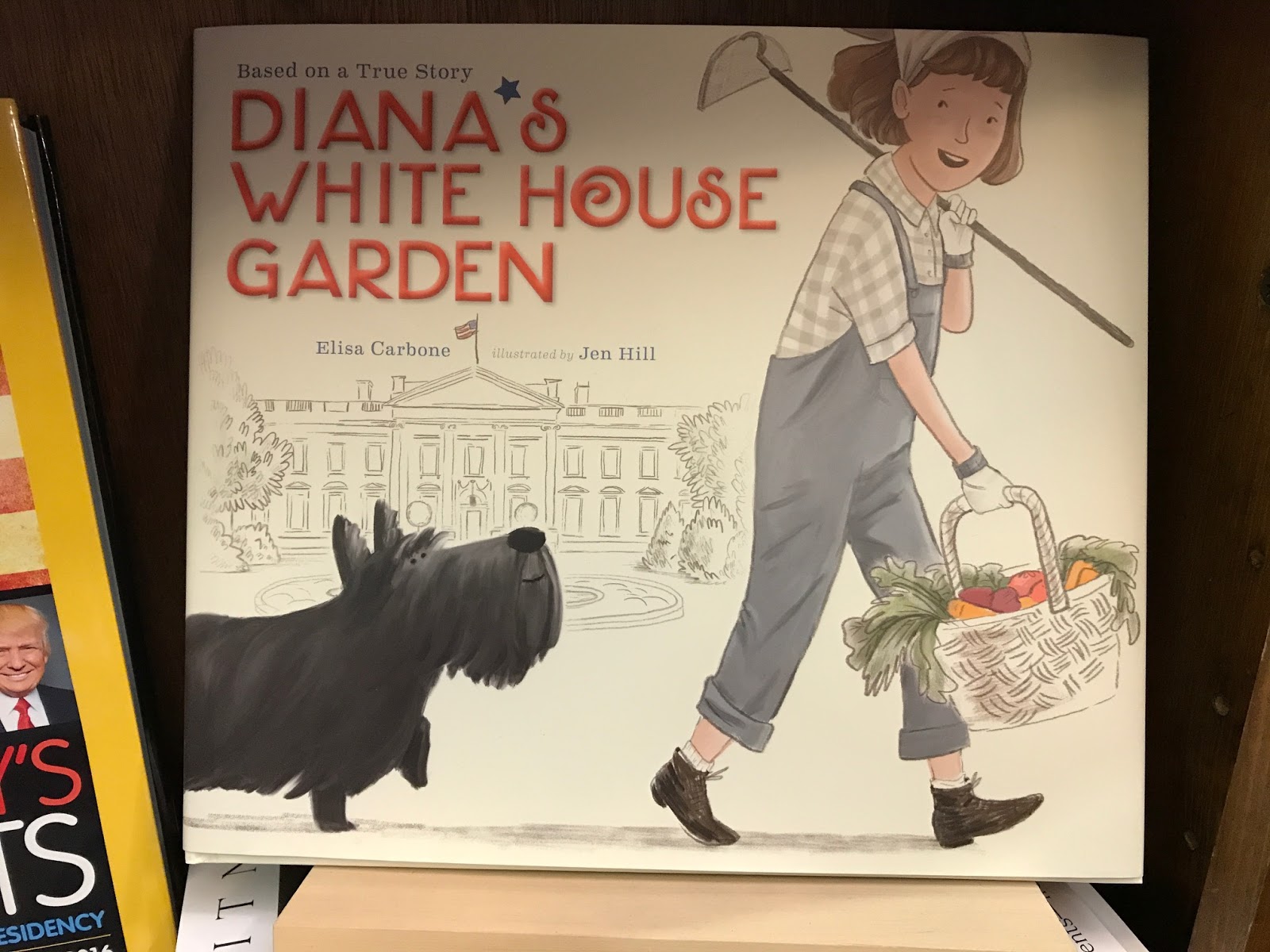
First stop -- a local Hudson Valley indie bookshop to find Diana's White House Garden by Elisa Carbone. Fans of Michelle Obama's garden will enjoy this historical look at another White House garden. A perfect pairing for a classroom read with book about seeds and gardening. It's the perfect read for students working in their school garden!
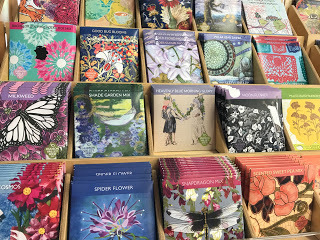
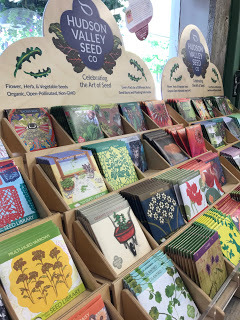
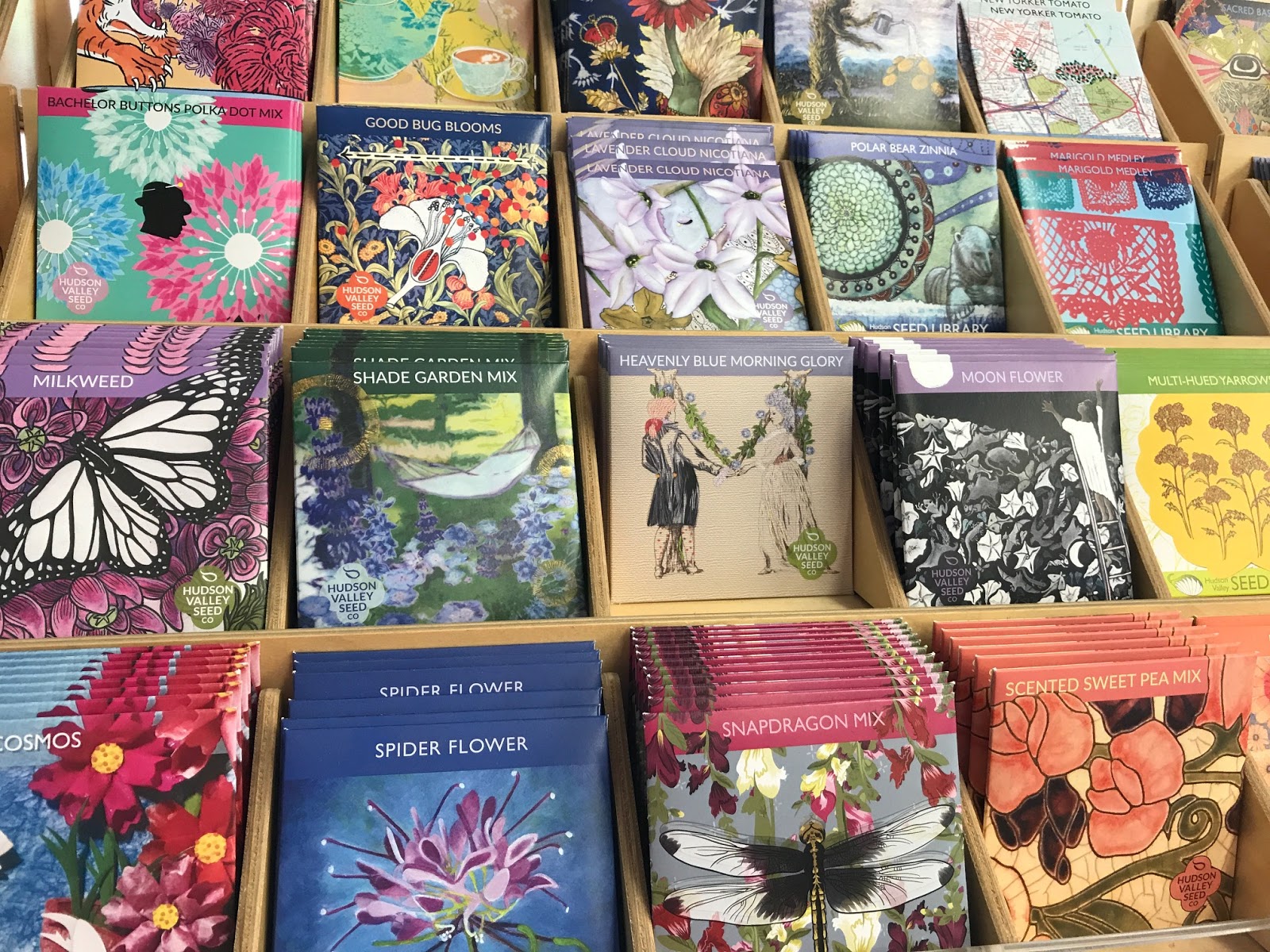
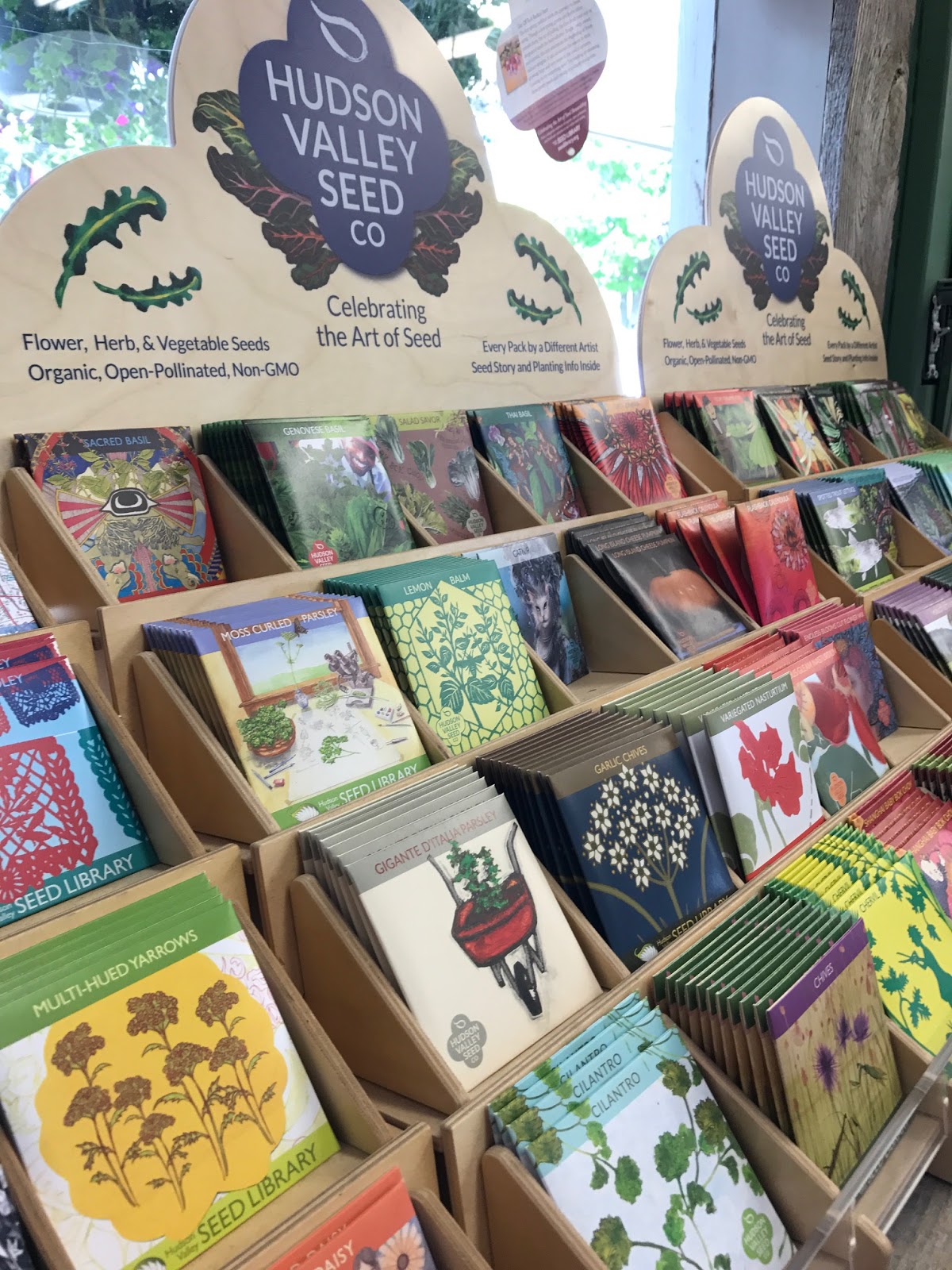
Next stop is for seeds -- and some of my favorites are from the Hudson Valley Seed Company! (You'll find them listed and photographed in THE STORY OF SEEDS! ) All these seeds have a story behind them. You'll love their beautifully designed packets and the heirloom varieties for your garden.
I might just pick up a packet of Polar Bear Zinnias this year!
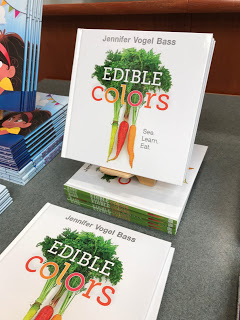
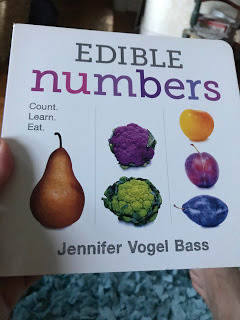
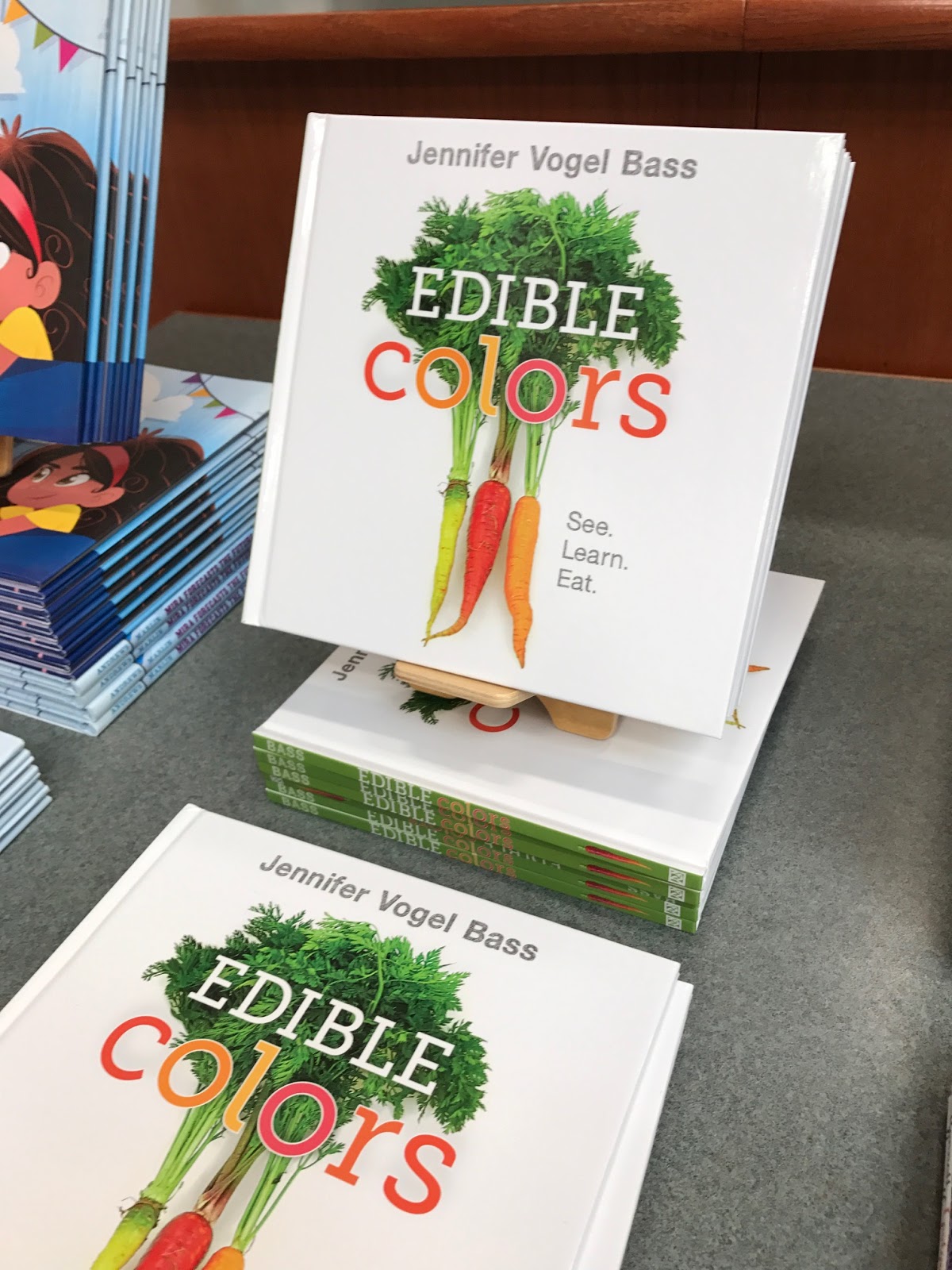
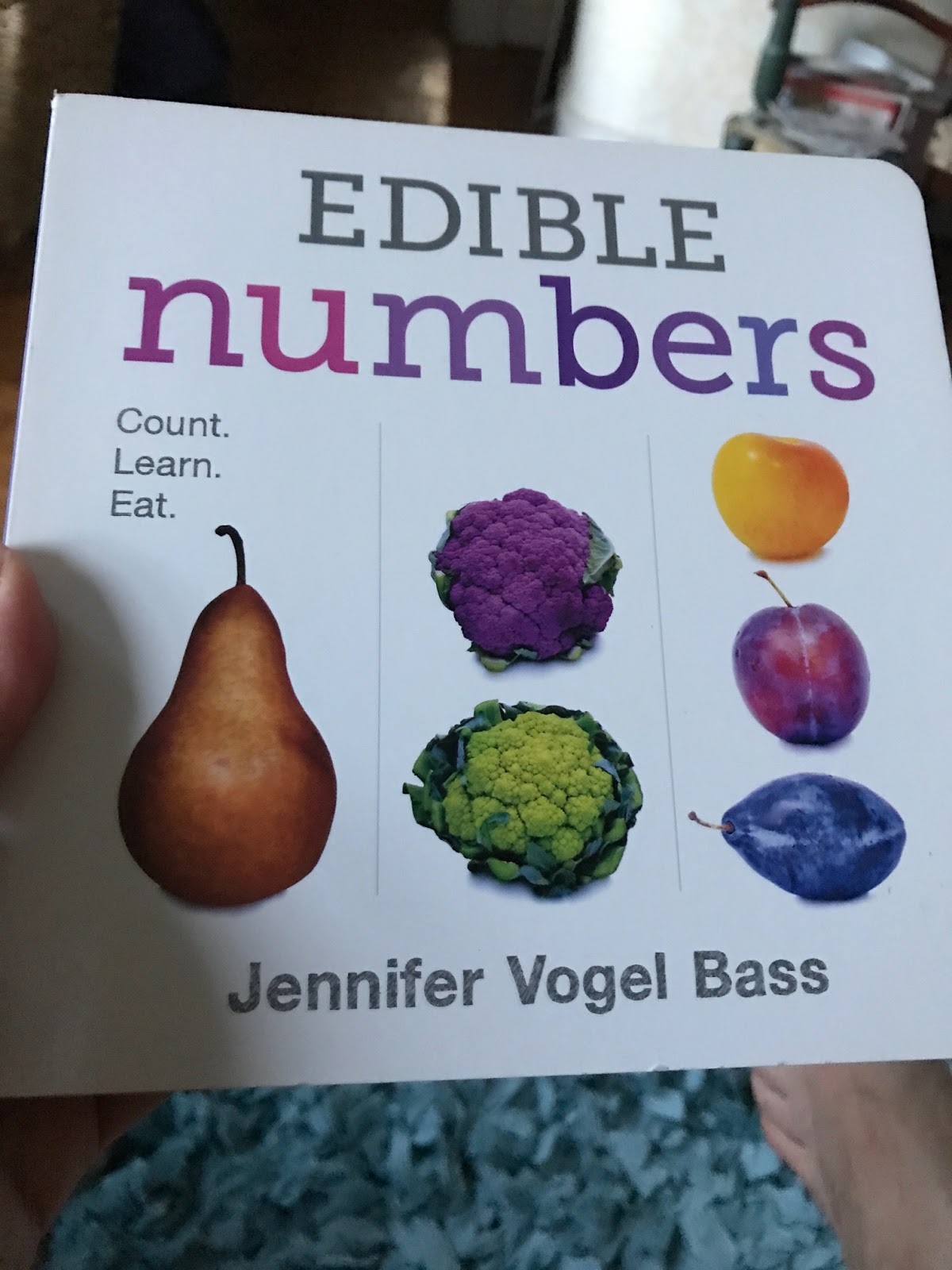
And to finish out the week, I took part in some great STEM panels at @nerdCampNJ and met Jennifer Vogel Bass. I fell in love with her two board books - Edible Numbers and Edible Colors! I love them so much - tiny books about biodiversity and heirlooms! I swapped her a copy of THE STORY OF SEEDS for these two treasures!
So there you have it -- a book about a historical garden, a great seed company, and a look at some wonderful heirlooms! I hope you love these all as much as I do! Seed on!
SaveSave
First stop -- a local Hudson Valley indie bookshop to find Diana's White House Garden by Elisa Carbone. Fans of Michelle Obama's garden will enjoy this historical look at another White House garden. A perfect pairing for a classroom read with book about seeds and gardening. It's the perfect read for students working in their school garden!
Next stop is for seeds -- and some of my favorites are from the Hudson Valley Seed Company! (You'll find them listed and photographed in THE STORY OF SEEDS! ) All these seeds have a story behind them. You'll love their beautifully designed packets and the heirloom varieties for your garden.
I might just pick up a packet of Polar Bear Zinnias this year!
And to finish out the week, I took part in some great STEM panels at @nerdCampNJ and met Jennifer Vogel Bass. I fell in love with her two board books - Edible Numbers and Edible Colors! I love them so much - tiny books about biodiversity and heirlooms! I swapped her a copy of THE STORY OF SEEDS for these two treasures!
So there you have it -- a book about a historical garden, a great seed company, and a look at some wonderful heirlooms! I hope you love these all as much as I do! Seed on!
SaveSave
May 15, 2017
Book Shopping - Our History with Dogs
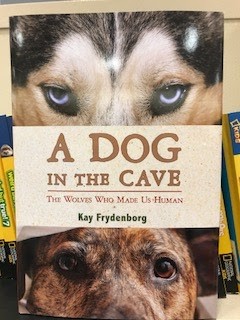
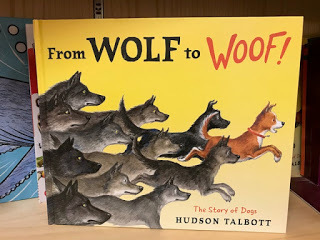
As you know, I love dogs, so I was extremely happy to find these two titles waiting on the bookshelves in my local indie! Hudson Talbott and Kay Frydenborg have written titles about our long history with our fuzzy friends. They are the perfect pair for a young reader and an older sibling or parent.
I had the pleasure of speaking with Hudson and Kay about their books.
Dogs truly are our best friends. Your book delves into the history of our strong relationship with our fuzzy friends. What was the most surprising thing you discovered about our history with dogs while crafting your book?
Hudson: Hard to say which is the MOST surprising thing as there are so many! The first that comes to mind is that the alliance is so ancient - primordial really. Evidence has been found that dates at least 30,000 years. That's about 25,000 years more than the connection to cats. There is even evidence that suggests much earlier - to contact between homonids(pre-humans) and wolf ancestors. It's conceivable that the two species evolved in tandem to some degree. Humans obviously affected dogs' evolution but it's possible that they affected ours too.
Kay: Thanks so much for asking, Nancy! There were so many surprising things I learned while researching A Dog in the Cave. The first thing was how far back our intimate relationship with dogs (beginning with wolves) goes—more than 30,000 years, scientists now believe! That's a lot longer than was believed until just a few years ago. Another amazing thing involved the genetics of our coevolution with dogs. For example, areas of our own brains involved with recognizing scents actually shrank because our dog friends kind of "took over" some of that job, while our own brains became even better able to reason and plan actions that benefited both those early dogs (whose cerebral cortexes shrank somewhat because those "executive functions" were taken over, to some extent by humans.) It was surprising to me that geneticists can map these changes in the D.N.A. of ancient and modern humans and dogs, and learn so much about our ancestors (and our dogs' ancestors.) The other thing that I loved most about what I learned was more of a narrative thing. I was captivated by the image of our prehistoric ancestors and how they began living with another wild predator with whom they might just as easily have killed, or who may have equally easily have killed them. I learned that our ancient human ancestors were not, in important ways, so different from us. To me, the fact that a large dog may have walked with a young boy through Chauvet Cave in France really set my imagination on fire.
Do you have a favorite dog in your life?
Hudson: I have a cat who behaves like a dog to humor me. He seems to know that I'm really a dog person and would have them if I didn't travel so much. Cats love humans to but, being cats,they know how to make do if their human isn't around. Dogs just can't be without their human for long - the price of being "hard-wired" into our species, perhaps.
Kay: I have had dogs in my life for my whole life, and can't imagine living without them. My current favorite dog is Saada, who is a mostly Rhodesian Ridgeback we adopted from the Ridgeback rescue several years ago. She is the sweetest, funniest dog ever, a beautiful brindle color, and weighs a little over 100 pounds. I also am fond of our other dog, Junie, who is a smallish pit bull mix that our son rescued off the mean streets of Los Angeles and airlifted to us here in Pennsylvania when she was just a puppy. She has definitely kept us on our toes over the years since; even though she and Saada had some rocky times together, they are now the best of friends.
Thank you both for sharing your research and your dog tales with us!
Find A Dog In The Cave and From Wolf to Woof at your local bookstore!
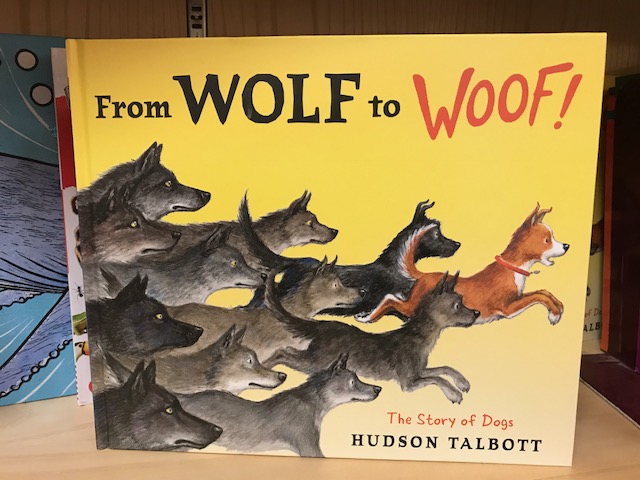
I had the pleasure of speaking with Hudson and Kay about their books.
Dogs truly are our best friends. Your book delves into the history of our strong relationship with our fuzzy friends. What was the most surprising thing you discovered about our history with dogs while crafting your book?
Hudson: Hard to say which is the MOST surprising thing as there are so many! The first that comes to mind is that the alliance is so ancient - primordial really. Evidence has been found that dates at least 30,000 years. That's about 25,000 years more than the connection to cats. There is even evidence that suggests much earlier - to contact between homonids(pre-humans) and wolf ancestors. It's conceivable that the two species evolved in tandem to some degree. Humans obviously affected dogs' evolution but it's possible that they affected ours too.
Kay: Thanks so much for asking, Nancy! There were so many surprising things I learned while researching A Dog in the Cave. The first thing was how far back our intimate relationship with dogs (beginning with wolves) goes—more than 30,000 years, scientists now believe! That's a lot longer than was believed until just a few years ago. Another amazing thing involved the genetics of our coevolution with dogs. For example, areas of our own brains involved with recognizing scents actually shrank because our dog friends kind of "took over" some of that job, while our own brains became even better able to reason and plan actions that benefited both those early dogs (whose cerebral cortexes shrank somewhat because those "executive functions" were taken over, to some extent by humans.) It was surprising to me that geneticists can map these changes in the D.N.A. of ancient and modern humans and dogs, and learn so much about our ancestors (and our dogs' ancestors.) The other thing that I loved most about what I learned was more of a narrative thing. I was captivated by the image of our prehistoric ancestors and how they began living with another wild predator with whom they might just as easily have killed, or who may have equally easily have killed them. I learned that our ancient human ancestors were not, in important ways, so different from us. To me, the fact that a large dog may have walked with a young boy through Chauvet Cave in France really set my imagination on fire.
Do you have a favorite dog in your life?
Hudson: I have a cat who behaves like a dog to humor me. He seems to know that I'm really a dog person and would have them if I didn't travel so much. Cats love humans to but, being cats,they know how to make do if their human isn't around. Dogs just can't be without their human for long - the price of being "hard-wired" into our species, perhaps.
Kay: I have had dogs in my life for my whole life, and can't imagine living without them. My current favorite dog is Saada, who is a mostly Rhodesian Ridgeback we adopted from the Ridgeback rescue several years ago. She is the sweetest, funniest dog ever, a beautiful brindle color, and weighs a little over 100 pounds. I also am fond of our other dog, Junie, who is a smallish pit bull mix that our son rescued off the mean streets of Los Angeles and airlifted to us here in Pennsylvania when she was just a puppy. She has definitely kept us on our toes over the years since; even though she and Saada had some rocky times together, they are now the best of friends.
Thank you both for sharing your research and your dog tales with us!
Find A Dog In The Cave and From Wolf to Woof at your local bookstore!
May 10, 2017
Book - Shopping: Brainy Beasts
If you enjoyed BEASTLY BRAINS:
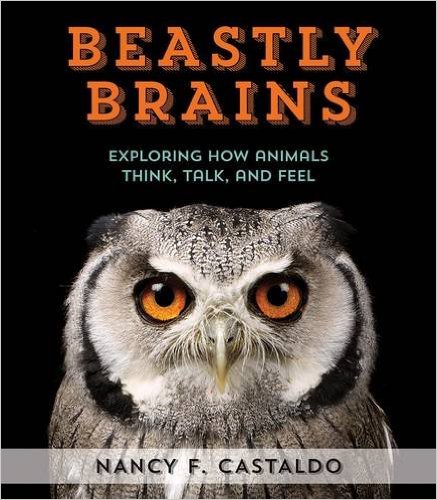
Take a look at these recent bookshop discoveries:
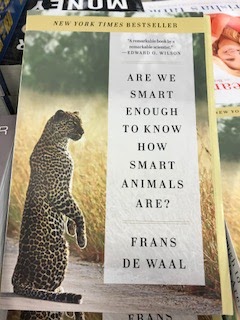

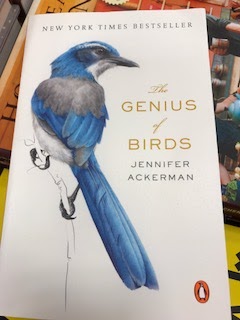
April 24, 2017
Whooooo! Calling Out Two Great Owl Titles
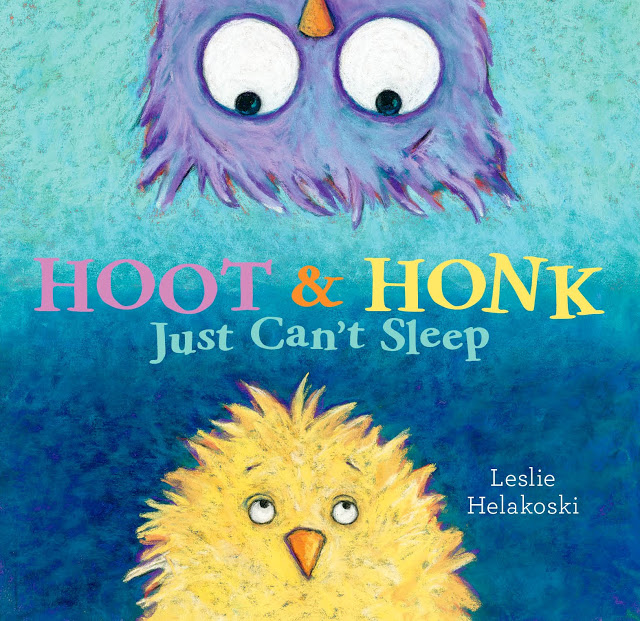

Do you like owls? Of course you do! They have big eyes that are more human-like than any other bird. And because of this they exude smarts!
You probably know that they are active at night. So what do you think would happen if one ended up in the wrong nest, with some birds who sleep at night? Well, you can find out in Leslie Helakoski's latest picture book, Hoot & Honk Just Can't Sleep!
There's also a wonderful guide available to download for teachers if you check out her site!
Lita Judge sets her owl story on the streets, or should I say above the streets, of Paris! This is a beautiful tale of imagination as Hoot shares nocturnal life with her younger sister, Peep.
Both of these are beautifully illustrated by the authors and are wonderful additions to your owly bookshelf!
SaveSave
April 21, 2017
The Green Earth Book Award
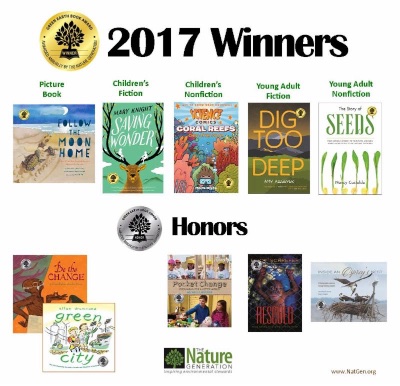
Thank you to the Nature Generation for selecting THE STORY OF SEEDS as the Green Book Earth Award winner for YA Nonfiction!
Happy Earth Day!
For the complete listing of all the winners. SaveSave
March 17, 2017
Great Apes & Class Debate Challenge
BEASTLY BRAINS was released last month and yesterday I spent the day in NYC in support of the Nonhuman Rights Project's case on behalf of a chimpanzee named Tommy, who is included in my book.
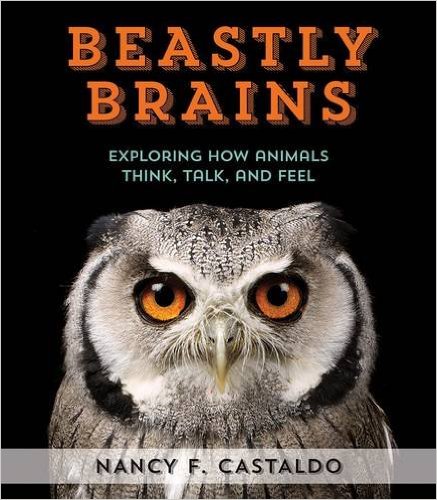
The Nonhuman Rights Project works for the recognition and protection of fundamental rights for nonhuman animals. They are working tirelessly to gain legal rights for great apes and other highly cognitive animals held in captivity in the United States.
As I sat in the courtroom I imagined a classroom debate - rights vs no rights.
Students could examine these existing cases and hold a debate on whether or not these animals should obtain legal rights.
Some things to consider:
a river in New Zealand recently obtained rightshistoric civil rights cases the definition of habeas corpus
Here is a booklist that features apes and can provide readers with critical thinking opportunities.
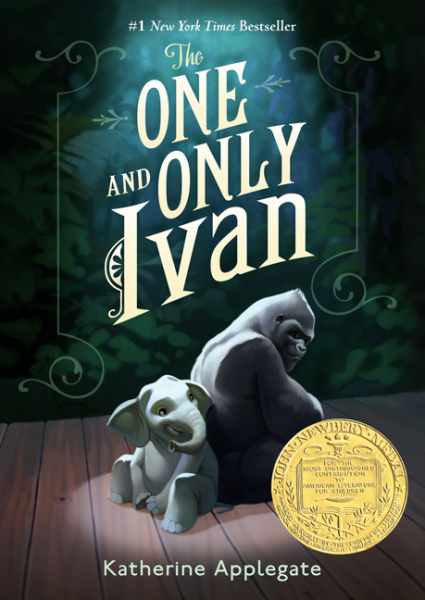
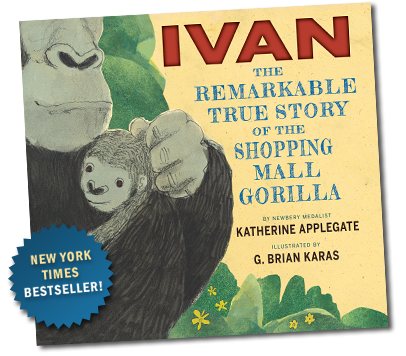
The One and Only Ivan by Katherine Applegate received the Newbery Medal and tells the story of a captive gorilla called Ivan. Based on fact, Applegate imagines the story from the gorilla's point of view. The real Ivan spent 27 years in a shopping mall enclosure. Beautifully told, this book will touch readers in a profound way. Applegate went on to write a nonfiction companion book that is a must-read!
The Murderer's Ape by Jacob Wegulius tells the fictional story of Sally Jones, a gorilla, that must clear her human friend's name after he is accused of murder. This unusual detective story is a tale of great friendship and a survival.

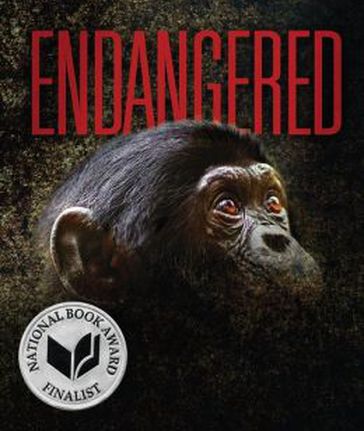
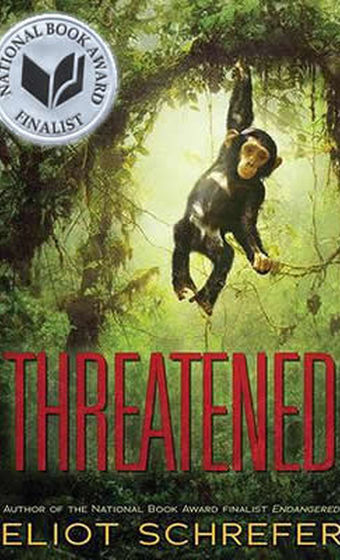
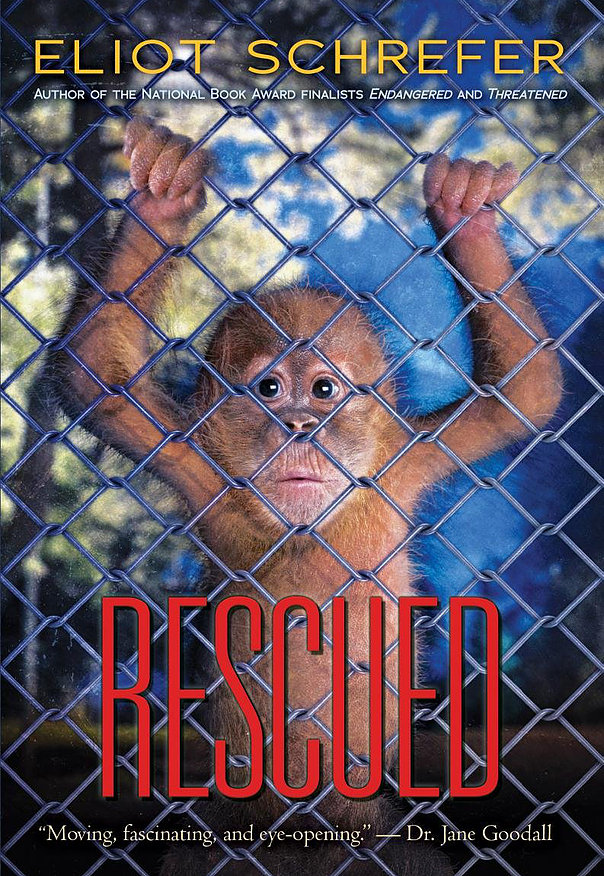
Read Endangered, Threatened and Rescued, three books featuring great apes, by two-time National Book Award finalist, Eliot Schrefer. These books combine the issues of great apes with wonderful storytelling.
If your class does hold a debate, please let me know. I'd be happy to SKYPE in for Q&A. And I'd love to know the results!
SaveSave
Great Apes & Class Debate Booklist
BEASTLY BRAINS was released last month and yesterday I spent the day in NYC in support of the Nonhuman Rights Project's case on behalf of a chimpanzee named Tommy, who is included in my book.
The Nonhuman Rights Project works for the recognition and protection of fundamental rights for nonhuman animals. They are working tirelessly to gain legal rights for great apes and other highly cognitive animals held in captivity in the United States.
As I sat in the courtroom I imagined a classroom debate - rights vs no rights.
Students could examine these existing cases and hold a debate on whether or not these animals should obtain legal rights.
Some things to consider:
a river in New Zealand recently obtained rightshistoric civil rights cases the definition of habeas corpus
Here is a booklist that features apes and can provide readers with critical thinking opportunities.
The One and Only Ivan by Katherine Applegate received the Newbery Medal and tells the story of a captive gorilla called Ivan. Based on fact, Applegate imagines the story from the gorilla's point of view. The real Ivan spent 27 years in a shopping mall enclosure. Beautifully told, this book will touch readers in a profound way. Applegate went on to write a nonfiction companion book that is a must-read!
The Murderer's Ape by Jacob Wegulius tells the fictional story of Sally Jones, a gorilla, that must clear her human friend's name after he is accused of murder. This unusual detective story is a tale of great friendship and a survival.
Read Endangered, Threatened and Rescued, three books featuring great apes, by two-time National Book Award finalist, Eliot Schrefer. These books combine the issues of great apes with wonderful storytelling.
If your class does hold a debate, please let me know. I'd be happy to SKYPE in for Q&A. And I'd love to know the results!
SaveSave