Nancy F. Castaldo's Blog, page 13
January 23, 2018
I HEART Sharks!
I happen to like sharks. Sorry, President Trump, I don't believe they should all die. And for that reason, I'd like to share a new, favorite book about sharks with you all -- SMART ABOUT SHARKS, by Owen Davey.
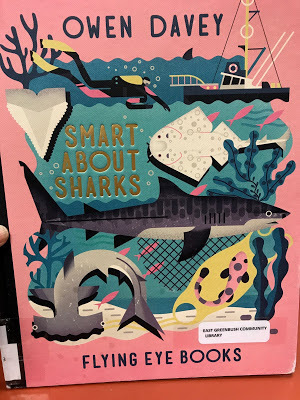
Not only does this book have a fun, retro-styled cover, it is wonderful to hold. It's cloth over cardboard, like many vintage titles. That's where the old-style nonfiction style ends.
Turn the pages and you'll see what I mean.
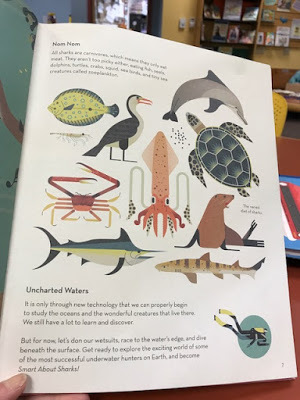
The text is kid-friendly, fun, and informative -- exactly what we love in current nonfiction titles.
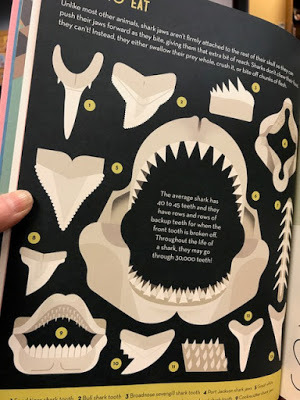
Check out this page all about shark teeth. It's so much fun that I wish I had written it myself.
Most of us know how important sharks are to our ocean ecosystem. This book reiterates that and goes above and beyond telling us how amazing they are as well.
Perhaps we need to get a copy off to the White House?
To donate on behalf of shark conservation: Sea Shepherd Conservation Society
SaveSaveSaveSave
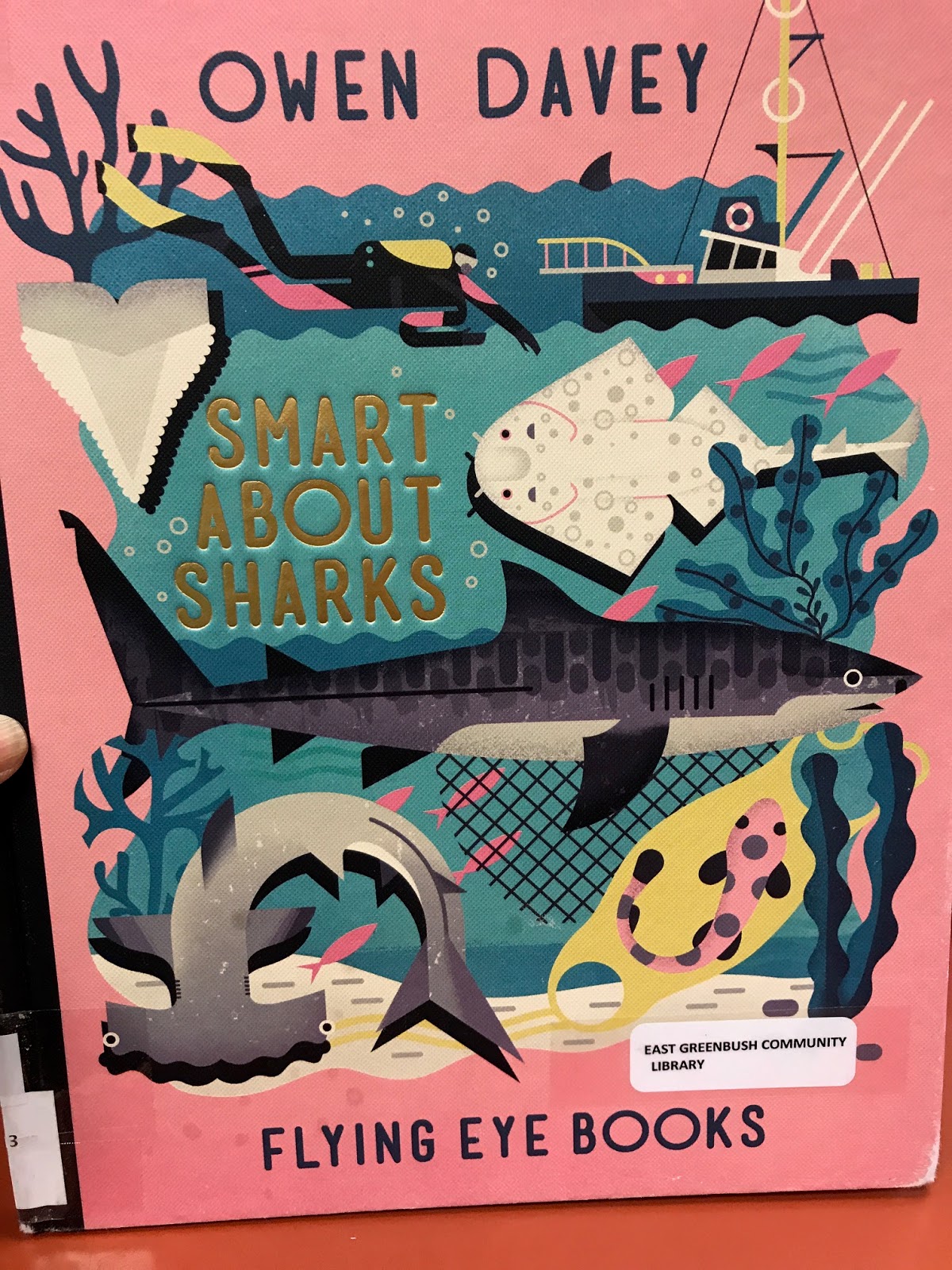
Not only does this book have a fun, retro-styled cover, it is wonderful to hold. It's cloth over cardboard, like many vintage titles. That's where the old-style nonfiction style ends.
Turn the pages and you'll see what I mean.
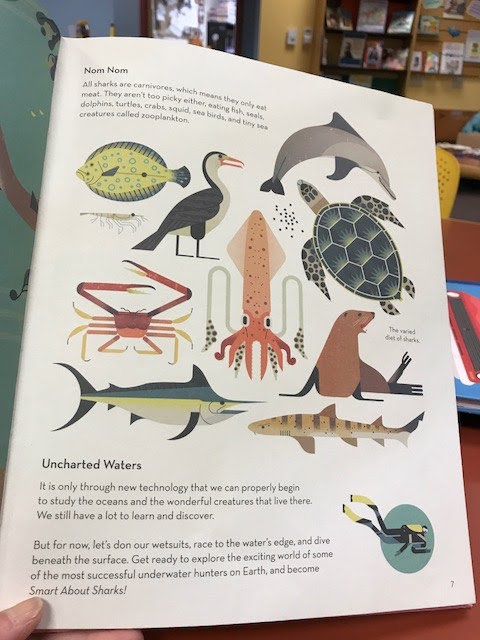
The text is kid-friendly, fun, and informative -- exactly what we love in current nonfiction titles.
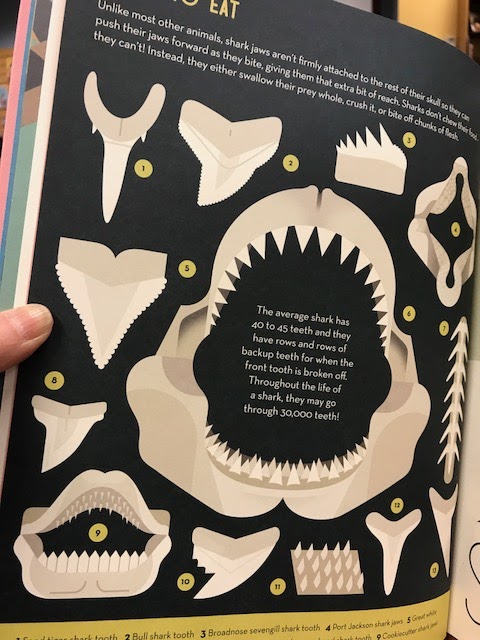
Check out this page all about shark teeth. It's so much fun that I wish I had written it myself.
Most of us know how important sharks are to our ocean ecosystem. This book reiterates that and goes above and beyond telling us how amazing they are as well.
Perhaps we need to get a copy off to the White House?
To donate on behalf of shark conservation: Sea Shepherd Conservation Society
SaveSaveSaveSave


January 12, 2018
Sniffer Dog Super Powers
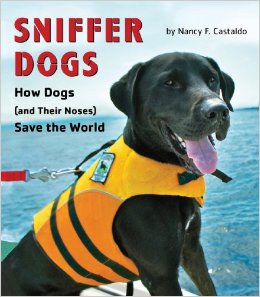
One of the most interesting stories I wrote for SNIFFER DOGS is the story of Zuma and Jax. Both are trained forensic sniffer dogs. These dogs sniff out OLD BONES. They can find ancient Native American burial sites, missing cemetery plots, and cremation remains, and know the remains are human. Pretty incredible!
I watched and wrote about Zuma, a beautiful border collie, locating a small amount of cremation remains -- basically human sand -- in the woods of North Carolina.
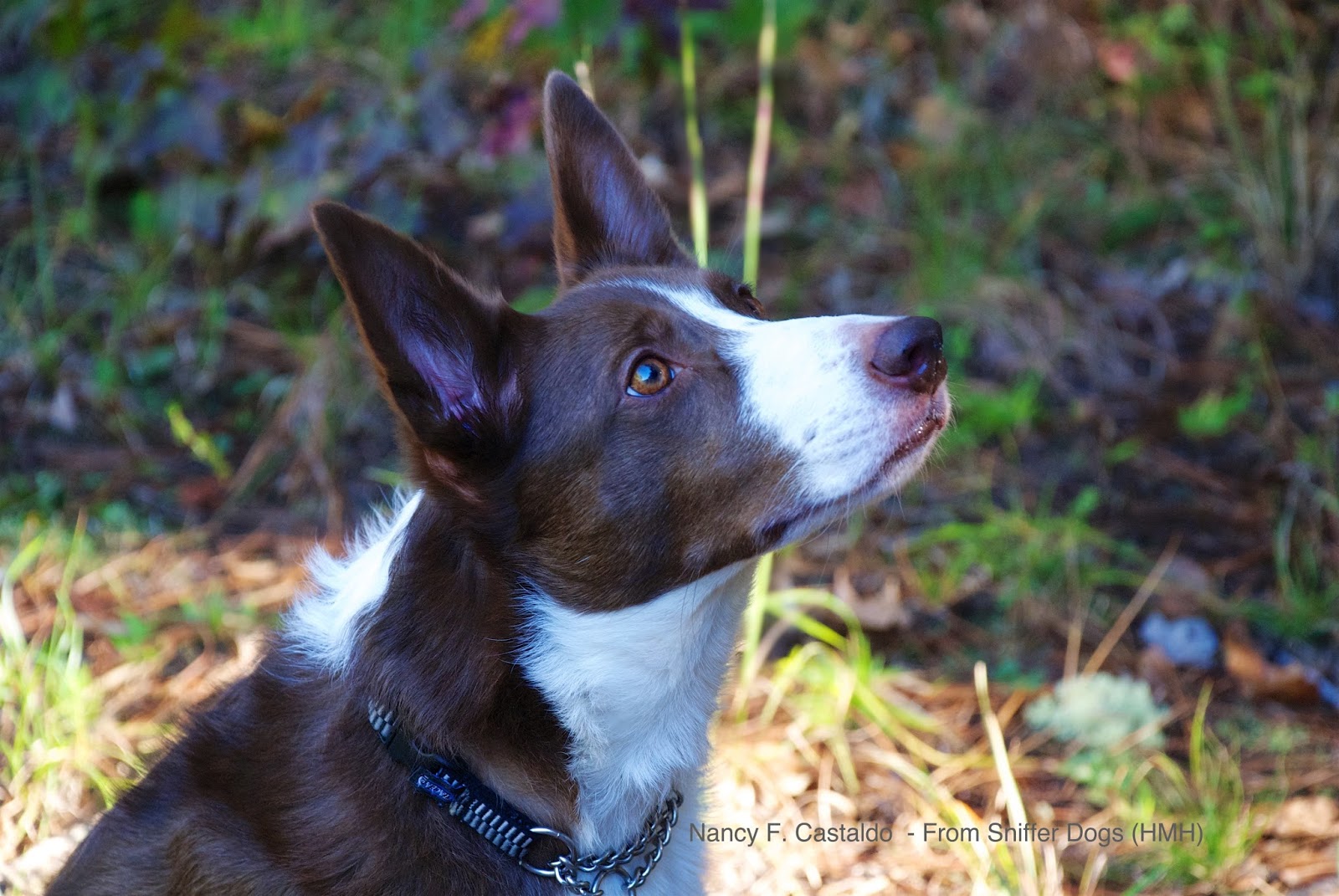 Zuma from Sniffer Dogs (HMH)
If that isn't mind blowing enough check out what Zuma’s teammates are doing in California after the horrific wildfires.
Imagine having your house burn to the ground with all of your belongings, including the cremation remains of a beloved family member. Just heartbreaking. Well, Zuma's team of forensic sniffer dogs can actually find those treasured remains (cremation ashes) among all of the ashes of everything else in the house that burned.
These aren't the only detection dogs in the news. Other dogs are searching today for people missing in the California mudslides.
The skills of sniffer dogs are endless. I am proud of these working canines and their dedicated handlers, and so privileged to have spent time with many of them.
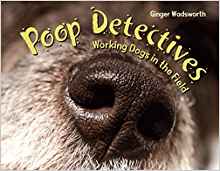
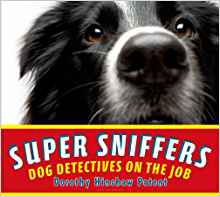
If you'd like to find out more about sniffer dogs, check out my book and these additional tittles:
January 10, 2018
2018 Free Monthly Skype Visits
Would you like a free short Skype visit for your students? If your class has read one or more of my books you are eligible to book a time during one of my monthly FREE SKYPE VISIT DAYS.
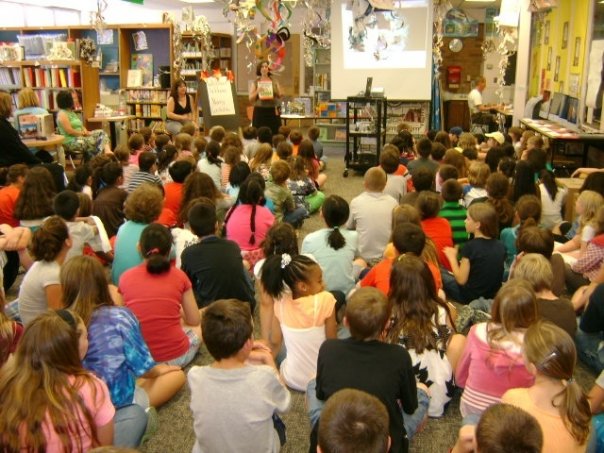
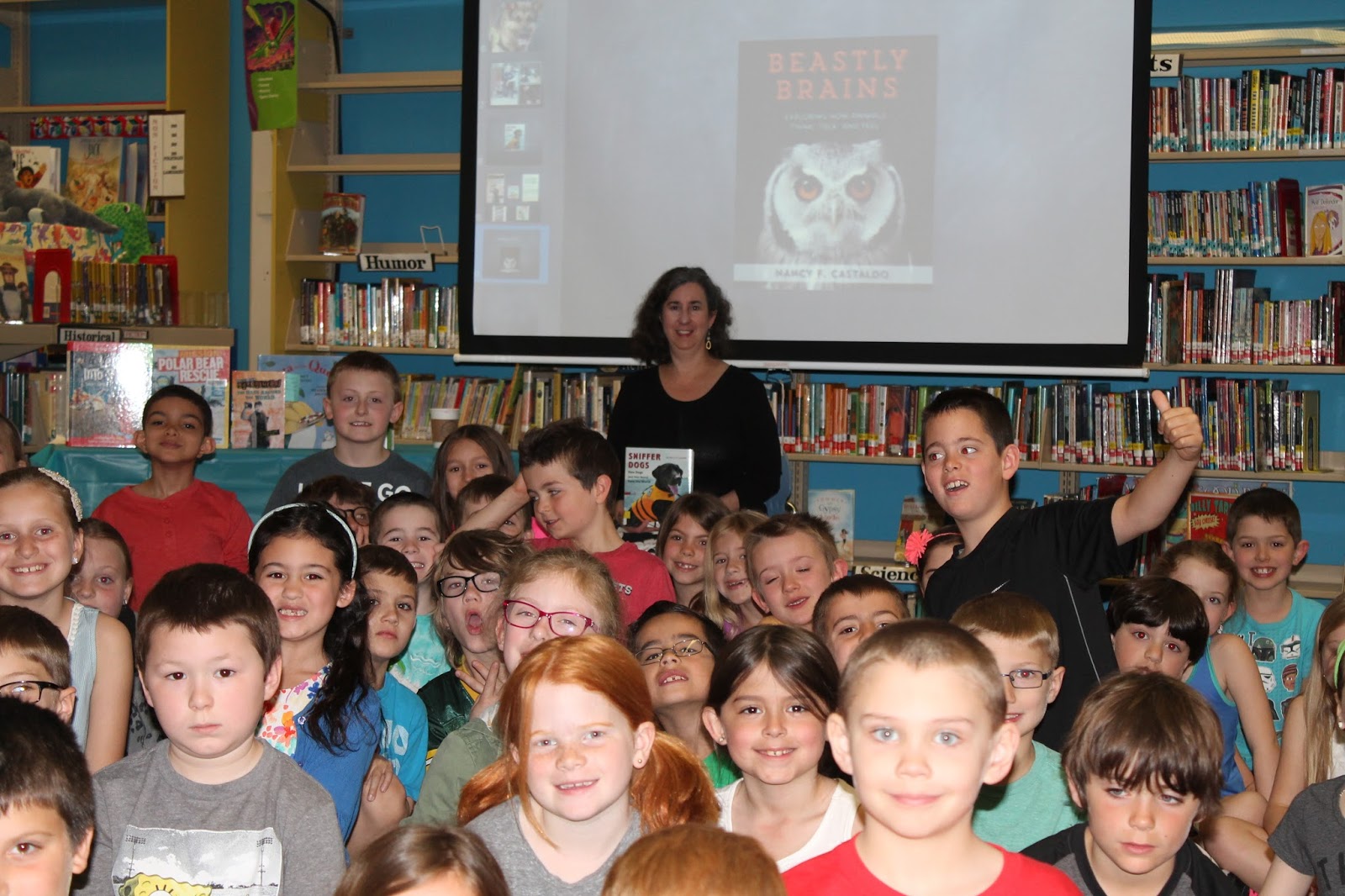
Skype visits enable students to meet an author and ask questions about research and writing -- especially if an in-person visit isn't an option.
There are limited times available for January 19th.
The next available date is the afternoon of February 14th -- following my National Biodiversity Teach In Webinar.
You can also book a visit for March 15th.
Of course, I love to visit schools in person. I'm currently booking spring and fall author visits.
For more information and to contact me please visit my web site .
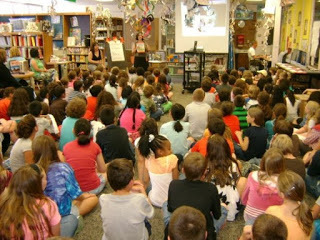
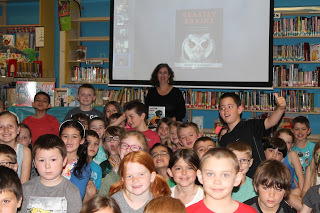
Skype visits enable students to meet an author and ask questions about research and writing -- especially if an in-person visit isn't an option.
There are limited times available for January 19th.
The next available date is the afternoon of February 14th -- following my National Biodiversity Teach In Webinar.
You can also book a visit for March 15th.
Of course, I love to visit schools in person. I'm currently booking spring and fall author visits.
For more information and to contact me please visit my web site .
January 9, 2018
Astronaut/Aquanaut - Interview with Jennifer Swanson
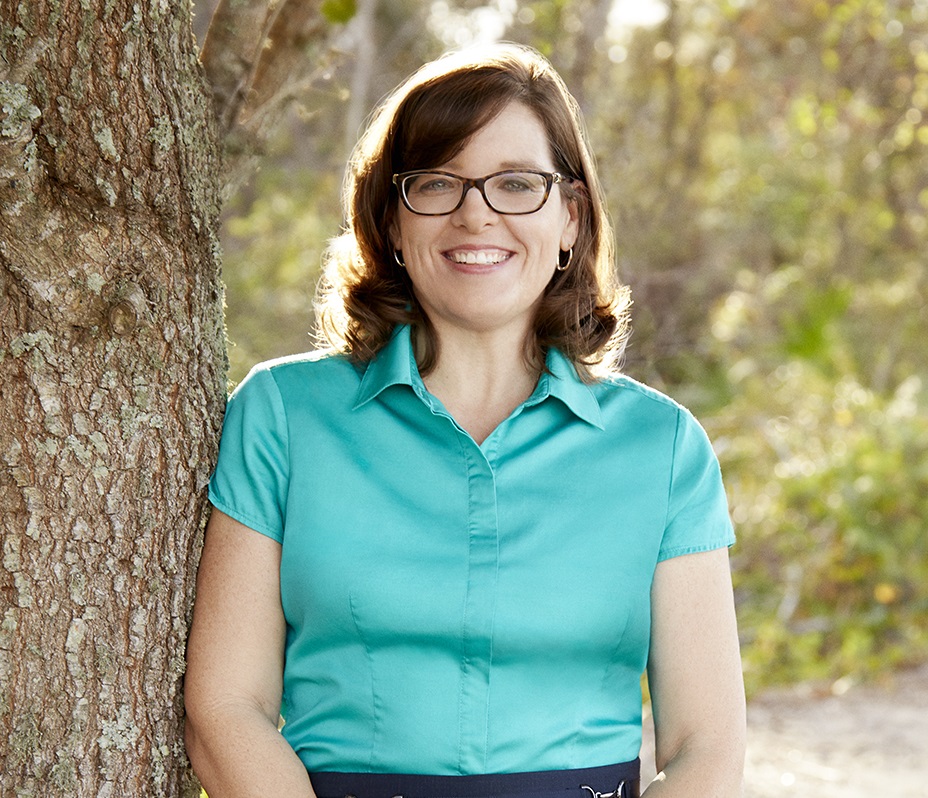
Science rocks! And so do Jennifer Swanson's books. She is the award-winning author of over 30 nonfiction books for kids and a self-professed science geek.
Her latest book, Astro-naut/Aqua-naut: How Space Science and Sea Science Interact, releases today and she's here for our latest interview.
Welcome, Jennifer!
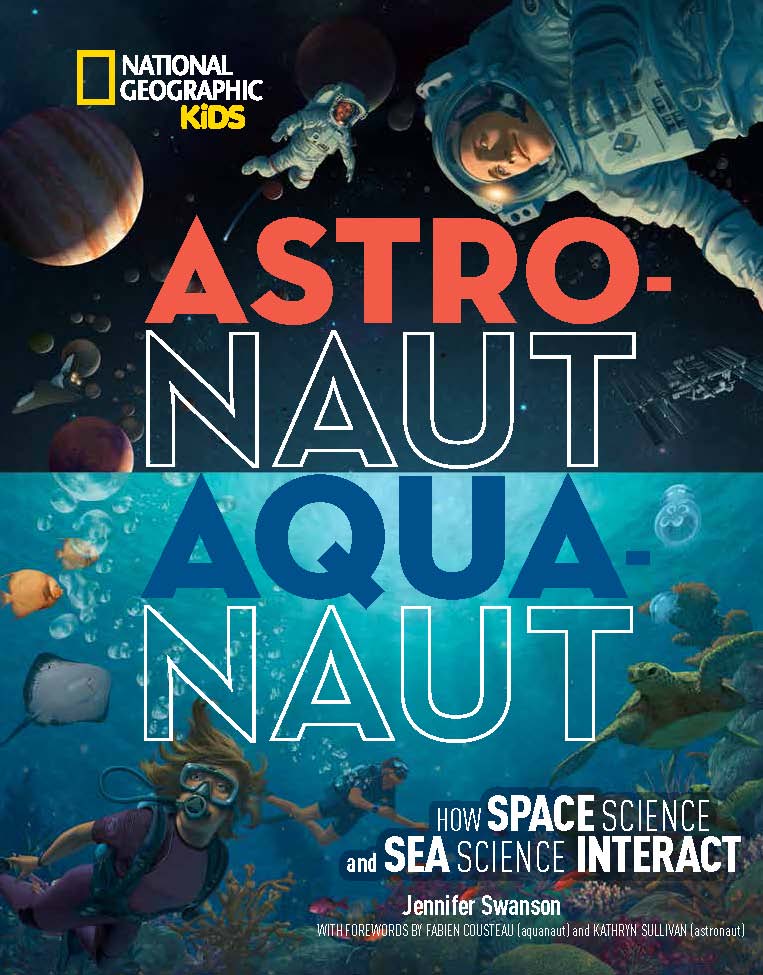
In a world where nothing seems unexplored, it is exciting to read a book that focuses on two places that remain remote. Tell us about the inspiration for this title.
This book was developed from a conversation that I had with my National Geographic Kids editor, Shelby Lees. We were talking about astronauts and how they train and then we started talking about how that was probably very different from how a deep sea diver trained. I got to thinking and started researching. To my surprise, I found out that they do a lot of things in common when training. It was a fascinating tidbit of information and one I KNEW would make a great book!
It's fascinating to imagine training for space and ocean exploration. They certainly do have many things in common. What were the things that you found in your research that were the most surprising?
That astronauts actually train underwater for about three weeks in the Aquarius underwater research station. Which makes total sense! I mean, underwater is the only place on Earth where you are going to get close to the micro gravity conditions in space. This one was shocking and a bit sad, in my opinion, but humans have explored less than 5% of the ocean, but they contain more than 99% of the living space on our planet. It seems that funding for ocean research is considerably less than that for space exploration. While I do think space is amazing, I think the ocean deserves just as much attention.
Finally, I was surprised to learn that Aquarius, the underwater research station is actually very close to where I live in Florida. How cool! One day that will be a fun research road trip! :)
If you had the chance to explore one of these locations would you choose space or ocean and why?
The ocean! I have had a deep love the ocean since I was very young. One of my favorite shows to watch as a kid was "The Undersea World of Jacques Cousteau". I desperately wanted to be an oceanographer and deep sea diver. Unfortunately, I have an issue with my ears that prevents me from deep diving, but I still have an abiding love of the ocean. That was only enhanced when I went to the U.S. Naval Academy for college, where I got to learn all about oceanography, ship design, and all of the oceanic research the U.S. Navy does though their naval research lab. Today, I live about 4 miles from the ocean and we go there all the time. It is one of my favorite places to be!
Cousteau's show brought the ocean alive for many of us! Lucky for your readers you took your love of the ocean into another direction. What were the challenges in conducting the research for this title?
There is TONS of information about space travel, astronauts, and their training, but not much information about how aquanauts are trained, and where they live. The other part that was challenging was when I decided that I wanted to ask real astronauts and aquanauts for quotes. To me, it was very important to include questions that kids might have for these amazing explorers. That said, it took me awhile to track down astronauts who would be willing to speak with me about this. (Their emails are not readily available). I was thrilled to get a few astronauts, but also be able to speak with a couple of NASA engineers who actually worked to design the spacesuits and are also working on figuring out how humans can live in space. On the aquanaut side, I was thrilled to be able to interview Fabien Cousteau, the grandson of Jacques Cousteau, about his time spent living 31 days underwater in Aquarius. To me the most fascinating part of the research was talking to the explorers who have actually been to these extreme environments.
I'm sure that must have been a thrill. This is a great STEM title, Jennifer. Please tell teachers how they can use this book in their classroom.
This book would be a great discussion and debate topic. Sides of the class could be split up into two groups -- one group of astronauts, the other aquanauts. Students could debate which is a better career choice, which should get more funding, which has benefited the Earth more, etc. There are so many ways this book could be used as a jumping off point to introduce STEM not only in science, but in math and ELA classes as well. And if you need more ideas of ways to use this book, check out my website. Soon there will be a free teacher's guide available for all elementary grades. www.JenniferSwansonBooks.com
What’s next for you, Jennifer Swanson?
I have two more books from National Geographic Kids releasing this year-- Dr. E's Super Stellar Solar System and Abolute Expert Dolphins. In June, I have a narrative nonfiction book out with American Girl/Scholastic about Pearl Harbor featuring the American Girl doll, Nanea. As for writing, I am working on edits for my new engineering book next year with Peachtree Publishers. It's called "Save the Crash Test Dummies" and will be a hilarious history of car safety and engineering. I'm so excited about that one!
That's so exciting! We'll be on the lookout for this book and your upcoming titles. Thank you for this great conversation.
SaveSave
December 28, 2017
Naturally Speaking About Butterflies
I visited the Daintree Rainforest in Northern Queensland, Australia in 2016, the oldest rainforest on the planet. What a treat for this author of RAINFORESTS An Activity Guide for Ages 6-9 !
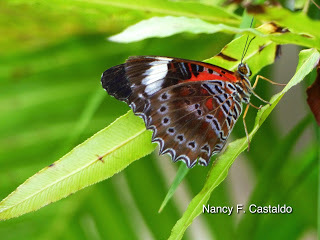
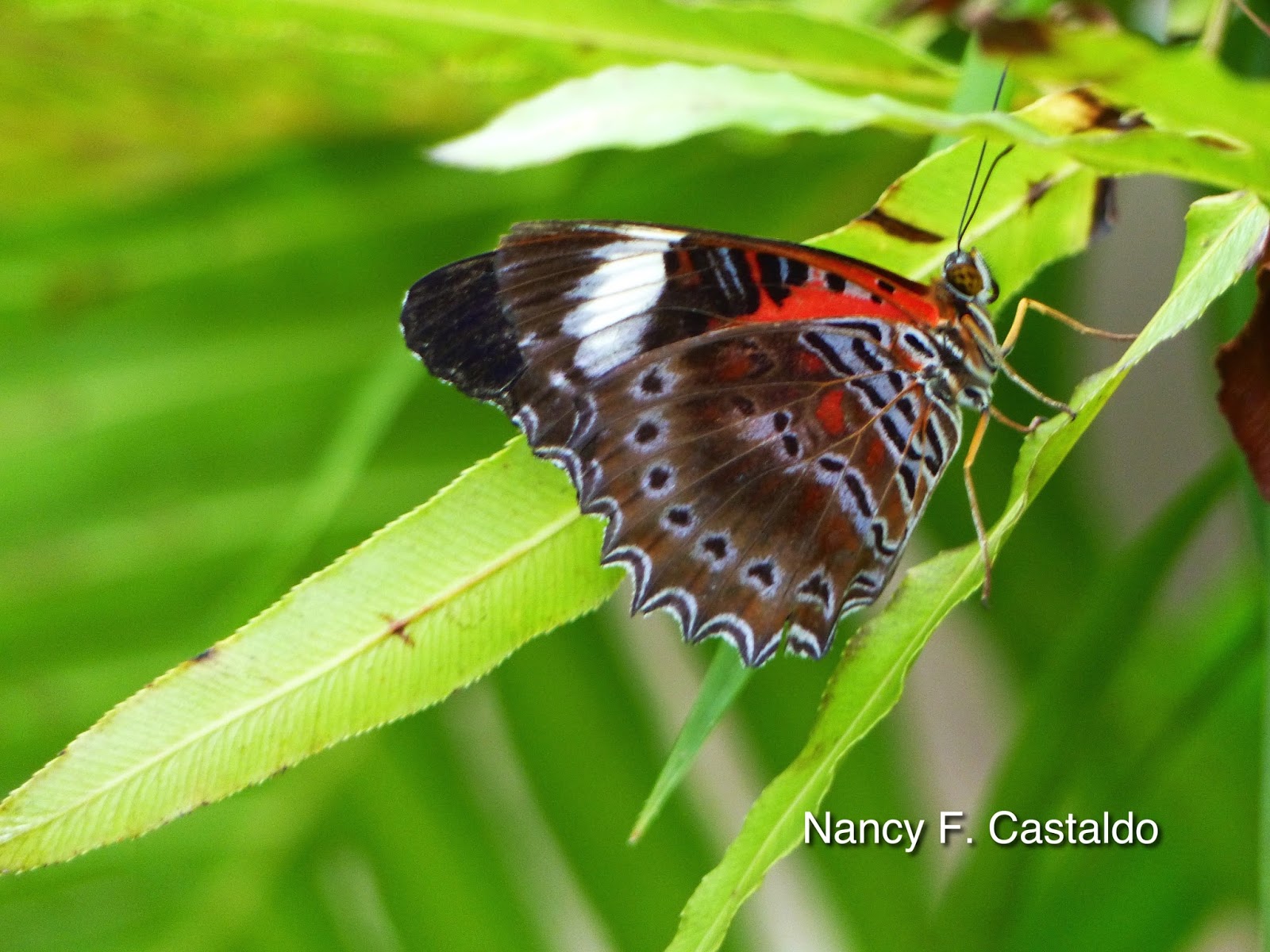
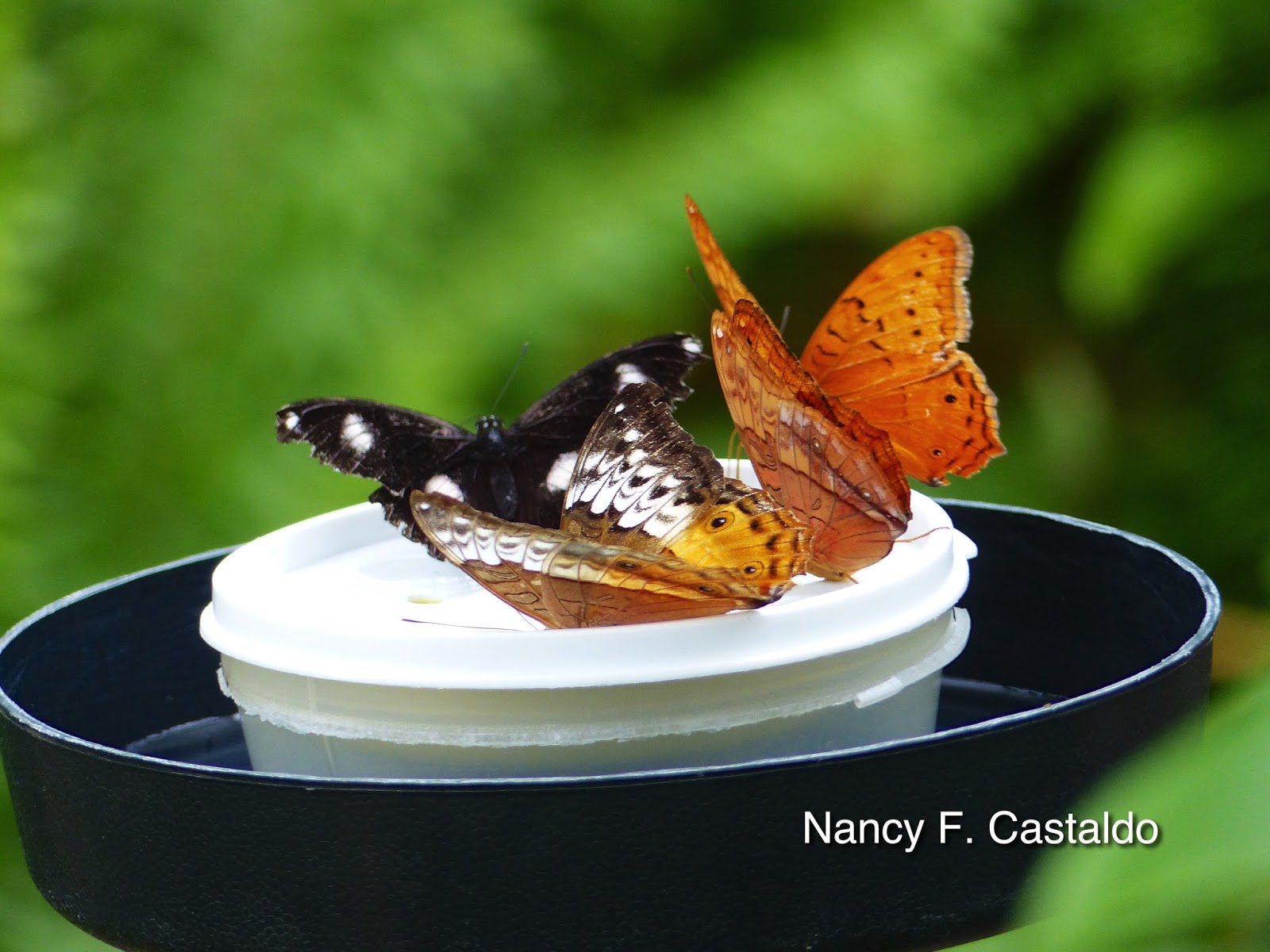
The Daintree is a tropical rainforest -- the perfect home to many butterflies. Visitors might spot the large, beautiful, green and black Cairns Birdwing, the Cruiser Butterfly which has orange-yellow wings with a distinct pattern detailing on the edges, two varieties of Swallowtail, and one of my very favorites, the large, electric-blue Ulysses. All are amazing to see in the lush, green wilds of the rainforest.
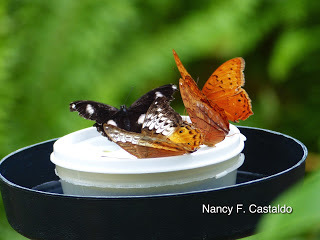
There are a few reasons why there are so many different species of butterflies in tropical rainforests. Once reason is that there are so many different micro-habitats, with their own micro-climates to support a variety of plants. There are butterfly species that live in the rainforest canopy, others that live in the sub-canopy, and still others that find their home among the plants in the understory.
You might not live in the rainforest, but I bet you also have species of butterflies flitting around the plants on your rooftop garden, nearby park, or outside your front door.
Years ago many people collected butterflies, but we know it is better to watch them fly in the wild and serve out their role as important pollinators than capturing them for a collection.
There are some things we can learn from observing butterflies in the wild. I found a few of these on a sign in the rainforest: Trust the future. Embrace change.Put on your brightest color.Let your beauty show.
Why not help the butterflies along in 2018 by planting your own butterfly garden. The winter is a perfect time for planning.
Explore what native species of plants are appropriate for your local butterflies. You'll have to plant some that serve as food for hungry caterpillars and others that provide nectar for adults. You can plant your garden in a community garden, in your backyard, or in flower pots on a deck or balcony.
Keep a journal where you can record the species that visit your garden. Draw pictures of the different varieties or take photos. It will be fun to look at each year as your garden matures and butterflies find it a perfect place to visit.
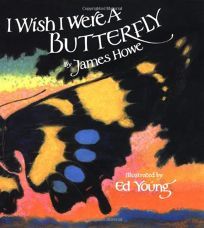
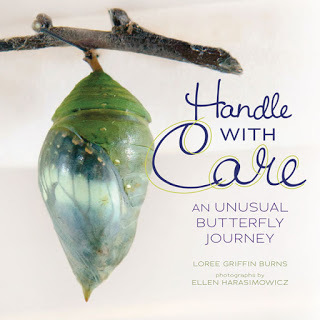
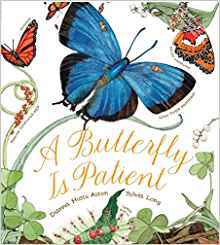
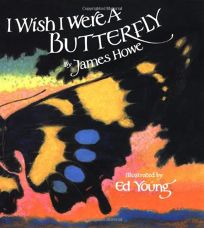
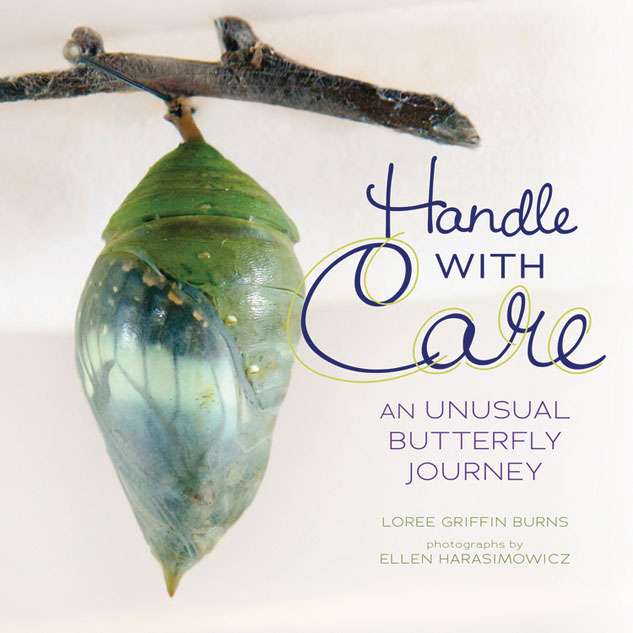
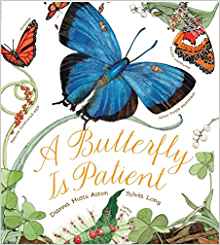
Here are a few butterfly books you'll want to read:
The Daintree is a tropical rainforest -- the perfect home to many butterflies. Visitors might spot the large, beautiful, green and black Cairns Birdwing, the Cruiser Butterfly which has orange-yellow wings with a distinct pattern detailing on the edges, two varieties of Swallowtail, and one of my very favorites, the large, electric-blue Ulysses. All are amazing to see in the lush, green wilds of the rainforest.
There are a few reasons why there are so many different species of butterflies in tropical rainforests. Once reason is that there are so many different micro-habitats, with their own micro-climates to support a variety of plants. There are butterfly species that live in the rainforest canopy, others that live in the sub-canopy, and still others that find their home among the plants in the understory.
You might not live in the rainforest, but I bet you also have species of butterflies flitting around the plants on your rooftop garden, nearby park, or outside your front door.
Years ago many people collected butterflies, but we know it is better to watch them fly in the wild and serve out their role as important pollinators than capturing them for a collection.
There are some things we can learn from observing butterflies in the wild. I found a few of these on a sign in the rainforest: Trust the future. Embrace change.Put on your brightest color.Let your beauty show.
Why not help the butterflies along in 2018 by planting your own butterfly garden. The winter is a perfect time for planning.
Explore what native species of plants are appropriate for your local butterflies. You'll have to plant some that serve as food for hungry caterpillars and others that provide nectar for adults. You can plant your garden in a community garden, in your backyard, or in flower pots on a deck or balcony.
Keep a journal where you can record the species that visit your garden. Draw pictures of the different varieties or take photos. It will be fun to look at each year as your garden matures and butterflies find it a perfect place to visit.
Here are a few butterfly books you'll want to read:
December 20, 2017
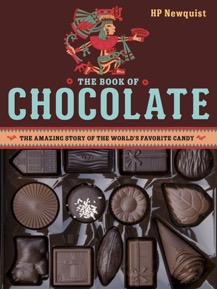
Chocolate! Three Sweet Books!
What could be sweeter than books about our favorite sweet -- CHOCOLATE? Here are three that delve into the history, natural history, and future of our cherished flavor.
Did you know that we need monkeys and a host of other rainforest critters in order for trees to produce cocoa pods?
Did you know that chocolate was once only the food of royalty and was used in religious ceremonies?
Did you know the first men to climb Mt. Everest buried a candy bar at the summit as an offering to the gods?
These three titles will help you become a chocolate expert!
 https://www.penguinrandomhouse.com/bo...
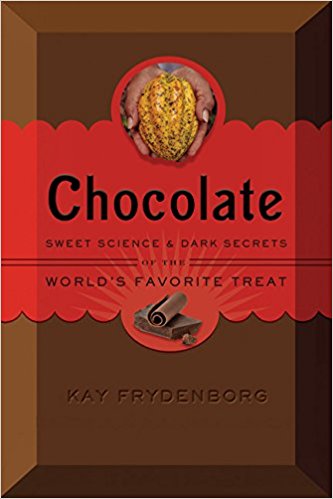 https://www.publishersweekly.com/978-...
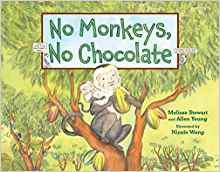 https://www.amazon.com/No-Monkeys-Cho...
December 6, 2017
Our National Monuments, Our Public Land
President Trump has announced his plans to reduce Bears Ears and Grand Staircase National Monuments this week.
National Monuments are lands that are protected from development by presidents through the Antiquities Act. This Act is the foundation of American conservation legacy.
Mr. Trump is not the first president to shrink our national lands. President Wilson reduced Mt. Olympus and FDR reduced the Grand Canyon monument at the request of ranchers. However, this act will put Mr. Trump in the record books for giving away the most public land.
As upsetting as this must be for many Americans, myself included, I know that there are many groups who will fight this in court, claiming that only Congress can legally shrink a monument. And there is still time for the public to voice concerns. If Mr. Trump's action is not prevented this will change the landscape of our country forever.
With all of this in the news this week I thought I'd try to turn a positive look at our public lands and the scientists who work in them by highlighting Mary Kay Carson's book, PARK SCIENTISTS: Gila Monsters, Geysers, and Grizzly Bears in America's Own Backyard . This title is part of the well-known Scientists in the Field series published by Houghton Mifflin (my publisher). This well-researched title introduces readers to Yellowstone's grizzly bears, cacti and Gila monsters in Arizona, and fireflies in Tennessee.
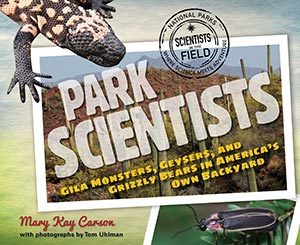
Spend some time exploring our public lands -- their beauty, their value, and their protection.
Here are a few groups working on protecting our public lands who could use your support:
The Sierra Club
NRDC
Center for Biological Diversity
Environmental Defense Fund
SaveSave
National Monuments are lands that are protected from development by presidents through the Antiquities Act. This Act is the foundation of American conservation legacy.
Mr. Trump is not the first president to shrink our national lands. President Wilson reduced Mt. Olympus and FDR reduced the Grand Canyon monument at the request of ranchers. However, this act will put Mr. Trump in the record books for giving away the most public land.
As upsetting as this must be for many Americans, myself included, I know that there are many groups who will fight this in court, claiming that only Congress can legally shrink a monument. And there is still time for the public to voice concerns. If Mr. Trump's action is not prevented this will change the landscape of our country forever.
With all of this in the news this week I thought I'd try to turn a positive look at our public lands and the scientists who work in them by highlighting Mary Kay Carson's book, PARK SCIENTISTS: Gila Monsters, Geysers, and Grizzly Bears in America's Own Backyard . This title is part of the well-known Scientists in the Field series published by Houghton Mifflin (my publisher). This well-researched title introduces readers to Yellowstone's grizzly bears, cacti and Gila monsters in Arizona, and fireflies in Tennessee.
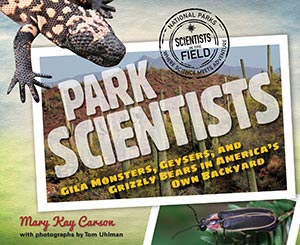
Spend some time exploring our public lands -- their beauty, their value, and their protection.
Here are a few groups working on protecting our public lands who could use your support:
The Sierra Club
NRDC
Center for Biological Diversity
Environmental Defense Fund
SaveSave
December 4, 2017
November - Jam Packed with Work and Fun
WOW, it's December and I realized that I totally missed all my blogging dates for November. So, here is my explanation.
As Regional Advisor for the SCBWI Eastern NY Region, I plan an amazing retreat every year in NOVEMBER. This year was the 10th anniversary! Whaaaat? Those ten years have flown by, so we celebrated with a big birthday bash retreat. It was inspiring. The faculty was amazing -- Hilary Van Dusen, Grace Kendall, Rotem Moscovich, Katherine Jacobs, Kendra Levin, and Jennifer Laughran. You're jealous, aren't you? Well, if you are a writer, you should be! LOL Don't worry, we'll host another wonderful retreat next year.
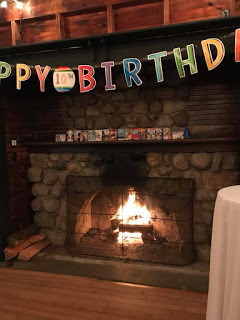 Those are all book covers from our retreat attendees!
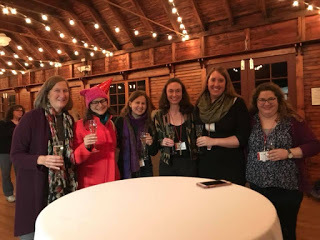 Loved hosting this group! Fabulous Faculty!
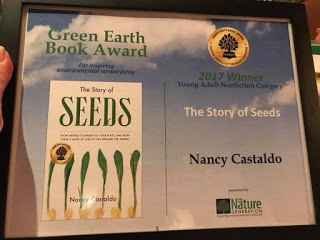
So, after that wonderful weekend, I drove down to Washington, DC for the Green Earth Book Award celebration. I was so honored to have THE STORY OF SEEDS receive the award for YA Nonfiction! This was truly a highlight of my career. And what made it even more special was the school visit that accompanied the celebration and the talented authors I met, who also received the award for their middle grade titles.
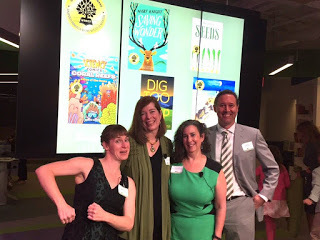 Check out books by Maris Wicks and Mary Knight!
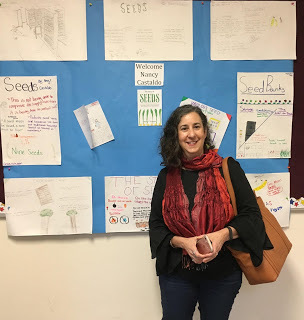
Lastly, I presented at NCTE -- more writer friends, lots of wonderful teachers, and days filled with inspiration and hope.
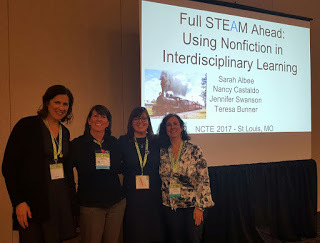 Great fun presenting with Sarah Albee and Jennifer Swanson. Thanks to Teresa Bunner for moderating!
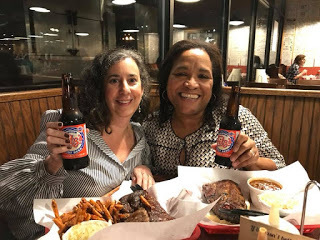
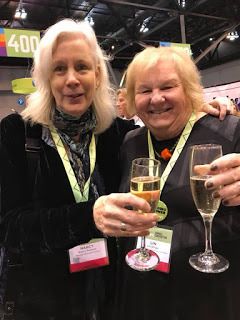
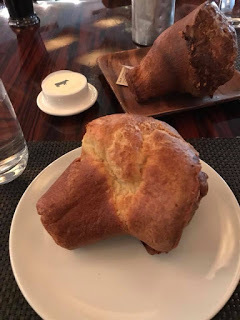
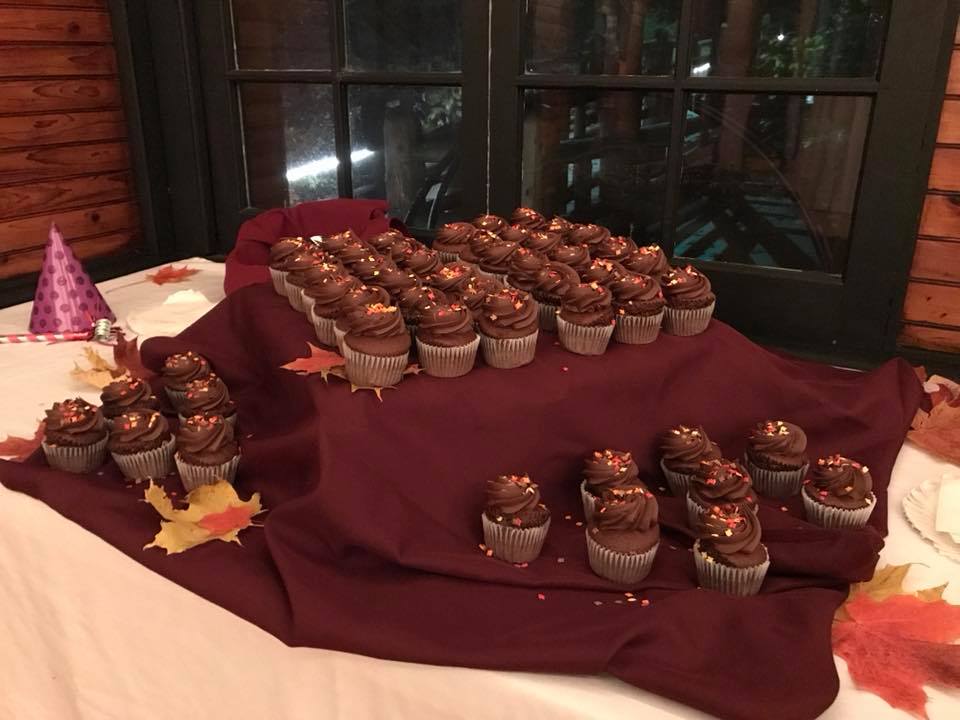
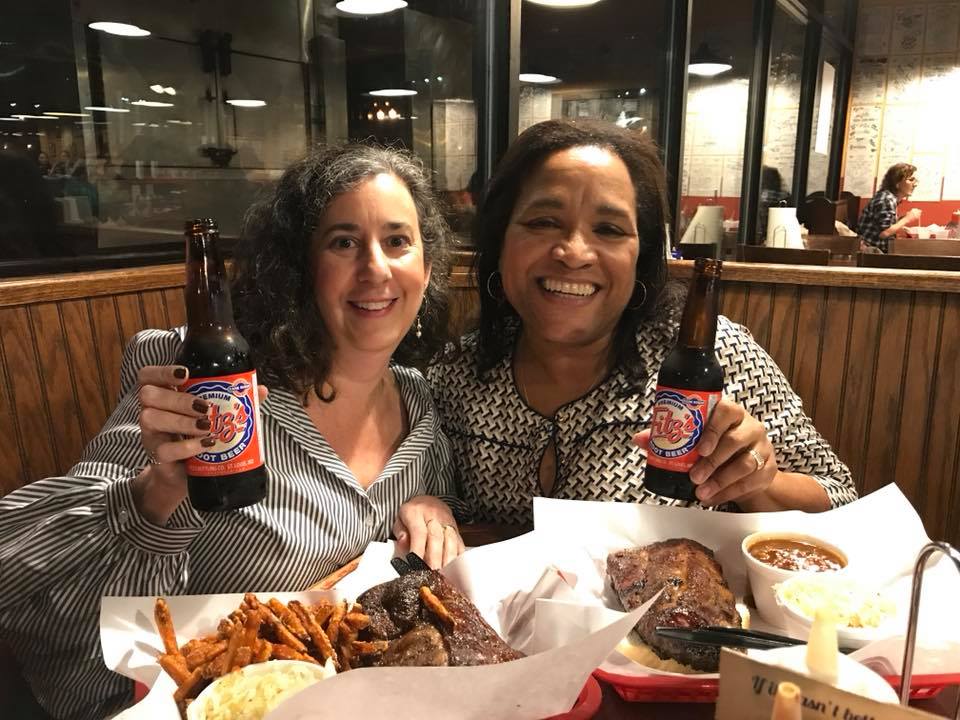
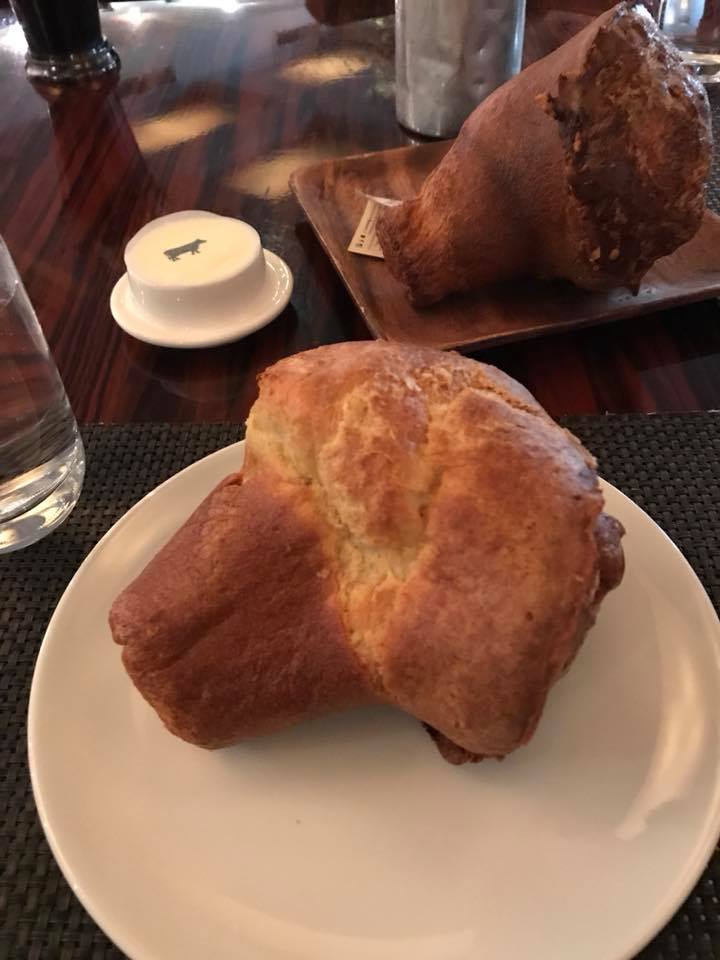
Along the way there were national park visits, rib dinners, blues music, cupcakes, champagne and lots of friends! (Followed by Thanksgiving!)
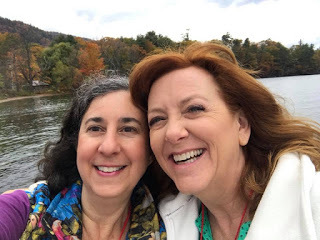
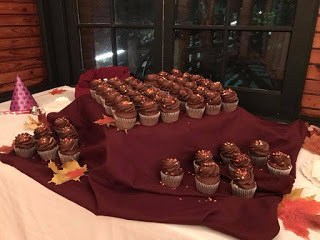
And now it is DECEMBER! SaveSaveSaveSave
As Regional Advisor for the SCBWI Eastern NY Region, I plan an amazing retreat every year in NOVEMBER. This year was the 10th anniversary! Whaaaat? Those ten years have flown by, so we celebrated with a big birthday bash retreat. It was inspiring. The faculty was amazing -- Hilary Van Dusen, Grace Kendall, Rotem Moscovich, Katherine Jacobs, Kendra Levin, and Jennifer Laughran. You're jealous, aren't you? Well, if you are a writer, you should be! LOL Don't worry, we'll host another wonderful retreat next year.
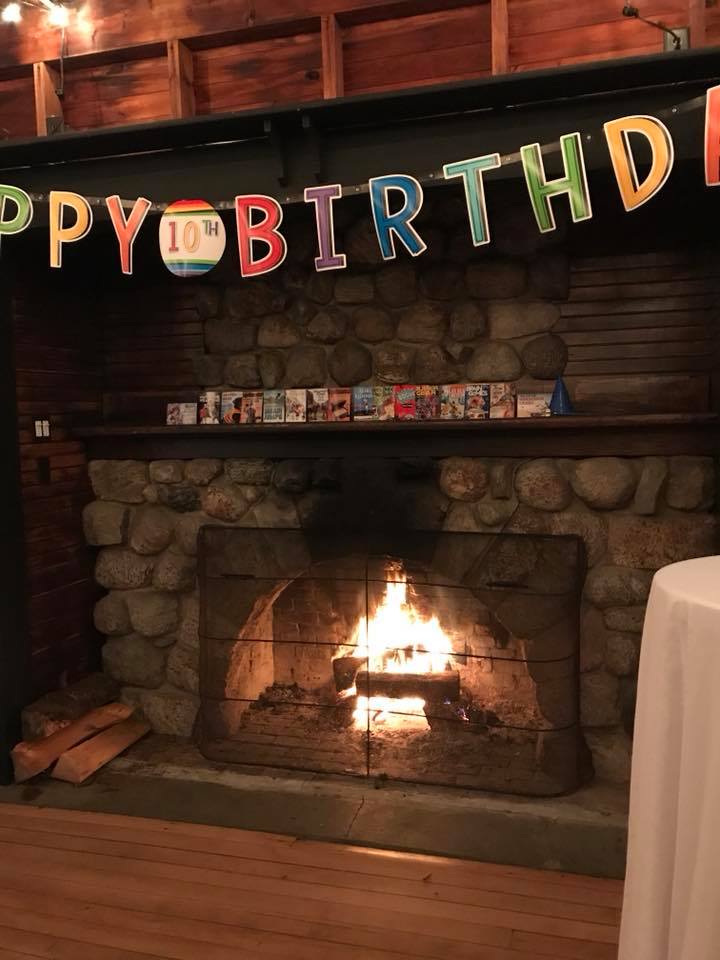 Those are all book covers from our retreat attendees!
 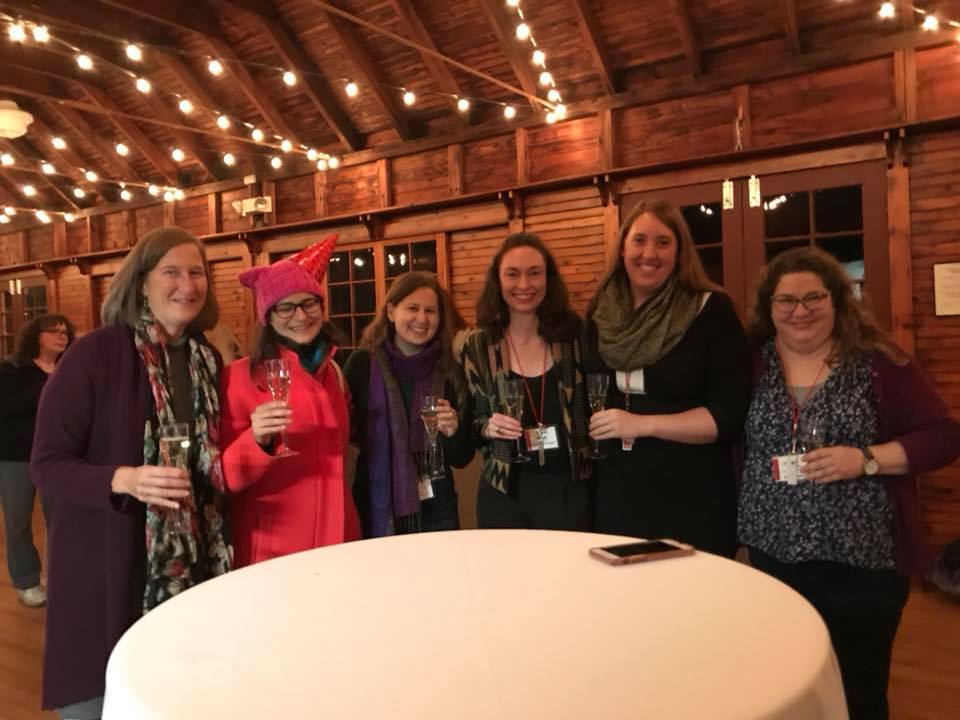 Loved hosting this group! Fabulous Faculty!
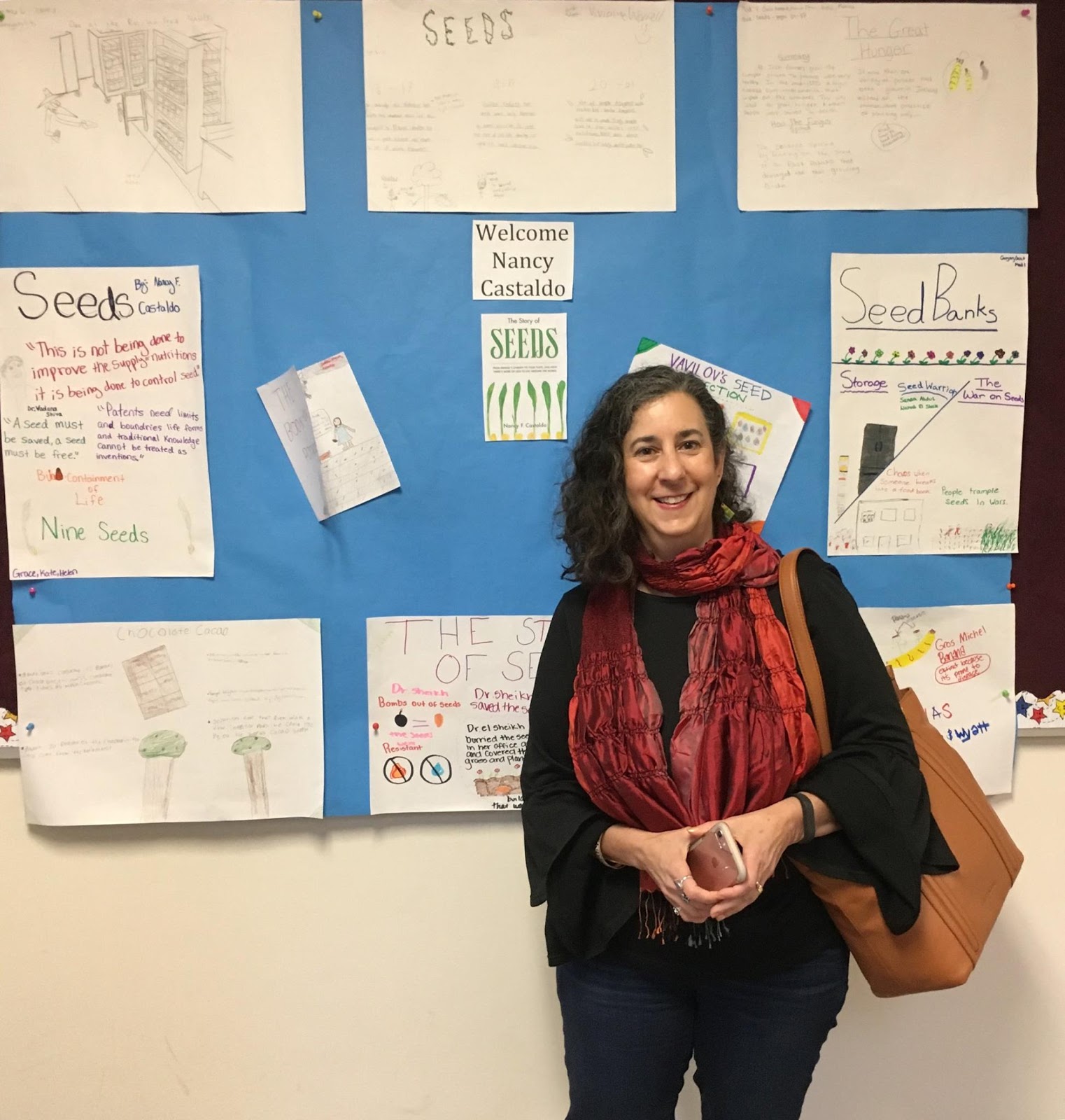
So, after that wonderful weekend, I drove down to Washington, DC for the Green Earth Book Award celebration. I was so honored to have THE STORY OF SEEDS receive the award for YA Nonfiction! This was truly a highlight of my career. And what made it even more special was the school visit that accompanied the celebration and the talented authors I met, who also received the award for their middle grade titles.
 Check out books by Maris Wicks and Mary Knight!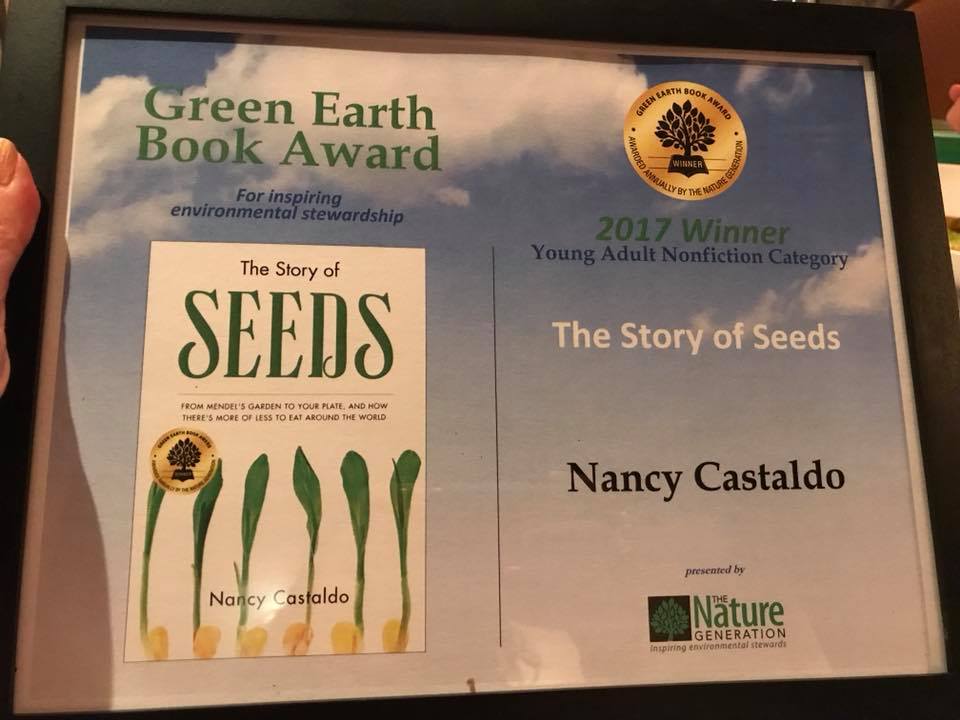
Lastly, I presented at NCTE -- more writer friends, lots of wonderful teachers, and days filled with inspiration and hope.
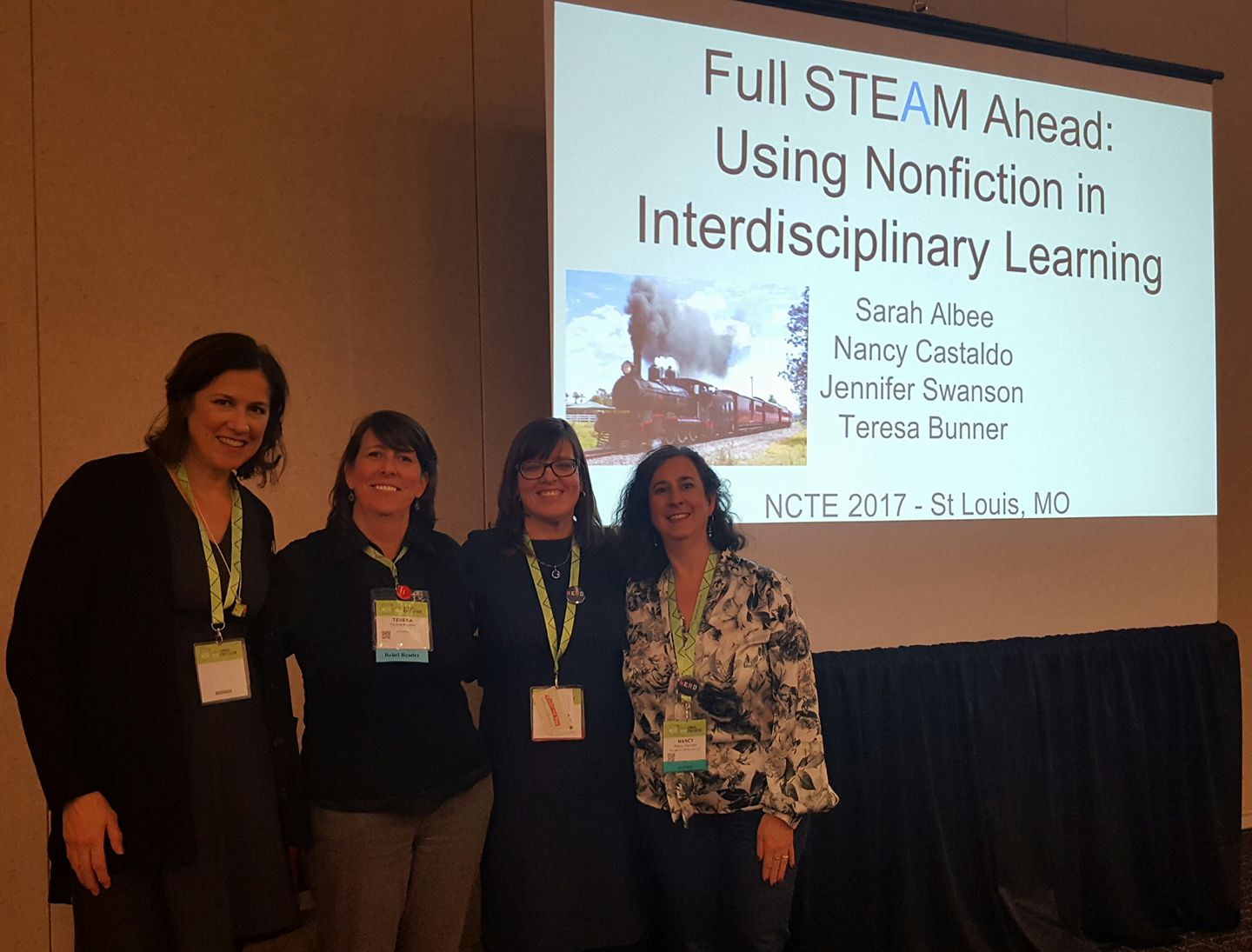 Great fun presenting with Sarah Albee and Jennifer Swanson. Thanks to Teresa Bunner for moderating!
 Along the way there were national park visits, rib dinners, blues music, cupcakes, champagne and lots of friends! (Followed by Thanksgiving!)


And now it is DECEMBER! SaveSaveSaveSave
October 25, 2017
Get The Lead Out! - Children's Health Month
According to the EPA, drinking water isn't the only way we get lead into our bodies. Lead can also be in the air we breathe, the food we eat, and the dust and dirt around our homes.
Children with developing brains "are more susceptible to a host of neurological health effects brought on by lead exposure."
It can also be found in wildlife, such as endangered California condors. Why condors? Well, condors are scavenger birds, just like other vultures. They ingest animals that die naturally or are killed by humans. If an animal was shot and killed, lead will likely be found in the carcass left behind for scavengers. That lead usually makes its way throughout our environment and into our bodies.
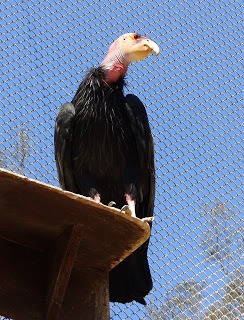 California Condor in treatment for lead poisoning. Photo: Nancy F. Castaldo
The day before President Obama left office he wrote an order to phase out lead bullets by 2020. That order was overturned on the first day Dept. of Interior Secretary Zinke took office.
As a result of EPA's regulations the amount of lead in our air has decreased by 98% between 1980 and 2014! Let's keep it that way!
October is Children's Health Month. Let's keep our kids healthy. Let's maintain regulations designed to preserve the health of our bodies and environment.
The EPA Lead Page
Get The Lead Out
Find out more about California condors and how you can help in BACK FROM THE BRINK: Saving Animals from Extinction (Houghton Mifflin 2018)
Children with developing brains "are more susceptible to a host of neurological health effects brought on by lead exposure."
It can also be found in wildlife, such as endangered California condors. Why condors? Well, condors are scavenger birds, just like other vultures. They ingest animals that die naturally or are killed by humans. If an animal was shot and killed, lead will likely be found in the carcass left behind for scavengers. That lead usually makes its way throughout our environment and into our bodies.
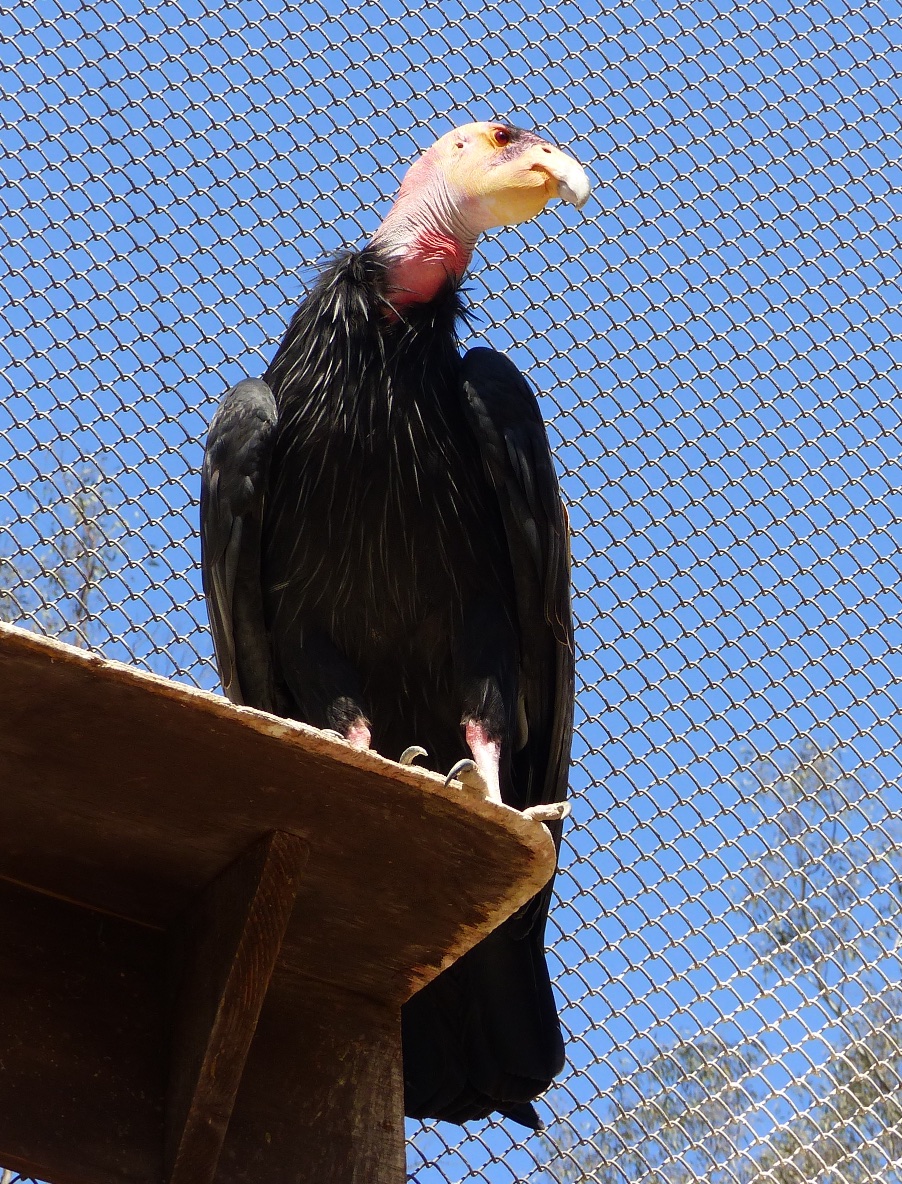 California Condor in treatment for lead poisoning. Photo: Nancy F. Castaldo
 The day before President Obama left office he wrote an order to phase out lead bullets by 2020. That order was overturned on the first day Dept. of Interior Secretary Zinke took office.
As a result of EPA's regulations the amount of lead in our air has decreased by 98% between 1980 and 2014! Let's keep it that way!
October is Children's Health Month. Let's keep our kids healthy. Let's maintain regulations designed to preserve the health of our bodies and environment.
The EPA Lead Page
Get The Lead Out
Find out more about California condors and how you can help in BACK FROM THE BRINK: Saving Animals from Extinction (Houghton Mifflin 2018)
October 19, 2017
Anita Sanchez Shows Us Another Side of Poison Ivy
"For centuries, poison ivy has bedeviled, inconvenienced, and downright tortured the human race," according to Anita Sanchez. And she's right. But, the environmental educator and author recognizes its value the way many of us can't imagine.
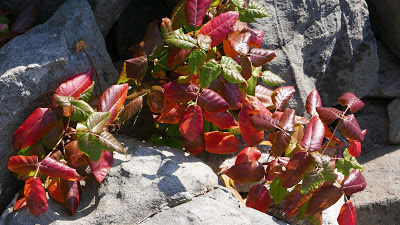 Poison Ivy on the rocky coast of Maine showing off it's autumn colors. @Nancy F. Castaldo
Anita has authored two fabulous books that will surely give you a new appreciation for this common vine. Can you imagine importing poison ivy for showy European gardens? I couldn't, but it was! The natural history of this vine will amaze you.
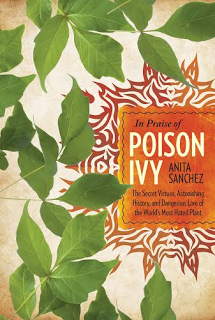
Kids and adults alike will be enchanted by Robin Brickman's illustrations. And they might just learn that although poison ivy might not rank high on our list, there are many creatures that find it mighty tasty!
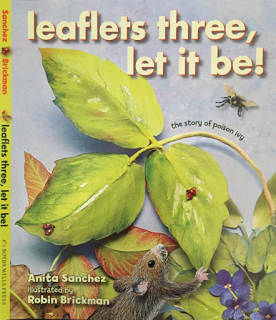
SaveSaveSaveSaveSaveSaveSaveSave
 Poison Ivy on the rocky coast of Maine showing off it's autumn colors. @Nancy F. Castaldo
 Anita has authored two fabulous books that will surely give you a new appreciation for this common vine. Can you imagine importing poison ivy for showy European gardens? I couldn't, but it was! The natural history of this vine will amaze you.

Kids and adults alike will be enchanted by Robin Brickman's illustrations. And they might just learn that although poison ivy might not rank high on our list, there are many creatures that find it mighty tasty!

SaveSaveSaveSaveSaveSaveSaveSave