Michael Adam Warren's Blog, page 9
February 21, 2018
Maisie Williams and Her Mom Know How Game of Thrones Will End
 Everyone's favorite teenage revenge-seeking orphan turned faceless assassin, Arya Stark, has some seriously long and interesting scenes to shoot for the final season of Game of Thrones (2011-2019). Arya's real-life counterpart, the adorable Maisie Williams, reveals on Jimmy Kimmel that not only has she read all the scripts for Season 8, but so has her mom.
 Maisie offers her opinion that "I don't think we've got the budget to shoot lots of different endings." And when pressed by Jimmy about how the President of HBO did say it, she hilariously responded with a wry smile, "As we know, sometimes presidents don't always tell the truth."
 If true, then this would remind me of Mark Frost and David Lynch's unique gambit while filming the classic TV series Twin Peaks (1990-91), in which they filmed some fake reveals of Laura Palmer's killer as a bit of subterfuge to spies on the production set.
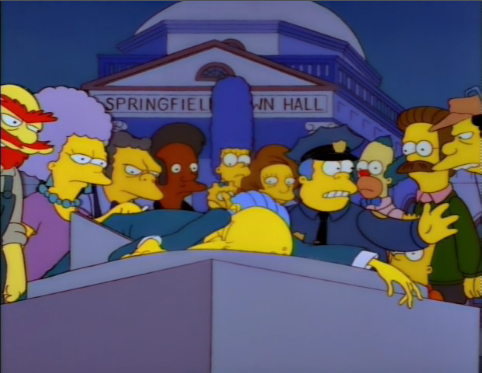 And The Simpsons humorously parodied this technique when they animated fake reveals of "Who Shot Mr. Burns?" in their notorious two-parter Season 6 Cliffhanger Finale and Season 7 Premiere, which in and of itself was a parody of the infamous "Who Shot J.R.?" story line in the primetime soap opera Dallas (1978-91).
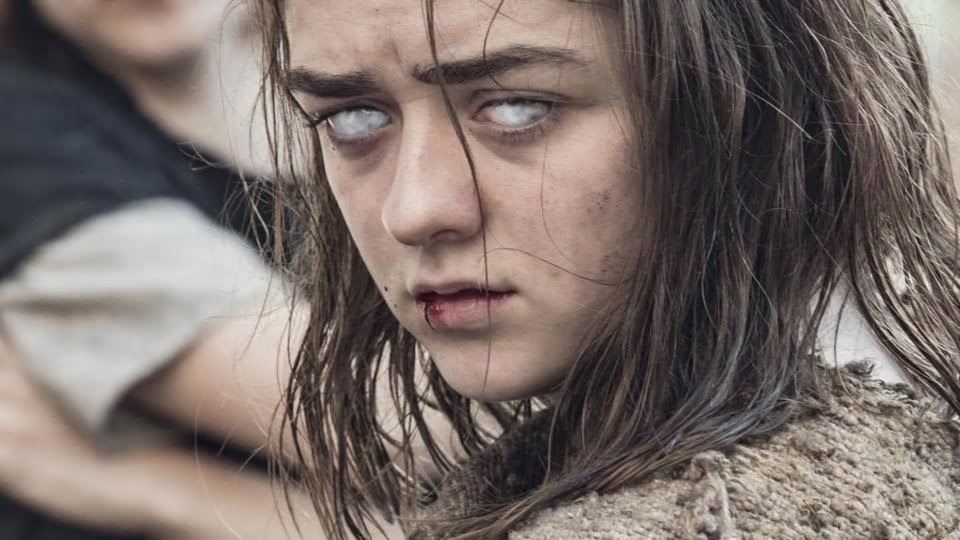 I was tempted to title this article, "No One Knows the Ending of Game of Thrones," as a double entendre and inside joke for hardcore fans, since Maisie Williams's character in the show, Arya Stark, is frequently addressed as "No One" by the ruthless Faceless Men Guild of Assassins. But I ultimately decided that would be way too confusing.

February 12, 2018
The Onion's Movie Review Goes Lynchian in the Best Way
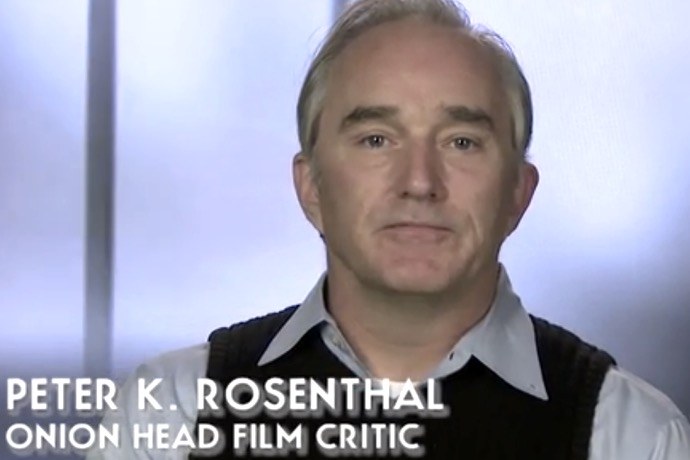 The Onion's hilarious Peter K. Rosenthal movie reviews are among my favorite parody series on the internet. In this instance, a rather standard review of Fifty Shades Freed (2018) slowly transforms into a brilliant Lynchian nightmare poking good-spirited fun at the repetitive and cyclical nature of making online movie review videos in general.
February 9, 2018
The Weirdo Marketing of the Movie DUNE (1984)
 An excellent analysis of one of the most bizarre film-marketing campaigns of all time. Potentially, the MOST bizarre. Dino De Laurentis and MCA/Universal handed the keys to this blockbuster to the artistic powerhouse director David Lynch and he adapted Frank Herbert's best-selling novel into the gorgeous and original DUNE (1984). Watch
Den of Geek
's Chris Cummins explore the strange marketing disaster with fresh eyes in the video clip below.
An excellent analysis of one of the most bizarre film-marketing campaigns of all time. Potentially, the MOST bizarre. Dino De Laurentis and MCA/Universal handed the keys to this blockbuster to the artistic powerhouse director David Lynch and he adapted Frank Herbert's best-selling novel into the gorgeous and original DUNE (1984). Watch
Den of Geek
's Chris Cummins explore the strange marketing disaster with fresh eyes in the video clip below.Rather than capitalize on David Lynch's unique and mature vision, we instead see the studio's attempt to appeal to children, and market the film as if it were the next Star Wars trilogy. What results is one of the most oddball and out-of-synch marketing campaigns of all time. Finally, a proper post-mortem of why this otherwise well-made science fiction epic landed with a thud at the box office during the Christmas season of 1984.
December 8, 2017
Magnolia (1999) Turns 18 Years Old Today!
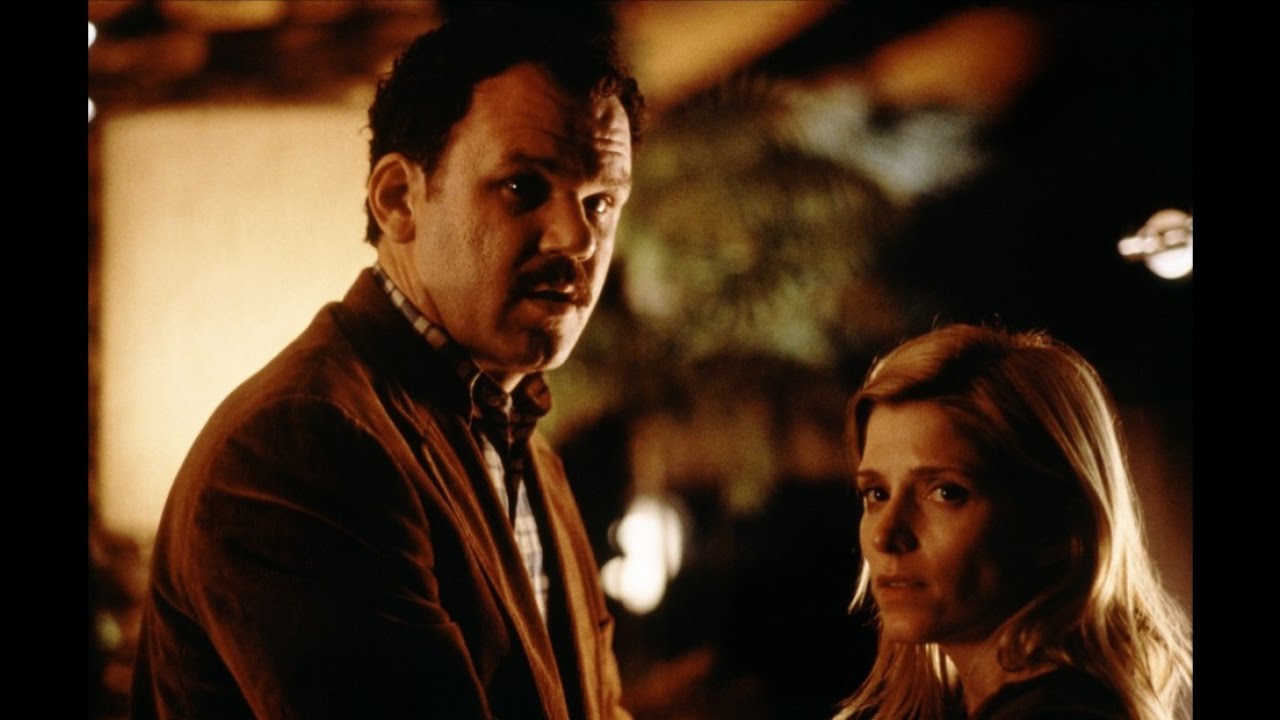
 Eighteen years ago today, December 08, 1999, director Paul Thomas Anderson's third feature film was released in theaters to an unprepared and completely unsuspecting public. It is fair to say that most audiences were unprepared for this modern-day, emotionally raw film opera. It is a completely unique film experience unlike anything else made before or since that fateful month at near the close of the twentieth century.
The marketing, promos, and trailers for Magnolia (1999) were surprisingly vague, in part because the film is not really so much plot driven as it is character driven. And the film really emphasizes the emotional roller coaster that is humanity rather than focus on a traditional story structure. It truly is a unique work of art that I suspect will stand the test of time better and better over the next decades. Truth will out.It is fair to say critics were polarized at the time of Magnolia's release, as demonstrated by this informative video clip above showing Roger Ebert arguing over the film with a fellow critic and colleague. One group declared the film an overly long, confusing mess that doesn't add up much to anything special. The other group of critics, on the other hand though, go so far as declaring Magnolia a modern-day miracle, a true visionary achievement that should be celebrated as clearly the best film released that year in 1999.
 And this decades long argument is still active, a consensus still far from being reached. But as time goes by, Magnolia continues to gain more and more fans who catch up to Anderson's forward-thinking vision, who love and embrace this unconventional film in all its spectacular glory. Its characters are among the most fascinating, loveable, and hateable that you will ever find on screen.Filmmaker Paul Thomas Anderson, lovingly nicknamed P.T.A. by cineastes, has been considered a genius wunderkind by Hollywood since his powerful, critically acclaimed darling Boogie Nights (1997). A decade later his oil epic There Will Be Blood (2007) confirmed him as our generation's next potential Stanley Kubrick.
 Even the popular writer-director auteur Quentin Tarantino in recent years has admitted to a friendly rivalry between him and P.T. Anderson. The two filmmakers have long been compared to one another as they both attempt to outdo one another with each new movie they direct. Tarantino is on record comparing his professional rivalry with Anderson to that of Marlon Brando and Montgomery Clift, claiming the existence of each helped push each other to further heights of achievement.
I strangely come across a number of critics, youtubers, podcasters, and bloggers who seem to find an evil glee in mocking Tom Cruise. Whether it is an attack on his sexuality, his religious beliefs, his love life, his family life, or his acting abilities, criticism against the superstar has been constant and incessant.
 But I point people no further than to Cruise's powerhouse performance here as Frank T.J. Mackey as he confronts his father, played by the late, great Jason Robards, for proof that Tom Cruise is in fact an extraordinary screen actor.
 There is a reason for Tom Cruise's superstardom and box office appeal, whatever your thoughts are about his personal life and beliefs. I personally recommend we give him a break and appreciate him for the incredible talent he is. His celebrity, charisma, and starpower helped elevate Magnolia into another strata of "A-List" art than it could not have achieved without him.
 Shortly after finishing filming and promoting Magnolia, Paul Thomas Anderson commented in an interview, "I have a feeling, one of those gut feelings, that I'll make pretty good movies the rest of my life. … but I guess the way that I really feel is that Magnolia is, for better or worse, the best movie I'll ever make."
 Now, eighteen years later, we have seen a number of other great films come from Paul Thomas Anderson, but I have to see anything else from him or anyone else that digs deep and will not let go of me like his masterpiece
Magnolia
(1999). It is truly the best film of his whole career so far, in my opinion. And in spite of me always looking forward to what he does next, I foresee Magnolia remaining in that top spot for many decades to come.
Now, eighteen years later, we have seen a number of other great films come from Paul Thomas Anderson, but I have to see anything else from him or anyone else that digs deep and will not let go of me like his masterpiece
Magnolia
(1999). It is truly the best film of his whole career so far, in my opinion. And in spite of me always looking forward to what he does next, I foresee Magnolia remaining in that top spot for many decades to come.November 22, 2017
Twin Peaks & Lynchian Holiday Gift Guide!
 It is that time of year again to celebrate the holiday season and to give your special loved ones a token of your esteem and appreciation in the form of gifts and presents. And thanks to Mark Frost and David Lynch's revival this year of Twin Peaks: The Return (2017), now we can find more Twin Peaks-themed and Lynchian related merchandise than ever before. So I created this page to help you navigate the very best of these Agent Cooper thumbs up-worthy Lynchian goodies this year and provide you with a convenient one-stop shopping destination to purchase them.
The long-awaited Blu-Ray/DVD release of Twin Peaks: The Return (2017) is now ready to be preordered ahead of its release on December 05, 2017. The Blu-Ray disc set is a must own for all hardcore David Lynch and Twin Peaks fans, containing over 6 hours of bonus content, 80 minutes of which is found exclusive to the Blu-Ray release. Read more about this release and its bonus content in my previous article here.
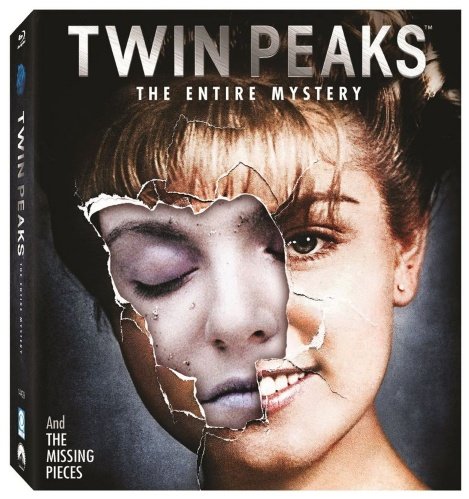 Although the classic series Twin Peaks (1990-91) is currently available to watch on Netflix streaming, such may not always be the case. And regardless, currently nothing can beat the video and audio quality of this premium release of Twin Peaks, including for the first time ever The Missing Pieces deleted footage from Fire Walk with Me (1992) that we waited nearly a quarter century to see. A must own set that includes Kyle MacLachlan's Twin Peaks-related Saturday Night Live sketches shortly before the Season 2 Premiere.
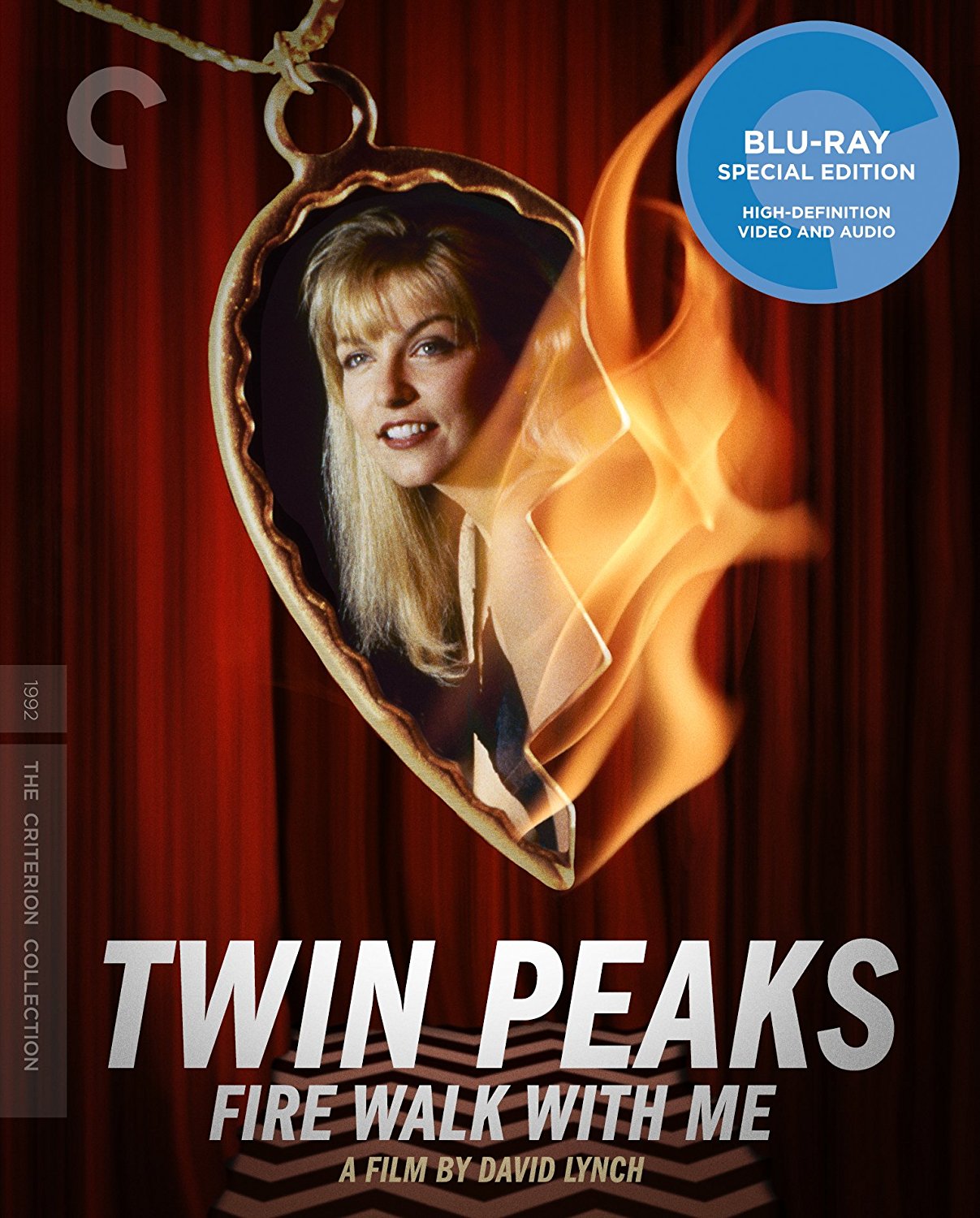 Six years ago, back during my original article series 35 Years of David Lynch, I wrote a review and write-up on
Twin Peaks: Fire Walk with Me
(1992), in which I argued that
Fire Walk with Me
was due for a serious reevaluation by critics and that a positive step in that direction would be a Criterion Collection Release of the film. My dreams came true and Criterion released it on a newly remastered Blu-Ray this October 17, 2017, featuring a newly forged 4K master film transfer supervised by David Lynch and it includes a number of new retrospective featurettes and interviews. Read my full write-up on this release here.
Six years ago, back during my original article series 35 Years of David Lynch, I wrote a review and write-up on
Twin Peaks: Fire Walk with Me
(1992), in which I argued that
Fire Walk with Me
was due for a serious reevaluation by critics and that a positive step in that direction would be a Criterion Collection Release of the film. My dreams came true and Criterion released it on a newly remastered Blu-Ray this October 17, 2017, featuring a newly forged 4K master film transfer supervised by David Lynch and it includes a number of new retrospective featurettes and interviews. Read my full write-up on this release here. David Lynch: The Art Life (2016) is a highly anticipated documentary years in the making. It demonstrates David Lynch's typical daily routine as a painter and is packed full of interesting anecdotes from his early life and development into the artist he is today. It is a worthwhile viewing experience for anyone deeply interested in David Lynch's work in films and television and would likely interest anyone who has ever seriously contemplated transitioning into a full-time, professional artist. Read my full write-up on this release here.
Books/AudioBooks
 I previously went deep into the history and official context of The Secret Diary of Laura Palmer (1990) not only as an excellent media tie-in novel, but how it is an unique artifact that exists within the series itself. It is an actual document that pops up and is regularly discussed within the Twin Peaks' canon. Check out my full description in my former write-up here on the novel. Suffice it to say that David Lynch's daughter Jennifer provided a surprisingly bold and realistic view of Laura's personal life, struggle, and turmoil in this novel. And personally, it is my favorite of all the Twin Peaks related media tie-in novels and it was reportedly used constantly as a reference by actress Sheryl Lee in her performance of the character later in the series prequel Fire Walk with Me (1992).
 The Secret Diary of Laura Palmer (1990) is a must own for any serious Twin Peaks fan and helps add crucial texture and development to an already compelling character. And Sheryl Lee's recent audiobook recording reading the whole diary in-character as Laura Palmer is pretty amazing to hear and definitely a great gift for any Twin Peaks fan.
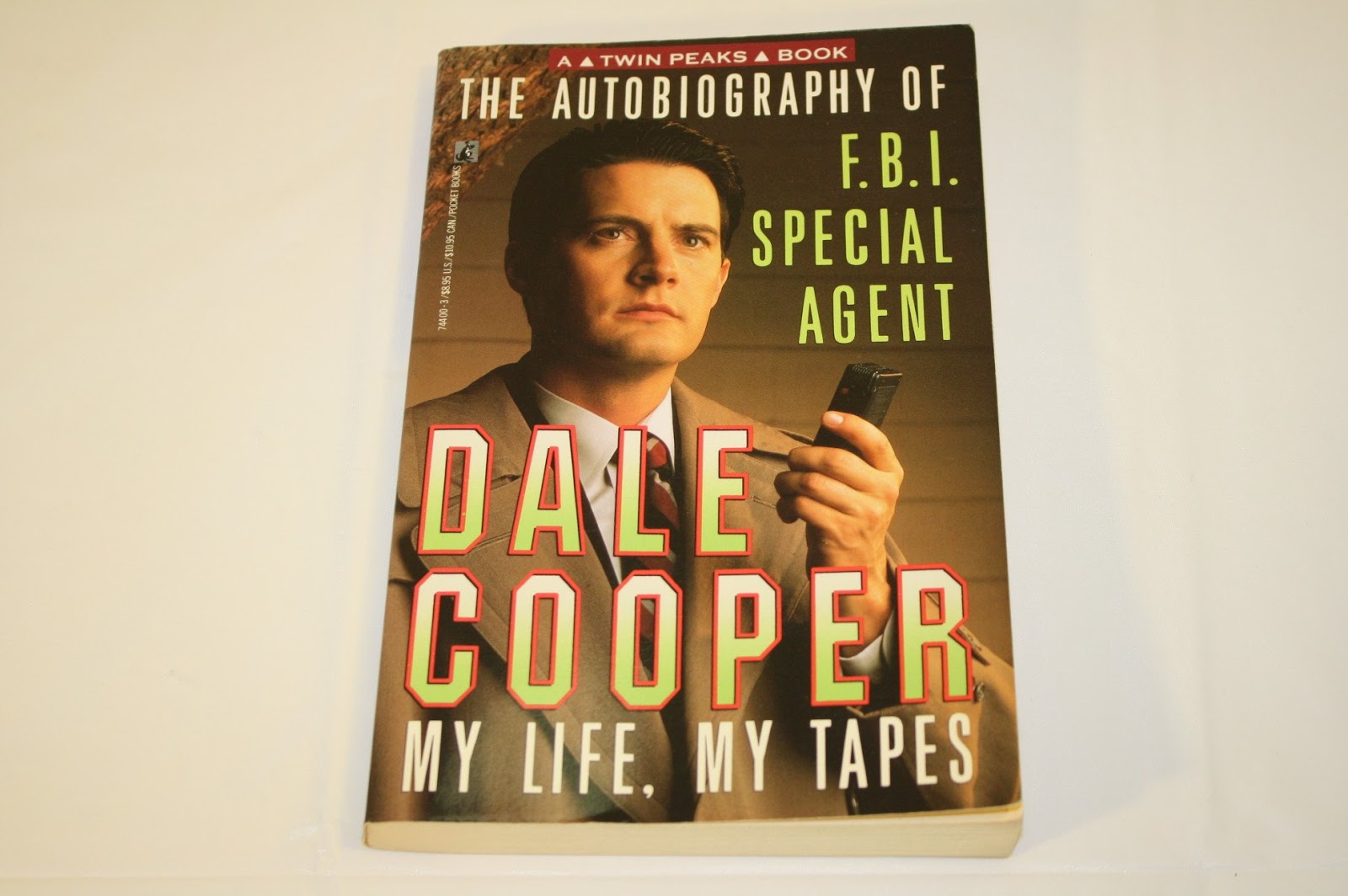 I also went deep into this novel's history and its official context with the series itself as a character's memoir, but which is not as canonically tied to Twin Peaks' canon as was The Secret Diary of Laura Palmer (1990), as I explained in my former write-up here. But
The Autobiography of F.B.I. Special Agent Dale Cooper: My Life, My Tapes
(1991) gives some crucial information to help the audience better appreciate the unfairly derided Windom Earle storyline in the last half of Season 2. More of a niche gift than most of the other books on this list, but it was used by Mark Frost in helping to paint a more complete picture of Agent Cooper in his own novels a quarter century later.
I also went deep into this novel's history and its official context with the series itself as a character's memoir, but which is not as canonically tied to Twin Peaks' canon as was The Secret Diary of Laura Palmer (1990), as I explained in my former write-up here. But
The Autobiography of F.B.I. Special Agent Dale Cooper: My Life, My Tapes
(1991) gives some crucial information to help the audience better appreciate the unfairly derided Windom Earle storyline in the last half of Season 2. More of a niche gift than most of the other books on this list, but it was used by Mark Frost in helping to paint a more complete picture of Agent Cooper in his own novels a quarter century later. This is more of a brief audiobook to take advantage of Agent Cooper's tendency to leave crucial voice memos for Diane on his tape recorder. I previously went deep into this audiobook's history and its official context within the series itself as pseudo official and a real artifact within Twin Peaks' canon in my former write-up here. It takes a lot of Cooper's in-series voice recordings and mixes it with extra goodies never heard on the series proper. It is pretty fun, if a little too short for my tastes. I wish they had done even more with this gimmick and made an even deeper dive into Cooper's fascinating psyche. But
"Diane..." The Twin Peaks Tapes of Agent Cooper
is still a good audiobook, if overly short for my tastes and a little hard to find for sale these days.
This is more of a brief audiobook to take advantage of Agent Cooper's tendency to leave crucial voice memos for Diane on his tape recorder. I previously went deep into this audiobook's history and its official context within the series itself as pseudo official and a real artifact within Twin Peaks' canon in my former write-up here. It takes a lot of Cooper's in-series voice recordings and mixes it with extra goodies never heard on the series proper. It is pretty fun, if a little too short for my tastes. I wish they had done even more with this gimmick and made an even deeper dive into Cooper's fascinating psyche. But
"Diane..." The Twin Peaks Tapes of Agent Cooper
is still a good audiobook, if overly short for my tastes and a little hard to find for sale these days. The Secret History of Twin Peaks
(2016) was the first official Twin Peaks story released in 25 years, since the release of Fire Walk with Me (1992) in movie theaters. It was published seven months before Twin Peaks: The Return (2017) aired on TV and helped whet the appetite of Twin Peaks fans for the series revival. It contains some interesting conspiracy theory tie-ins and has some good character moments you cannot find anywhere else for Dr. Jacoby and the Log Lady, among others. The audiobook version even features the voices of several of the actors speaking in-character. Very cool.
The Secret History of Twin Peaks
(2016) was the first official Twin Peaks story released in 25 years, since the release of Fire Walk with Me (1992) in movie theaters. It was published seven months before Twin Peaks: The Return (2017) aired on TV and helped whet the appetite of Twin Peaks fans for the series revival. It contains some interesting conspiracy theory tie-ins and has some good character moments you cannot find anywhere else for Dr. Jacoby and the Log Lady, among others. The audiobook version even features the voices of several of the actors speaking in-character. Very cool. Definitely the most sought after of all the official Twin Peaks media tie-ins currently, Mark Frost's The Final Dossier (2017) gives a number of insights into the bizarre ending of the Twin Peaks revival and helps further fill in the many story gaps left in the finale's wake, particularly about the many classic Twin Peaks (1990-91) characters never addressed in the revival.
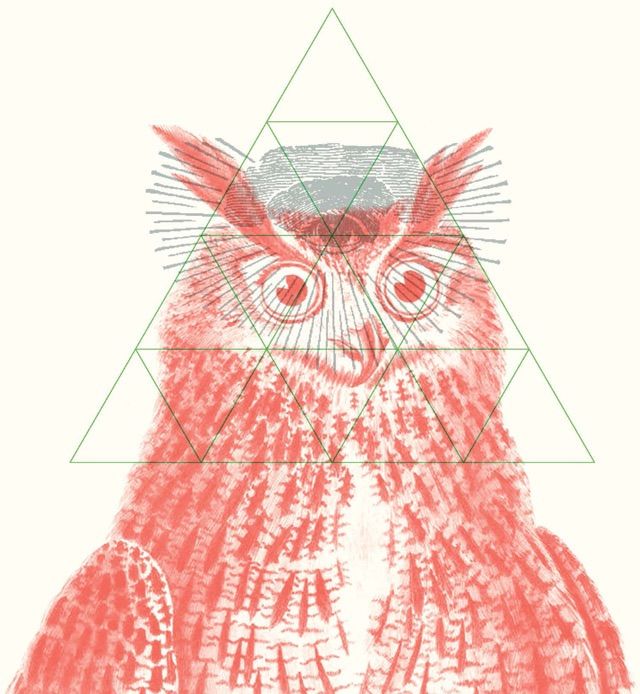 I would definitely recommend reading The Secret History of Twin Peaks (2016) beforehand to help contextualize what occurs later in
The Final Dossier
(2017), but it is not necessarily one hundred percent necessary to read both to appreciate the latter novel. And if you are on a budget, then you might want to buy The Final Dossier first. You can read my preliminary report here on Mark Frost's novel to learn more.
I would definitely recommend reading The Secret History of Twin Peaks (2016) beforehand to help contextualize what occurs later in
The Final Dossier
(2017), but it is not necessarily one hundred percent necessary to read both to appreciate the latter novel. And if you are on a budget, then you might want to buy The Final Dossier first. You can read my preliminary report here on Mark Frost's novel to learn more. 40 Years of David Lynch
is my own unofficial four-volume analysis of all the films and TV series of David Lynch's career, with a particular emphasis on the Twin Peaks Story Universe. I provide historical context, quotes, and passionate discussion of David Lynch's body of cinematic work and his world-changing impact on television. In full disclosure, I am still perfecting these manuscripts and will have them automatically updated to everyone who bought the earlier versions before Christmas.
40 Years of David Lynch
is my own unofficial four-volume analysis of all the films and TV series of David Lynch's career, with a particular emphasis on the Twin Peaks Story Universe. I provide historical context, quotes, and passionate discussion of David Lynch's body of cinematic work and his world-changing impact on television. In full disclosure, I am still perfecting these manuscripts and will have them automatically updated to everyone who bought the earlier versions before Christmas.Funko Twin Peaks Merchandise
 Potentially the coolest Twin Peaks gift anyone could ever receive is this hilariously awesome
Funko Twin Peaks Action Figure Set
, complete with accessories. The only downside is that there aren't more of these toys / collectibles for adults to play with like we are kids again! I can just see the possibilities as He-Man goes up against BOB!
Potentially the coolest Twin Peaks gift anyone could ever receive is this hilariously awesome
Funko Twin Peaks Action Figure Set
, complete with accessories. The only downside is that there aren't more of these toys / collectibles for adults to play with like we are kids again! I can just see the possibilities as He-Man goes up against BOB!
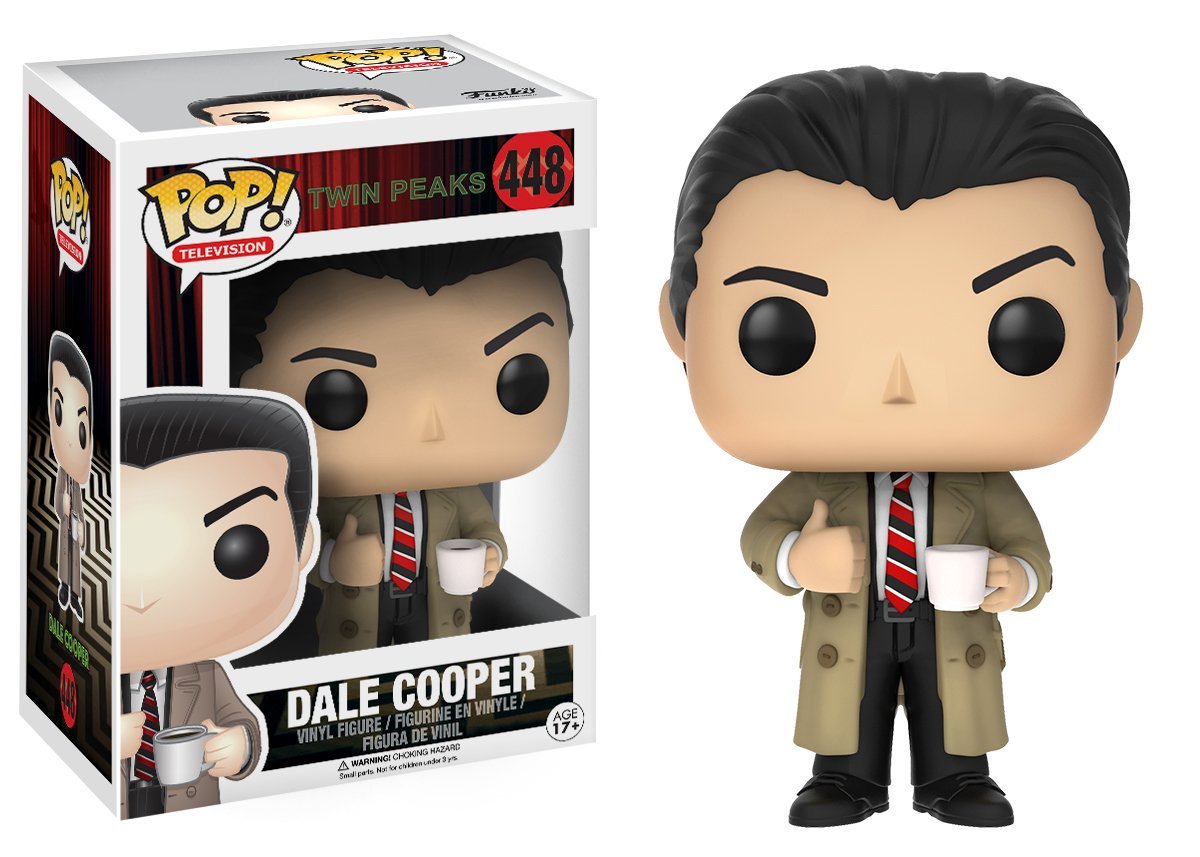
Luckily, Funko has also released a number of their fun-spirted Funko Pop! line figures for Twin Peaks fans. From individual releases of all the figures, like Dale Cooper above, to the discounted complete set release below (and special Black Lodge version of Dale and Laura below that), you will find something to brighten the day of your Twin Peaks fan.


Miscellaneous Twin Peaks Merchandise

Fun, minimalist poster of Audrey Horne Dancing by Cult Classic Posters. Cult Classic Posters have a bunch of great Twin Peaks related artwork in this vein. They also have some interesting posters around other cult classic franchises, too. Chances are you can find something your special someone would love to have hanging up.


A replica of Agent Cooper's Great Northern Room 315 Key. This could make for a fun keychain accessory or just a keepsake to remind people of this important totem from Twin Peaks' past that made its way into our present.
 If your loved one needs coffee as much as Dougie does, then chances are the Twin Peaks fan on your Christmas list this year will love this fun reminder in the form of Dougie's Coffee Mug.
 Show your love for The Roadhouse and all the great talent they attract to play there with this cool t-shirt from Fifth Sun. The Fifth Sun label has plenty of other great Twin Peaks-related shirts and clothes, so check them out and see what you can find still in stock.
 These officially licensed
Twin Peaks Lapel Pins
from Showtime are a great accent to any suit or business casual attire. Have fun subtly showing off your fandom at parties and at work!
These officially licensed
Twin Peaks Lapel Pins
from Showtime are a great accent to any suit or business casual attire. Have fun subtly showing off your fandom at parties and at work!Blu-Rays
DVDs
Books
Audiobooks
Special Offer for Two Free Audiobooks!
Funko Merchandise
Miscellaneous Merchandise
November 11, 2017
Kenneth Branagh Auditioned for David Lynch's DUNE
 Kenneth Branagh is one of the best actors of his generation, so it is refreshing to hear in his latest interview that he too faced his fair share of rejection along the way to success. Notably, Mr. Branagh was recently questioned on his use of David Lynch's film adaptation of Dune (1984) while directing his own science fiction space epic Thor (2011). He reflected on his own audition for Paul Atreides with David Lynch in a fascinating anecdote below.
ComingSoon.Net conducted a wonderful new interview with director/actor extraordinaire Kenneth Branagh (Henry V, Dead Again, & Hamlet), in which they discussed several of his films while he is promoting his latest movie shot on gorgeous 65mm film: Murder on the Orient Express (2017). The film is packed with an all-star cast and promises to be a very entertaining adaptation of the original Agatha Christie mystery novel classic.
 ComingSoon: Something I’ve always been curious about is I know for
Thor
(2011) you were referencing David Lynch’s
Dune
(1984) a lot for the look and feel of Asgard. There’s a director attached to that property currently, but is there a part of you that ever wanted to adapt Frank Herbert’s “Dune?”
ComingSoon: Something I’ve always been curious about is I know for
Thor
(2011) you were referencing David Lynch’s
Dune
(1984) a lot for the look and feel of Asgard. There’s a director attached to that property currently, but is there a part of you that ever wanted to adapt Frank Herbert’s “Dune?”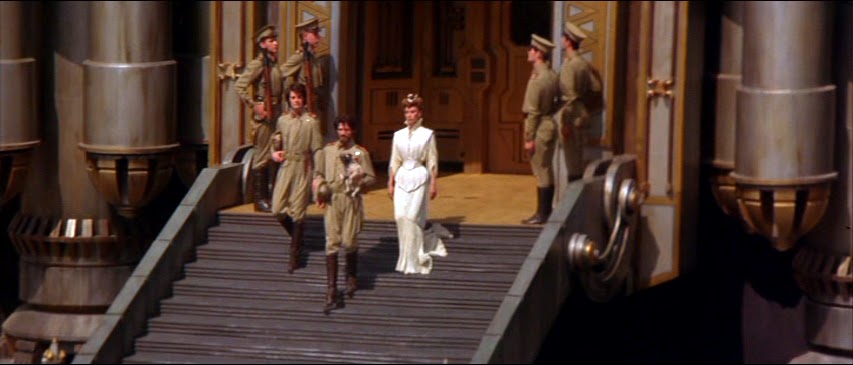 Branagh: I personally don’t. I’m a big David Lynch fan, so as far as I’m concerned he nailed it, in my view. I think he’s a wonderful director, I love his stuff. With someone like that it’s so personal. I love the design and the look and feel of it. I have a soft spot for it because it’s one of the many many films as a young actor I auditioned for and didn’t get anywhere near. I remember when I was a 21-year-old actor meeting with the not-very-much-older David Lynch for “Dune” way back in 1980 or something like that.
 Branagh (cont.): He was so nice and so kind and I was nobody, there was no reason to be as gentlemanly and civil and interested as he was. He was looking for actors, I suppose, and he had a vested interest to do so, but he was a really good example to me early on how you might comport yourself in this business. It was a very memorable meeting, because he had just done — and I was in awe of — “(The) Elephant Man (1980),” which is a magnificent movie. Magnificent. So he’s a big hero of mine.
 ComingSoon: I doubt it was anything due to you not getting that part. Based on casting Kyle MacLachlan, I think Lynch was looking for someone who looked like him.Branagh: (laughs)
 ComingSoon: And clearly became his muse later.Branagh: And did a wonderful job and is a fine actor.
 I give Mr. Branagh high marks for being a good sport about the whole casting process. He was particularly gracious and even complimentary of Kyle MacLachlan, who ended up with the part. Kenneth Branagh is truly a gentleman and a scholar. And I could not agree with him more on his opinions about
Dune
(1984) and the other great cinematic and television output David Lynch and Kyle MacLachlan have collaborated on together over the years.
I give Mr. Branagh high marks for being a good sport about the whole casting process. He was particularly gracious and even complimentary of Kyle MacLachlan, who ended up with the part. Kenneth Branagh is truly a gentleman and a scholar. And I could not agree with him more on his opinions about
Dune
(1984) and the other great cinematic and television output David Lynch and Kyle MacLachlan have collaborated on together over the years.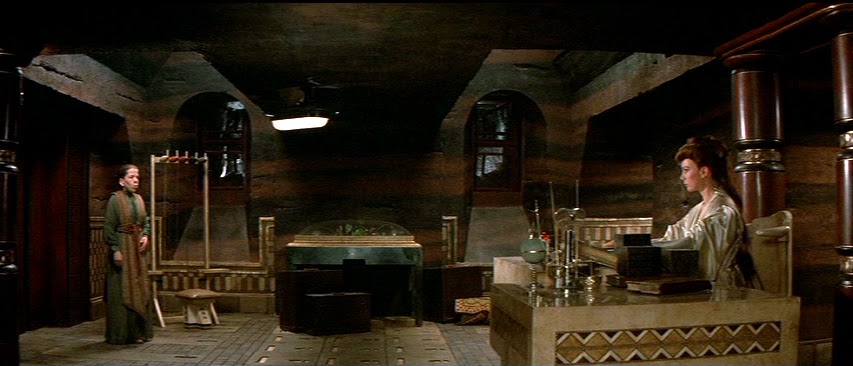 If you are interested in learning more about my own personally edited extended cut Dune: The Complete Saga, as featured on Nerdist, Digg, and IndieWire, then just check out the link to my previous article describing it. You can also find a link to download it from there and watch it for yourself, too.
 I am proud of my work on that cut and I think most fans of the film will agree mine is the best and easiest to understand of all the fan edits extant, giving you the best paced and most complete version of the film to date. It is a truly amazing film, especially in this more complete format. I recommend everyone give
Dune: The Complete Saga
a fair shot at winning you over.
I am proud of my work on that cut and I think most fans of the film will agree mine is the best and easiest to understand of all the fan edits extant, giving you the best paced and most complete version of the film to date. It is a truly amazing film, especially in this more complete format. I recommend everyone give
Dune: The Complete Saga
a fair shot at winning you over.November 6, 2017
Mark Frost Interview on Twin Peaks Unwrapped Podcast
 Mark Frost is making the press and podcast circuit to help spread the word about his latest Twin Peaks tie-in novel: The Final Dossier! In the clip below, listen to the entirety of his interview with the Twin Peaks Unwrapped podcast. They discuss all sorts of great tidbits about the Original Series, The Return, and his connected novels The Secret History of Twin Peaks and The Final Dossier!
Twin Peaks Co-Creators David Lynch and Mark Frost
Follow Mark Frost on Twitter: @mfrost11Check out his official website at www.bymarkfrost.comAnd buy a copy of his latest Twin Peaks novel The Final Dossier
Blu-Ray
Hardcover/Paperback
Audiobook
Special Offer for Two Free Audiobooks!
November 2, 2017
Twin Peaks Finale Partly Explained by Mark Frost
 To say we were left with a few questions at the end of the finale of Twin Peaks: The Return (2017) would be grossly underestimating the situation. David Lynch and Mark Frost pieced together something nuanced, complex, and purposely perplexing to mull over. And although he is not providing all the answers, Mark Frost is taking the opportunity to shine some light on Agent Cooper's final quest to save Laura Palmer.
It is fair to say that Agent Cooper's desire to capture Laura Palmer's murderer was always a bittersweet goal of his, because honestly, as good as it was to try to prevent Laura's killer from killing again, Laura herself would remain dead. And in the future, there would be a much longer trail of bodies that would follow him personally in the wake of BOB-possessed Cooper that likely dwarves the number of kills made by BOB-possessed Leland.
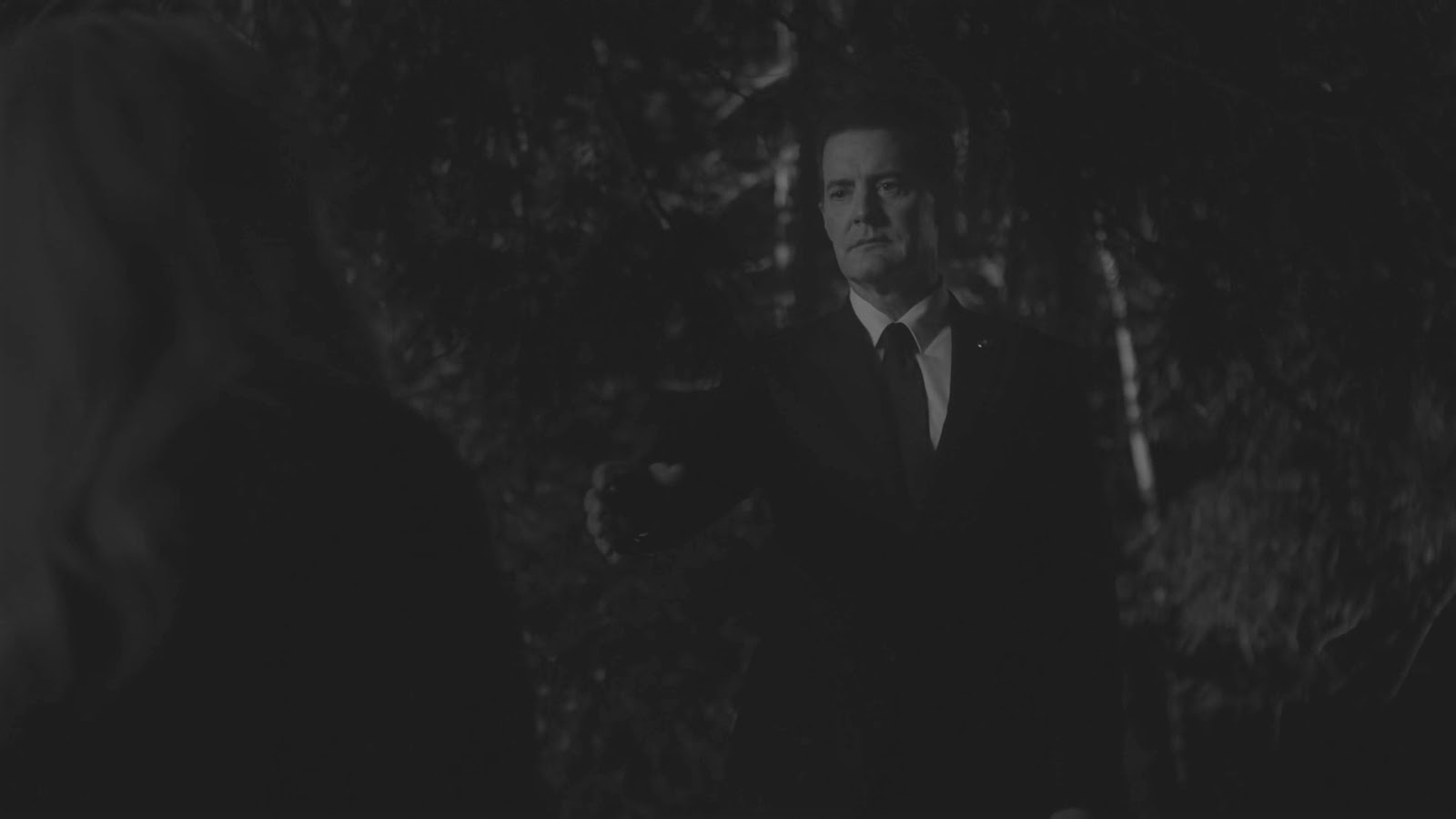 And from Laura's point of view, her sacrifice to avoid being used as a vessel for BOB was admirable, but she always seemed desperate to find another way. She even shared the original Red Room dream with Agent Cooper the night before she died. If we check the letter that Laura left for Agent Cooper and Donna Hayward with Mrs. Tremond in Season 2 Episode 9, in a scene that is eerily mirrored in the final scene of Season 3 The Return. Here is a clip of it below.
Is Agent Cooper's quest to save Laura Palmer ultimately mimicking this strangely parallel scene of two different Mrs. Tremonds for a reason? Clearly, yes. It is showing that in spite of all of Laura's and Cooper's efforts, they both still wish there was some way for Cooper to save Laura's life. And given their interconnected dreams and psychic bond, it is clear that they are destined for something greater.
 And so the final scene mimics Cooper hearing Laura cry out to him for help from across space and time. And given Agent Cooper's new magical skill set straight out of the Black and White Lodges, it seems natural that he would want to correct this one last problem. And for what it is worth, The Fireman (aka The Giant) seems to be onboard with Cooper's quest.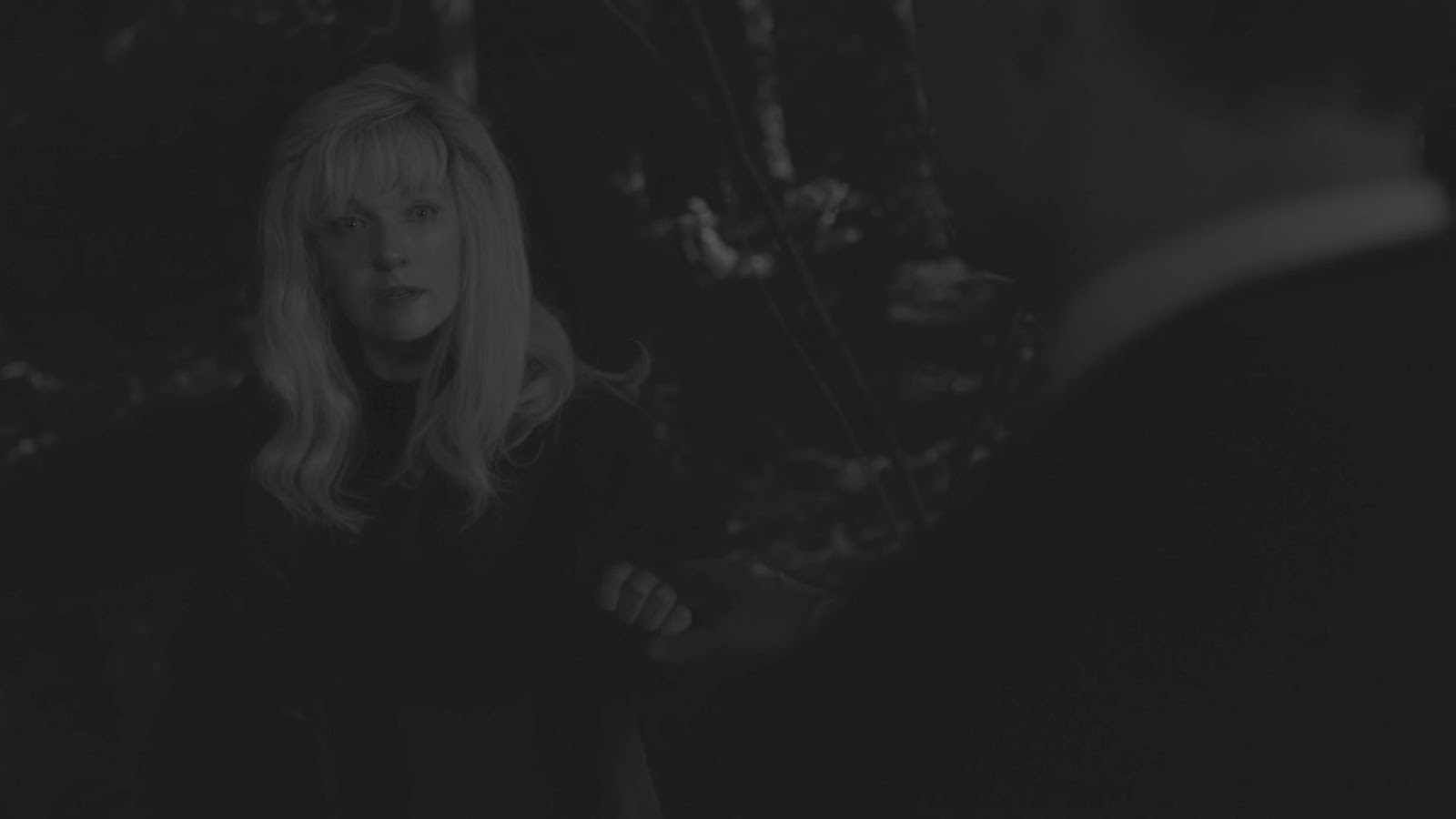
So we have a very strange conundrum or potential paradox set up in which Agent Cooper wishes to save Laura Palmer from dying. And for whatever reason, Cooper seems impelled to reunite Sarah Palmer with her now living daughter. But things are more complicated than Cooper understands and some evil has grip of Sarah now.
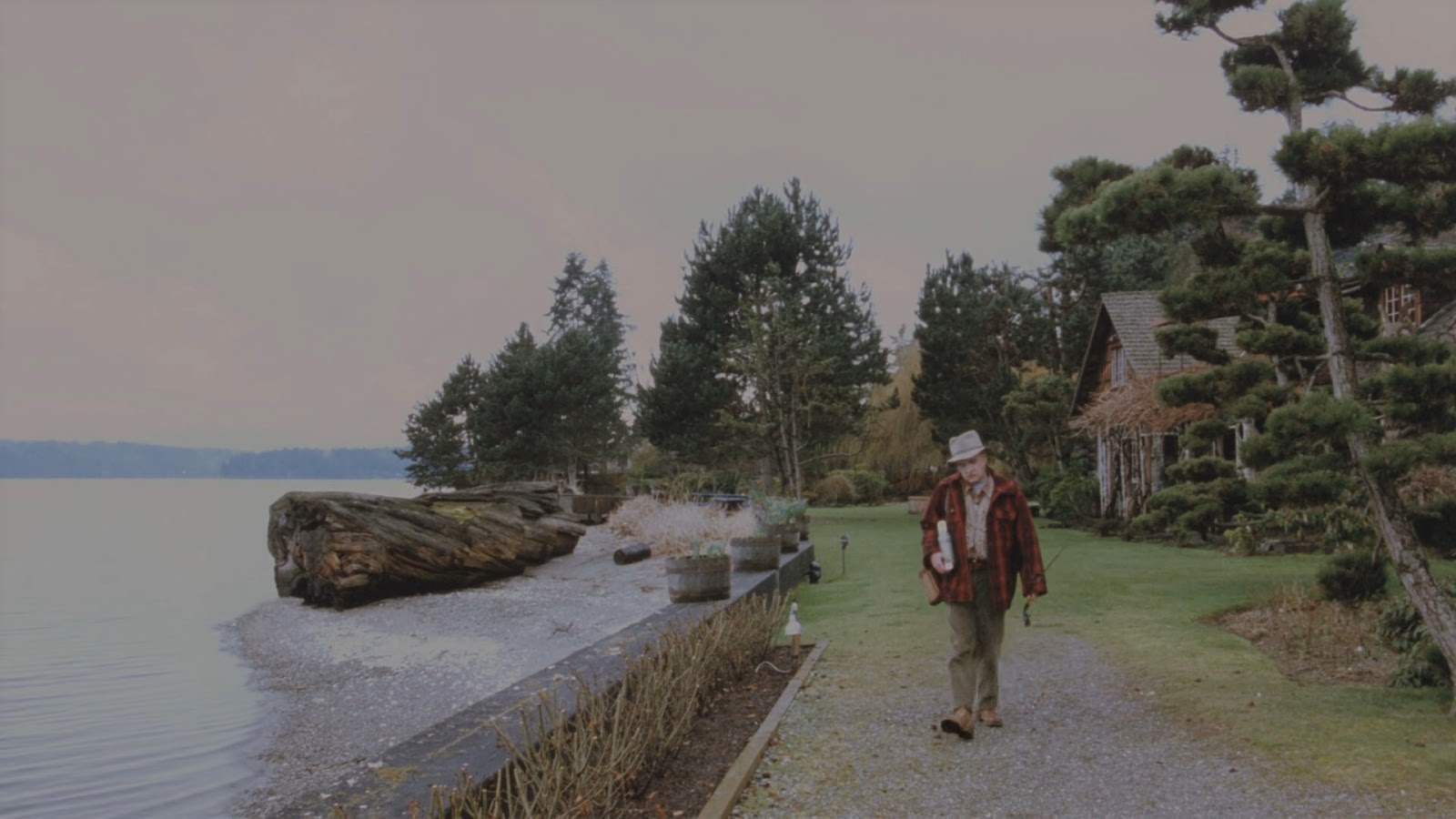 Does saving Laura Palmer from being murdered completely change the course of history forever for our cast of characters, the town of Twin Peaks, and all the associated episodes of story we have watched so far? Does that mean BOB and Judy are still loose? What exactly are the consequences of this time traveling trip by Agent Cooper? We are forced to ask along with Cooper, "What year is it?"
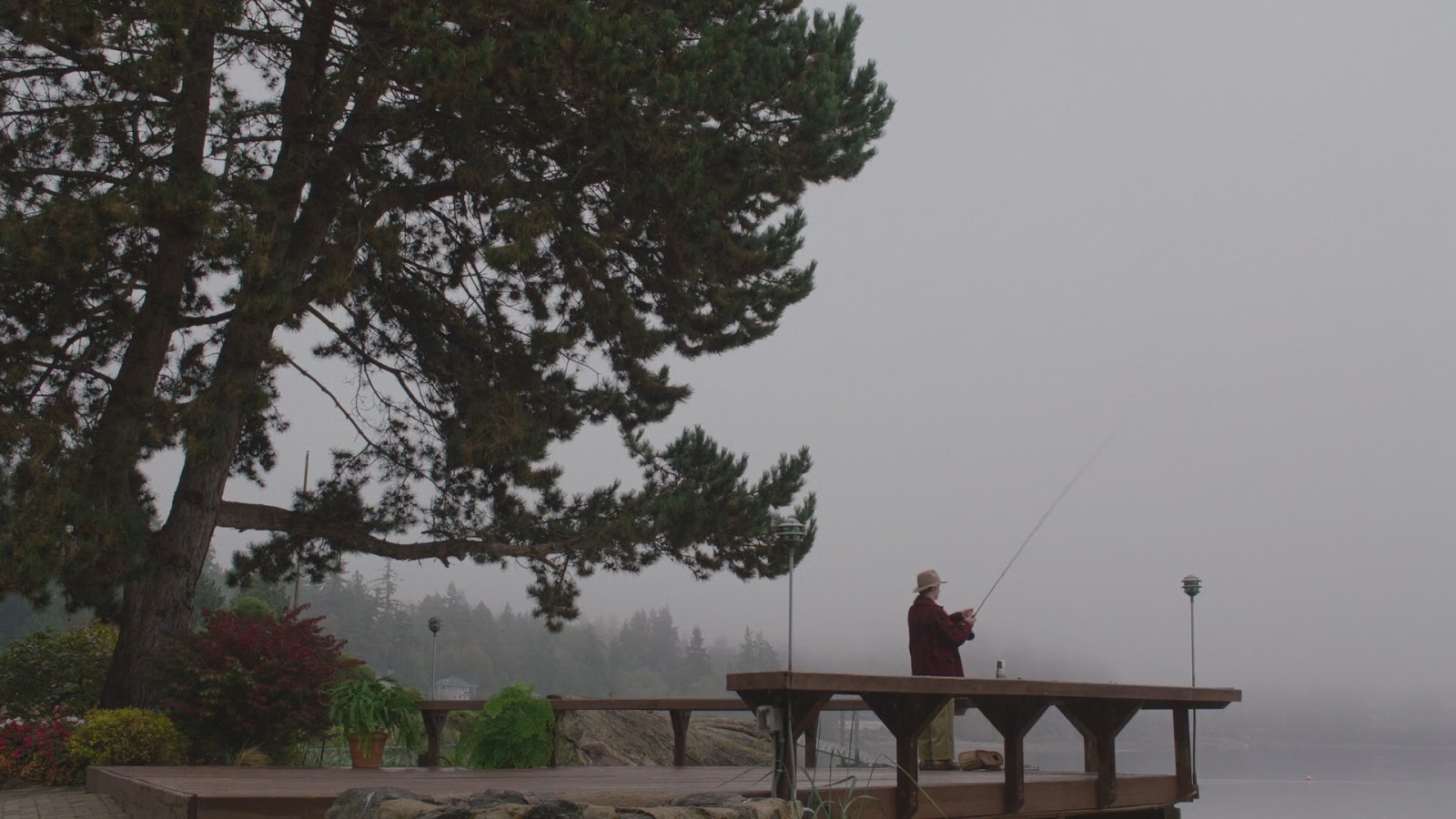 We are forced to ask what kind of dire consequences may result from Agent Cooper tampering with the timeline? Mark Frost lends his opinion that Agent Cooper is in way over his head with this problem and his decision to save Laura is not as clean cut as he had supposed. In a recent interview with
Empire Magazine
, Mark Frost was marketing his new novel
Twin Peaks: The Final Dossier
(2017).
We are forced to ask what kind of dire consequences may result from Agent Cooper tampering with the timeline? Mark Frost lends his opinion that Agent Cooper is in way over his head with this problem and his decision to save Laura is not as clean cut as he had supposed. In a recent interview with
Empire Magazine
, Mark Frost was marketing his new novel
Twin Peaks: The Final Dossier
(2017).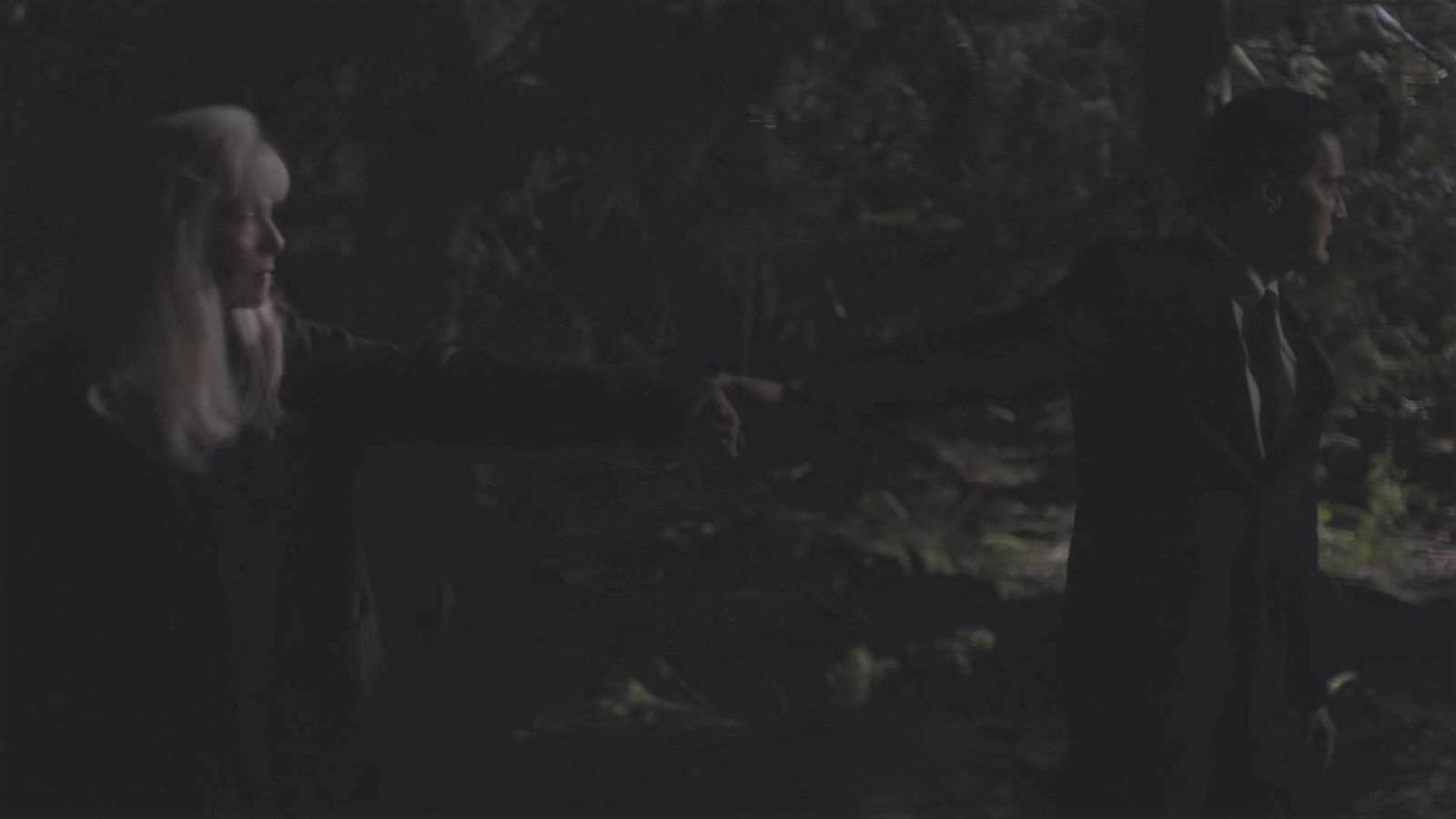 Mark Frost: “Cooper feels some sense of duty to undertake this last quest for Laura. He’s driven by it, and goes to great lengths to pursue it. And he encounters truly mortal danger, not just physically, but perhaps metaphysically. There are echoes of classic mythological themes.”
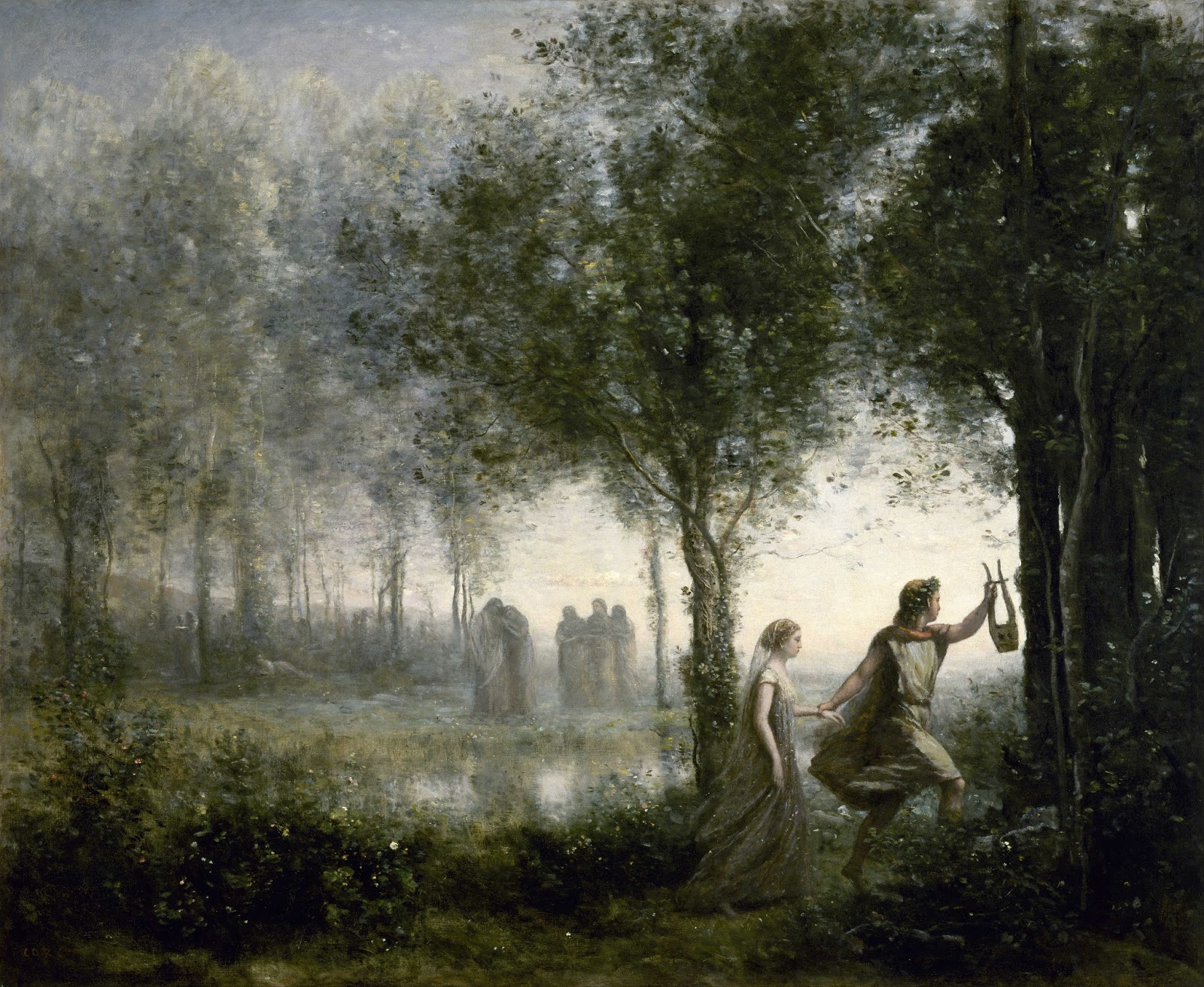 Mark Frost: “It’s Orpheus descending into the Underworld. You are playing with deep, profound, mysterious forces that will have unintended consequences. In the old mythology, as a mortal, to cross into the realm of what was thought of as the gods’, meant you risked everything. That’s what we’re seeing happen here.”
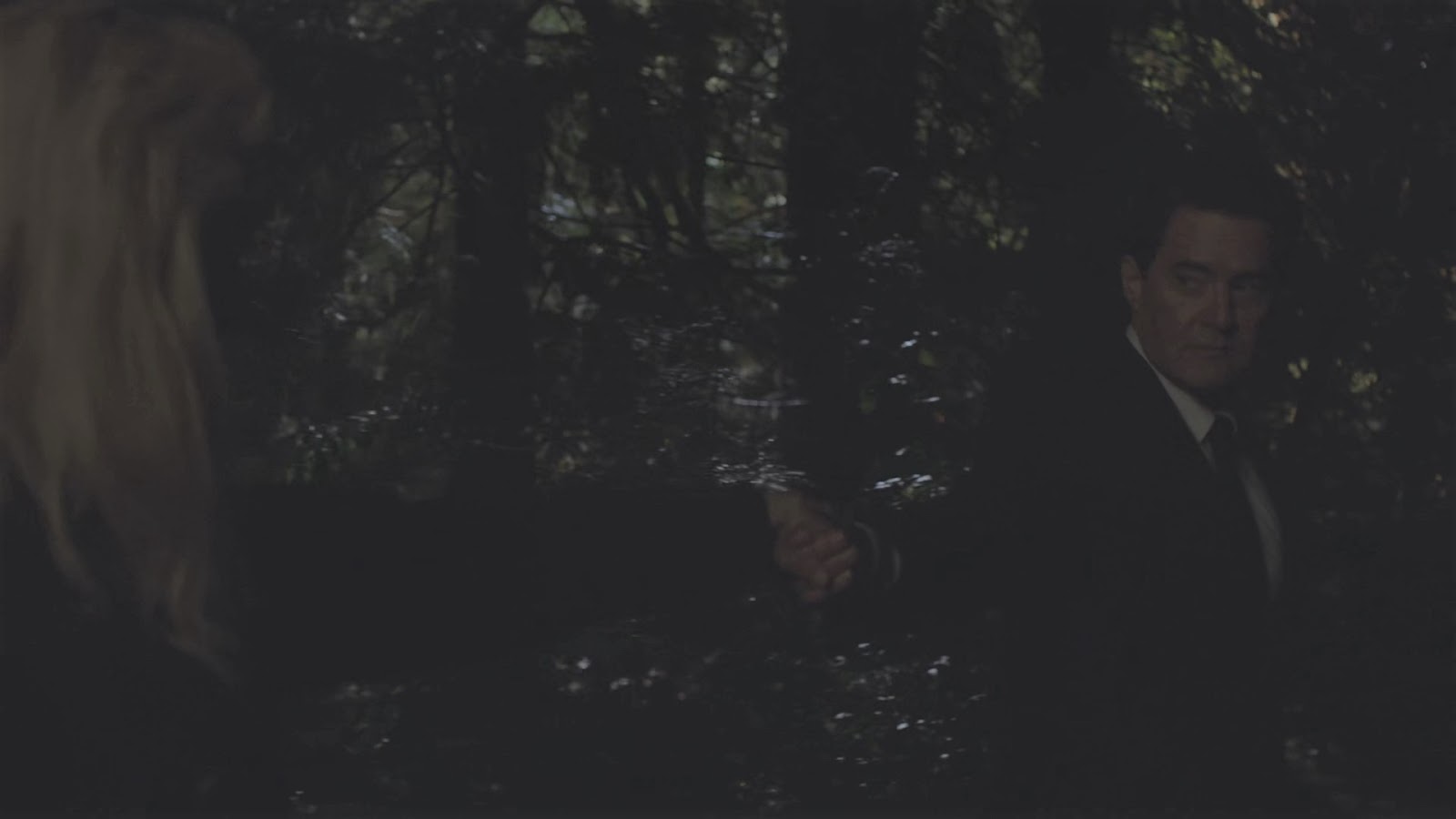 There are definitely noticeable parallels between Orpheus's quest to save Eurydice from the grasp of Hades, Lord of the Underworld. Does this imply that Laura Palmer may have slipped out of Agent Cooper's grasp once again? Is Cooper destined to be unable to save Laura Palmer? Is that his eternal frustration? Wanting to save her, but he cannot? Even with all his power?
 It might be a fitting tragedy to cap our hero's quest, for Agent Cooper to accept that some things are fixed points in time that should not be tampered with. But if so, it is a strangely Dr. Who-vian concept on which to cap Twin Peaks. Perhaps if we are lucky, we can persuade Mark Frost and David Lynch to provide a slightly happier ending to their story in a future season? But whatever the case, it will be fascinating to see what these two collaborators think up next.
Blu-Ray
Hardcover/Paperback
Audiobook
Special Offer for Two Free Audiobooks!
October 31, 2017
Preliminary Report on Mark Frost's The Final Dossier!
 Mark Frost's new novel Twin Peaks: The Final Dossier (2017) was finally released today, so the final decompression can finally begin. Peakers worldwide are now meticulously combing it and its prequel novel The Secret History of Twin Peaks (2017) for hints and clues about what the hell is going on in Twin Peaks: The Return (2017). Luckily, Mark Frost's provides several important insights, helping to all but confirm the most prominent fan theory for Audrey Horne.
 But with great novelistic power, comes great novelistic responsibility, and Mark Frost is up to the challenge to help provide some satisfying closure for these beloved characters without necessarily closing the door on creating new seasons of the TV series in the future. It is a tight balancing act, but Mark Frost seems more than up to the task in this potentially final Twin Peaks outing.
 In a recent interview with
Variety
, Mark Frost explained "David and I talked for a year before we ever started working [on The Return], so there’s no doubt that some of those ideas [in the new book] came up during that period of time. But also, you know, it was [me saying], 'David, you go make the show, and do what you do best, and I’m gonna do that with the books.' So you have to trust your partner."
In a recent interview with
Variety
, Mark Frost explained "David and I talked for a year before we ever started working [on The Return], so there’s no doubt that some of those ideas [in the new book] came up during that period of time. But also, you know, it was [me saying], 'David, you go make the show, and do what you do best, and I’m gonna do that with the books.' So you have to trust your partner." Strangely, around the time Twin Peaks: The Return began first airing, David Lynch was questioned about whether Mark Frost's first prequel novel Secret History should be considered canon and Lynch's response was, honestly, surprisingly dismissive. Lynch never read Frost's novel and remarked that it represented Frost's vision of Twin Peaks and not necessarily David Lynch's. And if you wanted to see Lynch's version of what happened, watch The Return.
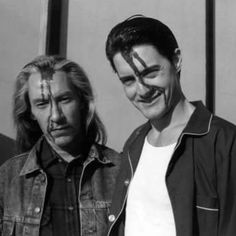
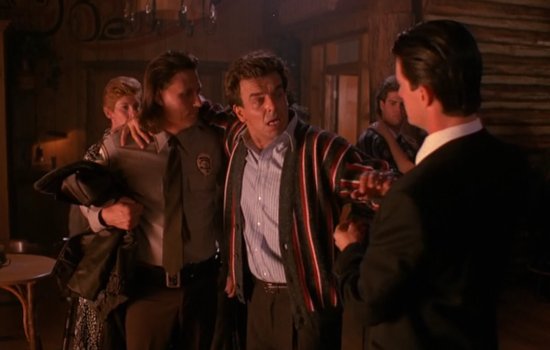 One assumes David Lynch's remarks apply to Frost's follow-up novel, too, The Final Dossier. At first I was a little dumbfounded at what could potentially sound like a little an undercurrent of hostility between the two co-creators. The two joint showrunners definitely had their disagreements in the past, including an alleged disagreement about making Fire Walk with Me a prequel instead of a sequel film to the series.
 But could the two co-writers really be at odds that much, or is there something else being revealed about the Twin Peaks narrative by Lynch's reaction? When I began thinking of an alternate explanation for Lynch's remarks, I began to think about the parallel realities that seem to exist in the TV series and media tie-in novels of Twin Peaks.
 Is it possible that the two showrunners have meticulously crafted a multi-dimension crossover story that actually shifts around different planes of Earth? After all, Twin Peaks Limited Even Series "The Return" does imply the existence of several different dimensions and planes of existence, and perhaps even alternate realities.
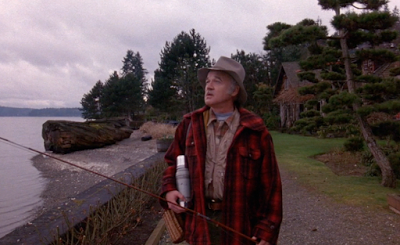
 To avoid spoilers, I will point out that the finale of Season 3 does feature possible time travel undoing a central act of the story before the series even began, implying a different reality might exist other than the one we saw in the original Twin Peaks (1990-91) TV series. We see a certain someone go fishing peacefully, implying a very different set of events transpired. Although, there are difficult leaps of logic to account for still, this would help explain many of the discrepancies between Frost's novel and the original series, i.e. the origin of Nadine losing an eye.
 So maybe David Lynch was not trying to be dismissive of Mark Frost's novel, but he was stating a truth that the novel is simply describing a different version of the world of Twin Peaks than the one David Lynch himself is currently exploring in the finale of The Return. And what is interesting is that the many mysteries left open ended in the TV show and the novels might actually have some answers when cross-referenced more carefully in the future.
 So I would argue that the important thing to remember is that regardless of potential dimension hopping, time travel, and paradoxes, Mark Frost wanted to give a gift of closure to Twin Peaks fans in his novels, but without closing the door on future seasons of Twin Peaks. And in that respect, he succeeded and his novels are must reads for die-hard Twin Peaks fans.
 In some ways, Mark Frost's Twin Peaks dyad of The Secret History and The Final Dossier, remind me of similar world-building tie-in books The Simarillion and The World of Ice & Fire, which complement their respective fantasy worlds, too. J.R.R. Tolkien's
The Simarillion
augments the characters, mythos, and world of
The Hobbit
and
The Lord of the Rings
, which was recently adapted into the uber-successful blockbuster trilogies
The Hobbit
and
The Lord of the Rings
, too. And George R.R. Martin's
The World of Ice & Fire
, of course, similarly fleshes out the background of his famous book series
A Song of Ice and Fire
, which was also recently adapted into HBO's highly successful TV series
Game of Thrones
(2011-18).
In some ways, Mark Frost's Twin Peaks dyad of The Secret History and The Final Dossier, remind me of similar world-building tie-in books The Simarillion and The World of Ice & Fire, which complement their respective fantasy worlds, too. J.R.R. Tolkien's
The Simarillion
augments the characters, mythos, and world of
The Hobbit
and
The Lord of the Rings
, which was recently adapted into the uber-successful blockbuster trilogies
The Hobbit
and
The Lord of the Rings
, too. And George R.R. Martin's
The World of Ice & Fire
, of course, similarly fleshes out the background of his famous book series
A Song of Ice and Fire
, which was also recently adapted into HBO's highly successful TV series
Game of Thrones
(2011-18).
More casual fans can probably skip these novels without much guilt, but for the more hardcore fans of these various fictional universes, they are all essential reading. So if even a little part of you wants to craft your own theories someday about the open-ended mysteries of the TV universe Twin Peaks, then Mark Frost's novels are essential reading.
Frost's novels have some very entertaining moments, too, and do provide some juicy info tidbits here and there throughout the text. Thankfully, The Final Dossier is a little more pointed in that regard, highlighting the more vital pieces of information than The Secret History did, which was a more sprawling and history-centric text. One such tidbit is Leo Abel Johnson's autopsy report, which shows that although he did have some non-lethal tarantula bites, his cause of death was definitely that of multiple 9 mm caliber gunshot wounds. Whoa! Someone actually tracked down and shot Leo to death in that cabin out in the woods, but after he suffered from the tarantula booby- trap.
 Windom Earle was stuck in the Black Lodge with Agent Cooper at the time, having left Leo in a convoluted contraption. Is it even possible Earle could have backtracked back to the cabin to finish him off with a pistol before rushing back? Highly doubtful. So did Mr. C (aka BOB-Coop, aka Doppel-Coop) hunt down Earle's cabin in the woods and eliminate Leo Johnson for... reasons? If so, why did BOB-Coop not use Agent Cooper's recently FBI issued 10 mm caliber sidearm for the job? Where did the 9 mm pistol come from? From Major Briggs, by chance?
 Another juicy tidbit revolves around the fate of audience favorite character Audrey Horne, who the last we saw in the classic series was apparently blown up in Thomas Eckhardt's safety deposit box bomb booby-trap. The Secret History revealed Pete Martell threw himself at Audrey Horne to shield her from the explosion.
 The Return dropped little nuggets of information about Audrey being in a coma shortly after BOB-Coop left the hospital after smashing Agent Cooper's face in a mirror. Before leaving the hospital, Doc Hayward recalls seeing Coop leave the room where Audrey was being held unconscious. Piecing together things, it soon became clear that BOB raped Audrey via Cooper's possessed body during her coma and she gave birth to a son, Richard. Richard Horne grew up into easily one of the most deplorable human beings of the whole series.
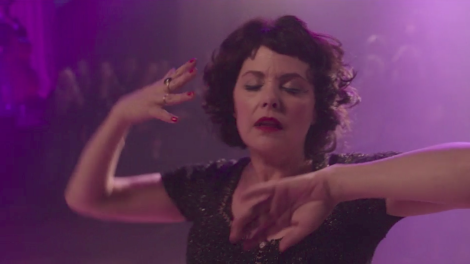
 Then The Return showed three very short and obscure scenes of Audrey Horne interacting with her little person husband Charlie with no concern over her son Richard's murder spree through town, but is instead concerned by the disappearance of her boyfriend "Billy." In Audrey's final scene, she surreally dances her classic diner dance from Season 1, but as a much older woman while in the middle of a strangely attentive audience at The Roadhouse before she apparently wakes up to reality of herself in a white room, wearing white, in shock as she stares at her own face in a round vanity mirror.
 This instigated several fan theories, the three most popular of which are as follows:
1. "Audrey is still left in a coma from the explosion that went off 25 years earlier at the bank. She never woke up."
2. "Audrey did wake up from the coma, but was left brain damaged from the incident and she is hallucinating while living our her life in a mental institution."
3. "Audrey's rape and birth of a part Lodge entity has caused her mind to get, at least part way, stuck in the Black and/or White Lodges or their various waiting rooms. She requires assistance from Agent Cooper escaping her multi-dimension prison."
 Mark Frost offers some clues in The Final Dossier that reveal Audrey spent three and a half weeks in a coma from the bank explosion before waking up. She was pregnant with Richard and had to drop out of high school and later completed her GED (high school equivalency test). She apparently raised Richard by herself while owning a hair salon. Audrey did marry her accountant, in a clear marriage of convenience, who apparently is the little person Charlie from Audrey's hallucinations in The Return.
 At the time of the series, Special Agent Tammy Preston is unable to verify where Audrey Horne is, as Audrey seemed to have some type of break down as she shuttered her salon permanently and was never publicly heard of or seen again. Preston does question the Hornes about whether or not Audrey is being kept in a rumored private care mental health hospital, but the Horne spokesperson declined to comment. But it is heavily implied that all the evidence points to that being exactly where Audrey Horne is now. So while we cannot be one hundred percent sure, it seems theory number 2 is correct.
 The crucial final words of the original Twin Peaks was a possessed Cooper repeating over and over again, "How's Annie? How's Annie? How's Annie," while maniacally laughing. Annie Blackburn's character was mentioned offhandedly once in The Return in context of Laura Palmer's dream of Annie communicating a message to her about the "Good Dale" being stuck in the Lodge and she should write it in her diary. Aside from this one mention by Sheriff Truman, she is never referred to again throughout The Return.
 Oddly enough, Annie Blackburn is apparently also kept in a mental health facility, where once a year and once a year only she speaks the only words she ever speaks on the anniversary of her exit from the Black Lodge, "I'm fine." Although she is alive, her mental state is apparently even more damaged than Audrey's, at this time. A BOB-possessed Cooper certainly leaves a lot of psychic damage to his female victims in his wake, helping to explain the extreme distress Diane always seems to be suffering.
 Meanwhile, Donna Hayward apparently left Twin Peaks and never turned back. Not much else is revealed about her fate beyond that, probably in the hopes of bringing her character back for a future season of Twin Peaks.
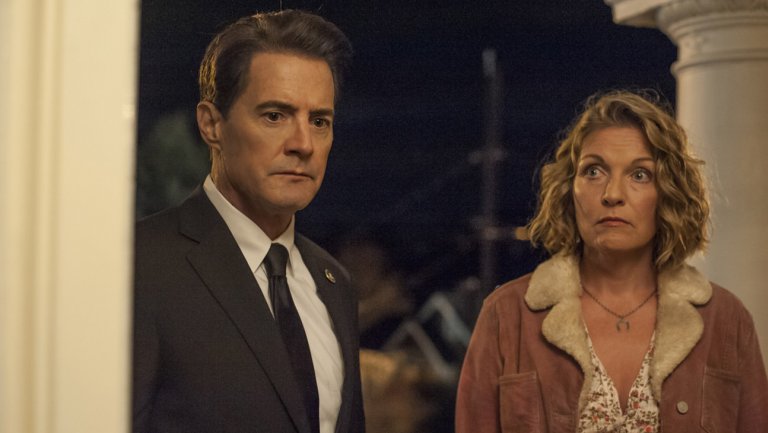 As for Laura Palmer (SPOILER WARNING), after the events of the Twin Peaks finale we are mostly lead to believe everything changed and was erased from the original Twin Peaks timeline. However, we do discover that Laura Palmer (although never found murdered) did disappear from home permanently and became a missing person. And apparently, Cooper was sent briefly to Twin Peaks to investigate, implying some of his investigation could have still played out similarly to the way it did in the original timeline.
Blu-Ray
Hardcover/Paperback
Audiobook
Special Offer for Two Free Audiobooks!
October 30, 2017
Steve Martin vs Stanley Kubrick Chess Match
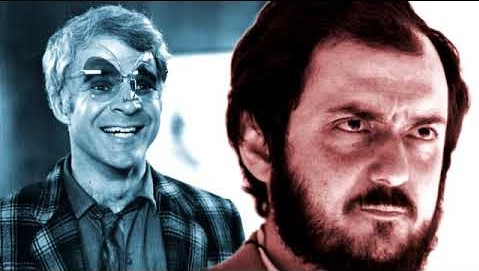 Earlier this Summer, Charlie Rose interviewed Steve Martin on a number of topics, but of particular interest to Rose was an anecdote of the typically reclusive director, Stanley Kubrick. The year was 1980 and Steve Martin was a standup comic-turned actor starting to receive a lot of attention for his film work,
The Jerk
(1979) having just been released in cinemas worldwide. Kubrick invited Martin to an unforgettable time at the famed director's English estate.
Earlier this Summer, Charlie Rose interviewed Steve Martin on a number of topics, but of particular interest to Rose was an anecdote of the typically reclusive director, Stanley Kubrick. The year was 1980 and Steve Martin was a standup comic-turned actor starting to receive a lot of attention for his film work,
The Jerk
(1979) having just been released in cinemas worldwide. Kubrick invited Martin to an unforgettable time at the famed director's English estate. To Stanley Kubrick's and Tom Cruise's credit, it is extremely difficult now picturing anyone else bringing to life the part of Dr. William Harford in
Eyes Wide Shut
(1999). Steve Martin in the part during the 1980's would have certainly made for a much different adaptation of the text, likely skewing the material even further toward dark comedy. Maybe one day we can catch this version of the film playing on Rick and Morty's interdimensional cable.
To Stanley Kubrick's and Tom Cruise's credit, it is extremely difficult now picturing anyone else bringing to life the part of Dr. William Harford in
Eyes Wide Shut
(1999). Steve Martin in the part during the 1980's would have certainly made for a much different adaptation of the text, likely skewing the material even further toward dark comedy. Maybe one day we can catch this version of the film playing on Rick and Morty's interdimensional cable.Blu-Rays