Michael Adam Warren's Blog, page 5
May 22, 2018
Blue Velvet - Masterpiece Films
 A fun homage to PBS's Masterpiece Theater, YouTuber Consequence of Sounds takes that old show's format to showcase classic films instead of books. Here she dissects some of the elements of David Lynch's 80's masterpiece to showcase why it still enthralls audiences as much (if not more) today than it ever did before.
Leah Pickett hosts and narrates this brief program and she helps make her analysis informative and entertaining to listen to, which is always a welcome sight in these kinds of videos. I really have no idea if my original blog, 35 Years of David Lynch , helped inspire Leah and crew in their analysis. But a part of me hopes so, because this video essay represents exactly the kind re-examination of David Lynch's work that I wanted to encourage all along.


May 21, 2018
Two World Theory of David Lynch
 We continue our ongoing project to spotlight the best and most intriguing David Lynch related video essays currently available on the net. This week we begin with a look at YouTuber Astin Lopez's brief video discussing his "Two World Theory" of Lynch's film work. Although his essay presents some excellent examples from Lynch's early films, the analysis itself does not run particularly deep into exploring its intriguing subject.
The video essay is just 5 minutes and 51 seconds long. The rest of the video's 11 minute running time is just blank space. One YouTube commenter seems convinced the editor intended it as a wink to his Two-World Theory. I personally think it would have been a little more professional without adding the excess empty video runtime. And if anything, it is a frustrating tease, because it betrays the audience with the impression of a deeper analysis coming, when it suddenly cuts off halfway through.
 Actually, I am a little surprised how quick Astin Lopez was in explaining and illustrating his interesting point. Again, too quickly for my tastes. I would have enjoyed going a little deeper analysis and exploration on this topic. Astin actually has a good voice for this kind of essay narration. In spite of some of its ironically surface level quickness, I still found myself enjoying his video essay and I was left wanting more; a lot more. Maybe he will expand it someday.
May 19, 2018
Update on 40 Years of David Lynch Revisions
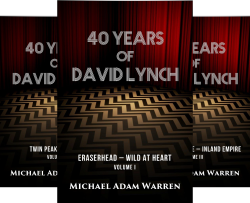 Thank you to the patience of the readers who have the preliminary copies of my books right now. I had intended on finishing them much faster than this, but several more unavoidable time-consuming distractions slowed me down. I will go into some more details about my crazy year below, but suffice it to say that I am a man of my word and I am determined to finish soon the final revisions on my all my books in the 40 Years of David Lynch series. Thank you again for your patience.
I have had two sick family members require a huge amount of my attention to take care of since the beginning of last year in Houston. I ended up needing to take care of them through Hurricane Harvey hitting, which threw all our lives in further disarray. Harvey ended up spreading tons of pollutants and chemicals around our area, too, causing some extreme reactions in my already sick family members and myself.
 There was no one else to turn to for help in my family, so I still struggled to take care of all of us throughout the hurricane aftermath. Do not get me wrong, we were relatively lucky to avoid the brunt of the worst flooding and storm damage. But still, it was a very rough and long storm to ride out with grocery stores and other places of business in the area closed throughout most of it. And again, the spread of strange bacteria and disease, as well as other pollutants, made it a particularly difficult time for us healthwise, too.
 As soon as I began to recover enough to start heavy duty writing duties once more, the government summoned me for an unusually lengthy Jury Duty. They asked us to be discrete about the case and try to avoid mentioning it publicly to help preserve the anonymity of the jury at the time and help the system function correctly.
 It was a strangely stressful and complicated case with many technical aspects to juggle around in our individual heads, but to the credit of the American system of justice, eleven other strangers worked together with me to analyze the case and deliberate it together to render what felt like a relatively just verdict given the circumstances. And I was relieved when it finally ended.
 No Popstar Divas Showed Up to Serve on Our Jury, Either.Some Juries Get to Have All the Fun.Although I am still taking care of those same sick family members I mentioned earlier, I think things have stabilized enough to enable me to finish revising my books and deliver them to you soon. Again, everyone who has purchased a copy of the book up until now should receive the finalized edition when it is ready. It is possible the price might go up later, so this might be a good time to complete the set.
I am also working on the paperback releases of the books, which are turning out nicely, too. So again, I thank you for your patience. I definitely never anticipated so many obstacles to pop up in my life. And it is time consuming to get my books up to spec without the help of an editor or publisher. Aside from a trusted beta reader, I am self-publishing completely solo, so everything has to be done meticulously by me.
 It is a great relief to have the support and patience of all my readers through all of this. In a strange way, it has actually made me feel closer to you all, since I know there many of you anxiously awaiting my finished work. Thanks for your words of encouragement. I cannot wait to show you what I have in store for these complete editions.
May 18, 2018
Twin Peaks: The Return Analysis - Malmrose Projects
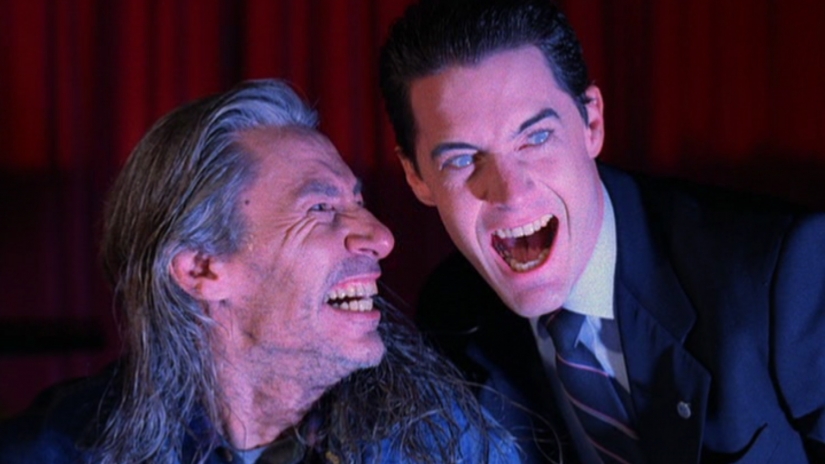 And to finish off our look this week at Malmrose Projects various David Lynch video essays, we end with a look at his final analysis: Twin Peaks: The Return (2017). Although Malmrose shares many of my views on the new series from the dynamic duo of David Lynch and Mark Frost, but for my personal views I go into much more detail in my fourth volume of my book series: 40 Years of David Lynch.
But as analyses of the new Twin Peaks go, I definitely think Malmrose provides one of the best and most succinct examinations. For so much material to cover, he does a good job of summarizing his key points and keeping his analysis limited to overall character arcs and themes. Malmrose seems a little self-effacing in his video and I hope he continues his good work into the future.
May 17, 2018
Steamed Hams in Twin Peaks (A Parody of The Simpsons)
 Perhaps it was just a matter of time before the classic "Steamed Hams" meme from The Simpsons (1989-Present) was crafted into the style of a Twin Peaks (1990-91) scene, but YouTuber First Issue Ever! (Steven Honeycutt) did it first and did it well. I like his re-editing to make it more in the style of David Lynch's TV series, utilizing a couple other Twin Peaks parody moments from The Simpson's run.
First Issue Ever! described his video in these terms: "What if the now classic 'Steamed Hams' segment from the Simpsons episode '22 Short Films about Springfield,' took place in Twin Peaks?" He then accredits the music to Twin Peaks composer Angelo Badalamenti and credits himself as editor "Edited by:@StevinFinite"

 For more information on the Steamed Hams Meme, check out this web page that has been tracking the phenomenon. "Steamed Hams" was a hilarious segment from The Simpsons, Season 7, Episode 21, titled, "22 Short Films About Springfield." It was intended as a spoof on Quentin Tarantino's Pulp Fiction (1994), although if you ask me, the episode's anthological structure revolving around a city owes a little more to Richard Linklater's Slacker (1991).
Inland Empire Analysis - Malmrose Projects
 Next we explore Malmrose Projects's video essay on David Lynch's Inland Empire (2006). Where Mulholland Dr. (2001) was gorgeously filmed and executed, David Lynch's follow-up film was his first feature film to be entirely shot on home video quality Digital Video. Lynch said he liked the texture of the video, which reminded him of the silent film era of blotchy film.
And in a weird way, Inland Empire (2006) does feel a little like an old, practically antique film print one would find in some random dusty basement. You strain a little to see what's going on and the whole events play out more like a home video than a professional film. This gives everything a strange sense of grounded realism, in spit of the surreal plotline. Malmrose loves the enigma presented in this film and gives a much lengthier video essay about this than he does most the other David Lynch titles.
May 16, 2018
Mulholland Dr. Analysis - Malmrose Projects
 We proceed to the next David Lynch video essay by Malmrose Projects, the critically lauded Mulholland Dr. (2001). Sight & Sound Magazine declared it the best film of the 21st century, so far. Although the analysis here is brief, it is still engaging and well-explained. It is a pure cinematic dream and one of the most intriguing films to watch and discuss.
While Hollywood is literally overcrowded with movies about the film industry itself, few capture the strangely ethereal spirit of Hollywood that attracts people from around the world like Mulholland Dr. does. And conversely, few films better render the gritty, seamy underbelly of the city. This contrast of light and darkness is something David Lynch has sought to do in each of his films, and Mulholland Dr. is when David nailed the concept perfectly.
 Roger Ebert ended his review of Mulholland Dr. (2001) by saying, "This is a movie to surrender yourself to.... Mulholland Dr. works directly on the emotions, like music. Individual scenes play well by themselves, as they do in dreams... The way you know the movie is over is that it ends. And then you tell a friend, 'I saw the weirdest movie last night.' Just like you tell them you had the weirdest dream."
May 15, 2018
Lost Highway Analysis - Malmrose Projects
 We happily present the next David Lynch-related video essay by Malmrose Projects, his analysis of Lost Hghway (1997). Unlike some of the other YouTubers on our list, Malmrose skipped over reviewing the majority of David Lynch's filmography. We can assume he is more interested in discussing Lynch's last three films released theatrically rather than analyze his work as a whole, which is why he skipped directly to what he cares about most. I would be pleased if one day he went back to address David Lynch's other films, which are an amazing odyssey.
Where David Lynch's Mulholland Dr. (2001) is refined and precise in its pace and tone, Lost Highway (1997) is raw and rough. And aside from flipping the gender of the central protagonist, both films are very similar in overall story, tone, and theme. It is almost like both movies are twin films, each nearly identical in their general form. One could even call them doppelgangers, which is a theme near and dear to David Lynch's heart since Twin Peaks (1990-91) and its prequel film Fire Walk with Me (1992).
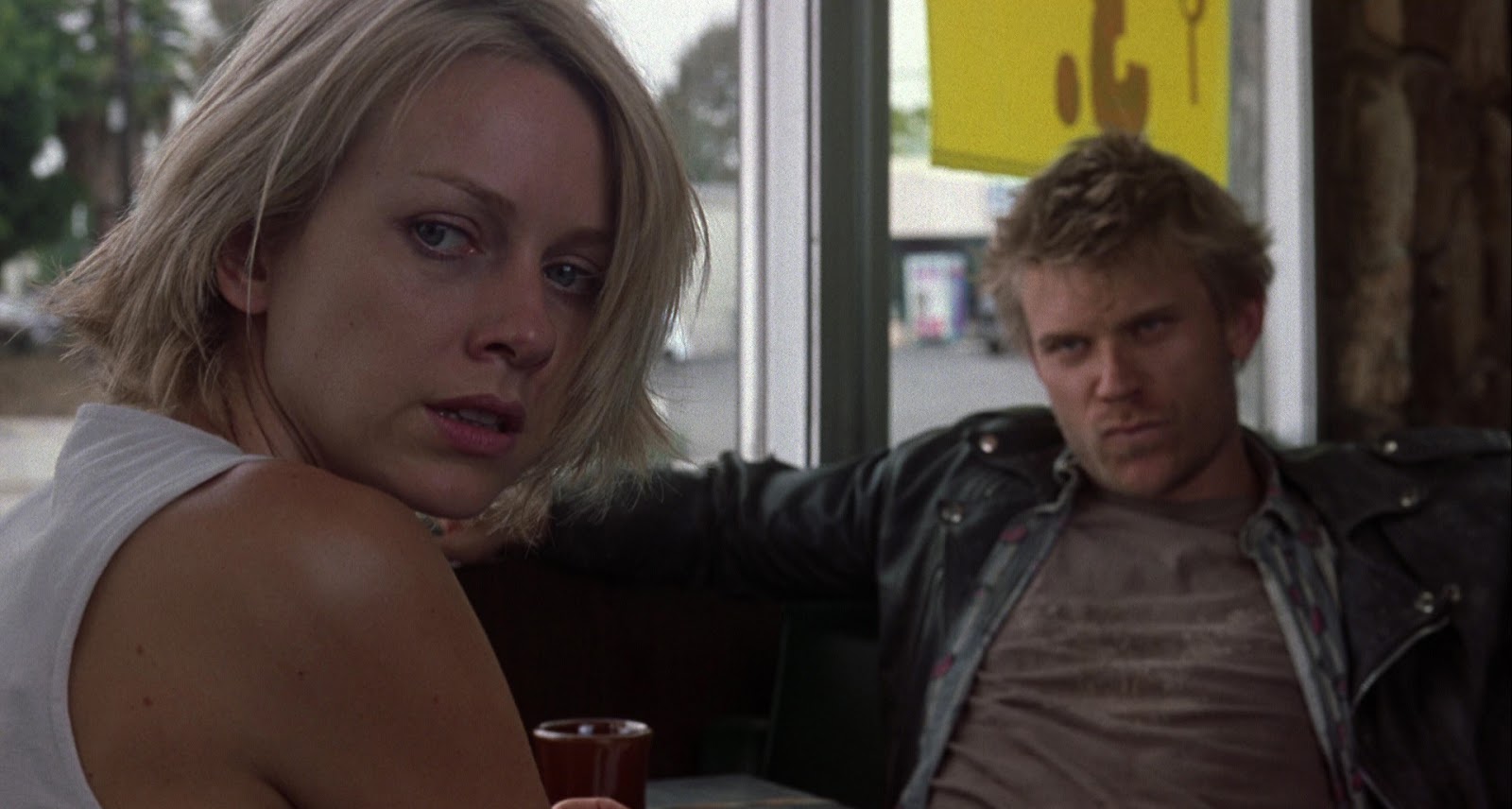 Ostensbily, both Lost Highway and Mulholland Dr. are about a fractured human mind trying to coherently explain away its own madness, coping with the brutal murder a loved one in the City of Angels. Are strange conspiracies and supernatural forces betraying the central protagonist and ruining their lives? Or are these protagonists deluded, self-centered people trying to rationalize their own horrific behavior?
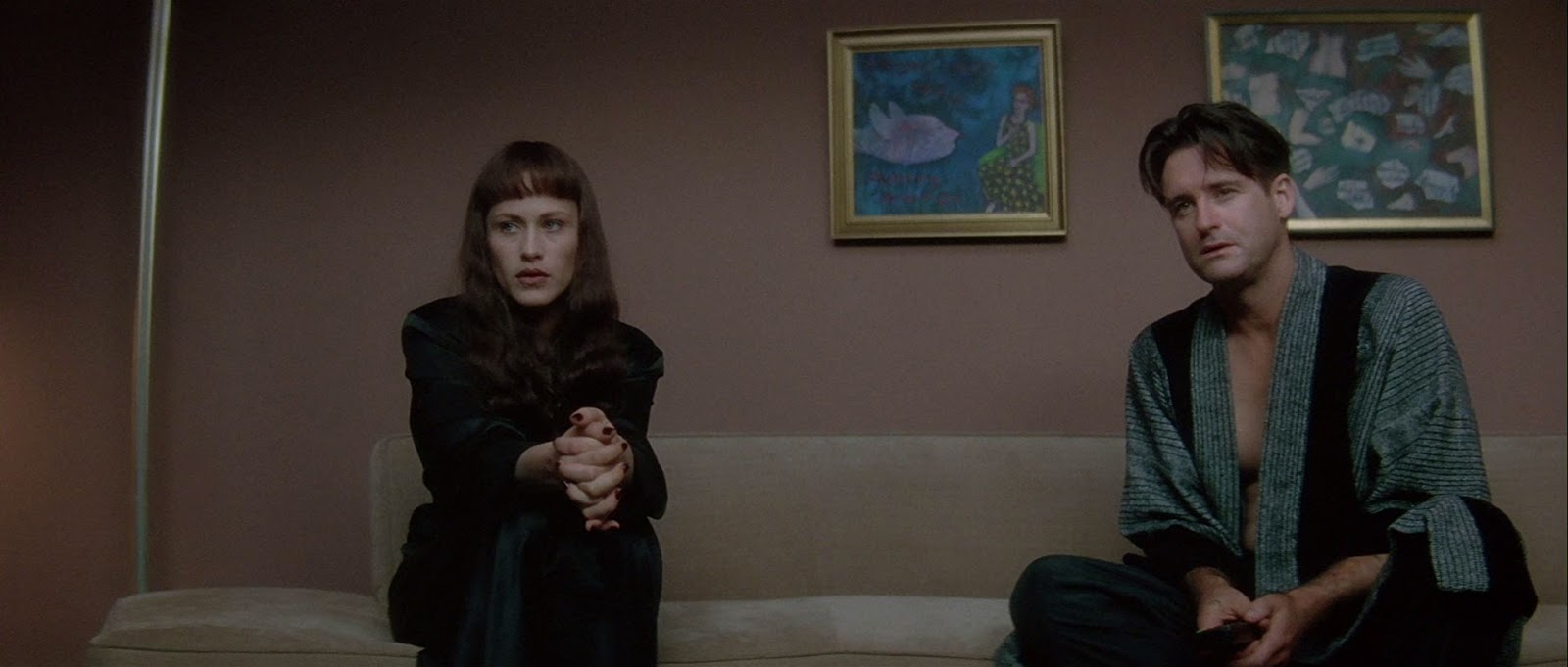 Neither film offers easy answers to these questions. Both are ambiguous and surreal, particularly in the way they pull the carpet out from underneath the audience with new and disturbing revelations about each film's star. Yet in spite of their similarities, Mulholland is the film that gets most of the credit and adulation, admittedly for good reason. But to an extent, it feels like David Lynch is a painter obsessed with the same subject now and he has never stopped trying to make Lost Highway ever since 1997.
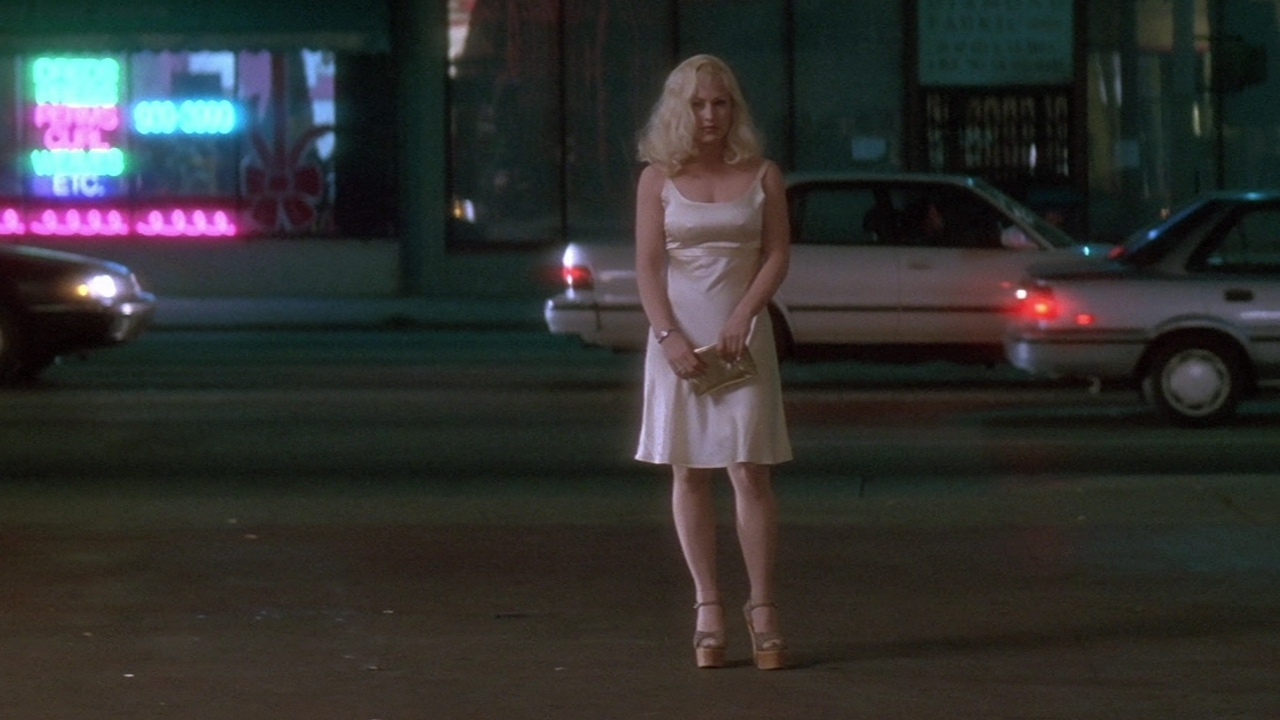 To an extent, even though not explicitly sharing the same structure as Lost Highway (1997), David Lynch does use his same bag of tricks from this film in his later Inland Empire (2006), too. Particularly, the central protagonist weaving in and out of different identities, plagued by possessing spirits and troubling demons. Or is this supernatural threat a more symbolic representation of how men and women feel in failing relationships? Watch Lost Highway and decide for yourself.
May 14, 2018
R.I.P. Margot Kidder (Lois Lane)
 Margaret Ruth Kidder, better known by her screen name, Margot Kidder, passed away yesterday and the world is a slightly darker place for the loss. Although she performed in many dozens of roles over the years, she will always be Lois Lane to the majority of us who grew up watching her exuberantly perfect performance in Richard Donner's Superman (1978) and Superman II (1980).
Unfortunately, some of her troubled life experiences later in life opened her up to some pretty mean-spirited ridicule and some of this negative press makes hard to describe her immaculate performances from the seventies. She has an all-American girl-next-door charm that allows her to feel somehow sexy and yet innocent at the same time.
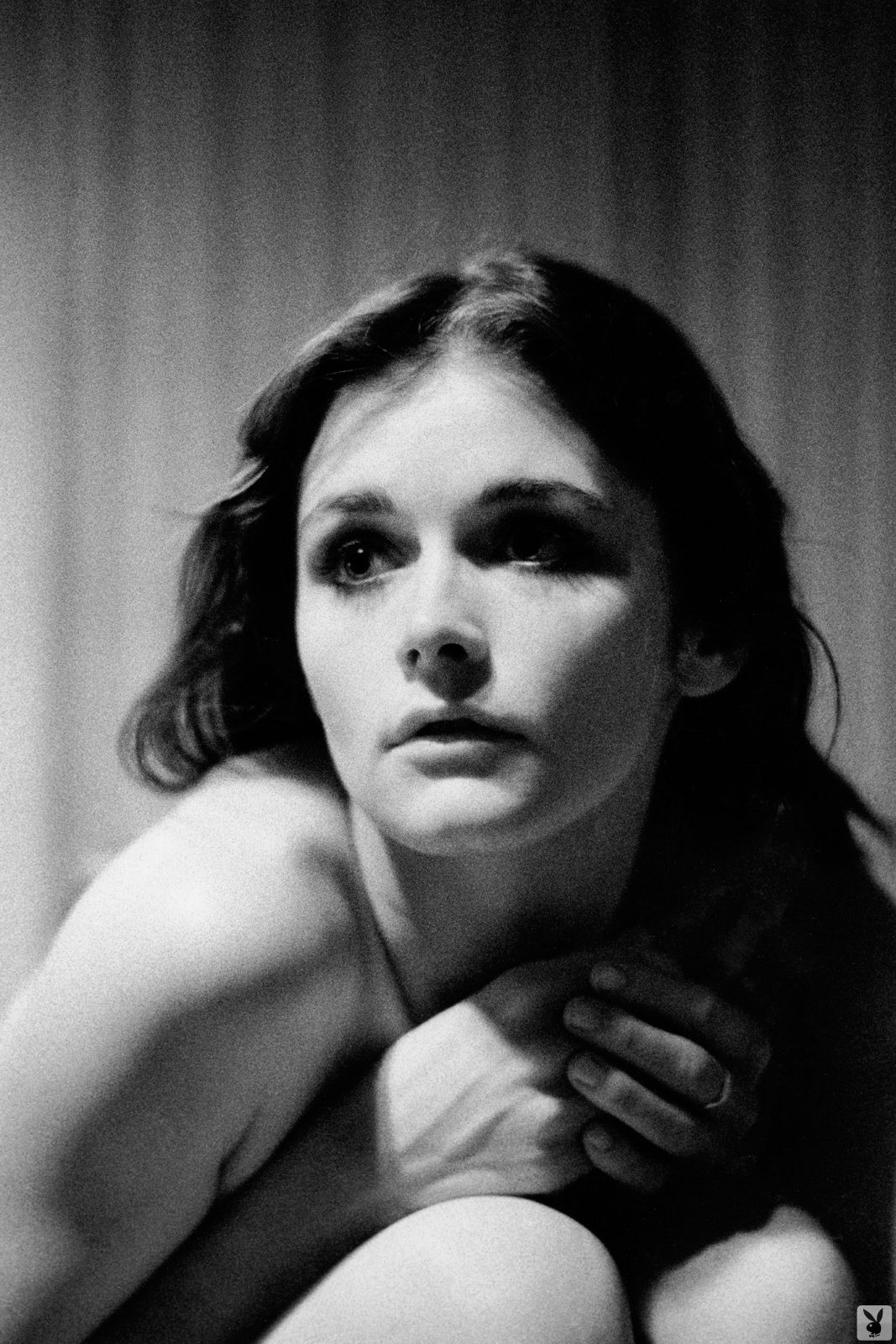 It is a difficult quality to verbalize in words, but is unmistakable when seen in action on film. This made her an ideal, likeable protagonist in horror and superhero action films without ever feeling like a traditional damsel in distress. Margot Kidder plays roles of strong-willed women who are great role models for young women, yet is still somehow feminine and vulnerable, but far from helpless.
 Especially in her acting prime, she literally lights up the screen whenever she's on it. Yet she never feels like an object, but is always a fully realized female. She never seems anything less than an intelligent, strong, capable, and well rounded woman. And not just in the characters she plays, but in the inner glow of the actress herself. It makes sense that Superman would need a Superwoman acting opposite him to make his character come to life. Margot was the perfect casting choice.
In a time when genre movies tended to lean toward dystopian, dark, depressing, and tragic endings, George Lucas's Star Wars (1977) and Richard Donner's Superman (1978) were breaths of fresh air to the movie-going public. And these two blockbusters helped revitalize the film industry by breathing life and growth back into the public's collective dreams, again.
 And honestly, Margot Kidder and Christopher Reeves had some of the best on-screen chemistry in film history. Their performances simmered with a youthful, yet sophisticated romance rarely seen in romantic films, let alone superhero movies. I think a part of all of us felt secretly ripped off that Chris and Margot never got married, which would have thrilled the world.
 It was difficult on Margot to have her starpower eventually lower in the sky and after a car accident and a period of relative obscurity, she very publicly suffered a nervous breakdown. But rather than being embittered and angry about these embarrassments apparently caused by deteriorating mental health, she actually rallied, turned her life around, and remained in good spirits afterward throughout the remainder of her life and would even joke about it from time to time.
  Margot Kidder once remarked, "What happened to me--the biggest nervous breakdown in history, bar possibly Vivien Leigh's--is not so uncommon. I've had thousands of supportive letters from all over the world. It's just that mine was public. If you're gonna fall apart, do it in your own bedroom."
 Over the decades since then, Margot Kidder has regularly performed in smaller roles, TV guest appearances, and even voice work in some successful children's animated series. I actually grew up Saturday mornings hearing Margot give life to the evil antagonist character Rebecca Madison in the excellent animated series: Phantom 2040 (1994-96).
Eraserhead Analysis - Malmrose Projects
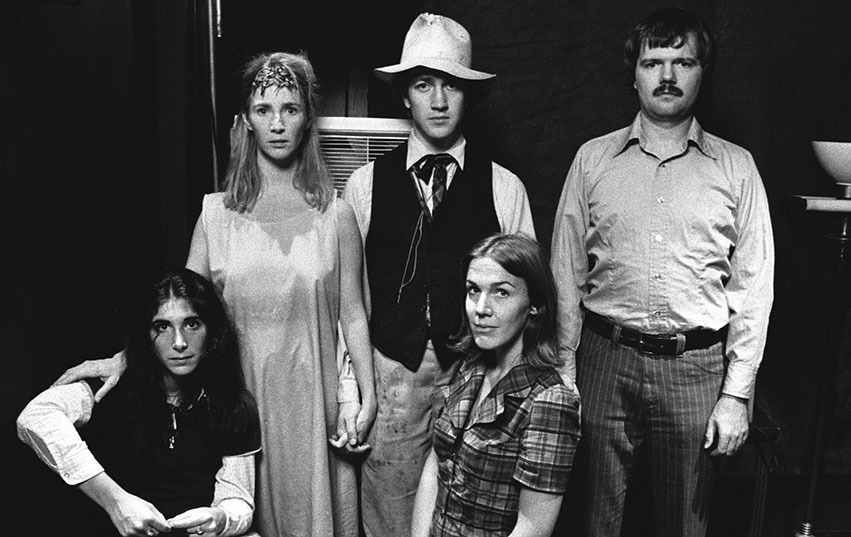 I have admired YouTuber Malmrose Projects for a few years now and I want to take this opportunity to point you to her channel on film and TV analysis. We begin with her study of David Lynch's feature directorial debut and student film extraordinaire: Eraserhead (1977). Lynch describes this "troubling dream of terrible things" as his "most spiritual film."
Why? That is anyone's guess. Most people get caught up in the grotesque imagery and strange dream logic that persists from the opening to the closing of oneiric film. It is a mystery. It is a challenge. It is a dreamscape. And for most new parents, it is a monstrous nightmare as difficult to accept as it is impossible to ignore.