Michael Adam Warren's Blog, page 4
June 14, 2018
Shadowhunters: The Mortal Instruments (2016-19) Cancelled?!
 I am baffled to relay the news that a surprisingly great TV series Shadowhunters: The Mortal Instruments (2016-2019) has just been cancelled by its parent FreeForm. It is baffling to me, because this relatively small show, almost completely off the public's radar, has slowly grown over the past three years into my favorite show on television.
Of all times for Shadowhunters to be cut off, why choose the zenith of its plot in the middle of Season 3? This is clearly a show that needs at least six seasons to wrap up its story, given their reasonable pace of approximately one book's worth of material per season. Please forgive the hyperbole, but in some ways this feels like the tragic death of a loved one, who was taken from us far too early. Shadowhunters, after all, had just reached its peak of high drama.
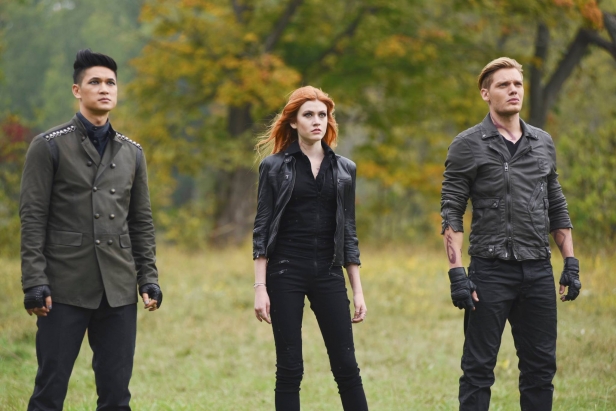 To have the show inexplicably shot down out of nowhere, in its prime, and laid to rest even though it clearly had many great years of life left to live, well it leaves a special kind of pain with those of us who had looked forward to those years. This evokes the feelings that happened when Firefly (2003) was cancelled.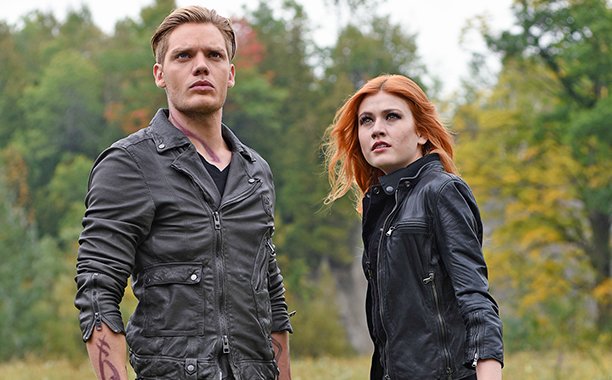
Sure, the show may have had some shaky moments here and there, particularly in its early first season, but the show has become a consistently interesting nighttime soap opera blended with supernatural adventure into an irresistible experience for men and women to enjoy alike. And its cast is not only ridiculously attractive, but thankfully extremely talented, too.
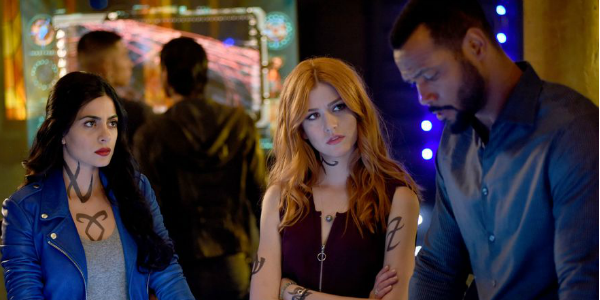 It has to be strange to hear this grief from a grown adult about a show that was ostensibly marketed for teeny boppers on the equivalent of the CW's less successful stepbrother's studio, ABC Family, which then became FreeForm. But that would be because you have not had the unique experience of watching all three seasons of Shadowhunters for yourself, yet.
 For those of you who have not watched it yet, I cannot really blame you. I admit to a little skepticism when I first heard Cassandra Clare's best-selling young adult series of novels The Mortal Instruments was going to be adapted into a TV series rather than completed as a series of movies, as originally intended by the producers of the film The Mortal Instruments: City of Bones (2013).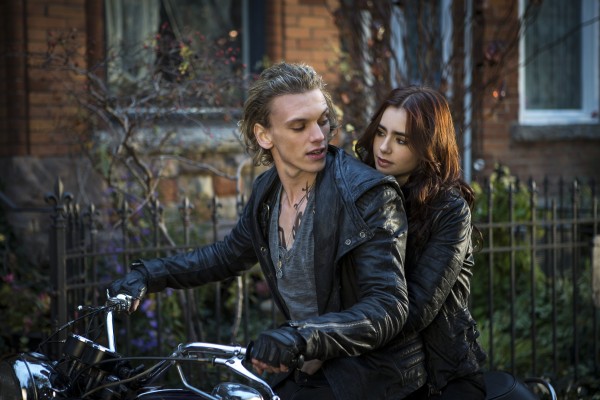
With the Harry Potter films wrapping up in 2011 and the Twilight films in 2012, a number of young adult series of novels were adapted to the screen in the hopes they would strike while the iron was hot. The Hunger Games (2012) ended up leading the pack with exceptionally strong box office and audience ratings. But meanwhile, decent but somewhat lackluster performing film adaptations of The Mortal Instruments: City of Bones (2013), Ender's Game (2013), Maze Runner (2014) and Divergent (2014) tended to not connect as strongly with their intended audience.

My immediate family members seemed to be among the few people who really connected to The Mortal Instruments feature film. At the time, the core audience were readers of Cassandra Clare's novels, and they tended to be upset at the sloppiness of the adaptation to screen. I had no such expectations to disappoint, at the time, so I just enjoyed the film and its excellent cast on their own merits.
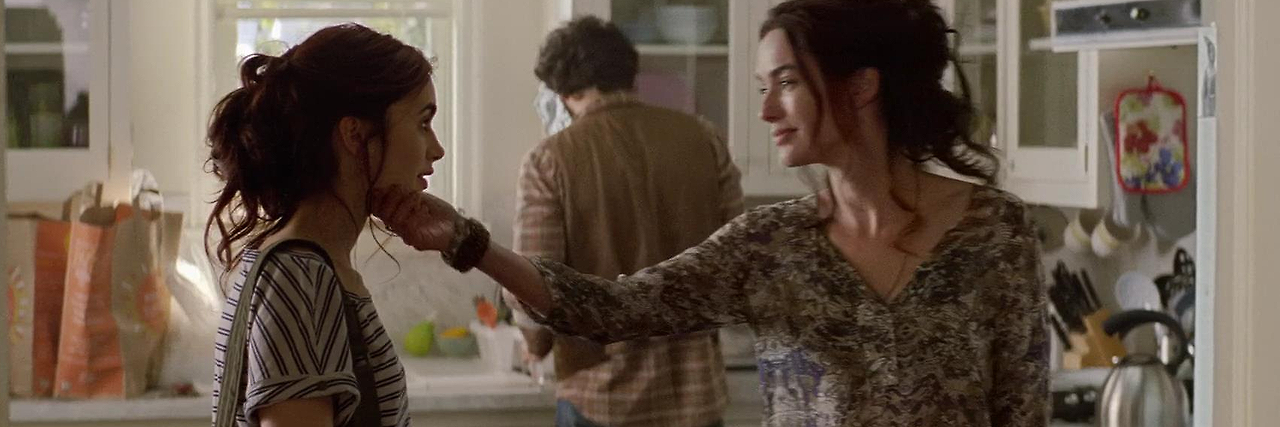 In many ways, the film felt like a continuation of supernatural thrillers mixed with comedy in the tradition of Ghostbusters (1984) and Joss Whedon's amazingly underrated TV series Buffy the Vampire Slayer (1997-2003). And I was a huge fan of Lena Headey's already from her work on Zack Snyder's 300 (2006), her remarkable turn on Terminator: Sarah Connor Chronicles (2008-09), and her tour de'force performance in Game of Thrones (2011-19). So Lena Headey's starpower was enough to draw me to The Mortal Instruments: City of Bones (2013) and give it a shot.
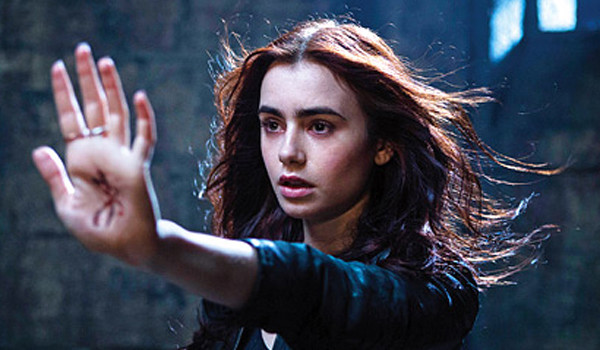 And honestly, unlike many of the movie's critics, I was not disappointed. I found the film a little uneven, rushed, and raw at times, but I liked its spirit and gumption. It felt like there was a fully realized fantasy story universe here that I could really grow to love, which also had an interesting mythology with equally interesting characters inhabiting the world. I was hooked in and ready to see where the movies would lead next.
But then came the disappointing news that the film's lack of runaway box office success meant the production company would no longer move forward with its planned series of sequels. I checked with Box Office Mojo and discovered The Mortal Instruments had a production budget of $60 million and the film's total box office performance was $95 million.
 The only loss that could have occurred is if the studio over-promoted the film and spent too much on marketing, which is likely what happened here. It is typical for a studio to invest in marketing and advertising as much as they spent on the production budget itself. So the practical budget of the film may have been closer to $120 million.
 Given the over-promotion of the first film was a sunk cost, I personally think the studio should have moved forward with a sequel and just cut the marketing budget in half until the pair of films together pushed them back into the black. That was my thinking at the time from the comfort of my armchair, at least. I acknowledge those calls are a lot tougher when its your livelihood on the line.
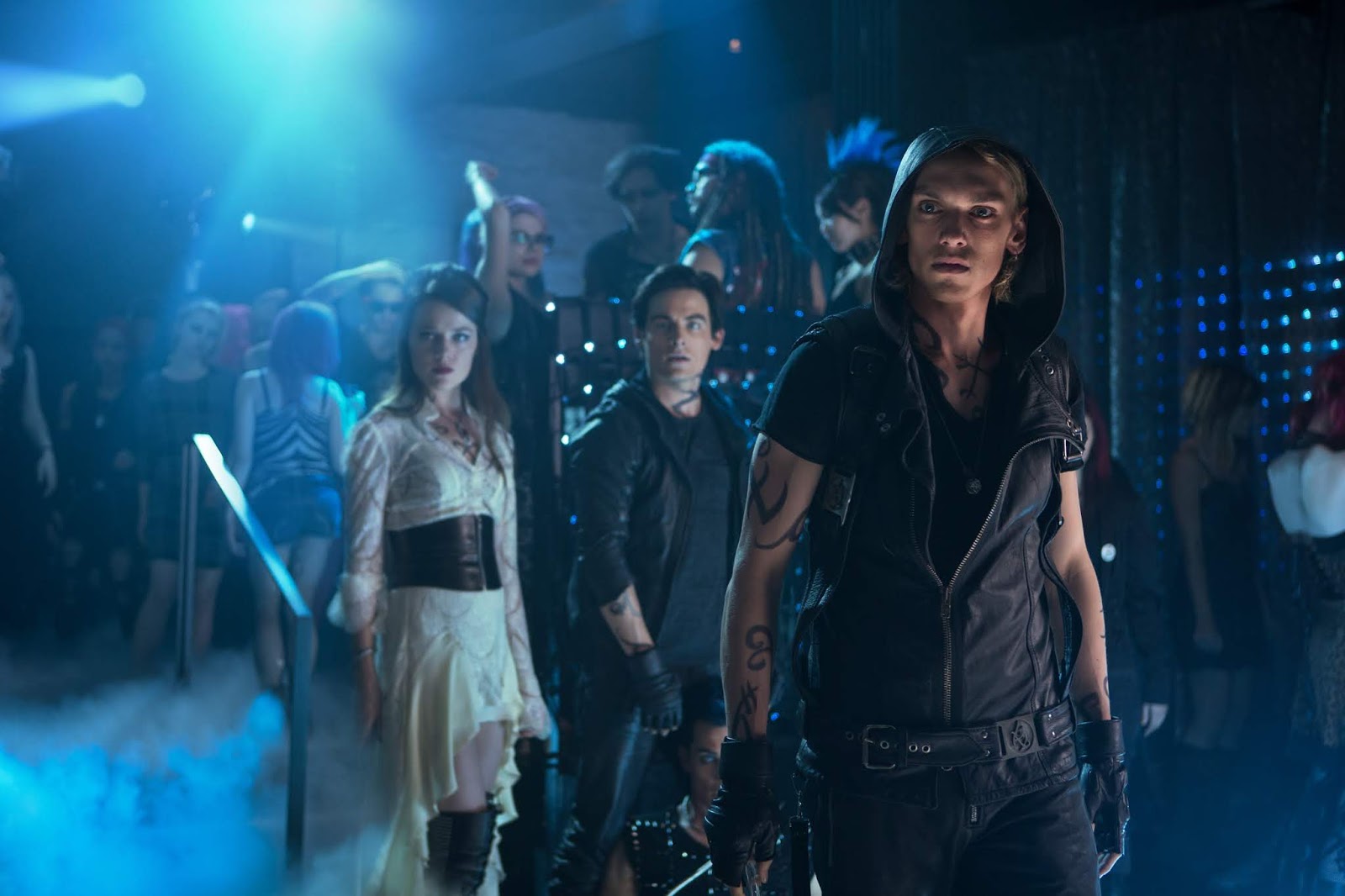 And as it turned out, the apparent failure of the original feature film to perform as well as expected was a blessing in disguise for the franchise, because a TV series was clearly the better medium to adapt the novels to than to film. I will admit, there were a few adult cast members from the film I originally missed when I started watching the TV series version of the story in Shadowhunters.
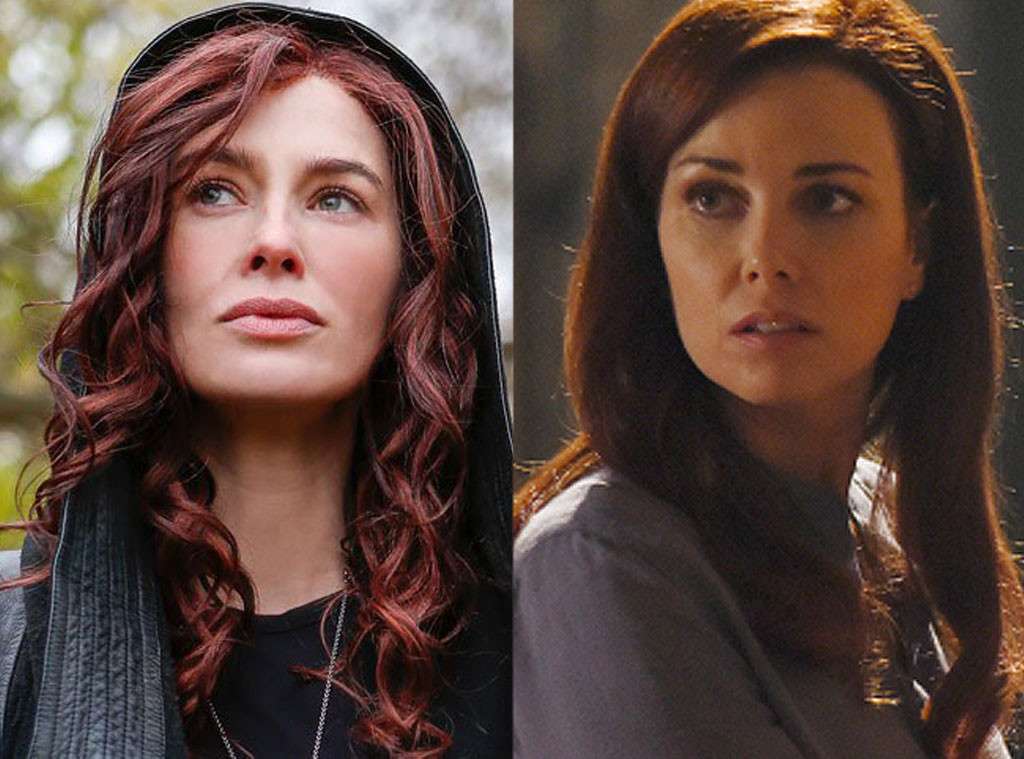
But by the time the first season ended, I honestly felt nearly all the TV series cast was better for their individual characters than their film counterparts would have been, with the notable exception of Lena Headey as Jocelyn Fray. No insult to Maxim Roy, who performed excellently in the part, too. But Lena Headey is a once-in-a-generation talented actress. Barely coming in second place to Lena is actually a great compliment to how well Maxim did in the role.
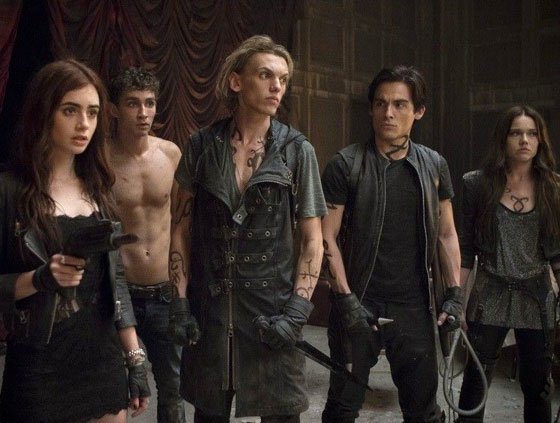 And although I liked the rest of the cast of the feature film adaptation reasonably well, I have to confess that I cannot see any of them playing the part better than the TV cast, which is quite the compliment. Lena is really the only member of the film cast I wish had made the leap to the TV series, too, though. She added something special to the mix that I wish the TV series had the chance to use. I guess that possibility only remains for an alternate universe to explore.
I admit to never having read the original Cassandra Clare books yet, but with the film and now even better TV series to recommend them, that is something I definitely intend to fix in the near future. I still need to finish first A Dance with Dragons in George RR Martin's famous fantasy series A Song of Ice Fire. But next on my book series queue is The Mortal Instruments where the full story of Clary, Jace, Simon, Maia, Alec, Izzy, and Luke can play out in their entirety. Finally.
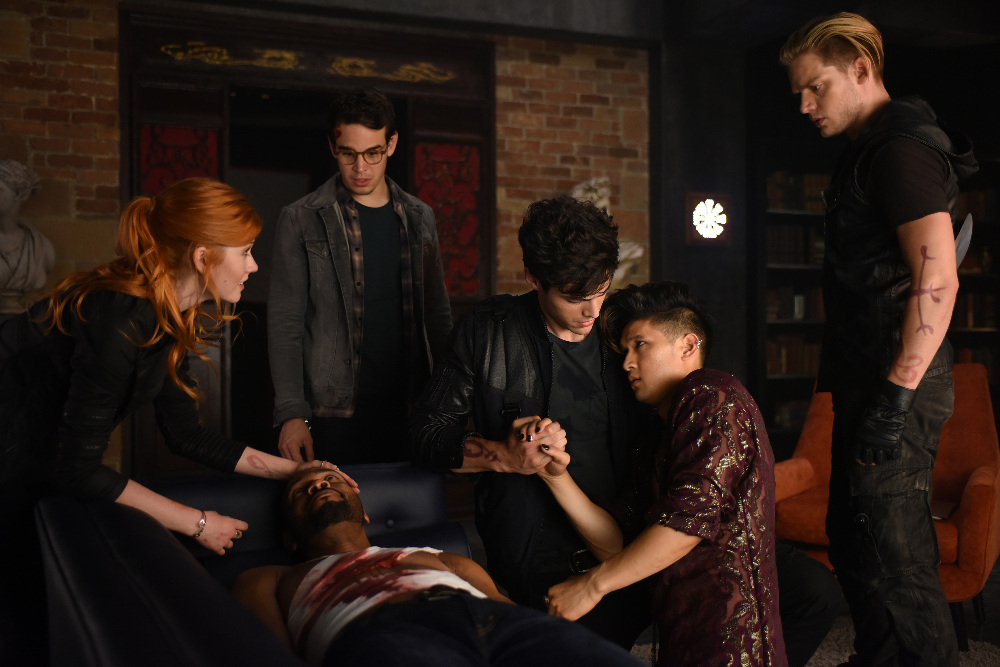 I wanted to refer you all to my original source where I learned about the premature cancellation of Shadowhunters: The Mortal Instruments (2016-19) from this article by Teen Vogue. It is a good read and has some sweet farewell tweets from the cast to express their feelings about the show coming to a close so soon. I definitely look forward to what this stellar cast of performers have ahead of them.

June 4, 2018
Eraserhead: How David Lynch Traps Us
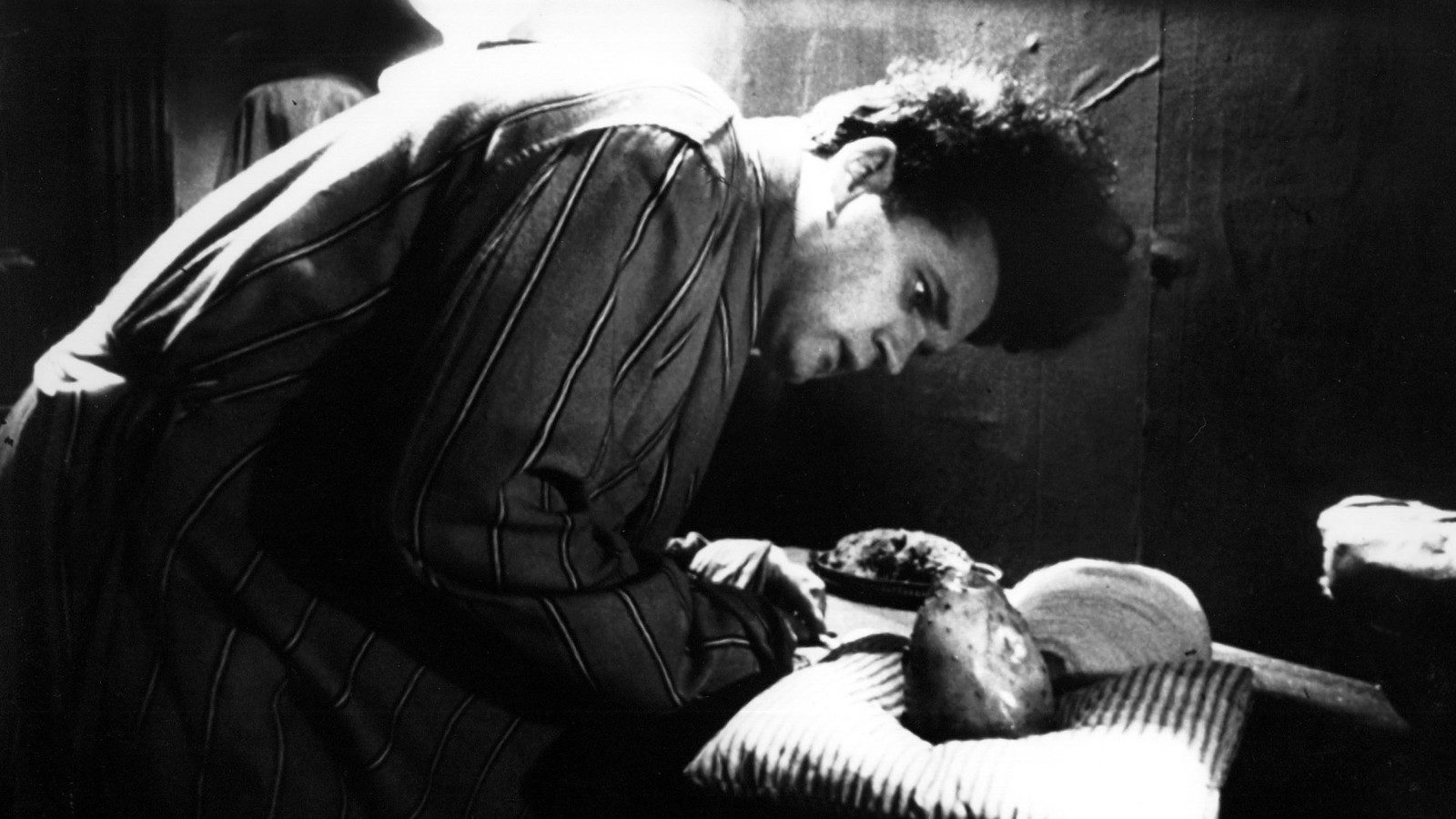 Like most YouTube video essays, this one by Mr. Nerdista is brief, but thankfully to the point. You should check this guy's channel out and explore him further. Mr. Nerdista is now easily one of my favorite YouTubers specializing in film analysis. He uses clips and music to illustrate his point better than most other YouTubers. And he does not belabor his points unnecessarily either.
And I listen to a lot of channels full of film analysis and unfortunately, most the narrators do not speak with a very comforting tone of voice. A lot of YouTubers seem to belong to the school of thought from radio advertising that loud, obnoxious voices stick to the memory better than gentle, nondescript voices.
 Unfortunately, this can make YouTube an annoying place to visit sometimes. But thankfully, Mr. Nerdista has a soothing tone of voice that hits just the right frequency. And although he speaks with a slight British accent, he is perfectly intelligible to my American ear. So he gets an A+ from me in terms of presentation. Bravo!
June 1, 2018
Twin Peaks, David Lynch, and the Wonder of the Weird
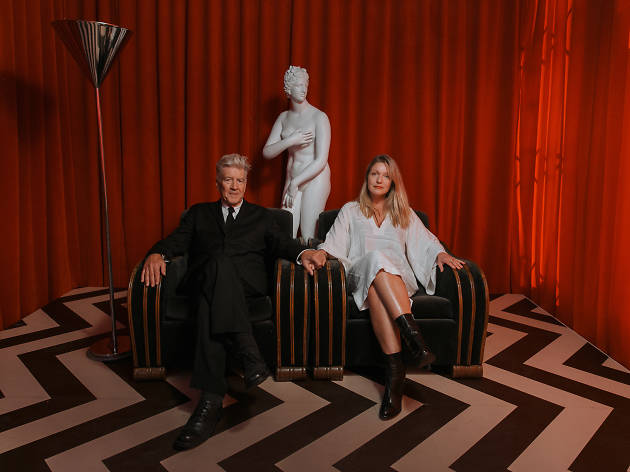 Director David Lynch remarked, "The ideas dictate everything. You have to be true to that or you're dead." And YouTuber Braxton Haugen springboards his video essay on David Lynch's cinematic work with this quote, which he argues is central to understanding the director's eccentric body of work. Again, this is the kind of reevaluation of Lynch's work I have been hoping for all along, so it is gratifying to see more video essays of quality like this one popping up on YouTube.
The brilliant and charming Twin Peaks (1990-91) is under particular examination in this essay, as Braxton relates his own thoughts and feelings on the series. I think most viewers can relate to Braxton's point of view. And his quick analysis could be helpful to bring new viewers to Twin Peaks specifically, and David Lynch's other films generally, too. Overall, this is a well-rounded examination of the artist, and for that, I give Braxton a pat on the back and an Agent Cooper-like thumbs up.
May 31, 2018
The Art Influences of David Lynch
 Although David Lynch would become known as one of the world's best film directors, interestingly it was always painting that really absorbed most of his artistic attention and interest. Film production came almost as a side effect as he attempted to create paintings with motions and sound. So while most filmmakers tend to emulate the style of other filmmakers, David Lynch is more focused on creating an interesting combination of images, motion, and sound that captivates our attention and stimulates our imagination.
Narratives in Lynch's films will be always secondary to the overall effect his film inspires in other people, which appears to be his first priority. He wants to connect to people's conscious and unconscious minds and help them process abstract thoughts through his art. This can be comforting at times, but frequently can be jarring as he explores both the light and dark sides of existence. Neither is less important than the other in his film worlds.
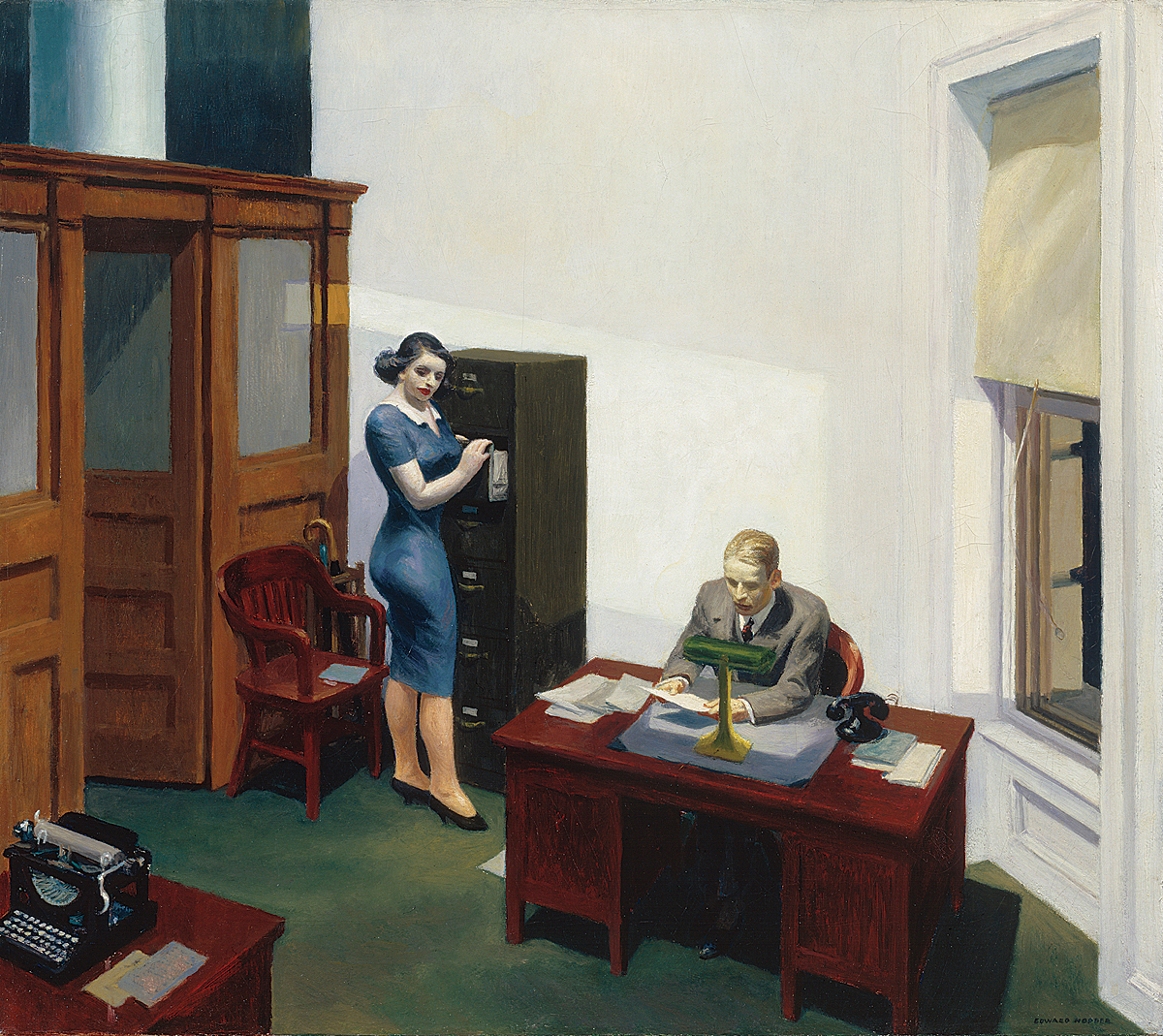 From Francis Bacon, to Edward Hopper, fellow painters tend to directly influence his work more than other directors. Interestingly, David Lynch does appear to enjoy paying homage to some of his painters' work. And while some of these homages were a little more subtle, at first, by the time he created the revival of Twin Peaks: The Return (2017), he seemed far more direct in his visual allusions. This is a great video essay and worth checking out to see some of the paintings and painters who captivate Lynch's imagination as much he does ours.
May 30, 2018
Creative Obsession: David Lynch
 Today we continue our examination of the best David Lynch-related video essays on the internet with Jake Jarvi's Creative Obsession. Jake has fun with this essay, examining some of the absurd humor that Lynch favors using in his film style. To a degree, Jake is making more of a humorous profile on the master director, who somehow manages to extract exquisite performances from his actors, in spite of the very eccentric ways he sometimes uses to get there.
I think this very eccentricity helps inspire and free his actors, though, enabling them to try acting in a way they never thought would work on screen. The amount of trust David Lynch engenders in his actors is a testament to his abilities. As Sheryl Lee said, there are some very strange things she is willing to act out on screen if David asks that she would not be willing to do otherwise.
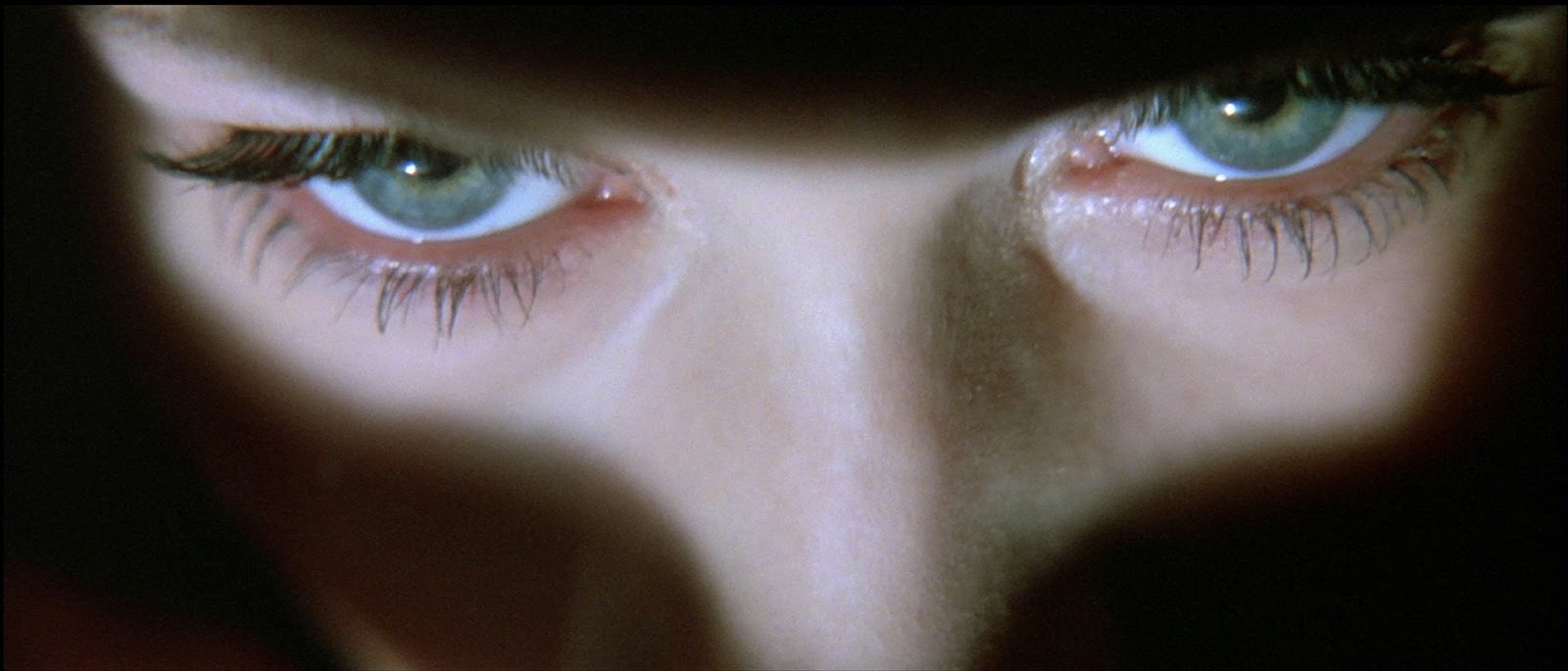 And I think this has to be because they trust David to ultimately make something fascinating out of what they deliver. They want to be a part of something special and they know they are safe exploring some very strange territory, yet David Lynch will make sure they don't wind up looking silly on the big screen. That's a big deal when your livelihood is dependent on the way you come across to others in your audience. We can only assume David is a great partner to play with on this emotional playground.
May 29, 2018
David Lynch: Film Auteur or Genre Manipulator?
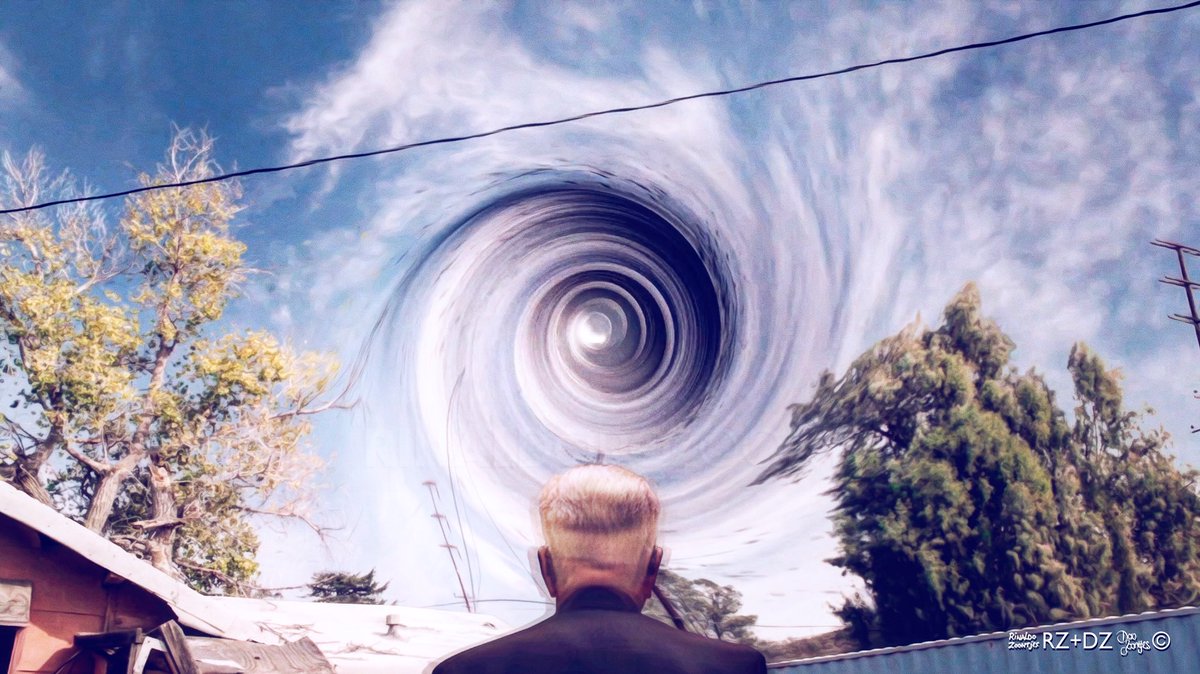 A good video essay, but I have to ask: why an enforced either/or? David Lynch is both a Film Auteur and a Genre Manipulator, at the same time. One would say his style as a visual author is punctuated by the way he manipulates genres around in his films. It adds an unpredictable quality to all his films.
Much of the artistry of David Lynch is manifest in his ability to promise you one kind of experience and thwart expectations pleasantly. It's the sideways journeys through genres that help make his films stand out and feel fresh and real, in spite of their occasionally fantastical elements. He makes it art and genre-twisting fun all at once.
May 28, 2018
Mulholland Dr. - A Psychoanalytic Analysis
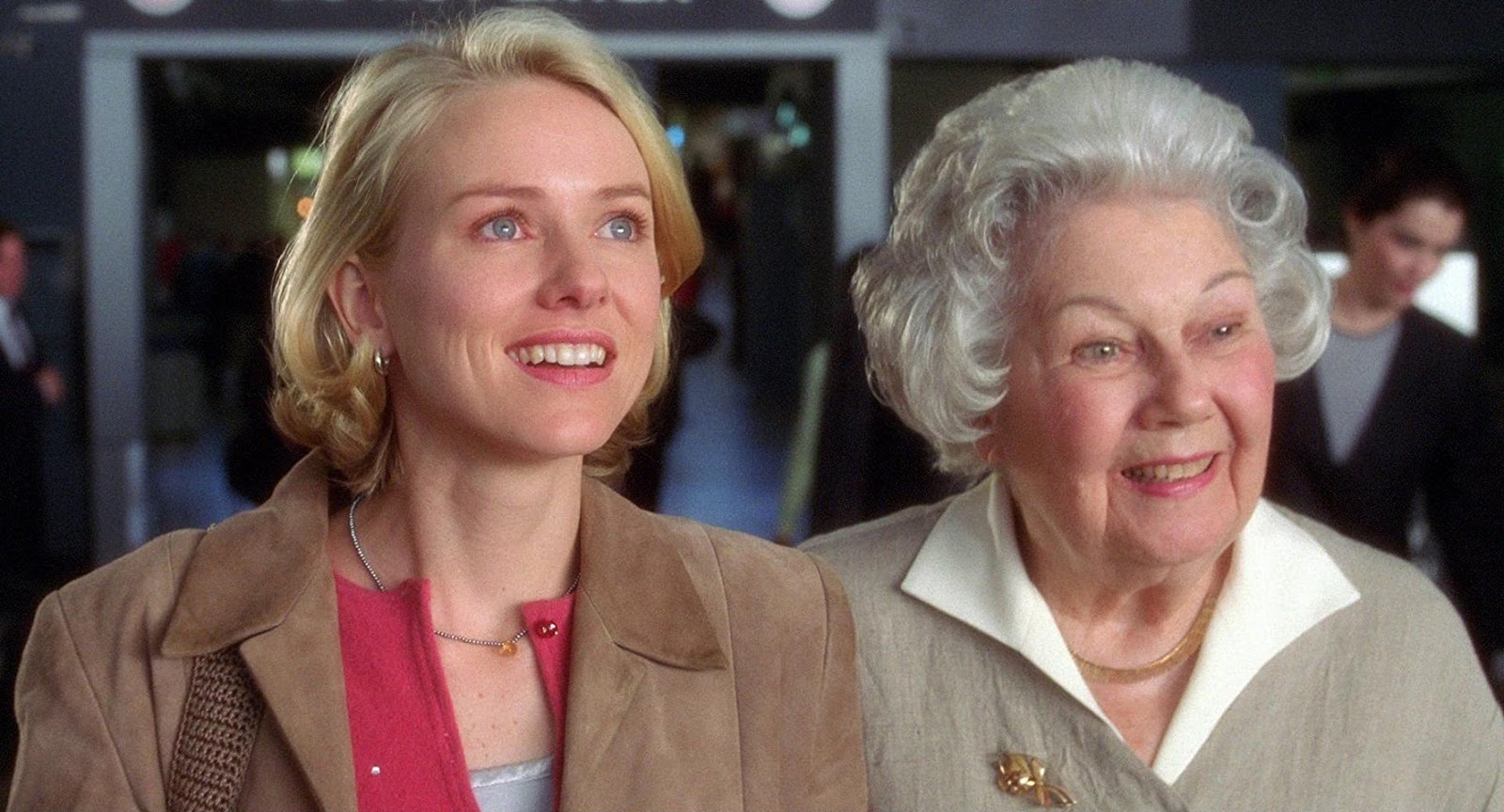 If there were ever a film in existence begging for some of the good, old psychoanalysis, it would be David Lynch's surreal dream shaped into cinematic form: Mulholland Dr. (2001). Like that crazy dream you once had that you desperately want an interpretation for, Mulholland Dr. taunts us with its occasional non sequitirs, yet deeply evocative and rich symbolism.
YouTuber Film Formula crafts an excellent examination of this classic film through a psychoanalytic lens. Although my interpretation of the film does differ with hers, she makes some good points in a conversational tone. She has some fascinating insights, so with luck this will not be her last look at David Lynch's film work.
May 25, 2018
Mulholland Dr. - Subconscious & Identity
 There are still moments I wonder how amazing a Mulholland Dr. TV series would have been if the Pilot had been successfully picked up and gone to air back in 1999, as originally planned. I imagine the labyrinthine plot unfolding week by week as an amazing cast and guest cast paraded on our TV's as we follow Adam Kesher's journey trying to make his 60's era film. Or trying to keep track of the many mob and police characters searching for Rita.
But that is really the beauty of the film version of Mulholland Dr. (2001), that it has all this potential development, but it ultimately fades off into something else and it ends like an incomplete dream. There are all these potential worlds to explore, characters to follow and learn to care for, and twists and turns ahead that we want to see, but which we cannot. Like a dream, it just ends with so many threads left open, and you are left with a feeling and a word: "Silencio...."
May 24, 2018
Eraserhead - Capturing a Nightmare
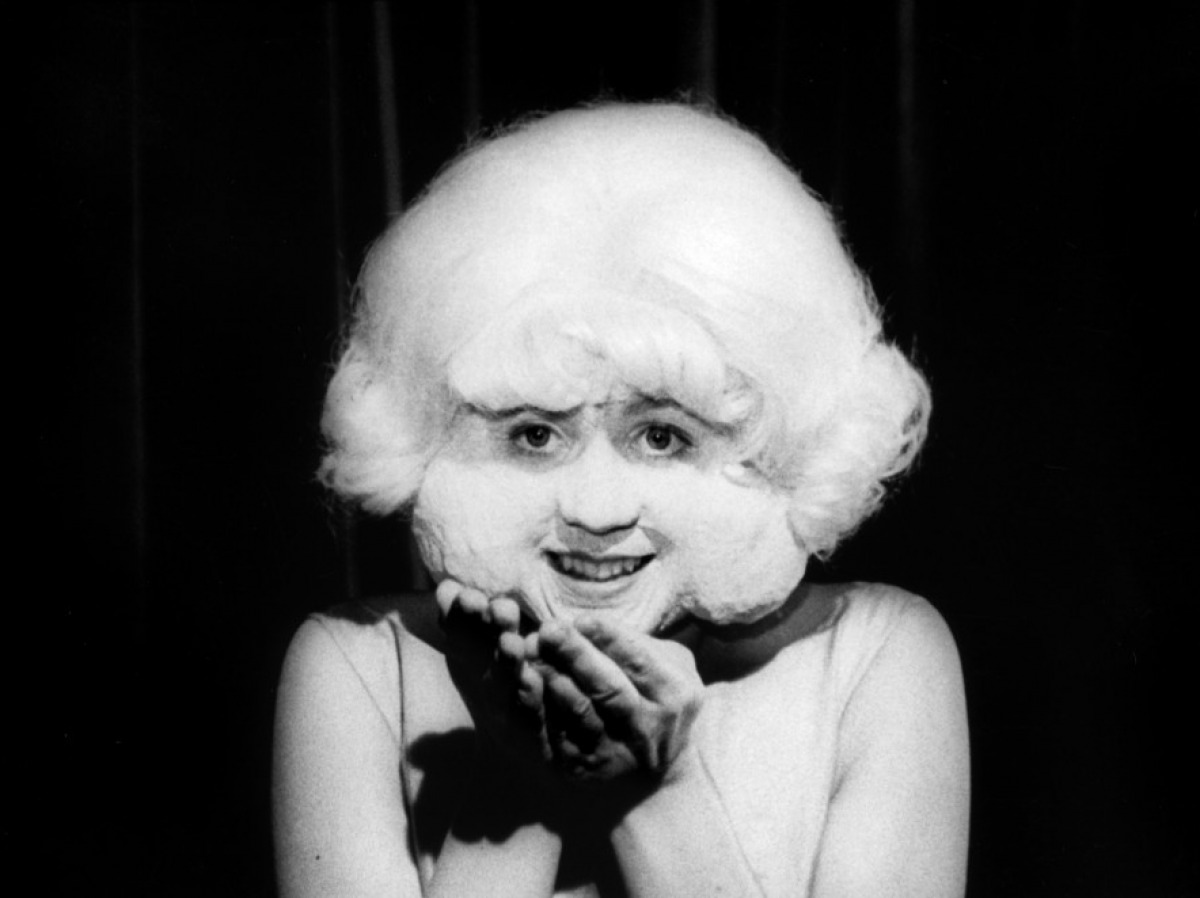 Not the longest or deepest analysis of David Lynch's seminal film Eraserhead (1977), but Jack's Movie Reviews on YouTube does give a nice overview of this surreal dream for the new and old viewer alike. And importantly, he shares Lynch's own designs for the film to act like a dream for each person, meaning something personal and potentially different for everyone.
It is easy to lose track of Lynch's deep symbolism, particularly for new viewers, so I feel this video is particularly useful at encouraging anyone who is on the fence about watching the film by giving them a brief overview from this YouTuber's point of view. It is a solid pitch for watching this bizarre film on one's own. And I fully support it and its creator for successfully doing just that.
May 23, 2018
What Does "Lynchian" Mean?
 Our quest continues as we explore YouTubers Eric Guzman and Justin Bibler collaborate on their video essay: "What does 'Lynchian' mean?" Although I do have some differing opinions on this subject, I still admire their work on this video and its editing. And much of what they say is believed by other Lynch fans.
But what matters most is that this video essay explores the question of what style and flair constitutes the state of being similar to David Lynch's film work. At the end of the day, the definition of what is "Lynchian" is going to be dependent on subjective, qualitative opinions of his style of film art.
 Ultimately, I do not think it really comes down to a contrast of the bizarre with the mundane, but is more about exploring Lynch's obsession with the open-ended mysteries of consciousness, identity, and the absurdly humorous world's constant interference against and aid with such personal searches. In my opinion, "Lynchian" implies a bizarre mystery that requires a good sense of humor to explore correctly.