Robin Van Auken's Blog, page 5
June 7, 2018
Volunteer with Indigenous & Aboriginal Communities Around the World
.element-bottomshadow.image-frame-shadow-1{display:inline-block}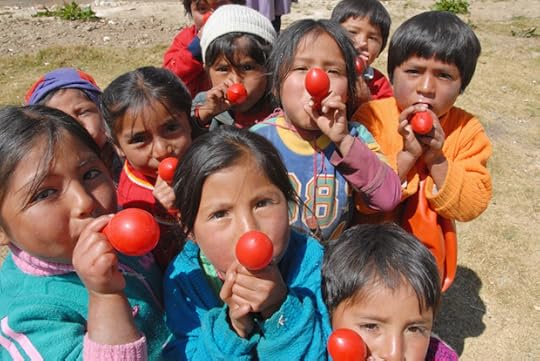
Are you fascinated by people, their unique traditions, and exotic cultures? Do you like to try new dishes and new phrases? Or do you find it disconcerting, living like a local? Would you rather stay in a comfortable hotel, dining on familiar food? When you travel abroad you’re moving out of your comfort zone and it can be a bit scary. But when you immerse yourself in another person’s home, sometimes without running water or electricity, it can be very scary.
It takes a lot of courage to put yourself in someone else’s care, especially when your plan is to volunteer and improve lives. The experience creates a deeper understanding of your place on your volunteer program, and you find you’ve become the better person for having known them. Your perspective isn’t the only change when you conquer your fear. You have a change of heart.
When you travel to Morocco for the Amazigh Immersion in the Atlas Mountains with International Volunteer HQ, you’ll encounter the same feelings that Annelise did on her experience: “I truly couldn’t have asked for a better trip – my host family was fantastic, my placement made every day “working” so fun and exciting, and my extra excursions learning the culture and lifestyle were the best. Morocco is a beautiful country in terms of geography, culture, and all of its people.”
Or, go to Greece to work with refugees, and learn the meaning of the word “resilient” when you travel abroad with Cross-Cultural Solutions on a Gap Year tour.
You’ll also know you can accomplish anything after you trek to Mount Everest Base Camp on an adventure before volunteering in Nepal with Global Vision International.
Nelson Mandela once said, “I learned that courage is not the absence of fear, but the triumph over it.”
What does it take to act courageously? You can teach yourself, boost your skills, and give yourself the tools to embrace something difficult. Or you can act out of anger, desperation, or guilt, letting adrenaline fuel your actions. Of course, the first process is preferable and enjoyable, however, there’s another motivation for being brave, and that is by doing something meaningful that makes you feel purposeful.
Try an adventure on for size with an organization that makes you feel safe, secure, and purposeful, such as the Andean Cultural Immersion in Peru with Maximo Nivel. Bradley, a volunteer with Maximo Nivel said of the experience, “Two weeks out in a small farming community in the sacred valley near Cuzco, Peru was at times quite challenging but a great opportunity to be of service – making a real difference in the lives of the community for the long term – while at the same time being able to immerse myself in the language and culture of the locals. The host family and community were wonderful as were the staff at Maximo Nivel.”
When you know you’re doing the right thing, for the right reasons you can be courageous.
You know it’s the right thing to do when you help to preserve a traditional way of life when you travel to Cambodia with Globalteer. Everyday, youth are leaving smaller communities behind, flocking to larger cities for employment or excitement. When you show them you appreciate their unique culture and that it is special, they will feel a renewed sense of pride.
It’s not just a culture that’s disappearing. Fronteering has taken a stand in Canada, advocating wilderness research projects in a First Nation community. If you’re passionate about wildlife management and land use, you can help protect this fragile place.
When your actions directly impact someone else’s life, you discover your own strengths, and gain insight into your goals. When you challenge yourself to expand beyond your comfort zone, you give yourself permission to grow and to understand others.
From the Yukon to the South Pacific, there are communities with important, yet fragile, traditions that need to be respected and protected. When you visit an indigenous community, you validate it, and this influences its people. If you’re considering a volunteer or adventure travel opportunity, consider an immersive experience with an authentic community. Keep reading to learn more about communities with authentic, and enduring cultures.
READ THE REST OF THIS ARTICLE BY ROBIN VAN AUKEN ON VOLUNTEER FOREVER…
Volunteer Forever is a comprehensive online resource that helps volunteers find and fund their volunteer opportunities. It advocates empowerment through information and resources. With Volunteer Forever, you can quickly create a profile and start fundraising right away. Volunteering abroad can be expensive, but it’s also a noble endeavor that your friends, loved ones, and communities will be happy to support. Learn more about Volunteer Forever here.
The post Volunteer with Indigenous & Aboriginal Communities Around the World appeared first on Robin Van Auken.


June 2, 2018
Travel and Volunteer in Southeast Asia: Thailand, Cambodia, Malaysia
.element-bottomshadow.image-frame-shadow-1{display:inline-block}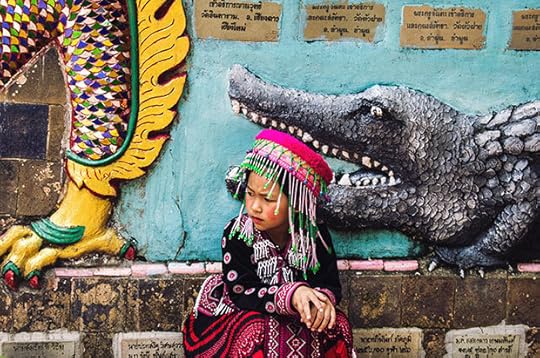
Southeast Asia is a favorite corner of the world for globetrotters. Tucked between the Indian and Pacific oceans, and at the intersection of major geological plates, the area is one of the world’s most popular tourist destinations despite the fact it regularly endures earthquakes and volcanic activities. Still, visitors can’t resist Southeast Asia’s year-round tropical climate, gorgeous beaches, rich and varied cultural encounters, fabulous food, and low cost of living.
Home to some of the world’s most beautiful Buddhist and Hindu temples, Southeast Asia’s craftsmanship is awe-inspiring. Its architecture is enduring, as these religious testaments have lasted for centuries. Many temples are protected – and some even rebuilt – thanks to their UNESCO World Heritage status. While you’re in Southeast Asia, be sure to visit the temples of Angkor in Cambodia, Sukhothai and Ayutthaya in Thailand, Bagan in Myanmar, or Prambanan and Borobudur in Indonesia.
KNOW BEFORE YOU GO
While it’s doubtful you’ll be able to visit them all in one journey, there are 11 Southeast Asian countries: Brunei, Cambodia, Indonesia, Laos, Malaysia, Myanmar, Philippines, Singapore, Thailand, Timor Leste, and Vietnam.
Climate doesn’t vary much in this region. In the equatorial parts, which includes Malaysia, Brunei, Indonesia, Singapore, and the Philippines, there are two seasons – wet and dry – with a temperatures hovering around 80 degrees. Some areas receive more than 60 inches of rain each year. The mainland, or Indochina region, which includes north/central Thailand, Laos, Cambodia, Vietnam, and Myanmar, experiences hot wet and dry seasons, with temperatures climbing as high as 104! At the opposite end of the climate spectrum, Indonesia, Vietnam, and Myanmar have mountains so high that snow falls every year, and Indonesia and Myanmar boast permanent glaciers.
People have been here a long time. Archaeological excavations in Southeast Asia, a landscape characterized by mountain ranges, plains, and plateaus, dates some fossils to one million years ago! Historically, it’s a culturally diverse region, home to 620 million people speaking more than 1,000 of the 6,000 languages spoken in the world today, and a mix of major cultures from India and China.
People from India began to migrate into Southeast Asia, traveling across the Bay of Bengal, and down rivers into the various countries of the mainland. These immigrants brought the Sanskrit inscriptions with them, which are still part of the modern languages of Thai, Lao, Burmese, and Khmer. Then, around 4,000 years ago, people from southern China and Taiwan began to trickle into the archipelagos of East Timor, Indonesia, and the Philippines, as well as Malaysia on the mainland.
Historically, religions in Southeast Asia were predominantly Buddhist and Hindu, until Islamic teachings spread throughout Southeast Asia around the 13th century. This fact was documented by Marco Polo, an Italian merchant and explorer who visited Sumatra in 1292. Islam is the state religion of Malaysia and Brunei, and practiced by 85% of the population of Indonesia, however, Muslims are a minority in Singapore and the southern Philippines.
Southeast Asia’s recent history is rife with colonization by other powerful European countries, including Great Britain, France, Spain, the Netherlands, Portugal, and even the United States, until Japan conquered virtually all of the territory (with the exception of Thailand) during World War II. Still, Thailand’s treaty of peace allowed Japan to establish military bases there. The war years were a time of great hardship for the people of Southeast Asia, but eventually these countries gained their independence.
Today, some countries of Southeast Asia are experiencing what’s called the “Tiger Cub Economies,” a time of high rate of economic growth achieved by employing an export-driven model of technology and economic development. This model is used by South Korea and Taiwan, and the cities of Hong Kong and Singapore, collectively known as the “Four Asian Tigers.”
Yet, with this newfound wealth, and despite being one of the most fertile and resource-rich regions in the world, there is widespread corruption and wealth remains in the hands of an elite few. According to Natalia Soebagjo, chair of Transparency International Indonesia, “Southeast Asia is home to some of the richest, fastest-growing economies, as well as some of the planet’s poorest people. Battling corruption is an integral part to sustainable growth and reducing income inequality.”
When you plan your tour of Southeast Asia, you can help to counter the negative aspects of corruption by traveling responsibly and volunteering with sustainable programs that lift up the vulnerable communities here. From teaching conversational English to school children, to helping conserve iconic animals such as elephants and orangutans that draw ecotourism, and even building a community center or repairing a temple, there are worthwhile outlets for your energy and enthusiasm, as well as tasks that will enrich your soul.
Keep reading to learn more about volunteer travel organizations that deliver high-quality programs and experiences, while maintaining safety and affordability, in Southeast Asia!
READ THE REST OF THIS ARTICLE BY ROBIN VAN AUKEN ON VOLUNTEER FOREVER…
Volunteer Forever is a comprehensive online resource that helps volunteers find and fund their volunteer opportunities. It advocates empowerment through information and resources. With Volunteer Forever, you can quickly create a profile and start fundraising right away. Volunteering abroad can be expensive, but it’s also a noble endeavor that your friends, loved ones, and communities will be happy to support. Learn more about Volunteer Forever here.
The post Travel and Volunteer in Southeast Asia: Thailand, Cambodia, Malaysia appeared first on Robin Van Auken.
Archaeological Dig & Excavation Volunteer Programs Around the World
.element-bottomshadow.image-frame-shadow-2{display:inline-block}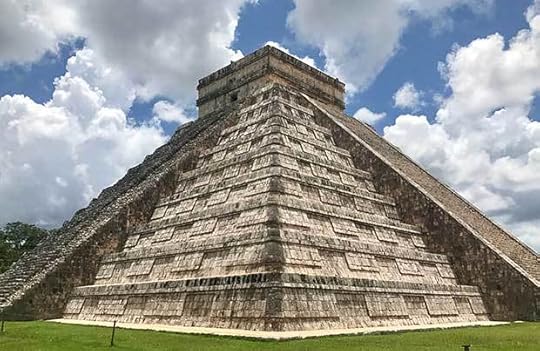
Thinking about traveling abroad? You’re not alone. People have been traveling for 2 million years. It began with Homo erectus, walking out of Africa in early migrations. Then other archaic people followed, like H. heidelbergensis, the likely ancestor of modern humans, around 500,000 years ago.
Our ancestors spread to other continents, and along the way they invented houses and built communities. They invented agriculture and changed the landscape. They invented religion and built temples. They created the special places we love to visit today, leaving a rich legacy of hope for a bright future.
We know about the paths early people took, and the things they made, from the development of the first stone tools at Lomekwi in East Africa 3.3 million years ago, thanks to the work of archaeologists. These scientists interpret the story of early people because there was no written record left behind, with the exception of handprints and animal paintings on cave walls. The historical record began with the system of writing, which began around 5,000 years ago in modern-day Iraq. Then people began writing their own stories. And even then, archaeology is able to fill in the gaps of those stories.
Some people consider archaeology a form of time travel – a way to peer into the past to gain a richer understanding of our world today, and our place in it. Are you curious about ancient people, wondering about who they were, where they came from, and what struggles and successes they encountered along the way? Here’s a quick survey that may help to unleash your inner Indiana Jones.
When your grade school class visited the local museum, were you the student who lagged behind, staring at the mummy sarcophagus and ogling the artifacts in exhibit cases?
When other kids were tuning into Nickelodeon, were you watching the History Channel while flipping through old issues of National Geographic?
Do you roll your eyes and correct people when they say archaeologists dig for dinosaurs? (Inward sigh) “No, that’s paleontology.”
Do you walk with your head down, your eyes constantly searching the ground in front of you for an unusual object?
Do you solve puzzles and mysteries easily, because you love patterns and find them in all sorts of places?
Do you browse the Duluth Trading Co. website for cargo pants and work boots instead of Net-a-Porter for literally anything else?
Do you ever wonder how the ancient people of Cambodia constructed Angkor Wat, but more importantly, why? What is the meaning of Stonehenge? Were the pyramids of Egypt only burial chambers for the rich, or was there a more significant reason for the decades spent building each one? Why did people brave the cold and ice to cross the Bering Straits and populate the New World?
If these questions and others like them stir your interest, then you could be harboring the “Scientia Antiquitatis” gene, and there’s only one thing to do to find out. Get into the field and test yourself with an adventure that combines meaningful travel with history.
Archaeologists study people through time, from 3 million years ago to yesterday, by excavating, recovering, and analyzing material culture. Material culture is another word for artifacts and features – anything that was made or used by humans. Through archaeology, we can understand where and when people lived on the Earth, but also why and how they have lived.
Archaeology isn’t for the faint of heart. There’s heat and cold, and rain and snow, and dirt and lots and lots of mud. There’s bugs and snakes and the occasional bull that chases you out of their field. Your crew consists of people who look like construction workers but talk like scientists, because that’s what they are. They rigorously study the cultures and lifeways of prehistoric and historic people. Like cultural anthropologists, they’re interested in what people do and why they do it, with one caveat: the people they study are long gone.
If you’d like to know more about archaeology, you can enroll in a university course, or you can check a book out of a library, but there’s nothing comparable to visiting and volunteering at an archaeology site. If you’d like to know more about important archaeology sites you can visit, and some that you can volunteer with, check out the opportunities below. With the exception of an actual archaeological field school, these may be the closest you’ll come to taking part in an archaeology dig and finding your own fortune and glory.
READ THE REST OF THIS ARTICLE BY ROBIN VAN AUKEN ON VOLUNTEER FOREVER…
Volunteer Forever is a comprehensive online resource that helps volunteers find and fund their volunteer opportunities. It advocates empowerment through information and resources. With Volunteer Forever, you can quickly create a profile and start fundraising right away. Volunteering abroad can be expensive, but it’s also a noble endeavor that your friends, loved ones, and communities will be happy to support. Learn more about Volunteer Forever here.
The post Archaeological Dig & Excavation Volunteer Programs Around the World appeared first on Robin Van Auken.
May 22, 2018
Volunteer Abroad Opportunities in West Africa: Togo, Ghana, Senegal
.element-bottomshadow.image-frame-shadow-1{display:inline-block}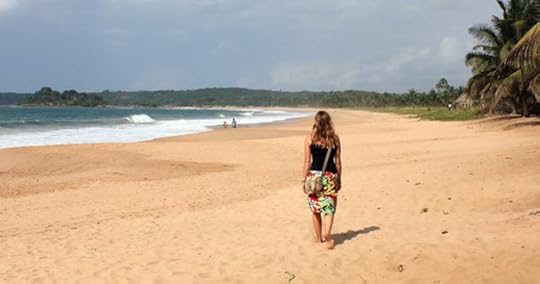
Don’t visit West Africa for big game or majestic ruins – instead, focus on the amazing variety of people you’ll meet there, and take time to learn their history, their customs, and share your own.
From Nigeria to Senegal, West Africa is home to an estimated 362 million people. It’s an area of many cultures, but they don’t clash. In fact, there’s a great deal of similarities in dress, food, and music and songs, and it’s thanks to the long history of cultural exchange in this region.
Even the homes are similar – if not in style, then in function. The traditional West African home is a built within a compound, a cluster of buildings that serves to keep families connected. Sometimes these buildings are even connected, joined around an open area.
West Africans enjoy free-flowing and embroidered clothing, with elaborate stitching on their shirts, tunics, and jackets. The formal attire includes a knee-to-ankle Boubou robe, sometimes called a kaftan. These loose-fitted robes have their origins in the royal families of the 12th century, along with another popular item – a large square of cloth draped around the shoulder called the Kente cloth, made by the Akan people of Ghana and the Ivory Coast, that is the most well-known and a source of ethnic pride.
READ THE REST OF THIS ARTICLE BY ROBIN VAN AUKEN ON VOLUNTEER FOREVER…
Volunteer Forever is a comprehensive online resource that helps volunteers find and fund their volunteer opportunities. It advocates empowerment through information and resources. With Volunteer Forever, you can quickly create a profile and start fundraising right away. Volunteering abroad can be expensive, but it’s also a noble endeavor that your friends, loved ones, and communities will be happy to support. Learn more about Volunteer Forever here.
The post Volunteer Abroad Opportunities in West Africa: Togo, Ghana, Senegal appeared first on Robin Van Auken.
May 20, 2018
Veterinary Volunteer Programs and Internships Abroad
.element-bottomshadow.image-frame-shadow-4{display:inline-block}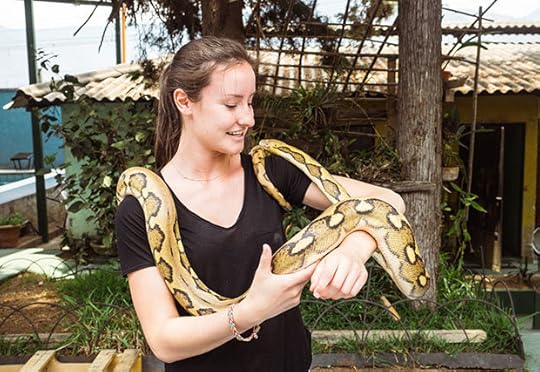
Are you considering a career as a vet tech or veterinarian, and want to know if the field is right for you? If you like being with animals of all shapes, sizes, and breeds, and you want to help improve their lives and quality of care, then you’re on the right track.
A vet tech performs a variety of tasks, just like a nurse for humans, to support a veterinarian help care for patients. This career can be achieved with an associates degree in college, so it’s quicker, and there are part-time options that can fit into your school schedule.
The veterinarian is an animal medical doctor who completes doctoral degrees from accredited schools of veterinary medicine. This is a four-year commitment beyond your undergraduate degree, and admission is highly competitive. There are 28 accredited schools of veterinary medicine in the United States, and fewer than 50% of applicants are accepted. There are ways to increase your chances, however.
First, complete your undergraduate degree, and make sure you’ve included basic courses in animal physiology and anatomy, biology, zoology, animal science, chemistry, and microbiology. During your junior and senior years, make sure you’ve contacted the accredited veterinary schools to comply with academic admission requirements.
Another way you can gain entrance is to acquire practical, hands-on experience that will prepare you for certification in a veterinary specialty, including surgery and internal medicine. You can join a program overseas that puts you with a variety of animals, helping you get in tune with their unique healthcare needs. When you volunteer or intern abroad with animal care, your medical school application essay that discusses your ability to care for sick or diseased African Penguins, Vervet monkeys, or giant sea tortoises is impossible to ignore! Your letter of recommendation from a director of an international animal reserve in Africa or rehabilitation center in Costa Rica may go a lot further than your GPA.
Spending time learning how to help and heal exotic animals means you’ll bring that experience home with you, and your knowledge of penguins, parrots, tortoises, lizards, monkeys, and more becomes a valuable asset at veterinary school and when you graduate to private practice. You’ll be the exotic animal expert that other vets call upon when they don’t have the answer, or need to refer patients to a specialist.
From fins, to fur, to feathers, if you’re interested in learning how to medically treat ill or injured animals, you can find a short volunteer placement or a longer internship opportunity that benefits others while boosting your educational and career prospects!
READ THE REST OF THIS ARTICLE BY ROBIN VAN AUKEN ON VOLUNTEER FOREVER…
Volunteer Forever is a comprehensive online resource that helps volunteers find and fund their volunteer opportunities. It advocates empowerment through information and resources. With Volunteer Forever, you can quickly create a profile and start fundraising right away. Volunteering abroad can be expensive, but it’s also a noble endeavor that your friends, loved ones, and communities will be happy to support. Learn more about Volunteer Forever here.
The post Veterinary Volunteer Programs and Internships Abroad appeared first on Robin Van Auken.
May 18, 2018
International Service Learning: What it is And How it Benefits You
.element-bottomshadow.image-frame-shadow-2{display:inline-block}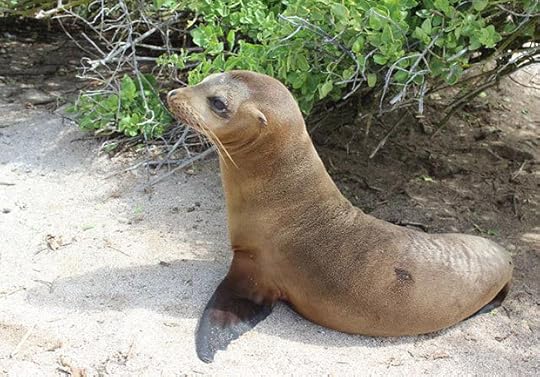
Looking for a travel experience where you can work hands-on with a global issue? One that enhances your cultural awareness, both personally and professionally? If so, consider an international service-learning project!
An international service-learning project is a structured academic opportunity that lets you combine study abroad with experiential education and community development. According to Global Vision International, a trusted international volunteer organization with numerous service-learning programs, there are three characteristics of each of these opportunities:
You participate in an organized service activity that addresses a community’s needs;
Your placement offers you practical experiences, interactions, and intercultural conversations; and
It requires that you reflect upon your experience for a broad understanding and appreciation of your host country, your area of study, and relevant current issues, which all lead to you becoming a global citizen.
An international service-learning program differs from volunteering, internships, or even many gap-year placements because it’s specific to your unique academic needs. A service-learning experience places “intentional emphasis on critical reflection that connects the service to specific learning objectives.” You can earn college credit, as either an undergraduate or graduate student, and seek programs that are tailored to you. You also can use this opportunity to decide if you are pursuing the best major. Are you sure you want to teach? Or work in environmental sciences? Or, would you rather focus on gender equality, or sports education? Students faced with declaring a major may be undecided, so if you want to be sure about your academic inclination, consider a service-learning program abroad that puts you in the fray.
READ THE REST OF THIS ARTICLE BY ROBIN VAN AUKEN ON VOLUNTEER FOREVER…
Volunteer Forever is a comprehensive online resource that helps volunteers find and fund their volunteer opportunities. It advocates empowerment through information and resources. With Volunteer Forever, you can quickly create a profile and start fundraising right away. Volunteering abroad can be expensive, but it’s also a noble endeavor that your friends, loved ones, and communities will be happy to support. Learn more about Volunteer Forever here.
The post International Service Learning: What it is And How it Benefits You appeared first on Robin Van Auken.
May 14, 2018
PADI Open Water Certifications & Internships for Divers & Divemasters
.element-bottomshadow.image-frame-shadow-3{display:inline-block}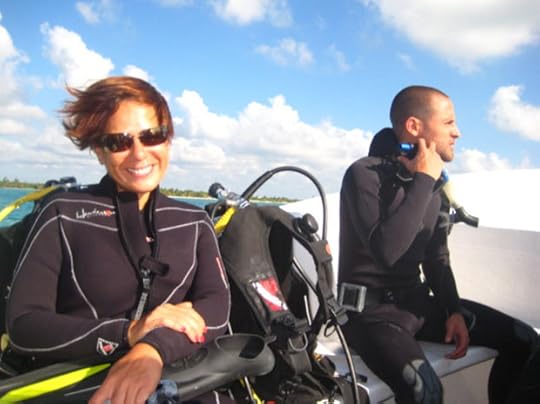
The ocean is a mysterious place. It covers 70 percent of the planet, yet only 5 percent of it has been explored. It’s a magical place too, thanks to the phytoplankton that creates half of the air that we breathe. It’s also a secretive place, hiding the deepest spot on Earth: the Mariana Trench, at 36,200 feet below the surface, is more than a mile deeper than Mount Everest is tall.
From coastal beaches to deep hydrothermal vents, the ocean is a varied ecosystem that’s home to myriad forms of life, including the cute and friendly dolphin, and the ugly and grumpy anglerfish.
If you’ve ever been curious about the ocean and what lies beneath, then you should discover it firsthand. Join the creatures of the deep and learn how to breathe underwater as a trained scuba diver.
When you’re a PADI certified scuba diver, the ocean is familiar and welcoming. Your Open Water certification gives you the training to stay safe, and the confidence to explore an amazing new world. Learn the theory of scuba diving in the comfort of a classroom, before moving into a pool for practice. Learn how to use scuba equipment, including the compass for underwater navigation. Once you’ve accomplished this, you’ll enter the open water and complete your certification. When you’re certified for Open Water, you can dive anywhere in the world.
As a PADI Divemaster, the ocean becomes your workplace. One of the benefits of becoming a divemaster is sharing your skills and knowledge with others. You can be a leader who mentors and motivates other people to dive, and encourages them to develop a passion for marine conservation. The divemaster program will enhance your underwater experience, take your diving to the next level, and start you on the course to becoming a PADI professional.
READ THE REST OF THIS ARTICLE BY ROBIN VAN AUKEN ON VOLUNTEER FOREVER…
Volunteer Forever is a comprehensive online resource that helps volunteers find and fund their volunteer opportunities. It advocates empowerment through information and resources. With Volunteer Forever, you can quickly create a profile and start fundraising right away. Volunteering abroad can be expensive, but it’s also a noble endeavor that your friends, loved ones, and communities will be happy to support. Learn more about Volunteer Forever here.
The post PADI Open Water Certifications & Internships for Divers & Divemasters appeared first on Robin Van Auken.
May 13, 2018
The History of Writing with Robin Van Auken
My husband, Lance, enjoys giving gifts.He fins amazing gifts, imaginative presents with meaning and symbolism.
For example, when we purchased our lovely house on the river, he knew we had traded in our dream to live on a boat and sail far away. Okay, my dream.
He mounted our ship’s bell—one he ordered for us with the name “Tangent” cast on it (my dream boat’s name)—on a plaque to commemorate the “launch” of our house. On the ship’s bell pull, he sewed two pearls from my wedding dress. These pearls represent the pearls of our life: our children.
Another present was a blue clock carved from fossilized coral and dyed the color of the sea. It was our 35th wedding anniversary and he wanted to mark time with the traditional wedding gift of coral.
Still another present was an amazing mystery game that arrived each month in the mail, a puzzling clue sent by a stranger, and I had to solve the mystery.

 Today is Mother’s Day, and he’s given me yet another amazing gift. This writing set contains a leatherbound journal, a quill pen with extra nibs, a bottle of India ink, a small lamp, a box with colorful wax pellets, and a heavy brass stamp that is engraved with my logo. I can use the stamp and sealing wax to close letters and let people know they are from me.
This stamp, from a company called Nostalgic Impressions, features an outline of my logo, which he copied and sent to them for engraving.
My logo is an elaborate “V” and “A” from the ancient Book of Kells. It represents my married name, Van Auken, but my maiden name is Kelly. The logo is my way of honoring my Celtic Heritage.
This gift for writing and the brass stamp with my seal are a forgotten, or seldom-used, system of communication and I was so touched by his thoughtfulness, I had to dedicate this episode to the history of writing.
Thank You for Listening!
Ways to share your thoughts:
Use Facebook to leave a comment below.
Send Robin an email.
Be social with the link on Facebook, Twitter or Pinterest.
Ways to show your support:
Leave an honest review
on iTunes or Soundcloud or Google. Your ratings and reviews really help and I read each one.
Subscribe on iTunes or Soundcloud or Google.
Let’s talk books again next week!
Download the Audio File as an MP3
Want to listen on your own terms? Download the episode and take it with you.
 HISTORY OF WRITING
Learn more about the History of Writing
LASCAUX
CUNIEFORM
HIEROGLYPICS
ALPHABET
ILLUMINATED MANUSCRIPTS
BOOKS

LASCAUX
CUNIEFORM
HIEROGLYPICS
ALPHABET
ILLUMINATED MANUSCRIPTS
BOOKS

Note: Affiliate links on this website are provided for convenience. See the full disclosure for more info.

This work is licensed under a Creative Commons Attribution-NoDerivatives 4.0 International License.
Love to Write? Accept My Challenge!

Have even more fun when you accept the 21-Day Writing Sprint Challenge. This process is one I use every semester with my college students, so I know it can kickstart your creativity and introduce structure to your writing schedule. Join today to access all of the free resources at Wholehearted Author.
Awesome! You're in. Now check your email to start downloading free resources.
There was an error submitting your subscription. Please try again.
Email Address
I'd like to receive the free email course.
JOIN TODAY!
/* Layout */
.ck_form.ck_naked {
/* divider image */
background: transparent;
line-height: 1.5em;
overflow: hidden;
color: #666;
font-size: 16px;
border: none;
-webkit-box-shadow: none;
-moz-box-shadow: none;
box-shadow: none;
clear: both;
margin: 20px 0px;
text-align: center;
}
.ck_form.ck_naked p {
padding: 0px;
}
.ck_form, .ck_form * {
-webkit-box-sizing: border-box;
-moz-box-sizing: border-box;
box-sizing: border-box;
}
.ck_form.ck_naked .ck_form_fields {
width: 100%;
float: left;
padding: 5%;
}
/* Form fields */
.ck_errorArea {
display: none; /* temporary */
}
#ck_success_msg {
padding: 10px 10px 0px;
border: solid 1px #ddd;
background: #eee;
}
.ck_form.ck_naked input[type="text"], .ck_form.ck_naked input[type="email"] {
font-size: 18px;
padding: 10px 8px;
width: 34%;
border: 1px solid #d6d6d6; /* stroke */
-moz-border-radius: 0px;
-webkit-border-radius: 0px;
border-radius: 0px; /* border radius */
background-color: #fff; /* layer fill content */
margin-bottom: 5px;
height: auto;
float: left;
margin: 0px;
margin-right: 1%;
height: 42px;
}
.ck_form input[type="text"]:focus, .ck_form input[type="email"]:focus {
outline: none;
border-color: #aaa;
}
.ck_form.ck_naked .ck_subscribe_button {
width: 100%;
color: #fff;
margin: 0px;
padding: 9px 0px;
font-size: 18px;
background: #0d6db8;
-moz-border-radius: 0px;
-webkit-border-radius: 0px;
border-radius: 0px; /* border radius */
cursor: pointer;
border: none;
text-shadow: none;
width: 30%;
float: left;
height: 42px;
}
.ck_converted_content {
display: none;
padding: 5%;
background: #fff;
}
/* max width 500 */
.ck_form.ck_naked.width500 .ck_subscribe_button {
width: 100%;
float: none;
margin-top: 5px;
}
.ck_form.ck_naked.width500 input[type="text"], .ck_form.ck_naked.width500 input[type="email"] {
width: 49%;
}
.ck_form.ck_naked.width500 input[type="email"] {
margin-right: 0px;
width: 50%;
}
/* max width 400 */
.ck_form.ck_naked.width400 .ck_subscribe_button, .ck_form.ck_naked.width400 input[type="text"], .ck_form.ck_naked.width400 input[type="email"] {
width: 100%;
float: none;
margin-top: 5px;
}
.ck_slide_up, .ck_modal, .ck_slide_up .ck_naked, .ck_modal .ck_naked {
min-width: 400px;
}
.page .ck_form.ck_naked {
margin: 50px auto;
max-width: 700px;
}
/* v6 */
.ck_slide_up.ck_form_v6, .ck_modal.ck_form_v6, .ck_slide_up.ck_form_v6 .ck_naked, .ck_modal.ck_form_v6 .ck_naked {
min-width: 0 !important;
}
.ck_form_v6 #ck_success_msg {
padding: 0px 10px;
}
@media all and (max-width: 403px) {
.ck_form_v6.ck_modal .ck_naked {
padding-top: 30px;
}
}
@media all and (max-width: 499px) {
.ck_form_v6.ck_modal .ck_naked + .ck_close_link {
color: #fff;
top: 10px;
}
}
.ck_form_v6.ck_slide_up .ck_naked + .ck_close_link {
right: 10px;
top: -5px;
}
@media all and (min-width: 600px) {
.ck_form_v6.ck_slide_up .ck_naked + .ck_close_link {
right: 35px;
}
}
.ck_form.ck_naked .ck_form_fields {
width: 80%;
float: right;
padding: .5%;
}
Wholehearted Author is for you if you are …
Starting out as a writer and could use some guidance
Wanting to be inspired to create and publish your book
Looking for like-minded, happy people and helpful mentors
Hoping to turn your writing into a full-time, awesome career
New to the concept of “permission marketing” but willing to try
.fusion-button.button-1 .fusion-button-text, .fusion-button.button-1 i {color:#eaeaea;}.fusion-button.button-1 {border-width:0px;border-color:#eaeaea;}.fusion-button.button-1 .fusion-button-icon-divider{border-color:#eaeaea;}.fusion-button.button-1.button-3d{-webkit-box-shadow: inset 0px 1px 0px #fff,0px 5px 0px #b21717,1px 7px 7px 3px rgba(0,0,0,0.3);-moz-box-shadow: inset 0px 1px 0px #fff,0px 5px 0px #b21717,1px 7px 7px 3px rgba(0,0,0,0.3);box-shadow: inset 0px 1px 0px #fff,0px 5px 0px #b21717,1px 7px 7px 3px rgba(0,0,0,0.3);}.button-1.button-3d:active{-webkit-box-shadow: inset 0px 1px 0px #fff,0px 5px 0px #b21717,1px 7px 7px 3px rgba(0,0,0,0.3);-moz-box-shadow: inset 0px 1px 0px #fff,0px 5px 0px #b21717,1px 7px 7px 3px rgba(0,0,0,0.3);box-shadow: inset 0px 1px 0px #fff,0px 5px 0px #b21717,1px 7px 7px 3px rgba(0,0,0,0.3);}.fusion-button.button-1:hover .fusion-button-text, .fusion-button.button-1:hover i,.fusion-button.button-1:focus .fusion-button-text, .fusion-button.button-1:focus i,.fusion-button.button-1:active .fusion-button-text, .fusion-button.button-1:active{color:#eaeaea;}.fusion-button.button-1:hover, .fusion-button.button-1:focus, .fusion-button.button-1:active{border-width:0px;border-color:#eaeaea;}.fusion-button.button-1:hover .fusion-button-icon-divider, .fusion-button.button-1:hover .fusion-button-icon-divider, .fusion-button.button-1:active .fusion-button-icon-divider{border-color:#eaeaea;}.fusion-button.button-1{background: #b21717;}.fusion-button.button-1:hover,.button-1:focus,.fusion-button.button-1:active{background: #f44336;}.fusion-button.button-1{width:100%;}Send My Free Writing Resources
.element-bottomshadow.image-frame-shadow-5{display:inline-block}

CATCH THE WEST WIND
Add WEST WIND to your library!
Because free writing resources from
Wholehearted Author are not enough!
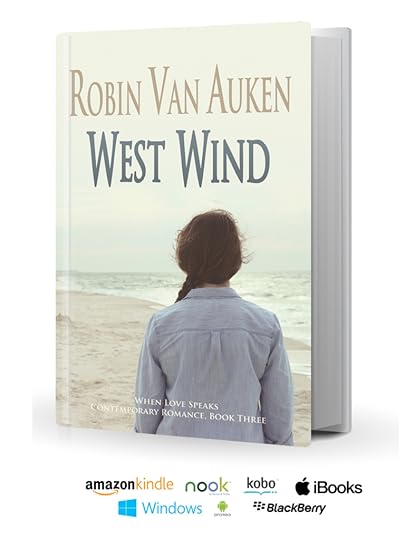
If you love a good mystery, a romantic whodunit that will surprise you, then WEST WIND is a great addition to your ebook library.
West Wind is my third novel as an author of Contemporary Fiction, Suspense, Thriller, and Romance. It’s FREE too, when you join my exclusive Readers Group. Members of the Readers Group receive free novels, invitations to read advance copies, as well as illustrated character profiles and behind-the-scenes articles about Eaton and its quirky residents.
Join today and download your free book, and as a special thank you, you’ll receive a SECOND FREE BOOK tomorrow! The giving goes on and on when you become my fan.
 .fusion-button.button-2 .fusion-button-text, .fusion-button.button-2 i {color:#eaeaea;}.fusion-button.button-2 {border-width:0px;border-color:#eaeaea;}.fusion-button.button-2 .fusion-button-icon-divider{border-color:#eaeaea;}.fusion-button.button-2.button-3d{-webkit-box-shadow: inset 0px 1px 0px #fff,0px 5px 0px #0d6db8,1px 7px 7px 3px rgba(0,0,0,0.3);-moz-box-shadow: inset 0px 1px 0px #fff,0px 5px 0px #0d6db8,1px 7px 7px 3px rgba(0,0,0,0.3);box-shadow: inset 0px 1px 0px #fff,0px 5px 0px #0d6db8,1px 7px 7px 3px rgba(0,0,0,0.3);}.button-2.button-3d:active{-webkit-box-shadow: inset 0px 1px 0px #fff,0px 5px 0px #0d6db8,1px 7px 7px 3px rgba(0,0,0,0.3);-moz-box-shadow: inset 0px 1px 0px #fff,0px 5px 0px #0d6db8,1px 7px 7px 3px rgba(0,0,0,0.3);box-shadow: inset 0px 1px 0px #fff,0px 5px 0px #0d6db8,1px 7px 7px 3px rgba(0,0,0,0.3);}.fusion-button.button-2:hover .fusion-button-text, .fusion-button.button-2:hover i,.fusion-button.button-2:focus .fusion-button-text, .fusion-button.button-2:focus i,.fusion-button.button-2:active .fusion-button-text, .fusion-button.button-2:active{color:#eaeaea;}.fusion-button.button-2:hover, .fusion-button.button-2:focus, .fusion-button.button-2:active{border-width:0px;border-color:#eaeaea;}.fusion-button.button-2:hover .fusion-button-icon-divider, .fusion-button.button-2:hover .fusion-button-icon-divider, .fusion-button.button-2:active .fusion-button-icon-divider{border-color:#eaeaea;}.fusion-button.button-2{background: #0d6db8;}.fusion-button.button-2:hover,.button-2:focus,.fusion-button.button-2:active{background: #0d6db8;}.fusion-button.button-2{width:100%;}DOWNLOAD WEST WIND
The post The History of Writing with Robin Van Auken appeared first on Robin Van Auken.
Childcare Volunteer Programs Abroad: Daycare or School Assistant
.element-bottomshadow.image-frame-shadow-13{display:inline-block}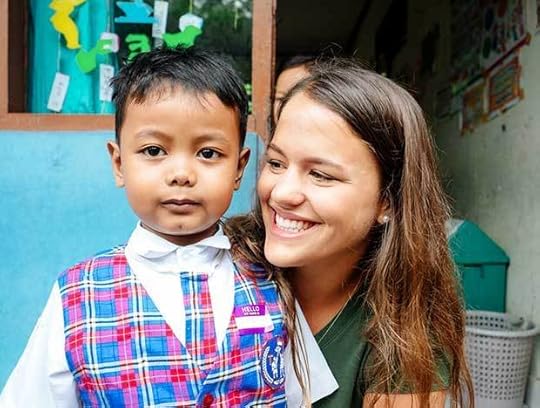
If you’re looking for a travel opportunity that combines volunteering with social importance, consider a child care volunteering program that places you at a kindergarten or daycare center within a disadvantaged community.
The stories you read and the songs you sing will help toddlers to learn creatively, and engage them from the start. A child’s early years lay the foundation of their entire future. In fact, scientists say that the human brain develops the quickest and is most receptive between birth and three years of age.
Teaching important lessons and basic life skills to a small child doesn’t require a formal background in education, and it doesn’t require a village. There’s a theory called “The Power of One” that claims one person can change the future, and that person’s actions can even change the lives of many. You can have a positive effect on a child’s life when you spend time teaching them the value of education.
You’ll feel a tremendous sense of satisfaction when you join organizations like International Volunteer HQ in Uganda, lending a hand at daycare centers, nursery schools, and kindergartens. Children in poor communities are often marginalized and struggle to learn basic hygiene and how to feed themselves, much less educational programming through playing games, reading books, singing, or dancing.
There are hundreds of childcare programs that you can choose from all over the world, and each brings with it a different impact. Perhaps you’d like to help Global Vision International on a program whose mission is to empower young girls in Kerala, India, where gender bias makes it difficult for girls to remain in school.
Another opportunity to check out is Maximo Nivel’s programs in Latin America. In one trip, you can volunteer at a community center in Costa Rica, helping tutor the disadvantaged children of undocumented immigrants. These neglected children often end up on the streets, working long hours for menial pay to help support their families. Formal and informal education, including the chance to practice conversational English, can help to break the cycle of poverty.
If you want to work with young children, Love Volunteers can connect you with a daycare in Kenya where you can teach toddlers in the morning, and spend your afternoon on educational field trips with older students. Your presence and attention can give a child the courage to choose to stay in school, and eliminate the threat of exploitation and child labor.
Spend a couple of weeks or more in Madagascar with Plan My Gap Year and help to alleviate school dropout. This country struggles with poverty, a weak infrastructure, and a rapid population growth, which results in child neglect, or worse. According to UNICEF, close to 80% of the people here survive on less than $1 per day, with half of its children enduring chronic malnutrition.
If you’re up for a challenge, check out a Volunteering Solutions program in Vietnam that places you at Friendship Village, caring for special needs children. This residential facility strives to heal the wounds of the Vietnam War by uniting caring citizens with Vietnamese children, young adults, and veterans with maladies caused by toxins used during the conflict. Volunteers help to provide medical care, physical therapy, education, and vocational training.
Regardless of which program you choose, when you commit to helping a child, you commit to creating a better future. Read on to learn more about the variety of opportunities available from some amazing volunteer organizations.
READ THE REST OF THIS ARTICLE BY ROBIN VAN AUKEN ON VOLUNTEER FOREVER…
Volunteer Forever is a comprehensive online resource that helps volunteers find and fund their volunteer opportunities. It advocates empowerment through information and resources. With Volunteer Forever, you can quickly create a profile and start fundraising right away. Volunteering abroad can be expensive, but it’s also a noble endeavor that your friends, loved ones, and communities will be happy to support. Learn more about Volunteer Forever here.
The post Childcare Volunteer Programs Abroad: Daycare or School Assistant appeared first on Robin Van Auken.
April 26, 2018
Conservation & Environment Volunteer Projects: Forest, Marine, Savannah
.element-bottomshadow.image-frame-shadow-14{display:inline-block}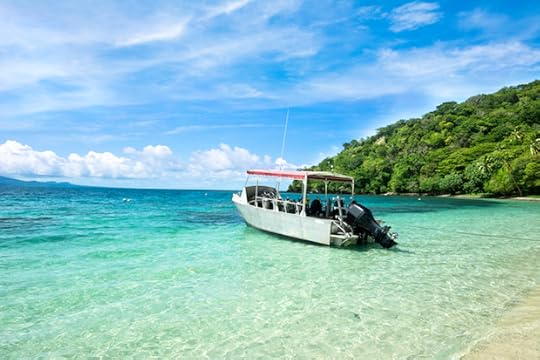
Scientists claim we’re living in the Anthropocene, an “unofficial” geological era in which humans dominate the planet. We’ve left the Cenozoic era, the Age of Mammals, which began 66 million years ago, because people are having a massive influence on the biosphere, altering it to suit our needs. Thanks to collective learning, people are better at sharing information so they know how to build new things.
With each new highway, each new skyscraper, each new automobile, each new plastic water bottle, some part of nature has to give way. There are nearly 8 billion people on earth, using – and sometimes abusing – every available resource. Because of this, animals and the environment are suffering. But it’s not all doom and gloom.
It’s a great time to get involved with conservation because many nations recognize the importance of the environment, and have government agencies and NGOs dedicated to creating and managing policies to protect it. There also are numerous nonprofit organizations that promote wildlife conservation – some of which you’ll learn about in this article. It’s an important topic because of the immediate risks from climate change, unregulated hunting and poaching, pollution, deforestation, over-exploitation, and increasing human population.
Thanks to collective learning and caring people, we can tackle these risks and even reverse them. If you have an interest in conservation and protecting the environment, you can help the wild plants and animals being impacted by the encroaching humanity. Through hands-on work in the field, you can contribute data to scientific research that will restore damaged coral reefs and re-forest the Amazon. Beach cleanups and educational workshops on plastic pollution will lead toward a recovery of the oceans and marine life. You can help with saving endangered animals such as sharks and turtles, or you can help to rehabilitate abused animals like abandoned dogs and cats. You can go big or you can go small, but the fact that you’re going at all is a contribution to the welfare of life on earth.
READ THE REST OF THIS ARTICLE BY ROBIN VAN AUKEN ON VOLUNTEER FOREVER…
Volunteer Forever is a comprehensive online resource that helps volunteers find and fund their volunteer opportunities. It advocates empowerment through information and resources. With Volunteer Forever, you can quickly create a profile and start fundraising right away. Volunteering abroad can be expensive, but it’s also a noble endeavor that your friends, loved ones, and communities will be happy to support. Learn more about Volunteer Forever here.
The post Conservation & Environment Volunteer Projects: Forest, Marine, Savannah appeared first on Robin Van Auken.