
Gary Vaynerchuk's Blog, page 15
December 8, 2020
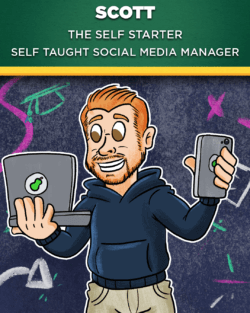
Life After High School: The Self-Starter
Are you in high school wondering what your next move should be after graduation? Maybe you’re currently applying for university or trying to snag your dream internship? Perhaps you’ve been out of school for a little while but now you’re trying to decide whether to go back? If any of that sounds like you, keep reading.
Today we’re talking to Scott, a New Jersey native and entrepreneur who worked his way into a lucrative career. Keep reading to get Gary’s take on Scott’s journey and his advice for anyone in a similar position.
The Self-Starter
Relationship to formal education
I was actually never really a good student…all my teachers sorta gave me the same remarks when I was growing up. “Shows aptitude” and “is able to do the work, chooses not to.” Still, I always liked learning. It probably wasn’t until around fifth or sixth grade that I really started to fall out of love with school. Probably has something to do with puberty, but who knows?
I personally don’t have anything against formal education. Even when I was growing up, the plan was always to go to college. I knew exactly what I was gonna study but I didn’t really know what I wanted to do. It probably wasn’t until I actually started working that I got a good idea of what I wanted.
I don’t want to say school failed me because I really don’t think it was the school’s fault. It was me choosing not to pursue opportunities that were given to me in formal education. I think I learned more by doing and that’s not fair to put that on a school. They can’t say, “Hey, here’s middle-level management [classes] or here’s how to be a creative director,” you know?
What were some of the classes you took that helped you become adept at social media management and video production?
I took a CAS class, which was video production, for four years. I learned more about what not to do than what to do in video production by taking that class. Again, that was just because I brought my own computer to school. I would bring my own camera and find my own ways to solve problems that I was running into. If their equipment wasn’t working or they weren’t offering me the experience I wanted, I would amend my own learning experience.
I had a digital arts class that was probably the most influential class I took during high school.
What else, formally or informally, has helped you build your career?
My parents actually. My dad was in operations management and I would often overhear my mom conduct business meetings with high level companies. I’ve always had a really strong attention to detail and I think most of what I’m good at stems from that.
Also, I’m always approaching things from a problem solving perspective. It’s not just about, “Hey I would love to see a new video this week. Let’s put one on Twitter” or “Let’s, post something on Instagram this week.” Well, no, that’s not really how I approach it.
I say, “Well, what do we need to say this week? What do we need to put out there? What do we need people to know?” And then we work backwards.
How did you begin your career as a creative/social media manager?
I want to preface everything by saying that all the opportunities in my life–I’m also extremely lucky that I’ve had two parents that stayed together. They were in a happy, healthy relationship. I never had issues at home, and I was also born straight and White. So, I recognize that that offered me a lot of opportunities that I otherwise definitely would not have had. I always had this feeling…like, “Well I can explore opportunity and I can explore these other options.”
With that said, out of high school I promised my parents that I would go to college. I signed up for community college but before that I turned 18. Every year, up until that point, I would call Apple and say, “When can I work here?”.
Long story short, I got hired by Apple. I was learning so much–not just about software and technology, but about customer experience and company values. I worked at Apple for three years. When I was 21, I decided to go into business for myself.
Over the last ten or so years I was creating pre-roll content, commercial content, social media content, as well as website management and development for a variety of clients–Kean University primarily. That was pretty much it until 2019.
See, in 2018 I met my partner Cat. She had been doing real estate and she knew I was in social media, video production, and digital marketing. We kind of figured in addition to being partners in life, maybe it made sense for us to be partners in business as well. So I started helping her curate, manage, and create her brand. I officially quit Kean, my main client, because Cat and I are just too busy. We did over 20 million in volume this year and we’re gonna have at least 35 different units this year that we’ve sold or helped people buy.
Is your work experience what made you decide to forgo school?
Yeah, it made going to school really difficult. I hated it. I absolutely hated it. It was worse in college because I was like, “Wow! I’m voluntarily doing this? I’m paying for this, why?” Especially because when I first started in County College, it was all general education stuff.
After literally two weeks at County College I stopped going.
How did your work experience help you start your own business?
While I was at Apple I met a lot of people who were also into video. I learned a lot more about professional video and like what it takes to be a videographer and an editor. Additionally, I had also gotten my certification in editing in Final Cut, and all these things that Apple paid for, which was part of my training.
I also had good luck. During my time at Apple I worked with my cousin’s company who does small business marketing, community management, social media management. This was early 2010s so all that stuff was still kind of fresh. There were all these businesses at the time that knew having a social presence and an online presence was important but had no idea how to do it. And my cousin’s company Eighty6, their whole focus was on getting people’s websites to be good looking, responsive on mobile devices, modernizing, and all these things.
So when I left Apple I was also working with him. I wasn’t getting paid much, if at all. But I took on some major accounts.
Then my father got me a contact at Kean. And so for the next eight years, I guess from 2012 up until this year, I was the lead video producer as a contractor at Kean University. They started me off at $32k and eventually after a few years they got me up to 50k and by the time I was done I was making 70k.
How did you support yourself as you grew your own business?
So during the time after I left Apple I had a little bit of money saved up. I had a lot of stock in the company as well (which I still do) and I was still living at home. So I didn’t really have any expenses like rent or anything like that. My parents promised us early ,both my brother and I, that as long as they’re alive we’re always going to have a place to shower, eat, and sleep.
Luckily I had that security. If I was going out with friends, I would do a wedding video and get $3,500 and that would be enough for me for the month. The only bills I was paying for were subscription services that I had to do my video work. So, it was pretty low overhead to run my life at the time.
Tips for anyone who wants in on social media?
Again, this was reinforced at Apple. My whole goal is, if at the end of a conversation the person who I was working with was asked, “Hey, would you recommend Scott?” That answer needs to be a yes.
Working at that store, they only care about that one metric and this was probably the biggest guiding light in my entire life. So I just took that and ran with it.
That metric is in everything I do in life now. Whether it’s real estate, video production, social media management, client success, or B2B deals.
What do you want people to know?
I mean, I think the best advice is to follow your dreams. Again, I say this knowing full well that I am a straight white man with two parents and all the opportunity in the world.
That, in combination with surrounding yourself with people who are supportive and encouraging, is important. Even if you don’t have that, seeking it out, finding it online, and watching videos helps. I learned a lot of what I did just on YouTube. I’m not an expert or anything, but I think that people in general always need to be receptive to learning and to learning from others.
We’re in a giant melting pot, we all have something to contribute. It’s about how we can use our abilities, our privilege, our knowledge to best help everybody else. And I think that as long as people are coming from a place of caring about other people, you can’t really go wrong.
I never thought about making money, I never thought this is gonna be what I have to do to make the most money. I always just thought about how I can be the biggest service to somebody else? What am I good at that I can help everyone?
And then from what, what I’ve seen of Gary Vee, he’s, he’s the same way. I know he’s very passionate and I think as long as you have that, that’s it. It’s important, and you can’t force it. You gotta really want it.

Resources:
Skillshare Video Editing Classes
High Paying Jobs To That Don’t Require A Degree
The post Life After High School: The Self-Starter appeared first on GaryVaynerchuk.com.


Life After High School: The Gap Year
Are you in high school wondering what your next move should be after graduation? Maybe you’re currently applying for university or trying to snag your dream internship? Perhaps you’ve been out of school for a little while but now you’re trying to decide whether to go back? If any of that sounds like you, keep reading.
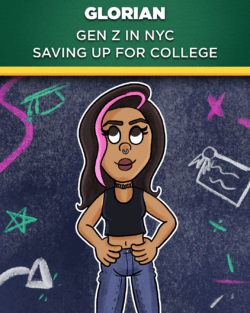
Today, we’re talking to Glorian, a Venzualan immigrant who’s planning on attending college after an impromptu “gap year”. Keep reading to get Gary’s take on her journey and his advice for anyone in a similar position.
The Gap Year
A proud member of Gen Z, Glorian came to the United States in 2019, shortly after she finished high school in Venezuela. Although she had always been a good student, she didn’t immediately begin searching for colleges to attend stateside. She wanted to start school soon after graduation, but she thought it was better to take a time out and figure out what she really wanted.
“In Venezuela it was really weird. I do like learning and having more knowledge but, like…the education I had was not the best.
Because of all that’s going on in the country, there were times that I didn’t have teachers in certain classes. Sometimes there were issues with light and electricity. So [I felt] I didn’t get all the information I was supposed to have. Here [in the United States] it was complicated. It was really hard to understand English grammar and stuff. It’s hard to stay engaged.
Still, my issue was less of a language barrier and more due to the general quality of Venzuelan education. There were not a lot of resources because [my school] was really poor. If you had a lot of money you could go to a very good school, with a higher quality of education, but if you don’t, you have to stay in a school that’s not as good. It’s stressful to be in a situation where you want to learn, you have the passion, but the education system doesn’t help you. It’s similar to what’s happening in the United States. If you have money you can get into great schools, if you don’t you have to go where you can afford. At least here, no one pretends everyone is equal.”
Now, Glorian is looking to take the CAT exam to enter Cuny. “I’m interested in learning psychology…but I’m also not 100% sure. It’s nice to have options.”
Why do you want to learn psychology?
Mainly it’s because I really like listening and trying to help people. I listened to all these TedTalks about being who you needed when you were younger. That hit me because when I was younger I didn’t know what I wanted to do at all. What I would have liked was a therapist, or anyone, to tell me what I was going through was okay. I would like to be that for someone else.
Do you think a college education will help you do that?
A college education would make me better equipped to do that. “There’s a lot of things that I still don’t know and there’s so many ways to fuck up a person if you don’t have the correct information. I think college can give me the correct information.”
What do you pay for when you pay for college?
It’s mainly the knowledge that I can get. If I meet people along the way and network, that’s fine, but I’m paying for the information so I can get a good job and help people.
How do you plan to pay for college?
Right now, I have a job, but I need to start saving money for college. I don’t have the ability to ask my parents to pay for college–I have to do it myself.
I’m not gonna lie, it’s scary. It’s scary to say it’s an investment, for years. Maybe after so much time you’re going to realize you don’t like what you study. However, my mom has always told me that you need a secure plan. You need to go to college.

Gary’s Take
I believe one of the biggest misnomers of my position with education (and many other things) is that I believe it is a self awareness game. What I mean by that is, what I’m pushing against is that everybody in the 80s and 90s decided that college was the only route. That’s finally changing.
Glorian’s parents might not want her to take a gap year because her parents want her to live her life based on what they believe is right. I think that is the greatest mistake that parents make. Parents think that they know better than their child when their child is a grown up. Maybe not an experienced grown up, but treating 23 years olds as if they’re 9 has created enormous amounts of insecurity, anxiety, and a lack of belief amongst the millennial set.
The fact that there’s even an arguement or conversation speaks to the fact that children are over relying on their parents. Most children will listen to their parents because the parents are the ones who pay for school. The parents, at their worst, hang the financial thing over their kids’ heads. They may have a conversation at first, but if the child digs in, it’s “Hey Kid, that’s cool. But, if you take this gap year, you’re paying for college by yourself.” Of course the kid folds.
If that’s not your situation and you’re not financially depending on your parents, then you better take a gap year. Your parents have no leverage. I understand loving your parents and wanting to appease them, I understand it cold. But, you always end up resenting your parents. From the kids perspective, you think you’re making your relationship with your parents stronger, but what you’re doing is making it faker in the short term and more vulnerable in the long term.
Resources
Gap Year Abroad? Consider becoming an Au Pair
The post Life After High School: The Gap Year appeared first on GaryVaynerchuk.com.
Life After High School: All Of The Above
Are you in high school wondering what your next move should be after graduation? Maybe you’re currently applying for university or trying to snag your dream internship? Perhaps you’ve been out of school for a little while but now you’re trying to decide whether to go back? If any of that sounds like you, keep reading.
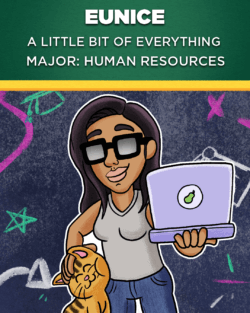
Today we’re talking to Eunice, a New Jersey native who’s done a little bit of everything education wise. Now, she’s finishing up her Human Resources degree while she works full time as an executive assistant. Keep reading to get Gary’s take on her journey and his advice for anyone in a similar position.
All Of The Above
Eunice has done a little bit of everything on this list. She attended Rutgers at age 18, dropped out to go to community college, left to focus on herself, then entered the workforce. However, after years of hustling and learning various skill sets, she made the decision to return to college at age 25.
Why did you choose to go to college at 18?
“I went to college purely because I had to. My parents are immigrants and education is a really big deal. My mom didn’t care what I went to school for as long as I was in school.
I went to college and realized I was not prepared for it. I went to Rutgers to do accounting and I realized that was not for me. I dropped out of Rutgers to go to community college, for three semesters until I was like, you know what? This is still not what I want to do with my life.
My grades were good at community college; I just wasn’t into it. So, I dropped out to go to cosmetology school.”
Were you passionate about cosmetology school?
I was at that time, and for the next several years. Then I got burnt out. Part of the reason I stopped doing hair was because it’s hard as a freelancer. Salons don’t provide insurance and most salons don’t give you a 401k. So, I left to go back to college. Now I study finance at Baruch. I wanted to end up in an industry that gave me more money and more security.
Do you feel college prepares you for the workforce?
I believe college does not help you with networking whatsoever. I’m one of the older people in my class because I went back to school at the age of 25, and it’s amazing how little social skills these young adults have. They’ve never had a job. I’ve been in so many industries: waitress, hostess, hairstylist–the place that taught me how to talk to people was the salon.
I learned more about accounting practices at my job than I did during my first time around, studying accounting at Rutgers. College is not necessary for life. It’s not necessary to have a successful career. There are a lot of people who work in finance who don’t have degrees, especially in the United States.
What are people paying for when they pay for school?
It opens doors, because some people don’t look at your resume if you don’t have a college degree. The only thing more expensive tuition implies is that the name is better. I don’t think a college degree is necessary for many things. It depends on the industry that you’re in. If you want to open a salon, no. If you want to build an app, yes. One of my professors was prominent in journalism, if I wanted to be a writer that would have been useful.
Do you think people should go to college only to improve their job prospects?
No. I was a finance major when I entered Baruch, then I switched to computer science purely because I thought my chances to get a job would be better. I hated the major, sucked at my classes, and realized I was doing it for the wrong reasons. Now, I’m back in finance.
Why do you think immigrant parents push education?
“In the Philippines, where my mom is from, you’re not climbing out of poverty cutting hair. My mom became a pharmacist because getting a formal education was the only way out. Which is why she put the emphasis on me to get a formal education.
You can be an entrepreneur in a foregin country (or build an app), but it’s a lot harder. That’s true for a lot of things in the US.”
Has Covid changed your views on education?
For me, it’s the same. A college education isn’t necessary for everyone but it is helpful for some people.
Gary’s Take:
If you want a job, and you’re thinking about going to school just to get a job…
“Network digitally and then virtually. Virtual networking is probably the number 1 move on earth, if you want to be an executive in the airline industry. Going to LinkedIn and replying to every airline executive’s posts with thoughtful, meaningful ideas–consistently– for four to seven to 13 months where you brought value to 87 different people. It’s not like you have to be an expert to give perspective. It gives you the chance to be discovered.
A member on my team is an example of that. He was unbelievably active in my LinkedIn community, I met him in person, and a moment happened. Be active to people’s content then either physically or virtually, get in front of them.
You can go to college and meet someone who could give you an interview, or you could do what I mentioned. They both work. “
Resources:
There Is No Right Way To Live Your 20s, But There Is A Wrong Way
Humanistic Psychology and Your 20s
How To Be Assertive With Parents
The post Life After High School: All Of The Above appeared first on GaryVaynerchuk.com.
Life After High School: Community College
Are you in high school wondering what your next move should be after graduation? Maybe you’re currently applying for university or trying to snag your dream internship? Perhaps you’ve been out of school for a little while but now you’re trying to decide whether to go back? If any of that sounds like you, keep reading.
Today we’re talking to Glorimar, a Venzulean immigrant who’s attending Columbia University after transferring from LaGuardia Community College. Keep reading to get Gary’s take on her journey and his advice for anyone in a similar position.
Community College
Glorimar finished a nursing degree in her home country of Venezuela, community college in the United States, and is currently in her third year at Columbia University. She’s also Glorian’s older sister.
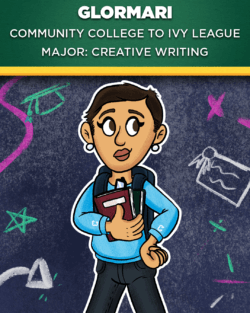
Describe your relationship with school.
“I’ve always been a school person. Ever since I was little. I always did my homework and my mom never had to check because I always did what I had to do.”
“In my family, everyone went to school. Out of my grandmother’s six children, only one of them doesn’t have a college degree.
I went to nursing school because my mom was a nurse and she thought I would be good at it. After one semester, I knew it wasn’t for me but by that time I was determined to leave the country anyway, due to the social and political issues Venezuela is currently experiencing.
Once I got to the US, I knew I was going to go back to school eventually. So I went to Laguardia Community College and then transferred to Columbia University.
Is it possible to be successful in Venezuela without a college degree?
It’s possible to be successful in Venezuela without a college degree. My dad is an entrepreneur and my brothers work for him–but it was very important to my mother’s side of the family because education took her away from her really poor village. There were no roads in her village. After school, she became chief nurse of all the hospitals in Caracas.
That was just our mindset, we go to school because that’s how we advance in life.
What are you studying now?
“I feel like my major isn’t super desirable for employers. I take classes like ‘the craft of dialog’ and ‘south african culture’ so I started to include classes like communications management and management for stable income. But, what I’m studying is really helping me to be what I want to be, which is a great writer.”
Without college I would probably read and write a lot, in order to become a renowned writer. But I’m not really a self starter so college is really helpful. I don’t think it’s necessary for everyone but for me, I don’t know any other way to be successful. Plus, I love school.
When I tell people I’m going to pay 100k for a creative writing degree, they might say “Oh, what’s wrong with you.” But nothing will change. I love it. It aligns with my goals.
What are you paying for when you pay for college?
I’m paying to showcase my skills and my story. I have a cool story and I’ve completed a lot, this degree shows that. The experience, the learning…plus my English has improved so much. My first day at Laguardia [Community College] I was so impressed by how articulate the teachers were. I would think, wow I want to talk like that someday. Not without an accent, but by expressing myself so clearly.
I’m exposing myself to so much knowledge, and connections. Up until now, I can’t say that the connections have helped me find a job, but I think they will. Even puting Columbia on my resume for babysitting jobs is really helpful.
Has Covid changed your mind about school or education?
Columbia is helping students like me so much. It makes me feel they’ll also work hard to help me get a job.
At first, I didn’t want to go because I didn’t feel safe with Covid, but the administration is helpful. I don’t mind online classes because my courses are mostly seminars and lectures. It might be different if I was still doing a nursing program.
This is an opportunity because Columbia isn’t charging as much as they usually would. They’re waiving or reducing fees like student life or library and printing. The only thing between me and my degree is money. I plan to take as many classes as I can.
Compare LaGuardia Community College with Columbia University.
It’s absolutely different. The professors at Laguardia are good but Columbia is much more rigorous. What I read at Laguardia for one semester is one week at Columbia–but I would never have made it to Columbia without LaGuardia.
“I would recommend community college for anybody that needs a solid foundation. Especially for a student like me that never had college level education in English.
How did you pay for college?
I knew I was going to transfer so I began to save when I first entered Laguardia. I was a bartender so I was able to save a lot of money in just two years. Most of my savings went to Columbia in the first semester, afterward I had a scholarship which helped me pay for college. My scholarship increases as long as your GPA is good. My GPA is a 3.9 so my scholarship keeps going up, which is important because I am paying for college completely on my own.
Final Thoughts?
“I’m studying because I like it. I already spent three years studying something I was not passionate about. I have a degree in something practical. I don’t want to spend the rest of my life wondering what if? Have balls to follow your dreams, and don’t let people bring you down, especially people who can’t relate to your experience.
Be careful who you listen to. People who I did not admire, the managers at my job that have been there for 20 years and HATED it, they’re the ones who told me not to pursue my passion. People who I considered successful, people who seemed happy, they told me to go for it.

The post Life After High School: Community College appeared first on GaryVaynerchuk.com.
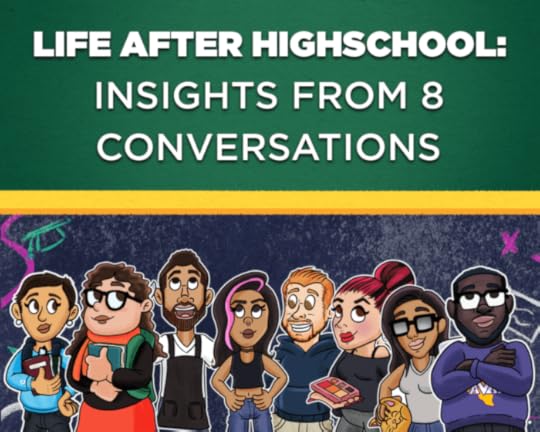
Life After High School: Insights From 8 Conversations
What’s up VaynerNation!
We’re Team GaryVee and recently we sat down with 8 people for more insight on the #GV18to28 debate. While Gary’s message may be interpreted as “anti-college”, really it’s all about self-awareness. Remember, life after high school doesn’t have to be straight-forward or daunting. Everyone is so different, so why do we all have to do things in exactly the same way?
Our interviewees are 19 to 31 and they all took (or are in the process of) a different path to achieve their version of success. Are you in high school wondering what your next move should be after graduation? Maybe you’re currently applying for university or trying to snag your dream internship? Perhaps you’ve been out of school for a little while but now you’re trying to decide whether to go back. If any of that sounds like you, keep reading. We hope this brings you value.
Insight 1: Have patience; if you truly want a college degree, it may take time.
This insight comes from Glorian, a 19 year old immigrant from Venezuela who is putting off college to earn money for tuition and improve her English.
“Right now, I have a job, and I need to start saving money for college. I don’t have the ability to ask my parents to pay for it–I have to do it myself.
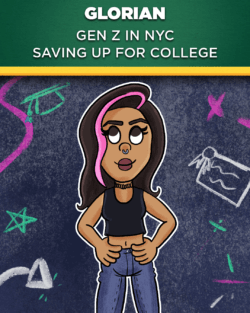
I’m not gonna lie, it’s scary. It’s scary to say it’s an investment; a multi-year investment. Maybe after so much time, I’m going to realize I don’t like what I’m studying. However, my mom has always told me that you need a secure plan. She pushed me to go to college.
I’m glad she did because a college education will prepare me for my dream career, to be a psychologist. There’s a lot of things that I still don’t know and there’s so many ways to mess up a person if you don’t have the correct information. I think college can give me the right foundation.”
Insight 2: Have self-awareness; begin your journey with your goals in mind and don’t let anyone bring you down.
This insight comes from Megan, a 21 year old Long Island native who’s attending Columbia University after applying as a high school student and getting in on her first try.
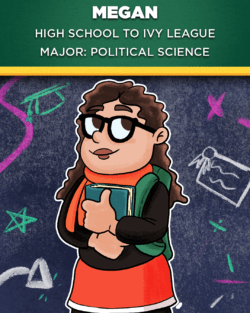
“After undergrad, I want to go to a law school that’s prestigious and rigorous, so I need to attend a similar undergraduate university. The top law schools definitely consider your undergraduate degree. I want to get a foot in the door with more competitive graduate schools. For some people, price is more important than prestige. My twin brother, for example, he wants to be a nurse so he’s more interested in what’s the most cost effective. But I know prestige begets prestige which will help me in the future.
I also believe my education itself will help me. There’s the theory behind something, then there’s practice and putting them together creates praxis. School helps me ask, “Why do we do things this way?” and “Can we do things differently?” An education gives you the basic knowledge of how systems work and also the tools to think critically about it. School doesn’t necessarily prepare you for the workforce, it gives you the scaffolding to or foundation to change the workforce or see if the processes are working the way they’re intended. It expands you, not prepares you.
In general, study what makes you passionate, not what’s practical. You’ll be much happier.”
Insight 3: Have Tenacity; changing your mindset is a strength not a weakness.
This insight comes from Glorimar, a 28 year old Venezuelan immigrant who also attends Columbia University. However, she went to community college first.
“I would recommend community college for anybody that needs a solid foundation. Especially for a student like me that never had college level education in English.
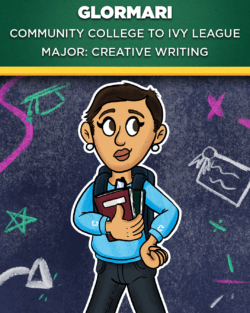
When I entered community college, I knew I was going to transfer…I’m studying Creative Writing because I like it. I had already spent three years studying something I was not passionate about. I have a degree in something practical. I didn’t want to spend the rest of my life wondering what if? I thought to myself, have the balls to follow your dreams, and don’t let people bring you down, especially people who can’t relate to your experience.
In general, you should be careful who you listen to. People who I did not admire, the managers at my job that have been there for 20 years and HATED it, they’re the ones who told me not to pursue my passion. People who I considered successful, people who seemed happy, they told me to go for it.”
Insight 4: Be proud of who you are, be proud of your generation, no matter what anyone says.
This insight comes from Sydney, a 21 year old who’s recently joined the workforce after dropping out of cosmetology school.
“Me, personally, and a lot of people in my generation [Gen Z], know we have to have multiple sources of income. Our parents or our grandparents, they would have one career and stick with it, it’s different for us.
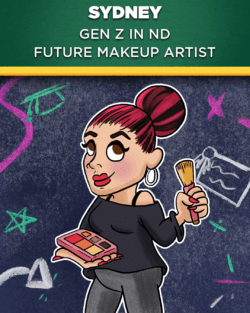
Our generation is hyper vigilant because we’re the generation of flexing. We make a lot of money but we show it on instagram, it’s a constant pull. We’re always aware of who’s making money and comparing ourselves. A lot of people are becoming more open to different types of work because we refuse to struggle. We just keep going because we’re hustlers.
People say we’re lazy and entitled. We are, but we also fight for what we want. We’re greedy, kinda. It’ll keep us alive during the pandemic.”
Insight 5: Be open and taste everything! Who says you have to stick to one path?
This insight comes from Eunice, a 28 year old executive assistant from New Jersey who went straight to college, dropped out, tried community college (and finished cosmetology school), before re-enrolling in a four year college.
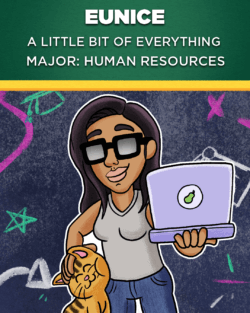
“I went to college purely because I had to. My parents are immigrants and education is a really big deal. My mom didn’t care what I went to school for as long as I was in school…I went to a four year college, community college, cosmetology school, you name it. I wish more people realized you don’t have to have a college degree to be successful at your job.
I think I learned more in the workforce than in college.”
Insight 6: Networking matters; it might get you a dream apprenticeship.
This insight comes from Frank, a 31 year old former-apprentice from New Jersey. After high school, he learned how to barber by learning under hairstylists in his area.
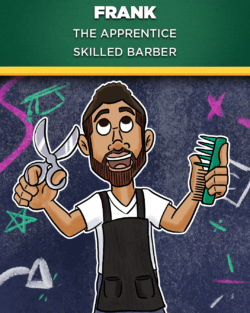
“To do the cosmetology course at my school, you had to be a ‘model student’…I was not (laughs). So, instead of waiting for my teachers to let me in, I asked a barber around my way if he would teach me a few things. I cleaned up around his shop and became his apprentice.
Frank worked as a barber for 15 years, before switching careers due to COVID. His advice to emerging apprentices?
“Don’t let anyone tell you, you can’t do something.”
Insight 7: Soft Skills Matter Just As Much As Hard Skills
This insight comes from Scott who, after high school, attended community college for two weeks before dropping out to work full time. Now he’s a 30 year old entrepreneur who’s recently expanded his business.
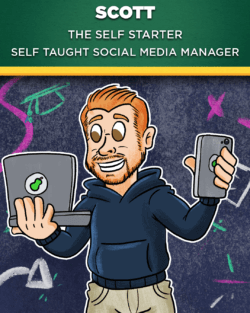
“This was reinforced at Apple. My whole goal is, if at the end of a conversation the person who I was working with was asked, ‘Hey, would you recommend Scott?’ That answer needs to be a yes.
Working at that store, they only care about that one metric and this was probably the biggest guiding light in my entire life. So I just took that and ran with it.
That metric is in everything I do in life now. Whether it’s real estate, video production, social media management, client success, or B2B deals.”
Bonus Insight For Educators! Be Open and Empathic
This insight comes from Frederick, a 19 year old college student (and future teacher/journalist).Some of you may recognize him from Tea with GaryVee earlier this year.
“As far as education, I just want to say: get to know people. Learn people, learn how people are, because you’re gonna meet so many different types of people in the education field.
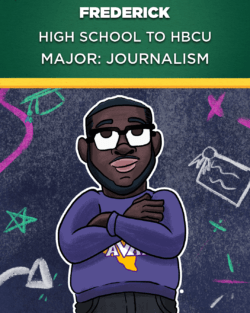
You need to be well versed to be a teacher, support people, and help them succeed. You don’t necessarily need to be so legalistic about it, to the point where you don’t know how to approach a person. I feel like that’s what our education system has cultivated. That’s why I see a lot of educators are trying to dismantle that and I appreciate it.
Growing up, my dad made a difference in people’s lives. He would buy kids lunch if they needed it, he would show up at funerals…that’s the kind of difference I want to make in my students’ lives.”
We hope these perspectives help you understand that there really is no “right way” to success. Everyone’s definition of success is different, so it’s not wise to follow the advice of people who don’t understand your dream. If you want to read more, check out each #GV18to28 article, here on the GV Blog!
The post Life After High School: Insights From 8 Conversations appeared first on GaryVaynerchuk.com.
December 3, 2020
How To Save Yourself From Mistakes That Big Companies Make
This is a Thursday afternoon call to all businesses and business owners.
Recently, I came across a story that’s been going viral. The gist is, @tonesterpaints is a college student that had been working in Sherwin Williams. After amassing an impressive 1.4 Million TikTok followers with his paint-mixing content, Tonester wanted to create an entire TikTok campaign for Sherwin Williams, making similar content for the company that he had previously made on his own. In the end, Sherwin Williams rejected Tonester’s pitch and later fired him for gross misconduct.
Big companies, you’re losing the 2021 game. Blind robotic law isn’t going to cut it anymore. When I look at the Sherwin-Williams/Tonersterpaints situation I am baffled. I’m not going to go as far as to ask, what were you doing Sherwin-Williams, because I’m educated enough to know that big companies have lots of legal realities and tend to get concerned about things that may get in the way of common sense. They let go of Tonester, who soon after got a ton of job offers. Anyone could have predicted this kid would be a star…but, now, Florida Paints has him. Tonster now has a job with Florida Paints, making the same content for them that he made for himself. The same content that made him TikTok famous.
So, even if I hesitate, I have to say it–What are you doing, Sherwin-Williams? This is the biggest press Florida Paints has ever gotten.
The world is changing and common sense needs to emerge. I have a ton of empathy for legal life. We deal with it 24/7, 365 at VaynerMedia. But big companies, come on. You’re losing the 2021 game, and I mean that. We need to have common sense, even just a little bit. There’s so much opportunity out there. But we need to open our eyes and our minds and become more consumer-centric, not corporate-centric.
Big companies need to be more thoughtful. There’s so much opportunity in the new world but we must deploy new rules. If we don’t, yesterday will get in the way of tomorrow. Good luck to @tonesterpaints on your new gig. For the business owners and c-suite executives reading this, let’s ponder new ways of working.
View this post on Instagram
The post How To Save Yourself From Mistakes That Big Companies Make appeared first on GaryVaynerchuk.com.
November 25, 2020
How to deal with negativity this Thanksgiving: The ultimate clapback
So, you’re drinking your wine at Thanksgiving (or apple juice if you’re under 21) and somebody’s coming at you hard. Yelling at you about bad grades, or that you’re not settled down, or that you’re debating whether you want to go to college, or yelling that you’re not making enough money. Just yelling, yelling, yelling. So, what do you do when somebody’s coming at you, just filling the air with negativity and judgement? Here’s how to deal with negativity at the Thanksgiving dinner table.
The Number One Way To Deal: Kindness
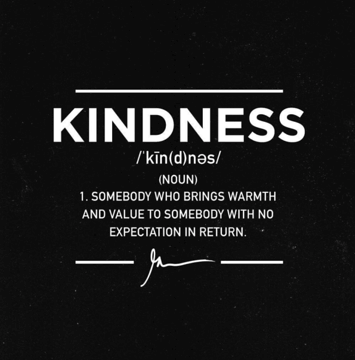
The number one thing you can do is bring it back to them. Reverse it and be kind. If they come at you, you put the mirror up. Uncle Sal, why are you trying to dump on me at Thanksgiving? If someone is trying to dump on someone during the year of Covid they obviously have some things going on. Ask if there’s anything you can do for them. Try, Mom, I know you’re upset but if you’re actually getting this mad at me during Thanksgiving in a Covid year you must be in a really bad place. Instead of fighting your mom, ask her if she’s okay. Think about where you really want to put your energy.
The Number One Clapback: The Reverse Uno

Is there a better card than the Uno Reverse? I don’t think so. So, here’s my reverse uno for Thanksgiving. Say Uncle comes in hot, being neagtive. Your mom’s upset that you haven’t settled down yet. The ultimate uno reverse card on family dynamics during Thanksgiving is actually an interesting one.
The number one clapback during Thanksgiving is: because I don’t want your life. Make it kind, but let’s call it what it is, VaynerNation. Thanksgiving is always a beast. It’s brutal. Mom and Daddy and Auntie and Uncle and Grandpa and Grandma–there’s a lot of eyes on you. Why are your grades so low? Why are you in this type of job? Why aren’t you married? Where’s your baby? See, what I need most people to understand is that the people who are pressuring you at Thanksgiving are doing so because they want you to live the life that they think you should live. It’s similar to the one they lived. You unlikely, highly unlikely, want that life.
Explain this to them and be the bigger person. I love you grandma but I don’t want your life. So I’m gonna live mine. Then, you live yours. The reverse uno is a great clapback during Thanksgiving!
The Number One Move: Compassion
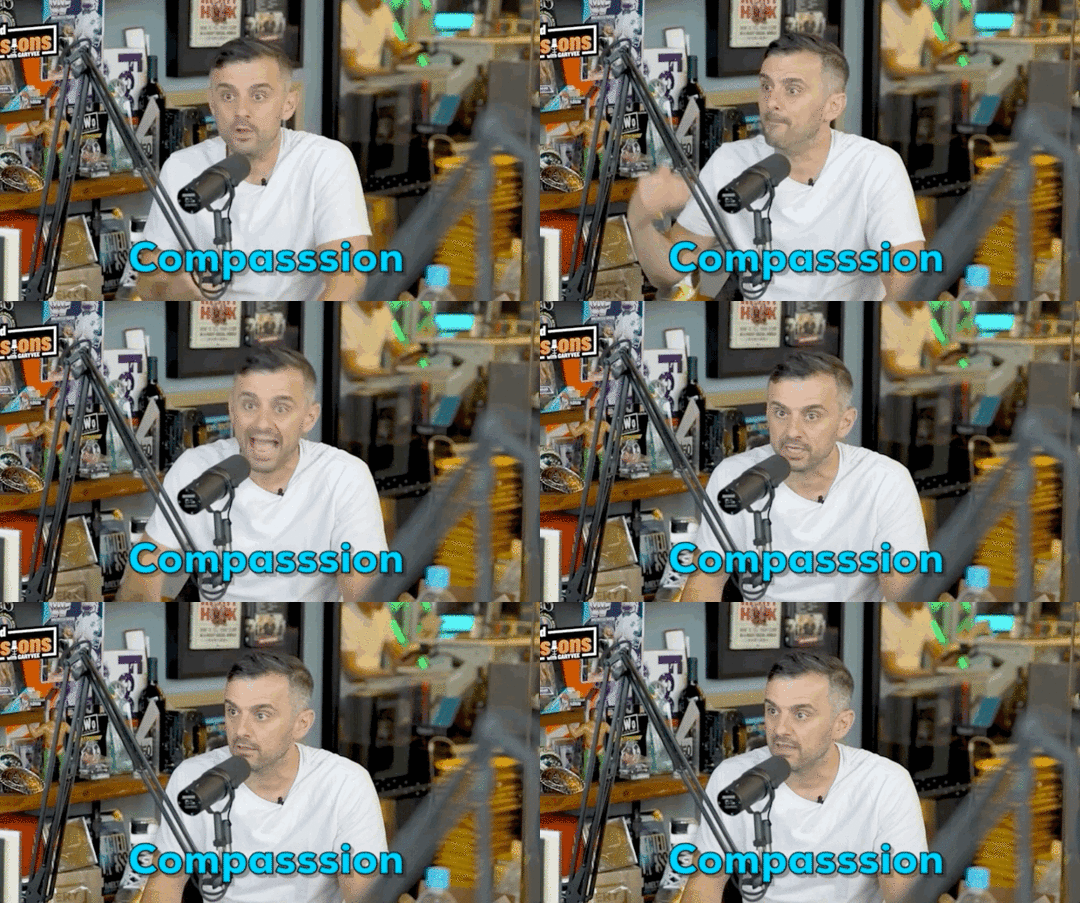
If you need to, try this sentence: Mom I know you love me and I know you want me to have a boyfriend (or a girlfriend, or have a child, or get married, or get a new job) and I love you for caring about me so much. But mom, I’m happy. I don’t know if you’re happy (that’s the zing) but I’m happy and I love you. Thanks for caring about me but I’m good and I got this. So stay patient with me..
People that come with heat are usually hurt. Compassion is the move this Thanksgiving.
If this brought you some value, be sure to let me know on Twitter!
The post How to deal with negativity this Thanksgiving: The ultimate clapback appeared first on GaryVaynerchuk.com.
Breaking Down Supreme & VF Corporation’s $2.1 billion Acquisition
What’s good, VaynerNation?
I hope you’re all doing super well.
If you follow fashion, you may have heard that VF recently acquired American lifestyle brand Supreme for 2.1 billion dollars. The news was impossible to miss, with everyone asking different questions about what this acquisition could mean for the future of the brand. Keep reading to hear my answers to some of the most commonly asked questions on this matter.
Question: What do you think the biggest challenges for VF will be as they try to scale a brand that’s known for their niche, underground roots?
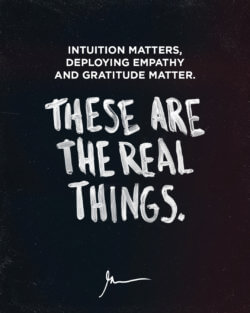
This is a great question. I’m writing this blog post because I know my Instagram is getting more “business oriented”. A lot more established executives are following me, but I also want every up and coming entrepreneur to know this as well: the biggest challenge in any merger and acquisition (M&A) is losing the DNA of the organization. The biggest challenge for VF, in regards to Supreme, is going to be having empathy. However, this answer leads to a bigger question.
How can a large company support the audience and employees of the smaller company they acquire?
A lot of you are thinking of buying small companies even though you’re a small company. Due to Covid, many small businesses are hurting and looking to sell. Therefore, some of you are starting to think about M&A. To take this more macro, now that the Supreme team, their executives and rain makers, have cashed out, (because they probably have contracts that keep them at VF for a while) how does VF keep them motivated? And more importantly, how does VF not mess up what Supreme has done?
My answer: it’s like an organ coming into a body. My friends if you’re buying somebody else’s cleaners, law firm, or landscaping firm, and incorporating it into your world–it’s a culture game. Just because you bought them doesn’t mean you get to boss them around. You’ve got to figure out how to make them work in your world.
The biggest challenge for VF with Supreme is going to be having empathy. Empathy that’s structured in a professional manner. Practical, professional, empathy is the biggest challenge for big companies when they ingest. It’s an even bigger challenge for small companies when they ingest, because small companies are founder-led. She or he says, Hey! I just bought your company so you’re gonna do this. A lot of times, that’s the thing that messes them up.
Big companies tend to sometimes look for efficiencies. They cut some costs, change a rule or two, change the technology stack maybe. I know of startups that have gone into companies where they have to use Microsoft Teams instead of Google Hangout. Those kinds of things. I’ve seen startup brands that use Shopify Plus have to go into companies that use Magento or big commerce.
When you’re forcing culture changes, the speed is an issue. Smaller brands tend to be fast when it comes to changes. Regardless of the size, having empathy and respect can solve a lot of problems–both in business and in life.
View this post on Instagram
The post Breaking Down Supreme & VF Corporation’s $2.1 billion Acquisition appeared first on GaryVaynerchuk.com.
November 20, 2020
6 Ways To Stay Positive During Quarantine
What’s up VaynerNation!
Obviously times are hard right now. That’s why it’s important now, more than ever, for us to empathize with one another and stay positive. Nothing good comes from dwelling–if anything, it often leads to unhappiness and anger. Many people have a lot of anger toward this year, but in life often having hard conversations with yourself can lead to a lot of good. This is the year that forced you to have those hard conversations, this is the year that woke you up. There are still so many ways to remain positive. Keep reading to learn my top tips for staying positive in our current climate.
1. Be grateful.
Gratitude is so so important. It’s easy to think of the year that might have been, and of all the cool things you would be able to do if most of the world wasn’t restricted in some way. However, think about the things that wouldn’t have happened if Covid had arrived in North America just a few months earlier.
I was having this exact conversation with a friend. His business was in trouble and he was feeling down. I had to remind him of how good he still had it. I wasn’t just saying that to make him feel better, I was being real. If we had shut down in January, most people would have had to stay home, events would have been cancelled and many bad things would not have happened.
2. Have perspective.
This one is similar to the first, but it’s much more macro. Rather than focusing on the way you’re feeling, think about what this climate means for everyone else. I would say the majority of people are feeling anxious or worried about the state of the world. If you want to stay positive, you can’t just dwell on your own problems. Think about how you can help other people. I’m sure there are many people in your inner circle and community at large who could use some support. If you’re able to, supporting someone else in their time of need is one of the best feelings in the world.
3. Be accountable.
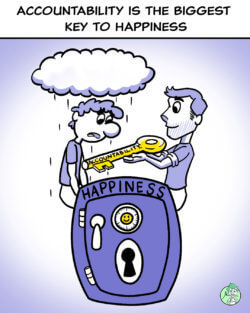
Okay, accountability is a word many people don’t like to hear because it doesn’t come naturally for most. It may take years of practice but, how else can you change the world if you don’t start with yourself. Rather than worrying about all the things you can’t change, why don’t you start by setting goals and meeting them. Now is the time to put your money where your mouth is–no one is going to force you to become the person you’re meant to be. It’s hard, but I know you can do it! Plus, setting hard goals and meeting them helps a lot when you’re trying to maintain a positive mindset.
4. Pick up a hobby.
Speaking of accountability, now is the perfect time to follow your passion. If you’ve always wanted to learn how to play guitar, and you have time to spare, now is the moment to do it. Just start. People have no idea how much immense happiness and gratification they’ll feel once they accomplish something that’s special to them. Your passion doesn’t have to be productive. It doesn’t have to be what your parents like or what your friends think is cool. Following your passion should be the thing you’re excited to do first thing in the morning. It should guide your thoughts throughout the day.
Have some self-awareness and be honest about what you want to do. Then start doing it!
5. Exercise
This one is tough, but it has to make the list. I could go on and on about the benefits of exercise, but I don’t have to. It’s been documented over and over again. Staying active helps your mental health as well as your physical well being. Now is the perfect time to sign up for a virtual class, get used to running early in the morning before everyone else is up, and just move.
I am the least naturally healthy person there is, and I exercise. My process of getting healthy has made me have so much empathy for people who believe in quick results. Or maybe I should say faster results. After a year of “grinding”, doing reps and core work, I still didn’t have the massive body builder frame that I wanted. I just didn’t have an understanding of health and fitness. It takes reps, it takes time, it takes years, and it takes decades. The question is, do you enjoy it?
We all have strengths and weaknesses. through If you need to, hire a personal trainer or workout with a friend who keeps you accountable. Some of us need coaches and some of us need teammates. Again, it’s all about self-awareness and doing what is best for you.
6. Virtually surround yourself with positive people
This one is super important. Use this time to connect with your friends and the people who have supported you. I spoke about this in depth on Tea With GaryVee.
If you’re taking a virtual exercise class, take one with a friend. If you’re starting a new hobby to create content or as a way to prioritize your mental health–do it with a friend. Have a Zoom party if you want.
We are so lucky to have so much technology at our disposal. There are so many ways to stay connected. So, reach out and you may be surprised with what happens next.
The post 6 Ways To Stay Positive During Quarantine appeared first on GaryVaynerchuk.com.
November 18, 2020
The 18 to 28 Debate: Is College Worth It?
The world is changing, and it’s important to acknowledge that certain long held beliefs should be re-examined. So many of us are stuck doing things in an outdated way and it’s only leading us to unhappiness. With that in mind, let’s rethink the paths people can take from ages 18 to 28. I don’t have all the answers, so after reading this piece, leave a comment so I can get your perspective on the 18 to 28 debate.
Is education the only way someone with few resources can find success?
What’s ironic about this question is my answer. As much as I take issue with the “one size fits all” education model (especially in countries like the United States), I am on the board of Pencils of Promise and I’m on the board of Charity Water. I know, in certain underdeveloped parts of Africa, if water is supplied then children, and parents, can focus on their education–instead of water. That’s why Pencils of Promise builds schools in Ghana, Guatemala and Laos. They focus on education because in less developed countries, entry level education leads to opportunity in the same way that entrepreneurship, the internet, and self awareness can lead to opportunities in countries like the US.
So, the passion in my activities–not my words but my actions–they aim to show the opportunities present in wealthy countries due to the internet. I encourage people to look at their opinions and not just fall into the limitations of a one size fits all education system. My actions speak to providing education to those in third world countries because it is the most practical. So it’s an interesting question for me.
I go far less entrepreneurial in less developed countries, mainly because I believe that the internet is the biggest gateway. Luckily, in the last decade there have been big advances in internet and cell phone dynamics in less wealthy countries. Still, it’s not to the level where I feel the practicality of saying, “hey kid become an influencer” or “sell t-shirts on Shopify on your cell phone” isn’t actual, practical execution. For me, this is actually a story about the fact that I hate being ideological and that I don’t have a passion for any specific thing. But, I do have a passion for what’s right at the moment and I put my money and my actions towards believing that education, aka schools, is the real gateway in poor countries.
The way education is packaged in places like the US is too rigid and doesn’t speak to the realities of the opportunities. In some countries since there is no other gateway than the serendipity of who your family is, or your life experience, I think the added thing in that environment is a school.
Education in the macro, period, is the end all be all. If you are living in America where you have complete internet access (and a stunning amount of ten year olds have a smartphone). I believe that the vanilla execution of education in our school system is a huge vulnerability because we’re taught that’s the way out and I don’t believe that’s the modern model. In other places, where you don’t have the internet and you don’t even have schools–I’m a big fan of putting schools and school infrastructure in place because there’s a lot of people that learn tremendously well from a school education. I just think it’s a lot less than others think, and we’ve gone through modern first world countries believing everyone learns from that system.
College enrollment trends
Two massive trends. One of those is Covid. I get it, like Forget it, I’m not paying $40,000 for Zoom classes when (back to my point) I can get better classes for free on Youtube. If covid had not happened, and it’d be interesting to see what the numbers were last year, I think they’d continued to drop. You can get better “courses” on the internet and you can take that money and travel the world for 40k as an eighteen year old. Plus, you would really learn…the big argument is, you grow up in college and you meet people. As if that’s the only way one gets life experience and meets people. I think if you’re crafty as shit, there’s a way better way to spend 50,000 dollars a year.
Will that affect how companies vet new candidates?
It’s already happened. Google, VaynerMedia, Apple, IBM, Nordstrom, Costco and Bank of America, plenty of companies don’t require a college education. That game is crumbling in front of our faces. Not to mention an enormous amount of people are looking at entrepreneurship. Entrepreneurship is having its highest rise of all time. Here’s why, there’s a huge confusion–I really really want to change the conversation around entrepreneurship.
Entrepreneurship has been hijacked by club promoters, i.e. showmen. It completely lacks practicality. What I mean by that is, do you know how epic a life that’s making 86,000 dollars a year doing something you’re crazy about is? Butterflies, honey, pasta, star trek, beard oils, wine…it’s real. It’s hard but it’s stunningly real to go from 18 to 28 and make 85k a year loving your shit. I think that’s really practical and for a lot of people they don’t realize it’s practical for them. Instead what a lot of people do is get in debt with high interest. Then they take an entry level job at 40,000 a year, that they have no interest in, to pay the debt off.
The 18 to 28 Year Old Debate
The 18 to 28 year old debate. Let’s debate those ten years. Here’s what most people are doing, they’re going to college. Luckily, for a small percentage–their parents pay for it. Awesome. Vacation. Enjoy the shit out of it. A lot of people are not though. They’re going into severe debt with high interest and no ability to bankrupt out of it. Then they go and take a job they don’t necessarily want, a lot of the time.
There’s no way to clean the debt. So, they go from 18 to 22 doing that, then they go into a job market that doesn’t value the far majority of these diplomas. That game’s over. It just is. If you go to a top 5 percent school…people may take more note but not really. It just doesn’t carry the momentum of a degree the way 25 or 30 years ago. It’s not not the same weight.
I have no clue where some of my employees went to school. If they all said community college, or they didn’t go at all, or they went to Harvard–it all would have landed the same way. In a world where the average income in the United States is 63,179 dollars a year (let’s not talk about the coasts or the bubbles some of us live in) I just think a lot of people can make 80,000 a year on Shopify or Facebook and live well.
I don’t think everybody is an entrepreneur, I really don’t. However, I do think a lot of people have entrepreneurial tendencies that can get them to a little success. They’ll have the juice if they go hard on their thing. Sports, science, entertainment, music, whatever.
Then they have to layer practicality; they have to sell something.
The Tag Team
The other thing that nobody talks about, on this 18-28 year old debate, is the tag team. Tag team champions, the two people who come together. The crazy, artistic entrepreneur who is too wild and would gamble all the money. That’s the person who can make money but doesn’t have money. Then, the practical person, the secretary, the excel sheet doer, the responsible adult–that team is money.
In a 2021 world, this needs to be talked about. One creative, money, sizzle–and one steak in the ground. Someone who is charismatic and someone who knows how to set up an LLC and makes sure people attend meetings. That team is money. That team is collectively in debt for 87,000 right now working at jobs they hate (at scale).
The examples are every influencer on the internet. There are plenty of people making 100k. Their problem is that they’re buying Rollex’s and Beamers…and renting fancy houses in LA, so they’re underwater. This is real for people who want to play it safe. My model for 18-28 is safer, and happier. I believe this. Show me every 28 year old that’s in debt and I’ll show you half of my community.
The post The 18 to 28 Debate: Is College Worth It? appeared first on GaryVaynerchuk.com.


