Linda Watson's Blog, page 5
March 30, 2020
Mushroom and Garlic Cubes
Save money and time by cooking a pot of mushrooms and garlic, then freezing the results in ice-cube trays. Pop a few of these umami bombs into sauces and stew to deepen flavor.
Save time by chopping a big batch mushrooms and garlic in a food processor instead of by hand every day
Save money by preserving mushrooms in peak condition instead of letting them get slimy or dry out in the fridge before you can use them
Maybe save money too by eating more mushrooms and avoiding major medical expenses
Cost per cube using organic ingredients: 23 cents.
Mushroom and Garlic Cubes
Freeze cooked mushrooms and garlic to add to stews and sauces for instant flavor. I use two cubes to flavor 28 ounces of crushed tomatoes for pasta sauce, two cubes for twelve ounces of greens, or six cubes for a pound of dried beans. Makes about two trays of cubes or 28 individual cubes.
Ingredients
6cloves
garlic
1pound
button mushroomsabout 24
2tablespoons
water
Instructions
Peel garlic. Set up a food processor with the stainless steel blade. With the motor running, drop garlic into the food processor and let it bounce around until chopped.
Rinse mushrooms. With the motor running, drop mushrooms into the food processor one at a time. If the container gets too full, scrape the garlic-mushroom mixture into a medium pan and continue until all mushrooms are chopped and in the pan.
Add two tablespoons water and cook mushroom mixtures on medium-low heat until juicy and fragrant, stirring occasionally. Let cool to room temperature, then spoon into ice-cube trays. Get every drop of liquid as well as the solid bits. Cover and freeze until hard, probably overnight.
If desired, pop Mushroom and Garlic Cubes out of the trays to store in freezer-safe jars or freezer-weight plastic bags. To use, drop a frozen cube or two into the pot while cooking dishes that call for mushrooms and garlic.
Recipe Notes
Nutritional Information for Mushroom and Garlic Cubes
The nutrition label is for one serving. Nutritional information is for supporting members and donors. If you don't see it below, log in or join today! Log in to comment, too.


March 16, 2020
Coronavirus: separate AND connect
If you aren’t already, it’s time to treat the coronavirus pandemic seriously. Stay away from people you don’t live with, wash your hands, cough into a tissue or your elbow if needed, call a doctor if you have symptoms. Our actions this week, maybe before anyone you know has been diagnosed, will make all the difference. Read this article before you or your kids go anywhere: this is not a snow day!
On the other hand, we can use this as an opportunity to connect and build new skills even as we hunker down at home. Read on for tips on doing that and for staying close despite everything, plus a cartoon and a video with tiny horses! In case you missed it, here’s last week’s suggestions for stocking your pantry.
The situation
One of my favorite comics, XKCD, captures my concern about the COVID-19 coronavirus pandemic and the world in general.

When you hover your mouse over it, this pops up:
I actually came in in the middle so I don’t know which topic we’re briefing on; the same slides work for like half of them.
Exactly. We have a serious threat that people can avert, but they aren’t paying attention. Without making relatively mild changes during the early stages of the problem, it will get exponentially worse. By the time we can no longer ignore it, we’re in a hellscape. The virus wreaks havoc over a matter of days, not decades, so the human mind is better able to react to it than to climate change, biodiversity loss, or bad diets. But evidently it is too slow for my neighbors who threw a big, contagious-spreading party last night.
Because the virus is virtually invisible and people can be contagious for days before getting symptoms, if they ever do, people feel safe when they are not. Dads in my neighborhood are shaking hands while their kids wrestle for a frisbee. My county school system kept schools open through Friday, until our governor closed them state-wide, because kids usually only get mild symptoms. Mild if the kids have asthma or other health issues. What the school system didn’t mention was that these kids would head home to spread it to their parents, who might go to work, church, or a packed airport. Particularly in lower-income families, kids often live with grandparents either as their main caregivers or as part of multi-generation families. Grandparents or older relatives who live elsewhere may babysit or score a visit. Older people are more likely to require hospitalization or a funeral if they catch the coronavirus.
Let’s rise together as a community in the face of this threat
I hope you took my advice last week and stocked up. I’d hoped to be done earlier in the week, but Whole Foods shelved my bulk order instead of calling me, so I couldn’t make my last store run until Friday morning. I’m counting on the wonderful Beth of Wild Onion Farms for fresh veg during her weekly CSA drops on my back porch. If you are in Raleigh, check out her drop-off locations. If not, consider joining a Community Supported Agriculture program in your area.
If you have events planned, please consider reaching out to cancel or reschedule. Flattening the curve so that that disease ramps up more slowly will help keep the medical system from getting overwhelmed and reduce the death rate. I spent most of the week canceling everything from birthday gatherings to environmental workshops to cooking classes. Alas! March and April were set to be my busiest months in years. It’s hard to go against social and business norms like this, but most people will be grateful that you took the first step. Please be gracious about rescheduling if you are asked to do so.
Use alternative ways to stay in touch. When I sent out a notice delaying a series of Drawdown workshops, Mike Rulison suggested that we use Zoom to have an online gathering instead. He let us use his account and suggested a test call for the facilitators before the full meeting. Everything went like a charm, with a real sense of sharing and connection. The participants liked it so much we’re going to do it next week! This inspired me to set up other online meetings for my book club. I also set up a Google spreadsheet so our book club can request or offer help.
You can use Zoom, Facetime, or Google Hangouts or other programs to stay in touch from the comfort of your own bunker.
Meet in a park and have a well-spaced walk or yoga session together (six feet apart minimum, please!)
Call, email, or use social media to stay in touch
Look at this example of neighborhood creativity from Dr. Elizabeth Sawin, one of my favorite people on Twitter:
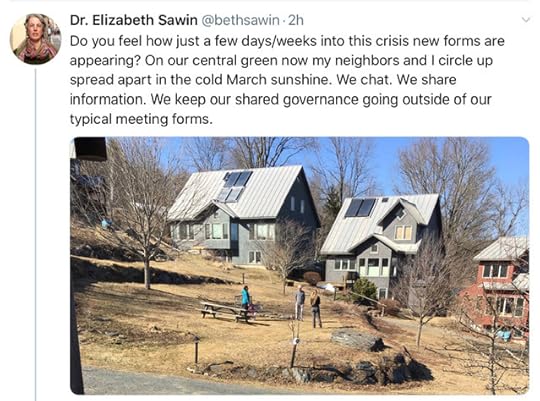
If I start feeling too housebound, I’m going to ask friends to meet outside for tea and cheer from afar!
You don’t need hugs to be close, as lovely as they are
This forced separation reminds me of my beloved Aunt Evelyn. She lived in Burbank, near Los Angeles, and I live in North Carolina. She didn’t want to face being old, so she would never let me visit her in person. (She was a tigress from the Mad Men era, working at Paramount Studios in LA. At ninety-two, she complained that no one called her a sex kitten anymore!) She wanted someone in her life to think of her as young and beautiful. We talked on the phone about once a week. I sent her flowers, books, and videos. She sent elegant sweaters and insightful political commentary. I researched nursing homes and ventilators online. She told family stories. On holidays, I used Yelp to find restaurants that would deliver her favorite meals, then we’d chat after she’d eaten. We were close despite decades of coast-to-coast separation. I’ll always be grateful to my cousin, who hugged her in person and helped with the got-to-be-there parts of life. In turn, I try to help out people near me.
Still need more inspiration? Check out this adorable video and sound advice from Arnold Schwarzenegger, with two little horses! If you have other ideas, please share in the comment below or on my Facebook post for this topic.
Stay at home as much as possible. Listen to the experts, ignore the morons (foreheads). We will get through this together. pic.twitter.com/FRg41QehuB
— Arnold (@Schwarzenegger) March 16, 2020
March 15, 2020
Spicy Sombrero Salad
This main-dish salad comes together in twenty minutes or less, using pantry ingredients and fresh greens. No special cooking skills needed and easily adapted to use what you have on hand. Get zing from the salsa, crunch from the seeds or nuts, umami from the beans and green onion, and sweetness from the raisins and corn.
Spicy Bean Salad
Pile warm beans and corn drenched with salsa on chopped greens with raisins for a satisfying, full-meal salad. Vegan, vegetarian, and gluten-free. Salt-free and oil-free options.
Makes 2 main-dish servings. (Note: I can't get the display below to say that this recipe serves two. What is going on? Please ignore the 4.)
CourseMain Dish
CuisineMexican
Servings2 servings
Prep Time20 minutes
Ingredients
1 1/2cups
cooked pinto beansfrom a 15 or 16 ounce can or home-cooked
1cup
corn kernelsfrozen or canned
2cups
chopped fresh kalestems removed before chopping
1cups
chopped lettuce
1/4cup
raisins
1/4cup
hulled sunflower seedsor pumpkin seeds or chopped nuts
2teaspoons
avocado oilor olive oil, optional
saltto taste, optional
1/2cup
salsa
1/4cup
chopped green onions
sriracha sauceto taste, optional
Instructions
If using canned beans or corn, drain well, then heat in the microwave or in a pot on the stove. I used canned beans and frozen corn, put them in a microwave-safe bowl, covered with a saucer, and microwaved on high for four minutes.
While beans and corn heat, tenderize the chopped kale by massaging it for a few minutes, about twenty firm squeezes between your clean hands. Put in a bowl with chopped lettuce, raisins, sunflower seeds, and avocado oil if using. Toss to mix well and coat greens with oil. Divide evenly onto two plates. Sprinkle with salt if your diet allows.
When beans and corn are hot, drain again, then stir in salsa. Heat for another minute. Just before serving, heap a mound of spicy beans and corn in the center of each salad. Top with a wiggle of sriracha sauce and chopped green onion. If you squint, each serving may now look a bit like a hat with a big brim.
Serve at once, while the hot beans and corn contrast with the cool salad base. We usually eat every bite, but if I had leftovers, I'd toss them in my Stoup container.
Recipe Notes
Can you add chopped avocado, tortilla chips, or olives? Of course!
Can you make part of this ahead? Yes. You can get the bean, corn, and salsa topping ready to reheat and use up to five days in advance. This is handy if you are cooking for one or want this for lunch every day. You can also chop and squeeze the kale two or three days in advance.
Can you make it faster? Yes. Use a boxed or bagged baby kale or salad mix. You can skip removing the stems and maybe the squeezing, but rinse well.
March 8, 2020
Prepping for Coronavirus
It’s time to prepare to hunker down as Coronavirus COVID-19 spreads. What should you do to prepare? You don’t need to panic, but it makes sense to have enough food on hand to keep your family fed if you get sick or your area is quarantined. Read on for a shopping list and other tips on being prepared and staying safe.
Unfortunately, our food system relies on big companies that transport food long distances. This network makes the system fragile, which is why I’ve been saying for years that buying local is a matter of national security as well as a way to support local economies.
Fortunately, if you’ve been cooking the Cook for Good way, you are already mostly set.
You know about cooking with food that lasts a long time without refrigeration:
Beans
Grains (rice, millet, kasha, quinoa, barley)
Canned tomatoes, crushed or diced
Whole-wheat pasta
Peanut butter
Nuts
Seeds
It’s not that I expect the power to go out, but that you’ll have more room outside your refrigerator than inside it.
You know how to make bread by hand or using a bread machine. If you stock up on the ingredients, you can have fresh bread as long as they last:
White whole wheat flour or whole wheat flour
All-purpose flour
Yeast
Salt
Sorghum, molasses, or maple syrup
You know how to cook sturdy vegetables that keep a long time:
Winter squash
Sweet potatoes
White potatoes
Carrots
Cabbage
Onions
Garlic
Ginger
You eat fresh fruit when it’s available and frozen or dried fruit when it’s not:
Apples
Oranges
Bananas
Frozen blueberries
Frozen cherries
Raisins
Dried apricots
Dried plums (prunes)
To supplement the above, consider adding:
Frozen kale and peas
Tofu
Field Roast sausages
Spices
Sauerkraut, kimchi, or other fermented vegetables
Mustard, ketchup, salsa, soy sauce, or hot sauce
And because sweets can help you feel cheerful in rough times, don’t forget:
Sugar and brown sugar
Vanilla
Cocoa
Chocolate chips
Frozen desserts (nice cream)
Chocolate bars
What if the Cook Can’t Cook?
Consider how your family will get along if you or the other main cooks get sick.
Is all the food in the refrigerator edible? I need to toss out a container of failed aquafaba mayonnaise in case my dear Taster is forced to start cooking.
Do you need to label any jars or canisters? Maybe you can tell the difference between barley, millet, and steel-cut oats at a glance, but can your kids?
Do non-cooks know enough about cooking to keep everyone fed?
Being able to say yes to the above lets your family carry on even if you are struck by a meteor or pass the blind audition on The Voice.
Wash Your Hands Like You Chopped Jalapeños
Kathy Hester of Healthy Slow Cooking posted a funny sign on Facebook. It said: wash your hands like you’ve just chopped jalapeños and need to take out your contact lenses.
Washing your hands and avoiding crowds is a way to protect the people you can about as well as yourself. If you can avoid getting the virus, then you will avoid getting sick and spreading it.
I was shocked last week at the following exchange:
Friend One: The CDC says to wash your hands for 20 seconds with soap and warm water.
Friend Two: (snort and laugh) As if that will happen!
And Friend Two is a local leader who has contact with lots of people!
Washing your hands may take a bit of extra time or may be a completely new skill (men, I’m looking at you), but it is much easier and more pleasant than getting a disease that kills upwards of 3% of the people who get it.
Avoid Exposure
If you can, avoid crowds. I’ve drifted into a routine where I stroll up to the grocery store nearly every day. Now I’ve stocked up and plan to shop just once a week, at off-peak times.
Can you put off a trip? Drive instead of fly? Meet online instead of in person? Watch a video at home instead of going to the theater? In short: avoid crowds, especially where you will be sharing air in tight quarters. I’m also delaying visits with friends who have just come back from flying or a cruise until they know whether they’ve brought back the virus.
Vote. Support Medicare for All and Science
Please vote for Bernie Sanders and other candidates who support Medicare for All. It’s essential during a pandemic that we make it easy for people to get tested and treated. Universal healthcare makes sense for reasons of compassion and for enlightened self-interest. If your barista, Uber driver, maid, courier, or cashier is working despite being sick, then you may get sick too. If the people taking care of your kids or aged relatives are sick, you may find heartbreak ahead.
The current administration’s war on science has driven out thousands of experts from the CDC, the EPA, and other essential agencies. The current, suicidal proposed budget cuts EPA funds by 26.5% as we face a climate emergency and Health and Human Services, which includes the Center for Disease Control, by 9% during a pandemic.
February 21, 2020
Save with FreshPaper
Since I started using FreshPaper, my bread and veg last longer. I never throw away bread because it is moldy anymore. My kale, lettuce, and other greens last for seven days instead of turning to mush mid-week.
So what is this amazing Fresh Paper? First, let me remind you that I don’t take any advertising money or paid links. Cook for Good is supported solely by reader membership and my speaking fees. I only tell you I adore a product when I use it myself.
FreshPaper is like a dryer sheet infused with organic herbs for your produce drawer or bread box. The herbs discourage mold, a key culprit in food waste. I toss a sheet into my bread box and tuck another one into my refrigerator’s vegetable drawer. The sheets have a pleasant maple aroma that doesn’t transfer, not even to bread.
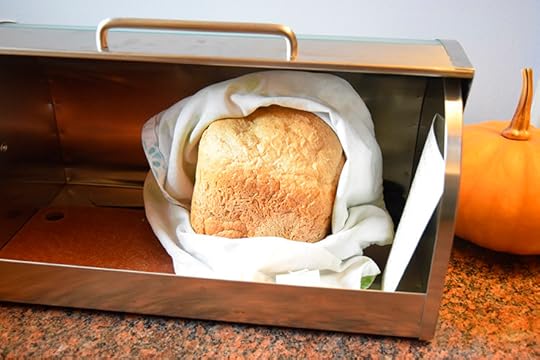
I replace the sheets once a month. In berry season, I tuck an extra produce sheet into the fruit drawer.
A year’s supply of FreshPaper for bread costs about $13.50 and saves me about $21.50 in ingredients alone, for a net savings of $8. Just composting a slice and a half of every loaf adds up to over twelve wasted loaves a year. Even if I’m diligent about using every scrap as garlic toast, croutons, or vegan Parmesan, FreshPaper lets me bake one less loaf of bread every month, saving time, electricity, water, and soap.
If you buy bread for $5 a loaf, then FreshPaper for bread could save you over $50 a year.
A year’s supply of FreshPaper for produce costs about $20 and lets me spend about $50 more annually with my local farmer. I can buy a fridge-full of leafy greens, cucumbers, or peppers and know that they will stay crisp and bright for seven to ten days—no more stinky, yellowing collard greens or moldy okra.
If you spend $40 on produce a week and, like the average American, waste 30% of it, then FreshPaper could save you about $625 a year.
Unfortunately, FreshPaper comes eight sheets at a time in plastic bags. You can compost the spent sheets and use the bags for sandwiches. I wish they came twelve to a bag and that bags like this could be recycled. Still, the sustainability balance leans toward using FreshPaper.
How to Cook Millet
Hulled millet tastes a bit like corn, with a pleasantly chewy texture. This whole grain cooks faster than most, making it a great weeknight choice. Millet answers the question of “what goes underneath this stew?” now that we’re having rice no more than twice a week. It’s a pretty choice for Buddha bowls too, nestled in with beans and greens. Organic millet is a bargain at just 10 cents for a half-cup serving.
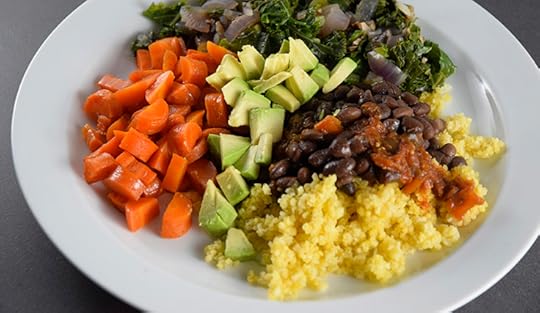
How to Cook Barley
Add variety to your meals with hulled barley, a whole grain that tastes a bit like corn. It's forgiving and flexible. Toast for more flavor or don't to save time. Add less water for separate grains with snap or more water (and cooking time) for a texture like polenta. One cup of raw millet makes about 4 cups cooked.
Courseside dish
Servings8 servings
Prep Time5 minutes
Cook Time15 to 40 minutes
Passive Time10 minutes
Ingredients
1cup
hulled millet
2 1/2cups
wateror broth
1/2teaspoon
saltoptional
Instructions
Put millet in a mesh strainer and rinse briefly to remove any dust. If you have time, toast millet in a large dry skillet over medium heat for 5 minutes, until the millet is fragrant and you hear a few grains pop. Toasted millet tastes more like corn, but I skip this step if I'm in a rush or will be covering the grain with a saucy stew.
Slowly pour water into the hot skillet, add salt, cover, and bring to a boil over high heat. Reduce heat to low so water barely boils and allow to simmer for 25 minutes. Turn off heat and let rest, covered, for 10 minutes.
Fluff millet with a fork and try a small spoonful of millet to check the texture. If it's too hard, add water, cover, and cook on low, stirring and checking every 5 minutes.
Serve millet hot, at room temperature, or chilled. Keeps refrigerated for five days or frozen for three months.
Recipe Notes
Cook millet for 15 minutes with 2 cups of water for separate grains with a bit of bite, 40 minutes with 3 cups of water for something close to mush, like polenta or grits. The directions above are for my favorite, middle way: with 2 1/2 cups of water for 25 minutes.
Nutritional Information for Cooked Hulled Millet
A half cup of cooked millet has 4 grams of protein, only 100 calories, and a good dash of fiber. The full nutrition label is for supporting members and donors. If you don't see it below, log in or join today! Log in to comment, too. This content is for members only.
February 1, 2020
Upcoming events
I’m excited to be teaching classes again here in the Triangle. I hope you’ll be able to come to one or more of these events. Not all of them are open to the public, but I include the full list to show you the range. Soon I’ll show you how you can do cooking demonstrations and talks like this yourself!
Reversing Global Warming: Introduction to Drawdown
February 15, 1:30 to 3:30 pm at the Eno River Unitarian Universalist Fellowship, 4907 Garrett Road, Durham, 27707, NC. The Pachamama Alliance – RTP and ERUUF Earth Justice invite you to learn about practical, current solutions to global warming. In this two-hour workshop, you’ll see both the possibility of reversing global warming and your important role in the process. (Surprise: food plays a big role!) Through videos and group activities, you’ll learn about the latest research from Project Drawdown on how it is possible to reverse global warming. Free but please register here so we can be prepared >>
Just Eat It: Food Waste Documentary
March 30, 6 to 9 pm at the White Memorial Presbyterian Church, 1704 Oberlin Road, Raleigh, NC.
Nearly 50% of food ends up in the trash. Food waste is a huge waste of resources and a huge producer of carbon. Dive into the food waste problem with Grant Baldwin and Jenny Rustemeyer in Just Eat It, an entertaining documentary from Peg Leg Films. Local experts will talk about food waste reduction efforts locally following the film. (I’m on the discussion panel and will be at the Cook for Good table to talk with you before the show.) The film is free but please register as seats are limited. Doors open at 6:00 pm, movie starts at 7:00 pm. Brought to you by Toward Zero Waste Raleigh and Hungry Harvest. Details and register here >>
Cooking Up a Happy Life and Planet
April 5, noon. Private event. Learn how shifting to a plant-rich diet can help make the world a healthier, kinder, and greener place. Find out how we as cooks can help reverse the climate crisis and make the world safer for all of us, especially our children and grandchildren. Discover new ingredients and cooking techniques that you and your family will love. With fasting-appropriate samples (no meat, dairy, or oil) and book signing (books available for purchase).
Plant-Based Eating for Health and the Environment
April 17, 9 to 10:30 am at the McKimmon Center, 1101 Gorman Street, NC State campus in Raleigh NC. Your food choices make a tremendous difference to your well-being and the state of the planet. Learn how a plant-based diet can slow climate change and help heal our world. Take action to provide a safer future for your children and grandchildren. Learn strategies for your family and your church, clubs, or other organizations. Taste vegan samples at the class and get menus and recipes to use later. Taught through the Osher Life-Long Learning Program for adults 50+ at NCSU. $15 plus OLLI membership if you don’t have one ($40 pro-rated for spring and summer semesters). Click here to register >>
Zero-Waste, Plant-Based Cooking 101
April 27, evening (Raleigh or Cary NC location and time TBA). Interested in moving toward a plant-based diet to decrease your carbon footprint but not sure how to start? Learn the basics of cooking the healthiest, greenest meals around. See how to put together a week’s worth of vegan meals, from breakfast through dessert. Get shopping and cooking tips that will help you save money and move closer to your zero-waste goal. Hosted by Toward Zero Waste. Free. Click here for details >>
Healthy Pleasure: Plant-Based and Vegan Cooking
April 29, 3 to 4:30 pm at the McKimmon Center, 1101 Gorman Street, NC State campus, in Raleigh NC. Learn how easy, plant-rich meals can help you get healthy and enjoy life more. See how cutting the meat, eggs, and dairy can trim your budget, too. Find out how to get enough protein and which nutrients to watch. Discover ways to update your favorite recipes. Even omnivores will enjoy learning how to reduce fat, eat more fruits and vegetables, and welcome flexitarians and vegans to their tables. Taste samples at the class and get menus and recipes to use later. Taught through the Osher Life-Long Learning Program for adults 50+ at NCSU. $15 plus OLLI membership if you don’t have one ($20 pro-rated for summer semester). Registration opens soon.
January 19, 2020
Almond Thumbprint Cookies with Jam and Chocolate
These quick, high-protein cookies combine three of my favorite flavors: shortbread, raspberry, and chocolate. Because they are wheat-free, dairy-free, and egg-free, they avoid many allergy and dietary issues. Their fat, protein, and fiber content makes them filling, so they work well after a light meal. This could be just the recipe you need to delight your sweetheart on Valentine’s Day.
Almond Thumbprint Cookies with Jam and Chocolate
These quick cookies taste like shortbread, your favorite jam, and optionally chocolate. You can easily double or quadruple the recipe. Vegan, vegetarian, and gluten-free.
Servings1 dozen
Prep Time15 minutes
Passive Time20 minutes
Ingredients
1cup
finely ground almond flour110 grams
2tablespoons
sugar25 grams
1/8teaspoon
salt
3tablespoons
vegan butter such as Miyoko's or Earth Balance, 44 grams
1/2teaspoon
vanilla
1 1/2teaspoons
raspberry fruit spread or jamor more, maybe 1 tablespoon
12
dairy-free chocolate chipsoptional
Instructions
Heat oven to 350°F with a rack in the center. Line a cookie sheet with parchment paper for easy cleanup (optional).
Put dry ingredients in a medium bowl and stir to mix. Add vegan butter and vanilla. Stir with a fork to combine into a dough.
Put dough on a cookie sheet and shape into a rectangular log about 1.25 x 1.25 x 6 inches. Cut log crossways into twelve even slices (Cut in half, then each half in half, and then each quarter into thirds.) Space cookies about 1 1/2 inches apart on cookie sheet. Press your thumb gently into the center of each cookie to make a little dent to hold the filling. If any cookie rims around the thumbprints crumble, press them back into shape so the filling won't run out when it gets hot.
Fill thumbprints with 1/4 teaspoon of jam or 1/8 teaspoon of jam topped by a chocolate chip. Bake for 10 minutes, until your kitchens smells like a doughnut shop and the cookie tops begin to turn golden.
Cool cookies on the cookie sheet for 10 minutes, then remove with a spatula. Eat some warm if you like or let them cool and firm up more on a wire cooling rack. These cookies may keep well for several days, but I doubt I'll ever find out.
Recipe Notes
Neat: Don't pile on the jam. When it heats up, it will just roll lava-like down onto the cookie sheet and burn.
Ingredients: Almond flour is just skinless, finely ground almonds. Look for coconut spread and buttery spread near the margarine in the cooler section. I don't eat a lot of almonds and don't use almond milk because the nuts require a lot of water to grow. On the other hand, growing almonds may be a reasonable use of the water. I'm glad to have this recipe in my bag of tricks for when I need a quick, pretty, gluten-free dessert.
Speed: Instead of creating a dough log to slice, you could just dip the dough out into your palm using a teaspoon and then roll the dough into balls. My dough-log trick saves about five minutes and results in more uniform cookies, reducing the likelihood of sibling squabbles. It also reduces snickering. (I made the first few batches as round cookies, but kept thinking of them as R-rated Happy Lady cookies. OTOH, that might be just the ticket for Valentine's Day.)
Letter Template: Ask for Vegan Food
These days, when an organization invites me to an event that includes a meal or snacks, I write a letter asking for vegan food and minimal food waste. I write as soon as I get the invitation, so the organizers have time to adjust their plans. See the example exchange below for how to highlight the benefits that serving sustainable food will bring to those in charge. You can use it as a template. It’s a way to make a big difference in just a few minutes!
Example: How to Ask for Vegan Food at a Conference
I’m on the Raleigh Environmental Advisory Board. Like other Raleigh board members, we have been invited to the Raleigh Unleashed “unconference” next Saturday. The registration page said lunch would be served but did not ask for any dietary preferences. So I sent the organizer the following email, which ties my request to city goals, satisfying participants, lower costs, and improving health.
Subject: Raleigh Unleashed Sustainability Plan
Dear Jason, thank you for your role in coordinating Raleigh Unleashed. I hope you are planning to make it a sustainable event by:
Serving plant-rich food that is clearly labeled and by avoiding waste. Save any extra food for other meals, donate it to those in need, or compost it.
Asking participants to bring their water bottles. Provide paper cups for those who forget rather than single-use plastic bottles.
How do these suggestions benefit the event and the City of Raleigh?
1) Eating more plants and wasting less food helps us work toward the city goal of reducing greenhouse gas emissions by 80% in 2050. See, for example, Project Drawdown ranked 100 changes we can make to reduce global warming.
#3 is reducing food waste, which would cut CO2 by 70.53 gigatons worldwide
#4 is adopting a plant-rich diet, which would cut CO2 by 66.11 gigatons worldwide
Combined, these food-related changes could cut 136.64 gigatons of CO2, more than either of the top two solutions (84.6 for producing energy with onshore wind turbines and 89.74 for better handling of gasses used for refrigeration).
2) Offering plant-based options means more people can eat, including those who are lactose intolerant, vegetarian, vegan, or watching their cholesterol. Plant-based options bypass many religious concerns, including those about pork and shellfish. Clear labeling helps people make informed decisions.
3) Local, plant-rich meals are better for the City’s budget
The ingredients for plant-rich meals tend to cost less than those using animal products
Buying fruits and vegetables from local farmers keeps money in our community and region
Eating more fruits and vegetables improves employees’ health, which reduces medical bills, insurance costs, and sick days
4) Eating more plants improves nearly everyone’s health
The US Centers for Disease Control and Prevention (CDC) reported that in 2018 only 10% of North Carolinians ate enough fruit, and only 8% ate enough vegetables, slightly lower than the national average. The lead author notes that our eating habits put us at risk for serious and costly chronic diseases like diabetes, heart disease, and some cancers. We’re missing out on the essential vitamins, minerals, and fiber that fruits and vegetables provide.
Please let Raleigh Unleashed lead by example and make a difference! I’m happy to answer questions to help make it a sustainable success.
Sincerely yours,
Linda Watson, a member of the Raleigh Environmental Advisory Board, writing as a private citizen
Responses
Jason quickly replied:
Thanks for your note. I’ve cc-ed Damien and Caplan who I’m working with from the City of Raleigh and are planning the food portion of the event.
Yaay! The followup letter sent to participants included a section on the food and beverages provided, including (bolding added):
Coffee and herbal tea all day
Boxed lunches containing “a wrap (chicken salad, turkey, grilled vegetables, or roast beef); potato chips; chopped fruit salad; and a chocolate-chip cookie. NOTE: vegetable wrap uses vegan spinach tortilla and substitutes whole fruit for the cookie.”
Water from the reusable water bottles we are encouraged to bring or from water stations and cups
Bring your own snacks
Conclusion
Writing a letter like this is well worth your time, even without such positive results. I don’t know how much my note changed the plans that were already in place. If previous Raleigh events are a good guide, Jason and his team added vegan grilled-vegetable wraps to the menu and didn’t order individual plastic water bottles. This could mean dozens of meat-based meals and a hundred or so plastic bottles were not used. Better yet, this exchange could be influence future events. Every letter or comment like this paves the way to a more sustainable future. (Oh yeah, someone mentioned that last time. Let’s see what we can do.) I’m cautiously excited.

On the other hand:
Ideally, the default meal should be 100% plant-based. People with special dietary needs can ask for alternatives as vegans and vegetarians do now. It would also be served buffet style with reusable plates, cutlery, and napkins.
No sustainable event should serve the top three food sources of greenhouse gases: lamb, beef, or cheese.
That’s a lot of wasteful packaging: a box for each lunch, a bag for each handful of chips, a cup for the fruit salads, and possibly plastic wrap for each wrap and cookie.
Boxed lunches lead to wasted food. Some people don’t want the pickles, little bags of mustard, chips, or even cookies. Cutlery and napkins usually come in the box for faster serving, but this nixes the benefit of bringing a travel dining kit.
The plant-based meal should include a dessert. Why not serve everyone the tasty vegan chocolate-chip cookies from Whole Foods, for example? Weaver Street Market makes terrific vegan cupcakes (their chocolate and vanilla cakes are vegan by default.) The omnivores would not notice. The vegans wouldn’t be deprived of dessert or made to stand out. Chefs, feel free to use one of my recipes for brownies or carrot-spice cookies.
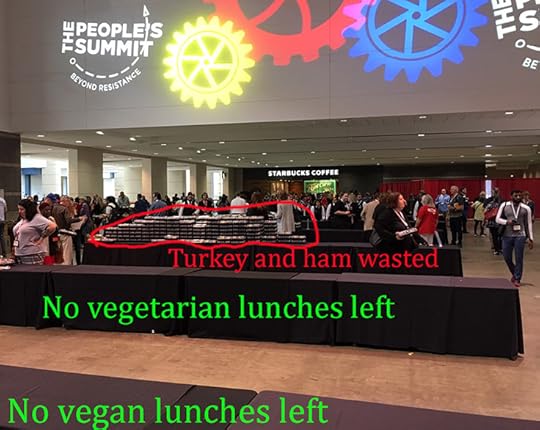
I’ll post again after the event to let you know how it went. Often organizations underestimate the demand for vegan options. Sometimes the omnivores get there first, leaving the vegans with a stack of roast-beef sandwiches. For example, the photo below shows how the vegan and vegetarian lunches went first at The People’s Summit in 2017. I joined a hoard of hungry vegans asking the catering staff for something to eat at our isolated conference center. (Alas, we were unsuccessful, and the Starbucks wasn’t any help. But that was 2017!) For Raleigh Unleashed, I’ll bring a bag of walnuts just in case, plus some vegan cookies to share.
January 13, 2020
Tuxedo Rice
Fancy up your brown rice by cooking it with tiny black lentils. You’ll get lots of advantages from little effort: more protein, less greenhouse-gas emissions, more flavor, and less arsenic. Thanks to my friend Elise for the inspiration. She cooks lentils and rice together, then tops the mix with stir-fries, salads, or roasted vegetables for a quick complete meal.
Tuxedo Rice costs just 22 cents a serving using organic ingredients.
More protein
One cup of cooked brown rice has 5 grams of protein, while 1 cup of cooked black lentils has 18 grams.
Less greenhouse-gas emissions
Growing lentils produces about a fifth of the carbon-equivalent that growing brown rice does, according to the Environmental Working Group. Lentils are at the top of their list of smart food choices, with rice coming in at number 10, after beans, broccoli, nuts, and peanut butter. When you eat a mix of lentils and rice, you are shrinking your climate footprint.
More flavor
Black lentils have a rich, earthy flavor. They are sometimes called beluga lentils for their resemblance to caviar. That’s why I call this dish Tuxedo Rice.
Less arsenic
The secret is to cook rice like noodles, in lots of water, and then drain it and let it steam in a covered pot to fluffy perfection. I started using this way of cooking rice when I found out about the sometimes dangerous levels of arsenic in rice. All that water washes away a considerable amount of the heavy metal. Using a 50/50 blend of rice and lentils cuts your exposure roughly in half. Adults can safely eat 2 cups of Tuxedo Rice a week, about four servings.
Choose rice from California, India, or Pakistan. If you are feeding young children or eat a lot of rice or rice products, you may want to switch to white rice, which has less arsenic but also less fiber and nutrition.
Tuxedo Rice
Upgrade the rice in your life with this mix of legumes and grains. Boiling it in a lot of water means fluffy rice and no burned pots every time. Vegan, vegetarian, gluten-free. Makes seven generous cups.
Courseside dish
CuisineWhole Foods Plant Based
Servings14 servings
Prep Time10 minutes
Cook Time50 minutes
Passive Time8 hours
Ingredients
1cup
brown riceI use California brown basmati
1cup
black lentils
.5teaspoons
salt
8cups
waterapproximately
Instructions
Rinse rice well and soak for eight to twelve hours in a large pot. Drain.
Pick through lentils to remove any stones or other non-lentil bits. Rinse well. Add to rice with salt and water. The exact amount of water doesn't matter because you will be cooking the rice and lentils like pasta, draining off any water that is not absorbed.
Bring uncovered pot to a boil over high heat, then reduce heat to medium-low, so the water barely boils. Cook uncovered for 35 minutes, until rice feels somewhat soft when you pinch a grain of it.
Drain pot. I pour the contents through a large metal sieve to capture any stray grains. Rinse Tuxedo Rice with hot tap water. Return it to the pot, cover, and let it rest undisturbed for 10 minutes. Fluff with a fork. Try a bite to check the texture. If you want softer rice, sprinkle a tablespoon of water over the rice, cover, and cook over low heat for 10 more minutes. Add salt as desired.
Serve Tuxedo Rice hot, room temperature, or chilled, just as you would regular rice. Keeps for five days in the refrigerator or for up to a year frozen.
Recipe Notes
To make plain brown rice, skip the lentils. Cook each cup of rice in at least six cups of water. The eight cups shown above would be right with one and a quarter cups of rice.
Nutritional Information for Tuxedo Rice
The nutrition label is for one serving. Nutritional information is for supporting members and donors. If you don't see it below, log in or join today! Log in to comment, too.