Moira Reid's Blog, page 12
August 24, 2020
Mr. Cubbage in The Vault
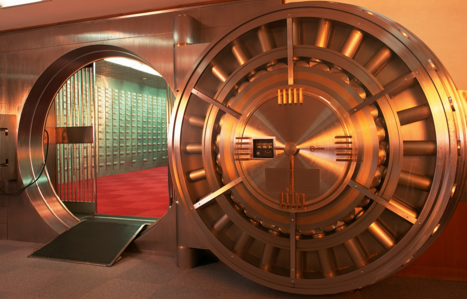
Mr. Arnold Cubbage had worked from the ground up to become the Chief Executive Officer of the Bank of Scotland, Edinburgh branch. He’d maintained the absolute semblance of the sober mind to do it, and was quite proud of the fact. He didn’t drink, despite the frequent participation in the act by his friends and colleagues. He slept for precisely seven hours and fifteen minutes every night, did yoga every morning, and ate frequent healthy meals. Of course he’d hear the rumors in the break rooms and halls of how he was a prude, never living life beyond his own view, but that was how he liked it, so that was how he stayed.
Mr. Cubbage sat at his opulent red leather chair, twiddling a long pen-knife in his fingers. His curled mustache matched his curled golden hair, and the wrinkles around his eyes matched the small wrinkles in the end of his tie. He puffed a sigh of satisfaction as he again reviewed the current investments of the bank, and pressed his gold rimmed glasses back up his hooked nose.
Then there was a knock at the door. Behind the stenciled glass Arnold could see Ms. Heatherton, his secretary. With a wave of his hand, she entered the room and came to the corner of his desk.
“Sir,” She said in her syrupy-sweet voice, “There’s a man in the safety-deposit vault.”
That didn’t seem like something to interrupt his morning routine for, and he almost scolded her for doing so, but she continued. She could see from the look on his face that he didn’t grasp the severity of the situation.
“Let me clarify,” Ms. Heatherton continued. Arnold picked up his mug and started to slurp his coffee. “We didn’t let him in there.”
Arnold paused. Had it not been improper, he might have spit out the coffee and responded hastily. He swallowed, leaned back in his chair, and took off his glasses.
“You mean to tell me there is a robber in the vault, and you don’t know how he got there?” Arnold kept a perfect equilibrium in his voice. The image of self-importance hung about him like fog in the hills.
“We’re not sure if he’s a robber… Somehow he got in there, we can see him on the camera, but the vault is still locked—hasn’t been opened all day. The staff thought I should get you because—”
Arnold scoffed.
“I’m not the lock-smith! Come now, what would I be needed for here? Call the authorities.”
Arnold hoped his well-poised non-attitude toward the situation would defuse his growing concern. A man, in my vaults? The board could have my head for this…
“Well, that’s just the thing sir,” Ms. Heatherton continued. “The man in the vault is… It’s you.”
There was a lengthy silence before Arnold made a short laugh. Not the jovial kind of a man made the fool, but the mechanical laugh of good manners.
“Tell Joseph in HR his jokes are too much,” Arnold said, making a show of wiping the corners of his eyes. Ms. Heatherton didn’t move. She wasn’t smiling. This made Arnold uneasy. Surely this couldn’t be serious. It was a jest, perhaps put on by Tom in accounting, or Fredrick at home-office, one of his good-sport moments to keep the branch in high spirits.
Yet, there was a growing clump of people forming outside the office door, and hushed whispers could be heard of their conversations.
“Very well,” Arnold said, standing up and straightening his jib. He couldn’t well let this farce go on without allowing himself to be properly joked. Morale of the company was an important part of what made him the man he was, so he thought. “Take me to the vault, and we’ll have done with this whole incident.”
Ms. Heatherton smiled weakly, clearly confused by the entire situation. As the approached the door, the crowd outside dispersed as quickly as dandelion silk in a summer wind.
Arnold approached the vault door and found Greg from Security was already there, pistol and club at the ready.
“Those shouldn’t be necessary,” Arnold said, waving his hand in command.
“Sir, I—” Greg protested.
“I’ll be out in a moment. No flash photography, hmm?”
Arnold turned the key and wound the tines into place. The door clanked and popped, opening slightly. In he stepped, and pulled the door shut behind him. And there in the vault stood a man—wearing the very same tweed suit, the same almond wing-tipped shoes, and the same face Arnold had seen in the mirror that morning, right down to the clock-wise curl of his waxed mustache.
“Good morning,” he said. It took Arnold a moment to realize it wasn’t he, but he, who had spoken.
“How did you get in here?” Arnold demanded.
“Sub-containeously, I suppose.”
“What?” Arnold felt his forehead bristle. “That is not a word, now tell me how you got here.”
“Well,” he continued. “I suppose it isn’t a word, but I’ve just coined the phrase, it seems.” He giggled. “I was in one container of space, and now I’m in this one. Poof! Ha Ha!”
This annoyed Arnold even more. I do not giggle, he thought. This cannot be me.
“Who are you?” Arnold demanded.
“I’m me,” he said, pointing. Then with a timid point at Arnold he said, “And you are me.”
“No,” Arnold protested. “This is ridiculous.”
“I know, isn’t it great?”
Arnold wasn’t amused. His life was one of order. Always had been. He wouldn’t entertain this foolishness any longer.
“Now see here,” Arnold said, “I am a man of import. I will not have my name besmirched by some ridiculousness like this. You—” But as Arnold spoke, the other man disappeared and reappeared instantly on the other side of the vault.
“What was that?” Arnold said, too wrapped in what he was saying to grasp the absurdity of what had just happened.
“I moved,” he said. “It’s not that hard.”
“Right,” Arnold continued, “well, you are clearly disturbed, and I have no choice but to—” the man vanished again, and returned to the back of the vault.
“Stop that,” Arnold said in a fatherly tone of disapproval. But the other man just laughed.
“This is no laughing matter. Identity theft is—”
“I am you, and you are me, don’t you see? You could do this too, if you wanted.” the other man said.
“You’re a looney!” Arnold yelled. “I’ll have no more of this.”
“Who is really the crazy one?” He asked. “I’ve lived more in these last four minutes than you have in your whole life! Trust me, I know. Just give it a try, it’s exhilarating.”
Arnold grunted, and started to mumble angrily. Not because he was frustrated, but because he was actually considering it. He had tried a different flavor of jam on his toast that morning. Was this so different? Could he, too, move without moving? Yes, it was that different. It was ludicrous.
“Trust me,” the other man said, “If you don’t let go of your ego, in a few minutes things are going to be pretty weird.”
“You dare to threaten me?” Arnold said, his façade cracking. He had to hold back his smile. Clearly this man was insane, but his oddly good humor was contagious. “I am an important man here at the bank.”
“We sure are.”
“Prove that you’re me,” Arnold retorted.
“We had apple jam this morning instead of raspberry.”
“You could have just been at the restaurant this morning, is all.”
“When I was a child, I let the family dog out of the fence to chase a tom cat, and he ran into the road and was hit by a motorist. I never told my parents it was me who let him out.”
Arnold blanched. It was true. He’d never told anyone. Only he would know.
“Lucky guess,” Arnold said.
He laughed. A truly mirthful laugh, entirely unlike Arnold would.
“What time is it?” He asked. Arnold checked his watch.
“five minutes ‘til nine,” Arnold said, then he perked up. “Aha! You cannot be me, for I always wear my watch.” He stood triumphant.
“True,” He said, “But the sub-containeous movement seems to have left my watch all wonky. I’ll be moving on now, or rather you will. Tada.” And at that, the other man was gone.
Arnold was stood still for a moment, wondering what it all meant. Then he hefted a breath, hitched his belt, and turned to leave. He hoped he hadn’t been in here too long, since he did have an important conference call at nine. He checked his watch as he approached the vault door, but found it was spinning wildly, the second hand running in reverse, the minute hand bouncing back and forth between seven and eight.
Confused, Arnold looked up, and found he was no longer facing the door, but was in the corner of the vault. Then he was back at the door, then he was in the middle of the floor.
“Oh, dear,” Arnold said aloud, smiling, “I’ve gone mad.” He chuckled. What was it he had said earlier? Sub-containeous?
The door clanked and popped, opening slightly. In he stepped, and pulled the door shut behind him. And there in the vault stood a man—wearing the very same tweed suit, the same almond wing-tipped shoes, and the same face Arnold had seen in the mirror that morning, right down to the clock-wise curl of his waxed mustache.
“Good morning,” he said. It took Arnold a moment to realize it wasn’t he, but he, who had spoken.


A Short Story: Mr. Cubbage in The Vault
Mr. Arnold Cubbage had worked from the ground up to become the Chief Executive Officer of the Bank of Scotland, Edinburgh branch. He’d maintained the absolute semblance of the sober mind to do it, and was quite proud of the fact. He didn’t drink, despite the frequent participation in the act by his friends and colleagues. He slept for precisely seven hours and fifteen minutes every night, did yoga every morning, and ate frequent healthy meals. Of course he’d hear the rumors in the break rooms and halls of how he was a prude, never living life beyond his own view, but that was how he liked it, so that was how he stayed.
Mr. Cubbage sat at his opulent red leather chair, twiddling a long pen-knife in his fingers. His curled mustache matched his curled golden hair, and the wrinkles around his eyes matched the small wrinkles in the end of his tie. He puffed a sigh of satisfaction as he again reviewed the current investments of the bank, and pressed his gold rimmed glasses back up his hooked nose.
Then there was a knock at the door. Behind the stenciled glass Arnold could see Ms. Heatherton, his secretary. With a wave of his hand, she entered the room and came to the corner of his desk.
“Sir,” She said in her syrupy-sweet voice, “There’s a man in the safety-deposit vault.”
That didn’t seem like something to interrupt his morning routine for, and he almost scolded her for doing so, but she continued. She could see from the look on his face that he didn’t grasp the severity of the situation.
“Let me clarify,” Ms. Heatherton continued. Arnold picked up his mug and started to slurp his coffee. “We didn’t let him in there.”
Arnold paused. Had it not been improper, he might have spit out the coffee and responded hastily. He swallowed, leaned back in his chair, and took off his glasses.
“You mean to tell me there is a robber in the vault, and you don’t know how he got there?” Arnold kept a perfect equilibrium in his voice. The image of self-importance hung about him like fog in the hills.
“We’re not sure if he’s a robber… Somehow he got in there, we can see him on the camera, but the vault is still locked—hasn’t been opened all day. The staff thought I should get you because—”
Arnold scoffed.
“I’m not the lock-smith! Come now, what would I be needed for here? Call the authorities.”
Arnold hoped his well-poised non-attitude toward the situation would defuse his growing concern. A man, in my vaults? The board could have my head for this…
“Well, that’s just the thing sir,” Ms. Heatherton continued. “The man in the vault is… It’s you.”
There was a lengthy silence before Arnold made a short laugh. Not the jovial kind of a man made the fool, but the mechanical laugh of good manners.
“Tell Joseph in HR his jokes are too much,” Arnold said, making a show of wiping the corners of his eyes. Ms. Heatherton didn’t move. She wasn’t smiling. This made Arnold uneasy. Surely this couldn’t be serious. It was a jest, perhaps put on by Tom in accounting, or Fredrick at home-office, one of his good-sport moments to keep the branch in high spirits.
Yet, there was a growing clump of people forming outside the office door, and hushed whispers could be heard of their conversations.
“Very well,” Arnold said, standing up and straightening his jib. He couldn’t well let this farce go on without allowing himself to be properly joked. Morale of the company was an important part of what made him the man he was, so he thought. “Take me to the vault, and we’ll have done with this whole incident.”
Ms. Heatherton smiled weakly, clearly confused by the entire situation. As the approached the door, the crowd outside dispersed as quickly as dandelion silk in a summer wind.
Arnold approached the vault door and found Greg from Security was already there, pistol and club at the ready.
“Those shouldn’t be necessary,” Arnold said, waving his hand in command.
“Sir, I—” Greg protested.
“I’ll be out in a moment. No flash photography, hmm?”
Arnold turned the key and wound the tines into place. The door clanked and popped, opening slightly. In he stepped, and pulled the door shut behind him. And there in the vault stood a man—wearing the very same tweed suit, the same almond wing-tipped shoes, and the same face Arnold had seen in the mirror that morning, right down to the clock-wise curl of his waxed mustache.
“Good morning,” he said. It took Arnold a moment to realize it wasn’t he, but he, who had spoken.
“How did you get in here?” Arnold demanded.
“Sub-containeously, I suppose.”
“What?” Arnold felt his forehead bristle. “That is not a word, now tell me how you got here.”
“Well,” he continued. “I suppose it isn’t a word, but I’ve just coined the phrase, it seems.” He giggled. “I was in one container of space, and now I’m in this one. Poof! Ha Ha!”
This annoyed Arnold even more. I do not giggle, he thought. This cannot be me.
“Who are you?” Arnold demanded.
“I’m me,” he said, pointing. Then with a timid point at Arnold he said, “And you are me.”
“No,” Arnold protested. “This is ridiculous.”
“I know, isn’t it great?”
Arnold wasn’t amused. His life was one of order. Always had been. He wouldn’t entertain this foolishness any longer.
“Now see here,” Arnold said, “I am a man of import. I will not have my name besmirched by some ridiculousness like this. You—” But as Arnold spoke, the other man disappeared and reappeared instantly on the other side of the vault.
“What was that?” Arnold said, too wrapped in what he was saying to grasp the absurdity of what had just happened.
“I moved,” he said. “It’s not that hard.”
“Right,” Arnold continued, “well, you are clearly disturbed, and I have no choice but to—” the man vanished again, and returned to the back of the vault.
“Stop that,” Arnold said in a fatherly tone of disapproval. But the other man just laughed.
“This is no laughing matter. Identity theft is—”
“I am you, and you are me, don’t you see? You could do this too, if you wanted.” the other man said.
“You’re a looney!” Arnold yelled. “I’ll have no more of this.”
“Who is really the crazy one?” He asked. “I’ve lived more in these last four minutes than you have in your whole life! Trust me, I know. Just give it a try, it’s exhilarating.”
Arnold grunted, and started to mumble angrily. Not because he was frustrated, but because he was actually considering it. He had tried a different flavor of jam on his toast that morning. Was this so different? Could he, too, move without moving? Yes, it was that different. It was ludicrous.
“Trust me,” the other man said, “If you don’t let go of your ego, in a few minutes things are going to be pretty weird.”
“You dare to threaten me?” Arnold said, his façade cracking. He had to hold back his smile. Clearly this man was insane, but his oddly good humor was contagious. “I am an important man here at the bank.”
“We sure are.”
“Prove that you’re me,” Arnold retorted.
“We had apple jam this morning instead of raspberry.”
“You could have just been at the restaurant this morning, is all.”
“When I was a child, I let the family dog out of the fence to chase a tom cat, and he ran into the road and was hit by a motorist. I never told my parents it was me who let him out.”
Arnold blanched. It was true. He’d never told anyone. Only he would know.
“Lucky guess,” Arnold said.
He laughed. A truly mirthful laugh, entirely unlike Arnold would.
“What time is it?” He asked. Arnold checked his watch.
“five minutes ‘til nine,” Arnold said, then he perked up. “Aha! You cannot be me, for I always wear my watch.” He stood triumphant.
“True,” He said, “But the sub-containeous movement seems to have left my watch all wonky. I’ll be moving on now, or rather you will. Tada.” And at that, the other man was gone.
Arnold was stood still for a moment, wondering what it all meant. Then he hefted a breath, hitched his belt, and turned to leave. He hoped he hadn’t been in here too long, since he did have an important conference call at nine. He checked his watch as he approached the vault door, but found it was spinning wildly, the second hand running in reverse, the minute hand bouncing back and forth between seven and eight.
Confused, Arnold looked up, and found he was no longer facing the door, but was in the corner of the vault. Then he was back at the door, then he was in the middle of the floor.
“Oh, dear,” Arnold said aloud, smiling, “I’ve gone mad.” He chuckled. What was it he had said earlier? Sub-containeous?
The door clanked and popped, opening slightly. In he stepped, and pulled the door shut behind him. And there in the vault stood a man—wearing the very same tweed suit, the same almond wing-tipped shoes, and the same face Arnold had seen in the mirror that morning, right down to the clock-wise curl of his waxed mustache.
“Good morning,” he said. It took Arnold a moment to realize it wasn’t he, but he, who had spoken.
Musings on Storytelling
It is my opinion that all great stories have their roots in the knowing of other stories. Star Wars draws on King Arthur mythology. Lord of the Rings pulls also from King Arthur, and from other Christian legends and Nordic and English folk stories. In essence, loving stories and being a person who samples many is what qualifies a person to be a story teller.
Stephen King, one of the most prolific authors of our time, has thrown his hat into this arena also: said he, “If you want to be a writer, you must do two things above all others: read a lot and write a lot.” Consider the old English and European bards, not those who were most famous only, but them all: they were those who knew the stories, and created more. Would they have written or told at all if they had not gained an appreciation for stories in the first place? Perhaps. But unlikely.
Not all stories are of ancient date, either. A story need only be something which one has experienced. J.R.R. Tolkien once wrote in a letter to a friend that he would use people or ideas from his own past to generate characters within his stories. One such was Gaffer Gamgee, Sam’s father in LotR. This busy bodied hobbit was based on an old man in town who spread weather gossip and the like; the name ‘Gaffer Gamgee’ was dredge from his childhood, a term referring to ‘cotton-wool.’ Any interesting or unusual fact which one picks up can and should be recorded for the use of posterity.
But why tell stories at all? What does it matter if any tale is told? Historically, stories were used as means of transmitting ideas. An abstract concept is easily forgotten. Put that concept into a story format, with character acting on, or not acting on, the ideal of the concept, and it becomes instantly memorable. Not only is this a useful means of teaching children, but it applies for all human learning.
We are beings naturally designed to interpret symbols. Take for instance pareidolia—the programing in our brains to recognize faces, shapes, creatures, and objects. This ability allows us to obtain personal identity from our own reflections, as well as interpret dangers in the form of large animals, sudden passing shadows, and so on. However, this ability also causes to occasionally see things which aren’t there. Have you ever started at a bush in the dark, thinking it was an animal? This was not you being paranoid, but simply your brain attempting to interpret the shapes around you into recognizable information. This can happen in abstract as well. Consider Isaac Newton. What was it, really that sparked the idea of gravity, if not interpreting information which had just become available to him?
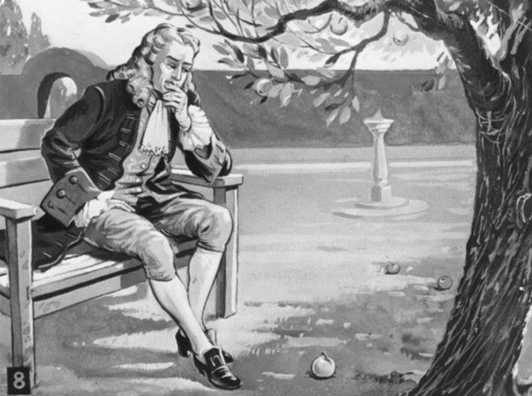
Since we do this naturally, it is my belief that story telling is a fundamental part of humanity. To not participate in it, at least in the reading or viewing of stories, is to miss out on a tradition older than written language. Essentially, at our most basic human nucleus, we are all creators. It is our purpose to understand the universe, or at least to interpret it into something which we can grasp. In the past fables were our best modus for garnering understanding. Science has moved in to assist a great deal in this endeavor.
Let us not allow ourselves to become so sure of our understandings that we ignore the glorious possibilities which exist in our creative minds. Every concept brought about by science was first imagined by a human. They then labored to find some source of it in reality. We now can assist in this effort by taking those ideas and adding to them, building either out of pure fantasy or more natural understanding. Even if the story crafted is one which was meant as a joke, it can still serve to spark some reasoning human mind and again increase our global reservoir of understanding and reason.
Referenced materials:
http://writingishardwork.com/2012/04/29/tolkiens-10-tips-for-writers/
October 30, 2014

October 22, 2014
National Novel Writing Month is days away!

September 16, 2014
Holy Cow! It Has Been A Year!

September 9, 2013
More on the Phase

July 29, 2013
Phasing the First Draft…or how I finished crap I started

July 16, 2013
Bucket Lists and Years Passing

June 18, 2013
And finally…the #1 Way to Fill the Blank Page