

To answer questions about
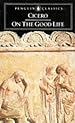
On the Good Life,
please sign up.

Richard Munro
This is a very good question. Especially when one considers the historic popularity of Cicero prior to the 19th century. The reason has to be the influence of the German school of philosophy and the German historical school. A good book to read about Cicero's influence is the CLASSICAL TRADITION by Gilbert Highet. The Ciceronian style was the style of the church, of the universities, of the Jesuits. So there was a reaction against his style and influence. And of course, most philosophers consider Cicero unoriginal and merely an interpreter of other, greater philosophers. So the 19th century so an eclipse of Cicero's reputation, especially, as Michael Grant writes, "as regards to his philosophical writings." Grant offers that the German condemnations of Cicero and Republicanism (instead turning to Nietzche and Marx) helped German politics down its disastrous path of 1914-1945. But I would argue that Cicero combines the best aspects of Stoicism and other Greek philosophies in an eclectic way. As Grant writes "Cicero believe in individual human beings. He believed in their rights and their responsibilities and their freedom to make decisions without detailed interference from heaven and destiny." Read the 44 page introduction by Michael Grant in this book and Highet's commentary on the influence of Cicero.
About Goodreads Q&A
Ask and answer questions about books!
You can pose questions to the Goodreads community with Reader Q&A, or ask your favorite author a question with Ask the Author.
See Featured Authors Answering Questions
Learn more