The IWW was a fighting faith. It’s members were the shock troops of labor. Its weakness was that it really liked a fight better than it liked planning, negotiations, politicking. It won victories and attracted thousands of new members and let them drift away again for lack of a concrete program. Its ideas were vaguely the anarcho-syndicalist ideas that had stirred France a little earlier; its methods and shibboleths, even the “wooden shoe” symbol of sabotage, were the same. Its membership was an utterly American mixture, with a good percentage of the foreign-born because the foreign-born were
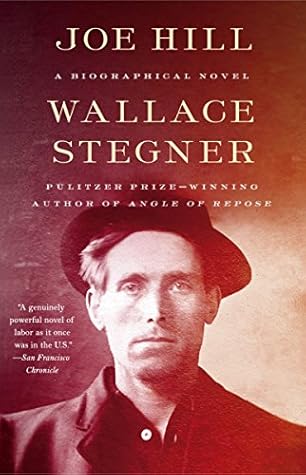
The IWW was a fighting faith. It’s members were the shock troops of labor. Its weakness was that it really liked a fight better than it liked planning, negotiations, politicking. It won victories and attracted thousands of new members and let them drift away again for lack of a concrete program. Its ideas were vaguely the anarcho-syndicalist ideas that had stirred France a little earlier; its methods and shibboleths, even the “wooden shoe” symbol of sabotage, were the same. Its membership was an utterly American mixture, with a good percentage of the foreign-born because the foreign-born were often the most migrant, the most economically adrift, and also the most politically awakened. But in the best American tradition, it took its orders from no one, was ripped by internal quarrels of policy, and fought the battles that were most immediate and most concrete. It was conflict of the bloodiest kind that kept the IWW together. It existed for the prime purpose of making the first breaches in the resistance of entrenched industry so that later organizations could widen and deepen them. Its greatest single contribution was the production of martyrs. The Preacher and the Slave is in no sense a history of the IWW, even by implication. It is not history, though it deals here and there with historical episodes and sometimes incorporates historical documents; and it is not biography, though it deals with a life. It is fiction, with fiction’s prerogatives and none of history’s limitin...
...more
This highlight has been truncated due to consecutive passage length restrictions.
Did this have another title, The Preacher & the Slave, when it appeared in 1950?