
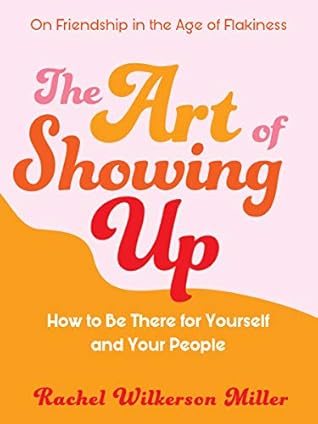
More on this book
Community


Kindle Notes & Highlights

Read between
November 5 - November 18, 2020

Practicing radical candor is one of the ways that showing up for others can really feel like work. It requires confidence and trust and genuine empathy. You have to set aside your own need to be comfortable and risk your likability for the benefit of someone else.
Sometimes, the only way to deal with a situation is to have an honest conversation. Sometimes, the only way out is through the door.
If you’re never willing to have difficult conversations with people, you’re never going to be able to have authentic, meaningful relationships. Most of us recognize that vulnerability is necessary for true intimacy, but for some reason we don’t view being honest as a way of being vulnerable. But of course admitting you have a need is a form of vulnerability.
A difficult conversation makes space for trust—trust that you can be honest with each other about how you’re feeling, trust that you can survive a tough talk and remain friends, trust that you both genuinely want the relationship to work and continue.
“Strike when the iron is cold”—i.e., sometimes, it’s best to deal with something when it’s not actually happening.)
if you’re genuinely seeking an apology or a reconciliation, it’s worth remembering that people will shut down if they feel their entire sense of self is on the line.
See your friend’s humanity. When we’re envious of someone, it’s easy to erase their struggles from the narrative, or to assume there aren’t any. But of course your friend’s life isn’t perfect.
Avoid diminishing yourself to make them feel better. Be real with them about your struggles, but faux-humble complaints about how your life isn’t perfect are condescending and insincere, and won’t make either of you feel good.
The more power/privilege you have in a given situation, the more responsibility you have to speak up.
If a friend says, “This person makes me uncomfortable and I don’t want to hang out with them,” believe your friend. Don’t interrogate them, try to convince them their feelings are wrong, or default to a “Well they’ve never done anything to ME” defense.
It’s really, really OK if we aren’t all best friends.
There are few things worse than having someone you care about tell you that you hurt them or did them wrong. When it happens, most of us tend to react quickly; before you can even process your red-hot shame, it’s been flushed away by a huge wave of self-preservation and defensiveness. The next thing you know, you’re in fight-or-flight mode, pouring gasoline all over an already fiery situation.
Know that you have no control over what happens next. Your apology may be accepted, but it may not. Or it may take them a little time to truly forgive you. If you enter the conversation thinking that the apology guarantees you a happy ending or means you’ll both move on and pretend this never happened, you may be disappointed. Try to come from a place of humility and open-heartedness; if you do, it will come through. Regardless of the outcome, you should be proud of yourself for apologizing.
Each time we show up for ourselves or for someone else, it’s like we’re turning on a single bulb in a strand of Christmas lights. A bulb can be anything: a text, a hug, a pair of pajamas, a puzzle. Occasionally, we’ll get to make a grand gesture that illuminates several bulbs at once, but for the most part, showing up is done one small, quiet act by small, quiet act.
Every single day is a new opportunity to show up—to be curious, connected, soft, brave; to create a kinder, healthier, lovelier world.
when more of us show up for ourselves and each other regularly, the more lights we collectively turn on, and over time, we’ll create a connected line that glows br...
This highlight has been truncated due to consecutive passage length restrictions.
