
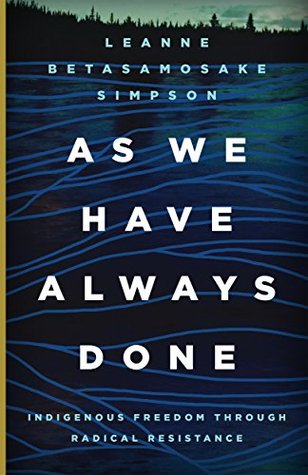
More on this book


Kindle Notes & Highlights

Read between
October 28 - October 31, 2025

In the context of settler colonialism and neoliberalism, the term cultural resurgence, as opposed to political resurgence, which refers to a resurgence of story, song, dance, art, language, and culture, is compatible with the reconciliation discourse, the healing industry, or other depoliticized recovery-based narratives.
Caz liked this
Language, cultural expression, and even spirituality don’t (necessarily) pose an unmanageable threat to settler colonialism, because cultural resurgence can rather effortlessly be co-opted by liberal recognition. Indigenous peoples require a land base and therefore require a central and hard critique of the forces that propel dispossession.
Quanisha liked this
The poverty facing Indigenous communities is an imposed poverty, the result of being a target of extractivism for generations now. Solutions to social issues like housing, health care, and clean drinking water that divorce the cause (dispossessive capitalist exploitation under settler colonialism) from the effect (poverty) serve settler colonial interests, not Indigenous ones, by placing Indigenous peoples in a never-ending cycle of victimhood, and Canadians in a never-ending cycle of self-congratulatory saviorhood, while we both reinforce the structure of settler colonialism that set the
...more
Caz liked this
Canada has become very good at responding to our pain by deploying the politics of grief: a set of tools the state uses to avoid structural changes and accountability by focusing on individual trauma rather than collective, community, or nation-based loses, by truncating historical injustices from the current structure and the ongoing functioning of settler colonialism, by avoiding discussions about substantive changes involving land and dispossession in favor of superficial status quo ones, and by turning to “lifestyle choices” and victim blaming to further position the state as benevolent
...more
