
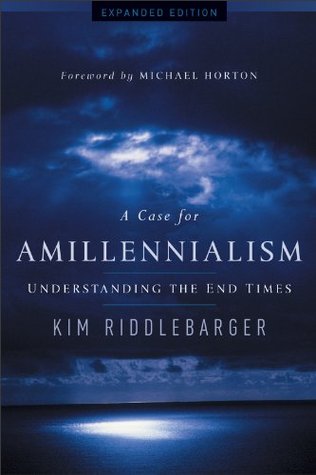
More on this book
Community


Kindle Notes & Highlights

Read between
November 7, 2024 - April 1, 2025

in many ways eschatology is the warp and woof of Scripture. As redemptive history unfolds in Holy Scripture, biblical writers continually point us to events that lie in the future. But these future events can be understood only in light of what God has already done in the past. When we speak of eschatology, we should keep the whole of redemptive history in view.
Eschatology is equally concerned with the past, the present, and the future.
“In very broad terms, the biblical sweep is from creation to the new creation by way of redemption, which is, in effect, the renewing of creation.”[4]
What God demanded of us under the law, he freely gave us in the gospel.
What God demanded of humanity under the covenant of works, he gave us in Jesus Christ, the Mediator of the covenant of grace.
the Bible is one book with one ultimate author and one central character who appears in two testaments, the Old of promise and the New of fulfillment.
The prophets do not think of the earth as merely the indifferent theater on which man carries out his normal task but as the expression of divine glory.
The earth is the divinely ordained scene of human existence.
Maranatha!
Both Jesus and Paul repeatedly spoke of this age and the age to come as two successive and qualitatively distinct eschatological periods.
prognostication
This is where the Gospels leave us: Anticipating an imminent event and yet unable to date its coming. Logically this may appear contradictory, but it is a tension with an ethical purpose—to make date setting impossible and therefore demand constant readiness.[17]
