
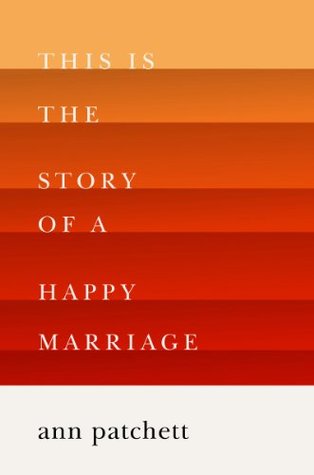
More on this book
Community


Kindle Notes & Highlights

by
Ann Patchett
Read between
December 9, 2018 - February 12, 2019

We all turn our lives into stories. It is a defining characteristic of our species. We retell our experiences. We quickly learn what parts are interesting to our listeners and what parts lag, and we shape our narratives accordingly. It doesn’t mean that we aren’t telling the truth; we’ve simply learned which parts to leave out.
Every time we tell the story again, we don’t go back to the original event and start from scratch, we go back to the last time we told the story. It’s the story we shape and improve on, we don’t change what happened. This is also a way we have of protecting ourselves. It would be too painful to relive a childhood illness or the death of your best friend every time you had to speak of it. By telling the story from the story, instead of from the actual events, we are able to distance ourselves from our suffering.
She didn’t write the story of what she had had to endure; she wrote the story she thought the reader could endure.
I told one version of her complicated life. She told another, her family tells another, her readers tell yet another. Everyone adds a chip of color to the mosaic and from there some kind of larger portrait begins to take shape.
Time is the most extraordinary gift for friendship.
It’s sad that Lucy died, it’s especially sad that she died young, but the truth is that every life ends. The quality of a life is defined not by its length, but by its depth, its actions and achievements. It is defined by our ability to love.
No matter what book clubs tell us, reading is a private act, private even from the person who wrote the book. Once the novel is out there, the author is beside the point. The reader and the book have their own relationship now, and should be left alone to work things out for themselves.
Divorce is the history lesson, that thing that must be remembered in order not to be repeated. Divorce is the rock upon which this church is built.
We weren’t the products of our parents’ happy marriages; we were the flotsam of their divorces.
Standing waist deep in the swimming pool at Yaddo, I received a gift—it was the first decent piece of instruction about marriage I had ever been given in my twenty-five years of life. “Does your husband make you a better person?” Edra asked.
“Are you smarter, kinder, more generous, more compassionate, a better writer?” she said, running down her list. “Does he make you better?”
“It’s not more complicated than that,” she said. “That’s all there is: Does he make you better and do you make him better?”
“You have to stop thinking you’re going to marry everyone you sleep with,” my mother told me. My mother was sorry to see me knocked down again so soon, but she was not sorry that I had lost my crazy-genius, alcoholic lover. “Listen,” she said, “everything ends. Every single relationship you will have in your lifetime is going to end.”
The love between humans is the thing that nails us to this earth.
Yes, with the full force of his life, with the example of his kindness and vigilance, his good sense and equanimity, he makes me a better person. And that is what I aspire to be, better, and no, it really isn’t any more complicated than that.
Sometimes love does not have the most honorable beginnings, and the endings, the endings will break you in half. It’s everything in between we live for.
It turned out the real heartbreak of the vow of poverty was never being able to buy presents for the people who were so clearly in need.
Hers is the brand of Catholicism I remember from my childhood, a religion of good works and very little discussion.
