



Attic dwelling invalids, spinster relatives, the catty sniping rivals.... Those pesky ancestor…more
[close]
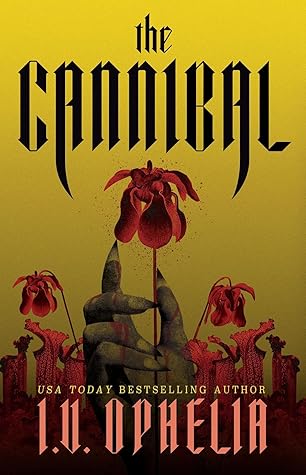
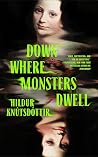
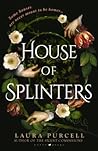
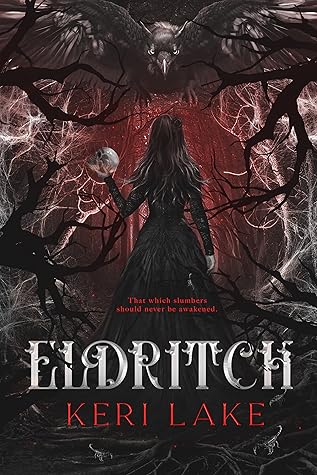
Attic dwelling invalids, spinster relatives, the catty sniping rivals.... Those pesky ancestors who just won't leave that one-lit-window house? The windy moors; coastal cliffs and lonely topiary mazes. Or perhaps--these plants can kill. Every shadow has a name, every unmarked gravestone has a living nightmare....
Welcome To The Gothic Trim Group. We're a book reading group with specific interests in retro pulpy Gothic novels; either historical or contemporary from the 1960s through the mid-1990s; with sub-genres in Mystery, Horror, Suspense, Romance, DARK Romance, Supernatural, etc.
Welcome to the Thornwood Coven — the official gathering place for readers of Gina Thornwood’s da…more
[close]
Welcome to the Thornwood Coven — the official gathering place for readers of Gina Thornwood’s dark romantasy, paranormal romance, and paranormal women’s fiction.
Here, you can interact with Gina, ask questions, chat with fellow fans, and even leave letters for her morally gray characters (yes, Broderick bites back).
Behind-the-scenes lore, ARC invites, sneak peeks, and coven-only content await!
A vampire is a being from folklore who subsists by feeding on the life essence (generally in the…more
[close]
A vampire is a being from folklore who subsists by feeding on the life essence (generally in the form of blood) of living creatures. Undead beings, vampires often visited loved ones and caused mischief or deaths in the neighbourhoods they inhabited when they were alive. They wore shrouds and were often described as bloated and of ruddy or dark countenance, markedly different from today's gaunt, pale vampire which dates from the early 19th century. Although vampiric entities have been recorded in most cultures, the term vampire was not popularized in the west until the early 18th century, after an influx of vampire superstition into Western Europe from areas where vampire legends were frequent, such as the Balkans and Eastern Europe, although local variants were also known by different names, such as shtriga in Albania, vrykolakas in Greece and strigoi in Romania. This increased level of vampire superstition in Europe led to what can only be called mass hysteria and in some cases resulted in corpses actually being staked and people being accused of vampirism.