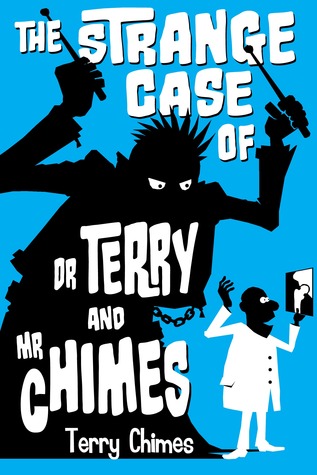
Review of The Strange Case of Dr. Terry and Mr. Chimes by Terry Chimes
They say that old soldiers never die — they simply fade away. What then, can be said of old Rock and Rollers?
If you’re Terry Chimes, founding member of the infamous Eighties punk rock band, The Clash, you go on to become a successful doctor of medicine, entrepreneur, and budding author.
Chimes, formerly a world-touring drummer for the well-known rock group — as well as Billy Idol, Black Sabbath and many others — was also inducted into the Rock and Roll Hall of Fame in 2003. But where is he now?
After fifteen years in the music industry, Chimes became a doctor of chiropractic, an acupuncturist, and CEO of a string of European chiropractic clinics. He now is a world-renowned expert on alternative medicine.
Not bad for a man who, by his own admission, grew up dirt-poor in London’s East End, the middle son of three children born to his happily-married parents. Wait. Aren’t all rockers supposed to be embittered, off-the-beam drug addicts?
Not Chimes. In his memoir, The Strange Case of Dr. Terry and Mr. Chimes, he comes across more like a well-adjusted grocer or accountant than a hard rocking drummer from the turbulent punk rock scene.
He is frank in his detailed recounting of “the old days,” when outrageous characters like Sid Vicious — then only a teen — would hang around the group, trying to fit in. “It seemed he was trying to find his place in the whole punk movement,” Chimes recalls. Vicious would later go on to be imprisoned for the alleged murder of his girlfriend. He committed suicide in his jail cell.
Chimes remembers that Vicious always had a strange outlook on death. “He always said he was going to die before he was 25, having lived life the way he wanted to.”
This is just one of many remembrances that rock band aficionados will hungrily devour in this book. In another vignette, Chimes recalls being the opening act for The Sex Pistols.
“Our enthusiasm levels were so high for that first show that I got up at four in the morning to be at the rehearsal place by five to leave for Sheffield, which was about two hundred miles away.”
More stories abound in this well-written remembrance of a time when rock music was undergoing some radical changes, and Chimes does a good job of filling in some missing pieces — again, primarily of interest to followers of that genre of music. The later parts of the book become pretty prosaic, as Chimes leaves the Rock scene and, eventually, becomes the globe-trotting alternative medicine consultant that he now is.
Still, readers who grew up listening to The Clash and Black Sabbath will have a field day gleaning quotes and anecdotes from this former hard rocker. On balance, I give the book four stars.