Tying Up Plot Lines
Writers find inspiration in varies places and through many venues. There's nature or a crowded area such as a mall or subway station. People-watching can conjure intriguing traits for one's fictional characters - minus any creepy gawking, of course. Two of my most favorite venues for revving up my writing verve can be found in music or artwork.
There are innumerable elements to inspire, but admiring a fellow writer's work is probably the most common denominator among all writers, myself included. And a lot of book writers also find inspiration while watching a film or television show. Despite being written to stimulate the visual and auditory senses, those are still stories. We writers love stories.
The other day I was reading an article about one of the most popular television shows of the last twenty years - LOST. The article, found HERE, highlighted a conversation between an outside source with one writer from the LOST writing team at the show's peak in ratings. Initially, this person was thrilled that he was about to discover how the writing team planned to tie up the numerous plot lines. But to this poor guy's dismay, he uncovered the show had NO plans on taking any story lines to a conclusive end.
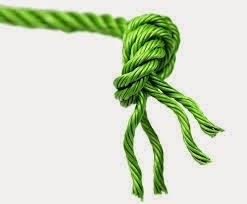 I was like "What? That just doesn't make sense?", basically reiterating what the writer of this article said to the LOST writer. And then the realization hit me as to the reason I stopped watching the show - the lack of answers to the numerous questions drove me nuts!
It got me thinking about how we novel writers take our initial ideas from beginning, a brief idea of a middle, and then to a conclusion at the end of our books.
For myself, fresh ideas always slam into me as the beginning of a story flows to its middle. I'll admit I definitely write overly-threaded moments and scenes that confuse even myself. But each time I end up seeing a flicker that eventually guides the frayed thread to a meeting place, which answers at least some of the questions I've created. That's called: typing up what is necessary to satisfy the reader. I don't tie up everything, because life is never that easy, simple, or perfect.
So I read that article again and thought What if I went so extreme with one of these new fresh ideas that I knew a proper conclusion could never happen? Would I just write it anyway and would anyone keep reading it? Most of you probably are having the same initial writer thought I had - Would I tick off my readers to such an extent they'd never want to read my work again?
I guess I'm looking for a reason why the show LOST was so successful, yet used the format for creating that they did. The article stated that they basically thought up the most messed up stuff they could and just wrote it with no regard for any purposeful conclusion. I've heard that not all 'loose ends' are bad. Granted, that had to do with student learning, but still... Did the creators and writers of LOST know something the rest of us are missing or did they make a grave error in feeding the public fantastic story lines with forever fraying ends?
What sayzzz U? How many plot ends left loose at a novel's end are too many?
There are innumerable elements to inspire, but admiring a fellow writer's work is probably the most common denominator among all writers, myself included. And a lot of book writers also find inspiration while watching a film or television show. Despite being written to stimulate the visual and auditory senses, those are still stories. We writers love stories.
The other day I was reading an article about one of the most popular television shows of the last twenty years - LOST. The article, found HERE, highlighted a conversation between an outside source with one writer from the LOST writing team at the show's peak in ratings. Initially, this person was thrilled that he was about to discover how the writing team planned to tie up the numerous plot lines. But to this poor guy's dismay, he uncovered the show had NO plans on taking any story lines to a conclusive end.
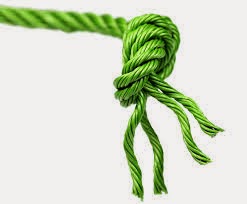 I was like "What? That just doesn't make sense?", basically reiterating what the writer of this article said to the LOST writer. And then the realization hit me as to the reason I stopped watching the show - the lack of answers to the numerous questions drove me nuts!
It got me thinking about how we novel writers take our initial ideas from beginning, a brief idea of a middle, and then to a conclusion at the end of our books.
For myself, fresh ideas always slam into me as the beginning of a story flows to its middle. I'll admit I definitely write overly-threaded moments and scenes that confuse even myself. But each time I end up seeing a flicker that eventually guides the frayed thread to a meeting place, which answers at least some of the questions I've created. That's called: typing up what is necessary to satisfy the reader. I don't tie up everything, because life is never that easy, simple, or perfect.
So I read that article again and thought What if I went so extreme with one of these new fresh ideas that I knew a proper conclusion could never happen? Would I just write it anyway and would anyone keep reading it? Most of you probably are having the same initial writer thought I had - Would I tick off my readers to such an extent they'd never want to read my work again?
I guess I'm looking for a reason why the show LOST was so successful, yet used the format for creating that they did. The article stated that they basically thought up the most messed up stuff they could and just wrote it with no regard for any purposeful conclusion. I've heard that not all 'loose ends' are bad. Granted, that had to do with student learning, but still... Did the creators and writers of LOST know something the rest of us are missing or did they make a grave error in feeding the public fantastic story lines with forever fraying ends?
What sayzzz U? How many plot ends left loose at a novel's end are too many?


No comments have been added yet.