A Lack of Sleep Can Shrink Your Brain
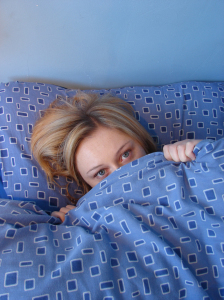 The fancy digital, pedometer-bracelet thingy around my wrist tells me I slept 6 hours and 25 minutes with four interruptions. As I struggle to awake, my body can tell you, that isn’t near enough.
An estimated 70-million Americans are sleep deprived, according to the National Sleep Foundation and the Centers for Disease Control and Prevention. And, many nights, I am among them.
Aside from the health risks associated with inadequate sleep, such as depression, inability to focus, difficulty planning, memory issues, and higher risk of physical illness, researchers at the University of Oxford now believe a lack of sleep or poor sleep quality may also contribute to brain shrinkage. As if that thought alone won’t keep you awake nights.
Sleep is essential to repair and restore the brain, says lead researcher Claire Sexton. If the reparation process is interrupted by a sleepless night, brain function can also be impacted. In her study, participants who experienced poor sleep, also showed brain shrinkage in the three lobes of the brain linked to decision-making, movement, and emotions, thoughts, and memory and learning, according to the study published in the journal Neurology.
It doesn’t take a study to remind us that sleep is essential, but getting a good night’s sleep begins long before bedtime.
Set a Routine
Parents of young children, (I know from experience) talk often and even obsess about how to get their kids to sleep. When my daughter was a toddler we put her on a sleep schedule.
Every night beginning an hour or so before bed, we followed the same routine, a ritual of sorts, to help her wind down and get primed for sleep. We turned off the television, dressed her in her pajamas, brushed her teeth, snuggled in the rocking chair, read books, and finally, after she was tucked in with lights out, we sang some little songs. By the time we left her room, she was, most nights, ready to rest.
The same approach can work for adults. When we prime our body to rest, we have a greater chance of getting some good shut-eye.
Start a couple of hours before bed by limiting what you eat and drink and turning off electronic devices – the blue light can throw off our sleep rhythms. For those who sleep with their Smartphone, this is nearly blasphemous. But, sleep impacts everything from how we learn, to how we feel, heal and perform. It is a key aspect of our health and success. So try these, and the other tips I’ll offer in Wednesday’s post, as an experiment for three weeks. You might find that a sleep routine is all you need to feel rested.