The Kidnapping that Captivated the Country
New Orleans was a city on edge in June 1870 when two African American women abducted 17-month-old Mollie Digby from in front of her family’s home in the working-class “back of town.” It was the height of Radical Reconstruction. Former slaves, freed during the Civil War, had poured into the city and African American men could now vote, serve on juries, and hold public office. Black men and women demanded service in formerly whites-only restaurants and saloons. Many white residents, still emotionally wounded by Confederate defeat, seethed as the new order emerged.
When the police reported that Mollie Digby, the daughter of Irish immigrants, had been kidnapped by a “fashionable, tall, mulatto woman, probably for the purpose of receiving a ransom,” the white press seized on the case as an example of a world turned dangerously upside down. They demanded that Louisiana’s Reconstruction government solve the crime.
News of the kidnapping spread throughout the South and made headlines in Chicago, New York, and other cities as the story, and the efforts to find Mollie Digby, became intertwined with the fearsome politics of Reconstruction. “The Great New Orleans Kidnapping Case” had begun.
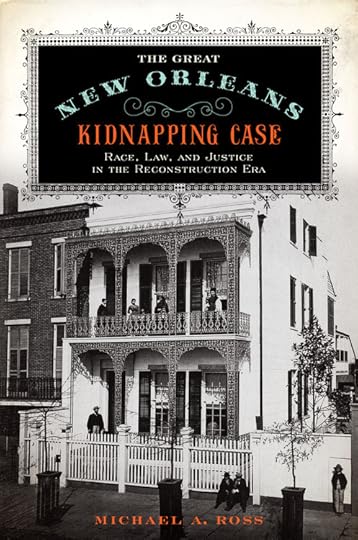
To be published by Oxford University Press, October 2014