
Re-Run: Road Trip Through History–The Utopian Communities of New Harmony
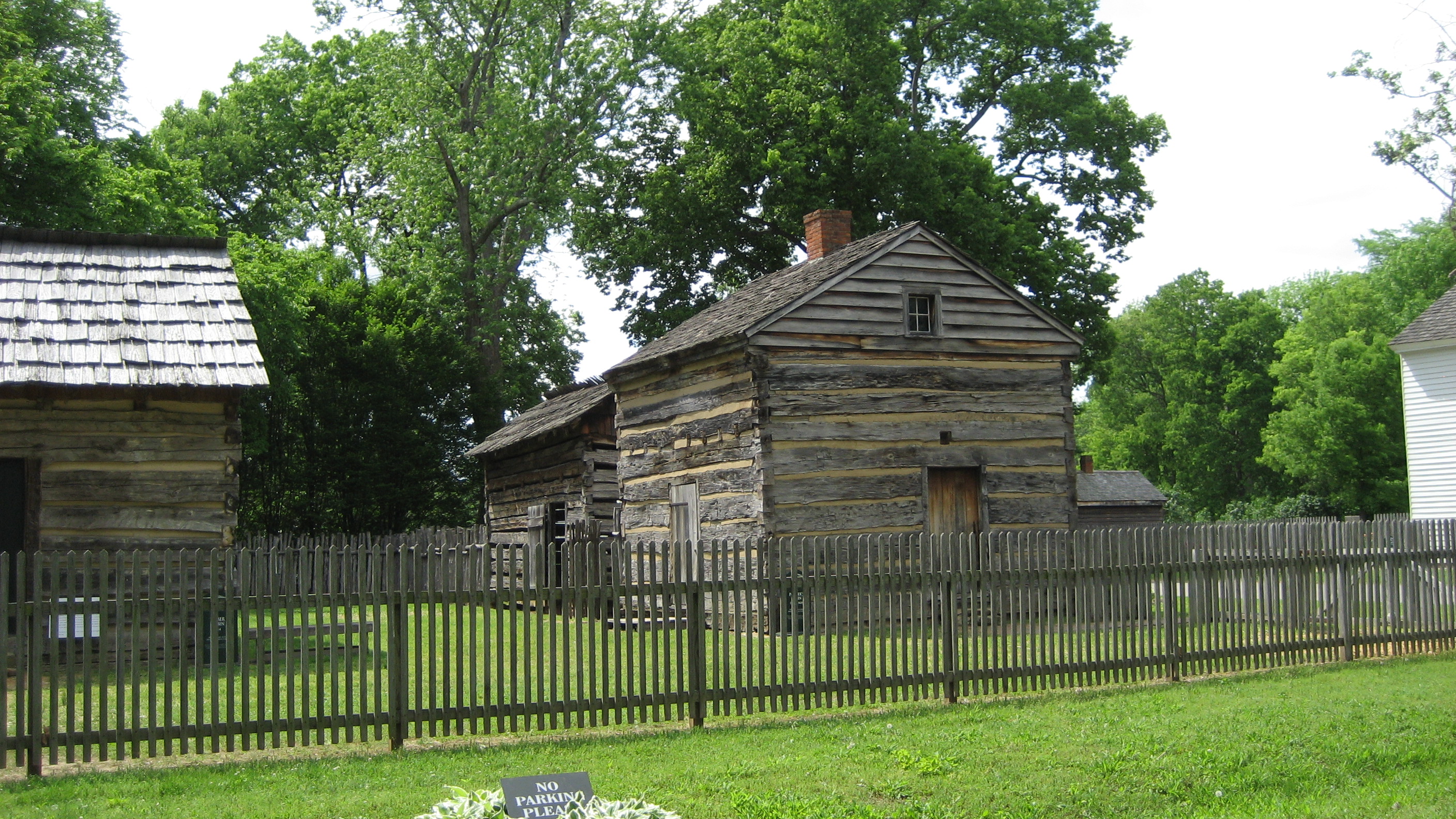
My Own True Love and I dearly love a road trip, especially if it includes a historical site or three, a quirky museum, a regional delicacy to try, walking paths, and plenty of roadside historical markers. (Anyone who thinks she might want to travel with us, be warned. We are the kind of people who turn off the road to find the historical marker rumored to be three miles to the west. )
Last weekend we packed cooler, notebook and walking shoes, said “hasta la bye-bye” to The Cat, and headed to southern Indiana.
New Harmony, Indiana, has been on our gotta-see list since last October, when I wrote about Robert Owen’s utopian community as part of a book on socialism. (Pausing for a blatant piece of self promotion. Close your eyes if it makes you queasy.)
New Harmony was home to two successive utopian communities.
The first was the Harmony Society, informally known as the Rappites: a German Pietist sect who split off from the Lutheran church at the end of the eighteenth century. They believed that the end of the world was near, but that didn’t stop them from hard work while they waited. Over the course of ten years, they successfully built a communal Christian republic in the Indiana wilderness.
In 1824, the Harmony Society sold their land and settlement to British reformer Robert Owen. Owen was a self-made factory owner with dreams of reforming society on communal lines. Self-sufficient Villages of Cooperation would replace private property. Owen’s New Harmony was less successful than that of the Harmony Society: too many artists and intellectuals and not enough farmer and tradesmen made self-sufficiency any more than a dream. In 1828, Owen sold the land to individuals at a loss.
Today the historic sites of New Harmony are well preserved and well presented, run by the University of Southern Indiana, the Indiana Historical Museums, and enthusiastic local volunteers.
We weren’t surprised that locals emphasize the achievements of the Harmony Society rather than Robert Owen’s failed experiment. We were surprised at their emphasis on weaving the past into the future. Museum architect Richard Meier, who later created the Getty Museum in Los Angeles, designed the visitor’s center, called the Atheneum in memory of Owen’s cultural experiment. Philip Johnson’s Roofless Church houses a statue by Jacques Lipschitz.
All told, we had a great visit: well designed historical exhibits, good food (eat at the Red Geranium if you go), a labyrinth to walk, old houses to look at, lots of historical markers along the way, and a few surprises. Just what a history road trip should be.
Everywhere you look, from the web site to the entrance of the Athenaeum, New Harmony asks its visitors, “What’s your vision of Utopia?” I don’t have an answer. What about you?


