
How to Boost Your Immune System and Beat Sickness Bugs
Every year, sickness bugs sweep across nations like locusts, piercing our body’s natural defenses and leaving us with runny noses, sore throats, fevers, and many other debilitating symptoms.
And while everyone hates getting sick, it’s especially aggravating for us fitness folk. It not only knocks us out of our routines for days or even weeks, once we’re better, it takes just about as long to get back to where we left off in terms of performance.
That’s why I utilize the various strategies given in this article to boost my immune system and beat sickness bugs, and while I still get a cold once or twice per year, they’re very mild and last only a few days.
So, let’s start with discussing what the immune system is and how it works, and then we’ll get to how to strengthen it and prevent and quickly overcome sickness.
How the Immune System Works
The immune system is an amazingly complex network of cells, tissues, and organs that defend the body against “attacks” by outside invaders. Most of these invaders are tiny organisms like bacteria, parasites, and infection-causing fungi, and viruses, all of which are able to flourish in the human body.
The types of invaders out there number in the millions, and the immune system’s job is to recognize and keep them out. Some inevitably sneak by the body’s defenses, though, and the immune system hunts them down and wipes them out with special types of fluids and cells.
For example, take a look at the following image:

In the image on the left, you can see two large bacteria that cause gonorrhea, side by side. In the image on the right, you can see these bacteria “swallowed up” by a large immune cell known as a neutrophil, which engulfs and kills the invading bacteria.
The healthier your immune system is, the faster and more powerfully it can defeat invaders, thus preventing sickness in many cases, and reducing severity and duration in others.
Exercise and the Immune System
Considering the fact that regular exercise improves just about every aspect of our health, it’s no surprise that it directly improves immune function.
It is, however, possible to have too much of a good thing: too much exercise can actually impair the immune system, which is one of the symptoms of overtraining. Ultimately what is “too much exercise” varies from body to body, but my experience working with thousands of people has taught me this:
It’s harder to overwhelm the immune system with exercise than you might think. And that’s especially true when you’re eating plenty of healthy foods and getting enough rest and recovery. That said, I generally recommend that people limit their total weekly exercise to 8 hours or less, and that they include one day of no exercise whatsoever each week.
Exercising When Sick
I totally understand the desire to exercise when sick. Once you’ve established a good exercise routine, you really don’t like messing with it.
The reality is intense exercise is only going to make the sickness worse, though. Why? Because intense exercise temporarily depresses immune function, which gives the invaders more time to wreak havoc in your body.
That said, animal research has shown that light exercise (20 to 30 minutes of light jogging on a treadmill) performed while infected with the influenza virus boosts immune function and speeds recovery.
Similar effects have been seen in human studies as well, which is why I recommend no more than 3 sessions of 20 to 30 minutes of light cardio when sick (you should never get too winded to speak).
Smoking and the Immune System
Smoking is up there with alcoholism as one of the most unhealthy habits you can develop, and among its many liabilities is the suppression of the immune system.
Research has shown that smokers generally get sick more often than non-smokers and that smokers are much more likely to contract respiratory diseases than non-smokers. Furthermore, cold and flu viruses make smokers sicker than non-smokers.
The answer, of course, is to quit smoking, and while I’ve never smoked, I would definitely use this book to quit if I did–it’s a time-proven, incredibly effectively tool for quitting easily and permanently.
Body Weight and the Immune System
There are bigger problems with being overweight or obese than how you look: it’s incredibly unhealthy, increasing the risk for all kinds of disease including type 2 diabetes, cancer, reproductive problems, heart disease, and more.
Research has shown that one of the reasons for this is the chronic systemic inflammation that comes with being overweight or obese, which impairs immune function, thus increasing the likelihood of infection and the duration of sickness.
The solution is obvious, and while many people are made to believe that losing fat and building muscle is incredibly hard or complicated, it’s not. It doesn’t require that you live in the gym…. It doesn’t require that you follow strange, overly restrictive diets… and it doesn’t require that starve yourself or even battle with hunger.
All healthy weight loss requires is sensible meal planning that includes plenty of tasty, nutritious foods, and a proper exercise program that uses moderate amounts of weightlifting and cardiovascular exercise to burn calories, build muscle, and maintain health.
Nutrition and the Immune System
The foods you eat have a major impact on the competence of your immune system. Micronutrients such as zinc, selenium, iron, copper, beta-carotene, vitamins A, D, C, and E all play important roles in keeping your immune system strong.
The less healthy, micronutrient-dense foods you eat, the more likely you are to develop deficiencies in the many vitamins and minerals your body needs to maintain optimal health and immune function. This, in turn, impairs immune function.
Ideally, we’d get all of the vitamins and minerals we need from the food we eat, but this is easier said than done.
First there’s the issue of the ever-declining quality of soil and food (even in the world of organic), which is making it harder to get adequate nutrition from our diets.
Then there’s the fact that maintaining optimal levels of vitamin and mineral intake requires a bit of planned dietary diversity, which can be done, but can also be time consuming.
Personally, I prefer a simpler approach. I make sure the majority of my calories come from nutrient-dense foods, like the following:
Avocados
Greens (chard, collard greens, kale, mustard greens, spinach)
Bell peppers
Brussels sprouts
Mushrooms
Baked potatoes
Sweet potatoes
Berries
Low-fat yogurt
Eggs
Seeds (flax, pumpkin, sesame, and sunflower)
Beans (garbanzo, kidney, navy, pinto)
Lentils, peas
Almonds, cashews, peanuts
Barley, oats, quinoa, brown rice
Salmon, halibut, cod, scallops, shrimp, tuna
Lean beef, lamb, venison
Chicken, turkey
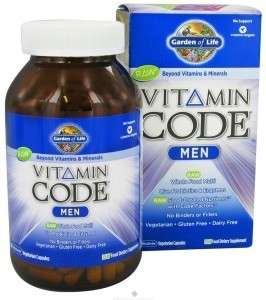
And I take a high-quality multivitamin supplement daily to ensure I don’t become deficient in anything important. Here’s what I’m currently using and liking:
Buy now
AmazonAmazon UKBodybuilding.com
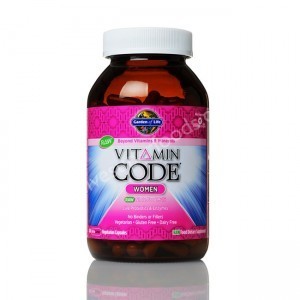
And here’s the women’s version of the same product:
Buy now
AmazonAmazon UKBodybuilding.com
Lifestyle and the Immune System
While exercise falls under the banner of lifestyle, it deserved its own section. In this section, I want to discuss a few other lifestyle-related factors of immunity.
Chronic Stress Increases Risk of Sickness
Research has shown that while acute stress enhances immune function (the good old “fight or flight” mechanism working for us), chronic stress suppresses it.
So, try not to sweat the little annoyances so much, stay away from negative people that try to keep you down, avoid overtraining in the gym, take some time for yourself every day to chill out, and avoid conflicts by trying to treat others the way you’d like to be treated, and you’ll not only be happier in life, but you’ll get sick less often.
Inadequate Sleep Increases Risk of Sickness
For generations, mothers have been telling their children to get enough sleep or they’ll get sick…and it turns out there’s some truth in it.
Research has demonstrated that acute sleep deprivation acutely suppresses immune function, and the longer sleep is restricted, the more likely you are to get sick. And not only cold and flu sick, but heart disease and diabetes sick as well.
The bottom line is, like smoking and over-consumption of alcohol, regularly not getting enough sleep is incredibly unhealthy and, over time, can contribute to all kinds of disease and dysfunction. What is adequate sleep varies from person to person, though. Check out my article on how to sleep better for more information.
Have More Sex to Boost Your Immune System
You probably don’t need much convincing to have more sex, but here’s another reason:
Research has shown that regular sex boosts immune function, and thus helps your body fight off sickness bugs like the flu and other bacteria and viruses.
Specifically, the study found that college-aged people having sex once or twice per week had higher levels of immunoglobulin A (IgA), the body’s first line of defense against cold viruses, than people having sex less or more (bummer) frequently. Furthermore, the study also found that higher levels of satisfaction and duration in relationships were associated with higher levels of IgA.
So, have more sex, enjoy your relationship, and stay healthy.
Supplements That Boost the Immune System
Vitamin C
Vitamin C is found in high concentrations in immune cells and is quickly consumed during infections.
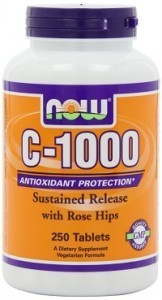
Research has shown that regular intake of vitamin C up to about 1 gram per day helps reduce symptoms and shorten the duration of respiratory tract infections like the common cold. Supplementation with vitamin C also helps reduce systemic inflammation and cortisol levels, which can further boost immune strength.
This is why I supplement with 1 gram per day, and here’s the product I take:
Buy now
AmazonAmazon UK
Fish Oil
Thanks to its high amounts of omega-3 fatty acids, fish oil has a long list of health benefits, and a recently published study has uncovered yet another:
Fish oil, which was once believed to suppressed immune function, actually enhances it by improving the function of B cells, a type of cell vital to the immune system’s defenses.
Not all fish oils are equal, however. The cheaper options contain an inferior, processed form of the oil (ethyl ester), which is much more resistant to the enzymatic process by which the body breaks the oil down for use. Not only that, but the cheaper oils also have low levels of omega-3 fatty acids, requiring that you take a few handful of pills every day to reach the recommended 3.5 to 4.5 grams of omega-3 fatty acids per day.
Instead, you want the natural trigclyeride form of fish oil, which is better absorbed by the body, and which has higher concentrations of omega-3 fatty acids. And that’s why I buy and use this product:
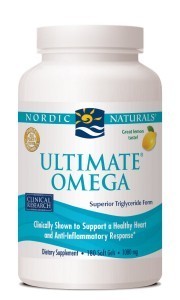
Nordic Naturals is one of the most respected brands of fish oil on the market, and this specific product is a “double strength” EPA/DHA formula, with 650mg of EPA and 450 mg of DHA in each serving. Most other fish oils contain half of that per serving.
Buy now
AmazonAmazon UKBodybuilding.com
Vitamin D
Vitamin D deficiency has been associated with an increased risk of developing a wide variety of diseases, such as osteoporosis, heart disease, stroke, some cancers, type 1 diabetes, and multiple sclerosis, tuberculosis and even the flu.
Furthermore, according to research published by the Center for Disease Control in 2011, 8% of Americans are vitamin D deficient, and 25% are considered “at risk” of a deficiency. Other research published in 2010 showed that nearly 70% of breast-fed babies were vitamin D deficient at one month, which can be particularly harmful considering how important this vitamin is in overall health and development.
And while we can get vitamin D by going in the sun for about 15 to 25 minutes per day, few are able to regularly do that. Instead, we can just take a daily supplement. How much should we be taking, though?
A committee of the U.S. Endocrine Society recently convened to review the evidence, and concluded that 600-1,000 IU per day is adequate for ages 1-18, and 1,500-2,000 IU per day is adequate for ages 19+.
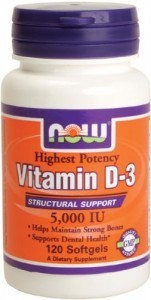
Here’s the product I use:
Buy now
AmazonAmazon UK
Echinacea
Echinacea is a type of flowering plant in the daisy family, and it has long been used as an herbal product to help fight colds and other common sicknesses.
Echinacea’s use as an immune booster has been controversial in scientific circles. There is research showing it to be effective in both reducing the likelihood of getting sick and the duration of sickness, and there is research demonstrating no such benefits. That said, several clinical trials that have failed to demonstrate immune benefits have been criticized for using inferior forms of echinacea extracts and for using dosages too small to do anything.
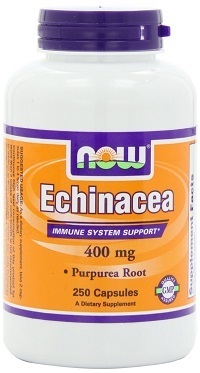
While I don’t take echinacea year-round, I do take about 3 grams per day if I’m sick or in close contact with sick people (office or family). Here’s what I take:
Buy now
AmazonAmazon UK
Aged Garlic Extract
Like echinacea, garlic has a long history of use for fighting infections, and modern science has confirmed its effectiveness.
Aged garlic extract is particularly effective: research has shown that it reduces the severity and amount of symptoms experienced while sick with a cold or the flu.
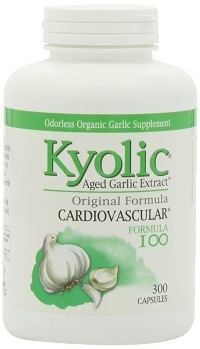
Like echinacea, I don’t take aged garlic extract unless I’m sick or around sick people, and when I do, I take about 1 gram per day. Here’s what I use:
Buy now
AmazonAmazon UK
Ginseng
Ginseng is one of the most well-known oriental medicinal herbs, and has long been used to treat a variety of disorders. Its role as an immune modulator is widely known in scientific circles, and research has shown that regular supplementation boosts immune function.
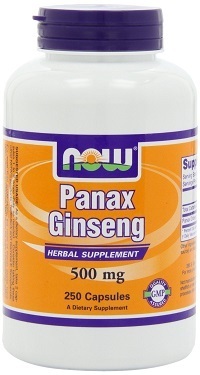
It’s generally recommended that you take ginseng supplements for less than 3 months at a time, so I include it in my supplementation regimen when I’m sick or around sick people, and when I do, I take about 2 grams per day. You want the Asian (panax) form, and here’s what I take:
Buy now
AmazonAmazon UK
Probiotics
Probiotics are good bacteria in your digestive tract, and research has shown that certain types not only help in digesting your food, they also build up the immune system.
There’s a problem, though, as reported by the American Academy of Microbiology: many of the probiotic products on the market are crap. In many cases, the bacteria are dead, and thus the products are worthless. This is especially true in the case of products that include probiotics as a “bonus” (the processing of such products kills the bacteria), as well as cheap products that don’t need to be refrigerated.
That’s why I stick with NOW Foods, a highly respected brand that has undergone quite a bit of scrutiny over the years in the way of third party testing and come out unscathed. Here’s the product I use, and I take one capsule per day during flu season or when I’m sick or around sick people:
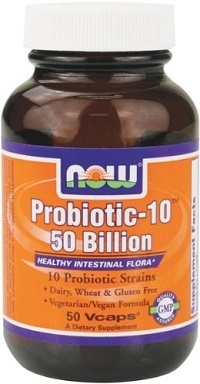
Keep this in the fridge to keep the bacteria alive.
Buy now
AmazonAmazon UK
What do you think of these strategies for boosting the immune system? Have anything else to add? Let me know in the comments below!


