Virtual Conflict Mediation – Part Three
Conflict Mediation in Virtual Teams
As a consultant I am always listening for overall themes or concerns that affect many of my clients. What I hear repeatedly, through my consulting work and from many interviews I conducted for my book, is that virtual managers need to get better at mediating conflict. Maybe that’s because in the virtual workplace these situations often have to be resolved by telephone. While it’s far better to conduct a sensitive discussion in person, the phone does allow real-time verbal communication.
Picturing the Three Aspects of Conflict
Before approaching a mediation call head-on, I advise taking a bit of time (a minute or two) to consider the three aspects of any conflict situation. I call this Picturing the 3 P’s of Conflict, which can be visualized below:
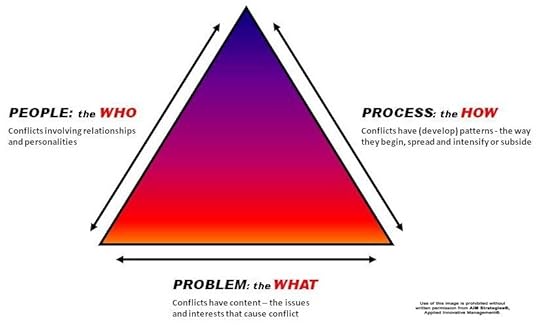
Virtual Mediation Techniques
Once you have thought about the 3 P’s, choose the best virtual mediation technique for that situation. Keep in mind, your role is a moderator assisting people to reach their own solutions. You can provide a valuable service in helping to prioritize next steps and creating alignment between actions and goals. Here are the necessary steps to take in any mediation …
1. Establish Your Role
Clarify your role as moderator
Clarify your expectations
2. Set Ground Rules
Deal only with realistic issues that are solvable.
Have everyone accept their own part in creating, promoting, or allowing conflict.
Request that participants openly and honestly express their feelings and thoughts without exaggeration.
State that labeling or insulting is off-limits.
Do not allow anyone to multitask during the session.
3. Guide the Process
Open the discussion by stating that the goal is to solve the issue, not to assign blame to any one individual.
Get input from everyone and acknowledge all ideas.
Present and compare ideas to foster discovery/dialogue.
Specify actions and gain commitment from all participants to the plan, going forward.
Remember to pay extra attention to your tone of voice and listen for inconsistencies in others (e.g., Do you detect uncertainty in their voice? Is anyone saying yes too quickly?). Following these few steps will lead to positive rewards. Not only will it help you better understand your team, but it will strengthen communication overall.
For more tips on resolving conflict hear Yael speak on the topic or visit Amazon to purchase a copy of her book, A Manager’s Guide to Virtual Teams.