Writing About Shock and Trauma
 You are writing about the scene of a car crash. There is mangled metal, the Police and Paramedics are in attendance; but where is the driver of the car? Several blocks away, a dazed woman with blood on her forehead is wandering around, muttering about buying tissues. She doesn’t know what just happened. You are writing about a character who is experiencing psychological shock. This post is a basic introduction to psychological shock which will help you understand it, so you can use it effectively in your writing.
There are two types of shock. The first is the medical type that is a life threatening, sudden drop in the body’s blood pressure. It’s common in serious illness or injuries. That is not what I am referring to here.
Psychological shock is an acute stress reaction which people are thrust into because of a sudden trauma, such as a car accident; death of a loved one; becoming a victim of crime; being caught in a natural disaster: any incident which causes distress by way of inducing fear, emotional pain or severe mental stress. As a writer, if you have taken your character/s through an experience which would trigger shock, how they react to the shock over time, can be woven into your plot and character development.
Shock is actually not the correct clinical term. Mental health professionals refer to it as ‘acute distress disorder.’ If it doesn’t resolve itself within four weeks of the event, it can become a long-term, crippling psychological problem. Once it becomes a chronic problem, shock may evolve into a serious anxiety disorder such as clinical depression, or post traumatic stress disorder.

Image purchased from iStockphoto.com It may NOT be reused for any reason unless you purchase it yourself.
How people react to serious incidents depends on the actual person. Not everyone experiences a profound reaction. Some will respond with a fight or flight response where they are hyped up and prepared to survive in any way they can. Some people look for a rescuer so they don’t have to deal with the situation. Others can shut down, not knowing how to cope. In very simple terms, the emotions go into overload and the subconscious mind decides that the best way to cope is to deal with it later, or not at all. They are experiencing helplessness and unconsciously, they decide that running or fighting is simply useless. It is a reaction, not an action.
Someone with resilience; high self-esteem; a survival mentality; or who is used to taking a leadership role, is more likely to experience a fight or flight response. However, if they are ill, burnt out, discouraged, fatigued or the trauma is outside of their experience to the point where they have no idea how to act, they may slip into this state. That may provide you with an Achilles heel or strong character contrast which you can use to expand the reader’s understanding of the character.
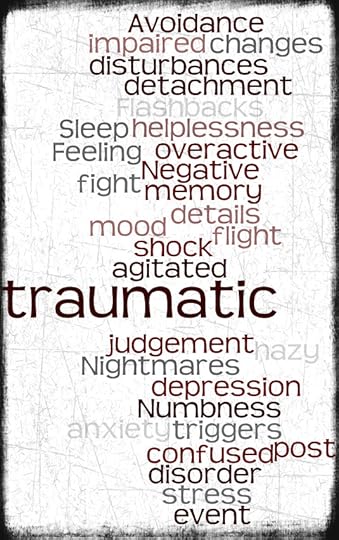
Psychological shock can show up as a series of physical symptoms as well as mental ones. It may involve:
Feeling confused;
Numbness and detachment from people and surroundings;
Inability to remember the traumatic event which has occurred, or only remembering hazy details;
Some people may become agitated and overactive;
Inability to make decisions, at times even simple ones; and
Impaired judgement.
Longer term symptoms can include:
Sleep disturbances;
Negative changes in the person’s normal mood;
Avoidance of memory triggers;
Flashbacks
Flashbacks and nightmares serve to bring back the traumatic memories that the mind just doesn’t want to address. It is an internal healing mechanism that can be used to move the character out of trauma and into growth. Acknowledging their content and dealing with the underlying trauma has been seen to reduce flashbacks and nightmares. Continuing to push what happened away, may trap people in a cycle of mental horror.
As this is a broad and technical topic, a number of links have been embedded in this post to give you the information you need. So please, click on the red text to explore the area more fully. I could continue to write about panic attacks and other related issues, but the more you read, the more prompts your discovery will give you. As I have been saying in all these psychology based posts, if your comprehension of the way these emotional states work is accurate, you will write a work of fiction that is realistic and doesn’t take improbable shortcuts to a picture perfect ending. That adds credibility to your work which will foster your success as an author.
This is a free chapter from the ebook, “Building Emotionally Realistic Characters.”
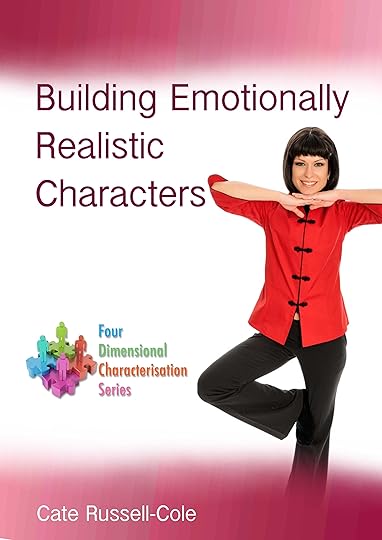 Whether you are writing fiction, memoir, poetry, short stories, plays, screenplays or music, the ability of your work to touch others depends on how they relate to the messages you are conveying. What they see and hear must be something they have encountered and can relate to easily; or it must be shared in another way they can grasp. Often that is done through the only common element every human being has: knowing what emotions feel like.
You can read a story about events which have never happened to you, but still laugh or cry over what is occurring with the characters. Why? Because you know what it is to experience pain, joy, fear, rejection, envy, fatigue, laughter, grief, ecstasy or doubt too. This is the magic that makes stories work. The tricky part, is conjuring up the right spell or your reader will not be fooled.
This e-book is a full of the incantations you need to bring your characters to life in a way that is emotionally realistic. There are no short cuts to “happily ever after” endings, which leave your plot line hollow and sounding fake. The book contains introductory level psychology which will give you an insight into how emotions and events weave us together into a whole or hurting person.
Topics include: change, motivation, healing emotional trauma, post traumatic growth, grief, shock, super-egos and inferiority, escapism, fatal flaws, phobias, shame, violence, character types, suicide prevention, schizophrenia and multiple personality disorder. This is the second book in the Four Dimensional Characterisation Series. ISBN 978-0-9873175-3-7 Out now on Amazon Kindle.
Please, no re-blogs of this post!
This article / blog post is Copyright Cate Russell-Cole 2012. All rights are reserved Internationally. You may not reproduce it in any form, in part of whole, without Cate’s prior written permission. That includes usage in forms such as print, audio and digital imaging including pdf, jpg, png etc. A fee may be requested for re-using her work if it is for a commercial venture. Link sharing and Pinterest pins are most welcome as long as Cate is the attributed Author.
No images on this blog may be copied, captured, or altered for your own purpose without the consent of the originating owner. Where images are marked as being iStockphoto.com images, they are paid for and licenced to Cate for use on this blog. If you take them, iStockphoto.com has the right to take legal action against you for Copyright Infringement.
Please see the Blog Content and Image Copyright page of this blog for further information in regards to Guest Posts, other images, Cate’s checks on infringements and Liability.
Filed under: Writing Resources Tagged: accident, author, books, characterisation, fiction, Indie publishing, inspiration, novel, plot, psychology, shock, stress management, symptoms, trauma, writer, writing