Better Storytelling Part Two

In the first part of this series I discussed the
need for a strong purpose behind a character’s goals. In this post I will be
talking about competition and rivalry.
There are stories where characters are isolated or
are in competition with themselves. These kinds of stories are hard to write
and can easily come across as self-important and self-indulgent. Everything’s
about him, nobody else counts, he has to do it all by himself.
That’s usually not the intention, but it’s hard not to come
over like that if every sentence starts with the same subject.
However, once you bring in a rival to your main
character, things not only become more dynamic, they also help the reader see
the main character more clearly.
This rival can be the main bad guy, but it can also be secondary characters. The detective may be chasing after the killer, but he might also have to contend with the other cops, the ex-wife's new husband, the pushy journalist, the last victims sister.
If you give these supporting characters a reason to want the MC to fail, then they can force the story off the nice, simple, direct route to the solution it naturally wants to take. And at the same time, it will help reveal aspects of the MC's character.
It is a basic truth of human existence that we
compare and contrast ourselves with others. Even though we know it can be
unhealthy and turn people into insecure wrecks, we can’t help it.
Consider when you’re walking along the street and
you trip over an uneven flagstone. How do you feel if there’s no one around to
see you? How do you feel when there is? Hell, as Jean Paul Sartre said, is
other people. It is only in the perceived judgement
of others that we judge ourselves (and usually find ourselves wanting).
The fun really starts when you take into
consideration how the rival feels. He too will react to having someone trying
to reach the same goal or making him look bad (by being successful).
In the last post we left Timmy Timkins on the side
of a mountain, determined to reach the top for some deep seated reason (Daddy
issues, I would guess). What if instead of just man against mountain we
introduced another climber. This one is also determined to reach the top.
Now the struggle against the forces of nature are
intensified with a race against another human being. The story takes on an
added dimension.
But wait. It’s all very interesting having two
rivals playing the game fair and square, but what if the other guy is
determined to win by any means necessary? If Timmy is dodging falling rocks that
appear to be suspiciously well aimed, relying on grit and good
luck isn’t going to be enough. He’s going to have to come up with a different approach.
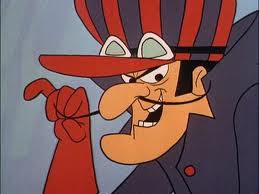
Make the rival dastardly and you immediately shift
sympathy to the main character. Have the cheating go unpunished, even more
sympathy. And as the fight becomes more and more unfair, the more intriguing it
becomes—how will the hero succeed?
Will the hero stoop to the same level? Complain to the
authorities? Pick up his ball and go home? Whatever the reaction, it will be a reflection
of who your main character is as a person. It will show the reader what they’re
made of.
Antagonists, whether pure evil or just driven by
their own reasons, work best when they are not only reaching for the same goal
as the MC, but when they actively try to throw spanners in his works and banana
peels in his way.
This can be a matter of physical conflict, but it
can also be more sneaky. Spread a little malicious gossip about seeing the MC coming
out of an STD clinic, and maybe the girl will think twice about who to go with
to the prom.
It’s not that conflict can’t rise out of a character’s battle with himself and his
personal demons, it’s just that other people are so much better at making life
difficult.
A rival should be there
to provide a challenge, and the more proactive you make them, the more the hero
will be forced to think on their feet and use their ingenuity to get the job done.
The next part of this series will be how to make a more entertaining story using Consequences
and Repercussions.
*
If you found this post useful please give it a retweet. If you're not on twitter, maybe mention it to someone at a bus stop.


No comments have been added yet.