The Voices Made Me Do It
Last week I had the good fortune to be on the panel that Deborah Heiligman wrote about Tuesday. Preplanning conversations and postmortem drinks at the very literary Algonquin Hotel gave Deb, Marfe’ Ferguson Delano, and me plenty of time to talk about the writing process. These conversations got me thinking about
“voice.” Finding the right voice for a nonfiction book fits somewhere in the
scheme of things between the research and final draft.
You know
how writers of fiction and deranged people – that may be an oxymoron – say,
“It’s the voices … it’s the voices that made me do it?” That makes perfect
sense to me. My books, primarily based on interviews with young people,
absolutely must be true to the people featured. So after an interview, I
transcribe and replay their tapes over and over again as a way to get their
voices into my ears. My journey to understanding “voice”
in writing began as an act of embarrassment and humility.
My Confession:
Once upon a time, long, long ago, after photographing four
children’s books, I decided to try my hand at writing as well as illustrating.
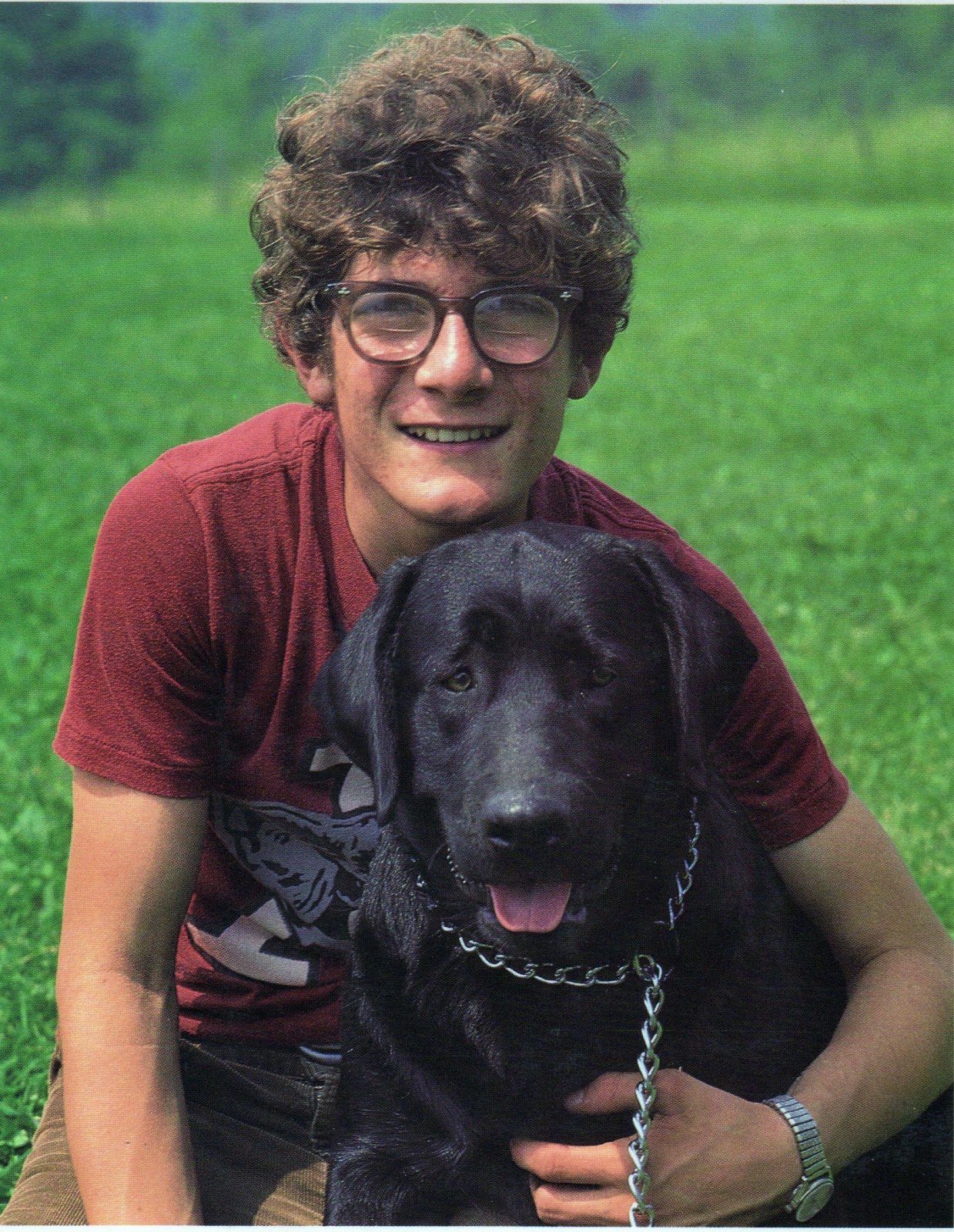
My first, full book contract was about a thirteen-year-old foster boy who spent
a year socializing and loving a puppy that would later become a guide dog for
the blind. What made the boy unusual was that he himself was slowly going
blind. The book was called Mine for a
Year.
After the usual gazillion drafts,
the manuscript was ready to meet its editor. At that time I knew very few
children’s authors and needed a critical read. A magazine editor-cum-good
friend, a brilliant writer himself, said he’d take a look at it. Before he
could change his mind I was sitting in his office with my beautiful, perfect,
gorgeously written first book. He turned to the first page. “WHAT IS THIS CRAP?” He didn’t say
crap. “I’m not going to read this! There’s nothing happening here. There’s no
voice! It’s not you. It’s not the kid.” I grabbed the pages and flew out of
the office. I was devastated, furious, and very
embarrassed.
Once home I spent weeks trying to figure out how to make
this boy read real. What could I do differently? Why didn’t the photographs
alone create the boy’s character? And what is this thing called “voice” anyway?
A week or so later an Aha moment
arrived. Since it was the boy’s story, why not let him tell it?
I rewrote everything in the first person, and
interviewed the boy again to add material and to make sure what was written
matched the way he spoke. We collaborated. We made changes together.
After more than a few drafts,
it was back to the mag editor for round two. With one eyebrow raised - he never
once looked up - he opened to the first page, and read it. Think long, horrible
pregnant pause here. “Okay, now you have voice. Now I want to read this.” For the most part, I’ve been
writing in first person ever since.
A number of INK writers have said how hard it is to come up
with a topic each month. I for one would love to know how you treat voice in
your books.


No comments have been added yet.