Knowing What To Do Next

In life, sometimes you come to a point when dealing with a problem
where you don’t know what to do next. Either there’s no obvious solution, or it’s
in somebody else’s hands and you have to wait.
In fiction, characters can face this same issue. Leads can dry up,
tests have to be waited for, procedures followed.
However, in fiction, taking a break from the story isn’t really a
viable option. Waiting six to eight weeks for the blood tests to come back from
the lab isn’t going to be very interesting if you approach it realistically.
Or, if the character has come to a dead end, having them go to a
woodland retreat to thinks thing over isn’t going to be received well, although
it’s a perfectly reasonable thing to do when faced with a complex problem.
Even if you have some entertaining stuff planned for what they get up
to, the loss in momentum and general disconnection from the main plot is going
to pull most readers out of the story.
And while the kind of character who always knows what to do and how to
do it makes life a lot easier for a writer, that may not be the sort of
character you want to write about.
If you want your characters to come to conclusions in a natural and
realistic manner, you can’t rely on gung ho leaps of faith all the time, but
you don’t have the time to let them slowly mature to a point where they
understand life a little better (which is how most of us deal with what life
throws at us).
Finding ways to keep the story moving forward without resorting to
impulsive acts that conveniently pan out every time can be quite tricky. There
are various ways to deal with this.
You can just skip ahead in time. Three
days later the boss called a meeting... Nothing wrong with that if it fits the story, although
if nothing of note happened in those days it may raise questions about the importance
of the matter at hand. Or it may
interrupt the flow and momentum of the story.
Another approach is to make sure the set up makes it impossible for the
character to sit on their hands. If the bank says they’ll be in touch about the
loan in 10-14 business days, and the gangster wants his money by tomorrow, the
character will obviously have to make other arrangements.
The problem with forcing the issue like this is that it can affect the
tone since most of the time in order to leave the character no choice you have
to raise the stakes pretty high, and you may not want to put your character
into panic mode at this point in the story.
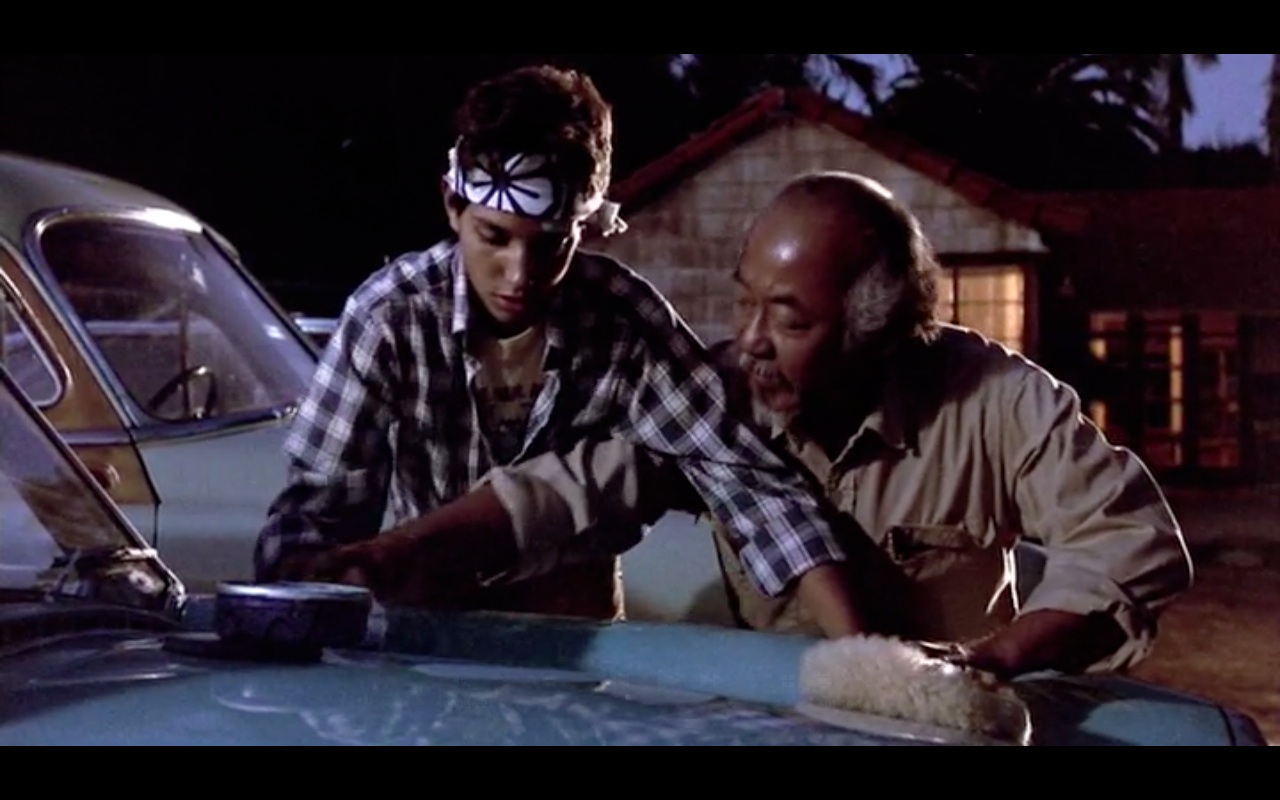
You can also have the character seek advice. Going to a ‘wise old man’ allows
your character not to have to act rashly but still move forward. The thing to watch out for here is to not let
the character become too passive. Being told what to do and then going and
doing it isn’t particularly engaging to read.
Which is why those sorts of ‘helpful’ mentor types tend not to offer
easy answers. They make life harder for the main character, setting them tasks
that force them to work things out indirectly.
If you found this post useful, please give it a retweet. Cheers
*
Check out my latest stories for free on Wattpad.


No comments have been added yet.