
Cognitive Biases: Why We Make Irrational Decisions
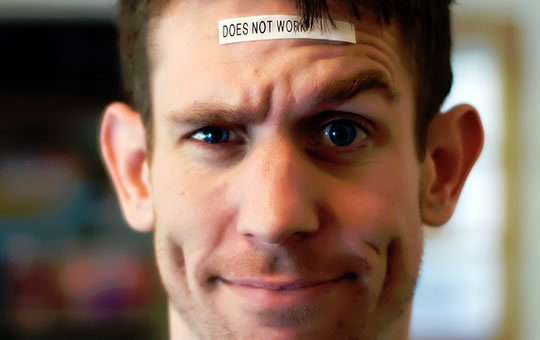
Over the decades psychologists have discovered all kinds of biases in how we think.
Some tell us why the incompetent don't know they're incompetent, others why it's difficult to estimate our future emotions and some why we feel more transparent to others than we really appear.
Many of these biases result from our minds using little short-cuts to help us navigate through a complicated world. Unfortunately the result can be that we reach irrational decisions.
Understanding how these biases operate may help you make better decisions in all sorts of situations, both at home and work. More than that, though, it will help you understand your own mind.
The Dunning-Kruger Effect: Why The Incompetent Don’t Know They’re Incompetent - The Dunning-Kruger effect is the finding that the poorest performers are the least aware of their own incompetence.
The Worse-Than-Average Effect: When You’re Better Than You Think - People underestimate their ability at stereotypically difficult tasks like playing chess, telling jokes, juggling or computer programming.
Why You’re a Sucker for the Impact Bias - Why we are often poor at predicting how future events will affect us emotionally.
The Hindsight Bias: I Knew It All Along! - How to correct for a bias that stops us learning from our mistakes.
How to Overcome the Egocentric Bias - Perspective-taking offers a way around the egocentric bias.
See How Easily You Can Avoid The Memory Bias - The type of memories we retrieve to make decisions are often biased to unusual examples that are either very positive or very negative.
Why Your Future Self is an Emotional Mystery: The Projection Bias - People directly project their current emotional state into the future, forgetting their current feelings will likely change.
How To Avoid Choosing the Wrong Job or House: Fight the Distinction Bias - There are reliable biases in the way we make comparisons that mean we don't always choose what maximises our future happiness.
4 Belief Biases That Can Reduce Pleasure - How beliefs can bias our decisions.
Does Delaying Decisions Lead to Better Outcomes? - Decision-makers move away from the default after a delay.
The Belief in a Just World: A Fundamental Delusion - Does what goes around come around? Do you get what's coming to you? Do you reap what you sow?
Why Society Doesn’t Change: The System Justification Bias - Have you ever wondered why society hardly ever changes?
The Availability Bias: Why People Buy Lottery Tickets - Shark attacks, murders and lottery wins: vivid events are more likely to affect judgement.
The Illusion of Transparency - Other people can't read your mental state as well as you think.
Image credit: David Goehring
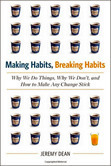 How to make and break habits
About 50% of our everyday lives is habitual. While we're awake, then, about half the time we are repeating the same actions or thoughts in the same contexts. Automatically. Without thinking. It's part of the reason change is so hard.
My new book, 'Making Habits, Breaking Habits', gives you a blueprint for how to create new habits and tackle bad ones, whatever they are, and how to make it automatic so that willpower is no longer an issue.
→ You can dip into the first chapter, or check it out on Amazon.com or Amazon.co.uk
→ Download amazing, 100% free e-books on meditation, self-improvement and wisdom by a Himalayan mystic. Go to http://www.omswami.com/p/free-ebooks.html or http://www.omswami.com.






Jeremy Dean's Blog

- Jeremy Dean's profile
- 29 followers

