5 Ways Books Have Changed History: Guest Post by Jo Greig
%Úte%% | J.C. Martin
Jo Greig from Lovereading is here today with a guest post for lovers of books everywhere:
5 Ways Books Have Changed History
By Jo Greig
Radical writing produces radical reactions in readers. Chances are youâll have read an influential book or two in your lifetime. Almost everyone can point to that one book that changed their life, but have you ever considered how books have changed the world? Hereâs a sort of chronological list of the bookâs life-changing, history-altering impact on the world.
1. Books Created National Identity
[image error]
Stone books
The first books would hardly be recognizable to modern society, not only in physical appearance, but in topic. Many were made from small stone tablets contained in animal skin satchels, and contained simple records: cost accounting, territorial boundaries, royal lineages, etc. Before them, the fluidity of information allowed word-of-mouth to drastically alter the state of affairs. After record keepers began using books, nations started to form, and so the modern idea of national identity can be credited to the invention of books.
2. Books Moved Minds and Souls
With the invention of paper, books began to travel light. While the oral tradition has deep and delightful roots, it lacked the ability to convey dense information in a straightforward manner. Mistranslation, misrepresentation, and misunderstanding stopped dense information from passing one person to the next.
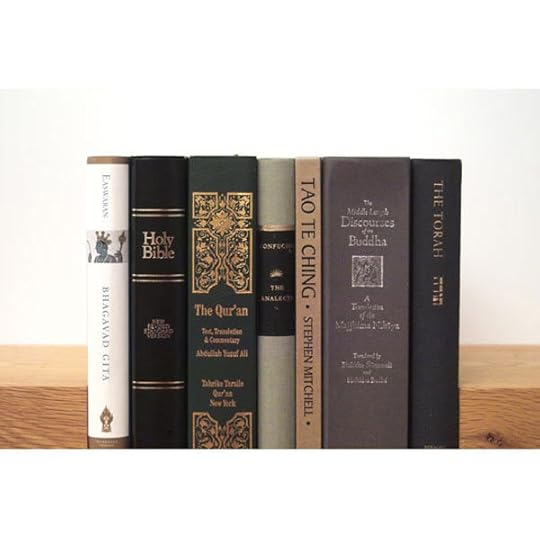
Religious books
Books enabled capable people to write messages with enduring meaning, and paper allowed those messages to travel great distances, reaching readers far and wide. Until books, religions lacked the cohesion of belief systems. With the invention of papyrus and other parchments, religious traditions spanned borders. Judaism, Christianity, Islam and many other religions were given a strong backbone. Believers could pass their messages thousands of miles over land or sea. Readers far away could read the tenets of a religion, adopt that religion, and spread it further. Religious persuasion has arguably been the greatest historical alteration books have made on the world, but many future changes are notably important.
3. Books Educated
[image error]
Textbooks
After the printing press, and the invention of the modern book, worldwide literacy expanded exponentially. Social caste systems began to crumble. An educated, literate population responded to its government with more demands. Democracy, capitalism, and communism thrived in literate populations, and the world power structure shifted, favouring countries with informed populations.
4. Books Surrendered
The tides of World War II may have favoured the instigators, had it not been for one book — and one reader.
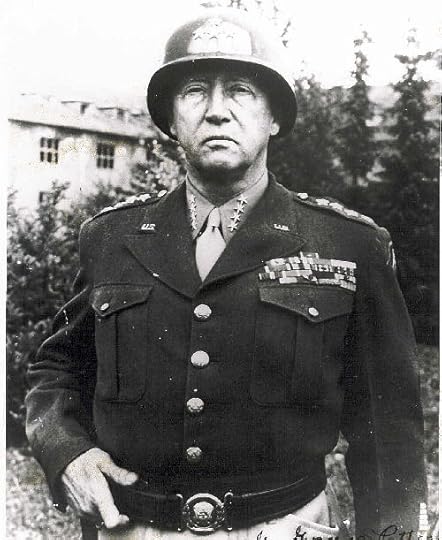
General George S. Patton
Erwin Rommel, the decisive German Field Marshal, wrote Infanterie Greift An, which detailed the warfare tactics of his army. Had General George Patton not read the book, Rommelâs march might never have been stopped, leading the Germans to a successful rout of Europe. Patton, knowing Rommelâs war strategy, anticipated his moves and defeated the general, tying Germanyâs war effort into a fatal knot.
5. Books Healed

Self-help books
Today, more books are written on healing, self-help, and healthy living than any other topics. People are empowered to take their health into their own hands, and worldwide life expectancy is rising rapidly. Through reading and knowledge, more people report feeling satisfied with their quality of life.
Certainly, books have done more, moved more, changed more than listed above, but these five general overviews of the power of books should whet any readerâs appetite to devour another book, or two, or three. Reading has changed the world.
Source: J.C. Martin, Fighter Writer