Reader Meets Character
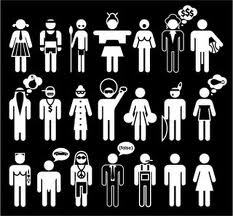
In order for a reader to like a
character that reader has to feel like they know the kind of person the
character is.
This is easiest to achieve using
archetypes, stereotypes and clichés. The cynical but brilliant detective, the
unfairly betrayed wife, the shy but sweet nerd... You feel like you know these
characters because you really have known them, in one guise or another, all your life.
And while the received wisdom is
too avoid the overly familiar, I don’t think it can be denied that lots of
successful books use character-types we’ve all seen many, many, many times before (maybe
with an added twist, but not always); and these variations on Cinderella or
Philip Marlowe or whatever can be very successful.
But often the reason writers fall
back on the tried and tested is because they don’t really know how to get the
reader to know the character quickly without resorting to the shorthand of
referencing traits already out there.
If Mary is your best friend and I
give you a hypothetical situation such as:
Mary’s going out with a guy for
six months when he tells her it’s over because she’s put on a bit of weight and
he doesn’t want to date a fat chick.
And then I ask you to tell me
what you think Mary would respond, maybe even give you a few options:
a) punch him in the face.
b) burst into tears.
c) thank him for being honest and
go to the gym.
I think, if you know Mary well,
you’d have a pretty good idea of what Mary would do.
However, if you didn’t know Mary
and I gave you some background information on her, and then asked you the same
question, what sort of info would you need to be able make an educated guess?
What about her parents’ jobs,
financial status, where her grandparents originated from?
These all might give you a sense
of the type of person Mary might be, but lots of people are born on the same day
in the same town, and they’re all pretty different, so knowing those sorts of
details won’t really tell you anything specific in terms of personality.
In fact, only by relying on
clichés can I really suggest anything with personal info of this sort. If I
tell you she’s a single child of a lawyer and a doctor both of whom work long
hours, then you might get the idea she’s lonely and starved of attention. But
only because that’s how that particular family setup is portrayed. I’m sure
there are a lot of kids with busy parents who are fine, or who wish their
parents wouldn’t bother them so much.
Let me tell you a story about Mary. Back in nursery, we were only four,
a boy came up to me and called me a bad word. There were no adults around (in
those days kids weren’t mollycoddled like they are today, plus I think our
nursery teacher had a terrible hangover). I burst into tears. Mary grabbed the boy
by the back of the collar and dragged him into the bathroom, where she sat on
his chest and forced him to eat a whole bar of soap, which she’d heard was what
you did to someone who was rude.
Now, if I ask you the
hypothetical question about Mary, would you have a better idea of which option
to pick?
And it's not even that there's some similarity in backstory and hypothetical. If Mary was in the army and her unit was hit, if she was stalked by a serial killer or if her came face to face with an alien, that childhood story would still give you a sense of how she'd react.
The point is details may provide
details, but only story tells you the story. Backstory, exposition, general
background information all makes more sense to the reader when it is portrayed
as an event that happened rather than a list of data.
And while filling outa character
sheet is a good place to start the getting to know
you process, it isn’t until you know the gossip-worthy moments of a person’s
life that you get a feel for them as a person.
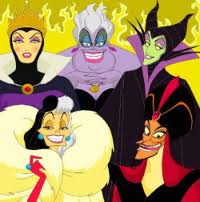
Then again, a one-dimensional villain isn't always a bad thing...
If you found this post useful please give it a retweet. Cheers.


No comments have been added yet.