
On the verge: when YA lit crosses over
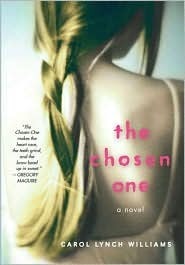 According to Susan Carpenter from the L.A. Times, adults are increasingly reading YA books with no ulterior motives. Adults are attracted by well-written, fast-paced and engaging stories that span the gamut of genres and subjects, such readers have mainstreamed a niche long derided as just for kids.
But is all YA lit truly YA or does much of it, or any of it, cross over into adult fiction and if so, when does that happen?
According to writer Susan Dennard, there are four key aspects that differentiate YA lit from adult fiction:
The voice of the main character
The length of the book
How the main character views him/herself in the world and reacts to his/her surroundings
The depth of the point of view
Keeping those main points in mind, I will argue that my debut novel, ‘Sweetest Taboo’ is not a YA lit cum adult fiction piece of literature, but rather a YA novel for older YA readers. My logic for this argument is based on the 4 key ‘tenets’ of YA lit that were set forth above.
First, the voice of Isbael, the main character, is the voice of a, although a-typical and mature, high school student. The story takes off when she’s only 15, but follows her through until the age of 19. Now, having a teen MC is not, in itself, sufficient to qualify a book into the YA genre, BUT, the voice of the MC and its sincerity and authenticity is. Isabel is telling her story as she perceives it, from the eyes, perspective and voice of a teenage girl. ‘Sweetest Taboo’ is narrated by Isabel and not a 3rd person ‘all knowing’ narrator, thereby giving this story and novel the authentic ‘young’ feel.
Second, ‘Sweetest Taboo’ falls neatly into the length and complexity category for YA lit. According to Dennard, the standard rule for word count/length for a YA debut novel is between 50 – 90K. The complexity of the story needs to be appropriate for the shorter length. ‘Sweetest Taboo’ in first draft form exceeded this standard by approximately 10K words and included too many competing and complex plots that took away from the main story I wanted to tell, and that was the story about the romance between a student and her teacher. After many revisions and final edits, my debut novel was only 67K words in length and included one main plot, with a handful of complimentary plots closely associated to the main story.
Third, the MC in ‘Sweetest Taboo’ undergoes a transformation, or a coming of age, in this epic love story. According to Dennard, “YA often moves from a point of self-doubt to surety/autonomy, a point of selfish emotional concern to more selfless,” and we certainly experience that as we follow Isabel on her unique and controversial coming of age story. Dennard says that an MC should be “someone who questions if he/she made the right choice and who sometimes hesitates before decisions.” In addition, Dennard emphasizes “how a single line of self-doubt can really hype up the YA feel to your novel.” There is no escaping this truth about YA lit, which undeniably focuses on the emotional aspect of being young, of experiencing emotions for the first time, of learning how to deal with new emotions and making (sometimes good, sometimes very bad) choices based on those new emotions, and the consequences thereof. If ‘Sweetest Taboo’ is about anything at all, it is about this very aspect of moving from adolescence into young adulthood, about being overwhelmed with emotions, with choices, making choices from the heart and then having to suffer the consequences.
Lastly, Dennard says “the average modern YA novel will have a very close first or third person.” In essence, Dennard believes that a YA novel is characterized by the reader’s ability to live the story as if he/she were in the main character’s head…and that introspection is tightly woven into the action of the story. This essence of YA lit could not characterize ‘Sweetest Taboo’ any more accurately! The first moment you enter into the ‘Sweetest Taboo’ world, you enter it through Isabel’s eyes and her point of view, and no one else’s. The reader lives and experiences the story as it unfolds, but experiences it alongside with her, as if the reader were residing in her head and in her life, taking those chaotic and dangerous steps with her, warning her with each step, foreshadowing what is to come.
What’s missing? Dennard does not address ‘content’ in detail in her classification of YA lit vs. adult fiction, but she does say that “lots of graphic sex might fly in an adult book, but will usually be considered too much for YA. However, you can include a lot of mature situations in YA as long as you handle it well.” How does ‘Sweetest Taboo’ fare on the ‘content’ test? It depends who you ask! Some YA enthusiasts prefer very clean and graphic-free stories that are geared toward younger YA audiences. Others enjoy mature, but tastefully written mature content in their YA reads. This is where the readers makes their own judgment and decides for him/herself as to the classification of ‘Sweetest Taboo’. Yes, Isabel does have a sexual relationship with Mr. Stevens and although it is described tastefully, it still may be too graphic for some younger YA readers. Yes, the content is of a mature nature, since Isabel tests the waters and finds herself in a much-too-serious physical and romantic relationship with a man that should be completely off-limits to her. However, these are not issues, nor situations that do not creep up in our society, in our lives, in our communities and in our worlds. Isabel’s story could be anyone’s story, and that’s what I, as the author, believe is the most important take-away message from this debut novel.
Decide for yourself…is ‘Sweetest Taboo’ truly YA lit or does it cross-over to adult fiction? If so, why?
For Dennard’s excellent full blog article on YA vs. adult fiction, please follow this link: http://letthewordsflow.wordpress.com/2011/06/01/writing-ya-versus-adult-fiction-whats-the-difference/


