“Like” is critical thinking under siege?
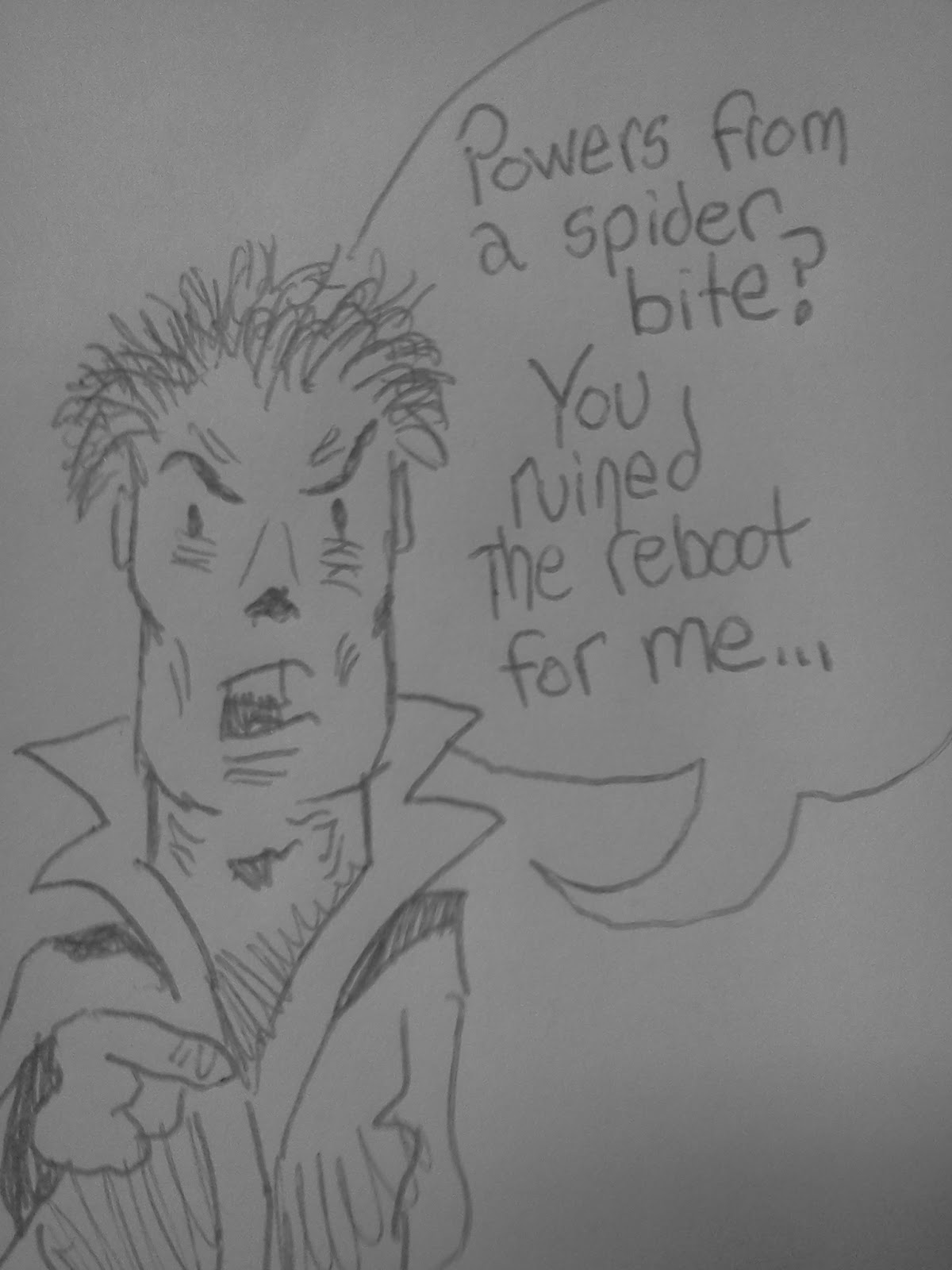 Spoiler Alert!
Social media and criticism go together like pickles and coffee, which means they rarely do. Hearing differing opinions, learning perception and nuance from people who aren't like you; that's anathema to the womb-like world of distilled digital information.
After all, if you don't like what someone says, just un-friend them.
These days any form of criticism is treated like an attack of the cyber-bullies, even the sort that should be tolerated. It's not easy to differentiate between bullies and opinions and why bother? Why try to understand the difference between critical thinking and school-yard bullies? Personal growth is overrated. You probably can't even “like” it.
There are nearly one billion users on Facebook, not to mention the multitude who dwell on other forms of social media like Twitter or Google+. The philosophy of “thinking about thinking” is more important, and less used, than ever. It's one thing to be attacked by social media bullies, who no one likes, and another to exhibit opinions in a conversational or informative manner. Often, one can learn about topics they knew little about by paying attention to someone's thoughts and random musings.
Just remember perceptions vary. Don't immediately assume they're being mean-spirited or ignorant. More often than not, they're thinking in a different box than you, even if they, too, “like” Star Wars.But really, it's easier to click those thoughts away and never see them again, isn't it? How dare they make fun of Romney! How dare they make “poke” jokes about the Goddess Gaia!
Criticism of those who, for whatever reason, reside in the public eye has also become a word people shiver in fear over. Heaven forbid someone say something bad about someone by name. Unduly attacking an individual's character is one thing, but if they are putting themselves in the public eye criticism is to be expected.
And if you're a friend collector, you're in the public eye.
School-yard rules apply in the online world just like they do in real life. It's mean and terrible out there, just like it can be in the real world for those who venture outside the womb-like confines of their own agendas. But critical thinking should never be outright denied. What may be perceived as a negative comment may very well be a form of exploratory dialog. Social media is the perfect platform for powerful group thinking and discourse, where egocentric bias is left at the door. More often than not, however, it's reserved for pictures of cats with laser eyes.
“ You've ruined the movie for me!” said the guy on the website who read an article about the movie.
A great example of this form of insular thinking are “spoiler alerts” and those who cyber-complain about having their future experiences ruined.
These people scamper to online forums or news articles while trying to protect themselves from knowing too much about the topic at hand. It's akin to a biologist trying to discover what species a particular rodent comes from - then Googling it to find out it's a mouse – then getting pissed that someone had the audacity to share that information.
If it's that important, go see the movie on opening weekend or buy the book as soon as it comes out, but don't read about it online until you do. Really.
It used to be that people would share the plot of a movie as soon as it opened in theaters. Darth is Luke's father, etc., Quinn gets eaten by the shark, etc., The movie is out. All bets are off. But these days, skins are less thick. Entitlement has all the earmarks of a social plague. People think, if they haven't seen the movie, then no one should write about it or post about it until they have.
And if they do post about it? Only mention insubstantial bits of fluff that no one in their right mind would care about, because that's sure to bang up hits.


No comments have been added yet.