The Folklore of the Will-o’-the-Wisp
The folklore of the Will-o’-the-Wisp describes mysterious flickering lights over marshes at night, often seen as spirits, fairies, or supernatural guides. These lights symbolize temptation, deception, and elusive goals, warning travelers to stay on safe paths. Cultures see them as spirits drawn by unfinished business or as divine or demonic energy. If you want to uncover more, you’ll discover how these lights reflect human curiosity and the mysteries beyond understanding.
Key TakeawaysThe Will-o’-the-Wisp is a mystical light seen over marshes, linked to spirits, fairies, or supernatural forces across cultures.It symbolizes temptation, deception, and fleeting truths, warning travelers to stay on safe paths.Originating from legends of spirits guiding or misleading, it often represents spirits of the restless dead or divine energies.Cultural attitudes view it as both awe-inspiring and dangerous, embodying the mysteries and unseen natural forces.Modern interpretations see it as a metaphor for curiosity, illusions, and the risks of pursuing elusive goals.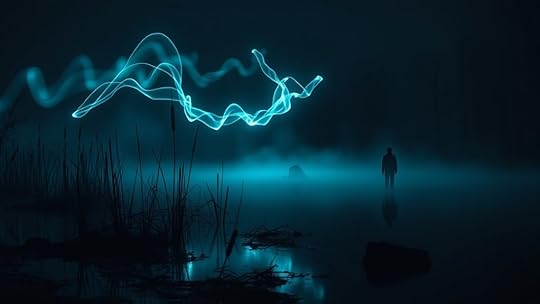
Throughout folklore across many cultures, the Will-o’-the-Wisp is known as a mysterious, flickering light that appears over marshes and bogs at night. Its origins are steeped in mystical beliefs, with many stories attributing it to supernatural forces or spirits. These tales often suggest that the light isn’t just a natural phenomenon but a sign of hidden powers or otherworldly entities guiding or misleading travelers. The mystical origins of the Will-o’-the-Wisp vary from culture to culture. In some legends, it’s believed to be the restless spirits of the dead, drawn to the earthly *domain* by unfinished business or sorrow. Others see it as a manifestation of divine or demonic energy, serving as a test or warning for those who venture into dangerous territory. In European folklore, particularly in Britain and Ireland, it’s often linked to fairy spirits or mischievous sprites that play tricks on wandering souls, leading them astray. Meanwhile, in Asian traditions, similar luminous phenomena are sometimes associated with ancestral spirits or spiritual guides, emphasizing its role as a bridge between worlds. Interestingly, the flickering nature of the light also symbolizes the fleeting and elusive nature of truth and understanding in human life. Culturally, the Will-o’-the-Wisp holds significant symbolism, often representing temptation, deception, or the pursuit of elusive goals. Its flickering, inconsistent glow mirrors the way humans chase after dreams or promises that are just beyond reach. In many stories, it’s a cautionary symbol warning travelers to stay on the safe path, as following the light could lead them into danger or eternal wandering. The light’s unpredictable nature makes it a powerful metaphor for human curiosity and the mysteries that lie beyond understanding. It also embodies the idea that appearances can be deceiving—what seems to be a helpful guide might actually be a lure designed to trap or mislead.
You can see how this symbolism influences cultural attitudes toward the unknown. The Will-o’-the-Wisp becomes a reminder that not everything that shines brightly is good or trustworthy. Its mystical origins foster a sense of awe and fear, prompting people to respect the unseen forces at play in the natural world. Over time, the light’s role in folklore evolved from a mere supernatural phenomenon to a symbol of human longing for discovery, as well as caution about the dangers of chasing after illusions. Whether viewed as a spirit, a divine sign, or a trickster’s play, the Will-o’-the-Wisp continues to captivate those who venture into the dark, embodying the mystical and symbolic power of the mysterious lights that flicker in the night.
Frequently Asked QuestionsAre There Modern Sightings or Reports of Will-O’-The-Wisp?Yes, there are modern sightings and recent reports of will-o’-the-wisp. You might come across stories from hikers or campers describing strange lights flickering over marshes or bogs at night. While some dismiss these as natural phenomena like swamp gases, others believe they’re genuine encounters with this mysterious folklore. Despite the lack of scientific proof, these recent reports keep the legend alive and continue to intrigue those who venture into the dark.
How Does the Will-O’-The-Wisp Influence Contemporary Literature?You see, the will-o’-the-wisp influences contemporary literature by weaving symbolic symbolism and poetic inspiration into stories. Writers use its mysterious glow to evoke themes of illusion, guidance, and temptation. It challenges characters—and readers—to explore ambiguity and desire. This ghostly light sparks imagination, driving poets and novelists alike to craft tales that mirror life’s elusive truths, making the will-o’-the-wisp a lasting metaphor for mystery and the unknown.
Are There Any Scientific Explanations for Will-O’-The-Wisp Phenomena?You’ll find scientific explanations for the will-o’-the-wisp involve phosphorescent minerals and atmospheric gases. These phenomena occur when decaying organic matter produces gases like methane or phosphine, which ignite or glow due to chemical reactions or contact with oxygen. This creates flickering lights often seen over marshes or swamps. While mesmerizing, these natural processes explain the mysterious lights without supernatural causes, making them a fascinating intersection of science and folklore.
What Are the Similarities Between Will-O’-The-Wisp and Other Folklore Spirits?You’ll notice that Will-o’-the-Wisp shares similarities with other folklore spirits like fairy lights or ghostly apparitions, acting as mystical guides or deceptive spirits. Both often appear in dark, mysterious settings, luring travelers with an eerie glow. These spirits symbolize temptation and the unknown, blurring the lines between guidance and misdirection, enthralling your imagination while warning you of hidden dangers lurking in the shadows.
Has the Will-O’-The-Wisp Appeared in Popular Movies or Video Games?Yes, the will-o’-the-wisp appears in popular movies and video games, often symbolizing moral ambiguity or warning characters about danger. You might see it in games like “The Witcher” or movies with mystical themes, reflecting cultural variations that link it to spirits or guides. Its presence emphasizes moral symbolism, representing temptation or elusive truths, making it a compelling element in storytelling across different cultures.
ConclusionAs you chase the flickering light of the will-o’-the-wisp, remember it’s like a mirage guiding travelers into the unknown. Just like the legend of a lost miner who followed the glow into a swamp, only to vanish, these mysterious lights remind you that some mysteries are better left unexplored. They’re a reminder that curiosity can lead you astray, but also deeper into the stories and legends that make our world endlessly enchanting.