The Monster as Metaphor: Representations of Social Fears
Monsters act as powerful metaphors for social fears, embodying collective anxieties and moral concerns in ways that reflect cultural values. They externalize worries about outsiders, chaos, or societal threats, helping communities process and confront these issues symbolically. You’ll see how monsters serve as reflections of deeper fears, offering warnings or lessons about morality and societal stability. If you keep exploring, you’ll discover even more ways monsters shape and reveal cultural and psychological landscapes.
Key TakeawaysMonsters symbolize societal fears and anxieties, embodying threats like outsiders, chaos, or moral decay.They serve as external projections of internal individual or collective fears, helping societies process complex emotions.Monsters function as moral warnings, warning against behaviors that threaten social stability and moral order.They reflect cultural identities and societal taboos, acting as mirrors of collective values and fears.The enduring symbolism of monsters illustrates universal themes of fear, moral struggle, and societal caution across cultures.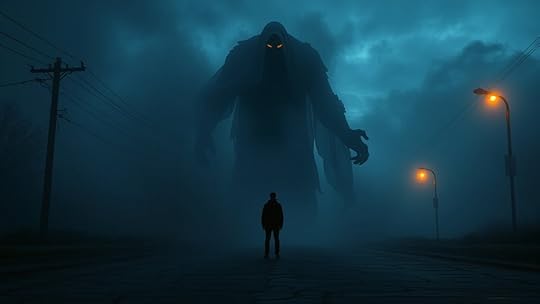
Monsters have long served as powerful metaphors in literature and culture, embodying fears, societal anxieties, and moral struggles. When you look at these creatures, you’re not just seeing fictional beings; you’re witnessing symbols that reflect the deepest parts of human experience. In many cases, monsters act as cultural symbolism, representing the collective fears of a society. For example, a beast lurking in folklore might symbolize the unknown dangers lurking beyond familiar borders or the anxiety about outsiders threatening social cohesion. These monsters encapsulate societal issues in a tangible form, allowing communities to confront and process their fears symbolically. By projecting their anxieties onto these figures, cultures create a manageable way to grapple with complex issues, turning abstract fears into concrete entities. Additionally, the diverse range of monster representations often aligns with specific cultural identities or traditional narratives, enriching their metaphorical significance.
At the same time, you can see how monsters serve as tools for psychological projection. When individuals or groups feel overwhelmed by internal conflicts or fears, they often project these feelings onto monsters, externalizing their anxieties. This process allows you to distance yourself from uncomfortable emotions, attributing them to an external villain rather than facing them internally. For instance, a villainous creature in a story might symbolize personal guilt, shame, or primal instincts that society deems threatening. By externalizing these feelings in the form of a monster, you can better understand your own internal struggles and societal taboos. This projection isn’t just personal; it’s collective. Societies project their moral and cultural fears onto monsters, which then serve as external representations of what must be controlled or eradicated. The monster becomes a mirror, reflecting societal values, taboos, and fears back to the community.
Furthermore, these representations influence how you interpret moral lessons within stories. When you see a monster as a metaphor, it’s often a warning about behaviors or traits that threaten societal stability. The fear of the monster embodies the collective dread of chaos, moral decay, or social collapse. By engaging with these symbols, you’re participating in a cultural dialogue about what is acceptable and what must be kept at bay. The monster, in this sense, is both a reflection of and a warning against the darker aspects of human nature and societal flaws. Its role as a metaphor makes it a crucial narrative device that helps you confront the anxieties that lurk beneath the surface of everyday life, revealing the underlying fears that shape human culture and psychology. Recognizing the behind monsters can deepen your understanding of their enduring relevance across different societies.
Frequently Asked QuestionsHow Do Cultural Differences Influence Monster Symbolism?Cultural differences shape how you interpret monster symbolism through unique cultural narratives and mythological influences. In some societies, monsters symbolize chaos or evil, reflecting historical fears, while in others, they embody protection or transformation. These stories influence what you see as threatening or misunderstood, shaping your perception of monsters. Your cultural background determines how you connect mythological influences and narratives to understand and respond to monster symbolism.
What Are the Psychological Effects of Monster Metaphors?You experience nightmare symbolism when monster metaphors surface, triggering deep fear processing. These symbols act as mirrors for your subconscious anxieties, helping you confront and understand hidden fears. As you face these metaphors, they can either heighten anxiety or promote resilience, depending on how you interpret them. Ultimately, they serve as a mental battleground, shaping your emotional responses and fostering personal growth through the processing of fear.
Can Monsters Represent Internal Human Conflicts?Yes, monsters can represent your internal conflicts, embodying your fear projection and identity struggles. When you see monsters in stories or dreams, they often reflect your hidden anxieties or parts of yourself you find difficult to accept. By confronting these monsters, you might better understand your internal fears, helping you work through your identity struggles and reduce the power of those fears over you.
How Have Modern Media Transformed Monster Symbolism?You see it everywhere—modern media has completely transformed monster symbolism, turning once simple fears into complex, layered stories. Through the power of visual effects and storytelling, media influence has fueled a symbolic evolution, making monsters represent everything from societal anxieties to personal struggles. This evolution keeps audiences hooked, as monsters now embody the deepest fears and hopes, morphing into reflections of our ever-changing world and inner conflicts.
Are There Real-World Events That Mirror Monster Allegories?Yes, real-world events often mirror monster allegories found in urban legends and folklore motifs. You might notice how stories of mysterious creatures or supernatural threats reflect societal fears, such as outbreaks of violence or political unrest. These legends serve as cautionary tales or warnings, embodying collective anxieties. When you see media amplifying these themes, it’s a modern reflection of how ancient monster symbolism continues to symbolize social fears.
ConclusionNow that you’ve seen how monsters embody our deepest fears, ask yourself: what monsters might we create when we ignore our societal issues? These creatures aren’t just stories—they’re reflections of the anxieties we refuse to face. By understanding their symbolism, you can better recognize the fears lurking beneath the surface of your own world. So, next time you see a monster, consider what it’s really telling you about the society we live in.