Mysterious Paw Prints on the Rosetta Stone: Conservation Notes
You notice faint paw prints on the Rosetta Stone, likely caused by animals or accidental contact over time. Conservation teams have taken immediate steps to clean, stabilize, and protect the surface, using advanced technologies like 3D scanning and non-invasive imaging. To prevent further damage, they restrict access and monitor conditions regularly. If you want to uncover more about the challenges and solutions involved in preserving this historic artifact, there’s much more behind the surface.
Key TakeawaysInitial observations suggest the paw prints are accidental, likely caused by animals or environmental factors during handling or storage.Conservation efforts include surface cleaning, surface consolidants, and protective barriers to prevent further deterioration.Advanced imaging techniques like 3D scanning and non-invasive analysis aid in documenting and understanding the marks without damaging the stone.Ongoing monitoring and collaboration among archaeologists, conservators, and scientists are essential to detect early signs of damage.Future preservation aims focus on understanding cultural significance, improving monitoring methods, and preventing further deterioration of the artifact.Historical Context of the Rosetta Stone and Its Significance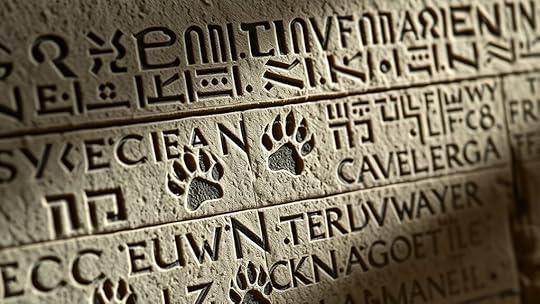
The Rosetta Stone emerged during a time of political upheaval in Egypt, around 196 BCE, when the Ptolemaic dynasty ruled following Alexander the Great’s conquest. This artifact holds immense cultural significance, serving as a symbol of ancient Egyptian authority and knowledge. Its inscriptions feature hieroglyphs, Demotic script, and Greek, reflecting Egypt’s diverse influences and complex history. As you examine it, you’ll notice the stone’s carvings incorporate ancient symbolism, revealing religious and political meanings embedded in the text. The Rosetta Stone became a vital key for deciphering hieroglyphs, *uncovering* Egypt’s rich history. Its cultural significance extends beyond language, representing a bridge between ancient Egyptian civilization and modern understanding. This context helps you appreciate its enduring importance in historical and archaeological studies.
Discovery of the Paw Prints and Initial Observations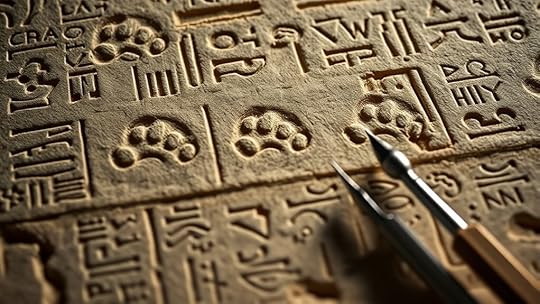
While examining the Rosetta Stone more closely, curious markings caught your eye—faint paw prints etched into the surface. At first, you thought they might be animal footprints, but their irregular pattern suggested something else. These accidental markings seem to have been made unintentionally, perhaps during handling or storage. The paw prints are subtle, but their presence raises questions about the stone’s history and exposure. You notice that the prints lack the clarity of deliberate carvings, indicating they were likely made by an animal walking across the surface. This initial observation sparks curiosity about how these accidental markings formed and what circumstances led to this unlikely discovery. It’s a reminder that even minor details can reveal unexpected stories behind historical artifacts.
Analysis of Possible Causes Behind the Marks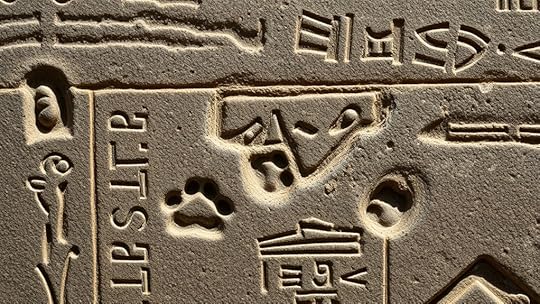
Considering the subtle nature of the paw prints, several possible causes could explain how they came to be on the Rosetta Stone. One possibility is animal tracking, where small animals, like rodents or cats, might have moved across the surface, leaving prints behind. Surface contamination is another plausible cause; dust, dirt, or other particles could have transferred onto the stone, creating the appearance of paw marks. Environmental factors, such as humidity or temperature changes, might have facilitated the transfer of these marks from nearby surfaces or animals. It’s also possible that accidental contact during handling or storage introduced the prints. While these explanations seem plausible, further analysis is necessary to determine the exact cause behind the mysterious marks.
Challenges in Preserving the Carvings and Surface Integrity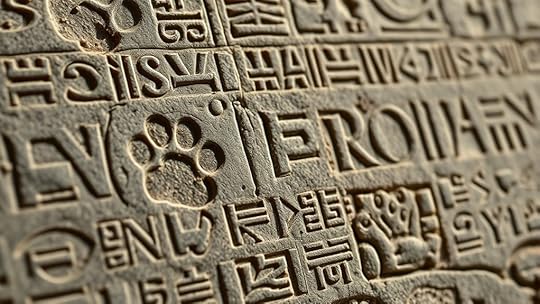
You face the constant threat of surface erosion that can gradually wear away the carvings. Preserving the stone’s integrity is complicated by the limitations of current techniques, which may not fully protect or restore it. Addressing these challenges is vital to guarantee the carvings remain visible for future generations.
Surface Erosion RisksSurface erosion poses a significant challenge to preserving the carvings on the Rosetta Stone, as natural elements gradually wear down its surface over time. Microbial corrosion accelerates this process, as bacteria and fungi break down minerals, weakening the stone’s structure. Chemical degradation also plays a role, with pollutants like acids and salts reacting with the surface, causing pitting and flaking. These processes threaten the visibility and integrity of the carvings, making preservation difficult. Environmental factors like humidity, temperature fluctuations, and pollution contribute to erosion, compounding the damage. To protect the stone, conservators must carefully monitor these risks and implement strategies that minimize exposure to harmful elements, ensuring the carvings remain legible and the surface remains as stable as possible for future study.
Preservation Technique ChallengesPreserving the carvings and surface integrity of the Rosetta Stone presents significant challenges due to the delicate balance between conservation methods and the stone’s natural vulnerabilities. You must consider restoration ethics, ensuring interventions do not alter or damage the original surface. Material stability becomes critical, as ancient stone can weaken or react adversely to certain treatments. Selecting appropriate preservation techniques involves weighing risks and benefits carefully. You can’t rely solely on modern methods; they must respect the artifact’s historical context. Achieving long-term stability without compromising authenticity demands meticulous planning. Preservation efforts must address both the physical integrity of the stone and the preservation of its carvings, often requiring innovative approaches that balance scientific precision with ethical responsibility.
Conservation Strategies and Immediate Actions Taken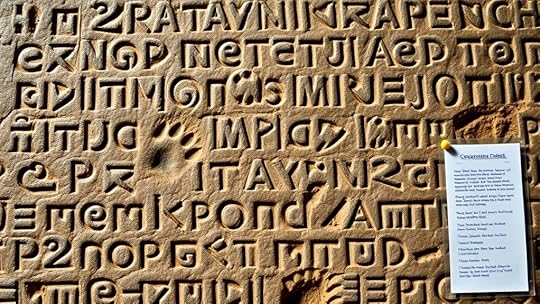
In response to the damage sustained by the Rosetta Stone, conservation teams swiftly implemented a combination of targeted strategies and immediate actions to stabilize and protect the artifact. They prioritized restoration ethics by ensuring that interventions preserved the stone’s integrity without introducing unnecessary alterations. To minimize visitor impact, access was temporarily restricted, and protective barriers were installed. Specialists carefully cleaned the surface to remove debris without risking further harm. They also applied consolidants to strengthen weak areas, balancing preservation with respect for the artifact’s historical authenticity. These steps aimed to halt ongoing deterioration while maintaining the artifact’s cultural significance. By acting promptly and ethically, the team sought to ensure the Rosetta Stone remains intact for future study and public appreciation.
Future Monitoring and Research Initiatives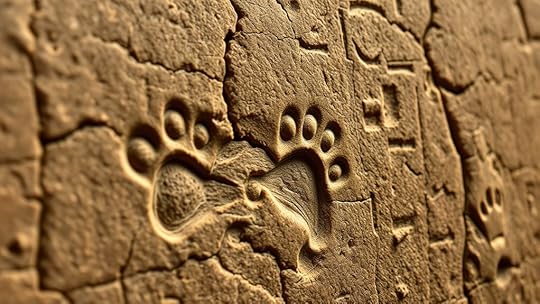
Looking ahead, you’ll want to focus on ongoing preservation efforts that guarantee the stone’s longevity. Advanced imaging techniques can reveal new insights without causing damage, while collaborative research projects bring together experts worldwide. Together, these initiatives will help safeguard and deepen understanding of this priceless artifact.
Ongoing Preservation EffortsAs conservationists continue to safeguard the Rosetta Stone, they are implementing advanced monitoring technologies and research initiatives to guarantee its long-term stability. These efforts focus on detecting and preventing animal intrusion, which can threaten the artifact’s integrity. You’ll see sensors tracking humidity, temperature, and vibrations, providing real-time data to catch any signs of deterioration early. Conservation teams also conduct regular inspections to assess physical condition and identify new risks. By staying vigilant, they aim to preserve the stone’s inscriptions and prevent further damage.
Use of remote sensors for continuous monitoringRegular physical inspections for early detectionResearch on environmentally friendly preservation methodsAdvanced Imaging TechniquesAdvanced imaging techniques are set to revolutionize how conservationists monitor the Rosetta Stone’s condition in the future. Thermal imaging allows you to detect temperature variations that reveal hidden cracks, moisture, or previous restorations without contact. This non-invasive method helps you identify issues early, guiding timely interventions. Digital reconstruction enables you to create detailed 3D models of the stone, capturing its current state with precision. By comparing these models over time, you can track subtle changes and deterioration. These techniques give you a clearer understanding of the stone’s health, aiding conservation efforts. As technology advances, you’ll gain even more accurate tools for preserving this ancient artifact, ensuring that future research can address problems before they become visible to the naked eye.
Collaborative Research ProjectsCollaborative research projects are essential for advancing the monitoring and preservation of the Rosetta Stone. By pooling expertise from archaeologists, linguists, and conservationists, you can uncover new insights into ancient symbolism and animal footprints that may be linked to the mysterious paw prints. These initiatives help track long-term changes and develop innovative preservation strategies. Through joint efforts, you might discover whether the footprints hold cultural significance or are recent additions. You’ll also benefit from interdisciplinary techniques, such as 3D scanning and chemical analysis, to deepen understanding.
Share findings on ancient symbolism connected to animal footprintsDevelop new conservation methods through international cooperationMonitor the stone’s condition over time to prevent deteriorationFrequently Asked QuestionsWhat Animal Likely Left the Paw Prints on the Rosetta Stone?You might wonder which ancient animal left the paw prints. Given the size and shape, it’s unlikely to be a predator, so it could have been a small, domesticated creature or a non-predatory animal. The paw prints suggest an ancient animal that was probably harmless and curious, like a feline or a small dog. It’s fascinating to think about how these traces connect us to the past, even if the exact animal remains a mystery.
Could the Paw Prints Have Historical Significance or Cultural Meaning?You might wonder if the paw prints have any symbolic meaning or ritual significance. It’s possible they do, reflecting cultural beliefs or spiritual practices involving animals. In some societies, animal footprints symbolize protection or divine presence. If the paw prints hold such importance, they could reveal insights into past rituals or beliefs, offering a deeper understanding of the culture’s relationship with nature and the spiritual world.
Are Similar Paw Prints Found on Other Ancient Artifacts?Did you know that only 5% of ancient artifacts show clear animal markings? Similar paw prints are rare but do appear on some artifacts, offering insights into ancient animal behavior and their interactions with humans. These markings highlight the importance of artifact preservation, as they can reveal cultural practices or natural occurrences. Recognizing such patterns helps us understand past environments and animal influences on ancient societies.
How Do Conservationists Differentiate Between Natural and Accidental Marks?You can differentiate between natural and accidental marks by using iconography analysis and examining contextual evidence. Conservationists look at the style, placement, and pattern of the marks, comparing them to known symbols or damage types. If the marks align with typical iconography or fit within the artifact’s historical context, they’re likely intentional. Otherwise, they’re probably accidental or caused by environmental factors, helping you determine their origin accurately.
What Long-Term Effects Might the Paw Prints Have on the Stone’S Preservation?You might worry that the paw prints could cause long-term damage, leading to biological deterioration or surface erosion of the stone. Over time, these marks can trap moisture or encourage mold growth, accelerating decay. If conservation efforts don’t address these issues, the stone’s surface could weaken, risking loss of historical details. Proper preservation methods are essential to safeguard against further deterioration and ensure the stone’s longevity.
ConclusionImagine holding a fragile treasure, knowing it’s vulnerable to unseen threats. The paw prints on the Rosetta Stone remind you that even the most iconic artifacts face unexpected challenges. Like a watchful guardian, your careful conservation efforts guarantee these marks don’t erase history’s story. With each monitoring step, you’re safeguarding a silent witness to human achievement—proving that preservation is an ongoing journey, not a one-time act. Your vigilance keeps history alive for generations to come.