Writers! When self-publishing, polish up your book….
Writers! When self-publishing, polish up your book to look as professional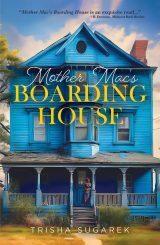
as possible. When I was starting out, morphing from a playwright to an author, I knew instinctually my first book should look like a traditionally published book where a team of editors and proofreaders (at a publishing house) scoured my book for mistakes, adding appropriate copyright information and acknowledgements, etc.
I brought three of my favorite authors’ books to my desk and copied whatever was in them because I had no help —just like you —but I knew my book should appear professionally presented.
 Format That Fails the Basics
Formatting. The importance of justified text—it gives the page clean, crisp edges and a polished appearance. Using a font that is larger than standard, yet not quite “LARGE PRINT.” should be avoided. Font size should stay at 10 or 11.
 First-Person Fatigue
The choice of tense. First-person narration can work, but be careful that it doesn’t feel like a shortcut. It’s often a sign of lazy storytelling—used to bypass deeper character development or narrative complexity.
 Missing Front Matter
The front matter, in a book, is very important. You should furnish copyright information that is found in all books. A list of other titles by the author is a nice touch. Acknowledgements. These omissions will make your book feel unfinished, like a draft rather than a published work.
 Needs More Seasoning
A good thesaurus, by your side is always a good idea.
 Stop Explaining the Joke
 You are funny. Your character is funny. No need to “mansplain” your humor and plot points. Trust your readers. They’re smart. They get it.
 Anxiety Overload
Jill’s anxiety, a central theme, was hammered home so relentlessly that it became exhausting.
 Redundant Repetition
Repetition was another issue: the author would describe Jill’s emotion or action, then immediately echo it in the next line, as herself. It felt redundant and clunky.
 A Weak Ending Wrapped in Explanation
After slogging through the entire book, the final paragraph delivered yet another dose of “mansplaining”—a summation of the story’s lessons, as if the narrative hadn’t made them clear. That kind of wrap-up suggests the story itself wasn’t strong enough to stand on its own.
 Website Placement Misfire and Typo Trouble
And finally, as the story closes on the last page, the author tacked on her website address—without ceremony or formatting. Typically, this kind of promotional link belongs on a separate page, ideally paired with a graphic or call-to-action that feels intentional.
To make matters worse, there was a typo: “Visit Rachel’s store at store. Rachelhannaauthor.com.” That stray period and awkward phrasing made it feel rushed and unprofessional—like an afterthought rather than a curated invitation.
~~~~~~~~~~~~~~~~~~~~~ Want more reviews, author interviews, and behind-the-scenes glimpses into the writing life? Sign up on the Home Page — just enter your email address and never miss a post.
BOOKS BY TRISHA SUGAREK
If you enjoyed this review, you might love my own stories — full of heart, grit, and unforgettable characters.
 The Deep South Trilogy
 Mother Mac’s Boarding HouseComing Soon: Book Three: Living at Mother Mac’s
 Book 1 in series of true crime


The post Writers! When self-publishing, polish up your book…. appeared first on Trisha Sugarek, Author, Playwright & Poet.