Yara-ma-yha-who: Australian Vampire Tree Creature
The yara-ma-yha-who is an Australian mythic creature that lurks high in the forest canopy. It looks like a tiny, red, human-like figure with a big head and a wide mouth filled with sharp teeth, but no visible eyes. It’s a blood-sucking predator, leaping between trees to attack passing travelers or animals. Its eerie presence symbolizes the wilderness’s hidden threats. To uncover more about this mysterious creature, keep exploring its fascinating legends and cultural significance.
Key TakeawaysThe Yara-ma-yha-who is a small, red, tree-dwelling creature from Australian Aboriginal legends, resembling a human with a large head and sharp teeth.It lurks in the bush canopy, waiting to attack unwary travelers by biting and draining blood, then swallowing victims whole.Named after the sounds it makes, it serves as a cautionary figure warning against exploring the wilderness alone.The creature embodies the unpredictable and dangerous aspects of nature, symbolizing the need for respect and caution in the Australian bush.Deeply woven into indigenous culture, it functions as a mythic spirit representing the land’s mysterious and potentially threatening forces.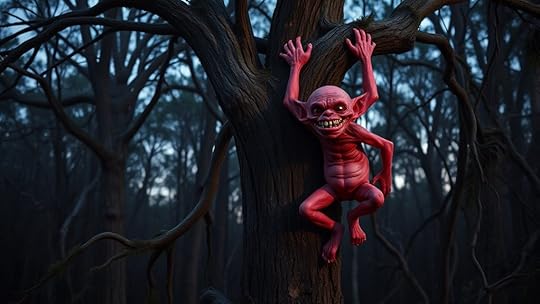
Have you ever heard of the Yara-ma-yha-who? If not, you’re about to learn about a fascinating creature rooted in indigenous legends of Australia. These mythical creatures have been passed down through generations, serving as cautionary tales or explanations for strange happenings in the wild. The Yara-ma-yha-who is one such creature, a bizarre and eerie figure that captures the imagination with its unique traits and mysterious origins.
According to indigenous legends, the Yara-ma-yha-who is a small, red, tree-dwelling creature that resembles a human but with some unsettling differences. It’s often described as having a big head, a wide mouth filled with sharp teeth, and no visible eyes. Its body is tiny, usually only a few inches tall, but it has the ability to leap from tree to tree with impressive agility. The creature’s name echoes the sounds it makes, which adds to its mythic reputation. Indigenous storytellers warn that it lurks in the canopy of the Australian bush, waiting for unwary travelers or animals to pass beneath its perch.
A tiny, red, tree-dwelling creature with a big head and sharp teeth that lurks in the Australian bush canopy.
What makes the Yara-ma-yha-who particularly intriguing is its role in indigenous legends as a cautionary figure. These stories are meant to warn people about the dangers of venturing into the wilderness alone or underestimating the power of nature. The creature’s feeding habits are especially disturbing: it is said to drain the blood from its victims through bites, then swallow them whole, only to later regurgitate them alive, sometimes several times. This gruesome cycle emphasizes the creature’s predatory nature and the importance of respecting the natural world. Its presence in stories may also serve as an explanation for strange or unexplained phenomena in the bush, reinforcing the idea that the land is inhabited by mysterious, mythical creatures. Interestingly, some legends suggest that its behavior may be linked to indigenous beliefs about nature spirits.
Despite its frightening reputation, the Yara-ma-yha-who is deeply woven into the cultural fabric of indigenous communities. It’s more than just a monster; it’s a symbol of the wilderness’s unpredictability and the need for caution when exploring unfamiliar territory. These indigenous legends have preserved the creature’s story for generations, ensuring that it remains a part of Australia’s rich tapestry of mythical creatures. If you ever find yourself wandering in the Australian bush, remember that the Yara-ma-yha-who embodies the mysterious, sometimes dangerous, spirit of the land — a reminder that nature’s secrets are often best left undisturbed.
Frequently Asked QuestionsWhat Is the Origin of the Yara-Ma-Yha-Who Legend?You learn that the legend of the yara-ma-yha-who comes from Aboriginal storytelling, reflecting mythological origins rooted in Australian Indigenous cultures. This creature symbolizes caution and respect for nature, often serving as a moral lesson. The myth has been passed down through generations, helping to preserve cultural beliefs and values. Its story highlights the importance of understanding and respecting the natural world and its mysterious, mythic inhabitants.
Are There Any Reported Sightings of the Yara-Ma-Yha-Who Today?You won’t find any credible modern sightings of the yara-ma-yha-who today. Eyewitness reports are scarce and often dismissed as folklore or misidentifications. Despite some adventurous explorers claiming to have encountered it, no verified evidence exists. In the age of smartphones, if such a creature were real, you’d think someone would have captured it on camera by now. Still, the legend persists, fueling curiosity and caution in Australia’s remote forests.
How Does the Yara-Ma-Yha-Who Compare to Other Australian Mythical Creatures?You’ll find the yara-ma-yha-who quite unique compared to other Australian mythical creatures. Unlike the bunyip or drop bears, it’s a tree-dwelling vampire with a specific mythological role as a blood-sucking creature. While comparable creatures like the bunyip embody mysterious wilderness spirits, the yara-ma-yha-who’s role centers on haunting forests and attacking travelers, making it more predatory and elusive. Its distinct traits set it apart in Australia’s rich tapestry of mythological beings.
Is the Yara-Ma-Yha-Who Used to Teach Children Safety?The yara-ma-yha-who acts like a shadowy guardian in childhood stories, warning kids to stay safe. You might see it as a mythical warning, much like a cautionary tale woven into bedtime narratives. It’s not just a spooky story but a tool to teach children about dangers in the wild. By sharing its tale, you help them recognize risks and stay safe, turning myth into a lesson they won’t forget.
What Are the Symbolic Meanings Behind the Yara-Ma-Yha-Who’s Features?You see, the yara-ma-yha-who’s features symbolize vampire symbolism and cultural significance. Its red, bloodshot eyes represent alertness and danger, warning children to stay cautious. The creature’s small, red, and round body signifies vulnerability, while its ability to absorb blood reflects themes of dependence and transformation. These features serve as a cultural reminder to respect nature and remain vigilant, highlighting its role in lessons about safety and awareness in Indigenous stories.
ConclusionSo, next time you wander through Australia’s shadowy forests, stay alert. The Yara-ma-yha-who is like a lurking shadow, waiting to sink its tiny teeth into you. Its presence is a whisper of ancient fears, a reminder that some stories are stitched into the very fabric of the land. Keep your wits about you, or you might become just another leaf in the wind, caught in the grip of this eerie, bloodsucking tree creature.