The Beast of Dartmoor: Hellhound or Cryptid Cat?
The legend of the Beast of Dartmoor suggests it could be either a supernatural hellhound or a cryptid cat hiding in the shadows. Witnesses often describe a large, black, shadowy creature with glowing eyes, especially near ancient sites on the moor. Folklore points to connections with pagan rituals and dark legends, making its true nature mysterious. If you want to uncover more about this eerie creature’s origins and the stories behind it, keep exploring the legend further.
Key TakeawaysSightings often describe a large, shadowy black creature with glowing eyes, linked to both hellhound and cryptid cat legends.Folklore suggests the creature may be a supernatural hellhound connected to underworld myths or a mysterious black cat.Encounters occur near ancient stone circles and remote moor areas, emphasizing its ties to pagan rituals and supernatural origins.The creature embodies Dartmoor’s dark history, symbolizing the untamed wilderness and unexplained phenomena of the moor.The true nature remains uncertain, blending mythic elements of both a hellhound and a cryptid cat, fueling ongoing speculation.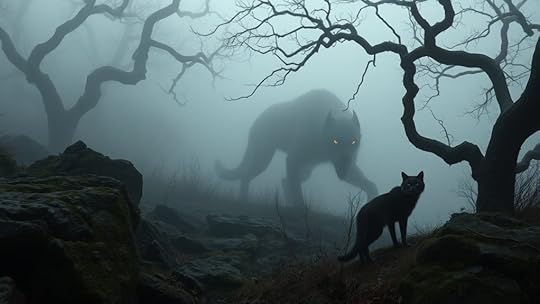
Nestled deep within the rugged moorlands of Dartmoor, stories of a mysterious creature have persisted for centuries, capturing the imagination of locals and visitors alike. These tales often involve supernatural encounters that leave witnesses trembling and questioning what they saw. The origins of this folklore trace back generations, blending myth and reality into a chilling narrative. Some believe the creature to be a supernatural hellhound, a spectral beast linked to ancient legends of the underworld, while others suggest it might be a cryptid cat, an elusive feline lurking in the shadows. Regardless of its true form, the creature’s presence continues to haunt the moors, fueling local superstition and intrigue.
When you venture into Dartmoor’s wild landscapes, you might find yourself contemplating these stories. Many who have experienced strange sights in the darkness report seeing a large, black, shadowy figure with glowing eyes that seem to pierce through the night. These supernatural encounters often happen near ancient stone circles or in remote areas where the moor’s eerie silence amplifies any unusual sounds or movements. Witnesses describe feeling an overwhelming sense of dread, as if the creature embodies the very essence of the moor’s dark history. These experiences aren’t isolated; they’re woven into the fabric of local folklore, passed down through generations as warnings or tales of the supernatural.
The folklore origins of the Dartmoor beast are complex, rooted in a mixture of myth, legend, and perhaps misidentification of animals or natural phenomena. Some believe the creature is a remnant of pagan rituals, a guardian spirit or a punishment from the gods, while others think it’s a manifestation of collective fears projected onto the landscape. Over time, stories of sightings have evolved, blending elements of hellish hellhounds with tales of mysterious black cats seen darting through the night. These stories serve to explain the unexplainable, to give a voice to the fears that stir within the shadows of Dartmoor’s wilderness.
Interestingly, the study of textile art techniques can reveal how folklore is preserved and transmitted through visual storytelling, much like legends are passed down orally. Whether you’re a skeptic or a believer, the folklore origins of the Dartmoor creature invite curiosity and skepticism alike. It’s a symbol of the moor’s wild, untamed nature—an embodiment of the unknown that lurks just beyond the edge of human understanding. As you explore Dartmoor, keep your senses alert, for the tales suggest that something unseen is watching, waiting in the darkness. The legend persists because, perhaps, some things are better left unexplained, hiding just beneath the surface of reality, forever woven into the fabric of Dartmoor’s mysterious landscape.
Frequently Asked QuestionsWhat Historical Sightings Are Most Credible?You should consider sightings from the early 19th century as the most credible, since they often include detailed descriptions and witness testimonies. These accounts, rooted in local folklore significance, suggest the creature’s mythical origins and have been passed down through generations. Their consistency across different reports adds weight, making them more convincing than later, less detailed sightings. This historical context helps you understand why the beast remains a fascinating cryptid mystery today.
Are There Any Scientific Explanations for the Creature?Scientific explanations for the creature often involve cryptid theories, suggesting it could be a misidentified animal or a rare species. Some believe it might be a large dog, a fox, or even a genetic anomaly. While these ideas spark intrigue, there’s no concrete evidence. The creature’s elusive nature continues to fuel speculation, and until scientific investigations provide definitive proof, it remains an intriguing mystery rooted in legend and cryptid theories.
Has the Creature Been Featured in Local Folklore?You’ll find that the creature has deep roots in local folklore origins, often fueling stories passed down through generations. Its mythological symbolism ties it to themes of mystery and the supernatural, creating a sense of intrigue and fear. As you explore these tales, you’ll notice how they reflect cultural beliefs and fears, keeping the legend alive and mesmerizing those who hear about the beast’s mysterious presence in Dartmoor’s wilderness.
What Are Recent Sightings or Encounters?Imagine shadows slipping through the mist; recent encounters paint a vivid picture. You might witness paranormal activity, with eyewitness testimony describing a large, shadowy creature darting across Dartmoor’s landscape. These sightings, often reported at dusk or dawn, keep the mystery alive. Though evidence remains elusive, each account fuels speculation that something extraordinary lurks in the darkness, waiting to be uncovered by those daring enough to look.
Could This Creature Be a Misidentified Common Animal?Yes, this creature could be a misidentified common animal. Many sightings might stem from misidentification possibilities, where traits like size, shape, or movement resemble a hellhound or cryptid cat but are actually those of a large dog, fox, or domestic cat. Recognizing common animal traits helps explain some encounters, but unusual behaviors or sightings often remain unexplained, fueling speculation about the creature’s true nature.
ConclusionUltimately, whether the Beast of Dartmoor is a hellhound or a cryptid cat remains a mystery. You might say, “a picture is worth a thousand words,” but some legends refuse to be fully seen or understood. Keep your eyes open and your mind curious—sometimes the truth is hiding just beyond the shadows. As the saying goes, “truth is stranger than fiction,” so stay intrigued and never stop wondering what lurks in the darkness.